Is it a Victorian or an Edwardian? Why does a SoMa loft feel brighter than a classic Alamo Square flat? If you have asked these questions while scrolling listings, you are not alone. San Francisco’s architecture is gorgeous, but the differences can be subtle at first glance.
This guide gives you a quick, visual way to spot the city’s most common home styles, understand how they live, and see where they often show up. You will also learn what matters for light, value, and renovation, so you can focus on the homes that fit your goals. Let’s dive in.
How SF shapes style
San Francisco’s neighborhoods grew in layers. You see late 19th century Victorians and early 20th century Edwardians mix with mid‑century infill and contemporary loft conversions. Blocks reflect when they were developed, how they were zoned, and how they were rebuilt after the 1906 earthquake.
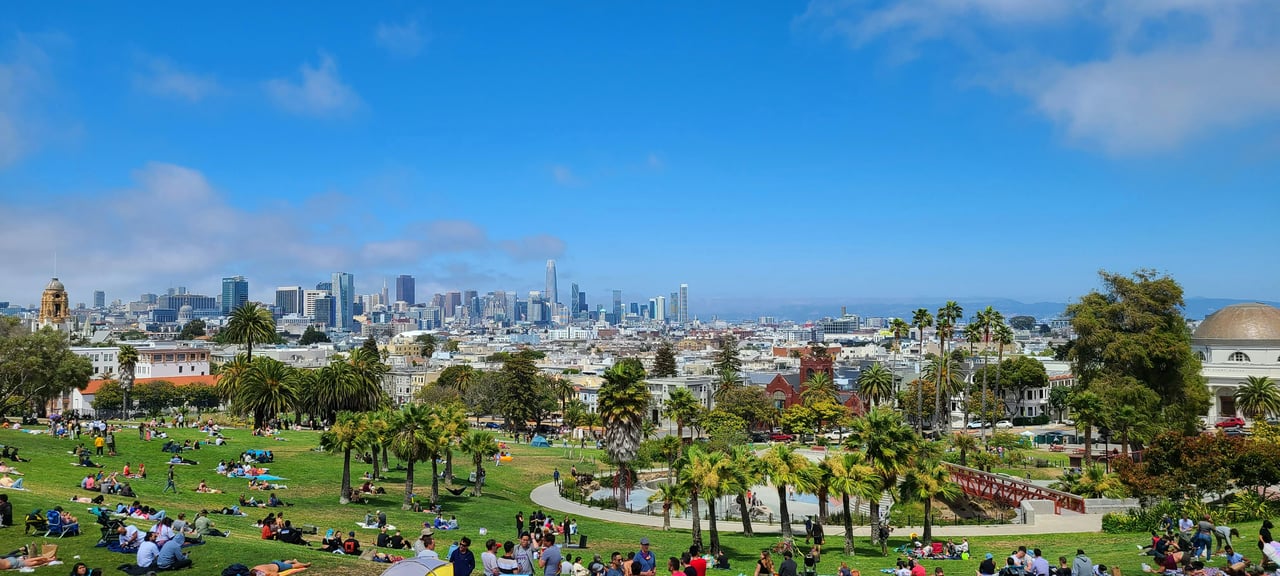
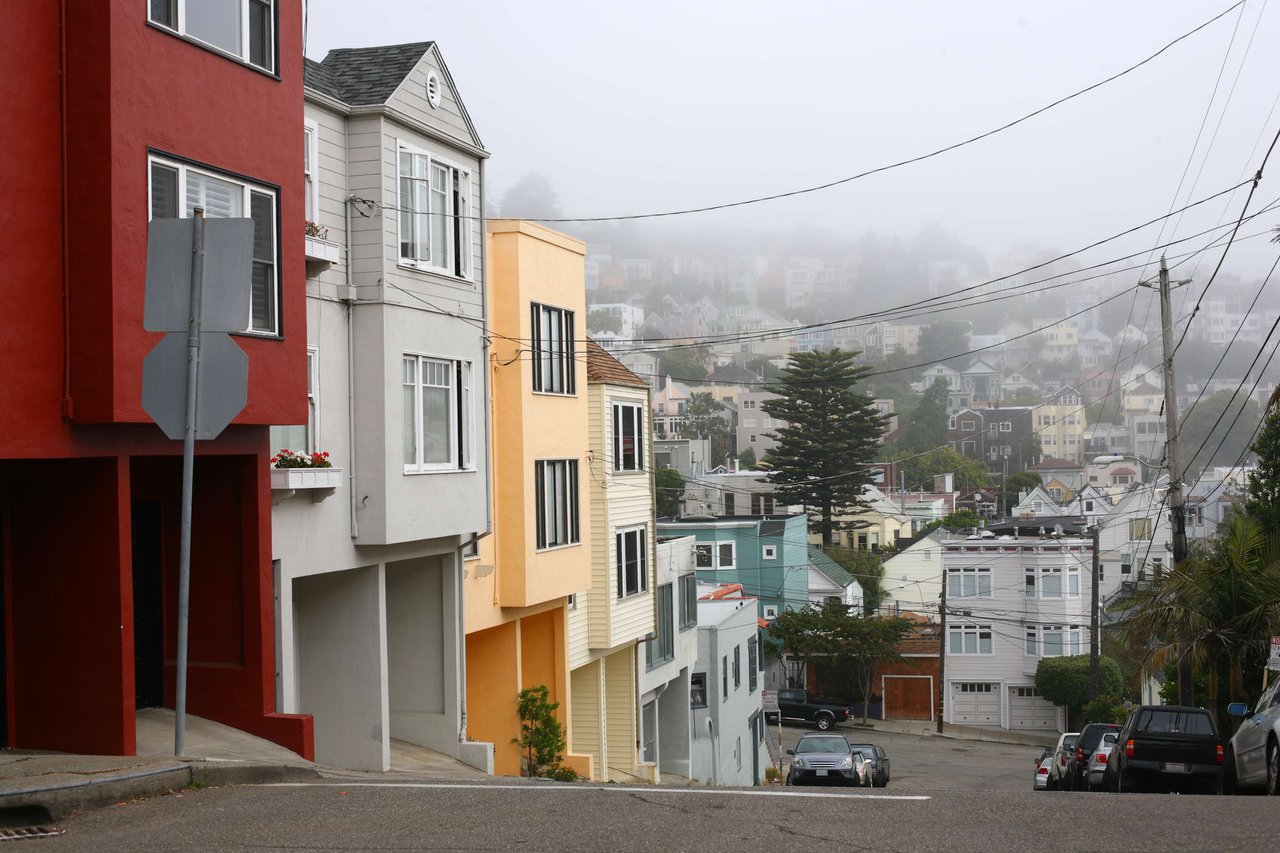
Microclimates play a big role in how homes feel. Fog typically arrives from the west and northwest, so the Avenues and other western blocks get more fog and softer daylight. Eastern and southern areas like SoMa and Bernal Heights see stronger sun. Hills in places like Pacific Heights and Bernal add views and change how light moves across floors.
Victorian homes
Visual cues
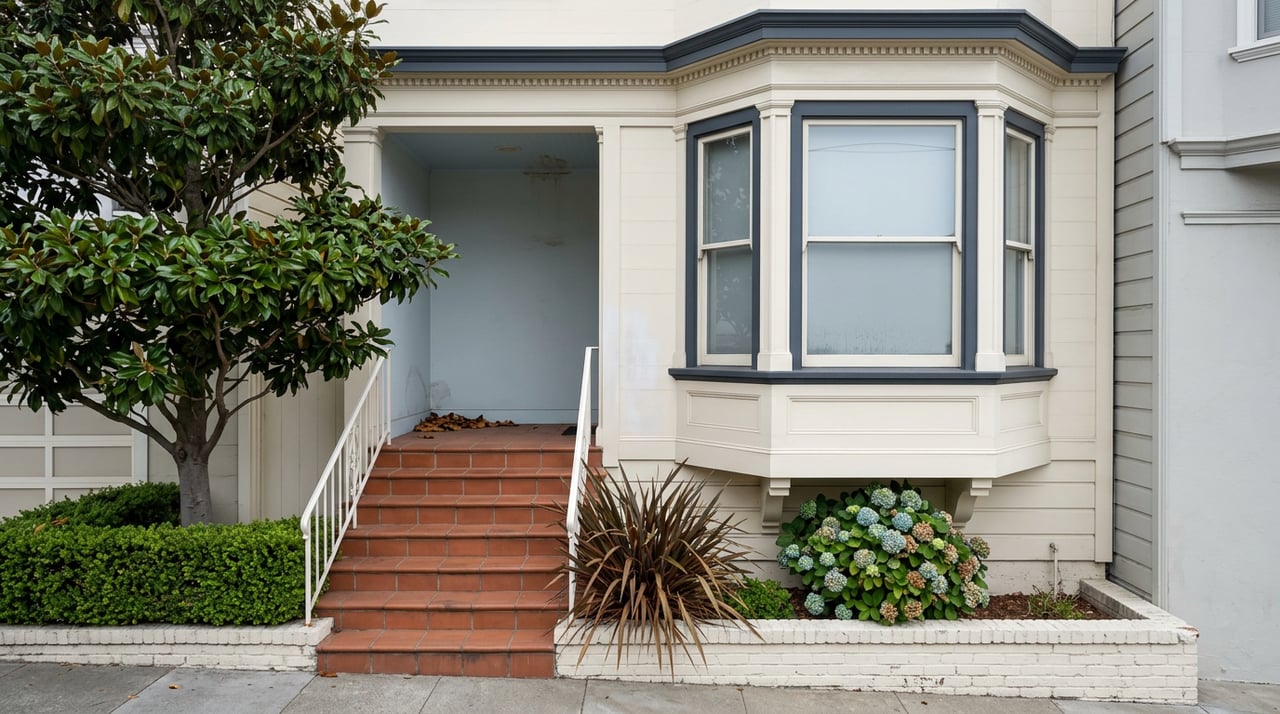
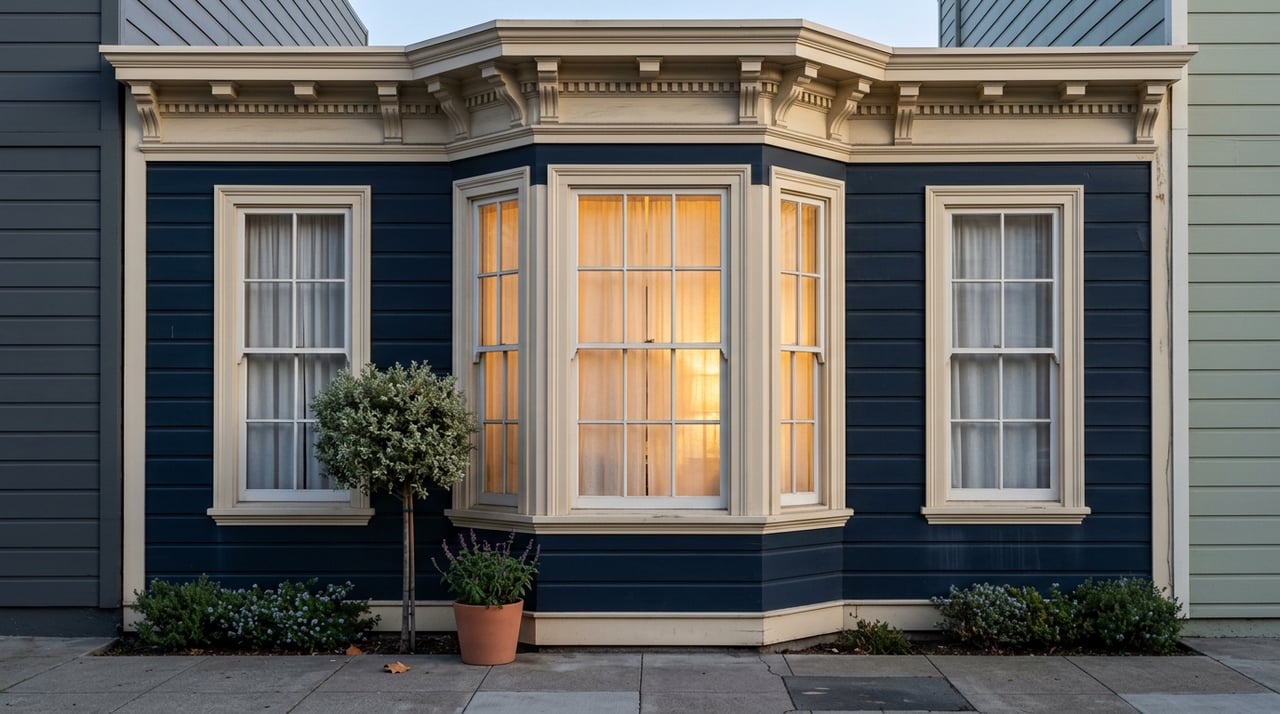
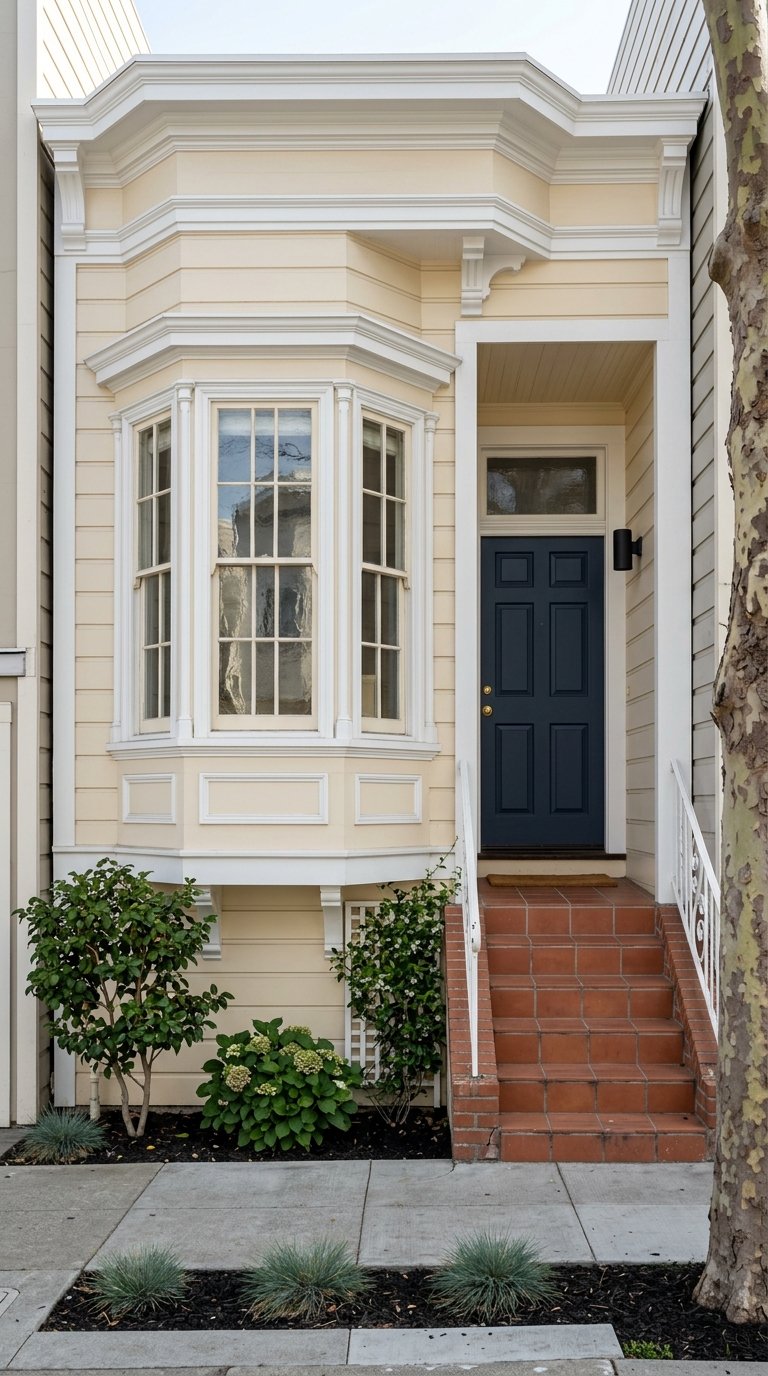
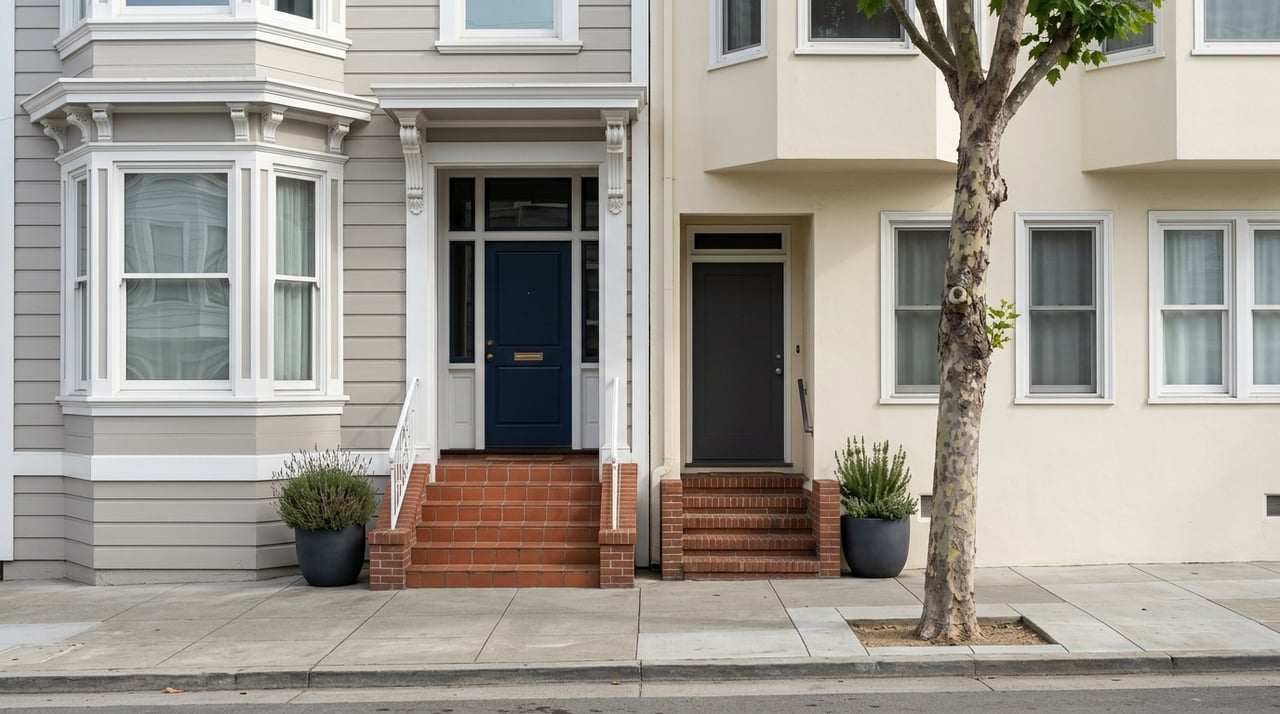
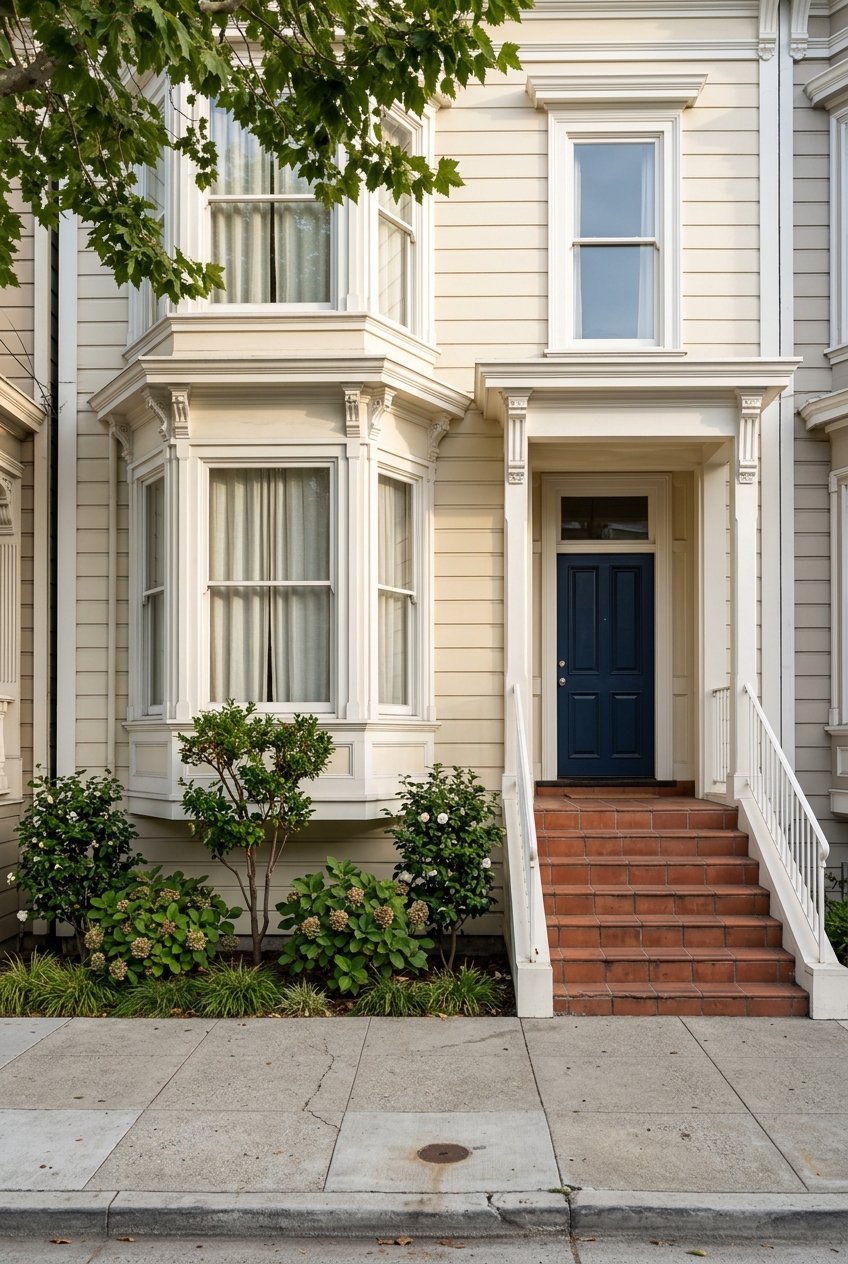
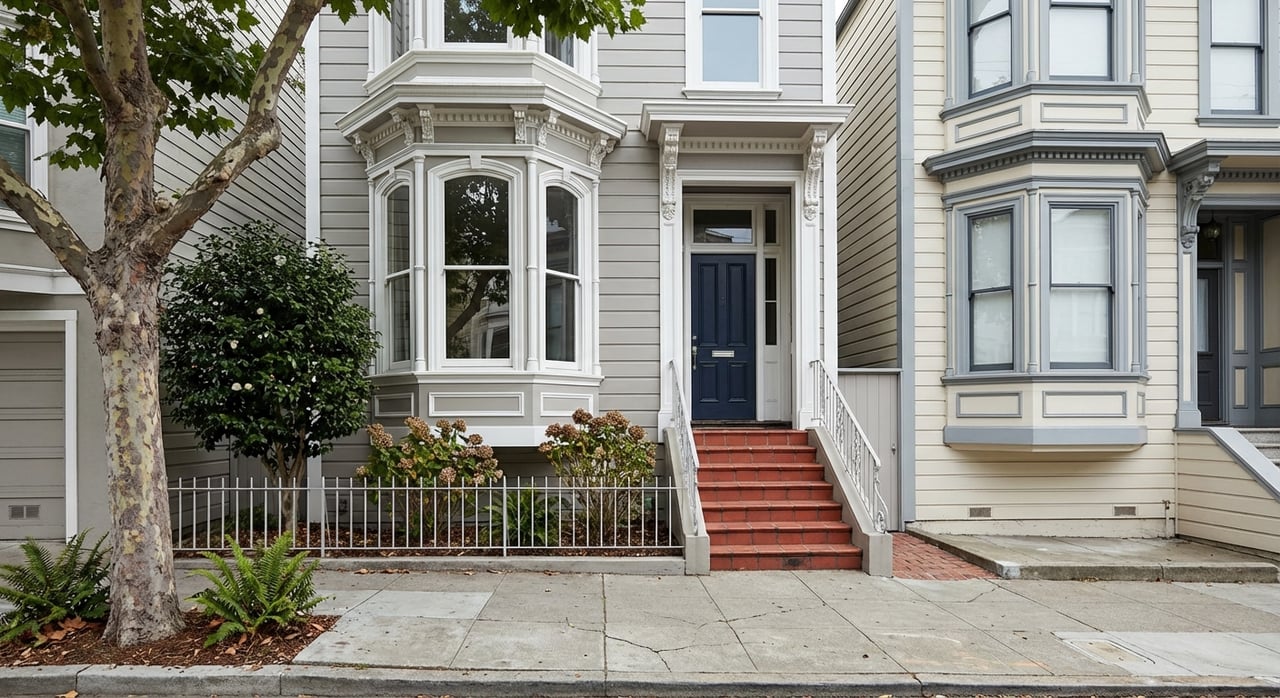
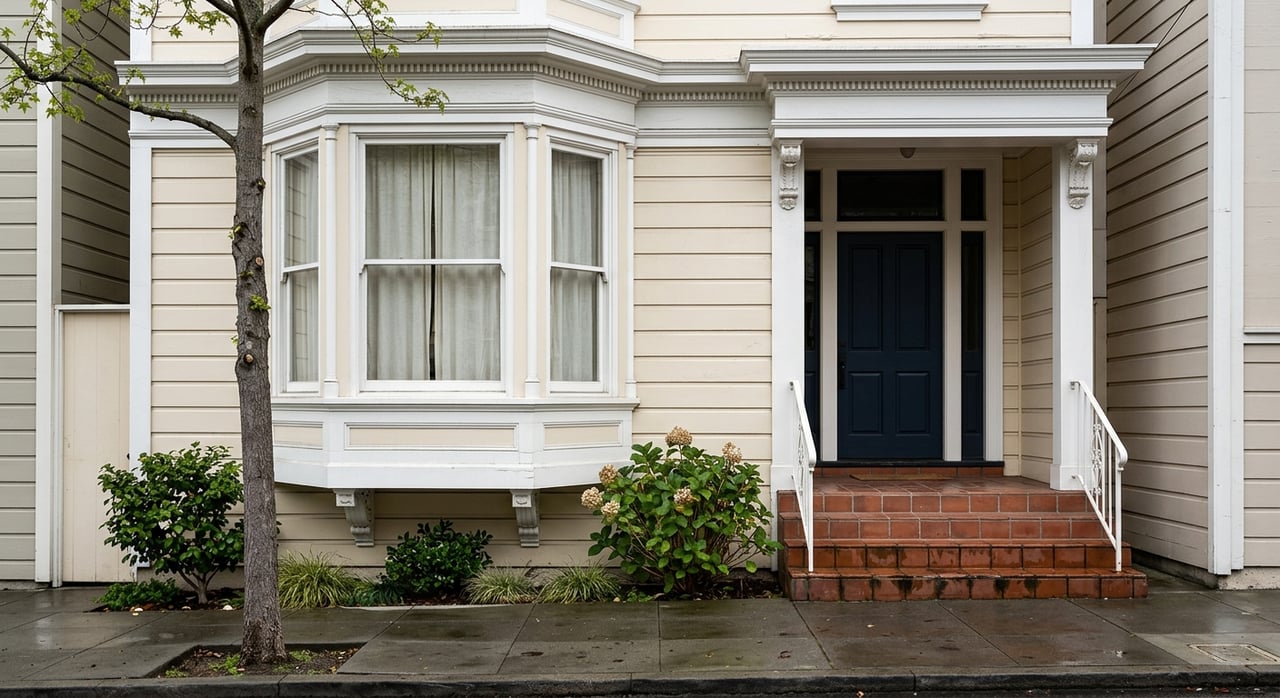
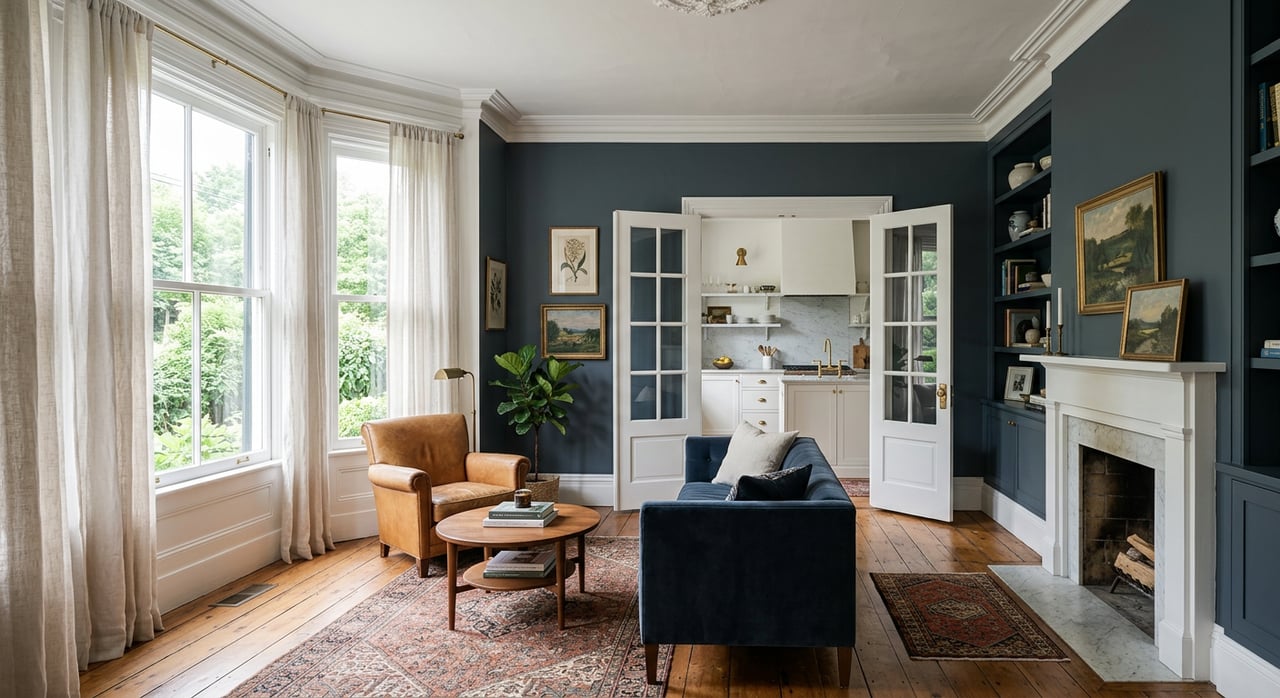
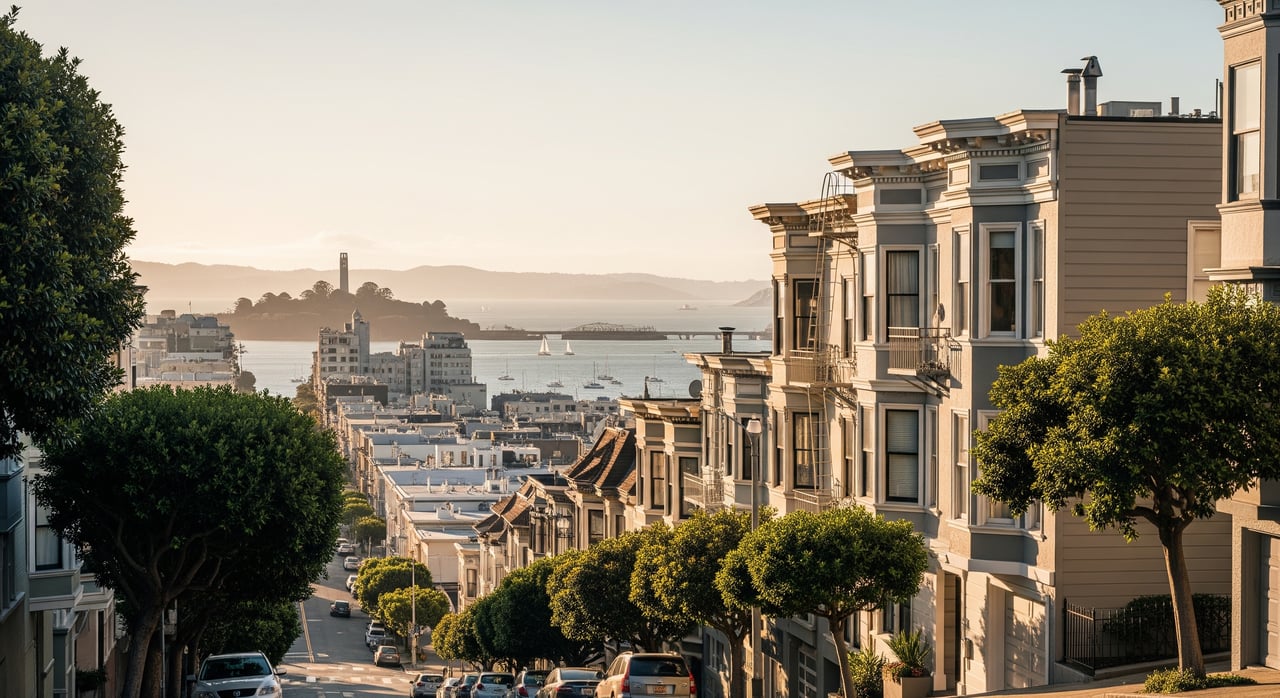
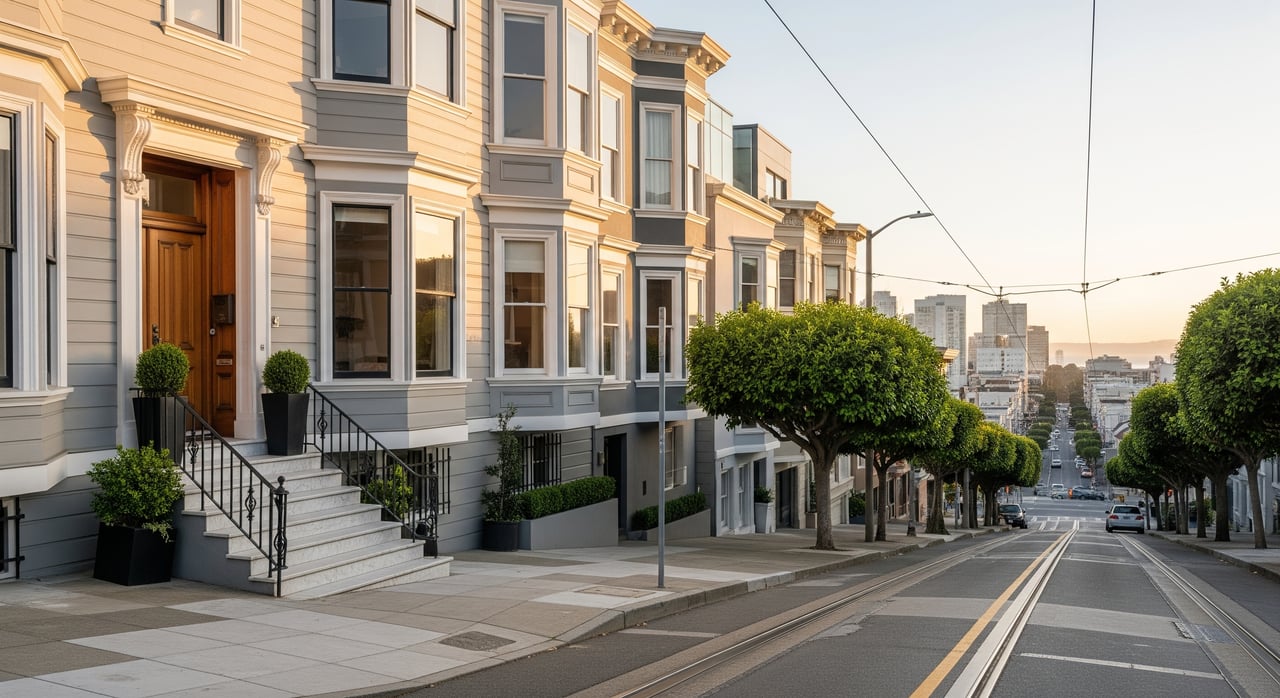
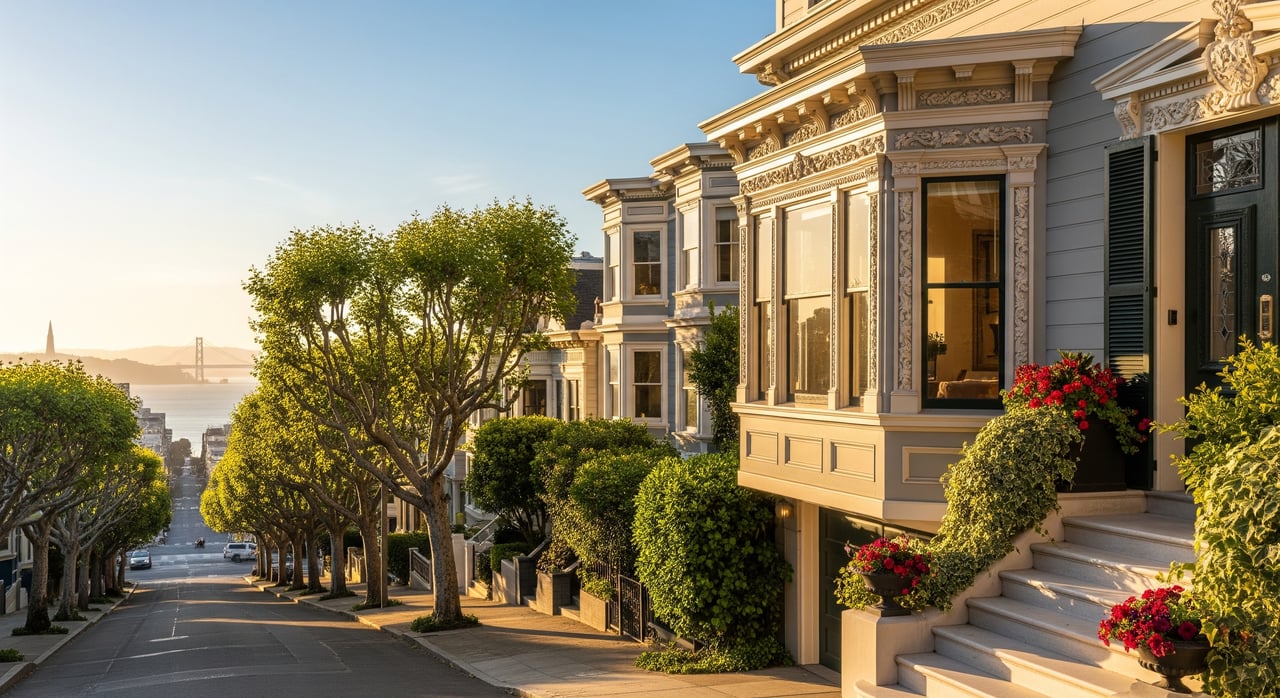
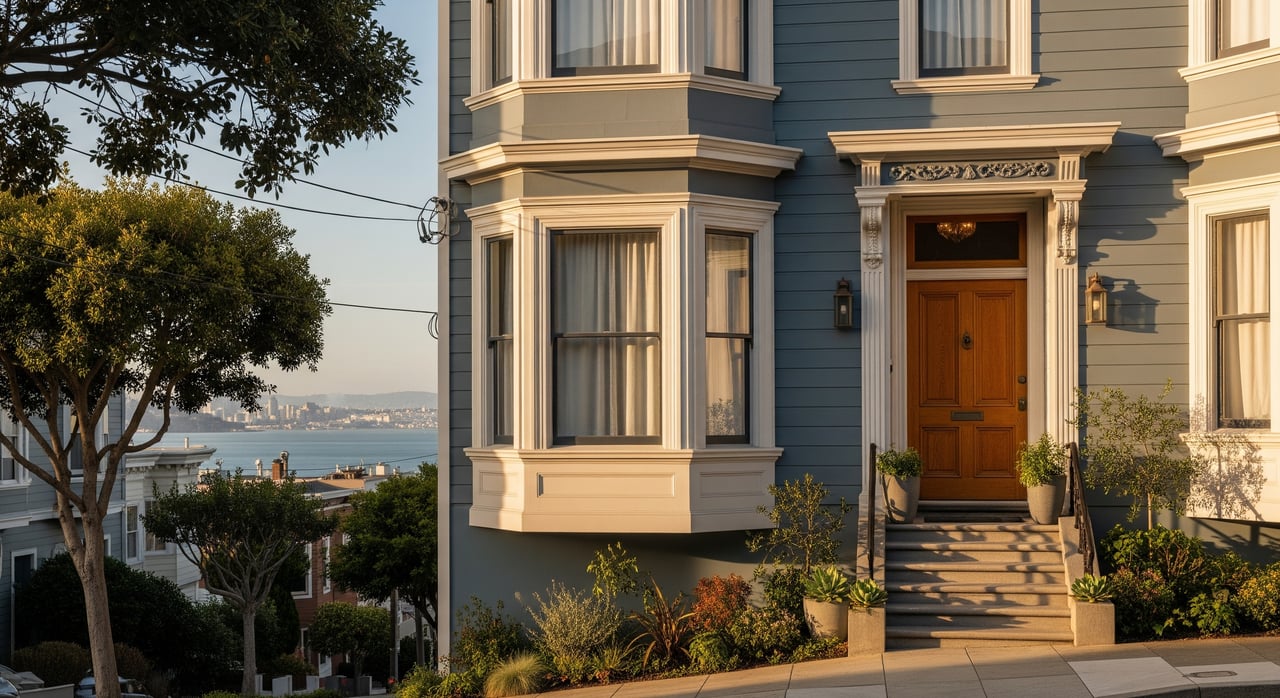
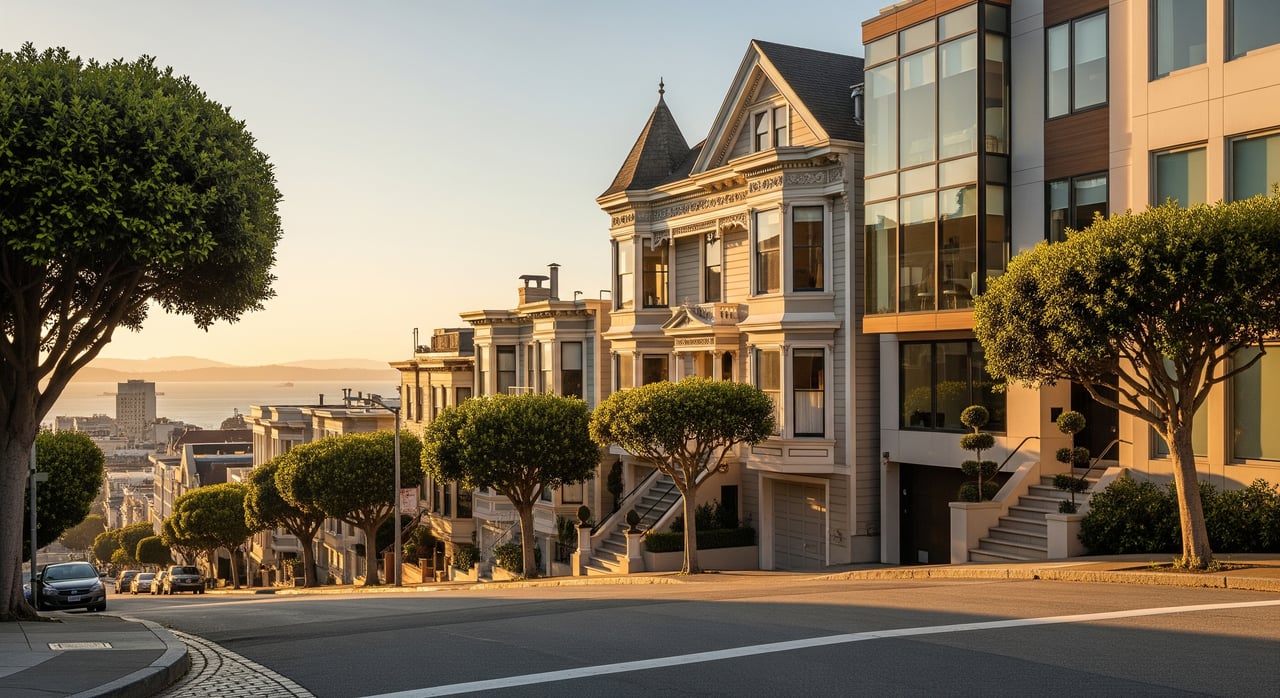
Victorians are tall and ornate. Look for decorative trim, brackets, cornices, spindles, and patterned shingles. Prominent bay windows and narrow, vertical façades are common. Many wear layered paint schemes that highlight detail.
Layout and light
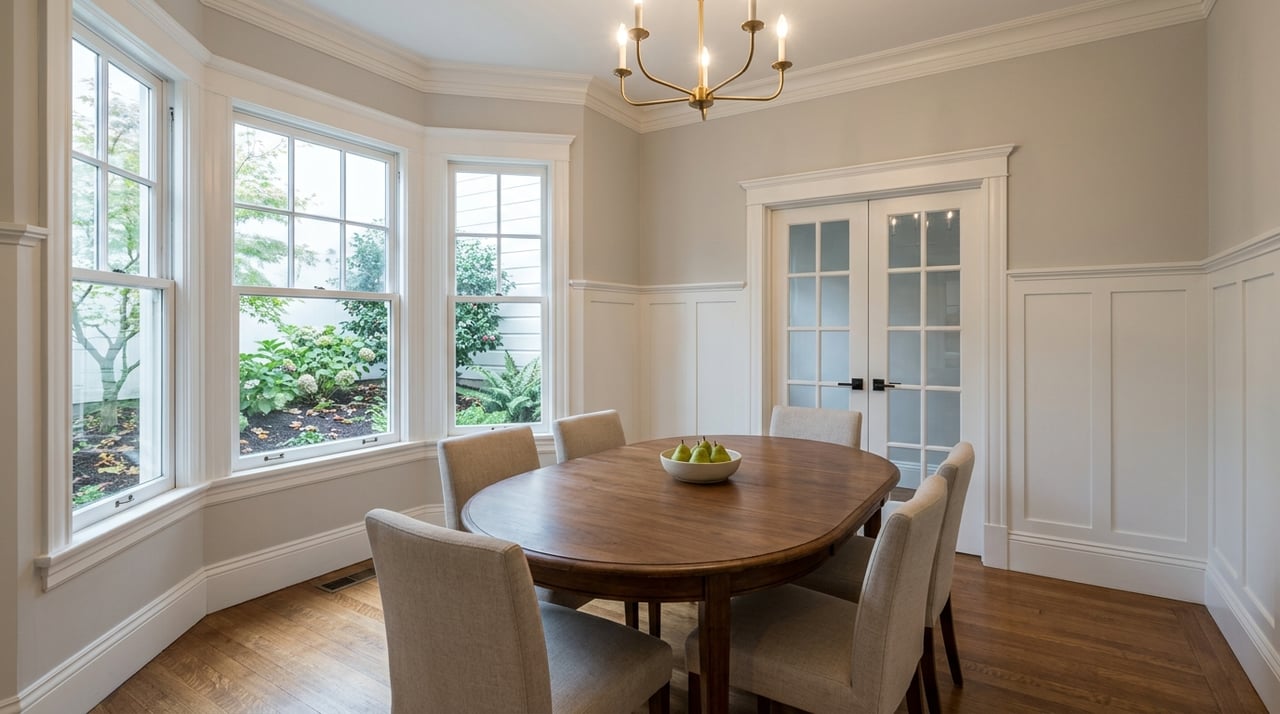
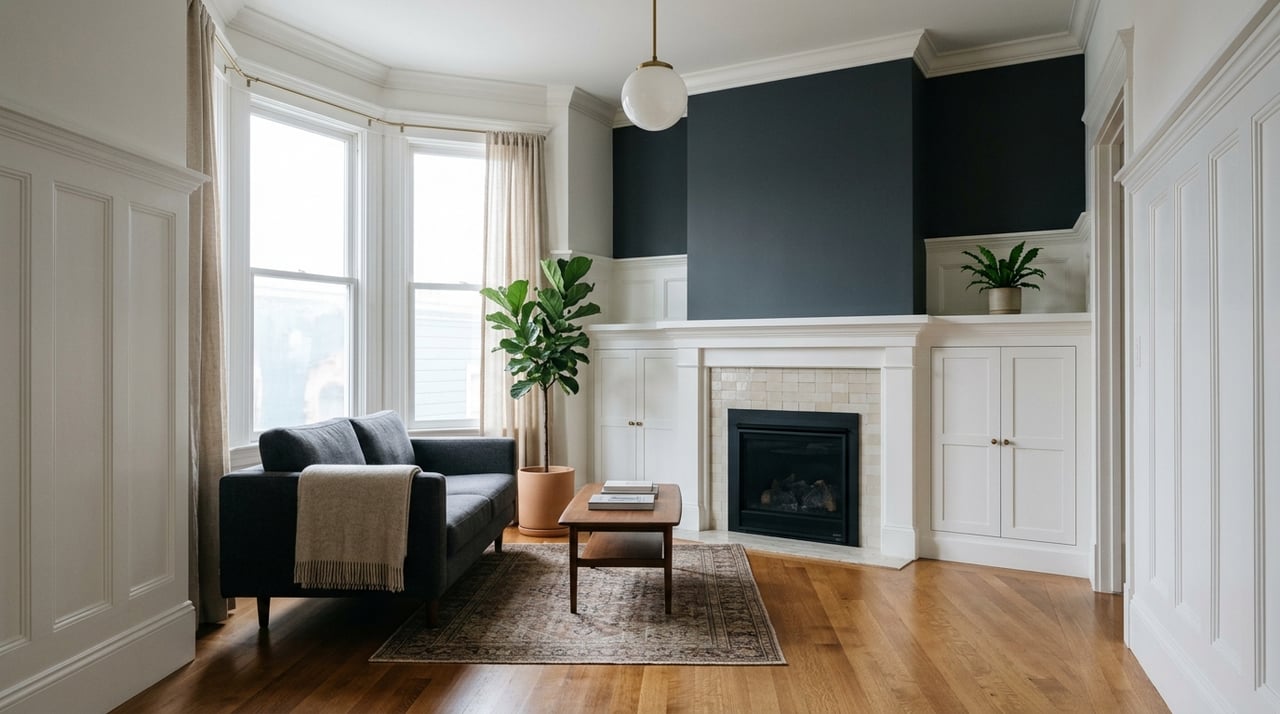
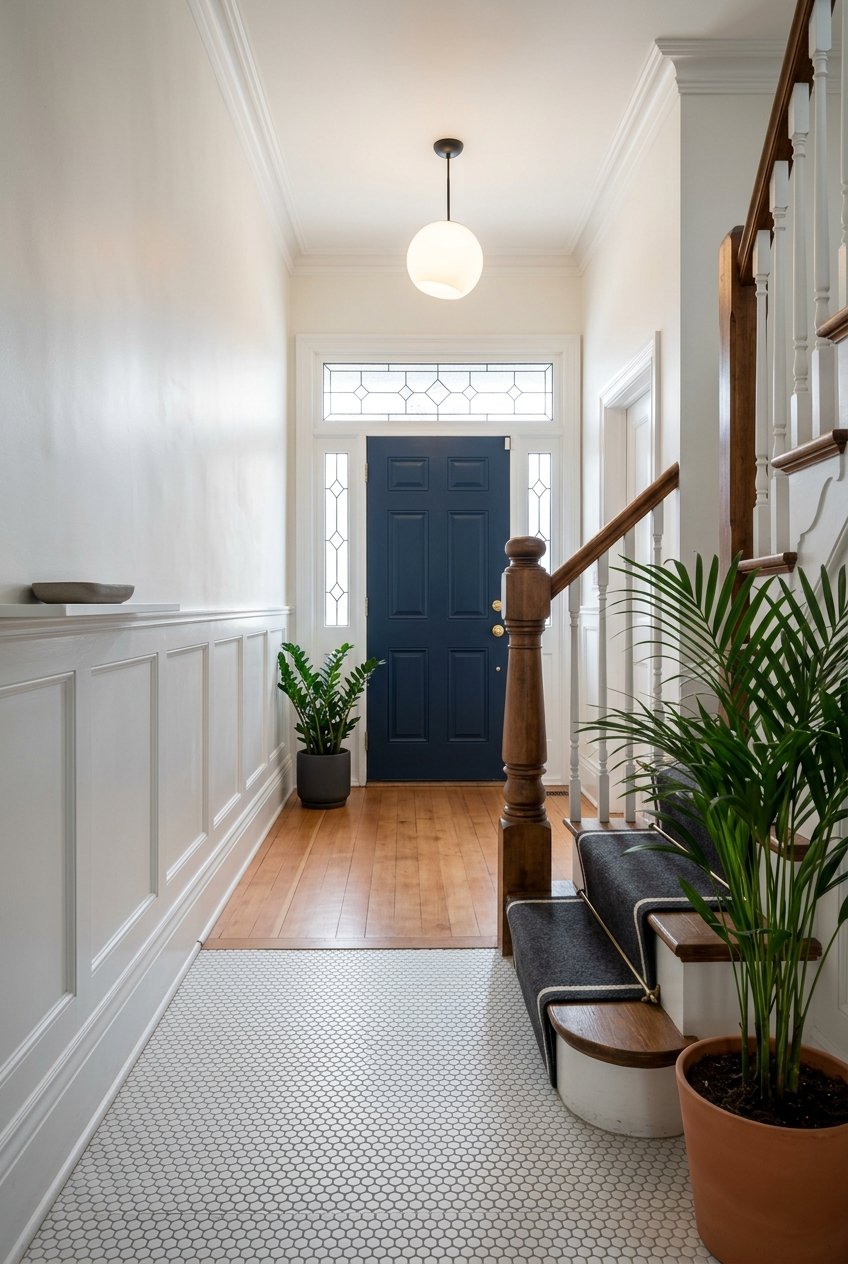
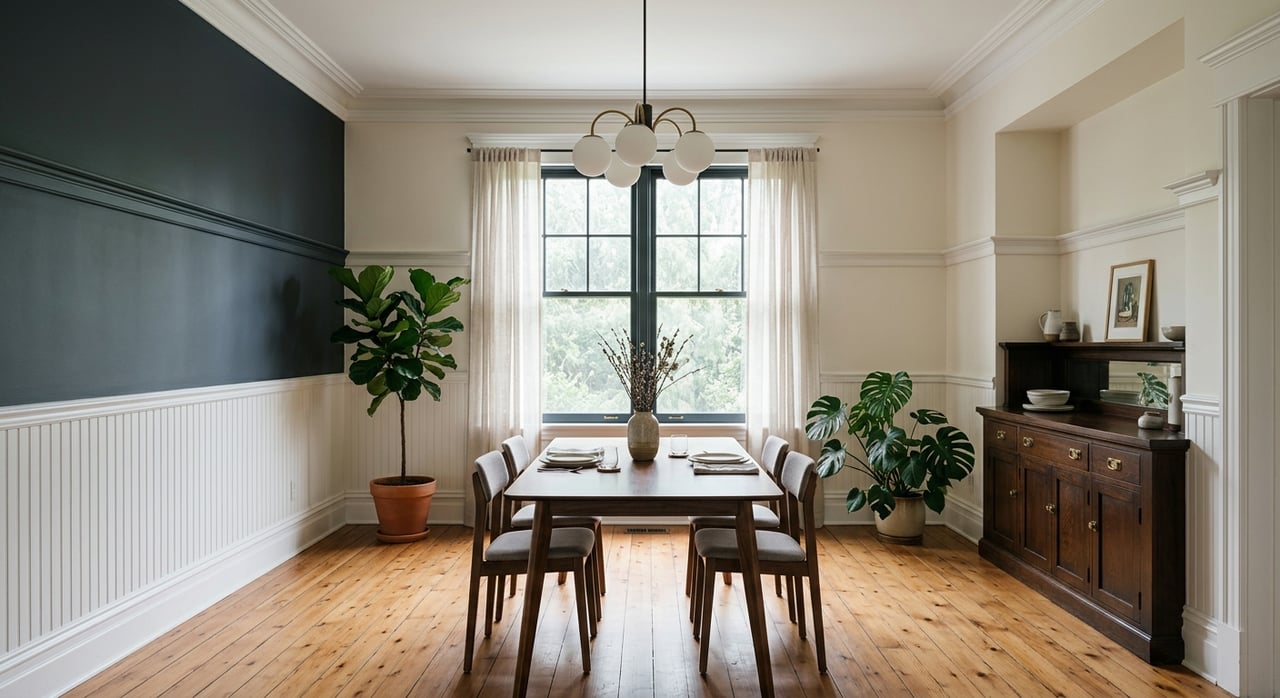
A traditional parlor floor puts a formal living room at the front bay, a separate dining room behind it, and a rear kitchen. Stairs are sometimes narrow and steep, with bedrooms above and attic or third‑floor rooms in larger homes. Light can be dramatic at the front, while rear rooms may be dimmer, especially on lower levels.
Where you find them
You will recognize classics around Alamo Square and Hayes Valley, with grand examples in Pacific Heights. Variants include Italianate, Stick or Eastlake, and Queen Anne.
Renovation and value tips
- Preserve millwork and high ceilings to maintain value.
- Open sightlines between parlor and dining areas where structure allows.
- Add daylight with skylights, dormers, lightwells, or rear expansions.
- Expect review if changing façades in historic areas, while interiors are typically more flexible with permits.
Edwardian homes
Visual cues
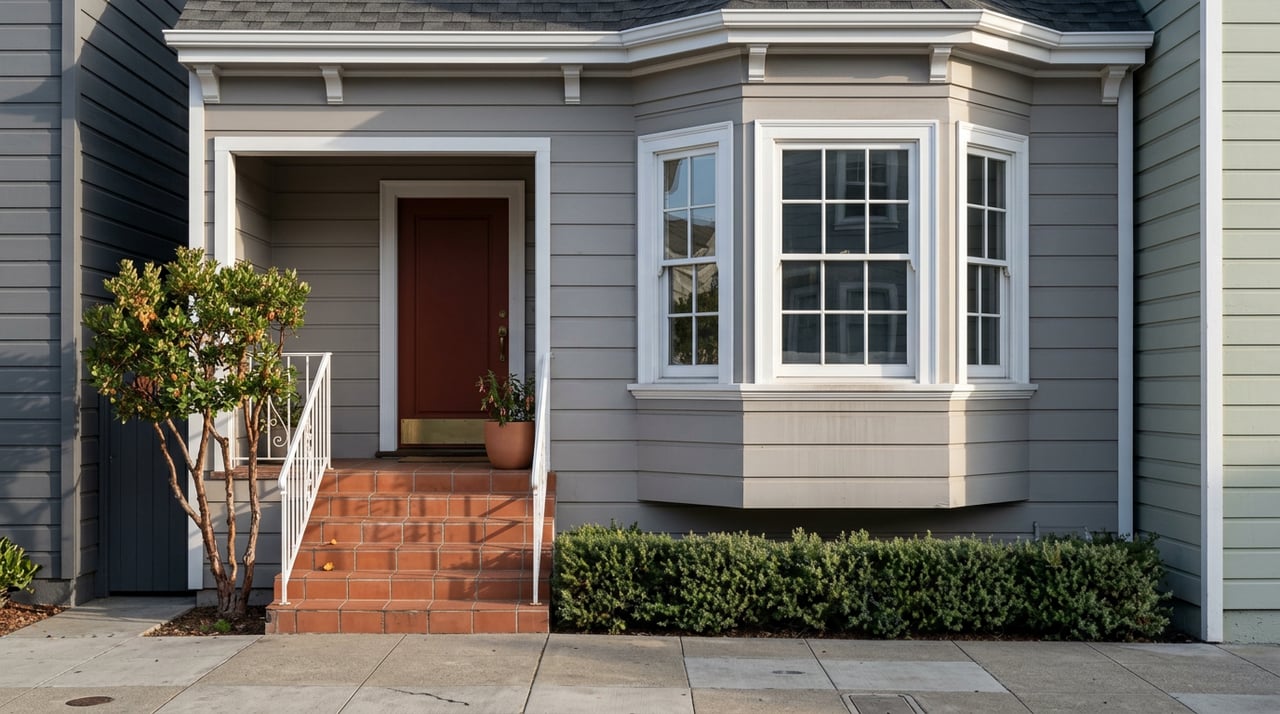
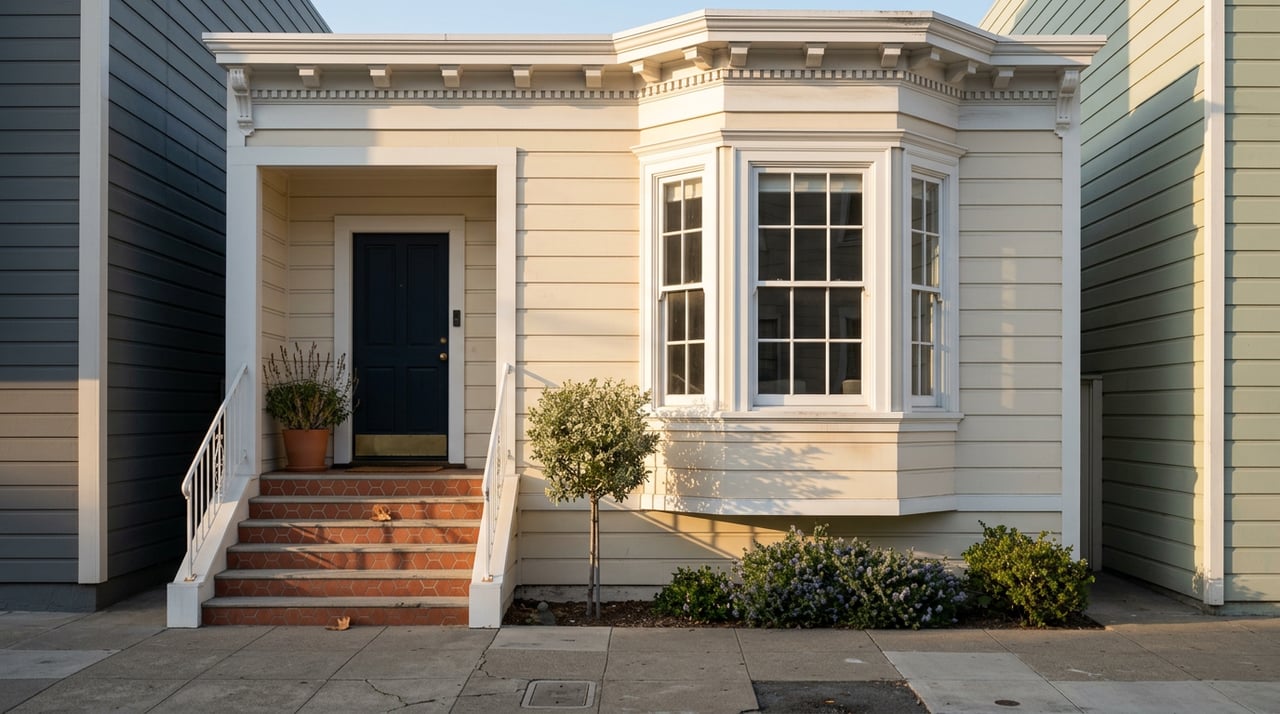
Edwardians, built roughly 1900 to 1920, are simpler than high‑Victorians. Expect boxier façades, flat rooflines, modest bays, and restrained ornament in stucco or clapboard. Symmetry is more common.
Layout and light
Floorplans are efficient and rectangular, using center or side halls for practical circulation. Many are multi‑unit walk‑ups with similar footprints per floor. Light at the front can be strong, while interior rooms sometimes have smaller windows.
Where you find them
They are common in the Avenues across the Inner and Outer Richmond and Sunset, plus parts of Bernal Heights and Noe Valley.
Renovation and value tips
- Focus on kitchens and baths, often by expanding or opening the rear.
- Retain original openings where possible to keep character.
- Plan for egress, fire, and seismic updates, especially in two‑ or three‑unit buildings.
Marina‑style explained
What the term means
“Marina‑style” is used two ways in San Francisco. It can mean the 1920s to 1930s Mediterranean or Spanish Revival homes common in the Marina District and Cow Hollow. It can also mean a light, airy interior aesthetic with white walls, open plans, and balconies often seen in waterfront remodels.
Visual cues
Street façades are typically stucco, sometimes with clay tile roofs and simplified classical details. Buildings often range two to three stories and have lower ornamentation than Victorians.
Where you find them
The Marina District and Cow Hollow feature these buildings, with similar Mediterranean touches in parts of North Beach.
Renovation and value tips
- Evaluate foundation and soil conditions in bayfront pockets and plan for strong seismic performance.
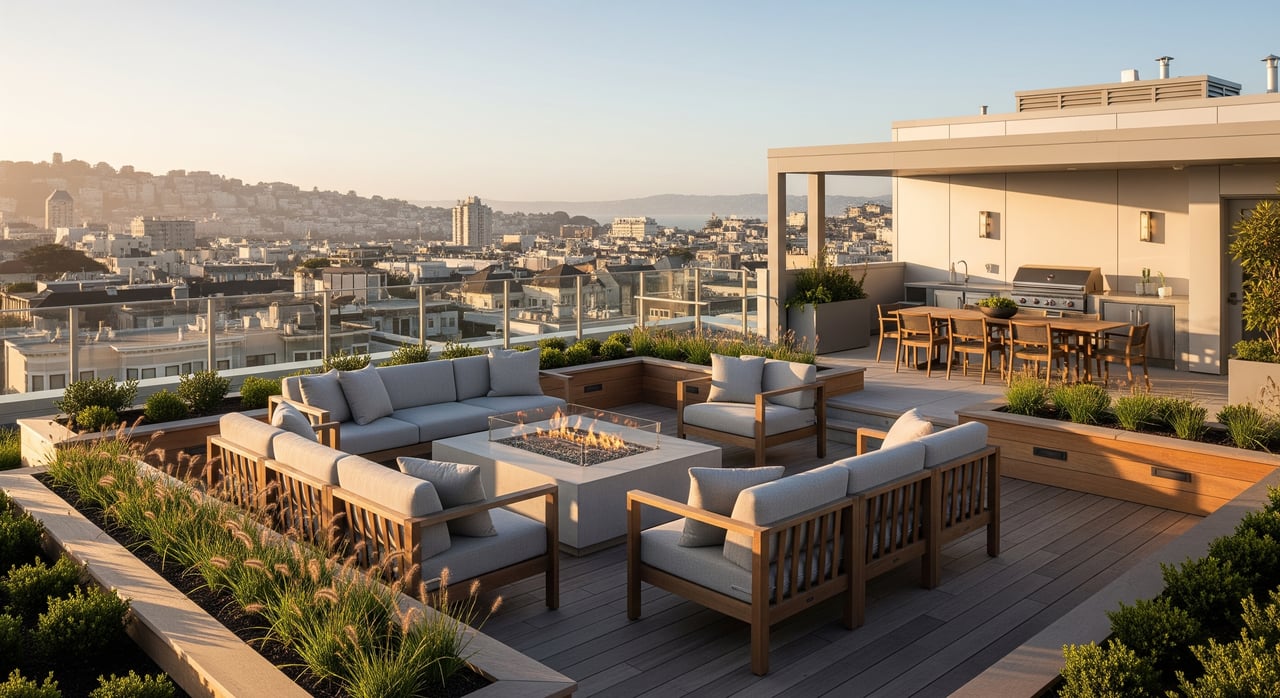
- Modernize kitchens and consider balconies or roof decks to capture light and views.
- Improve insulation and windows to handle wind and coastal conditions.
Mid‑century houses
Visual cues
Mid‑century homes from the 1940s to 1960s favor simple lines and lower profiles. Expect stucco or wood siding, minimal trim, and a horizontal feel where lots allow. Windows are larger than earlier eras.
Layout and light
Floorplans lean open and horizontal, sometimes single‑level or split‑level. Detached homes with back yards are a hallmark in the Avenues and some Bernal pockets. Larger windows help spread daylight more evenly across living spaces.
Where you find them
Look in the Avenues, especially mid‑century infill blocks, plus pockets of Bernal Heights and parts of Sea Cliff.
Renovation and value tips
- Open kitchens to living areas and refresh baths.
- Upgrade insulation, windows, and mechanical systems.
- Highlight original features like built‑ins or clerestory windows if intact.
Lofts and contemporary homes
Visual cues
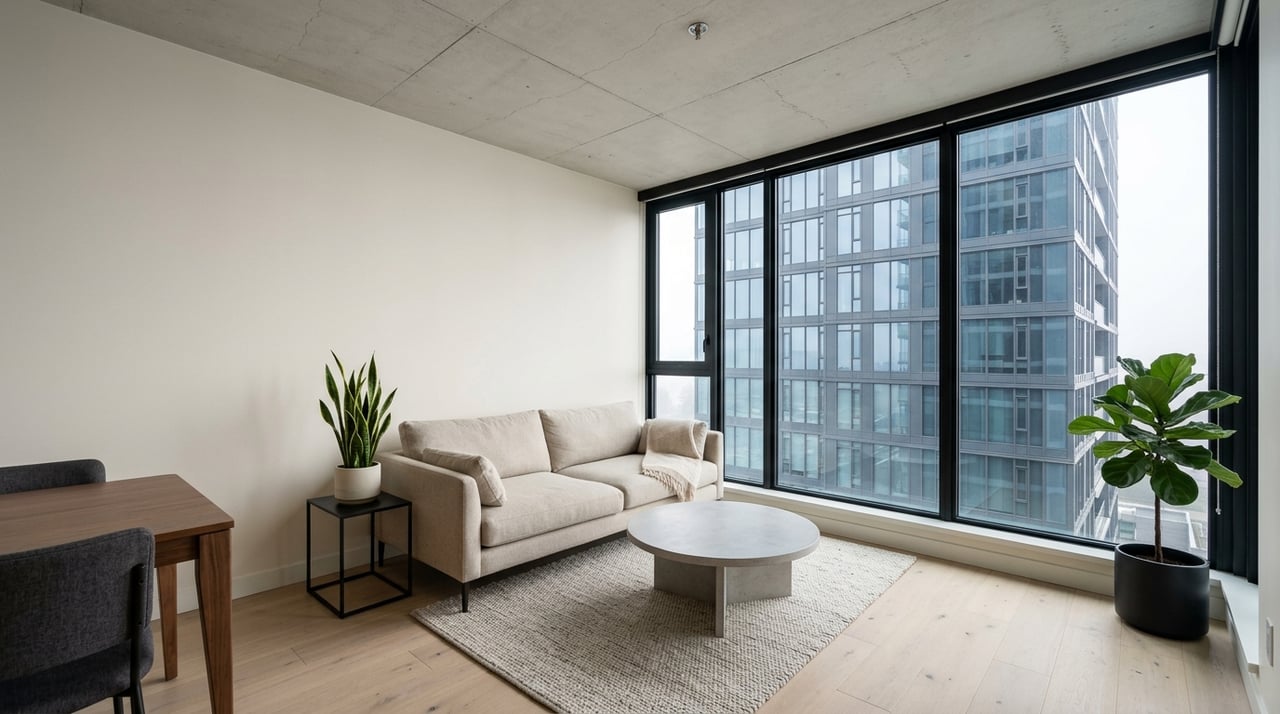
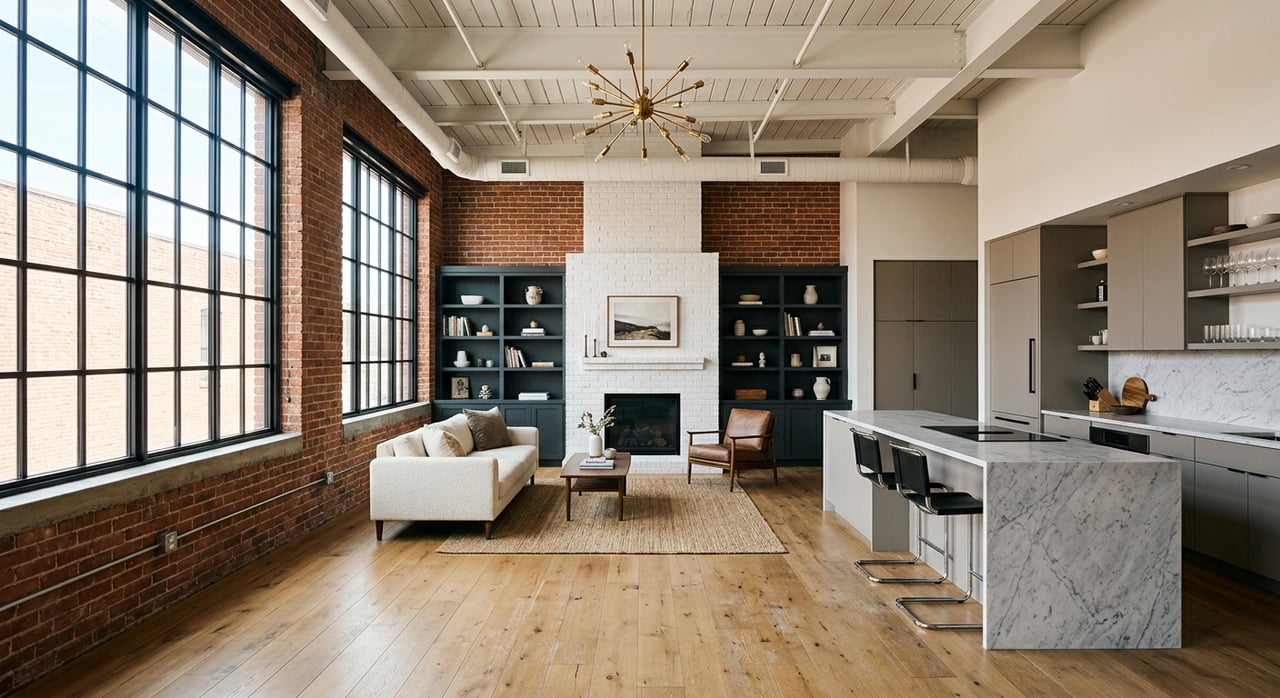
You will see large steel‑framed windows, exposed beams or ductwork, high ceilings, and minimal ornament. Materials lean industrial with concrete, steel, and expanses of glass. Newer condos emphasize clean lines and indoor to outdoor flow.
Layout and light
Plans are open and flexible with limited interior walls. Bedrooms may be partitioned rather than fully enclosed in some loft formats. Floor‑to‑ceiling glazing brings abundant light that changes with orientation.
Where you find them
SoMa is known for warehouse conversions and modern towers, with newer examples in Mission Bay, Dogpatch, and Potrero Hill.
Renovation and value tips
- Maintain open flow while adding discreet soundproofing or privacy where needed.
- Confirm mechanical and system performance in older conversions.
- Balance daylight with shading and ventilation for comfort.
Light, microclimates and orientation
Western neighborhoods in the Avenues get more fog and softer light, which can make interiors feel cooler and dimmer. Eastern and southern exposures in SoMa, Bernal Heights, and parts of Pacific Heights enjoy stronger sun. Hills and elevation add views but create varied light by floor, with top levels often brightest.
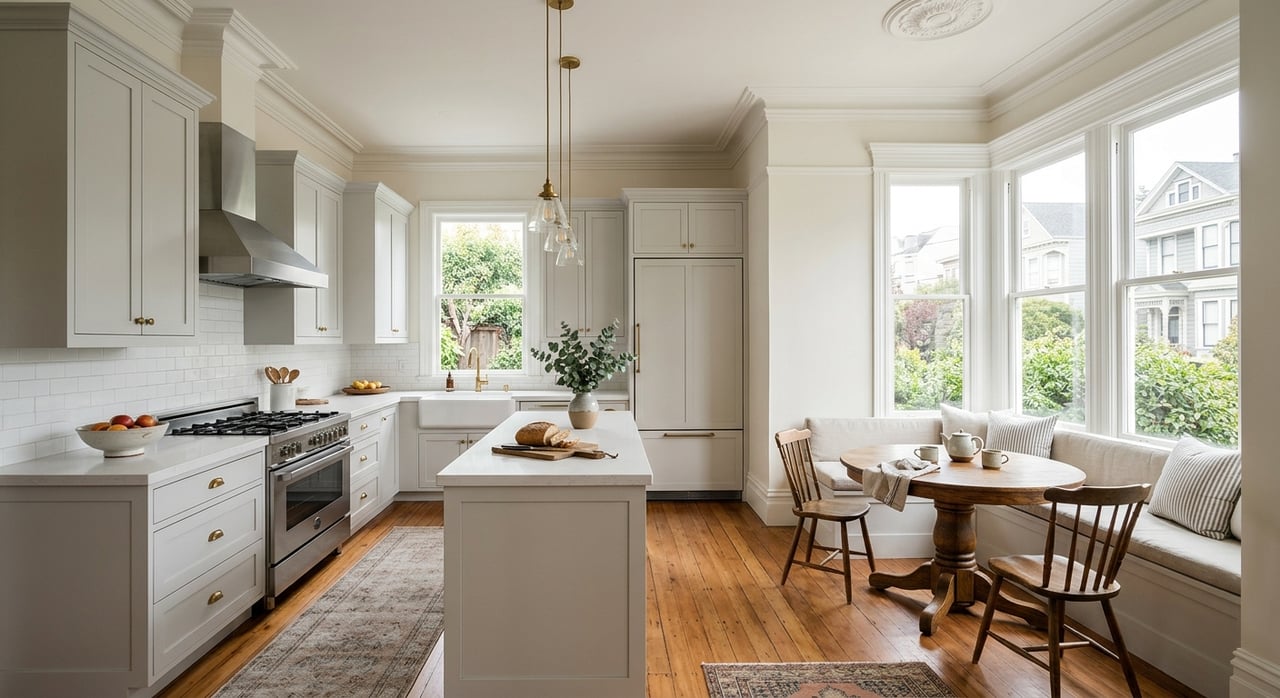
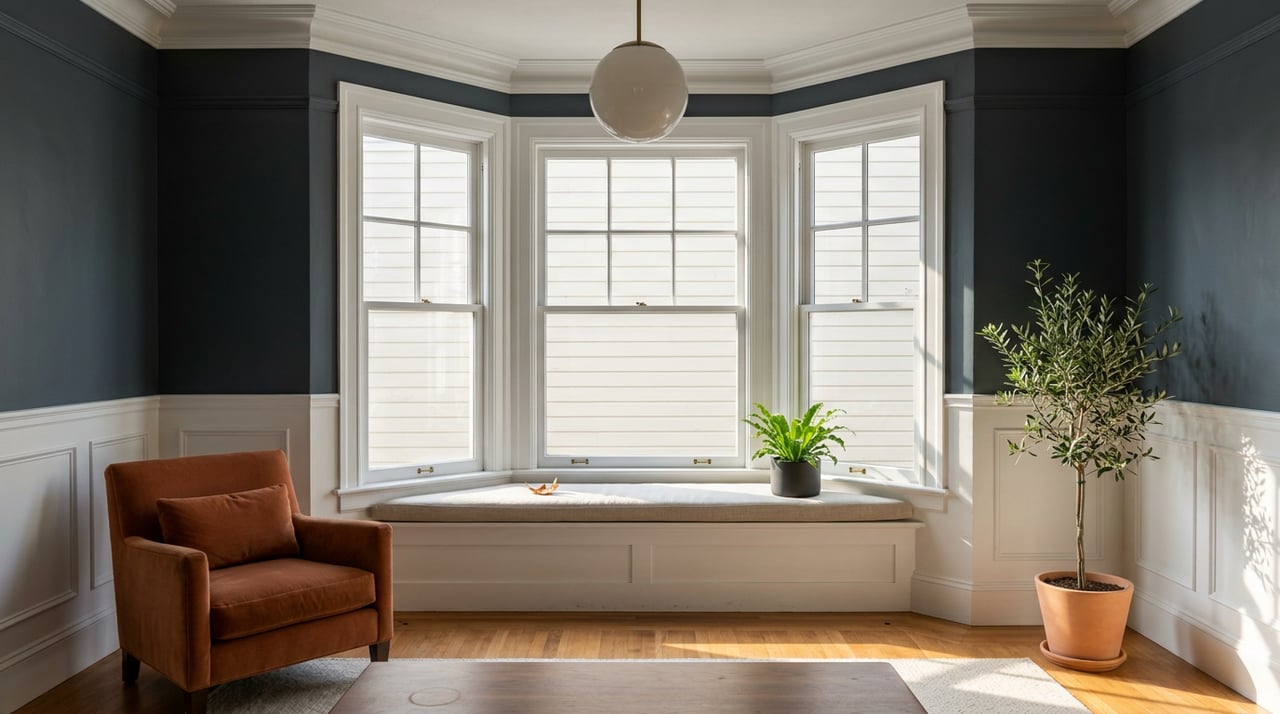
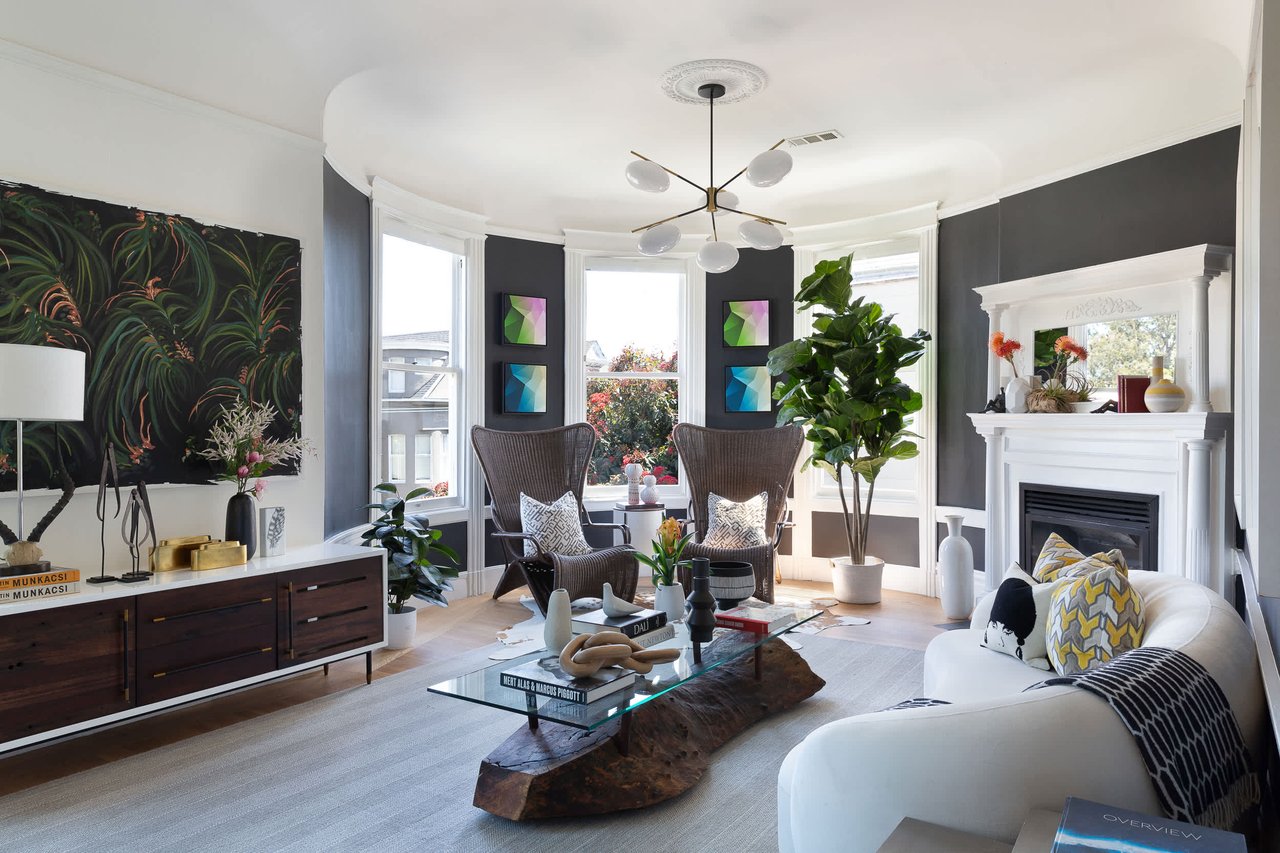
If you love natural light, look for bay windows in Victorians, larger mid‑century window walls, or loft glazing with south or east exposure. For foggier blocks, prioritize interior brightening strategies like lighter finishes, skylights, and layered lighting.
Renovation priorities by style
- Victorian and Edwardian
- Restore millwork and ceiling details where present.
- Open sightlines between living, dining, and kitchen zones.
- Add daylight with skylights or dormers, subject to permits.
- Plan seismic upgrades during major work.
- Marina or older stucco buildings
- Assess foundation, drainage, and soil conditions early.
- Modernize mechanicals and improve insulation and windows.
- Consider balconies or roof decks for outdoor access and views.
- Mid‑century
- Open kitchens, refresh baths, and improve HVAC and insulation.
- Showcase period features that resonate with buyers.
- Lofts and contemporary
- Preserve openness while enhancing sound control and privacy.
- Confirm ventilation, shading, and system efficiency for large glazing.
Staging and presentation
Play to each style’s strengths. In Victorians, emphasize millwork, ceiling height, and the parlor to dining procession. In lofts, showcase volume and light. In the Avenues and mid‑century homes, highlight usable yard space. In view corridors like Pacific Heights, keep sightlines clean and window treatments simple.
Photography should capture light at different times of day and show how rooms connect. Clear floor plans help buyers understand circulation and scale.
Choosing the right fit
If you value original craftsmanship and vertical drama, a Victorian may be your match. For efficient layouts with classic character, consider an Edwardian. If you want breezy, coastal simplicity, explore Marina‑style blocks. For easy family flow and yard access, mid‑century homes often deliver. If light and openness top your list, a loft or contemporary residence will feel right.
As you compare homes across Pacific Heights, Alamo Square, the Avenues, SoMa, and Bernal Heights, weigh style alongside orientation, microclimate, and renovation scope. The right combination will feel good on day one and hold value over time. If you want a design‑savvy partner to help read each home quickly and position you for success, connect with Brandi Mayo.
FAQs
What defines a San Francisco Victorian and where are they common?
- Tall, ornate façades with bays and rich millwork appear around Alamo Square and Pacific Heights, with parlor floor layouts and brighter upper levels.
How do Edwardians differ from Victorians in layout and feel?
- Edwardians are boxier with restrained ornament and more efficient floorplans, often as multi‑unit walk‑ups common in the Avenues and parts of Bernal Heights.
What does “Marina‑style” actually mean in SF listings?
- It can refer to 1920s to 1930s Mediterranean or Spanish Revival buildings in the Marina and Cow Hollow, or to a light, open interior aesthetic seen near the waterfront.
How do SF microclimates affect natural light at home?
- Western blocks get more fog and softer light, while eastern and southern neighborhoods like SoMa and Bernal receive stronger sun, with hills adding view and light variation.
Are seismic upgrades required when renovating in San Francisco?
- Requirements depend on project scope and building type, but many buyers expect some level of seismic bracing, and permits often trigger structural review.
What value upgrades matter most across styles?
- Kitchens and baths, improved light, and preserved character tend to lead, along with usable outdoor space, ceiling height, and sound structural performance.