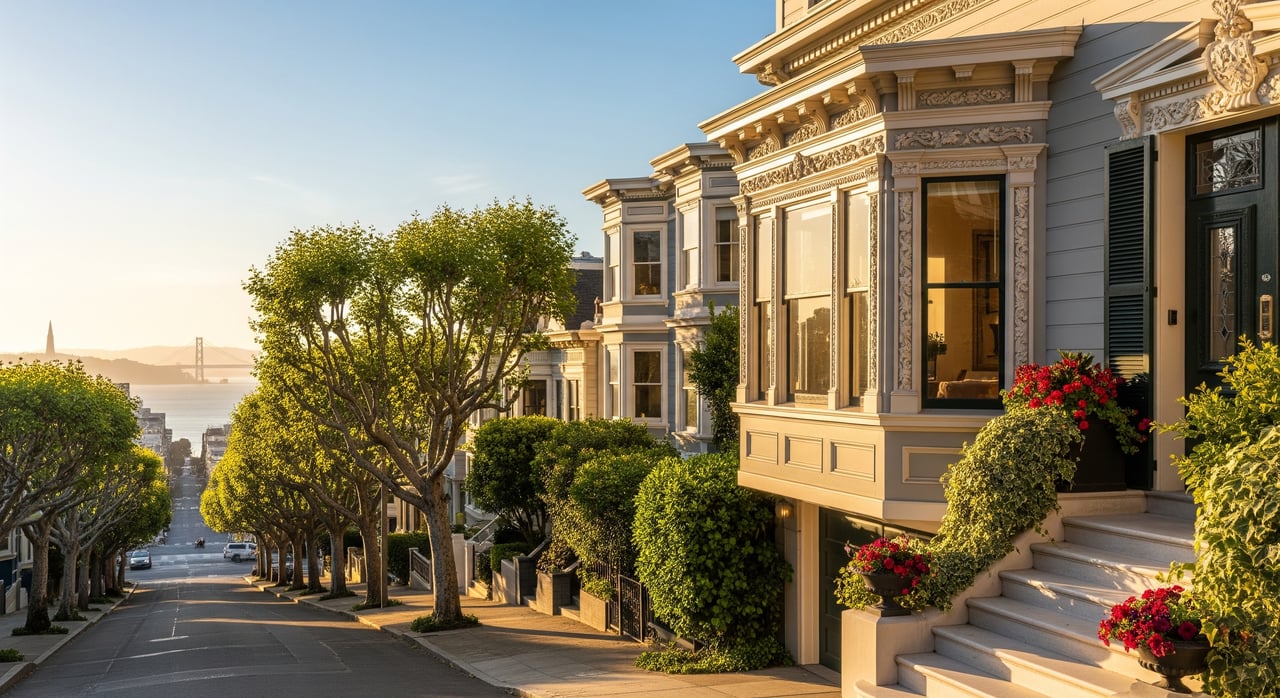
Not sure where to plant roots in San Francisco? With dozens of distinct neighborhoods and a fast-moving market, it can feel overwhelming to choose. You want a place that fits your lifestyle, commute, and budget, without spending weeks on trial and error. This guide gives you a simple framework, concise neighborhood snapshots, and a step-by-step plan to shortlist areas and tour efficiently. Let’s dive in.
How to choose your SF neighborhood
Housing types and building details
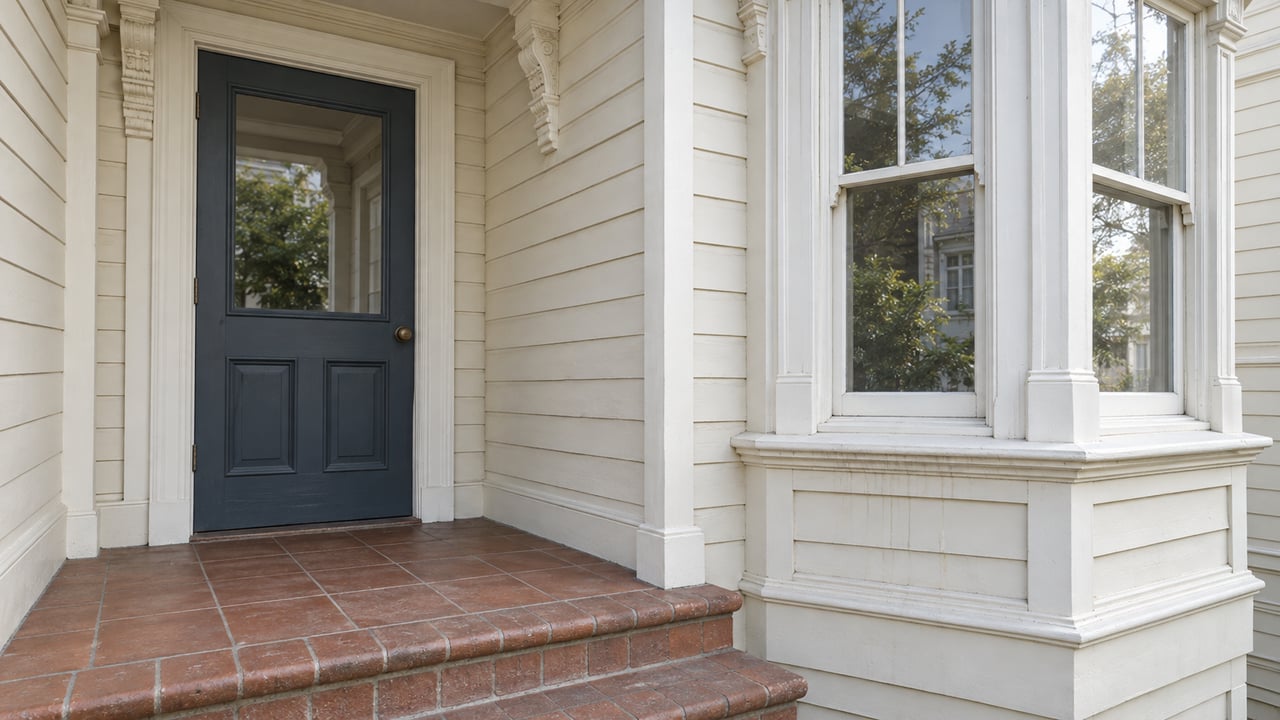
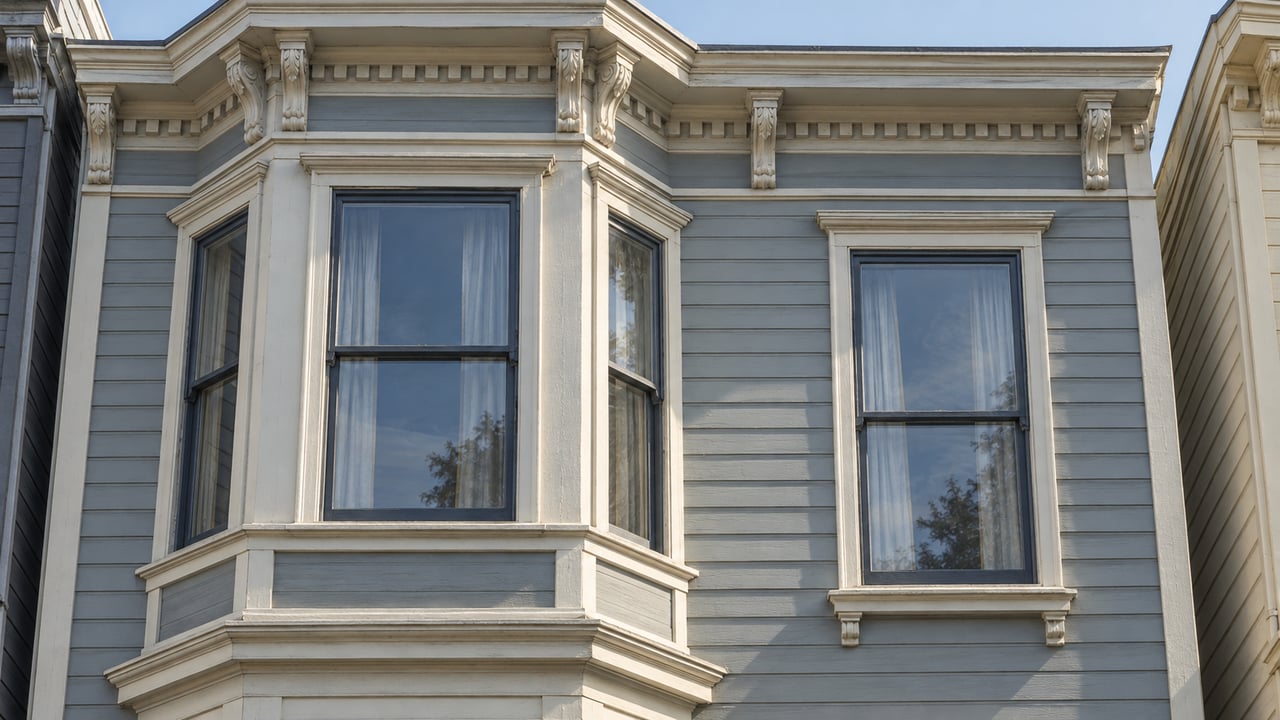
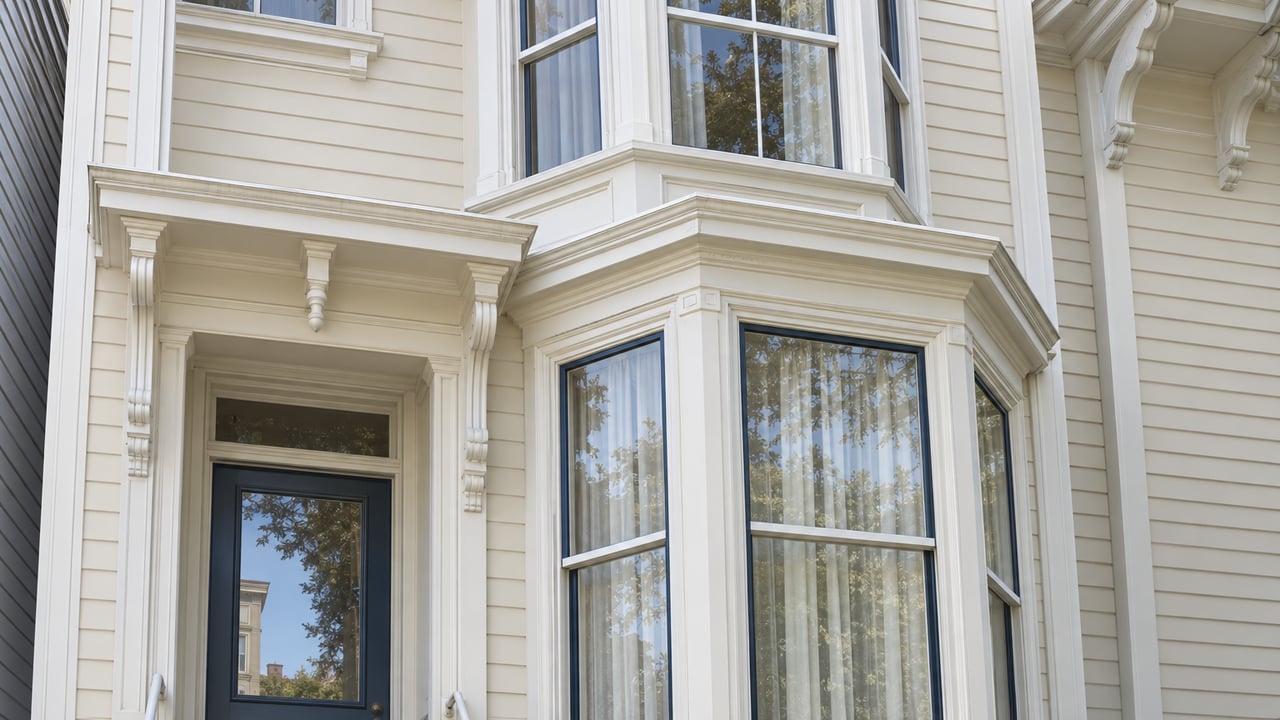
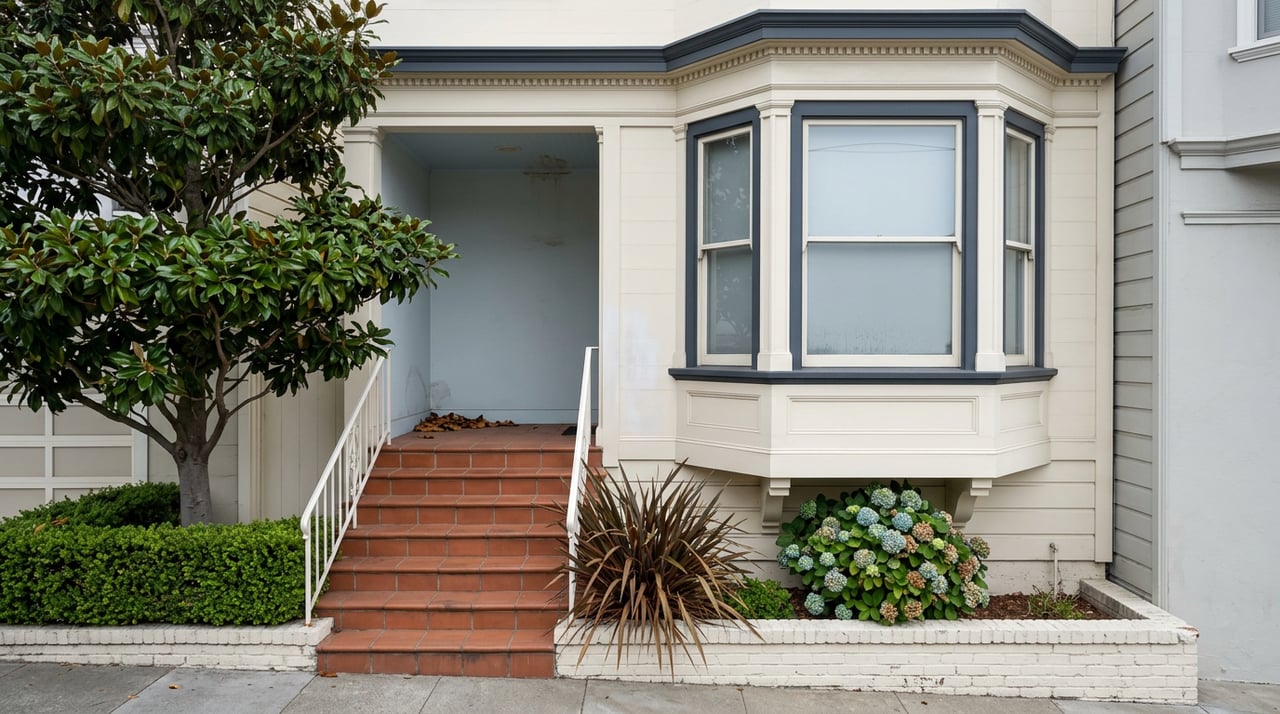
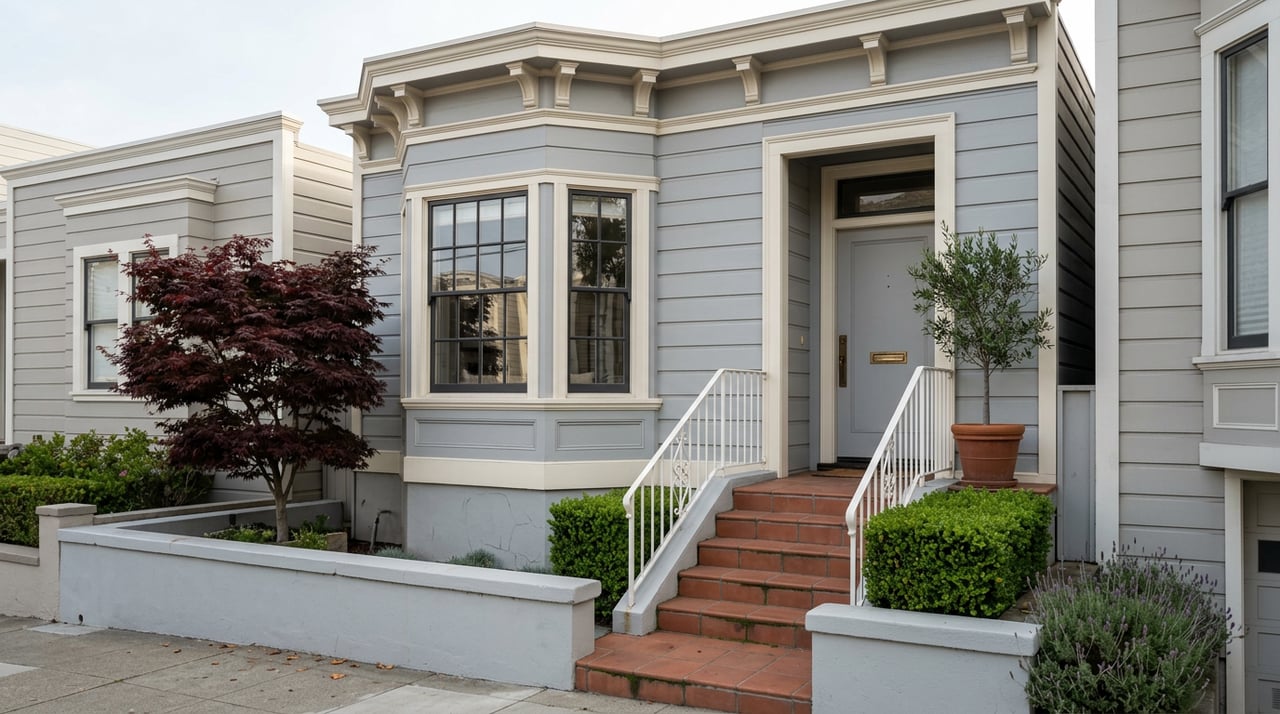
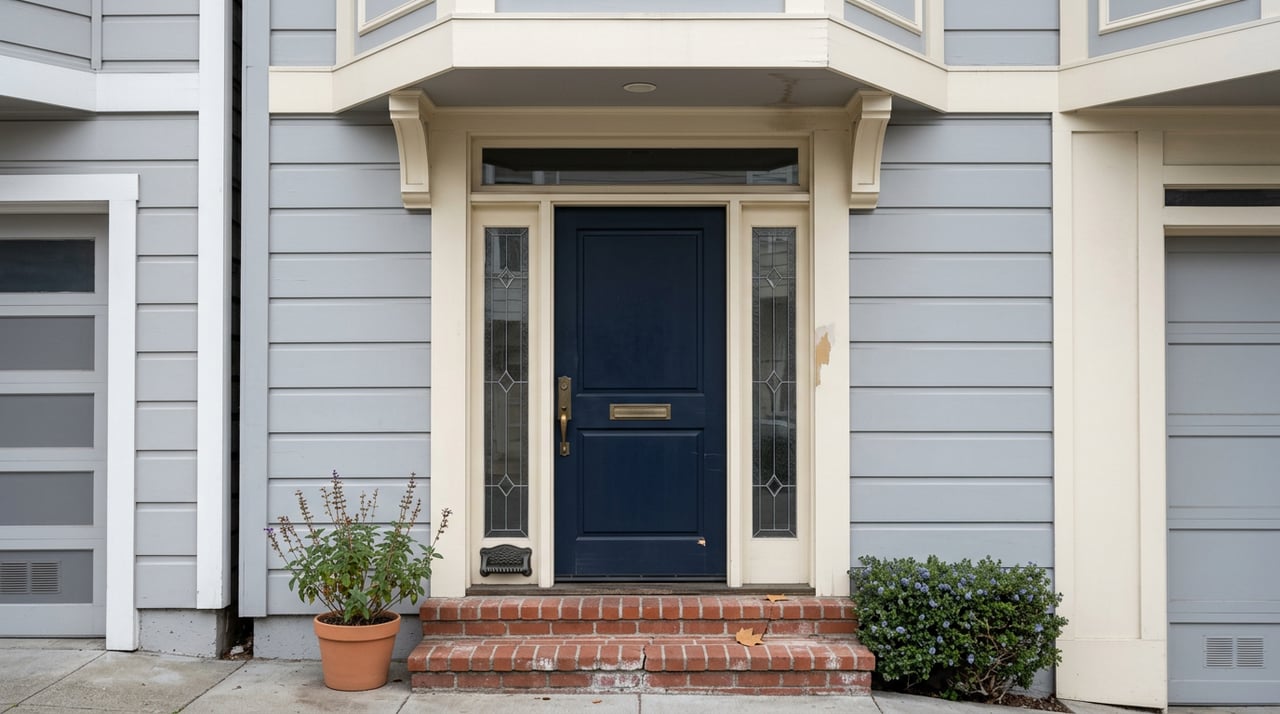
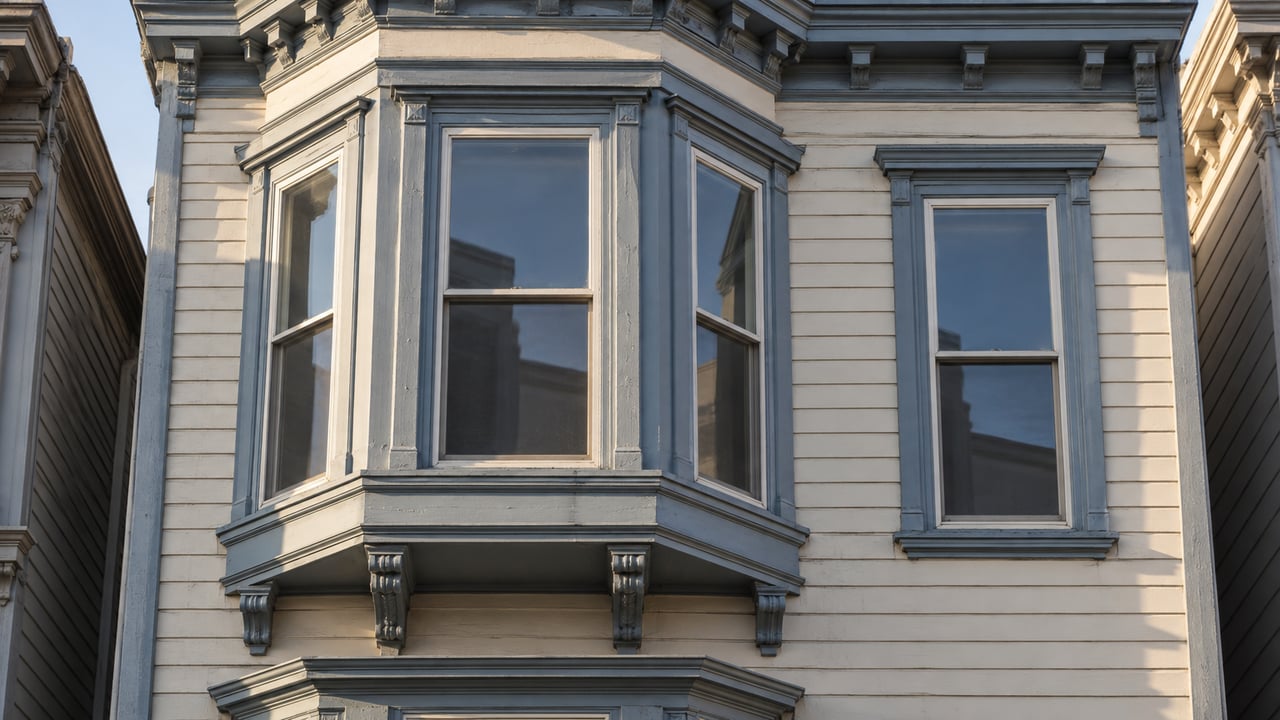
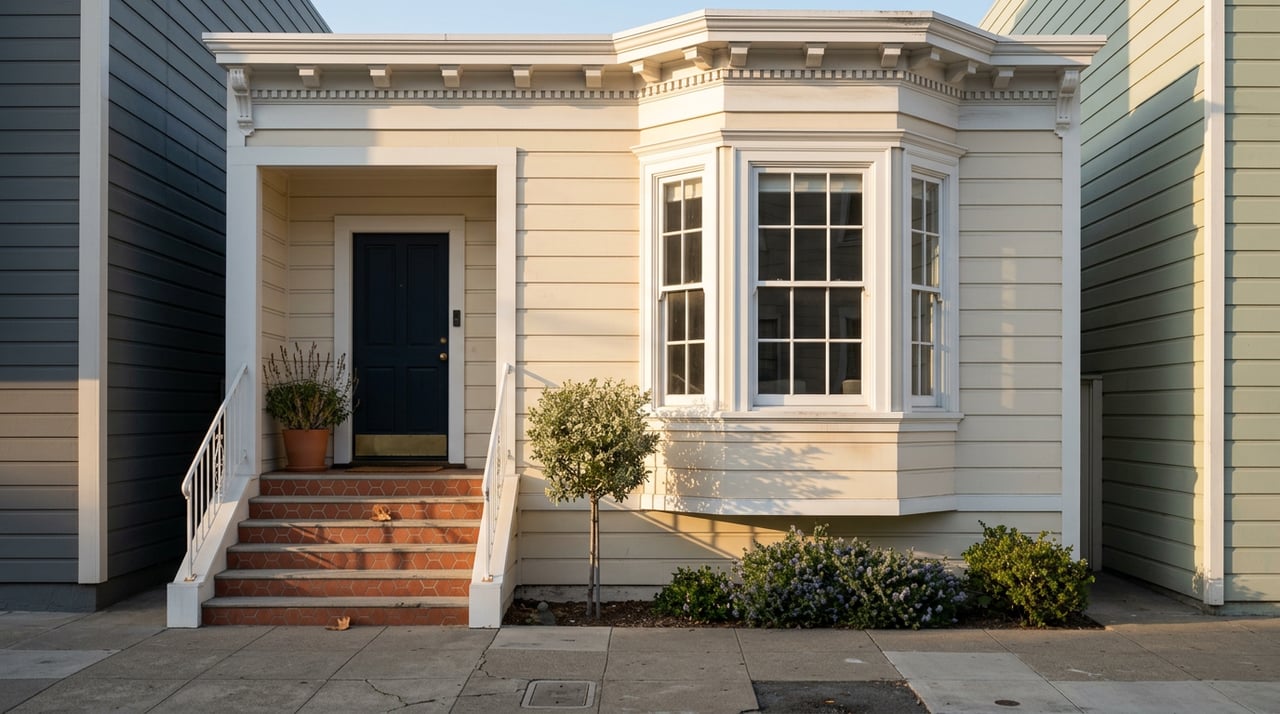
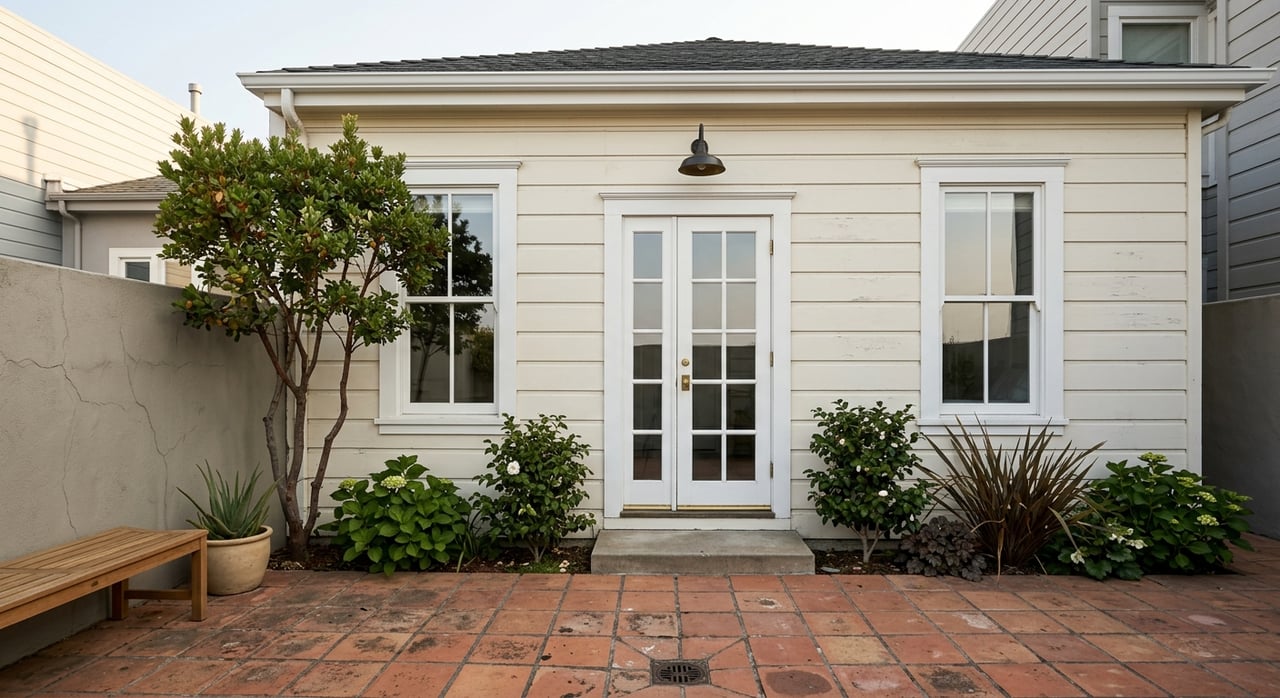
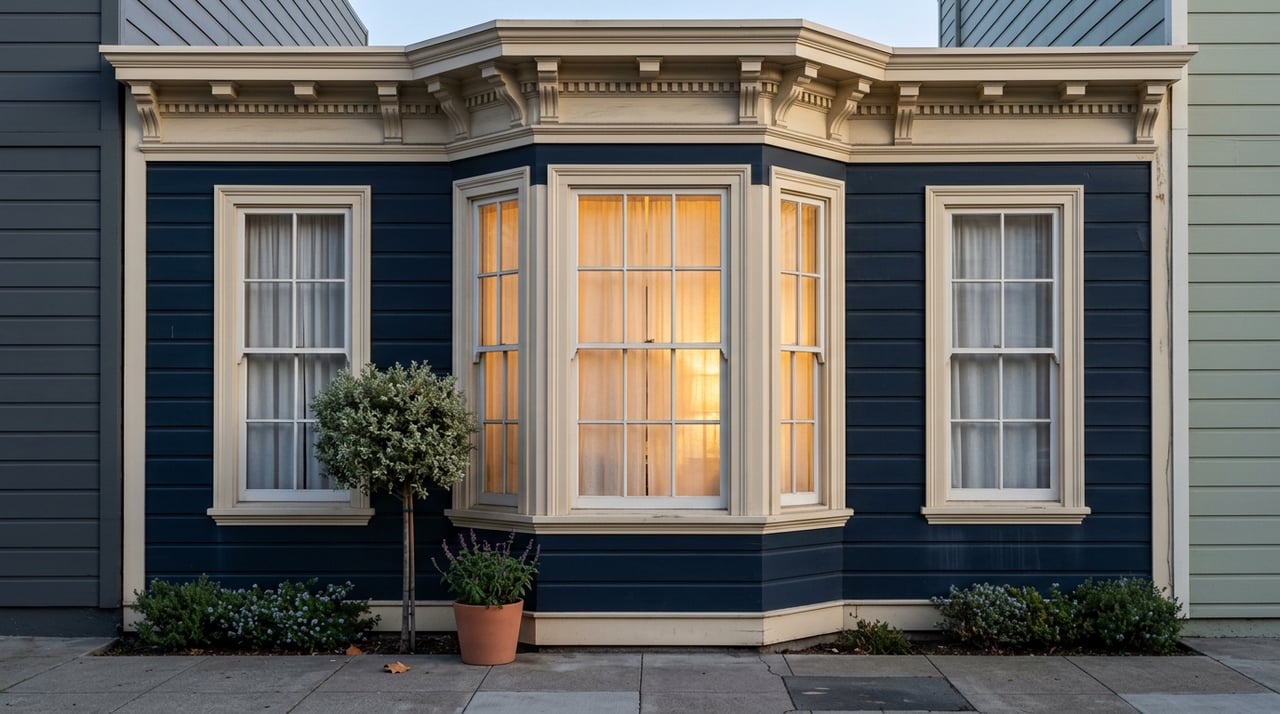
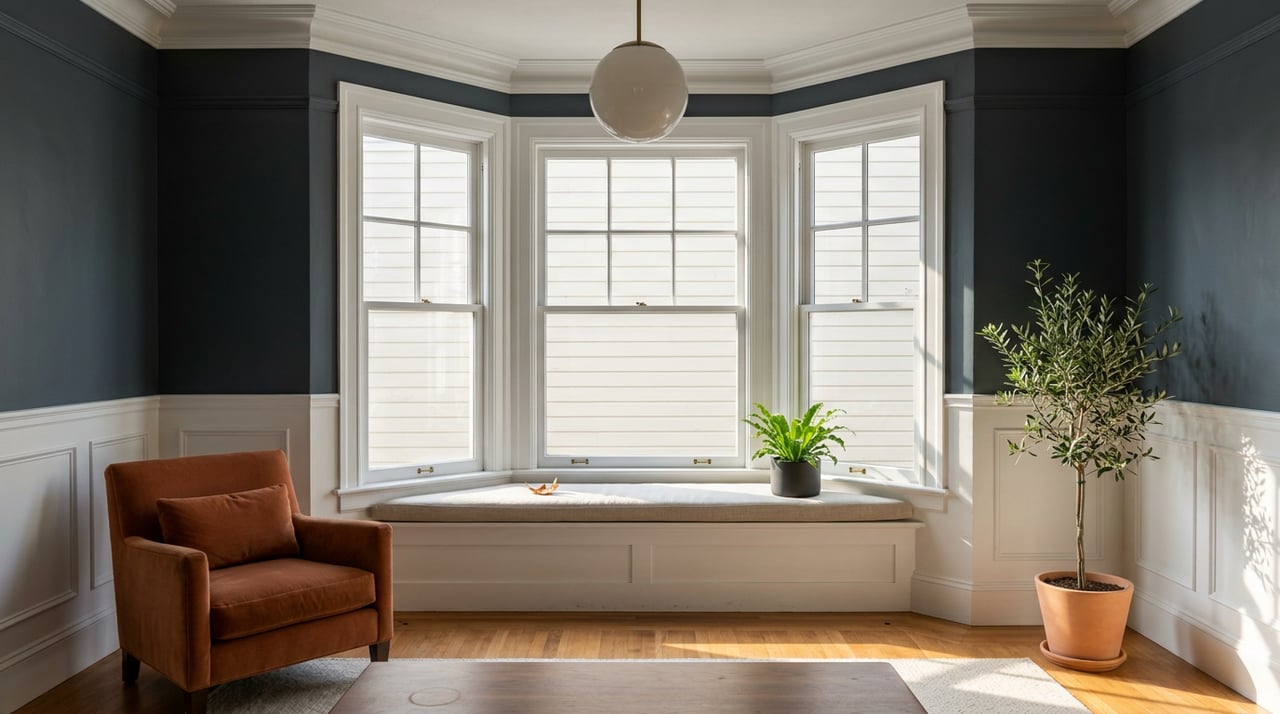
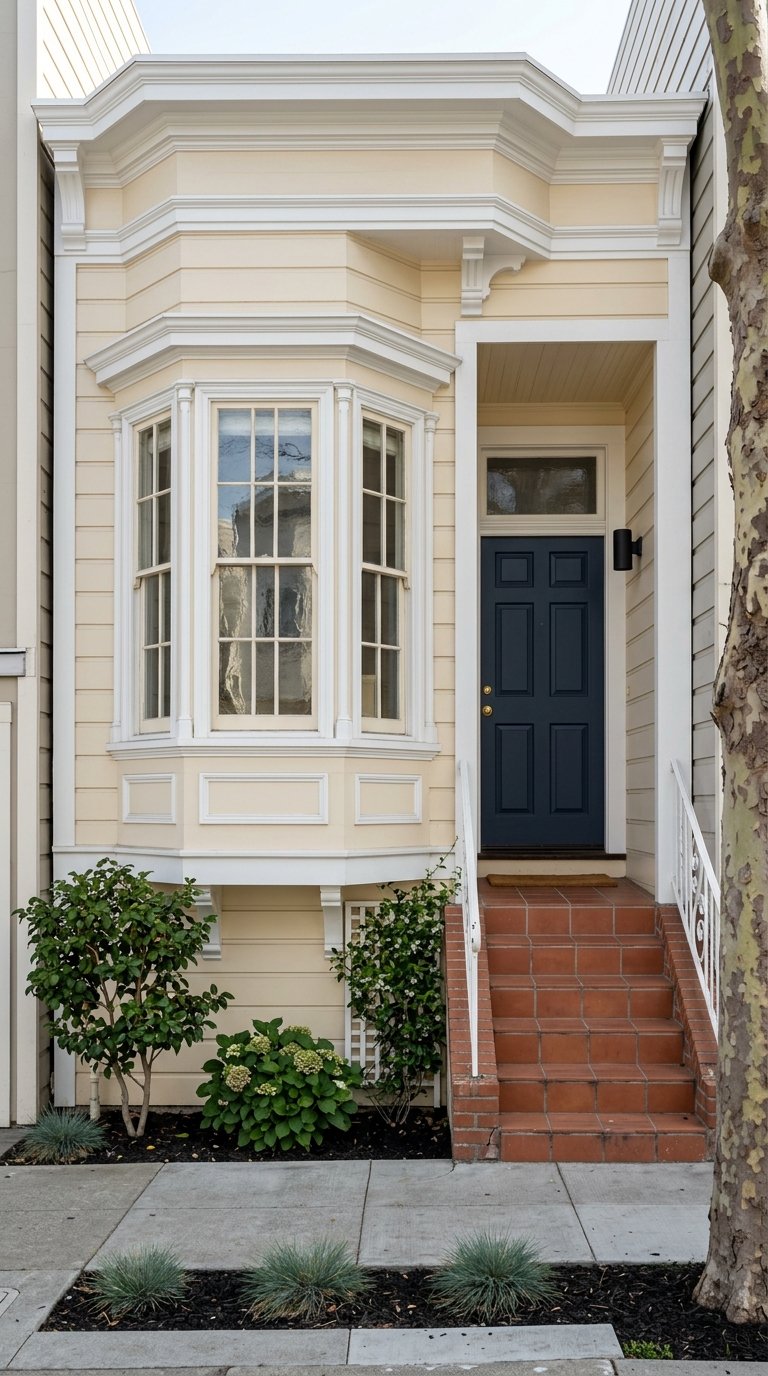
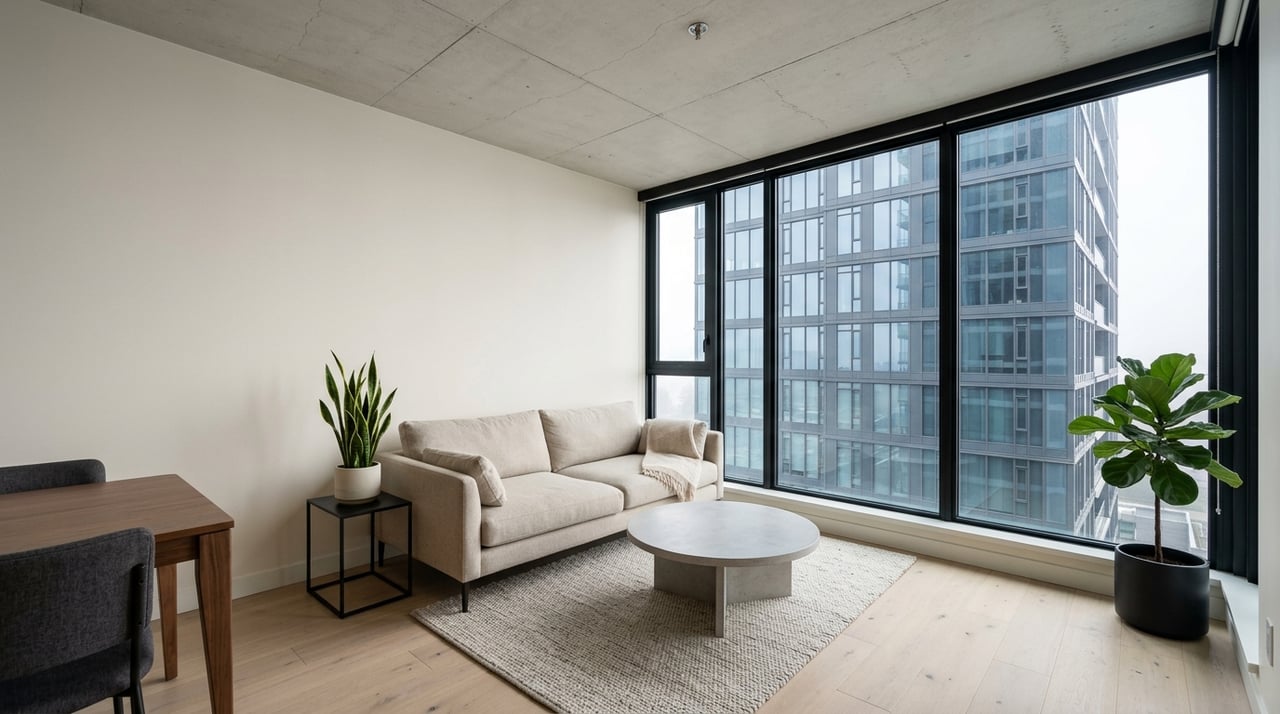
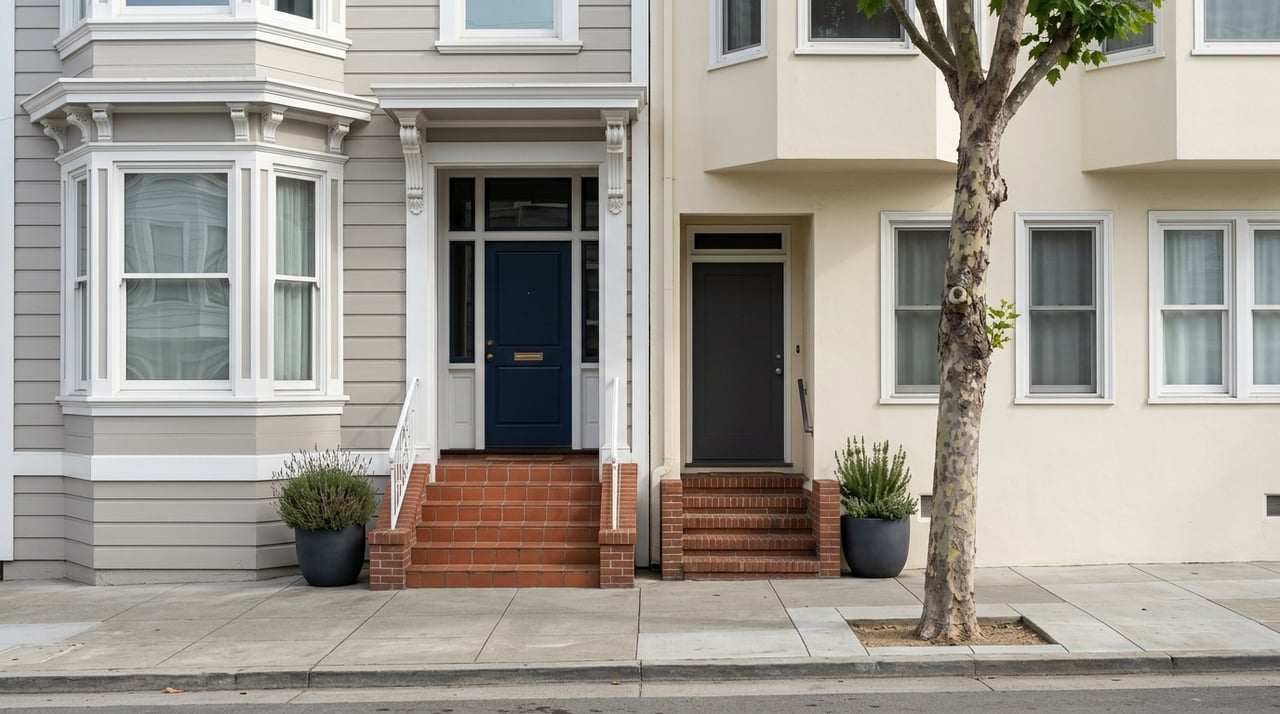
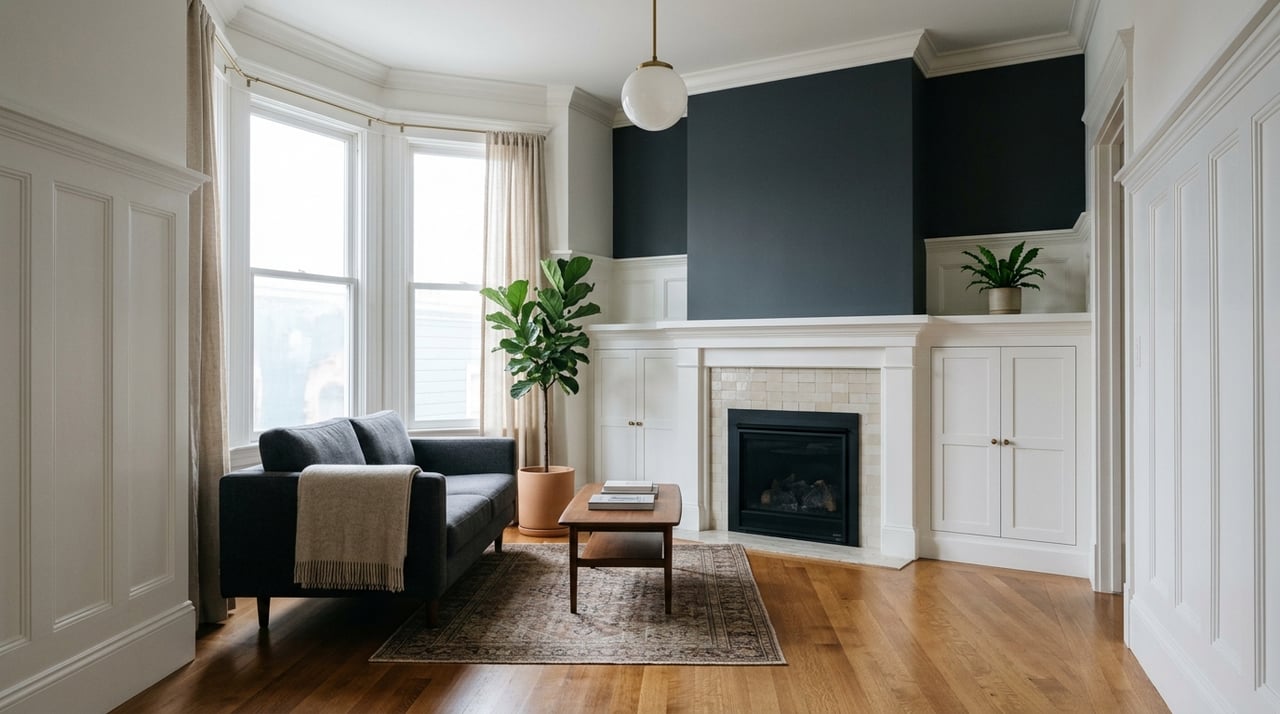
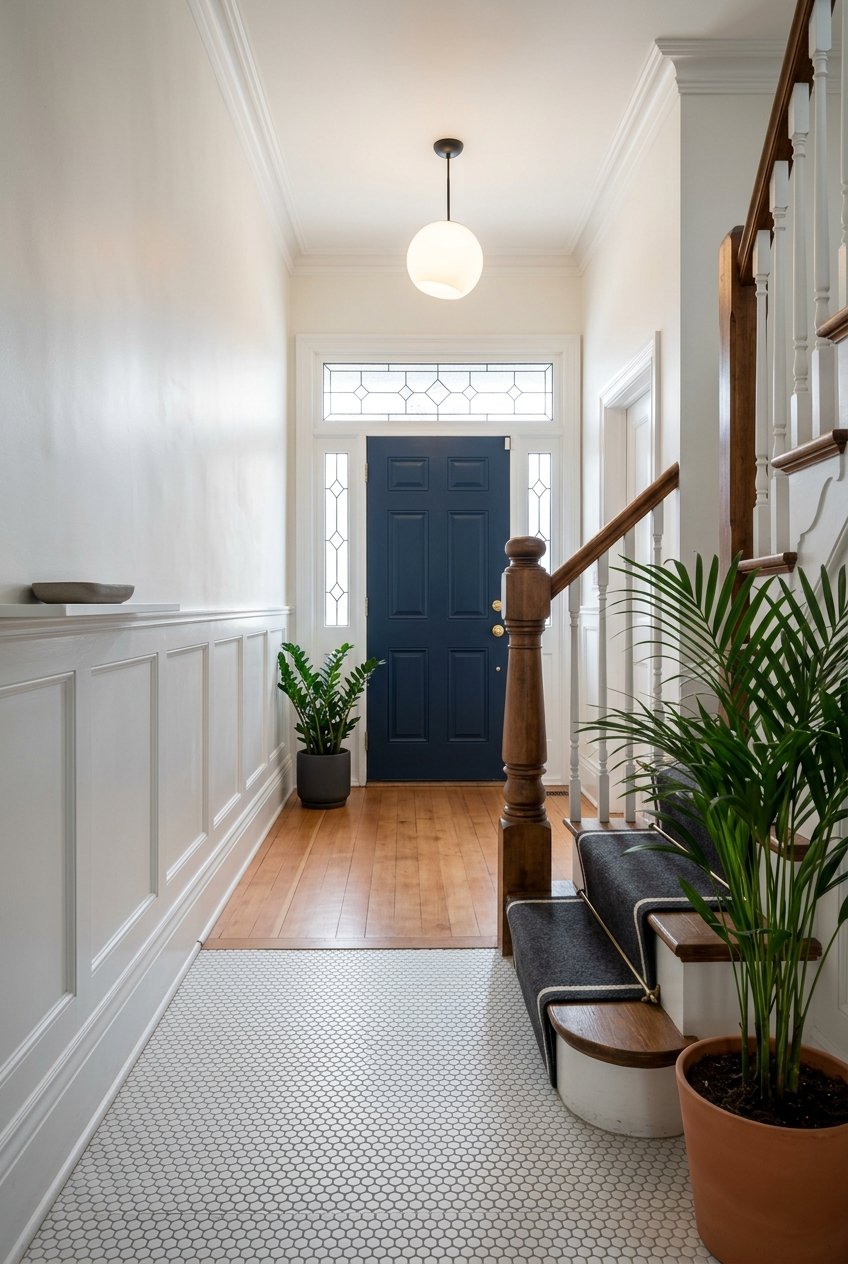
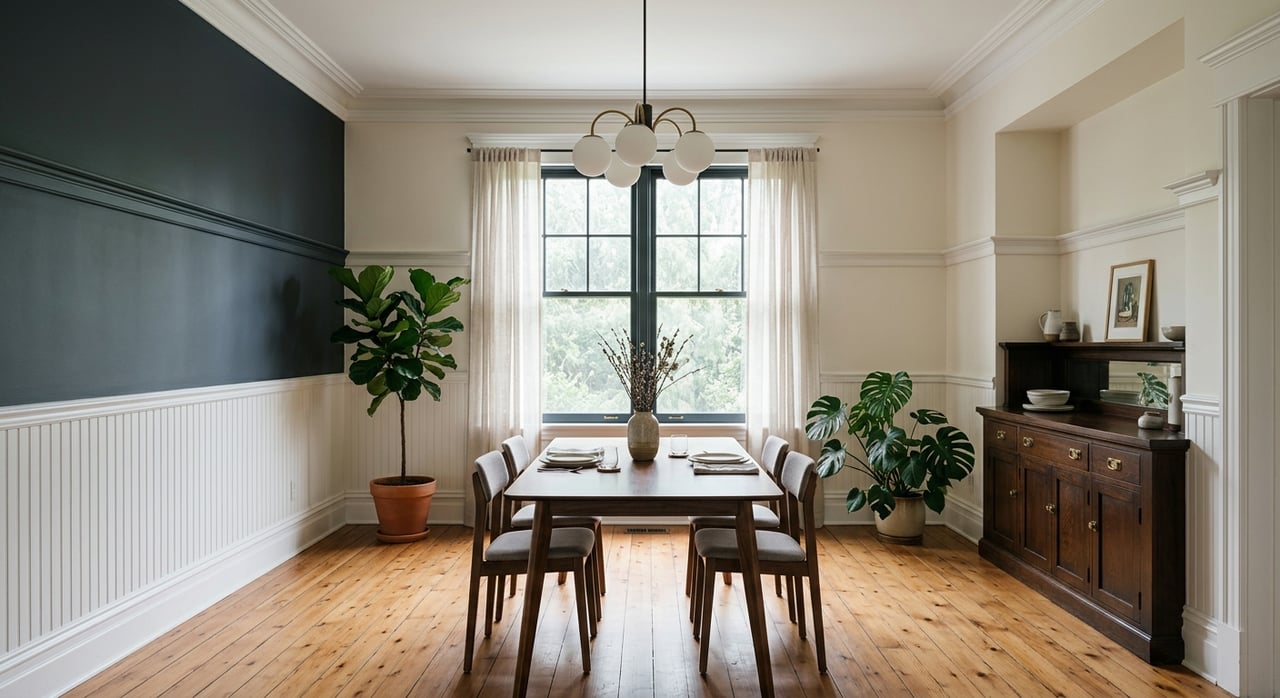
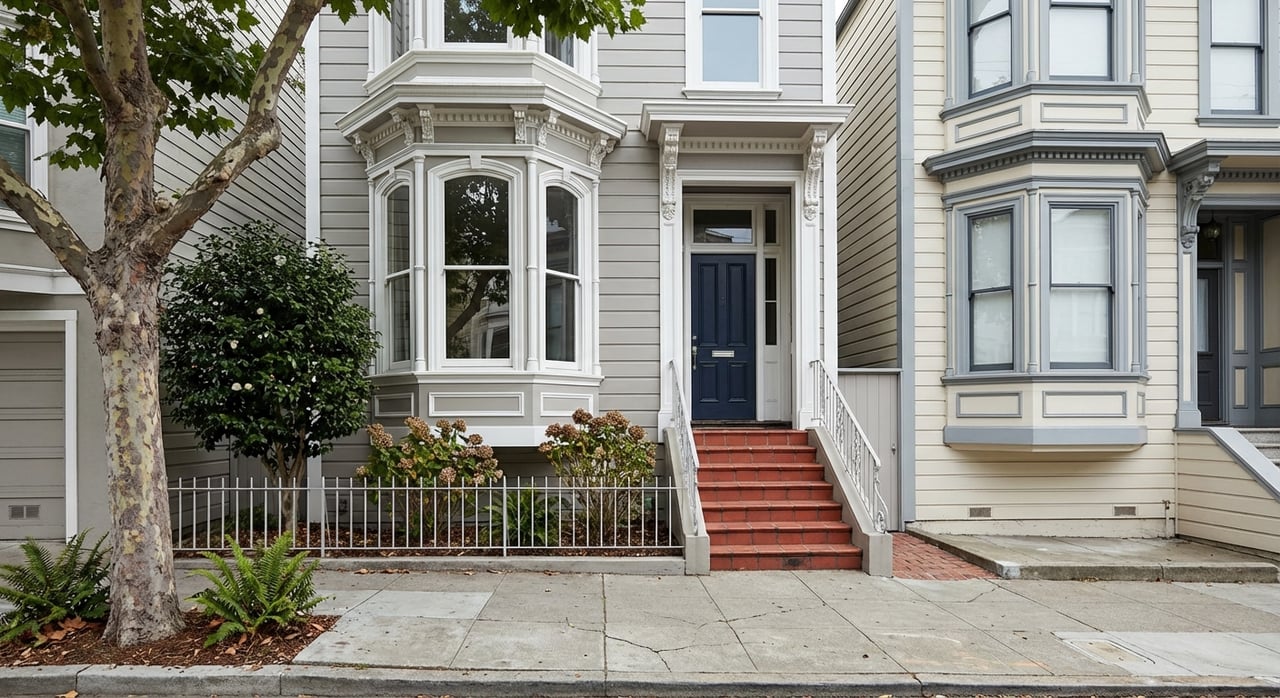
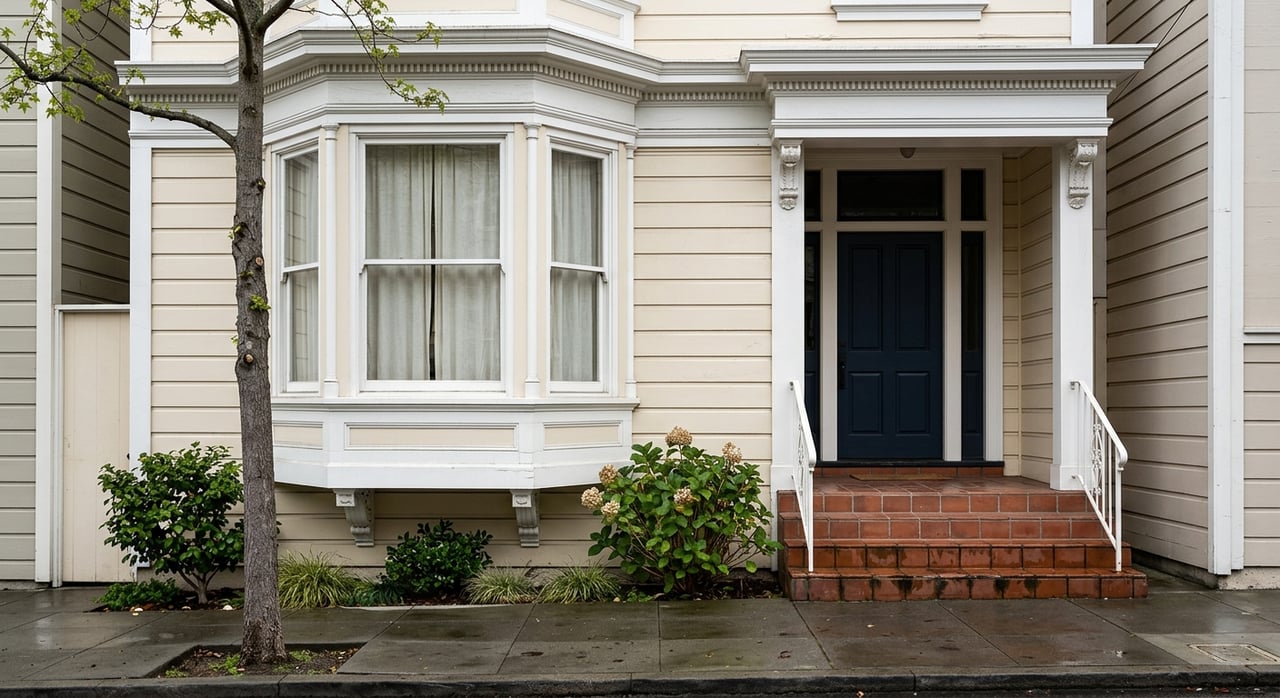
San Francisco offers a mix of classic Victorians and Edwardians, small multi-unit buildings, and newer condo developments. You will find wood-frame construction in many older homes and concrete construction in newer towers and podium buildings, especially in SoMa and Mission Bay. For condos, factor HOA dues, reserves, and any special assessments into your monthly cost. Review disclosures for seismic retrofits, ask about soft-story work in older buildings, and budget for earthquake insurance where appropriate.
Street feel and character
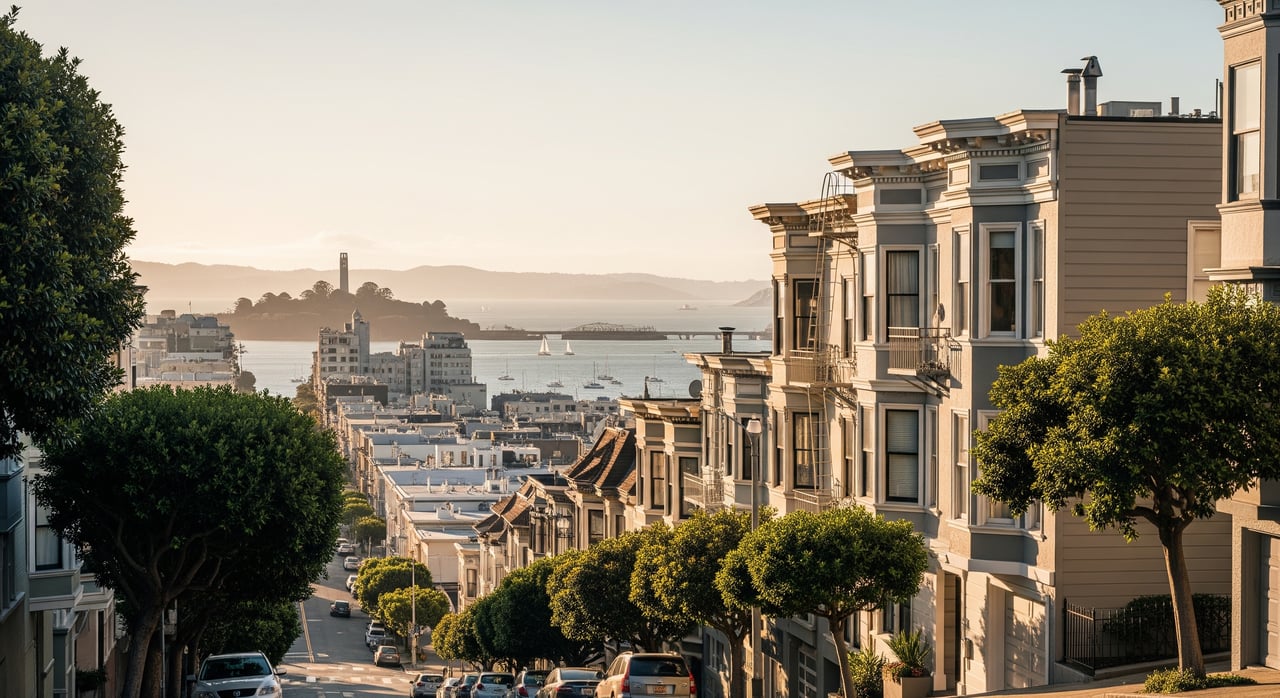
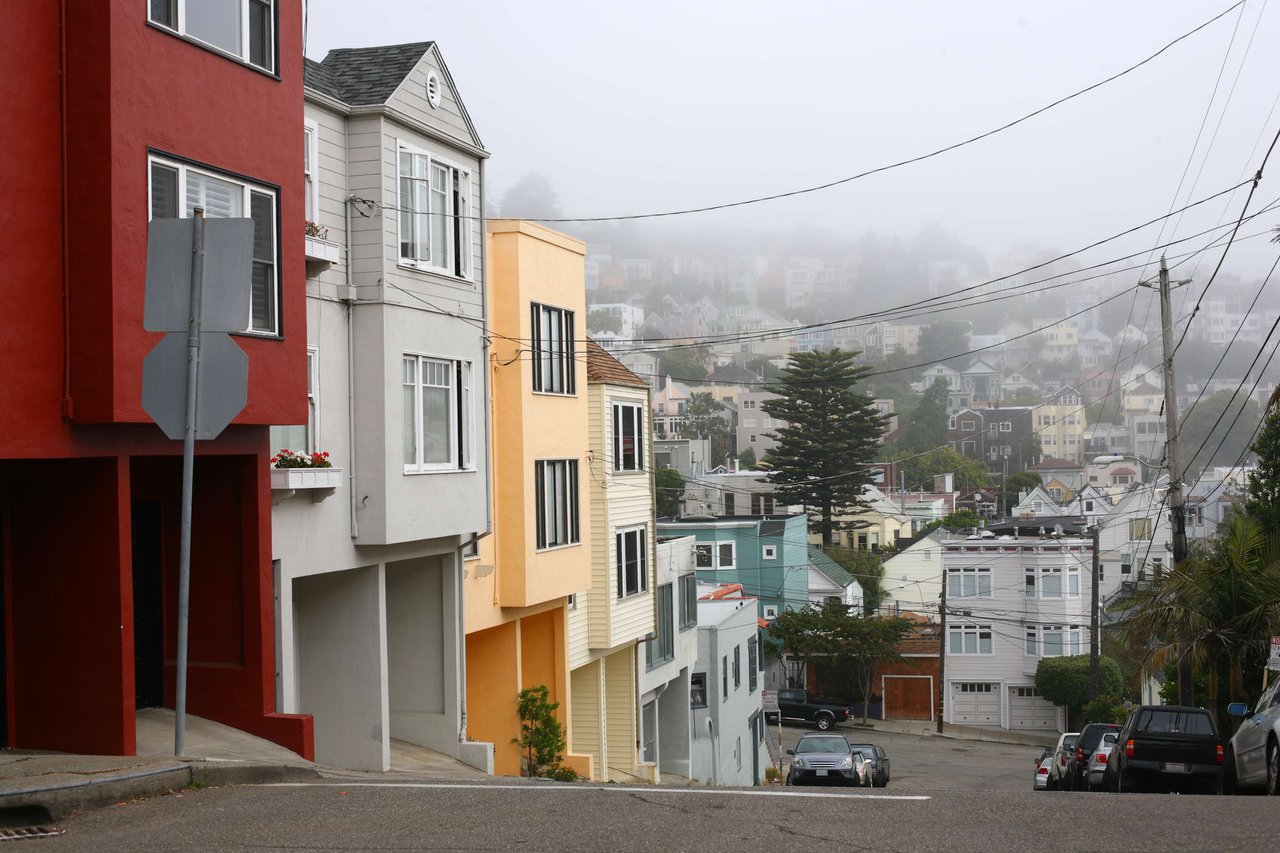
Decide if you prefer an active commercial corridor or a quiet residential block. Many neighborhoods are highly walkable, though hilliness varies from place to place. If dining and nightlife matter, center your search near established corridors. If you value calm and a neighborhood feel, look to areas with smaller village centers and residential streets.
Commute and transit
Map your door-to-door commute for peak times. Muni light rail, streetcars, and buses serve most areas, while BART runs along the Market Street spine. Caltrain connects to the South Bay from the 4th and King area. If you drive, check proximity to 101 and I-280, and confirm parking options such as garage spots or residential permits.
Parks and outdoor access
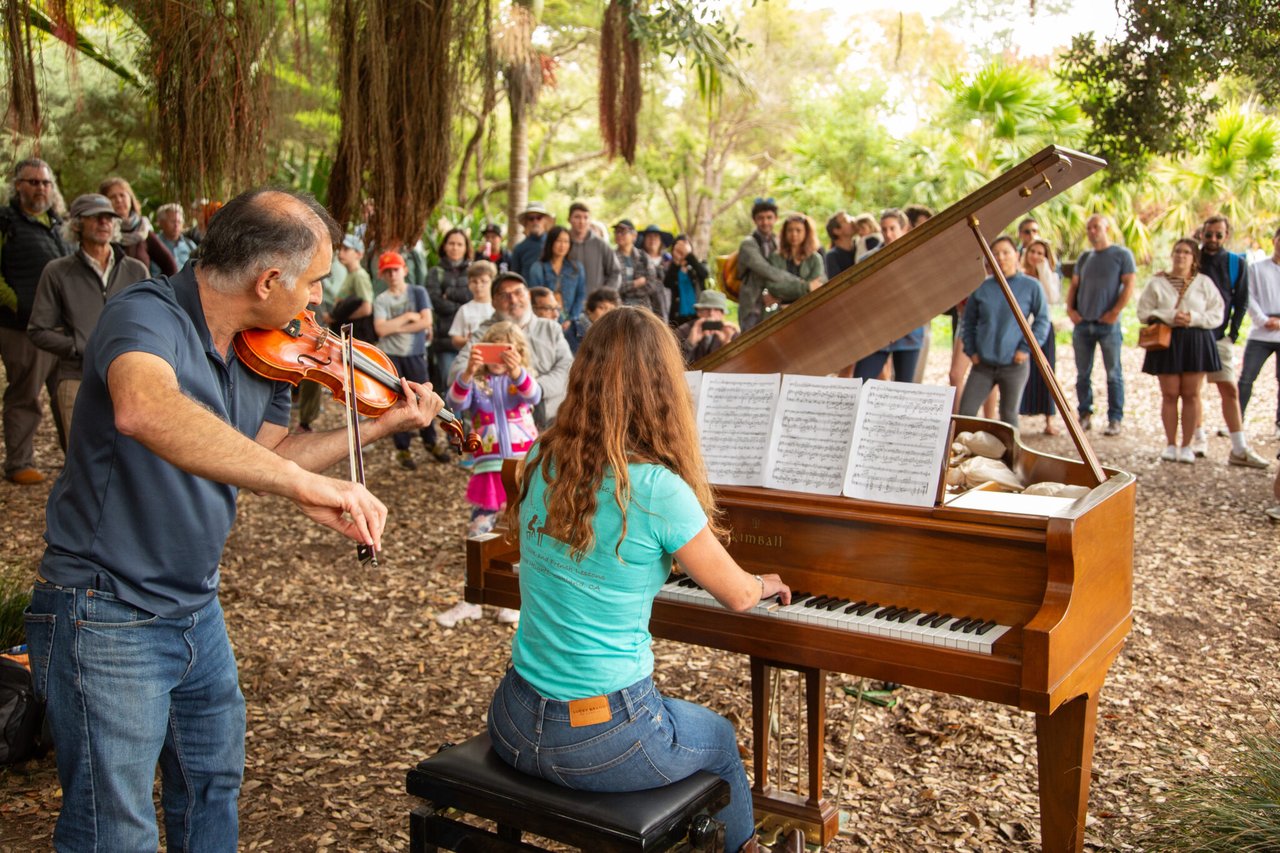
Consider how you use open space. Large regional parks like Golden Gate Park and the Presidio offer miles of trails and fields. Smaller pocket parks and waterfront promenades can be ideal for quick runs, dog walks, and family time. Match your routine to the surrounding green spaces.
Amenities and daily needs
List your essentials. Grocery stores, pharmacies, daycare, medical facilities, gyms, and libraries all vary by neighborhood. Newer areas such as Mission Bay integrate modern retail and hospital access, while historic areas rely on established business corridors. Proximity to theaters, museums, and arenas can add culture and convenience.
Schools and family planning
SF public school enrollment is a citywide system, and your address does not always guarantee a specific school. If schools are a priority, review SFUSD policies, tour local options, and note nearby parks, playgrounds, and family services. Consider daycare availability and commute patterns for school drop-off and pick-up.
Total cost and budgeting
Your total housing cost includes price, property taxes, insurance, HOA fees if applicable, maintenance, and commute costs. Condos and new builds often carry higher monthly HOA dues in exchange for amenities and building services. Balance space, location, and fees to keep your monthly number comfortable.
Risk and regulations
Waterfront and landfill areas can carry higher flood or liquefaction risk. Review FEMA and geological resources, and consult property-specific reports and disclosures. If you plan to renovate, check whether the property sits in a historic district that may require additional approvals. If you are considering rental income, review local regulations for rental and short-term use.
Quick neighborhood snapshots
Hayes Valley
- Housing: Boutique condos, flat conversions, and newer mixed-use buildings. Units often run smaller to mid-size.
- Street feel: Central and walkable with a strong dining and shopping scene along Hayes Street. Close to cultural institutions.
- Transit: Multiple Muni lines nearby and quick access to Market Street and BART-adjacent stations.
- Parks: Near Alamo Square, with Dolores Park a short ride away.
- Best for: Buyers who prioritize walkability, dining, and culture.
- Consider: Higher price per square foot and busier streets.
Cole Valley
- Housing: Primarily single-family homes and small multi-unit buildings with classic architecture.
- Street feel: Quiet, residential blocks with a village-like node around Carl Street. Hillier terrain.
- Transit: N-Judah streetcar provides direct access to downtown and connects toward Caltrain corridors.
- Parks: Close to Grandview Park, Buena Vista Park, and Twin Peaks.
- Best for: Those who want calmer streets and a neighborhood feel.
- Consider: Fewer retail options directly in the node and steeper streets.
Mission Bay
- Housing: Newer condos, apartments, and townhomes built since the 2000s, many with modern amenities.
- Street feel: Planned, modern, and mixed-use with residential, office, and the UCSF campus. Some blocks feel quiet or still evolving.
- Transit: Direct Muni T-Third service, easy access to Caltrain and SoMa.
- Parks: Waterfront parks, promenades, and designed public spaces near major venues.
- Best for: Buyers who want new construction, amenities, and proximity to South Bay routes.
- Consider: Event traffic around arenas and less historic charm.
Marina District
- Housing: Low-rise apartments and flats with Mediterranean facades; single-family homes on side streets.
- Street feel: Active waterfront lifestyle with Chestnut Street dining and shopping. Popular with runners and dog owners.
- Transit: Fewer rail options and good bus routes to downtown. Driving can be direct via major north-south corridors.
- Parks: Crissy Field, Marina Green, and easy Presidio access with Golden Gate views.
- Best for: Those who prioritize waterfront recreation and a strong neighborhood identity.
- Consider: Parts of the area are built on landfill. Review flood and geotechnical considerations.
Nearby alternatives to consider
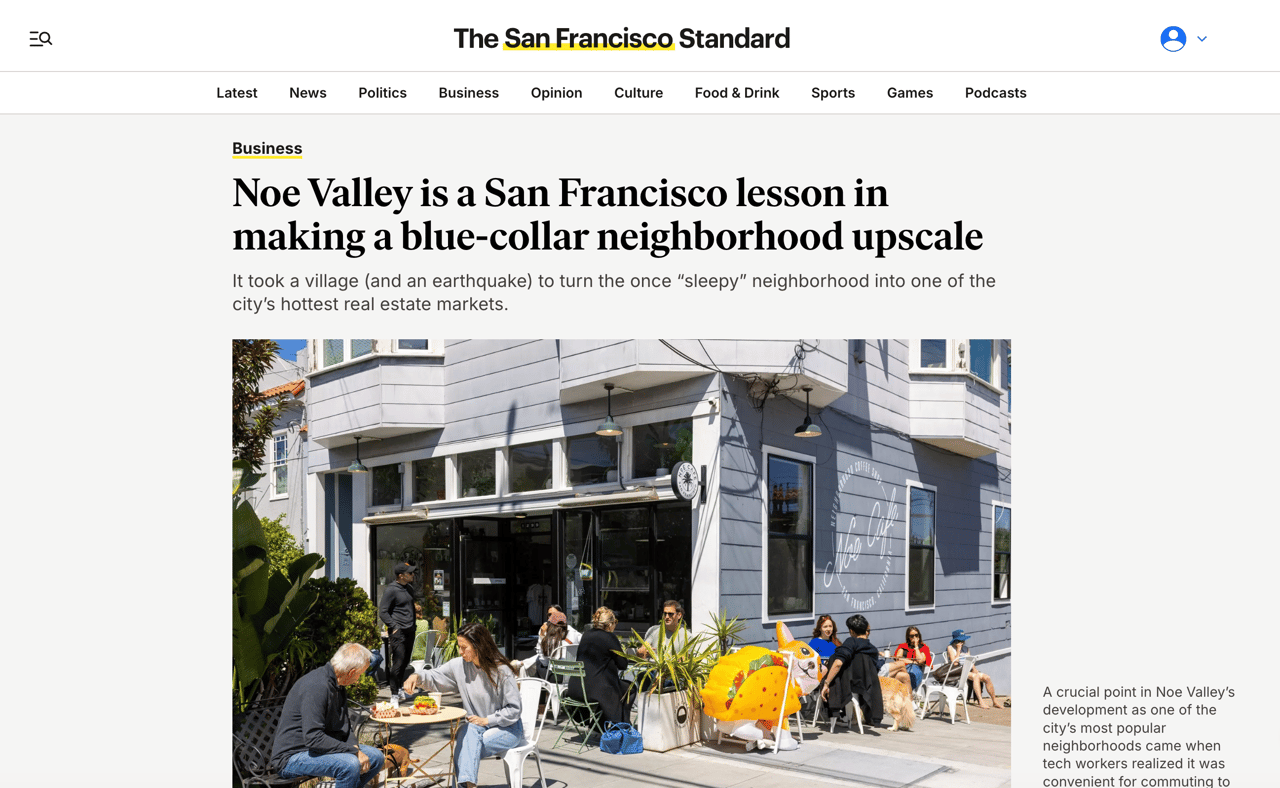
- Noe Valley: Sunny microclimate in parts, village center, strong single-family stock, and hilly streets.
- Pacific Heights and Russian Hill: Grand architecture, skyline views, and premium pricing.
- Mission and Bernal Heights: Eclectic dining and nightlife in the Mission; Bernal offers a hilltop park and a calm neighborhood feel.
- SoMa and Financial District: High-rise condos and lofts close to many employers with a more urban, industrial character in places.
Build your shortlist in 30 minutes
Use this quick exercise to narrow your focus before touring.
- Must-haves: Home type, bedroom and bathroom count, parking, outdoor space, elevator or step-free access.
- Lifestyle priorities: Walkable restaurants and shops, nightlife, family services, dog-friendly parks, waterfront access, proximity to your employer.
- Commute: Preferred mode, maximum door-to-door time, and tolerance for transfers.
- Budget envelope: Maximum price and monthly carrying cost, including HOA dues and insurance.
- Timing: Move-by date, ability to wait for the right fit, and where you are willing to trade off.
Map homework before you visit
- Transit layers: Identify Muni routes and nearby BART or Caltrain stations, and check peak-hour frequency.
- Walkability and hills: Review walk, bike, and elevation profiles to understand daily routines.
- Family services: Note nearby schools and childcare if applicable.
- Risk review: Look at flood and seismic maps and consider building retrofit history.
- Daily essentials: Confirm grocery, pharmacy, and other basics within a 5 to 10 minute walk.
Plan an efficient 1-2 day tour
Group neighborhoods by geography to minimize backtracking. For example, pair Marina with Pacific Heights one morning, explore Hayes Valley and Civic Center after lunch, then cover Mission Bay with SoMa the next morning. Leave buffer time for a second look at your top one or two areas.
- Virtual prep: Request video walkthroughs, floor plans, and 360-degree photos. Ask for a brief neighborhood walk video at different times of day.
- Pre-approval: Have your pre-approval or proof of funds ready. Popular homes can move quickly.
- Agent coordination: Work with a local agent who knows each micro-market, can organize consecutive tours, and provide recent comps and HOA insights.
- Inspections: If you plan to offer, be ready to schedule inspections quickly and set contingencies to fit the property type.
Printable tour checklist
Bring one copy per property and mark it up on site.
- Street noise at morning, midday, and evening
- Natural light at different times of day
- Storage, bike parking, and laundry setup
- Cell reception and internet providers
- Parking details and any permit needs
- HOA items: management, reserves, recent capital projects, and insurance coverage
- Known seismic retrofits or assessments
- Planned developments nearby that could affect light, noise, or views
Safety, insurance, and due diligence
Request full seller disclosures, check for open permits or code issues, and confirm building insurance details, especially for condos. Consider whether earthquake and flood insurance are appropriate for the property and location. When in doubt, consult a local inspector or structural engineer, and factor potential retrofit work into your budget.
How a trusted advisor accelerates your search
Relocating buyers often have limited time. A local advisor with neighborhood fluency can translate your lifestyle and budget into a targeted shortlist, then structure an efficient tour that balances on-the-ground feel with data. With an architecture-trained lens, you get clear guidance on building type, retrofit considerations, and how design and amenities affect long-term value. If you are ready to move with confidence, connect with Brandi Mayo for buyer representation, neighborhood education, and offer strategy tailored to San Francisco’s north and central micro-markets.
FAQs
How can I match a commute to the right SF neighborhood?
- Map a peak-hour, door-to-door route from each candidate block, prioritizing direct Muni or BART lines or proximity to Caltrain if you head to the South Bay.
What hidden costs should I expect with a condo in SF?
- Plan for HOA dues, insurance, reserves, and potential special assessments, plus parking fees if not included.
Is the Marina at higher flood or liquefaction risk?
- Parts of the Marina were built on landfill, so review flood maps and local geological data, and evaluate earthquake and flood insurance.
How does SFUSD enrollment affect where I live?
- SFUSD uses a citywide assignment system, so your address does not guarantee a specific school. Review policies and visit schools during your search.
Where can I find more space for the money in SF?
- Outer neighborhoods and some condo developments can offer more square footage per dollar than central historic districts, with trade-offs in commute and amenities.
What should I look for at an open house if I am short on time?
- Check noise, light, storage, internet, parking, HOA health, and any seismic retrofit or upcoming assessments, then compare to your must-haves list.