Reading the Market Through Unpermitted Space:
The Signals Most People Miss
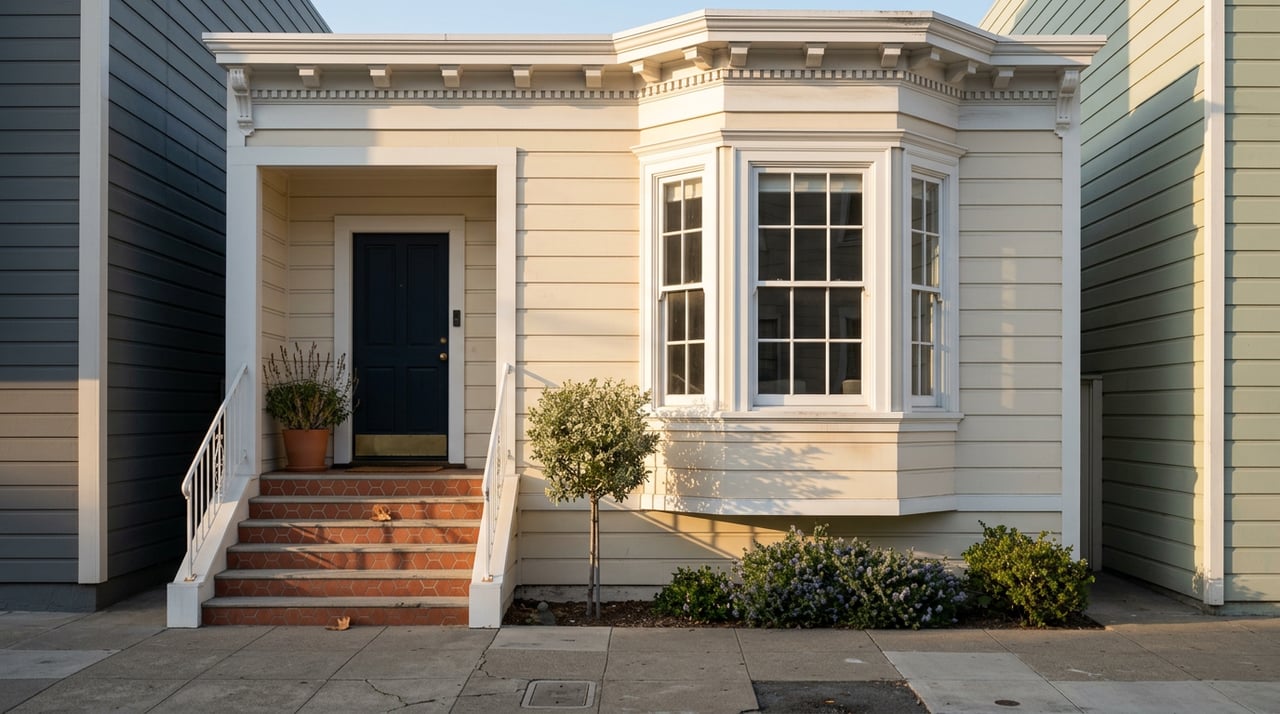
With almost every transaction, I learn something new. But there are two moments in my career that completely rewired how I read San Francisco data. The first was February 2020, right before the pandemic shutdown, when a true lipstick fixer in the Sunset-area came on the market. Let me be candid, the ”lipstick” was absolutely the kind from the corner drugstore, not the kind found at Neiman’s! The layout was reversed with the bedrooms in front, a wall of ocean views from the kitchen and living spaces at the back, and a downstairs level that felt surprisingly livable despite the unmistakable unpermitted staircase. It needed a full renovation, top to bottom. I predicted $1.8M to $1.9M. My colleague expected even less. Over 20 offers later, it closed just under $2.1M. And that is when I learned the first rule: when unpermitted space feels livable, the market often values it almost like legal square footage. That one still stings and it changed everything I thought I knew.
Then the pandemic reshuffled the entire psychological deck. I helped buyers pursue a charming Westside-area home with a beautifully finished but unpermitted primary suite downstairs. Once again, technically non-legal, but objectively livable. Based on my Sunset-area experience, I expected another strong result. My buyers felt otherwise and came in $200K–$300K below what the comps suggested. They won it, and they won it well below pre-pandemic pricing. And that became lesson number two: unpermitted space trades at a discount in a down market.
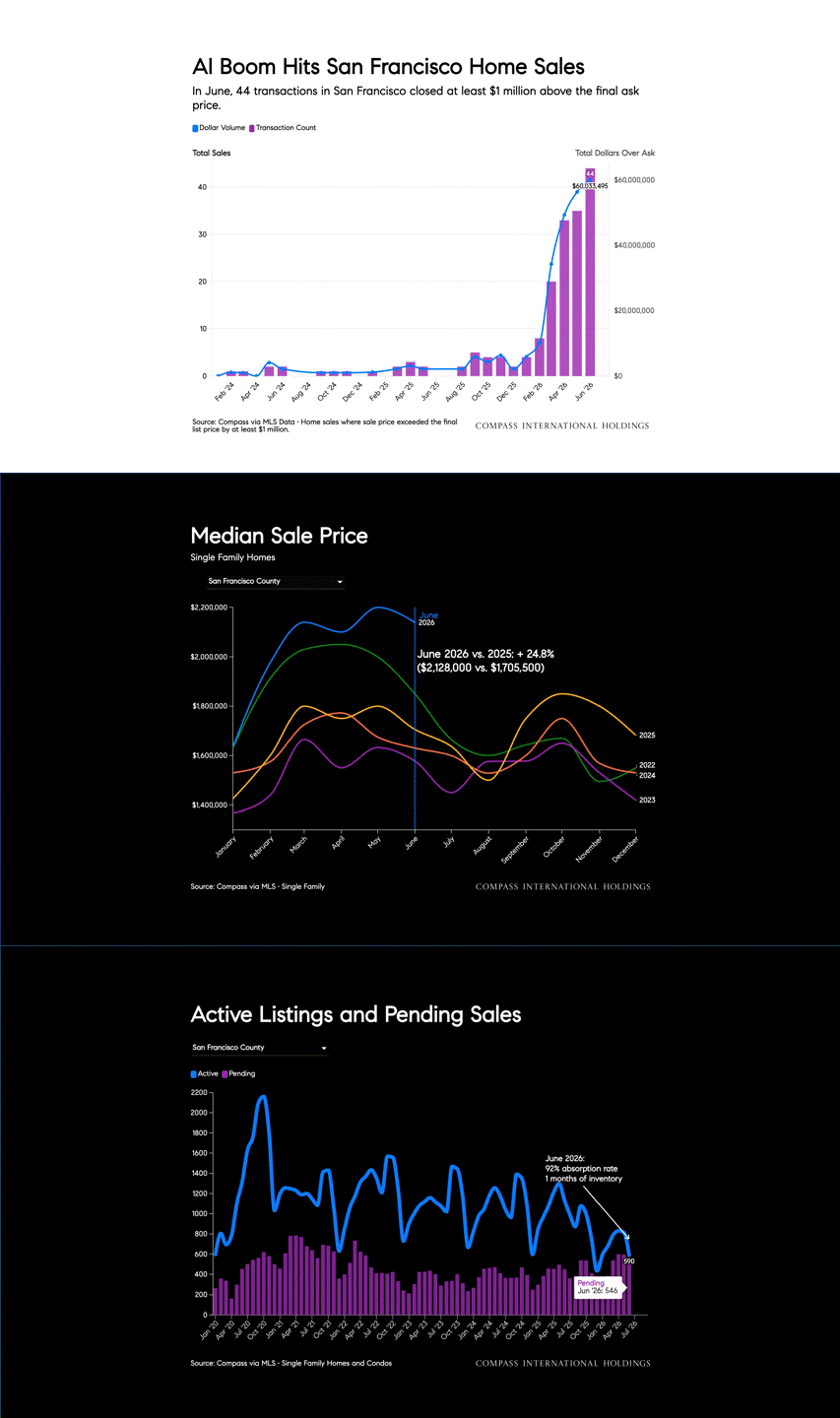
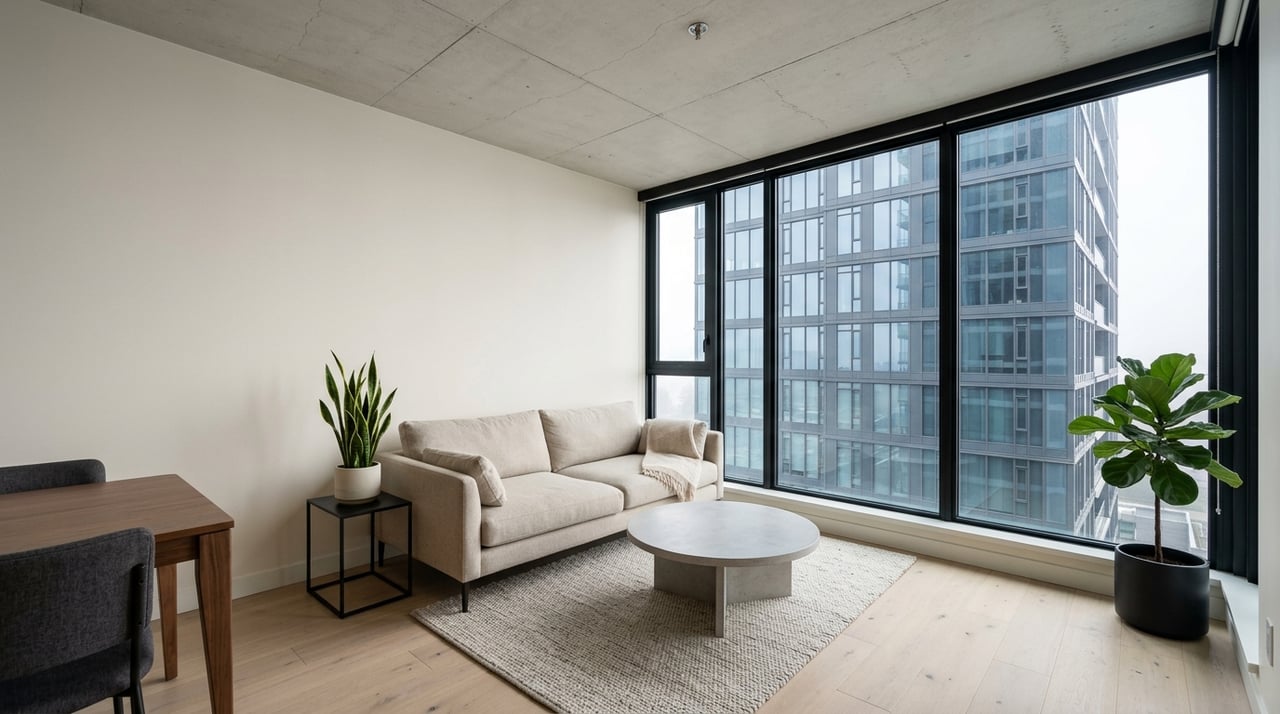
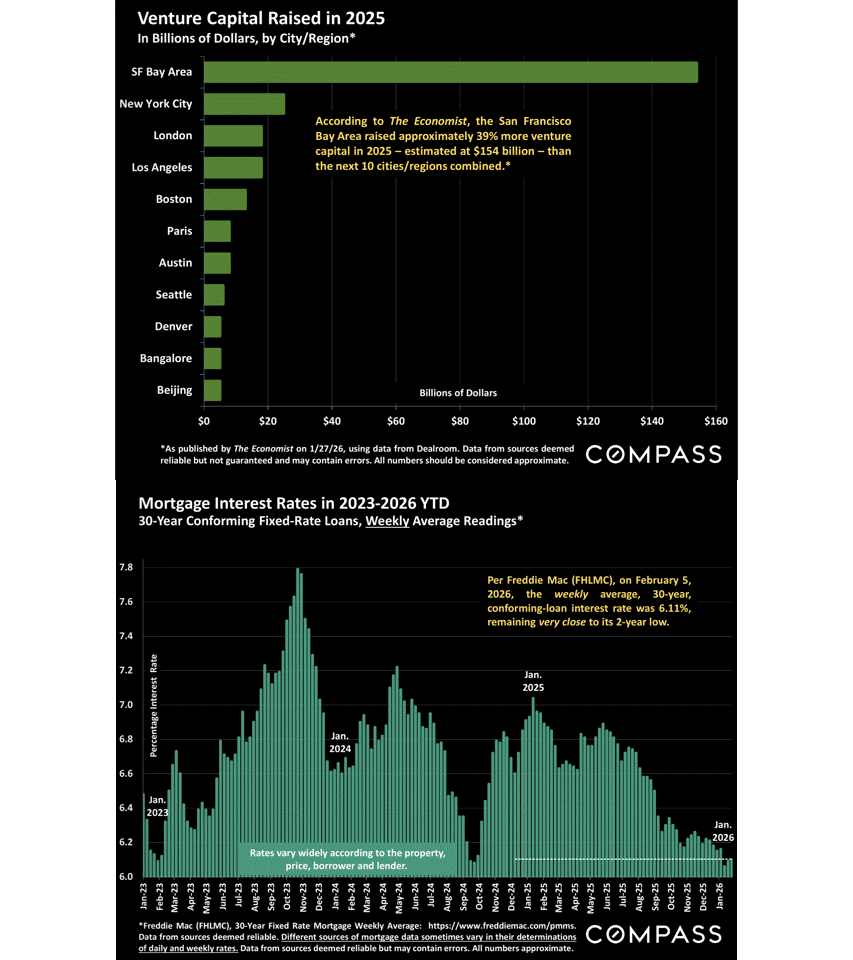
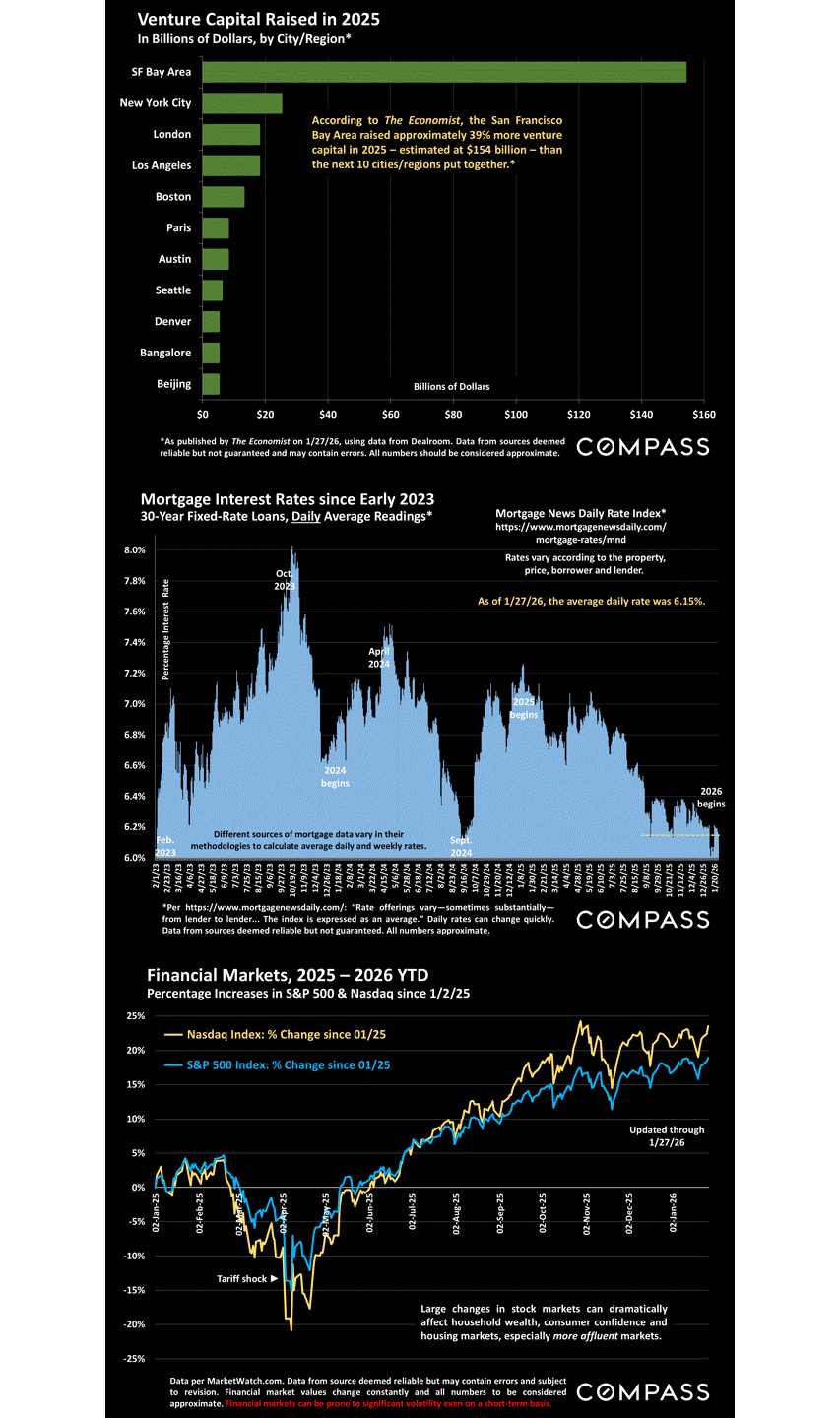
Ever since, I’ve been watching these “imperfect” attributes - unpermitted space, tandem parking, less-ideal locations, no outdoor space - as early markers of a shifting market. And lately, two recent condo sales caught my attention. Both had the kinds of quirks that typically soften value. Both sold for significant premiums. And both reminded me that the market is accelerating faster than most people realize, pushed by a flood of AI-driven capital and a shrinking pool of quality listings.
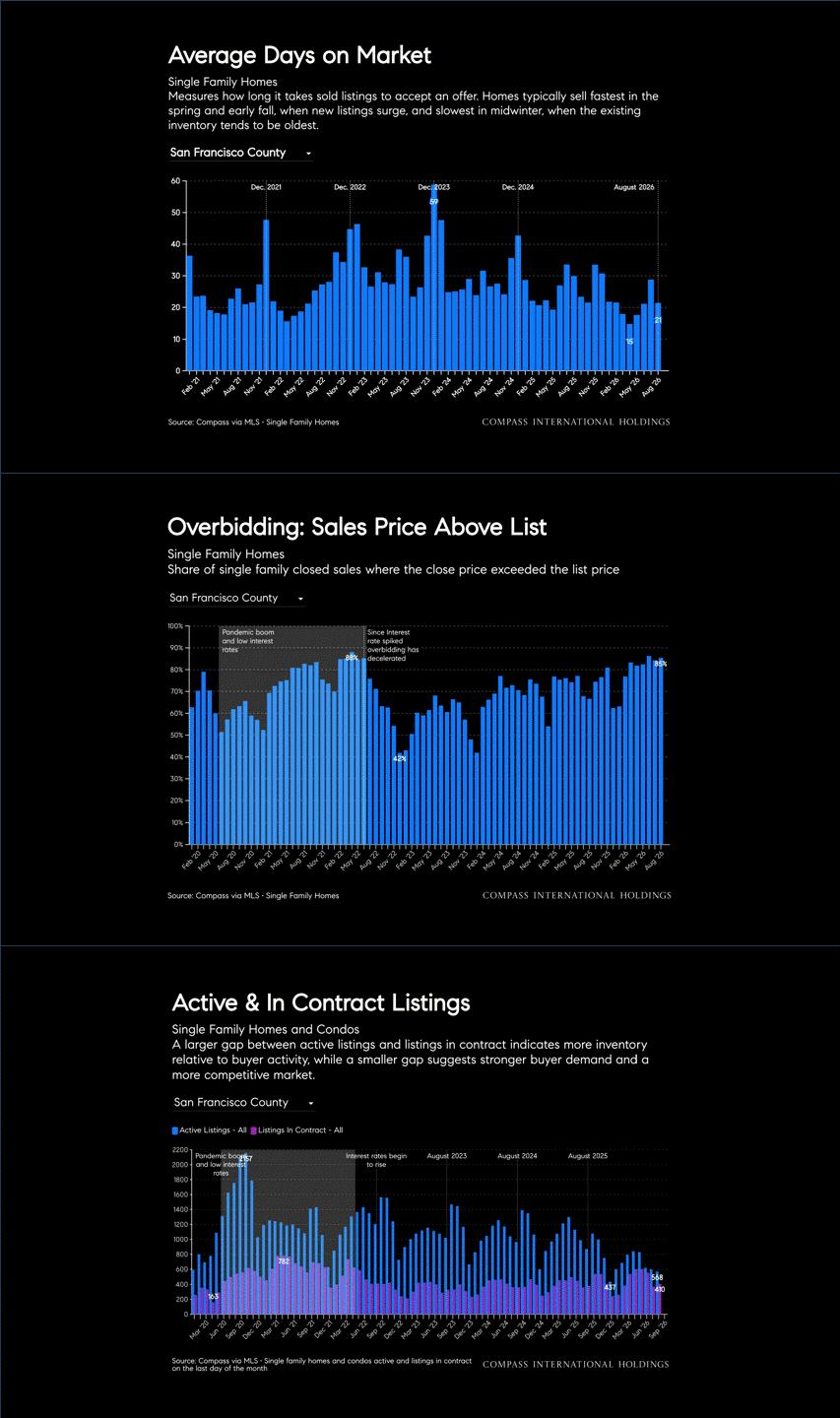
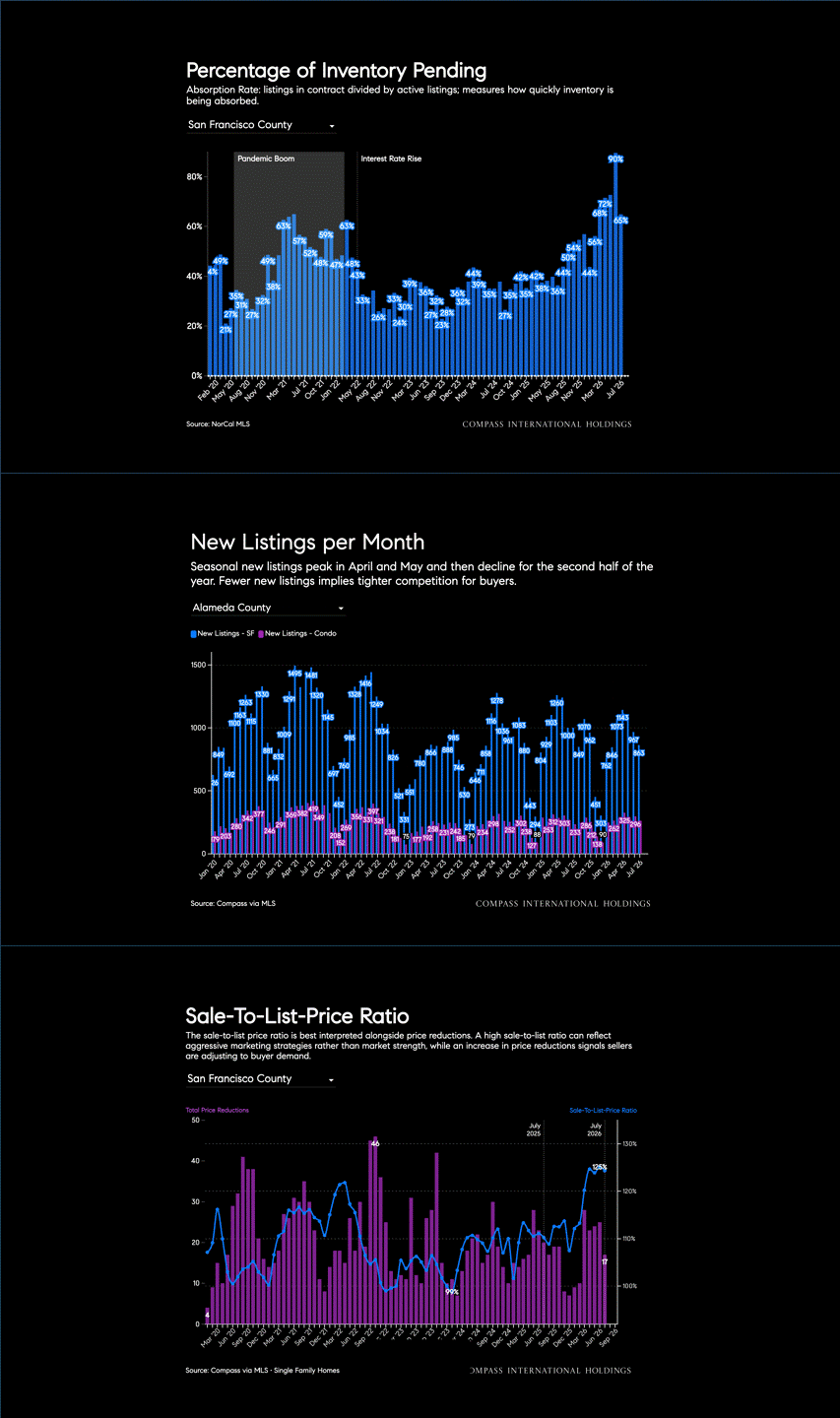
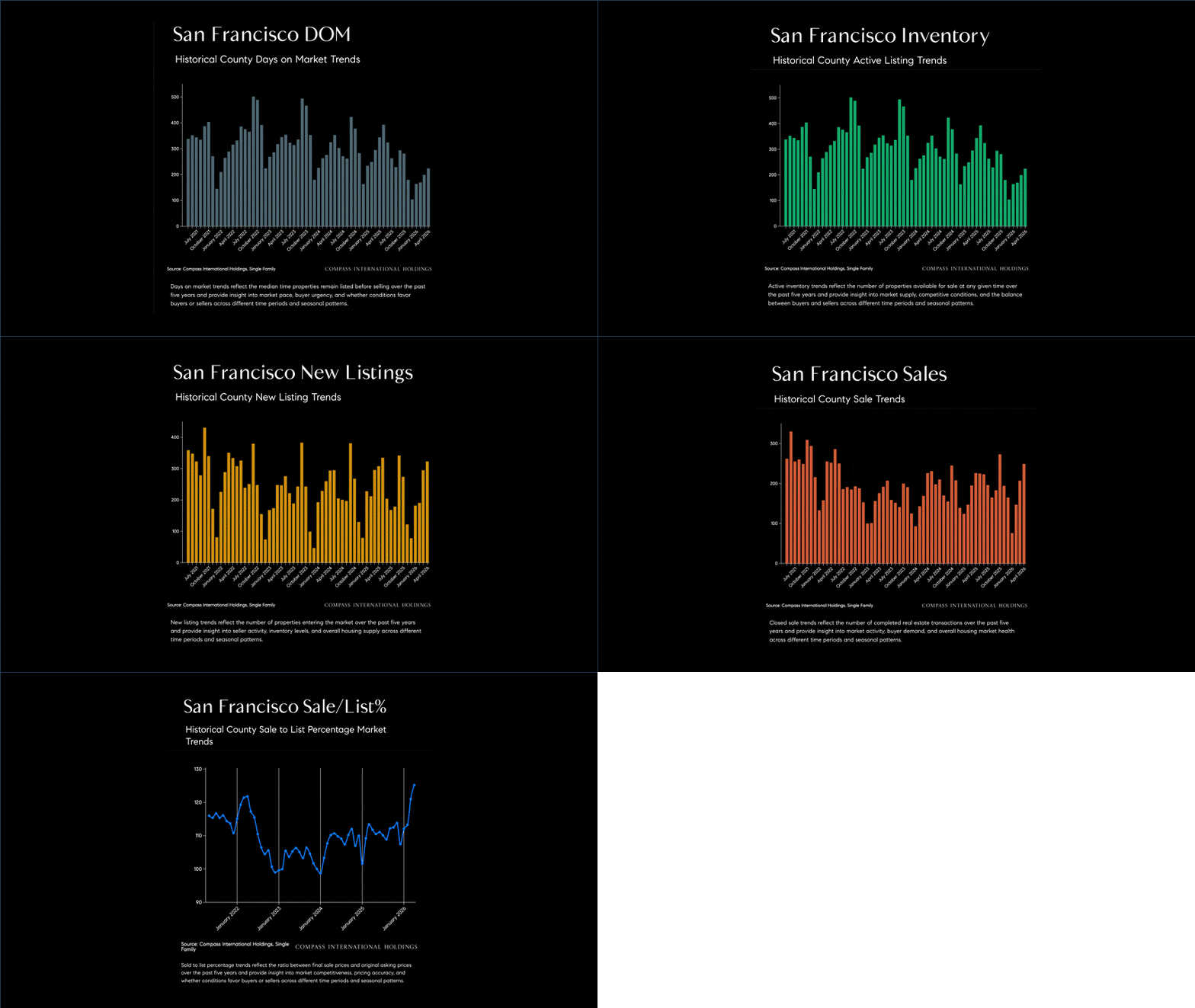
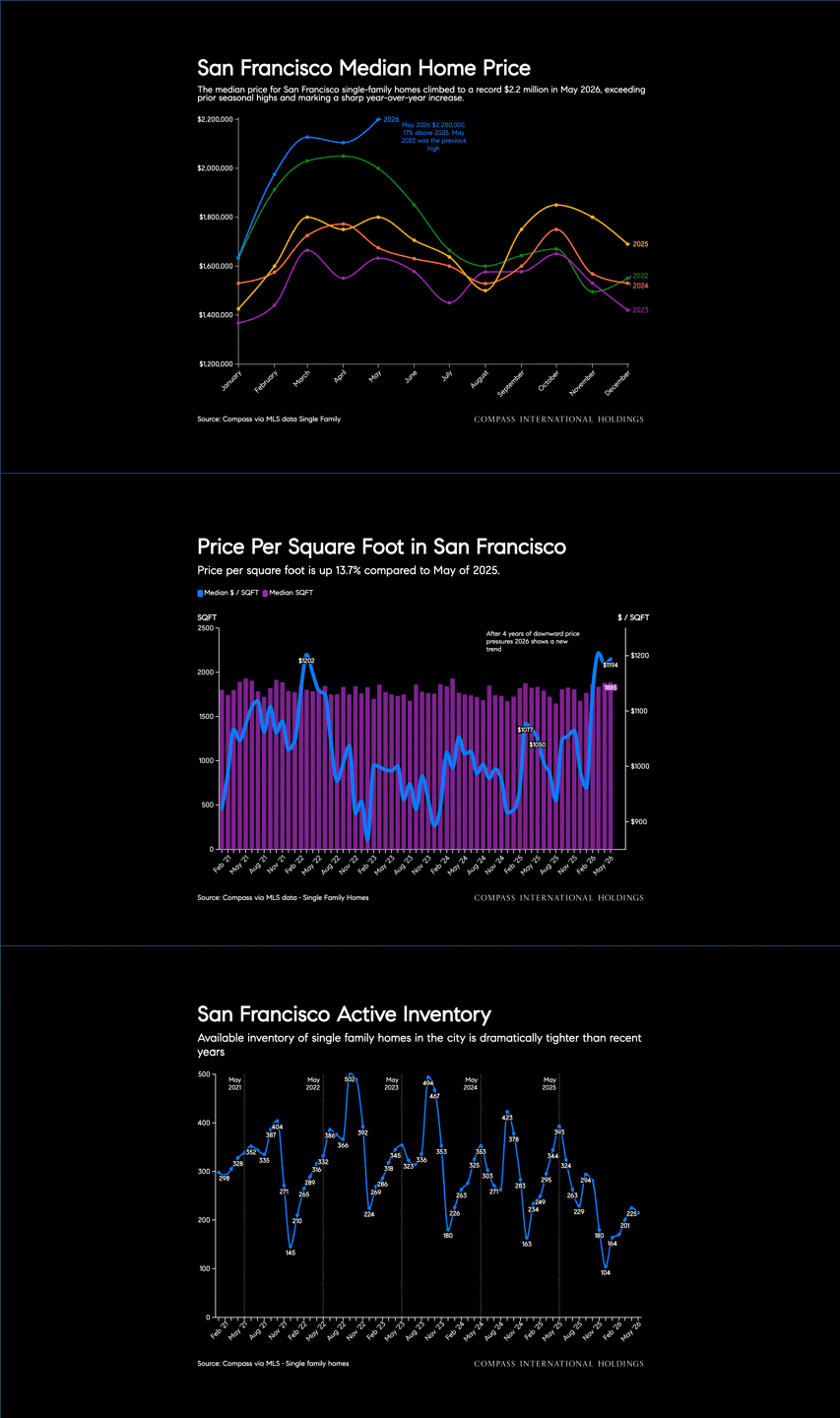
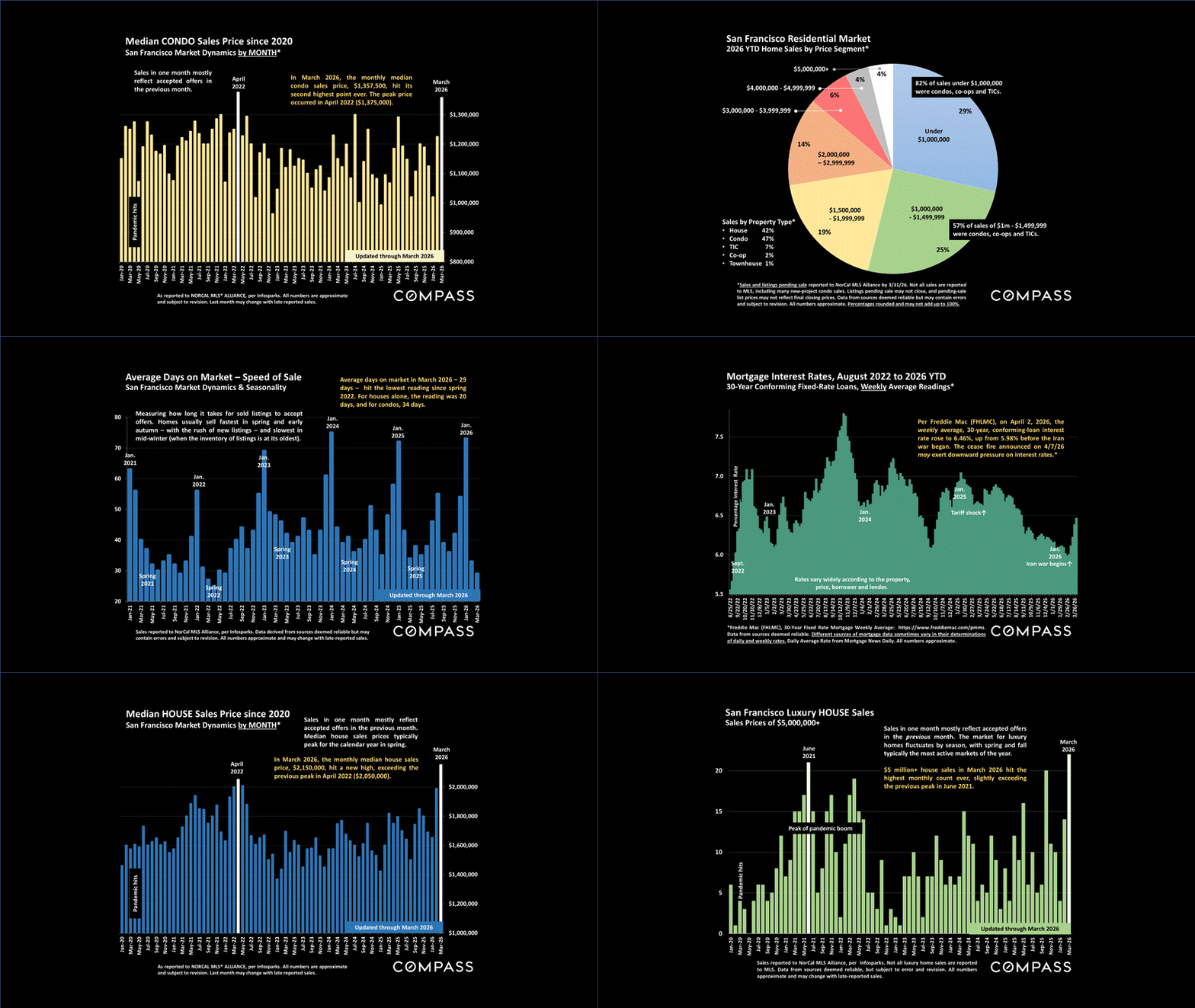
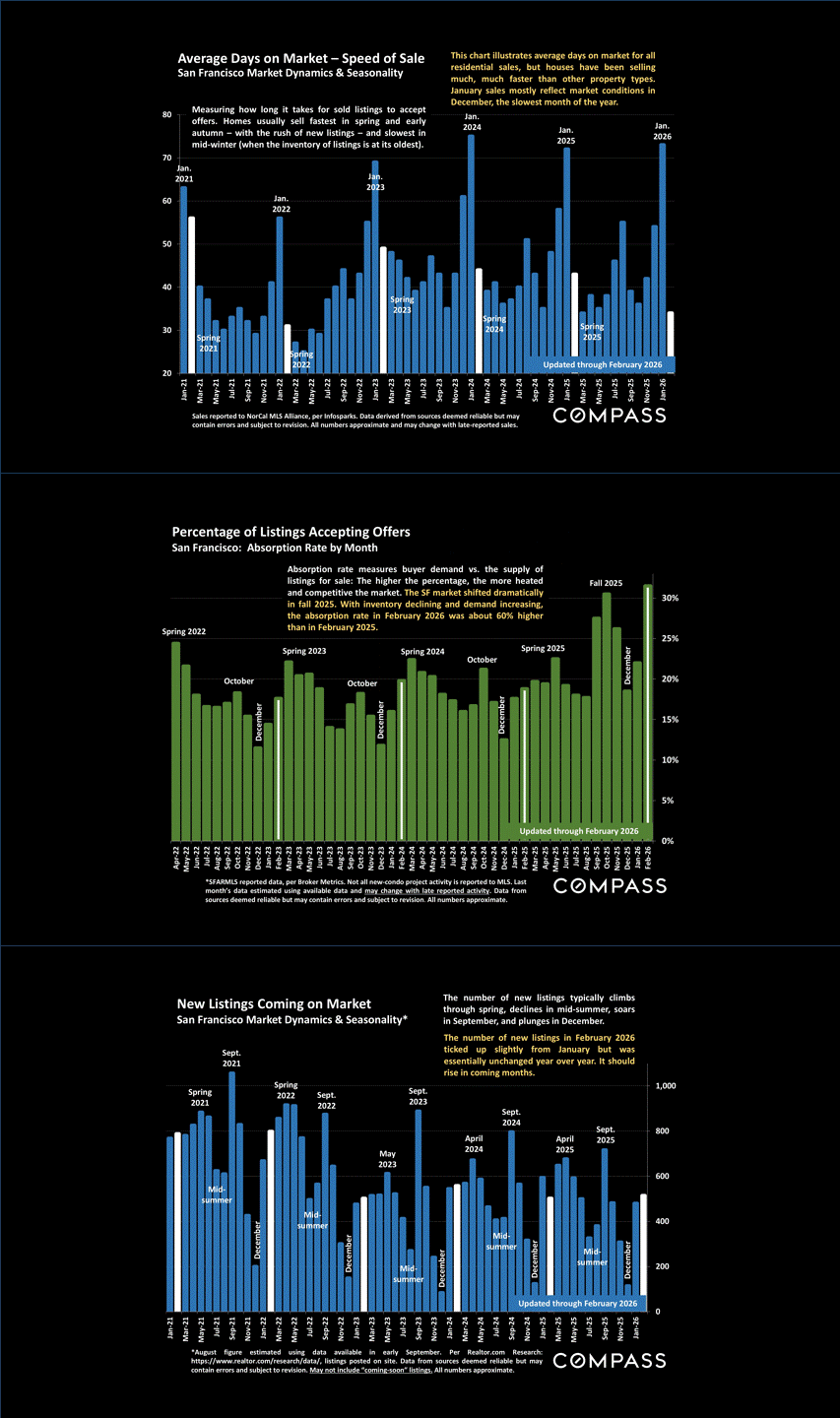
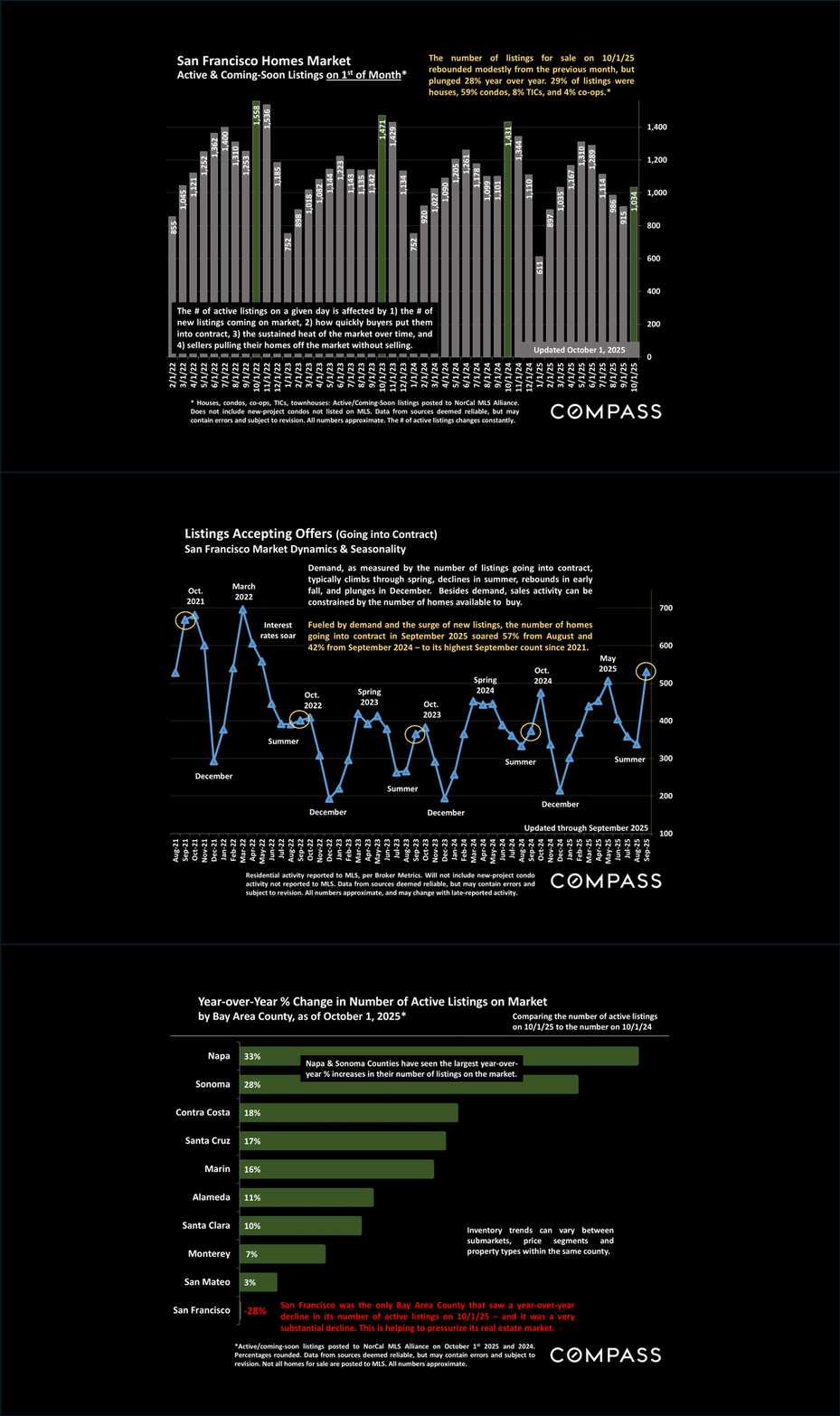
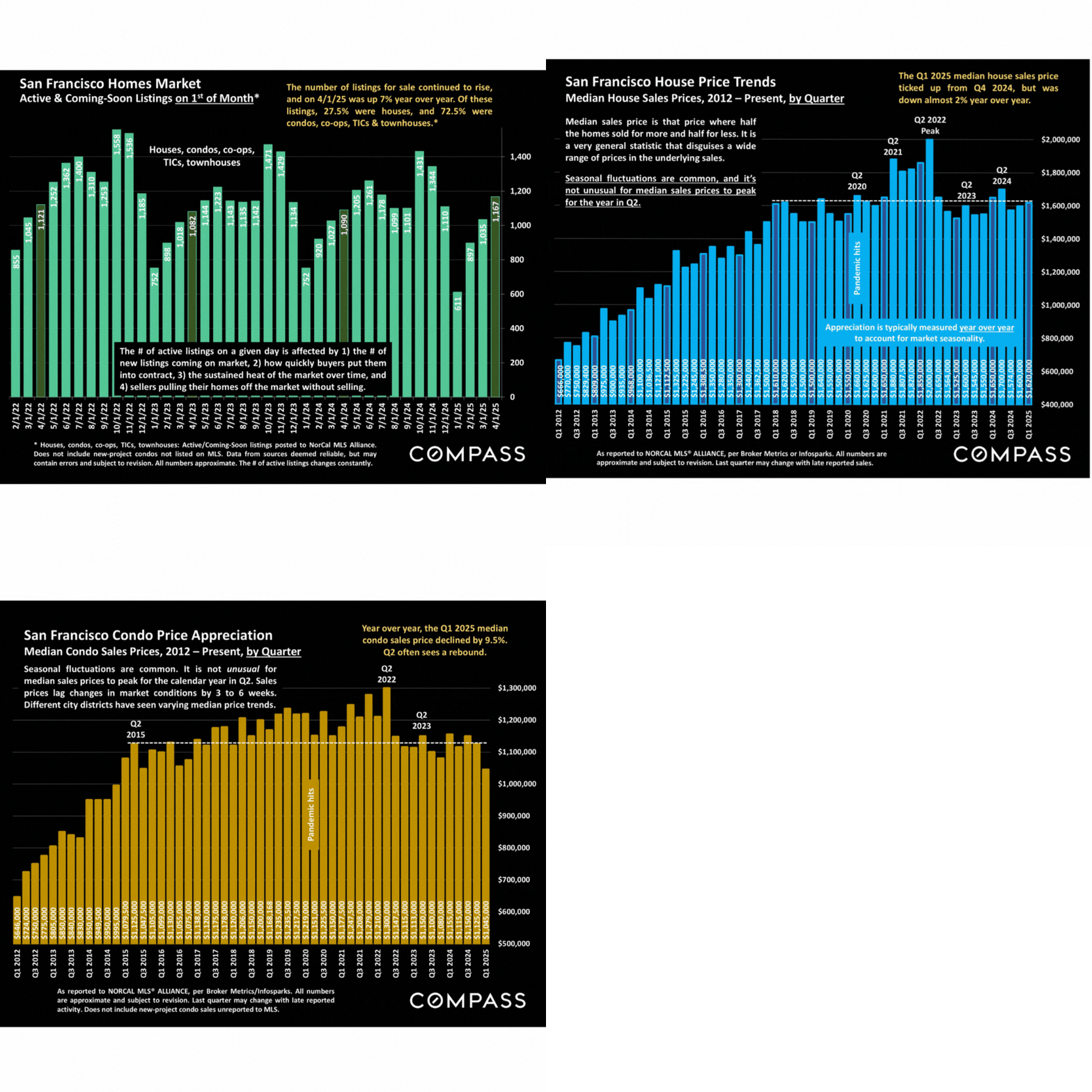
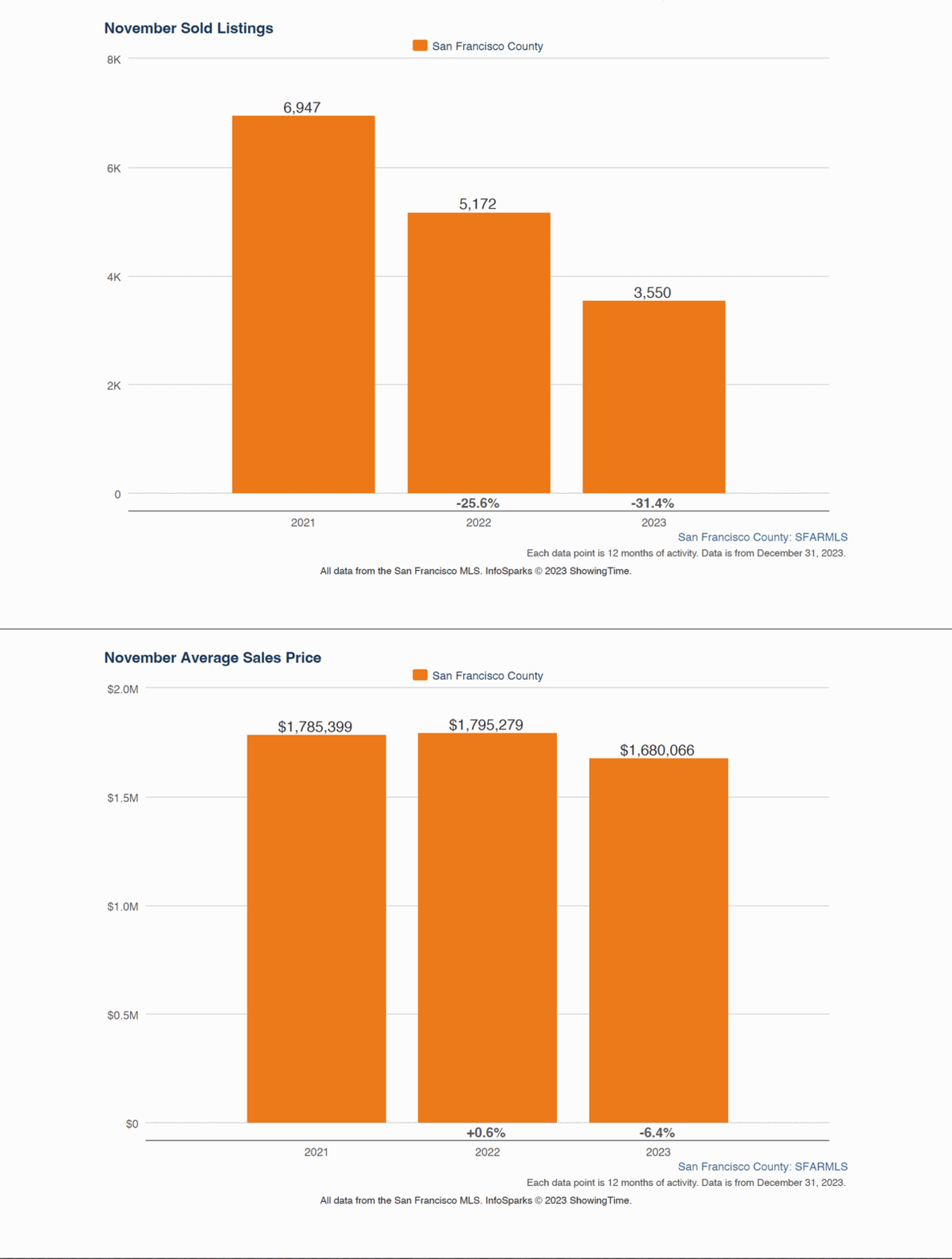
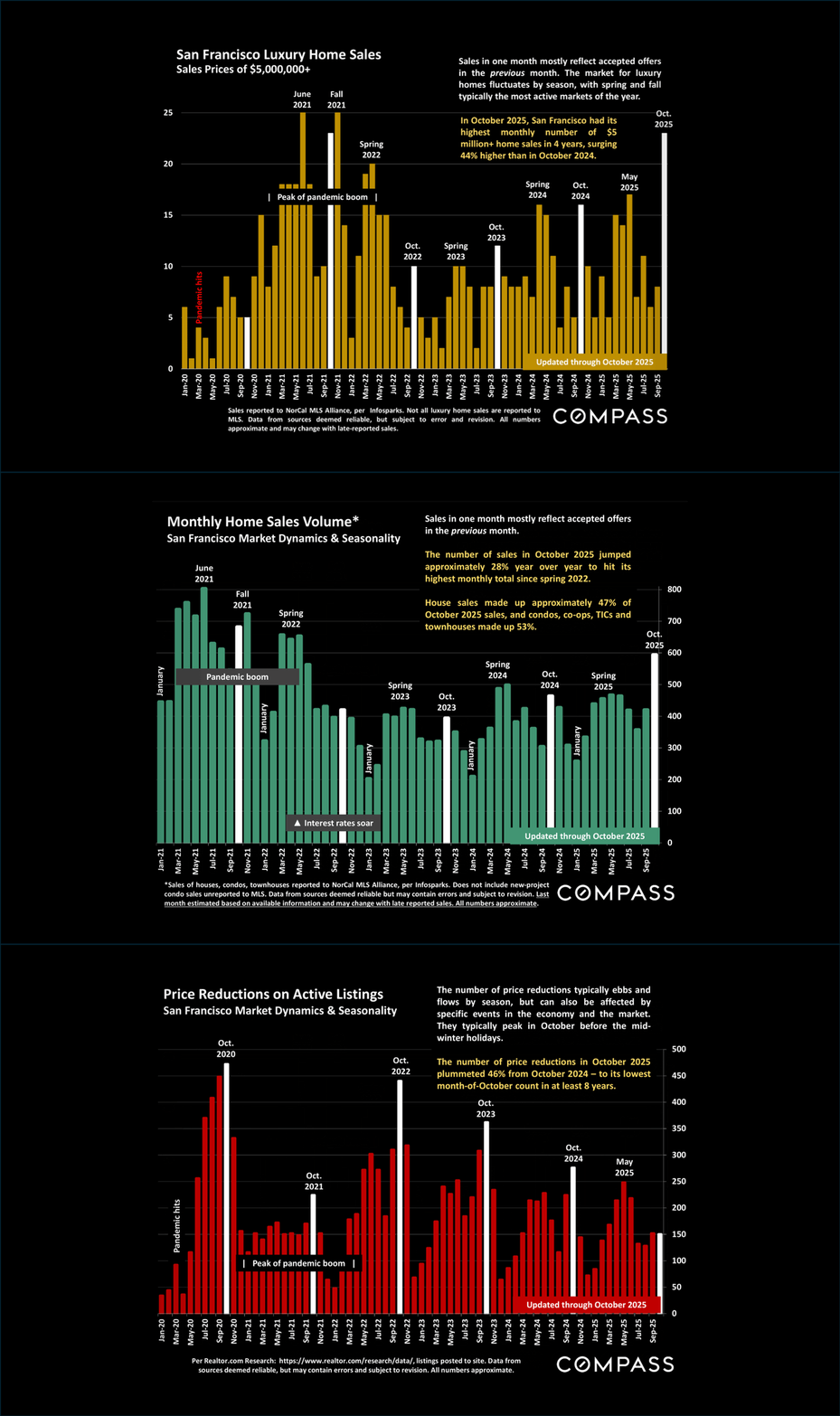
October numbers confirm what I’m seeing on the ground: the highest sales count since May 2022, the strongest luxury activity in four years, nearly half of condos and 80% of houses are selling over list, and price reductions are down 46% year-over-year. Even off-market fixers are drawing multiple bids and premium sales numbers. Yes, we usually slow down from mid-November through the end of the year, but this year may break the pattern. Buyer demand isn’t cooling, and inventory isn’t rising. If you’re watching the data as closely as I am, it’s a fascinating moment. If your inner data nerd is tingling, I am right there with you and always game to dig into the next layer.