
Staring at a four-figure HOA line item and wondering what it actually buys you in San Francisco? You are not alone. Condo HOA dues can feel opaque, especially when they vary so much from building to building. This guide breaks down what fees typically cover, how building type and neighborhood shape costs, and the documents and red flags to review before you write an offer. Let’s dive in.
How SF HOAs work
In California, condominium HOAs operate under the Davis-Stirling Common Interest Development Act and each building’s CC&Rs, bylaws, and rules. Every association collects regular dues to run and maintain common property and to fund long-term repairs. The size and style of the building play a major role in how much you pay each month.
Small conversion buildings with a few units tend to have leaner budgets and fewer services. Mid-rise and high-rise communities add staff, elevators, and larger shared systems that increase costs. Your goal is to understand what the dues cover, the health of the reserves, and how predictable the budget will be over time.
What dues usually cover
Most HOAs in San Francisco budget for a similar core set of items:
- Common-area upkeep and repairs, including hallways, roofs, exterior paint, and elevators.
- Building staff and management, such as on-site concierge, security, and a property management company in full-service buildings.
- Utilities for common areas, and sometimes unit water, sewer, or trash, depending on the metering.
- Contracts like landscaping, janitorial, pest control, and elevator maintenance.
- Insurance for the building’s structure and common areas, plus liability coverage for shared spaces.
- Regular contributions to the reserve fund for big-ticket replacements like roofs, piping, and elevator overhauls.
- Administrative costs, including legal and accounting, meeting expenses, and bank fees.
- Amenities such as gyms, pools, rooftop decks, package rooms, and community rooms.
- Occasionally, bulk cable or internet packages and certain utilities.
What dues do not cover
- Interior repairs and finishes inside your unit unless your CC&Rs say otherwise.
- Individually metered utilities.
- Your mortgage, individual property taxes, or your HO-6 interior and personal property insurance.
- Special assessments or owner-specific fines.
Why fees vary by building
The range in San Francisco is wide. A small walk-up can land in the hundreds per month. A full-service tower with concierge, parking, gym, and pool can reach four figures. Building age, system complexity, staff levels, and amenity load drive most of the difference.
SoMa expectations
SoMa’s newer mid- and high-rise buildings often include concierge service, fitness centers, rooftop spaces, pools, and package rooms. Those amenities, along with multiple elevators, HVAC, large glazed facades, and structured parking, elevate operating costs. Newer construction can reduce near-term repair needs, but staffing and amenity maintenance keep dues higher.
Mission Bay snapshot
Mission Bay is largely master-planned and newer, with mid- and high-rise condos and townhomes. Expect amenity and staffing profiles similar to SoMa, plus landscaped plazas and structured parking that require ongoing care. Some communities may be earlier in their lifecycle or transitioning from developer control, so review warranties, transition documents, and any community financing or special tax districts noted in disclosures.
Russian Hill snapshot
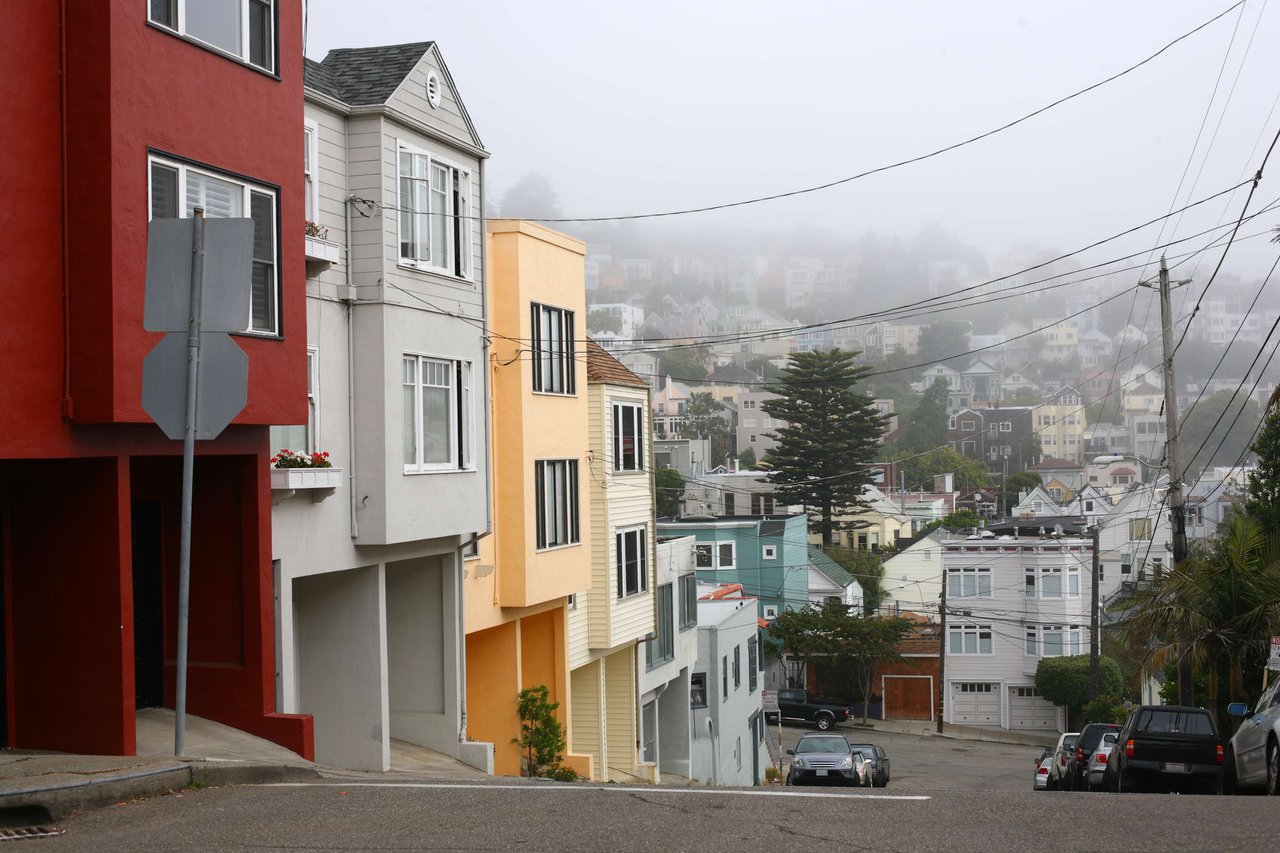
Russian Hill skews older with low- to mid-rise buildings, many small associations and converted walk-ups. Monthly dues can be lower due to fewer amenities and minimal staffing. However, older systems, historic facades, and seismic or soft-story work can lead to larger one-time costs that small HOAs must spread across fewer owners.
Reserves and special assessments
Healthy reserves are the backbone of a predictable HOA. A professional reserve study estimates useful lives and replacement costs for major components and recommends annual contributions. When reserves fall behind the plan, HOAs often face sudden fee hikes, deferred maintenance, or special assessments to cover big projects.
What to check:
- Request the most recent reserve study and funding plan.
- Compare the current reserve balance to recommended levels.
- Review the last several years of special assessments and any projects planned for the next 1 to 5 years.
Common San Francisco triggers for assessments include piping failures, façade work, elevator overhauls, city-mandated retrofits, or legal settlements. Predictability comes from a current reserve study, transparent planning, and steady contributions.
Insurance and risk basics
The building’s master policy typically covers the structure and common areas. You carry an HO-6 policy for your interior finishes and personal property. Earthquake coverage is usually separate and often expensive, so many associations and owners do not carry it.
Key items to confirm:
- Policy limits and what structural elements are included.
- Deductibles, especially for major events, because large deductibles can lead to owner assessments.
- Whether your personal policy includes loss-assessment coverage.
- Any open claims or litigation that can increase premiums and legal costs or limit lending.
Due diligence checklist
Request these documents as early as possible, ideally before making an offer:
- HOA resale certificate or full disclosure packet.
- Current budget, prior year actuals, and recent bank statements.
- Most recent reserve study and reserve funding plan.
- Board meeting minutes for the last 12 to 24 months.
- List of past and pending special assessments and capital projects.
- Master insurance summary, including limits and deductibles.
- Delinquency and receivables aging plus collection policy.
- Governing documents: CC&Rs, bylaws, and house rules.
- Management and vendor contracts, such as elevator, landscaping, and security.
- Owner-occupancy and rental percentages, and any rental caps or policies.
Smart questions to ask
- When was the last reserve study, and what percent of recommended reserves is funded now?
- What capital projects are planned over the next 1 to 5 years, and how will they be paid for?
- What is the current delinquency rate, and how does the HOA handle collections?
- Is there pending litigation or significant insurance claims?
- Does the master policy include earthquake coverage, and what are the deductibles?
- Are any city-mandated retrofits or compliance projects scheduled?
Practical rules of thumb
- Review the documents before you commit. Do not assume dues or reserves are adequate.
- Factor HOA dues into your total monthly cost and loan qualification. Higher dues reduce borrowing capacity.
- Lower dues can mean fewer amenities or lower reserves. Higher dues can mean better funding and more services, but also higher ongoing costs.
- Favor associations with a current reserve plan and a recent history of predictable assessments over reactive, one-time surprises.
- For older buildings, consider a condo-savvy inspector and, when needed, a construction or reserve consultant.
Touring with cost awareness
As you tour, look for cost drivers:
- Staffing and security desks that suggest 24-hour coverage.
- Multiple elevators, mechanical parking, pools, or large gyms that require regular contracts and upkeep.
- Rooftops, courtyards, and extensive landscaping that need maintenance.
- For older buildings, signs of exterior envelope needs, seismic work, or aging plumbing and electrical.
- Package rooms and storage areas that need staffing or system support.
Use what you see to frame questions for the seller and the HOA and to calibrate your budget.
Financing and resale impact
Lenders review project health. Underfunded reserves, major unresolved litigation, or high investor concentration can affect eligibility for certain loan programs and underwriting standards. Because HOA dues count in your debt-to-income ratio, higher dues can reduce the loan amount you qualify for.
On resale, buyers prefer communities with strong reserves, clear governance, and predictable assessments. Documented financial strength supports demand and value, while frequent special assessments or unresolved legal issues can dampen interest.
Red flags to pause on
- No recent reserve study or no plan to fund reserves.
- Low reserves alongside large deferred projects.
- Frequent or large special assessments in recent years.
- Significant, ongoing litigation.
- High owner delinquency rates, with more than 10 percent often a concern.
- Rapid turnover paired with many investor sales.
- Unexplained spikes in budget line items, such as legal or insurance.
A thoughtful read of the documents, paired with what you observe on tour, will tell a clear story.
Choosing the right San Francisco condo is about more than the finishes inside your front door. When you understand what your HOA dues cover and how the association manages risk and reserves, you set yourself up for a smoother ownership experience. If you want an advisor who can connect building systems, reserves, and lifestyle value to your long-term goals, reach out to Brandi Mayo.
FAQs
What do SF condo HOA dues usually include?
- Common-area maintenance, building management and staff in full-service buildings, some utilities, master insurance for structure and shared spaces, reserve contributions, and amenity upkeep.
What is a reserve study and why should I care?
- A reserve study estimates the life and replacement cost of major components and sets a funding plan. It is the best indicator of whether an HOA can avoid surprises and special assessments.
How common are special assessments in San Francisco?
- They occur when reserves are short or unexpected costs arise, often tied to systems failures, façade work, city-mandated retrofits, or legal settlements. Review recent history and upcoming projects.
Do HOA dues cover earthquake insurance for my unit?
- The master policy usually does not include earthquake, and individual interior coverage comes from your HO-6 policy. Many owners and associations carry no earthquake coverage, so confirm details.
Why are SoMa and Mission Bay dues often higher?
- Newer mid- and high-rises in these areas carry more amenities, staffing, elevators, and structured parking, all of which increase operating costs compared with smaller walk-ups.
How do HOA finances affect my mortgage?
- Dues count toward your debt-to-income ratio, which can reduce your borrowing capacity. Underfunded reserves or litigation can also limit loan options or trigger stricter underwriting.