If architecture is your love language, San Francisco is your playground. In a compact city, you can walk from ornate Victorians to sunny Mediterranean homes, then end your day in an industrial loft or a sleek hillside modern. You want to know where each style lives, what details to look for, and how rules like historic review or seismic retrofits might shape your plans. This guide gives you a clear, style-by-style map with neighborhood highlights and practical tips so you can explore with confidence. Let’s dive in.
How to spot SF’s signature styles
Victorian basics
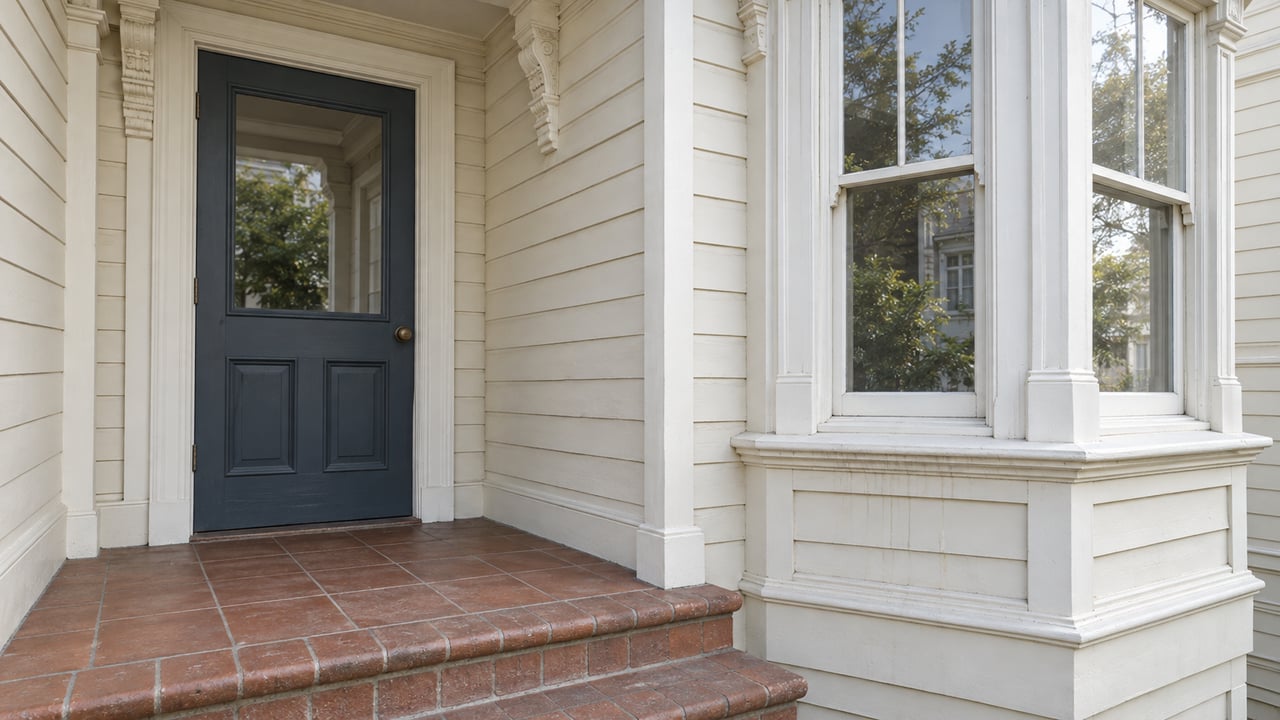
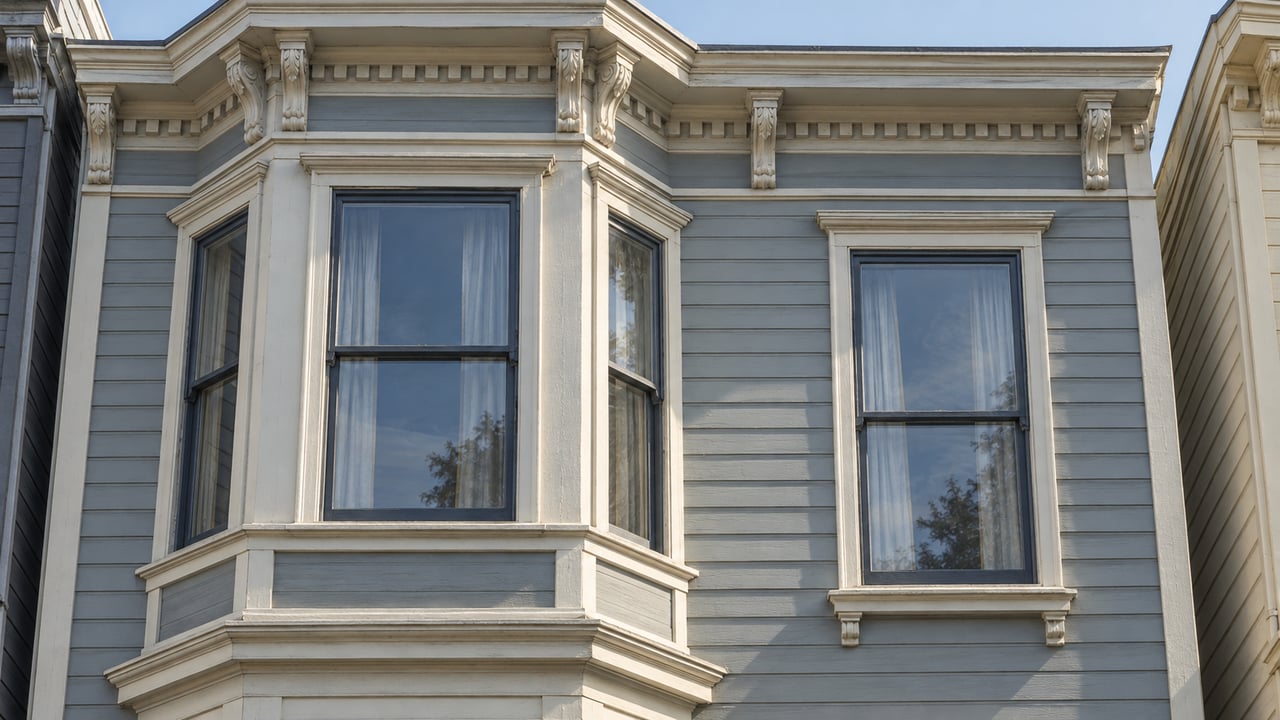
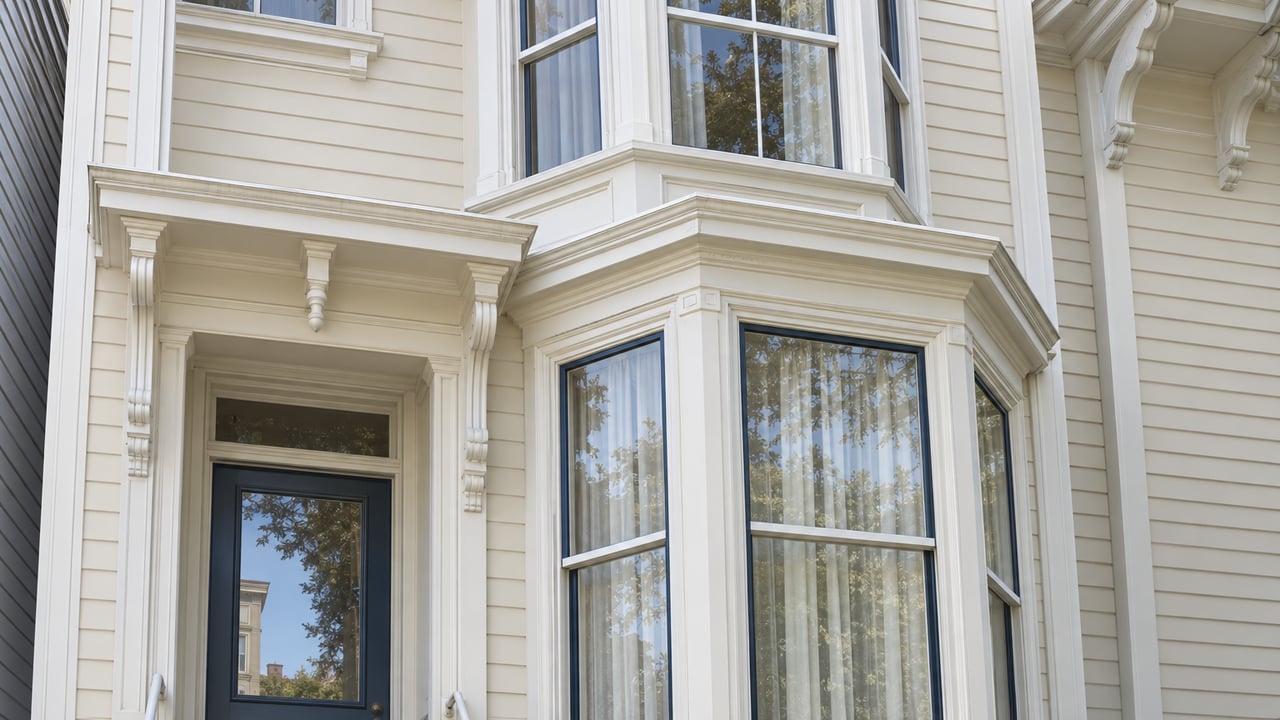
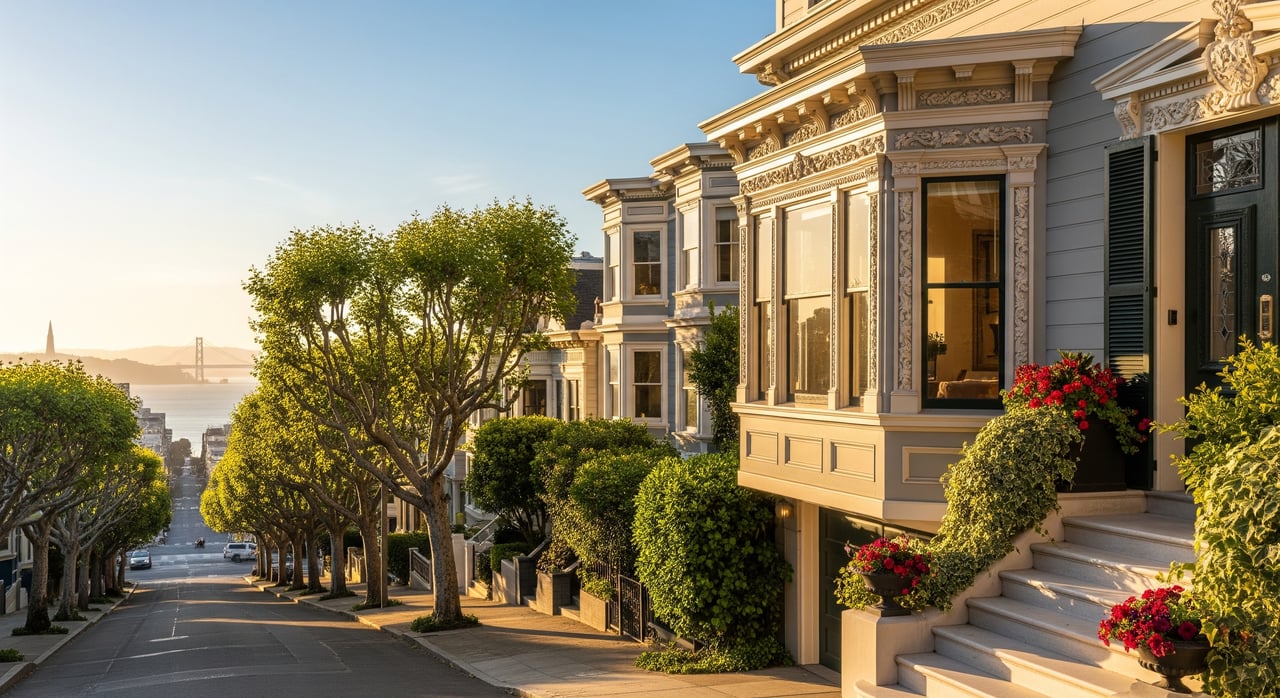
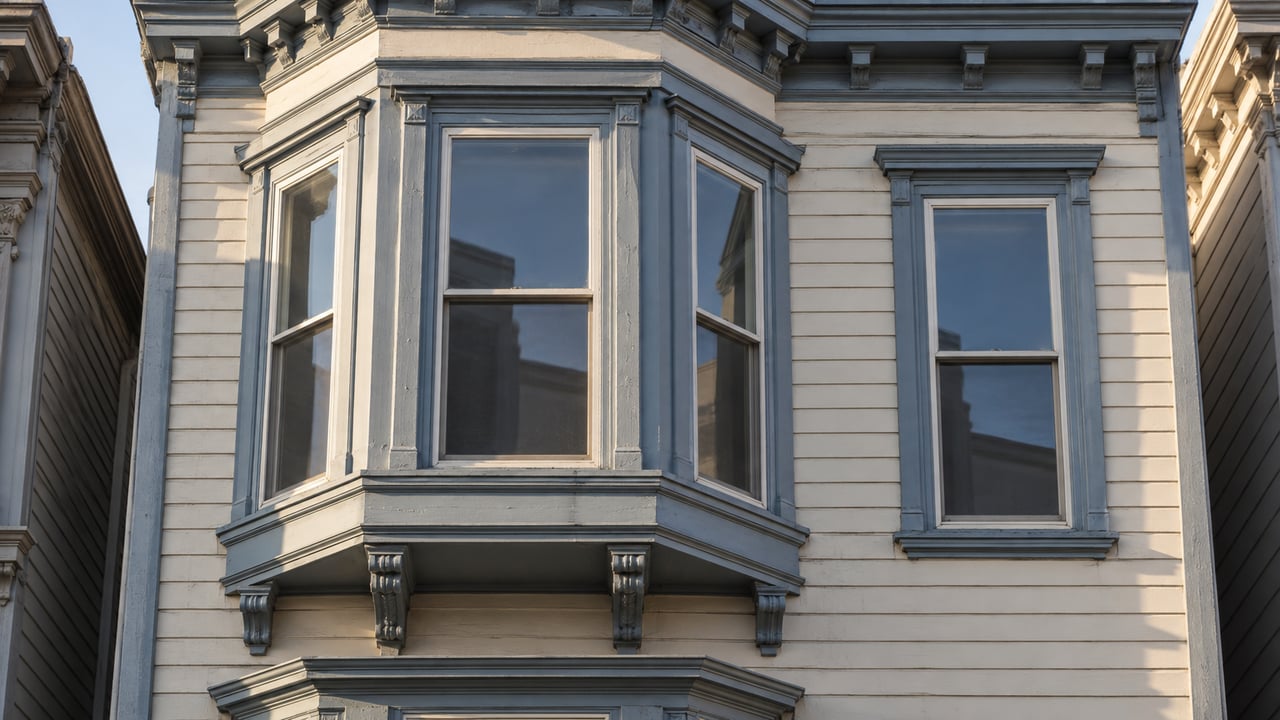
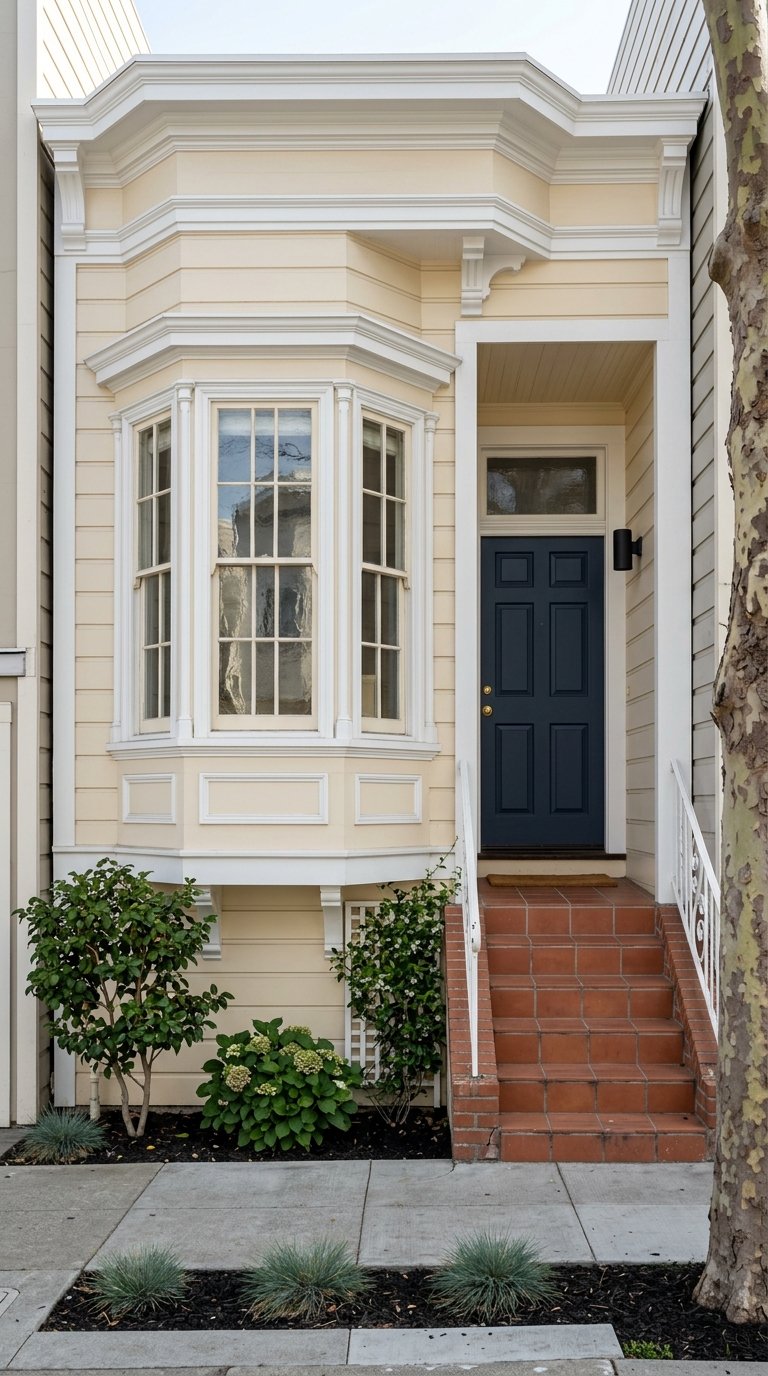
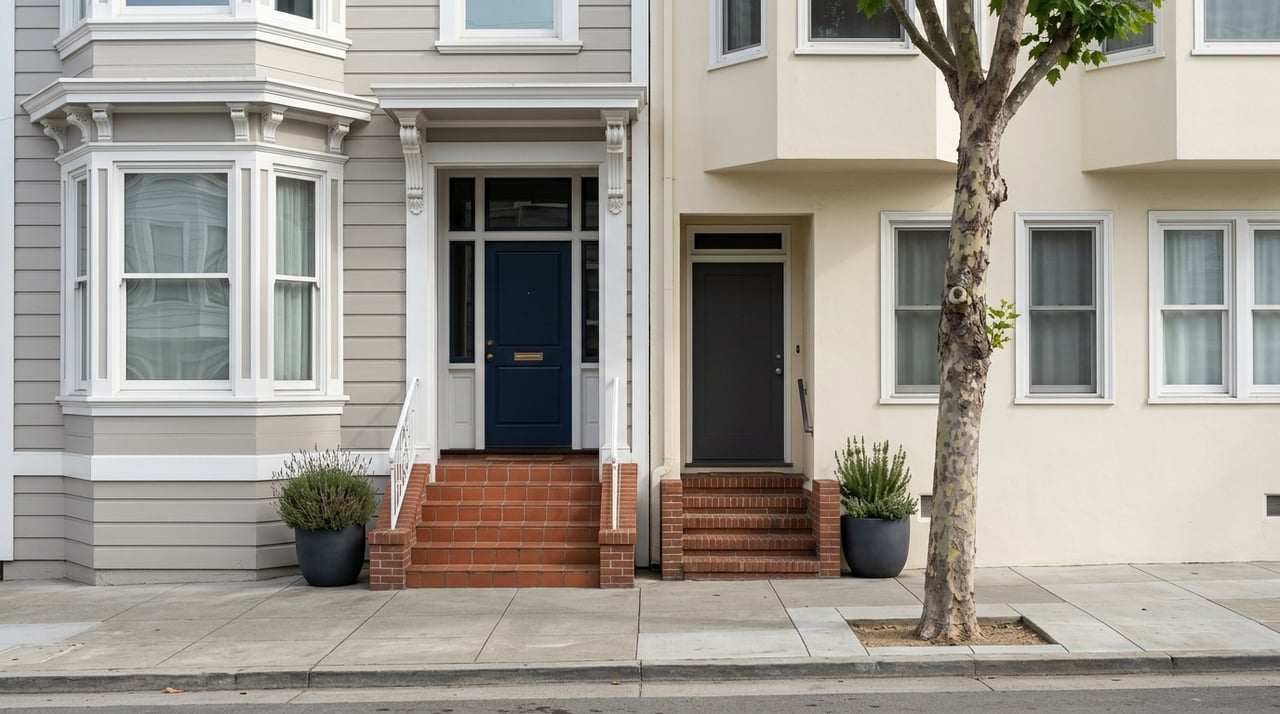
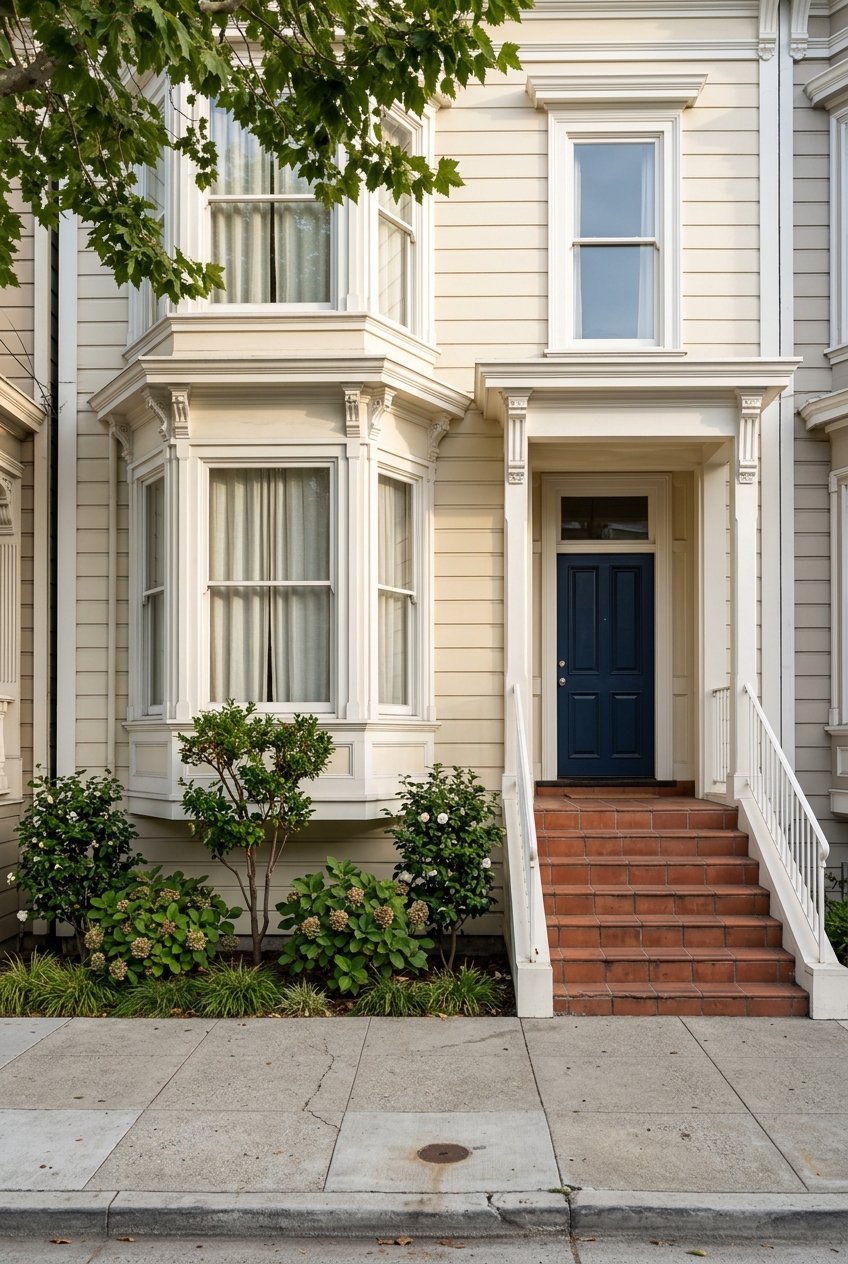
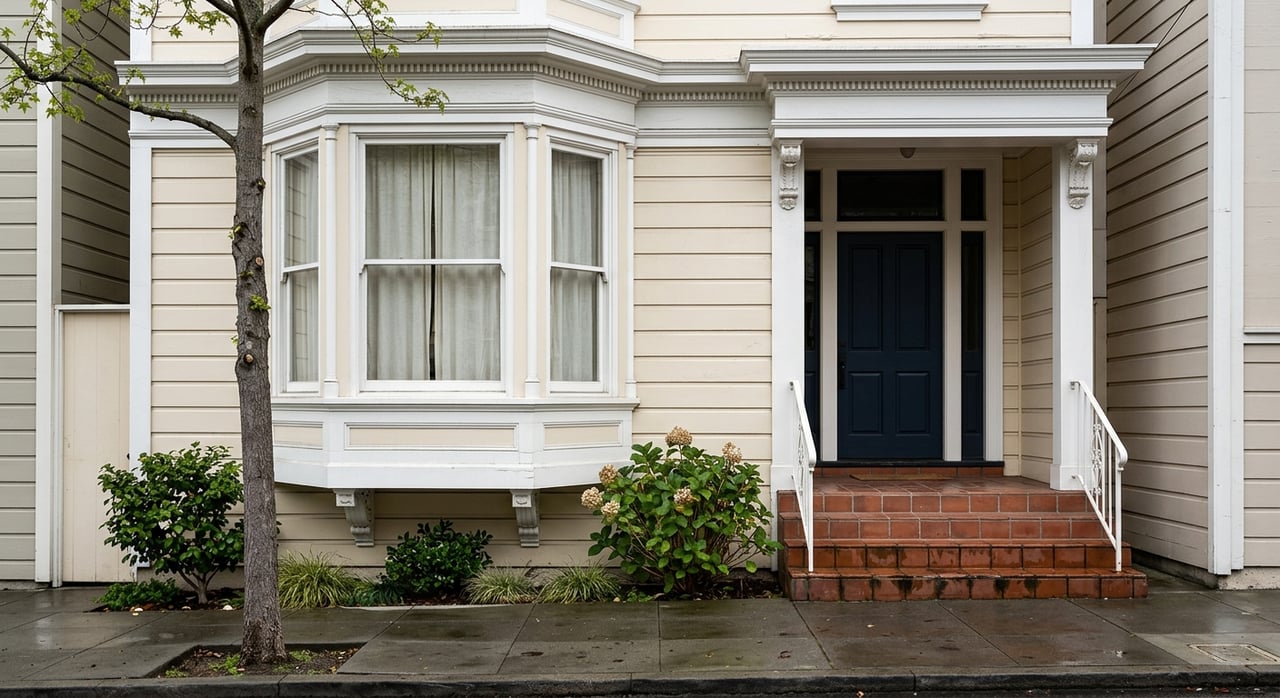
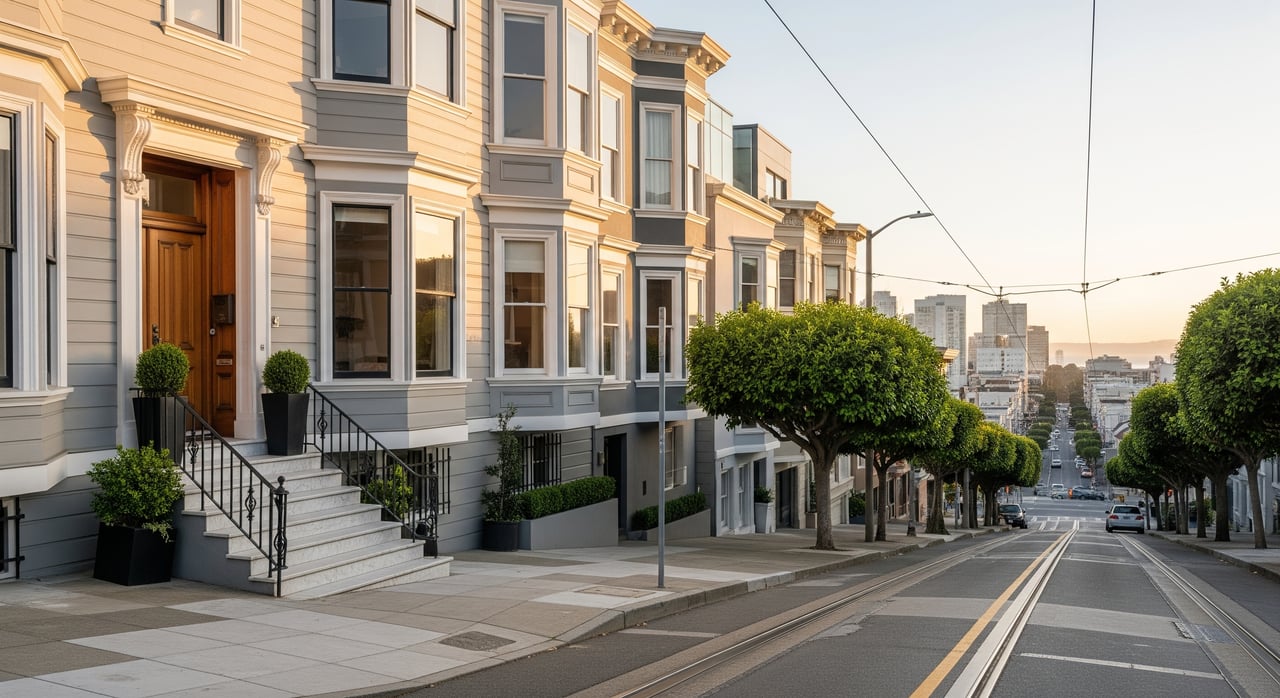
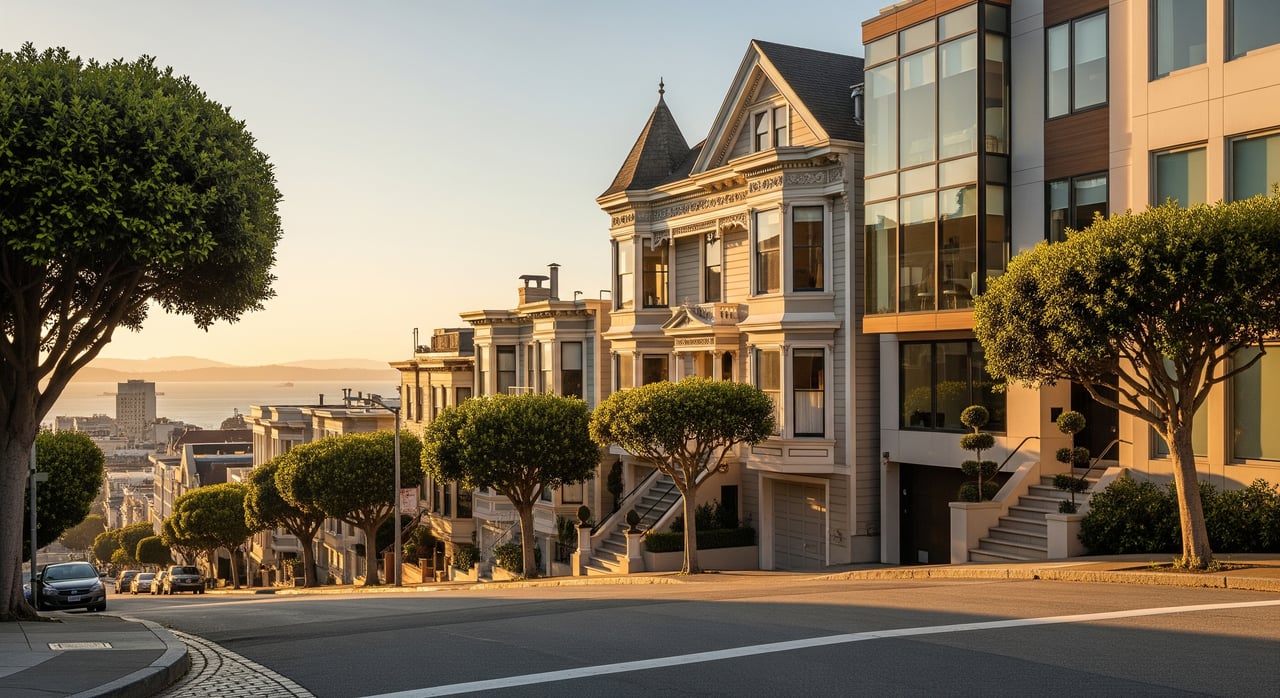
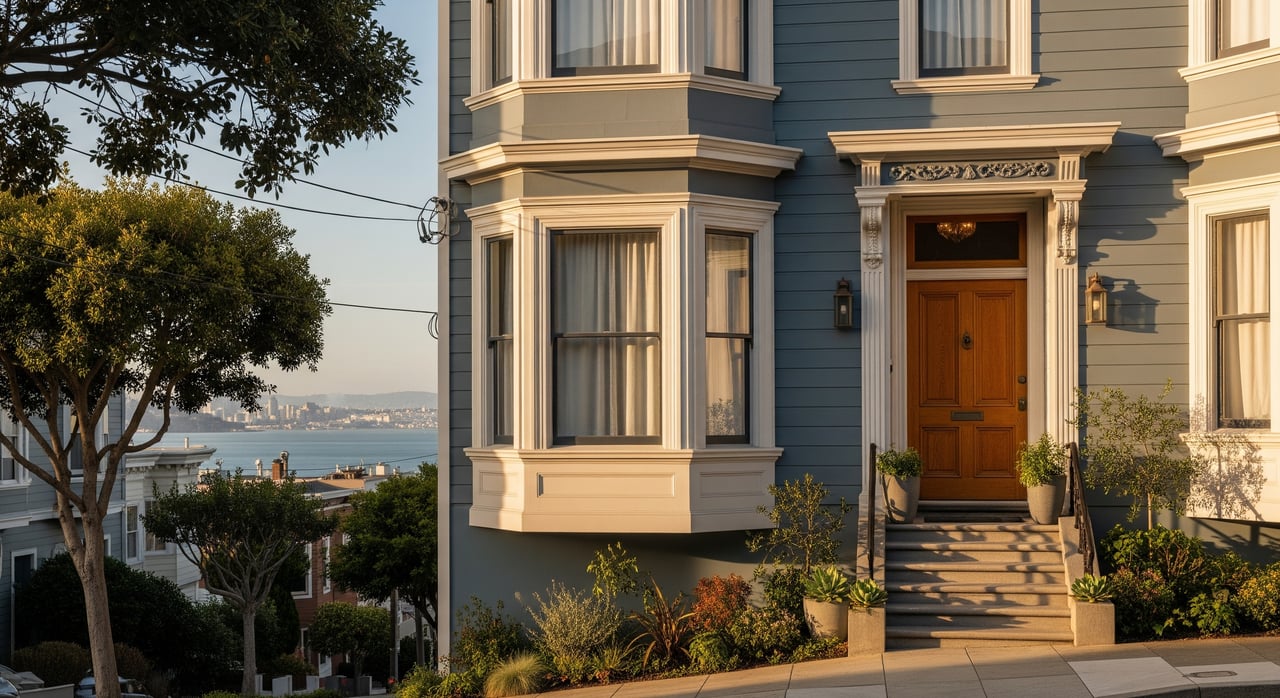
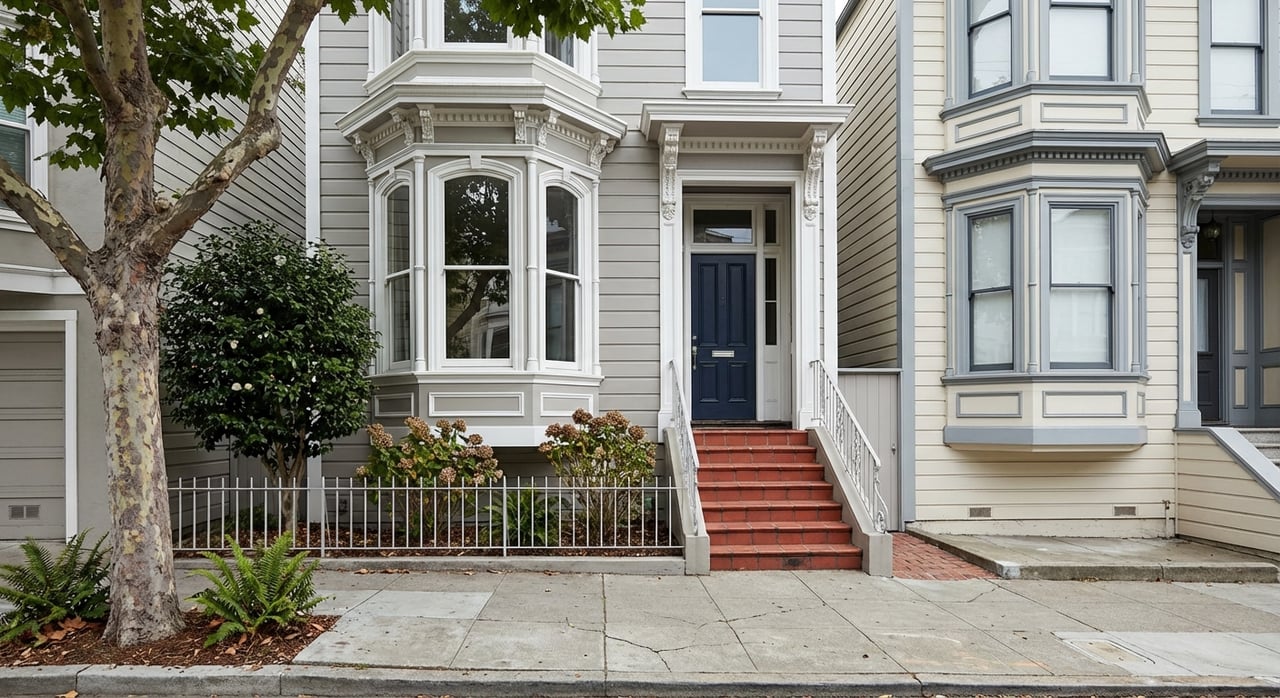
Victorians are your high-drama classics. Look for ornamental trim, tall and narrow proportions, bay windows, and layered cornices. Queen Anne versions often add turrets and patterned shingles. Interiors tend to have high ceilings and detailed plasterwork. The most famous example is the Painted Ladies along Steiner Street by Alamo Square, often called Postcard Row. You can admire them from the park across the street, since they are private homes, as highlighted by San Francisco Travel’s Painted Ladies overview.
Edwardian, the calmer cousin
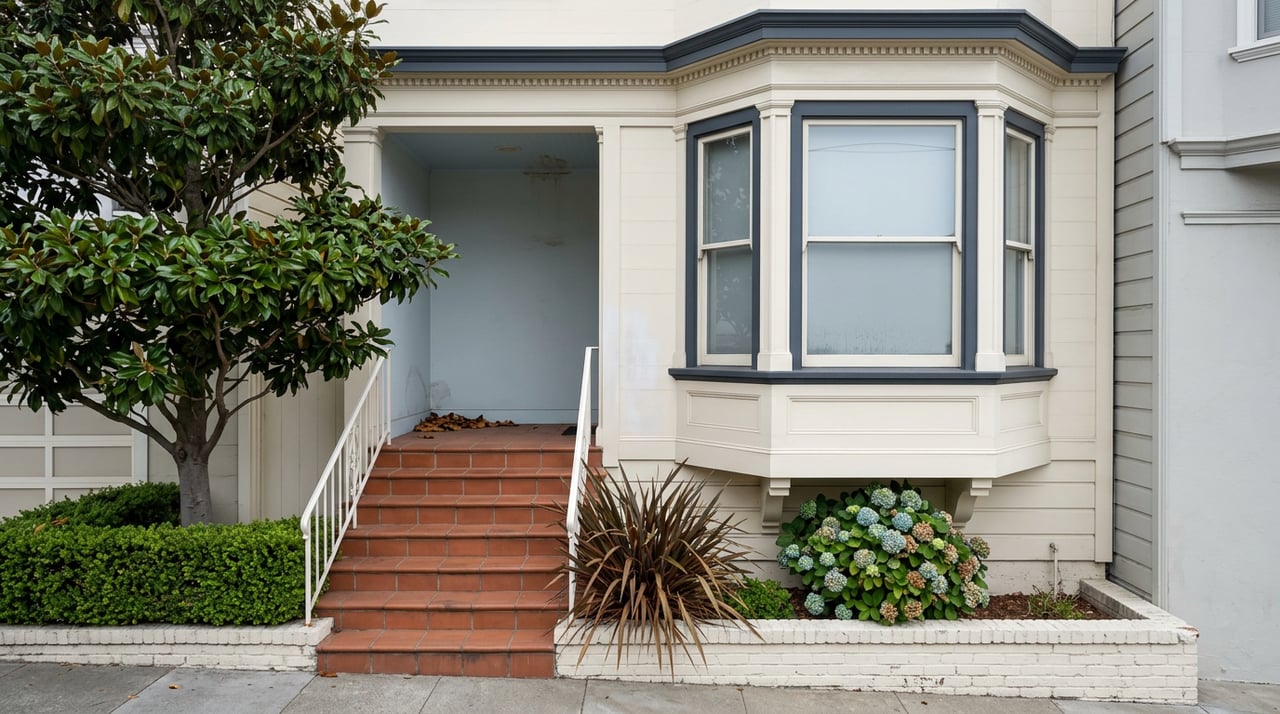
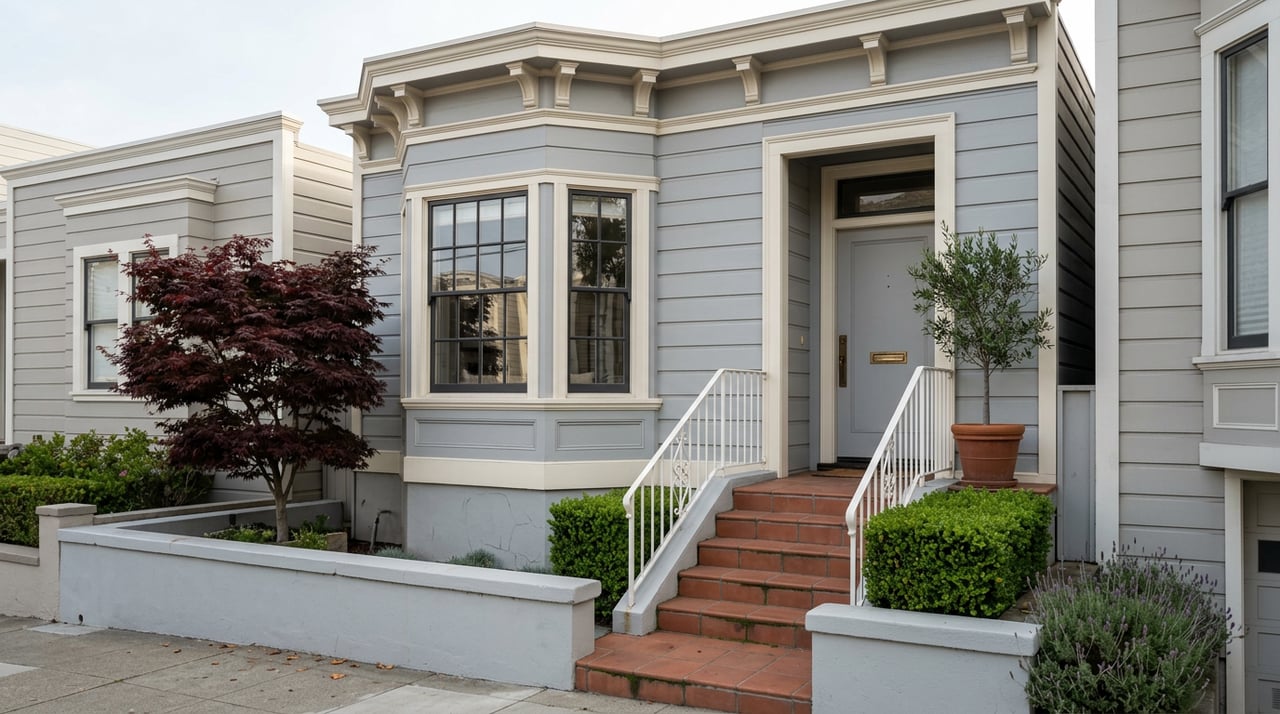
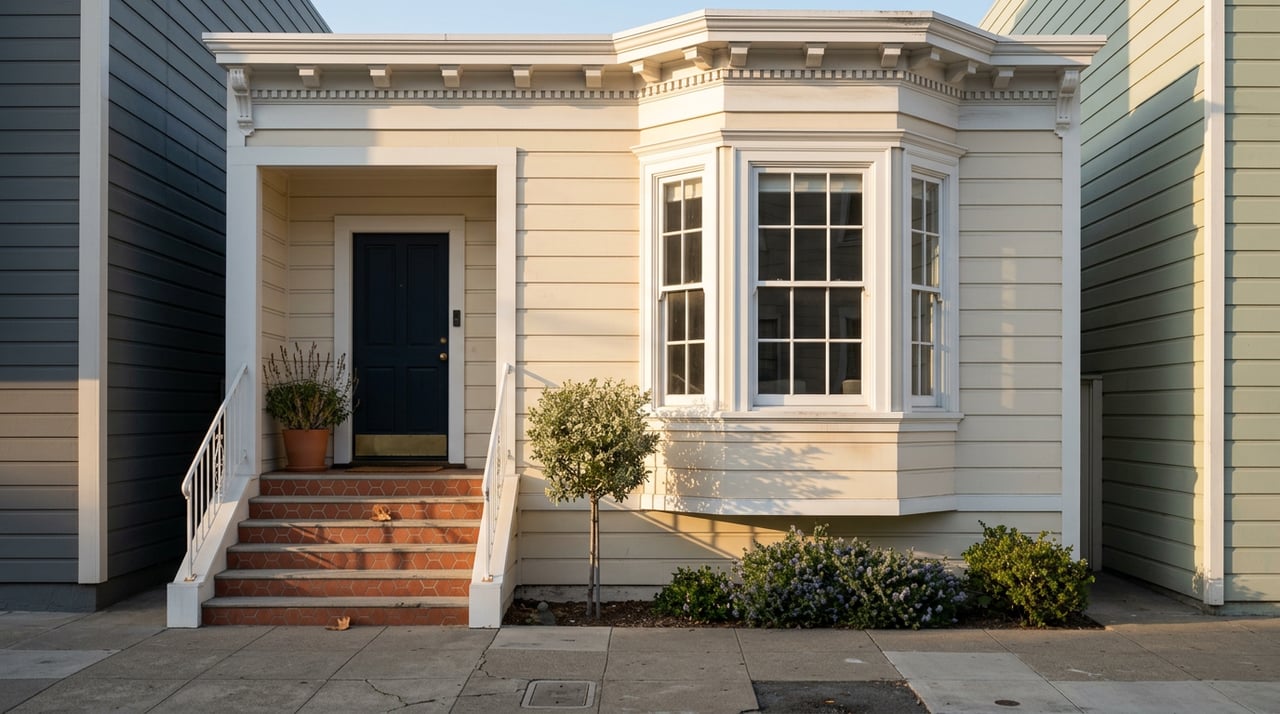
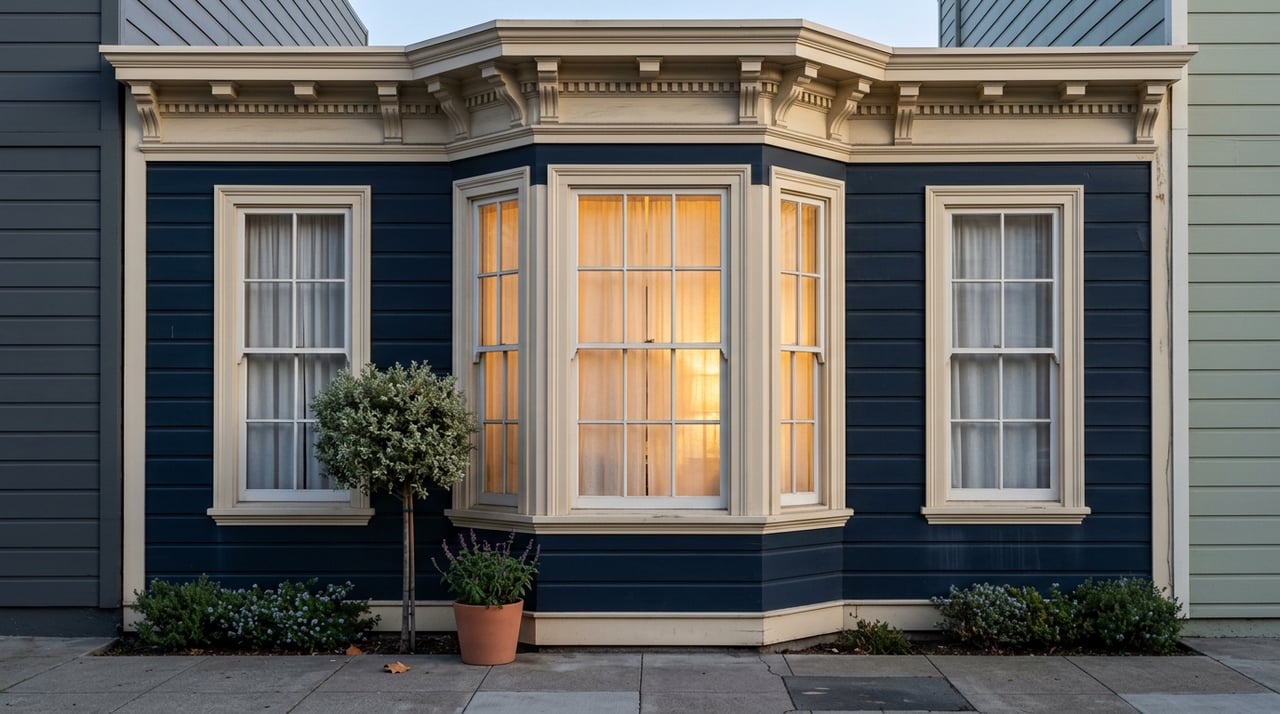
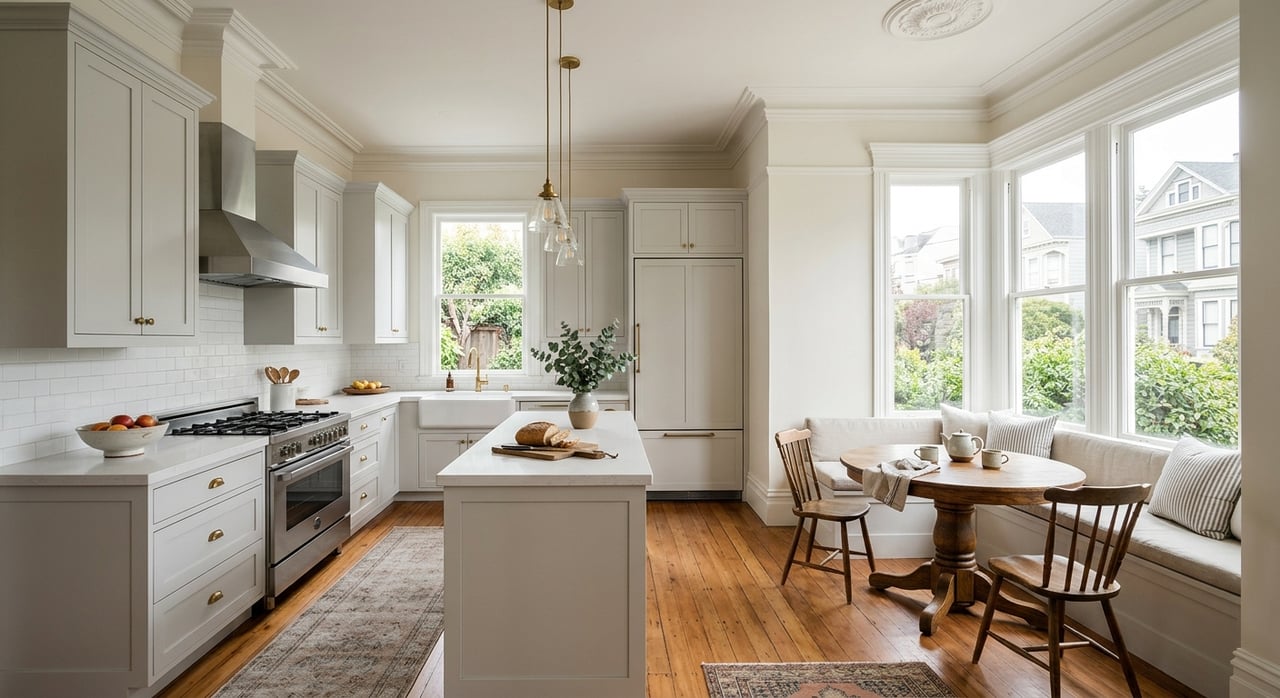
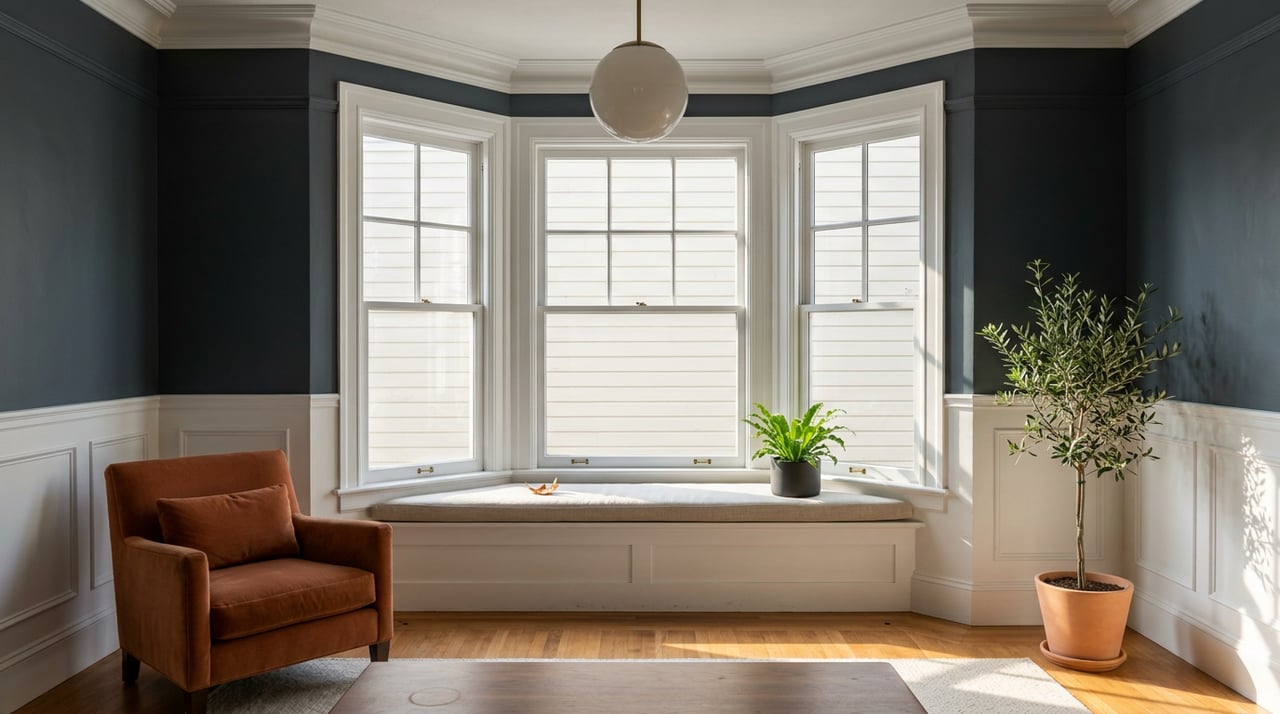
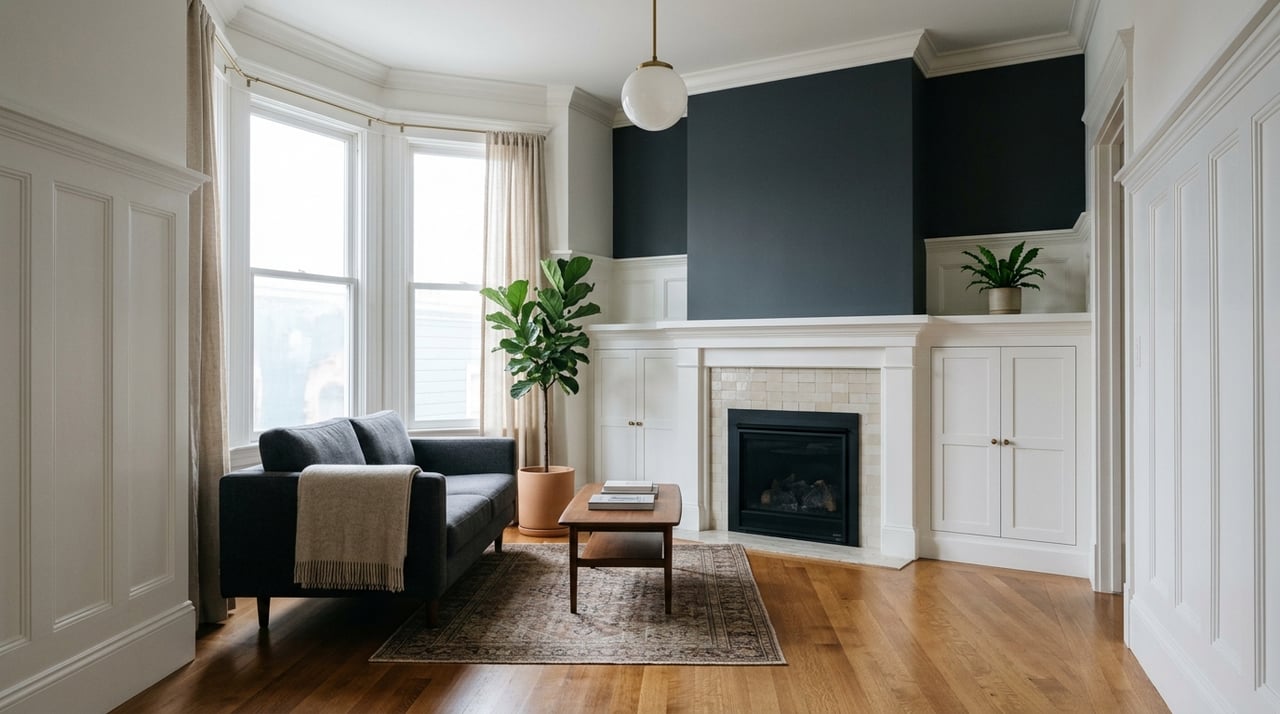
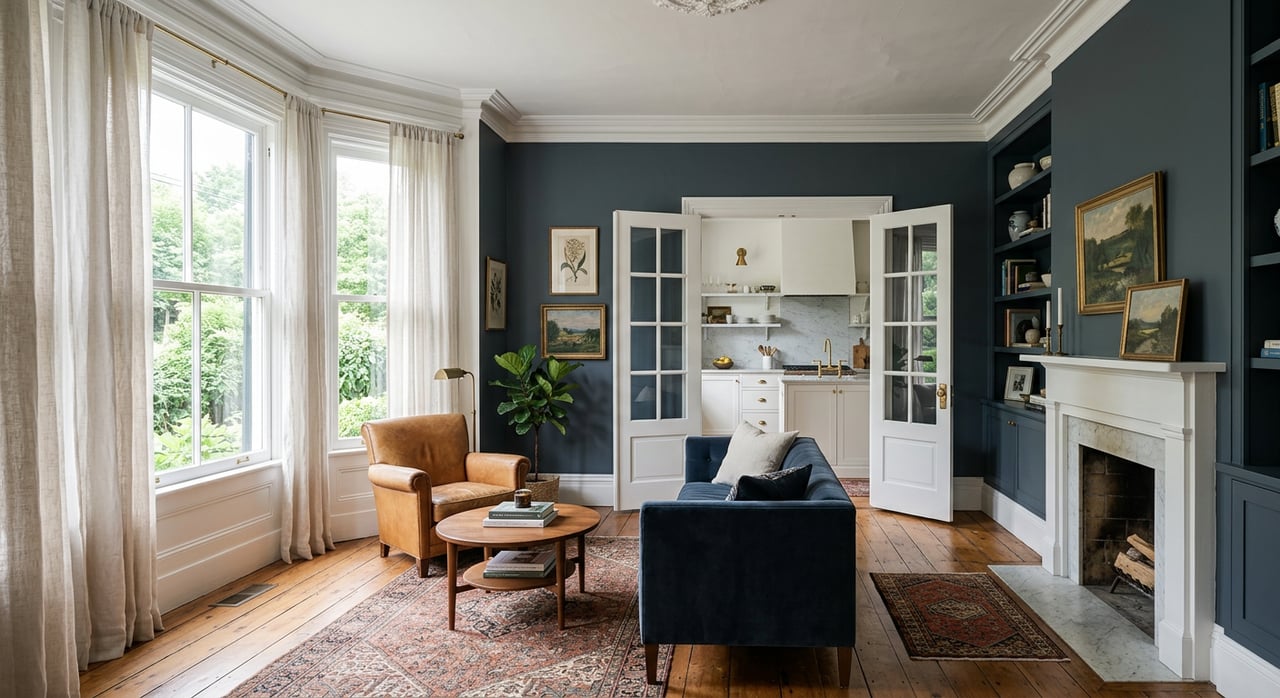
Edwardians arrived after 1906 and dial back the ornament. You will see classical details like cornices and pilasters, broad bay windows, and brighter interiors. They bridge ornate Victorian forms and later 20th-century simplicity. Neighborhoods rebuilt after the earthquake, including parts of the Mission and the Western Addition, carry strong Edwardian fabric. For a quick side-by-side style refresher, Better Homes & Gardens outlines key Edwardian house characteristics.
Marina and Mediterranean revival
Stucco walls, arched openings, and low-pitched red tile roofs mark this sunny look. In San Francisco, many examples date from the 1910s to 1930s. The Marina District took shape after the 1915 Panama-Pacific International Exposition and shows a strong Mediterranean and revival influence. For context on the style and the Marina’s early growth, see this overview of the city’s Marina style and history.
Lofts and industrial conversions
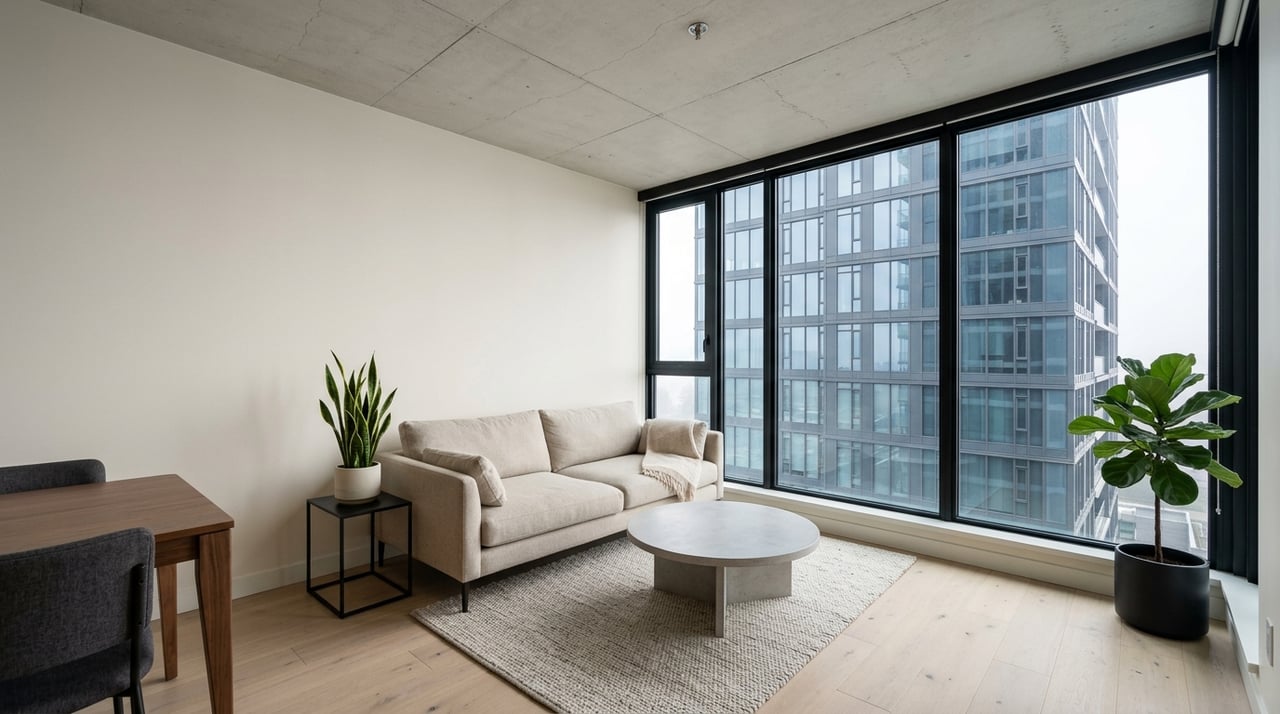
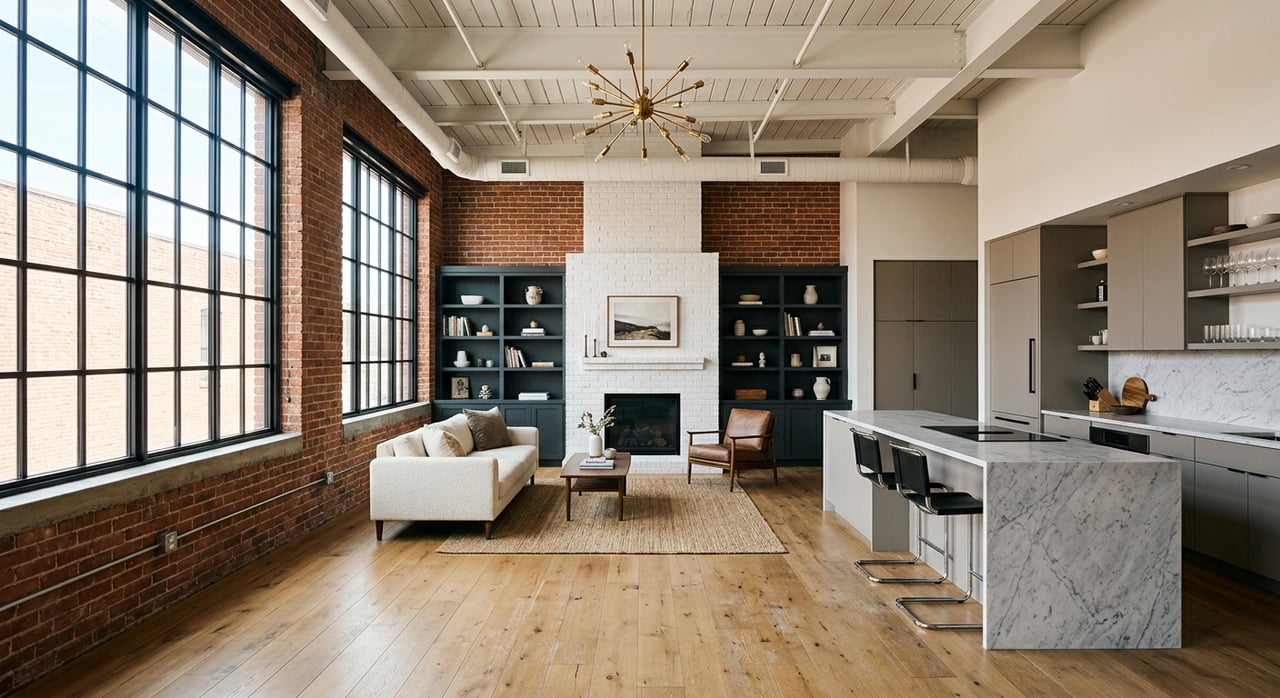
Think big windows, exposed brick or timber, steel details, and few interior walls. SoMa, Dogpatch, and South Beach lead for live-work lofts and warehouse conversions. A late 1980s policy enabled live-work zoning that helped create this market, later prompting reviews and moratoria. For a readable history of how policy shaped loft living, see SFGate’s take on the rise of live-work lofts.
Midcentury and postwar homes
Clean lines, larger windows, and an easy indoor-outdoor rhythm define midcentury design. You will also find California post-and-beam influences with simple volumes and generous glass. In San Francisco, look to Diamond Heights, parts of Twin Peaks and Sunnyside, and some planned residence parks for midcentury clusters. For vocabulary and examples, Dwell’s guide to midcentury modern design is a helpful companion.
Contemporary architect-led homes
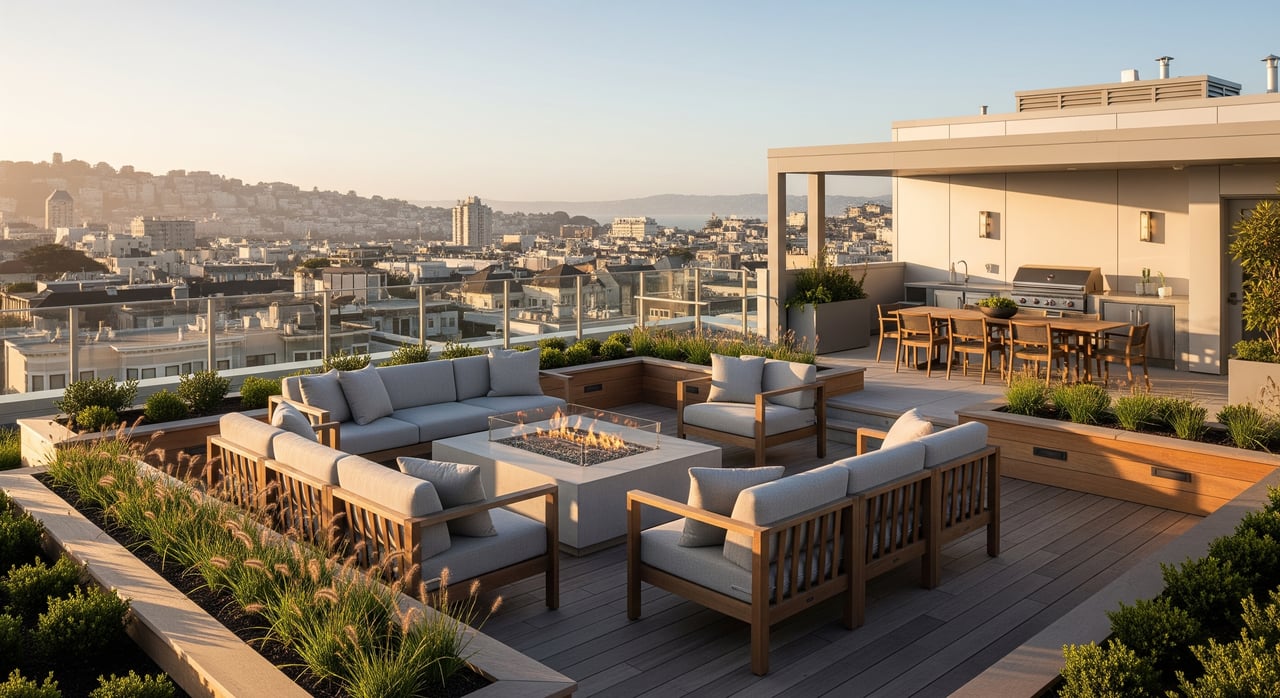
Contemporary residences favor large panes of glass, crisp forms, and mixed materials like metal and engineered wood. These projects concentrate in view neighborhoods and on hillside lots where light and sightlines shine. Some parcels face design or landmark review, so planning and feasibility matter. The city’s Planning Department outlines how landmark and design review can apply.
Neighborhood snapshots: where styles concentrate
Before you start, remember that San Francisco’s neighborhood count varies by source, and style boundaries are porous. For a sense of how locals describe areas, see this list of neighborhoods in San Francisco.
Alamo Square
Come for the Painted Ladies on Steiner Street, stay for blocks of colorful Queen Anne and Victorian rows. The park gives you the classic postcard skyline view. It is the easiest single stop for anyone learning to read Victorian details. Use the park vantage noted in this Painted Ladies guide.
Pacific Heights
Grand mansions, restored Victorians, and broad bay views create a refined streetscape. The Haas-Lilienthal House is an intact Victorian house-museum with docent tours, a rare way to see period interiors up close. Check the Haas-Lilienthal House for visiting details.
Sea Cliff and Presidio Heights
Large, classically detailed homes sit on bluff and park edges with strong ocean and Presidio context. Streetscapes read more like standalone houses than tight rows. It is a clear contrast to inward-facing Victorian terraces.
Marina and Cow Hollow
Mediterranean and revival styles dominate, along with 1920s apartment blocks and the Palace of Fine Arts as a visual anchor. Stucco, arches, and decorative detailing create a sunny, coastal tone. Learn more about the Marina’s revival vocabulary.
Haight-Ashbury and Lower Haight
Dense blocks of colorful Victorians showcase the city’s signature trim, bays, and shingles. The scale is intimate and walkable, with layered façades that photograph beautifully. The style variety here helps you see how color and ornament change the same basic form, as noted in this Painted Ladies overview.
SoMa, Dogpatch, and South Beach
Industrial-to-residential stories define these districts. Expect brick warehouses turned into lofts, newer purpose-built loft buildings, and tall condo towers. For policy background on how live-work zoning fueled this shift, read SFGate’s history of loft development in SoMa.
Diamond Heights, Twin Peaks, and Sunnyside
Here you will find midcentury and postwar homes with low-slung lines and larger windows. Planned subdivisions bring a different rhythm to the hills. For style vocabulary, Dwell’s midcentury primer is a smart companion.
Mission, Bernal Heights, and Noe Valley edges
A blended fabric of Victorian and Edwardian flats meets selective contemporary remodels and midcentury apartments. On a single block, you can see how styles evolve over time. Use this diversity to fine-tune what you like in layout, light, and street feel.
Practical tips for design-minded buyers and sellers
Understand landmarks and exterior changes
San Francisco maintains landmark lists and historic districts. Exterior changes to listed properties or homes within designated districts often require review. Before planning a remodel or paint scheme, check the Planning Department’s guidance on landmark and design review.
Plan for seismic and retrofit realities
Older multi-unit wood-frame buildings may be subject to mandatory soft-story and seismic retrofit rules. Many properties have already completed upgrades, but verification matters. The Department of Building Inspection is your authority on requirements and permitting. Start with DBI’s permit and unit-addition guidance and consult project-specific retrofit materials as needed.
Know the loft story
Live-work lofts grew out of late 1980s zoning that opened select industrial areas to residential use. The policy expanded inventory and created high-ceiling, exposed-structure spaces that many buyers love. It also led to debates and later regulation. For context, review SFGate’s piece on the rise and regulation of live-work lofts.
Weigh adaptive reuse and new construction
Warehouse-to-loft conversions and factory-to-gallery stories are a big part of San Francisco’s character. Adaptive reuse brings texture and history, while new builds can add modern systems and layouts. For preservation context and neighborhood studies, explore San Francisco Heritage’s look at adaptive reuse in local neighborhoods.
Photograph with respect
Many façades you will want to photograph are private property. Exterior photos from public sidewalks are appropriate. Interior access requires owner permission, or you can tour public venues like the Haas-Lilienthal House. For iconic exterior vantage points such as the Painted Ladies, this SF Travel guide notes the standard viewing spots.
Plan a weekend architecture tour
Day 1: Classic SF icons
- Morning: Alamo Square for the Painted Ladies and a crash course in Victorian detailing. Bring binoculars for cornice and shingle patterns.
- Midday: Stroll Lower Haight blocks to compare color palettes and trim variations.
- Afternoon: Head to Pacific Heights for grand mansions and a stop at the Haas-Lilienthal House for a docent tour.
Day 2: Industrial to modern
- Morning: Walk SoMa or Dogpatch to see brick-and-timber lofts, steel windows, and adaptive reuse.
- Midday: Cruise the Marina to study revival façades, arches, and stucco ornament.
- Afternoon: Finish in Diamond Heights or Twin Peaks and look for midcentury volumes, larger glazing, and hillside plans.
Shop by style with a design-led advisor
If you know you love a certain look, you can search smarter. You might prefer a sunlit Edwardian flat with broad bays, a warehouse loft with exposed timber, or a hillside contemporary with floor-to-ceiling glass. You also want to understand how historic review, permit paths, and seismic needs may shape your options.
With a Bachelor of Architecture and two decades in real estate and design, Brandi aligns style preferences with on-the-ground inventory. For sellers, she pairs staging direction and editorial marketing to elevate presentation. For buyers, she narrows your search to the blocks where your favorite styles concentrate and guides offer strategy in fast markets. When you are ready to explore, connect with Brandi Mayo for a design-forward plan that respects your taste and protects your goals.
FAQs
What is a Painted Lady in San Francisco and can you tour them?
- The Painted Ladies are privately owned Victorian homes along Steiner Street by Alamo Square; you view them from the park across the street, as noted in this SF Travel overview.
How do you tell a Victorian from an Edwardian when house hunting?
- Victorians usually show heavier ornament, turrets, and layered trim; Edwardians simplify with classical details and brighter interiors. See this Edwardian style guide for quick cues.
Where are loft conversions concentrated in San Francisco and what is the backstory?
- SoMa, Dogpatch, and South Beach have many lofts created after live-work zoning in the late 1980s, which later faced regulation and moratoria. SFGate explains the loft policy history.
Are there midcentury homes in San Francisco and where should you look?
- Yes. Diamond Heights, parts of Twin Peaks and Sunnyside, and some planned residence parks include midcentury and postwar homes. Dwell’s midcentury primer shows the key features.
Do you need special approval to change the exterior of a historic home in San Francisco?
- Exterior changes to designated landmarks or homes in historic districts often require review. Check the Planning Department’s page on landmark and design review before you plan.
What should you know about seismic or soft-story upgrades when buying an older building?
- Many multi-unit wood-frame properties are subject to retrofit rules, and many have been upgraded. Confirm status and permit paths with the Department of Building Inspection’s guidance.