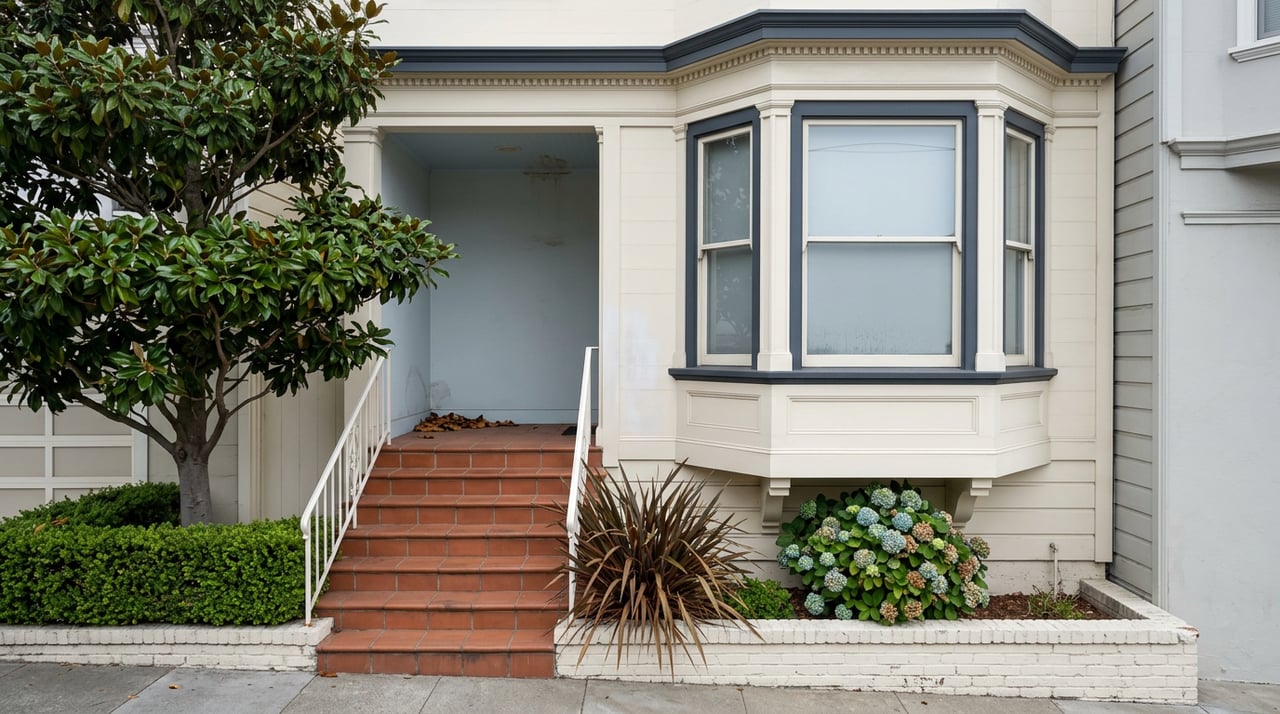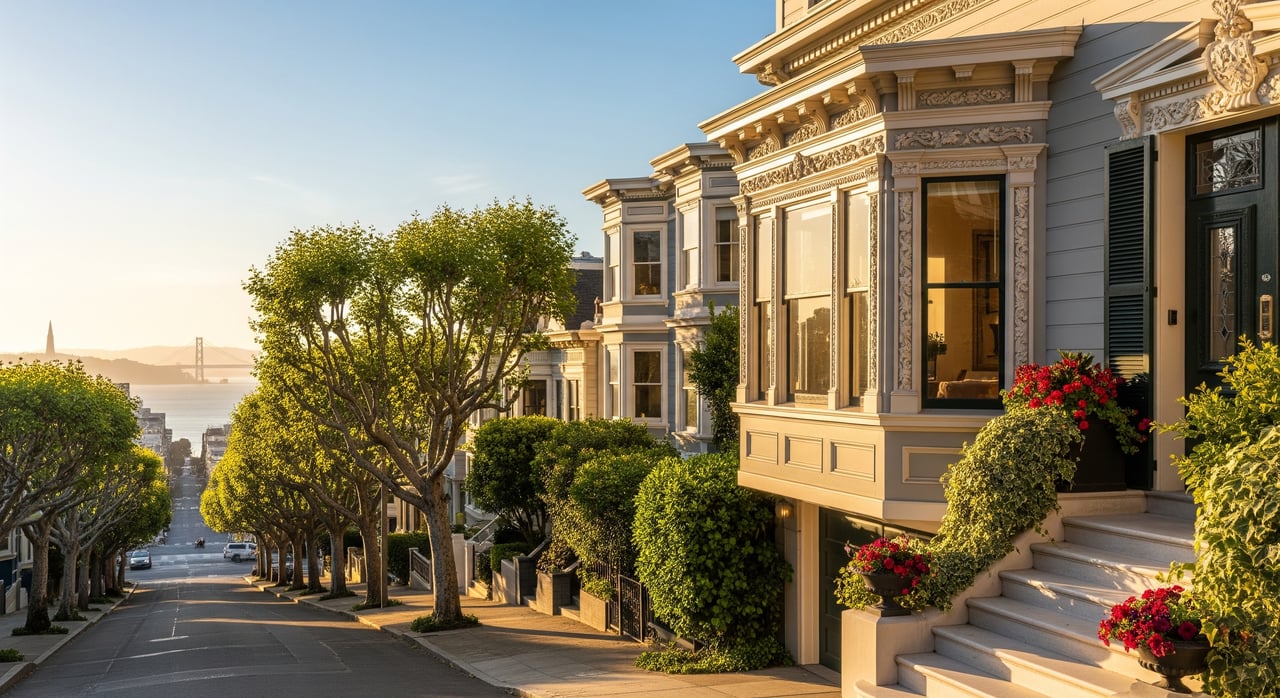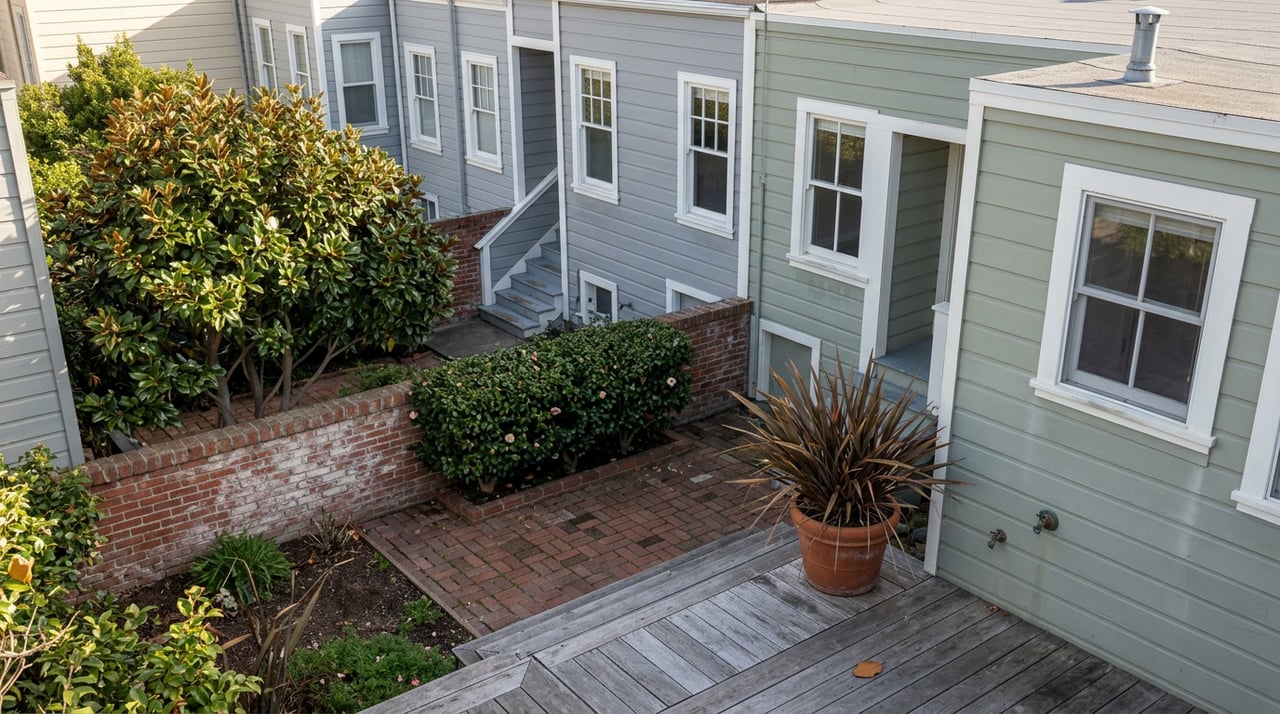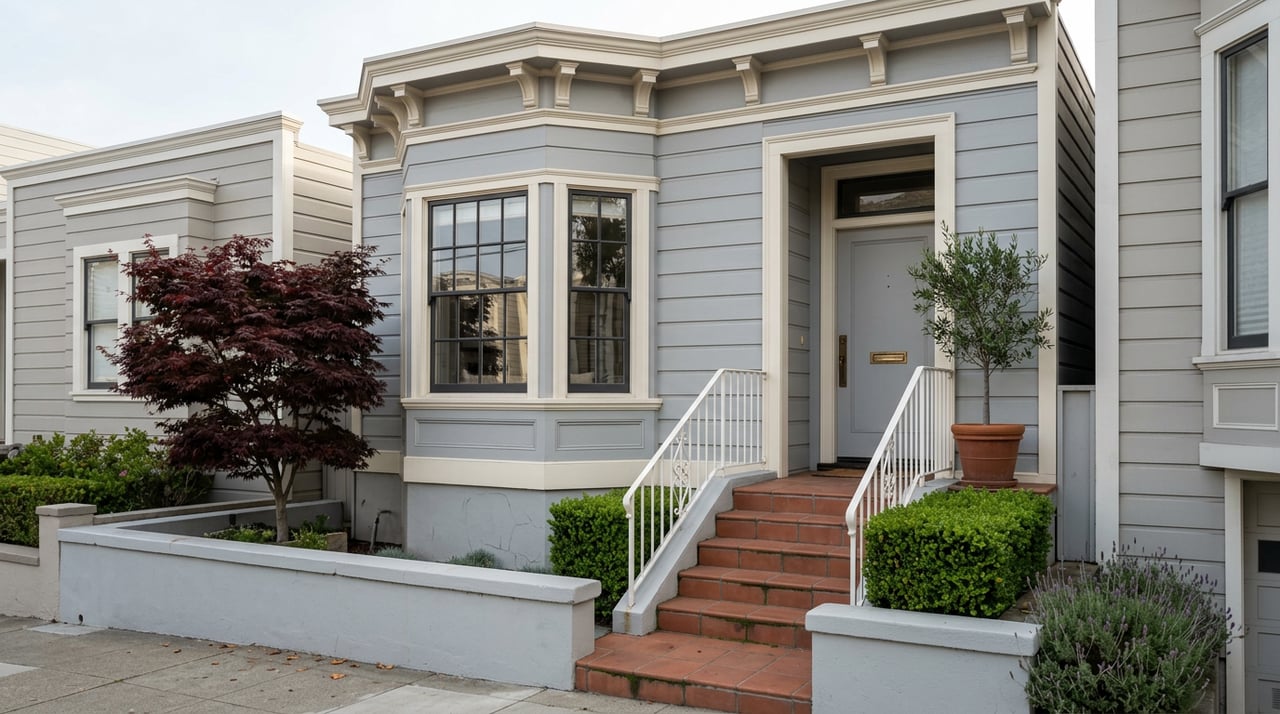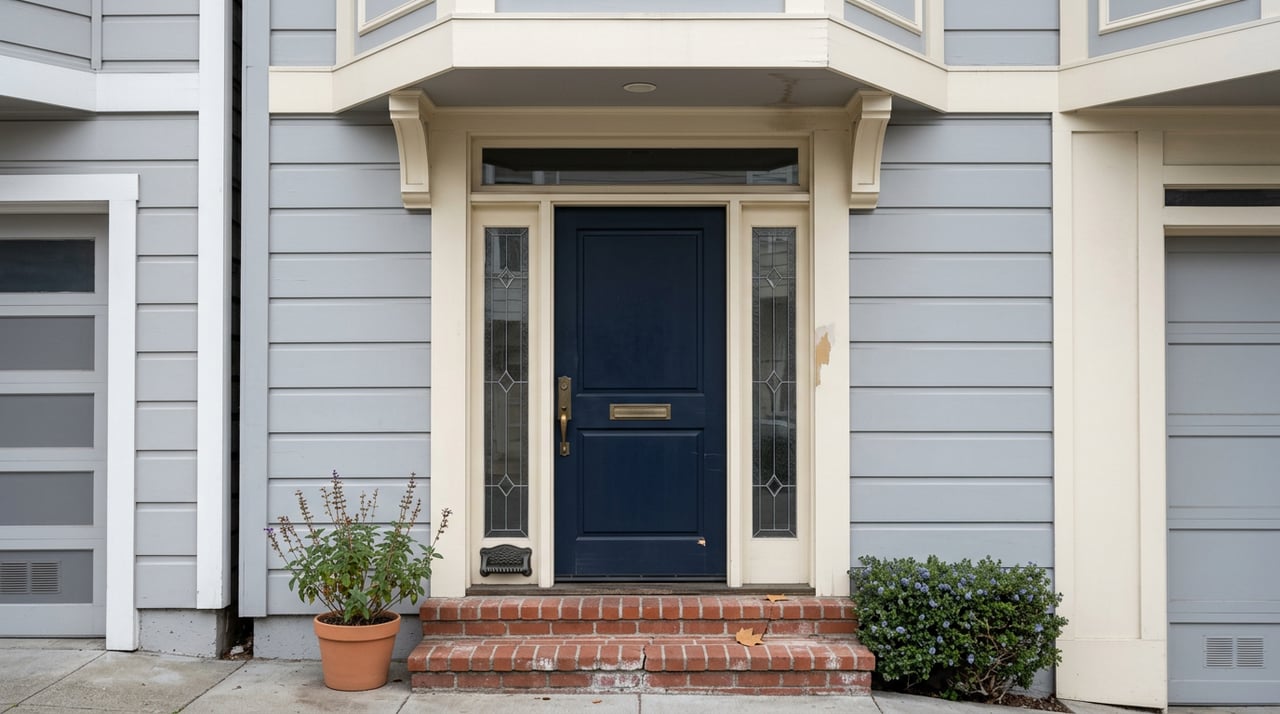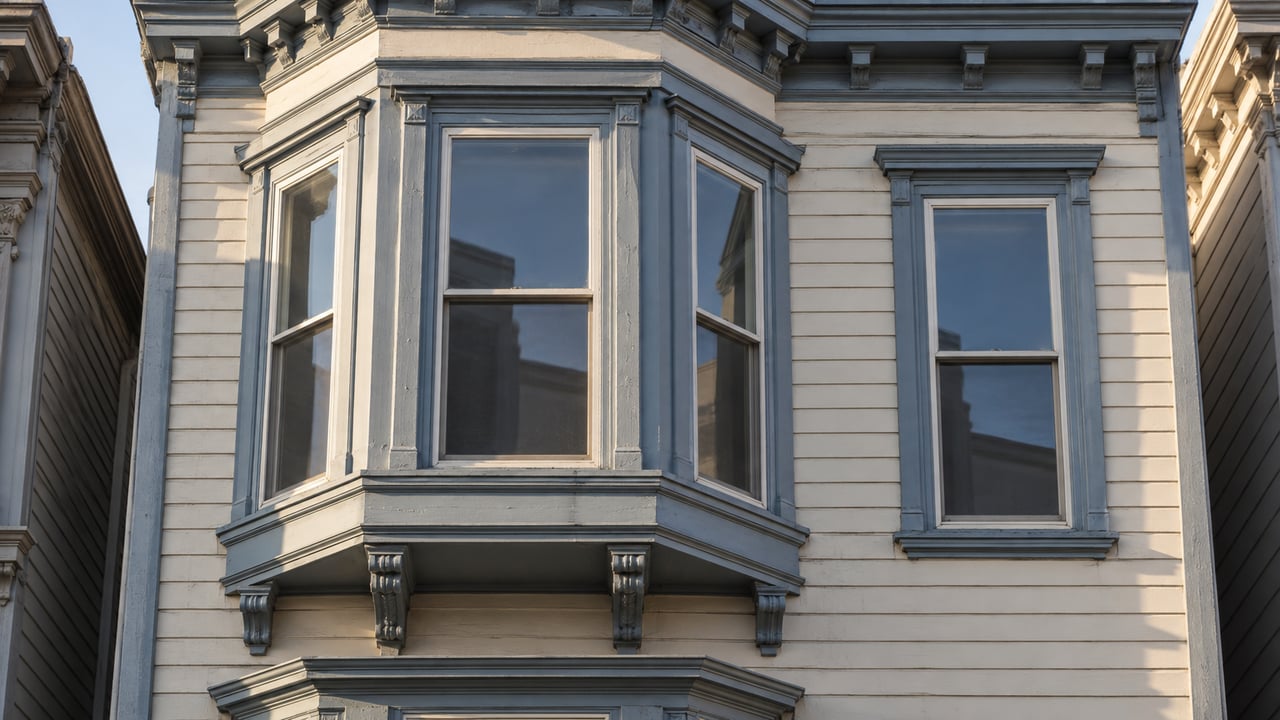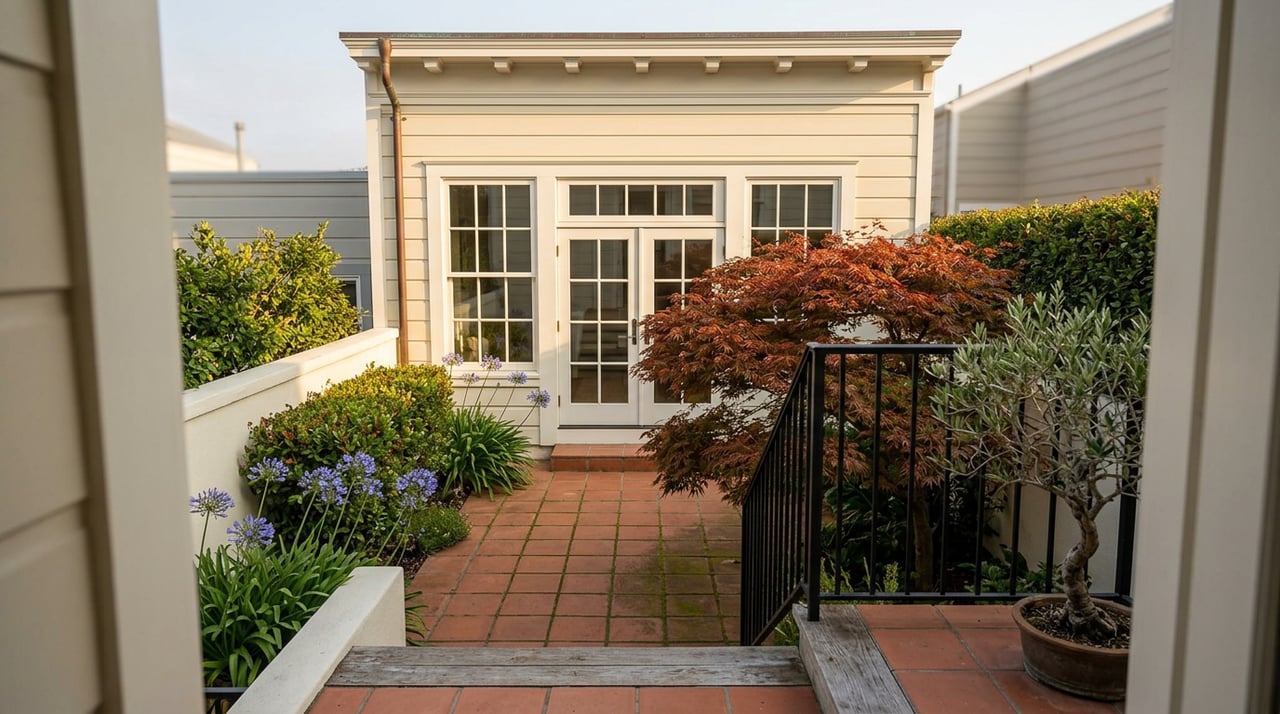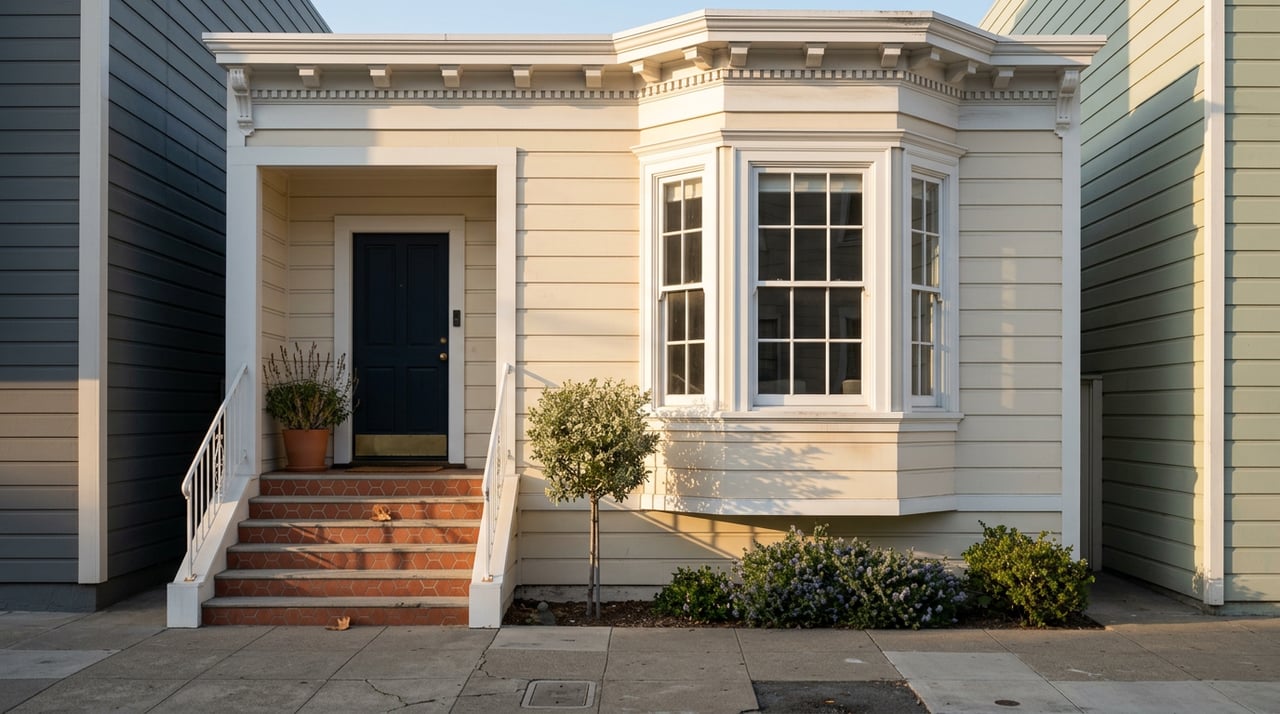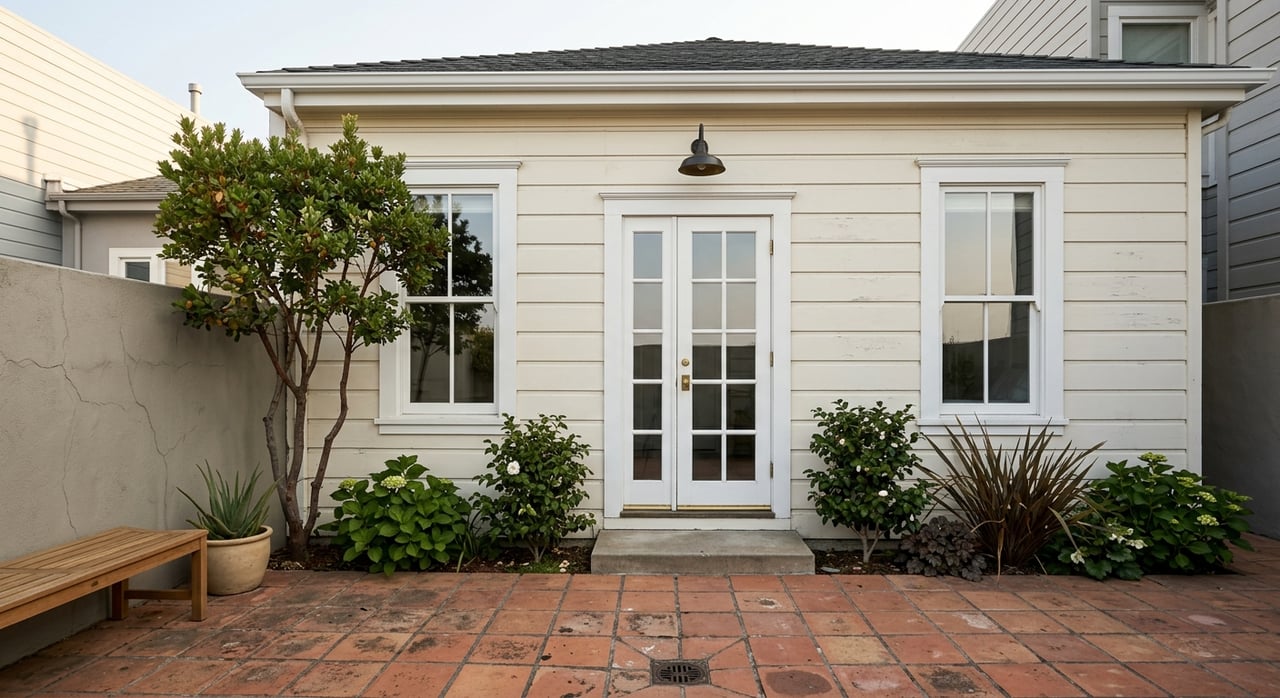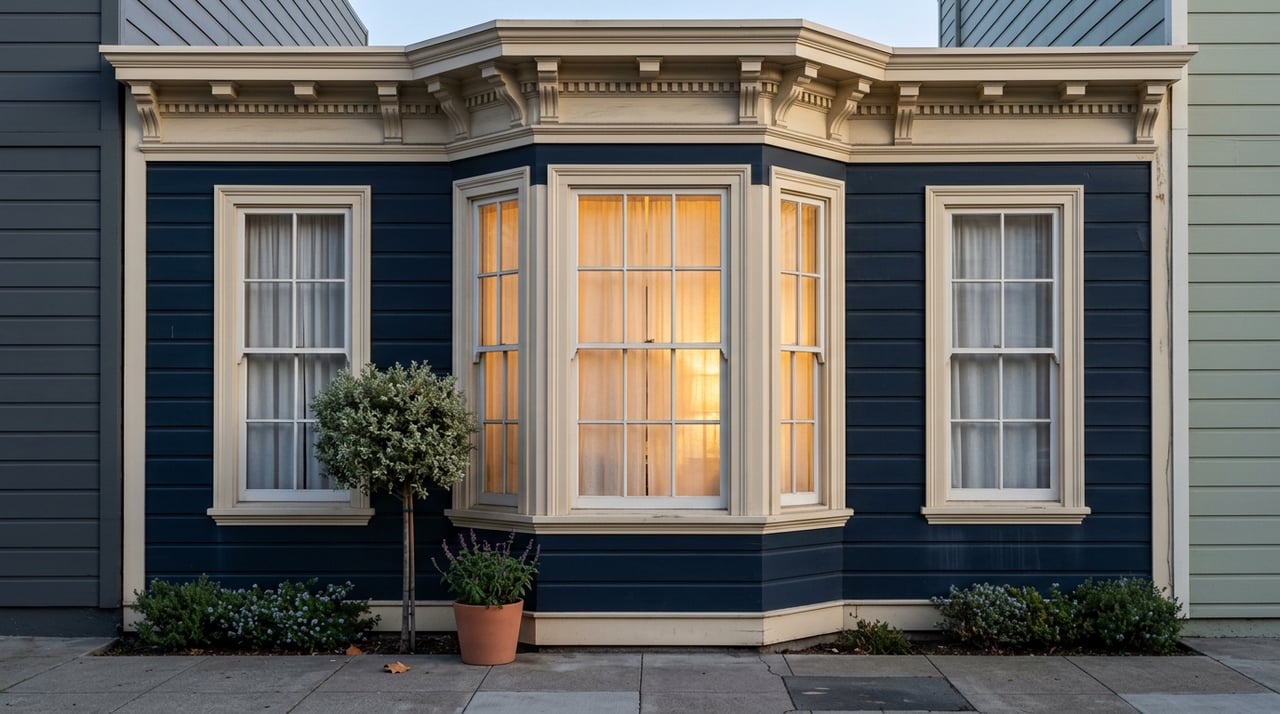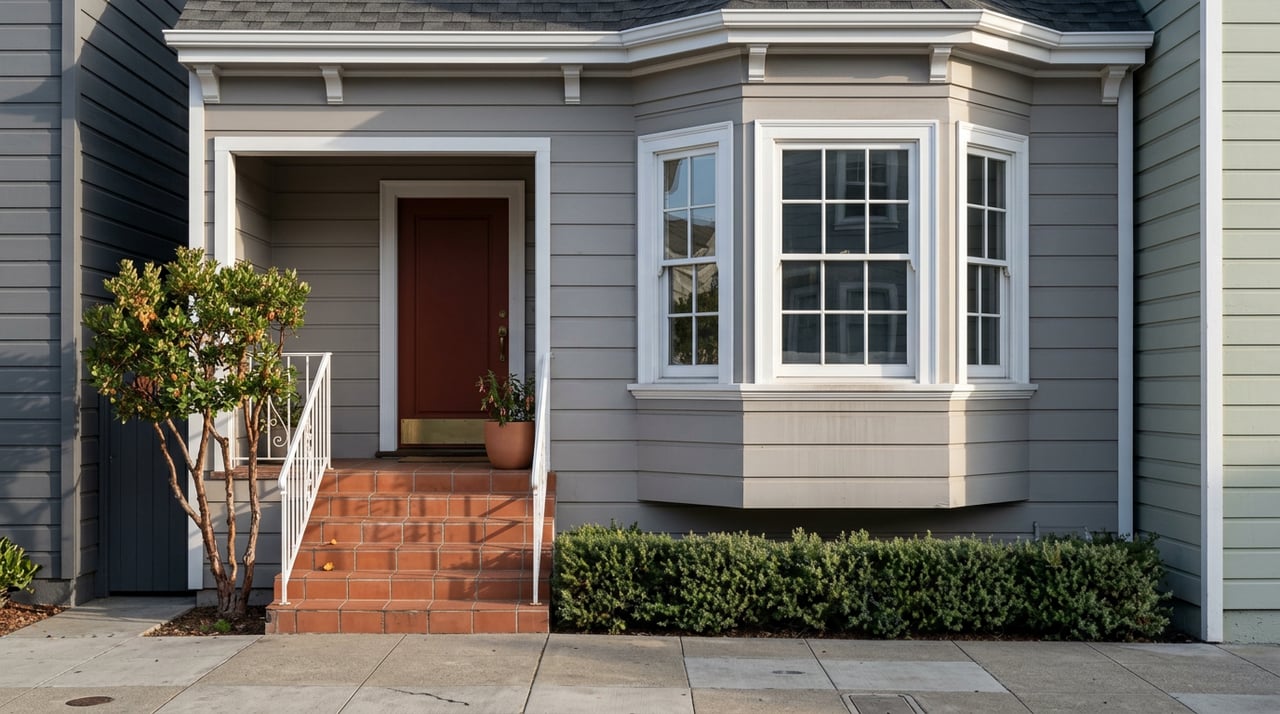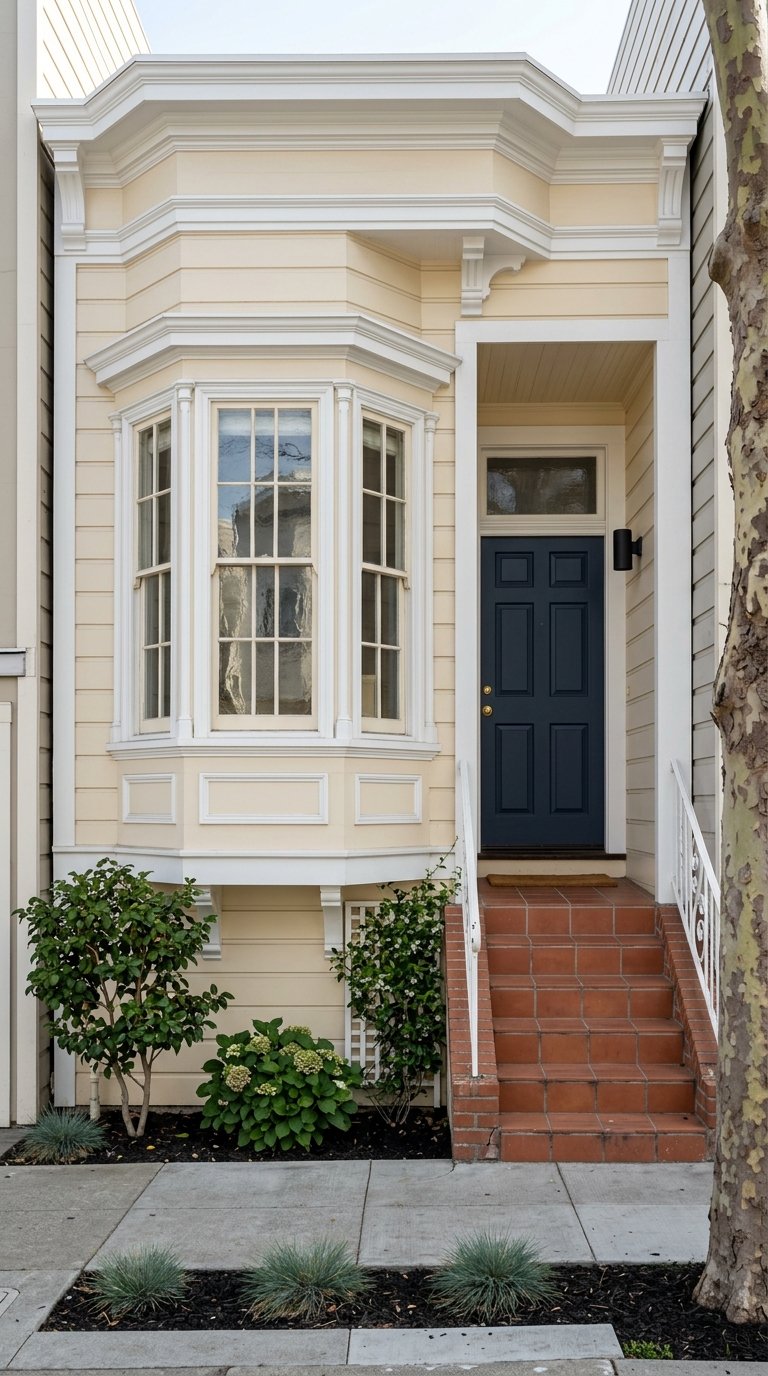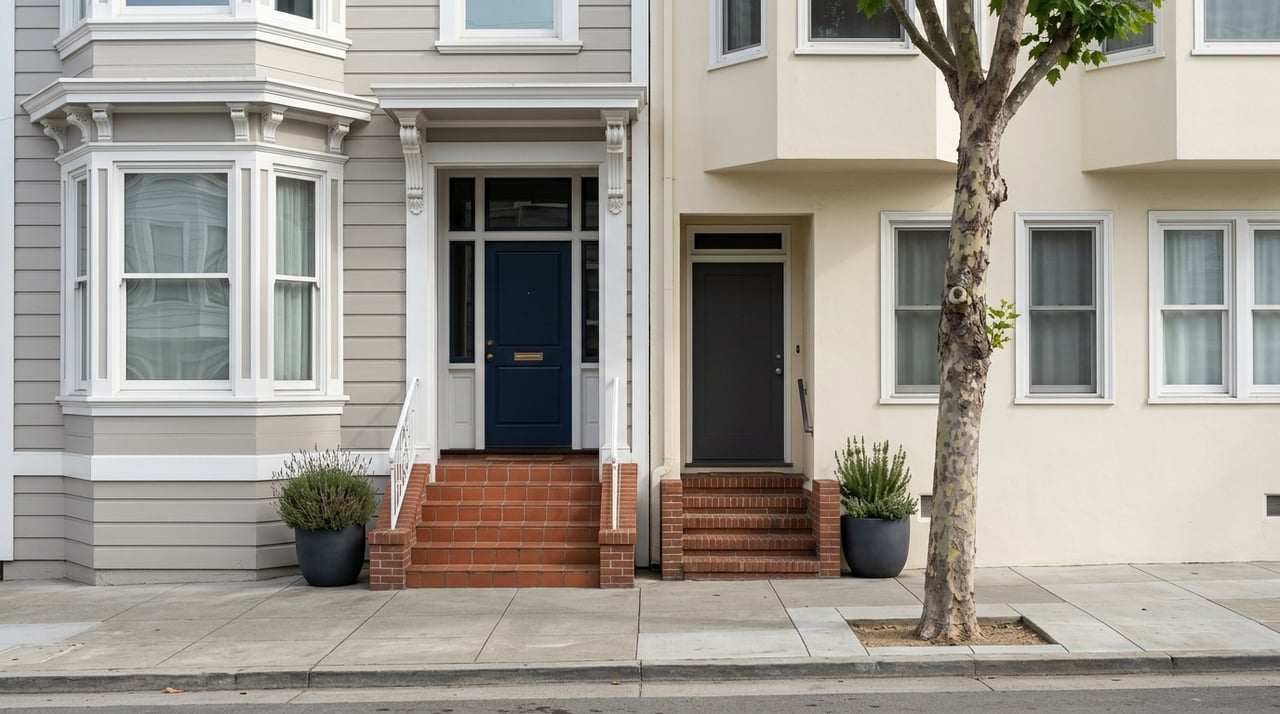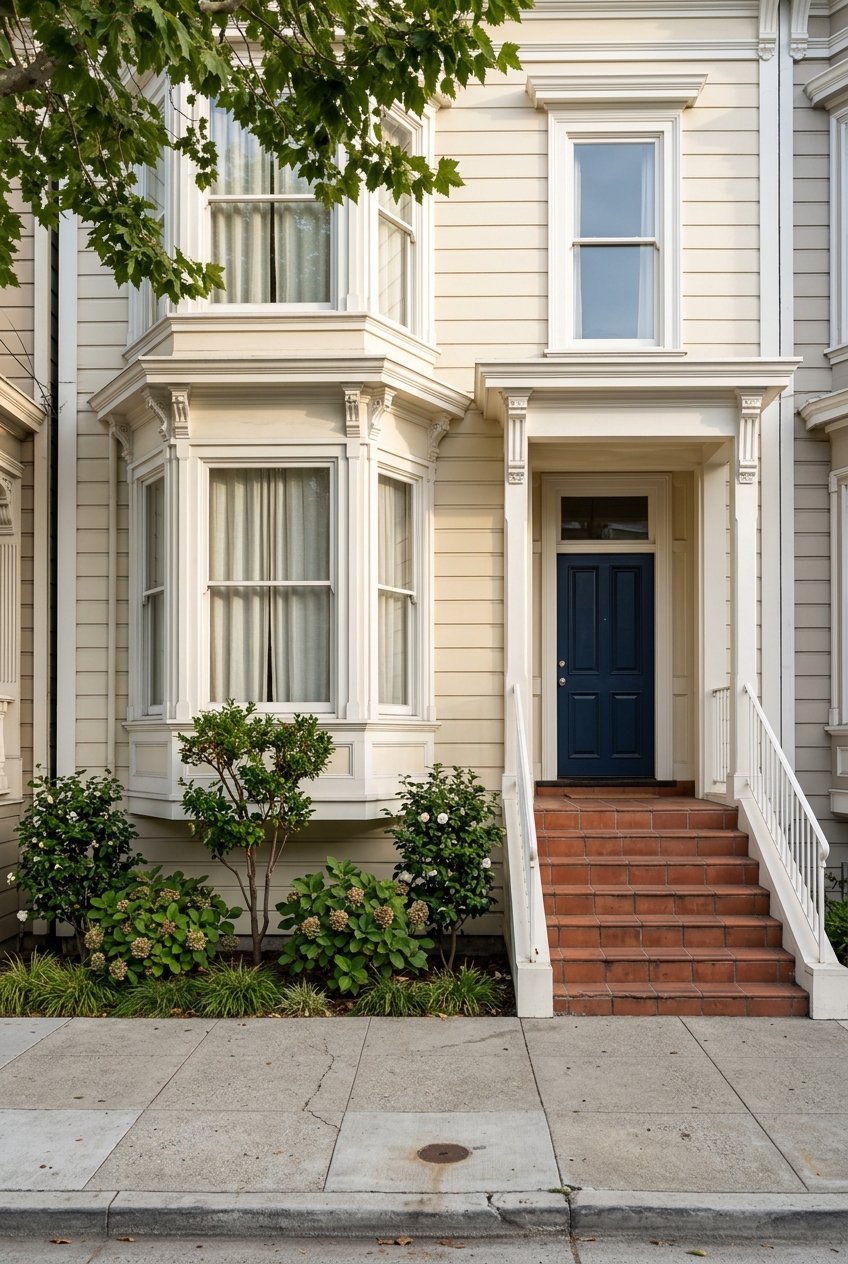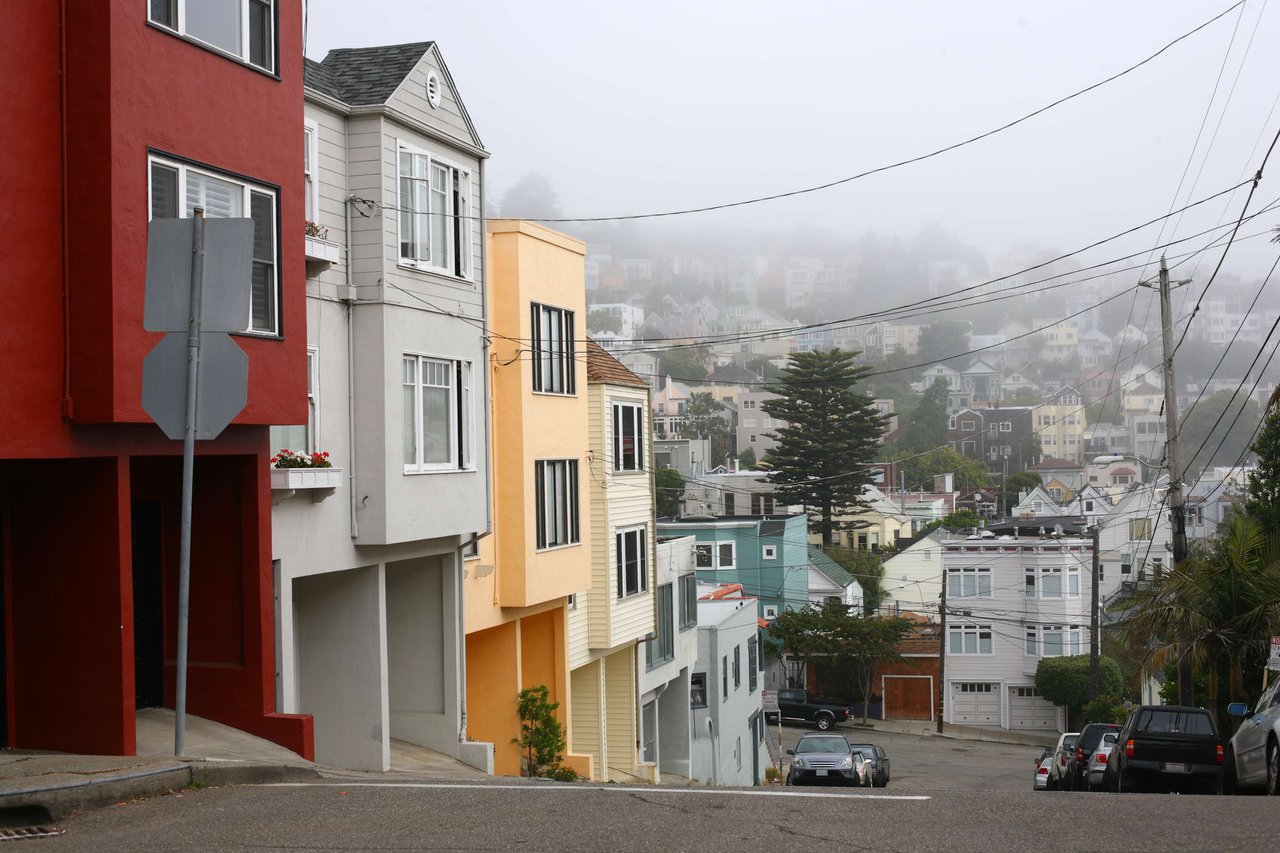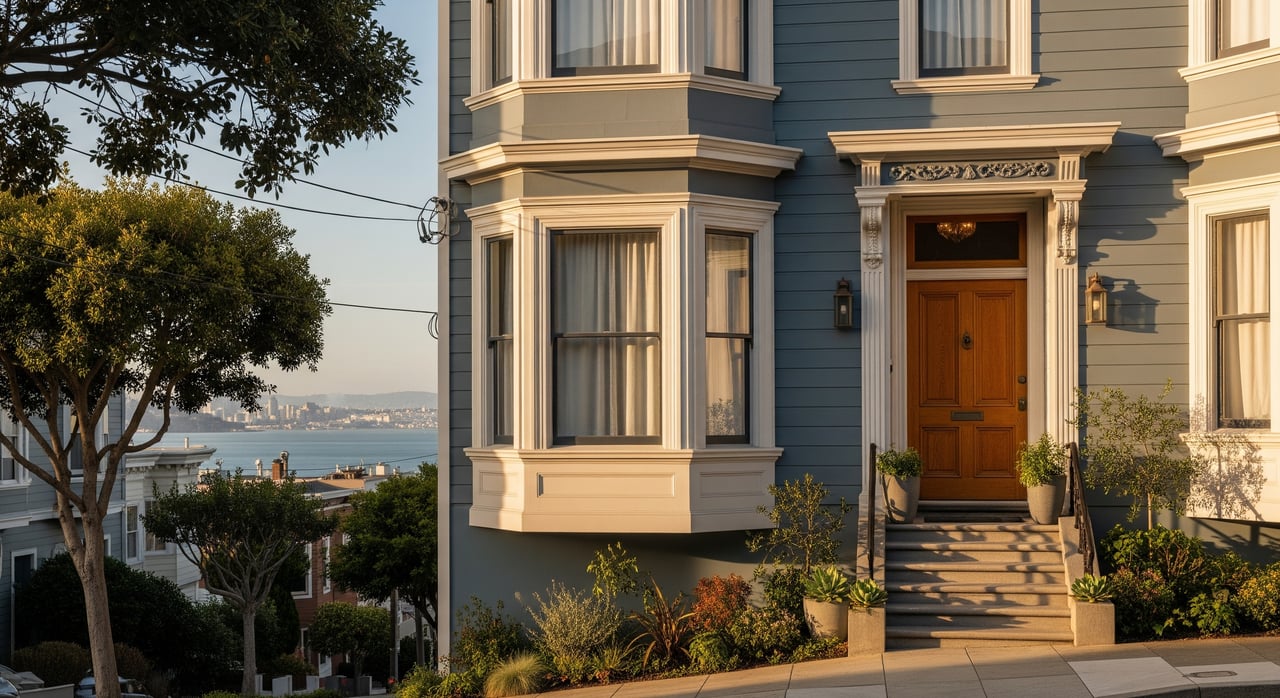
Eight months ago, I began working with sellers of a Bernal Heights investment property that had been in the same family for generations. The location was one the market has traditionally perceived as secondary, straddled between Mission Street and San Jose, and the layout presented real challenges that would have required careful positioning in last year’s environment. At that time, I was not fully convinced the market would absorb it at the level we hoped. The buyer pool felt thinner. The margin for imperfection felt smaller. Properties like this required persuasion.
January 2026 answered that question decisively. More than 200 visiting parties moved through the property, 94 disclosure packages were requested, and 19 offers materialized. The house ultimately sold for roughly 37% more than I projected just months earlier. What struck me was not just the volume, but the tone. Buyers were underwriting the opportunity in real time. Conversations shifted from hesitation to structure. Instead of debating whether San Francisco had found its footing, they were asking how to secure position within it. The house did not change. What changed was the context around it.
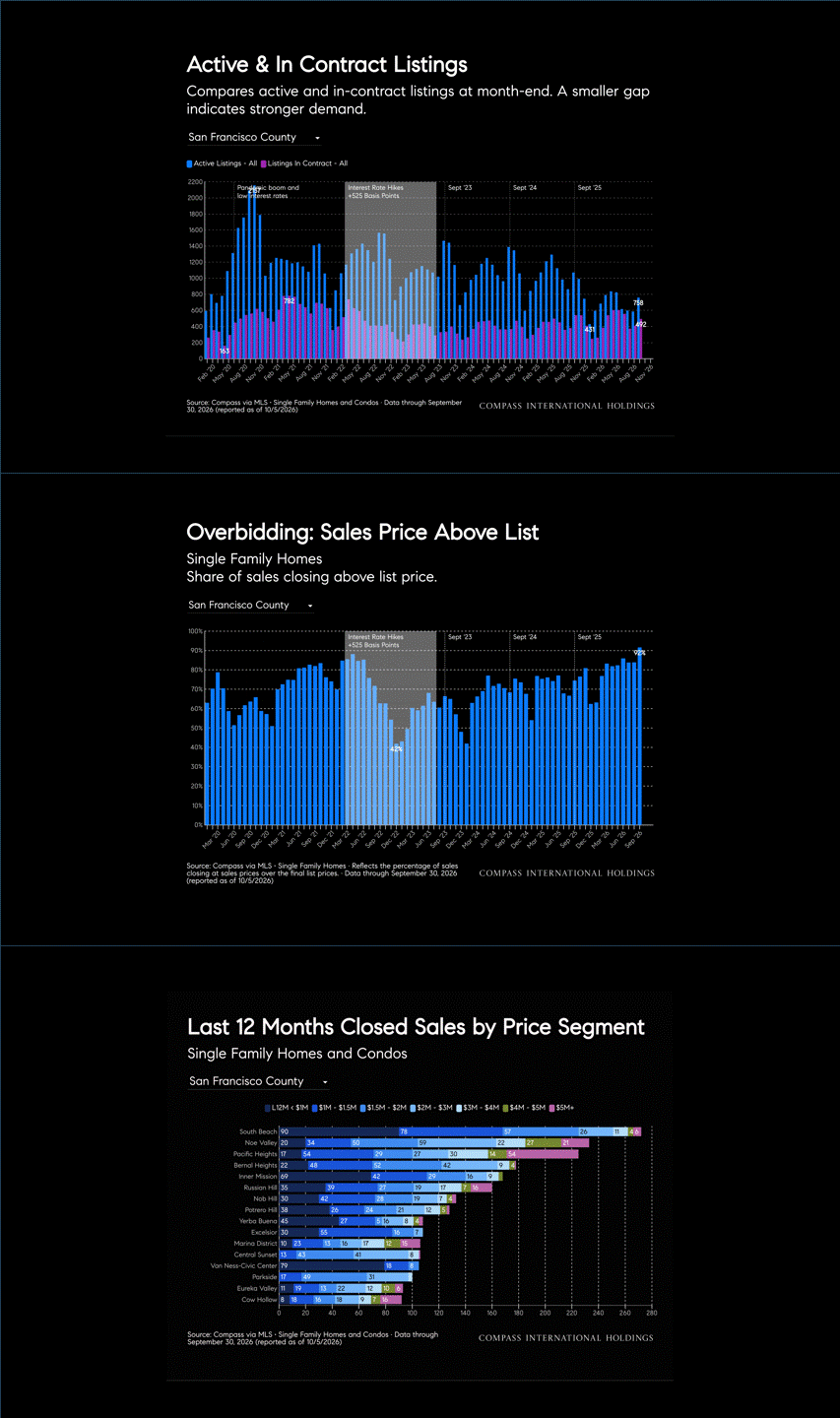
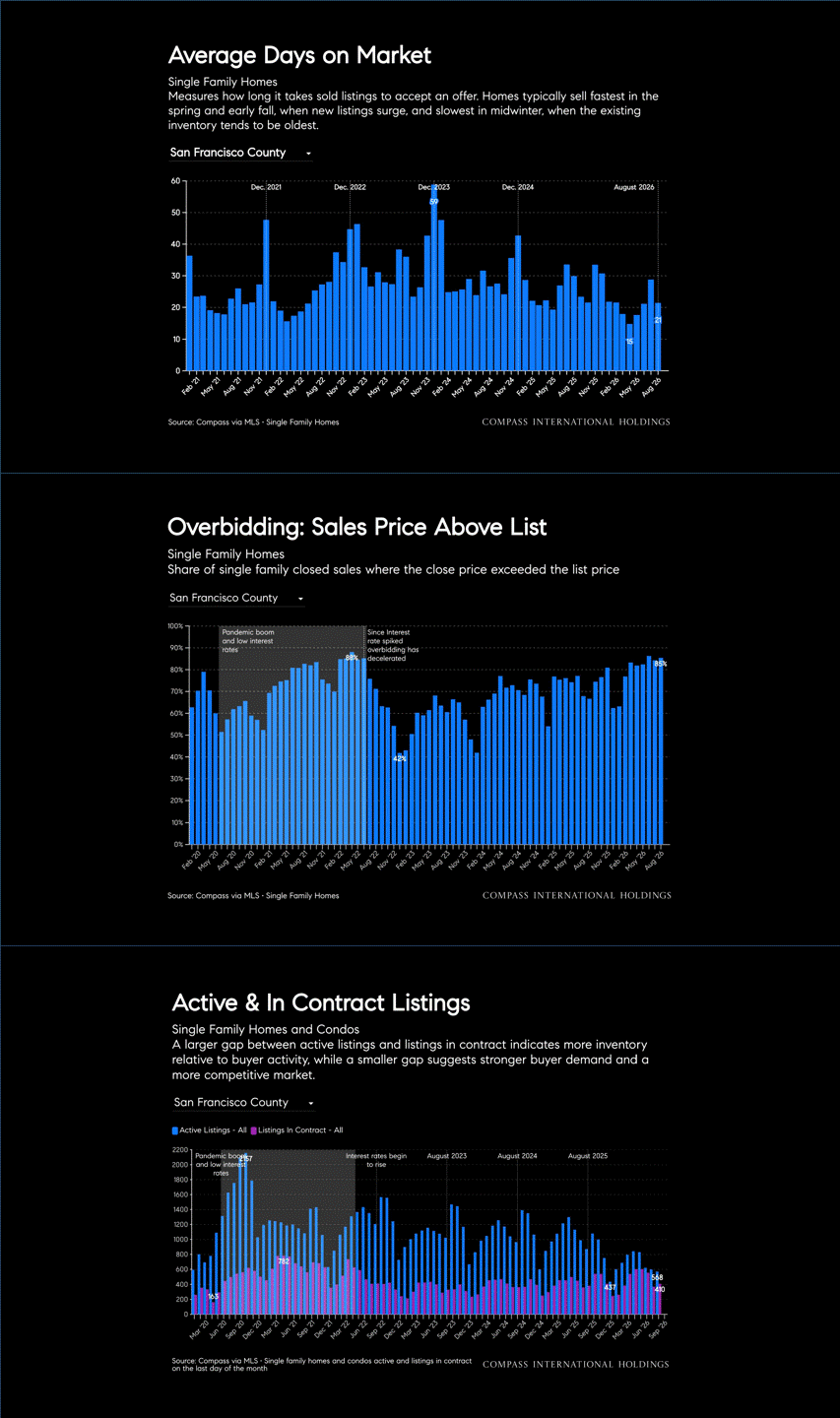
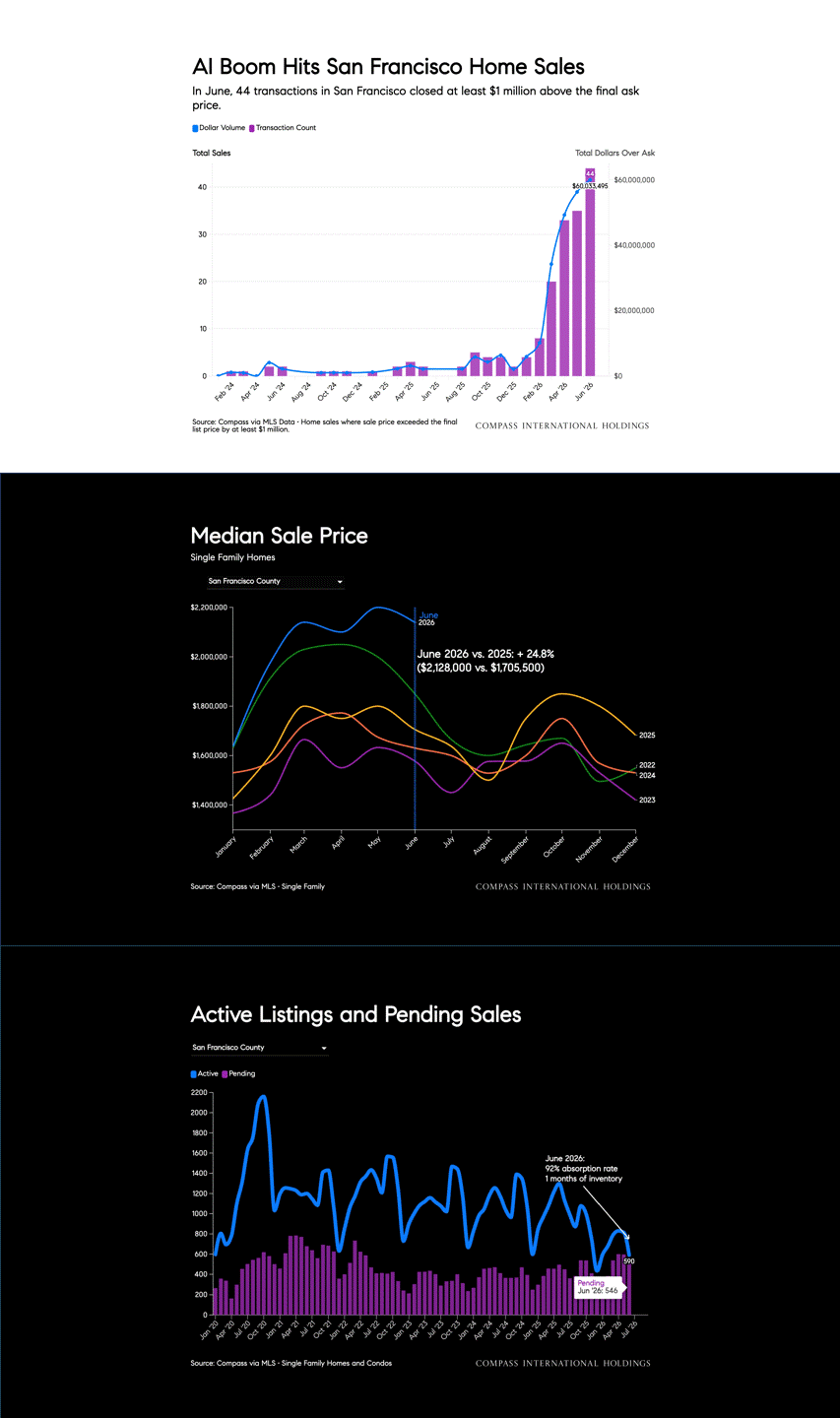
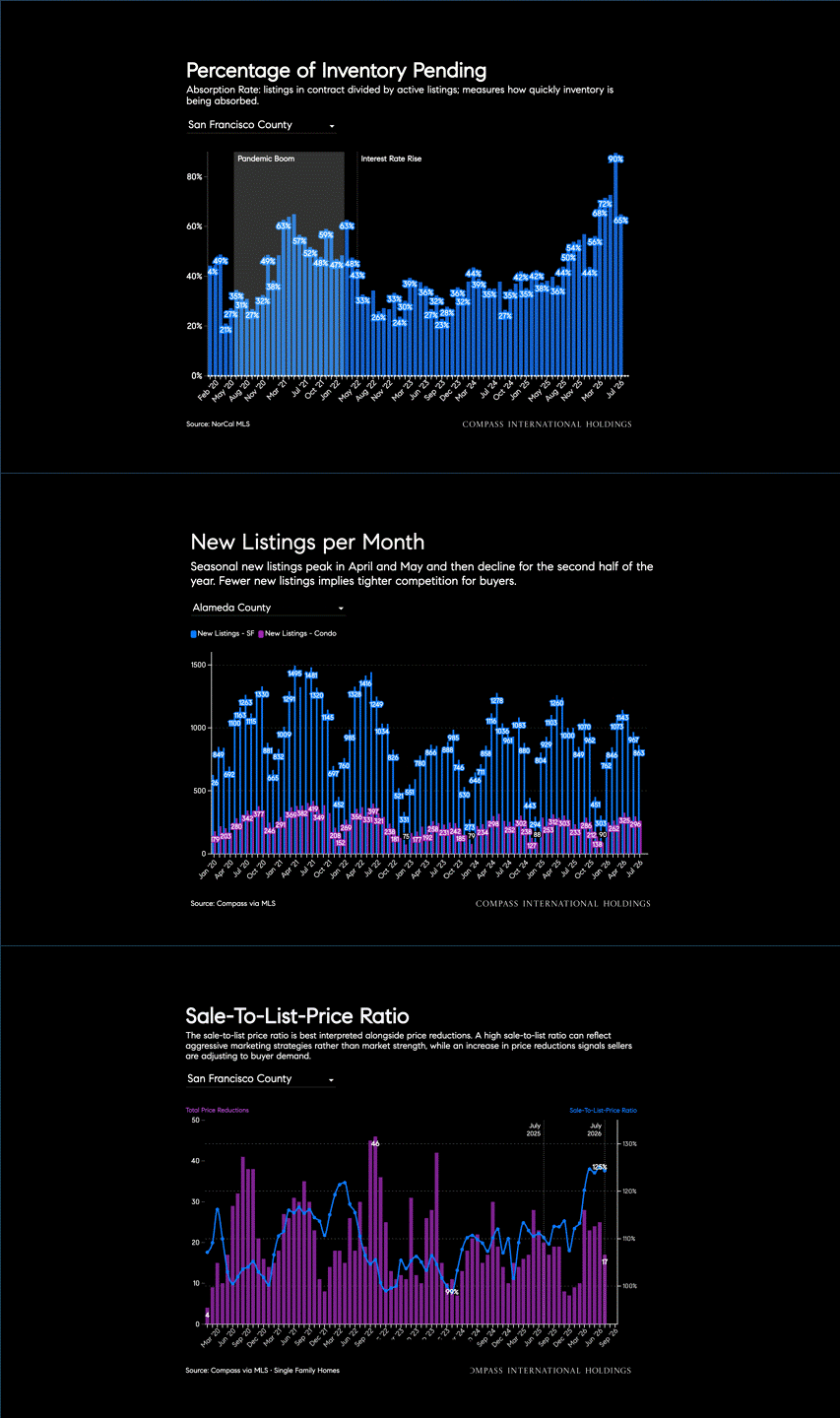
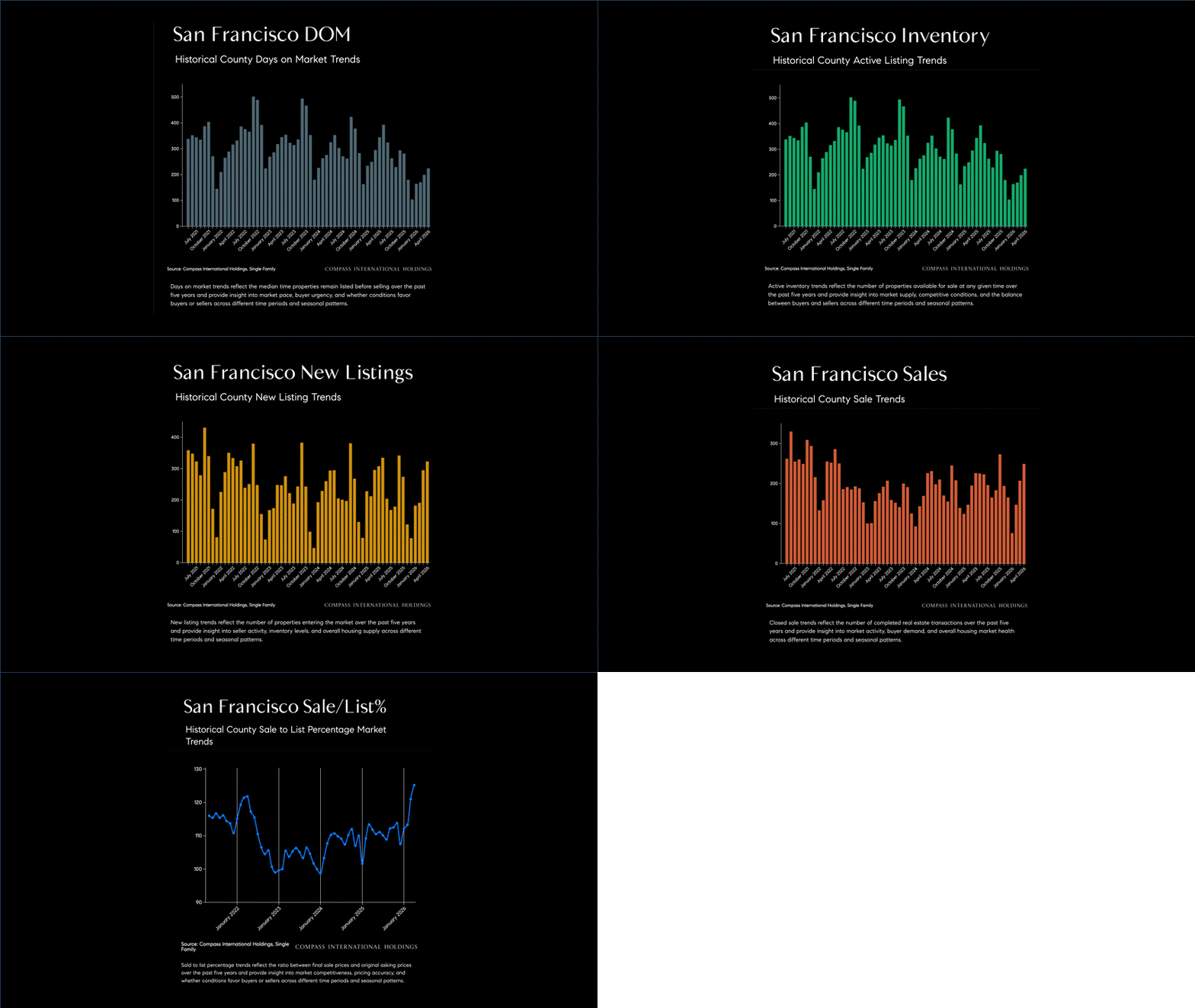
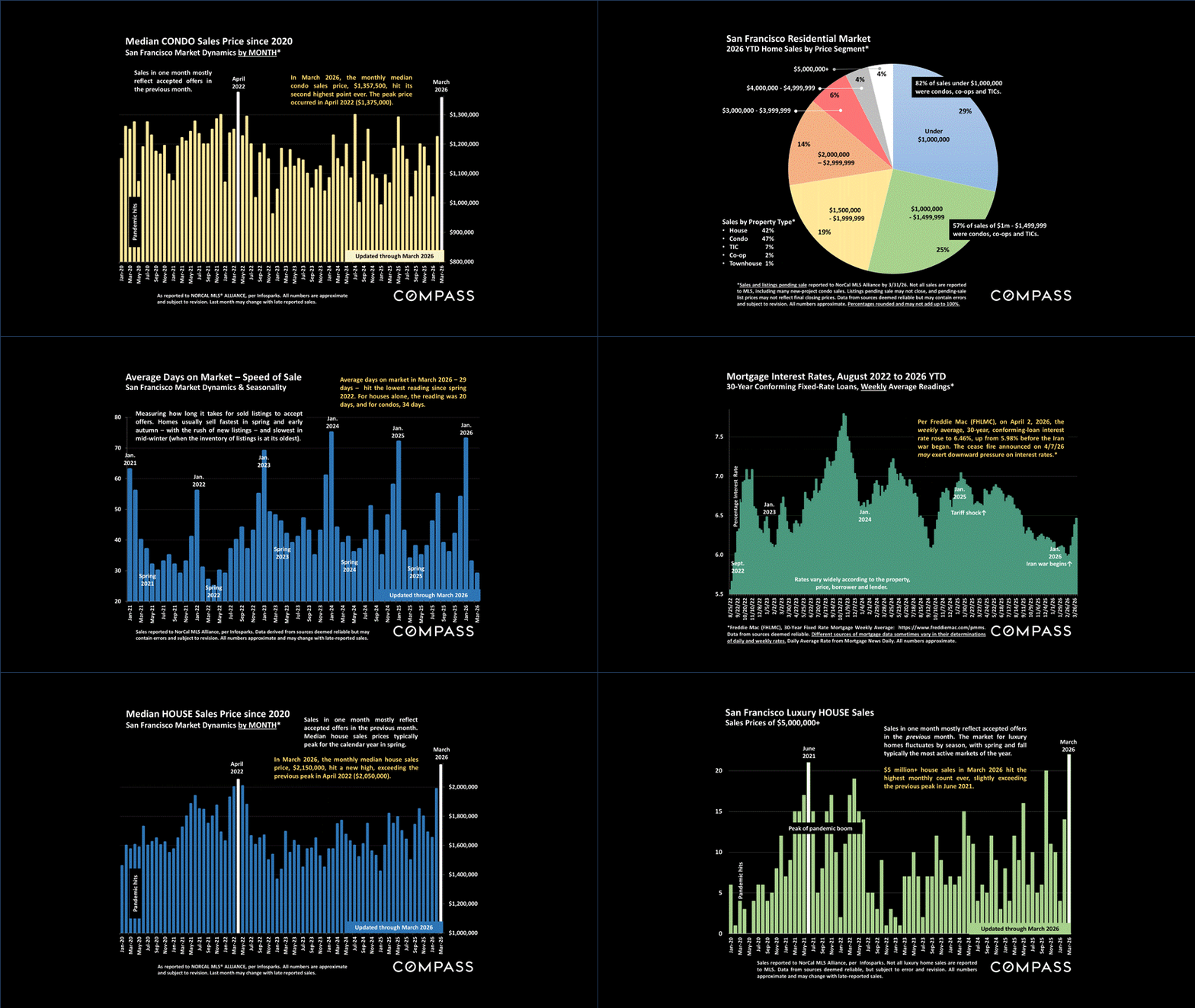
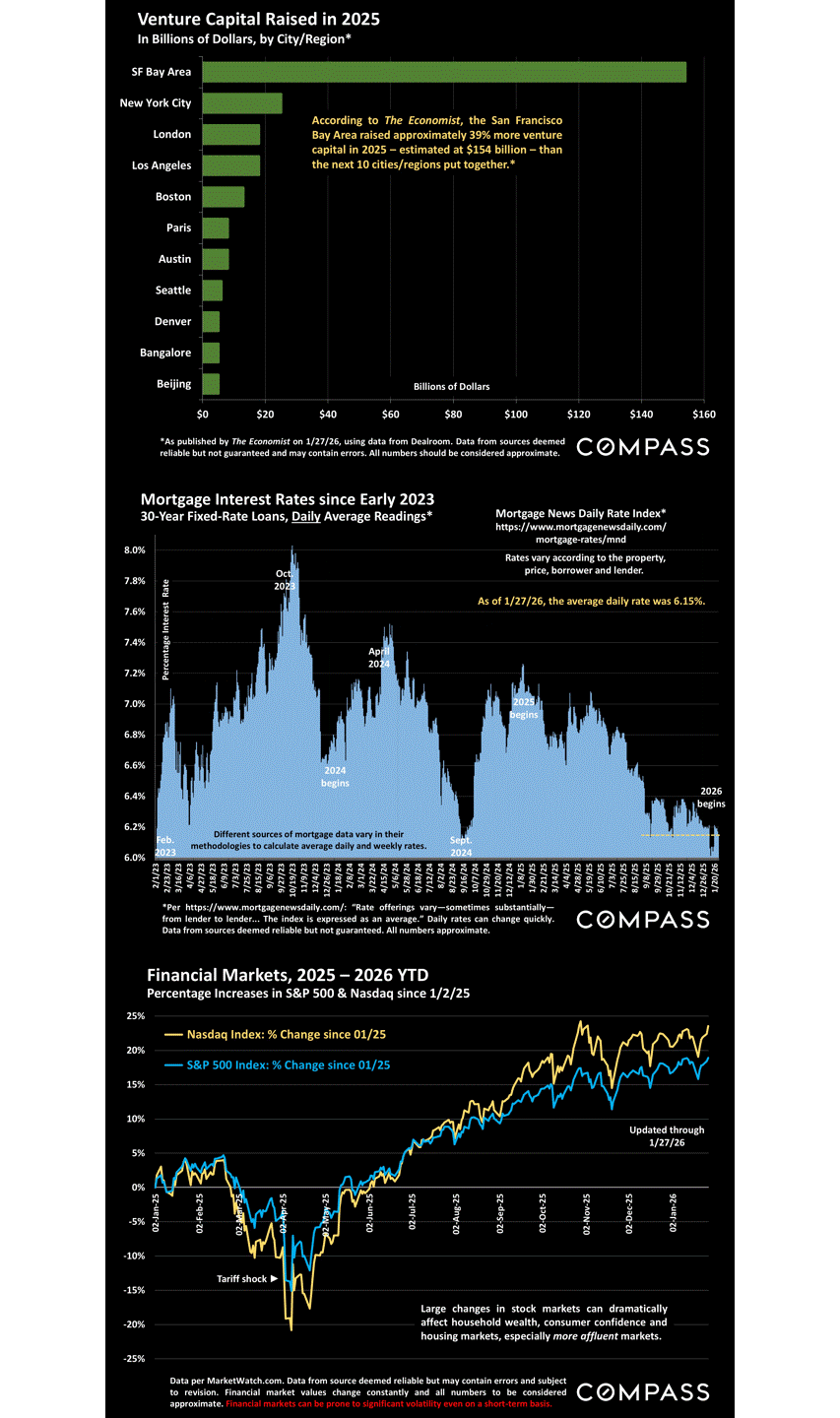
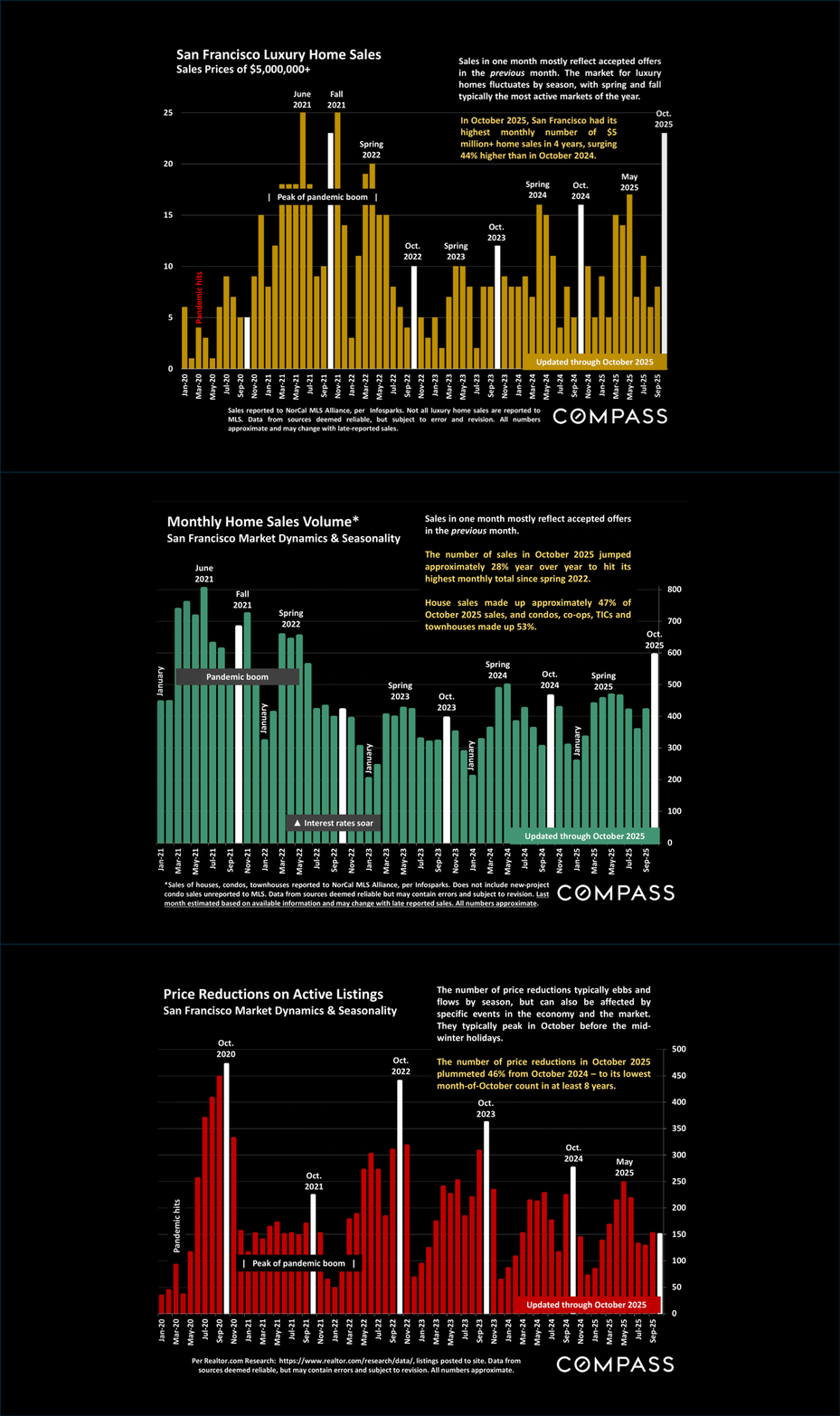
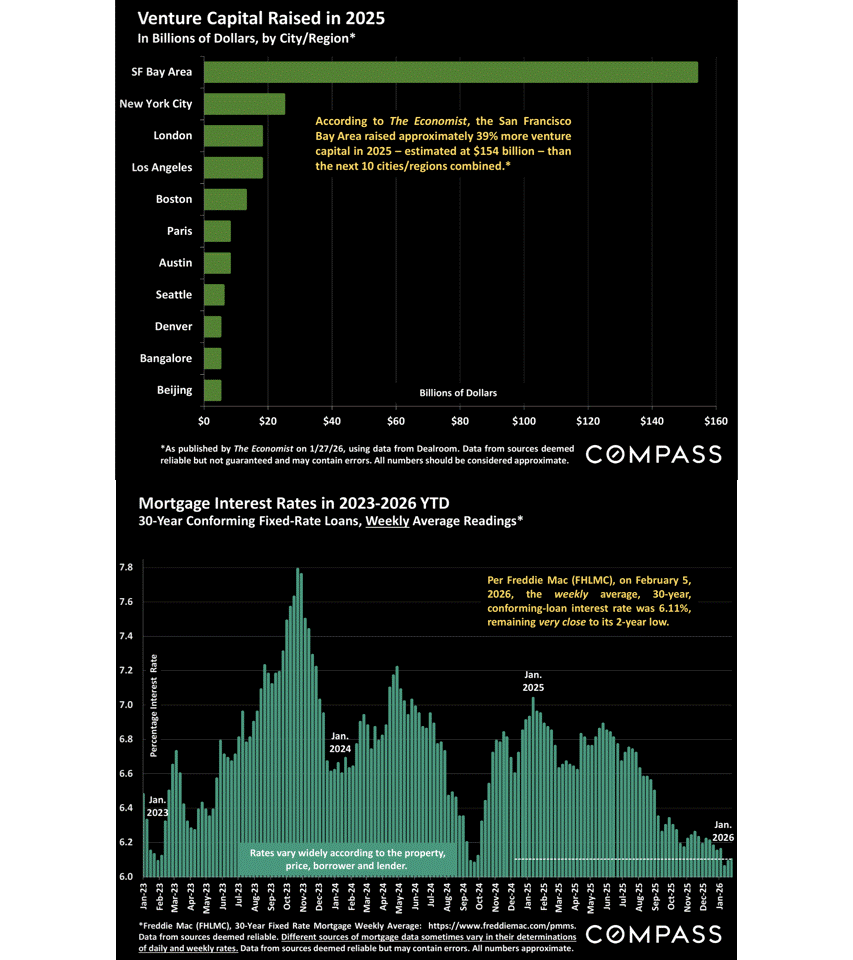
When I zoom out and look at the broader San Francisco real estate market, the shift becomes clearer. Mortgage rates have quietly stabilized near their recent lows, removing some of the friction that defined much of last year’s housing market. At the same time, venture capital has concentrated in the Bay Area, and specifically San Francisco, at a scale that materially exceeds every other region. That capital translates into liquidity events, secondary transactions, hiring, and renewed confidence. In a city where residential real estate has long been linked to technology cycles and founder wealth, those forces matter.
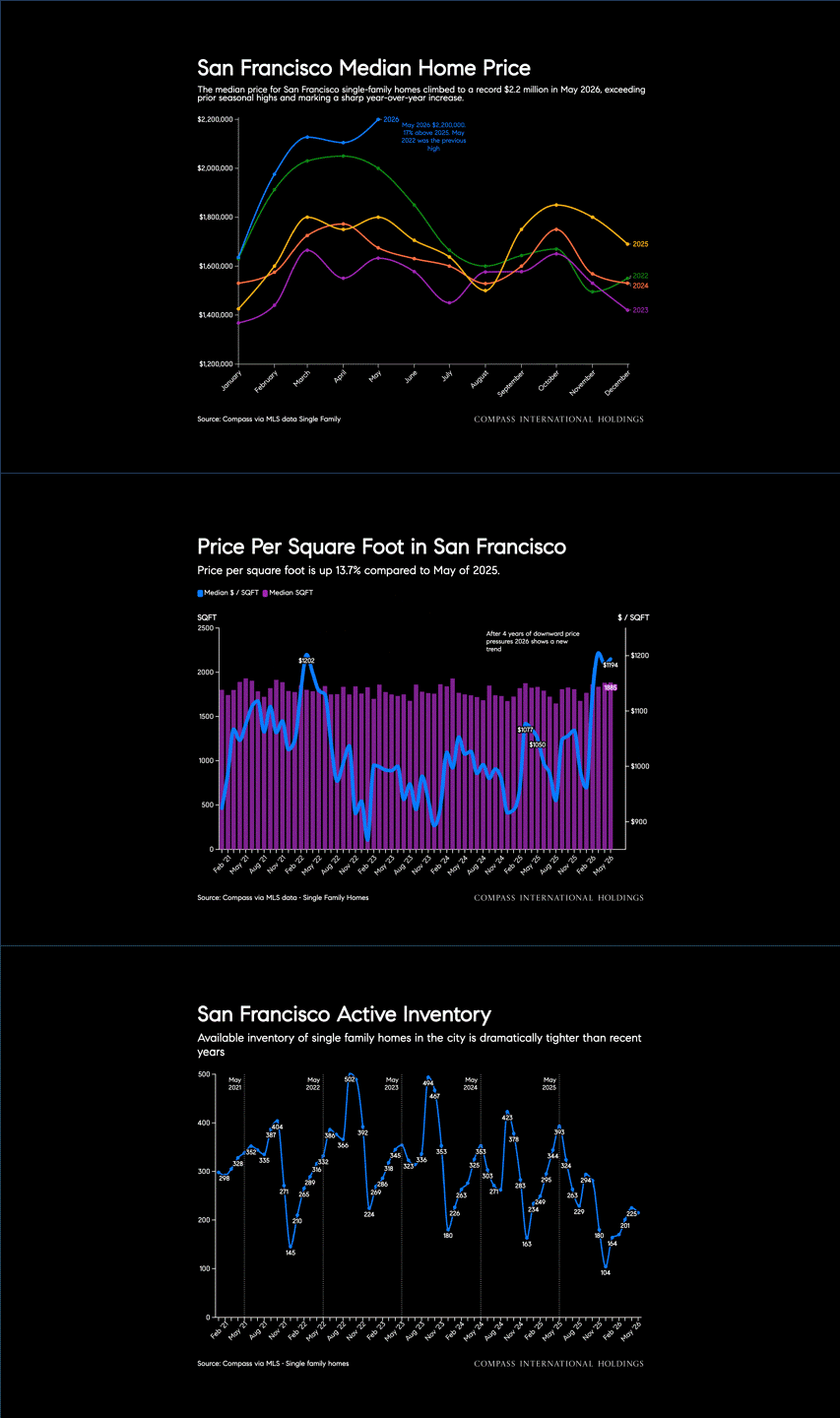
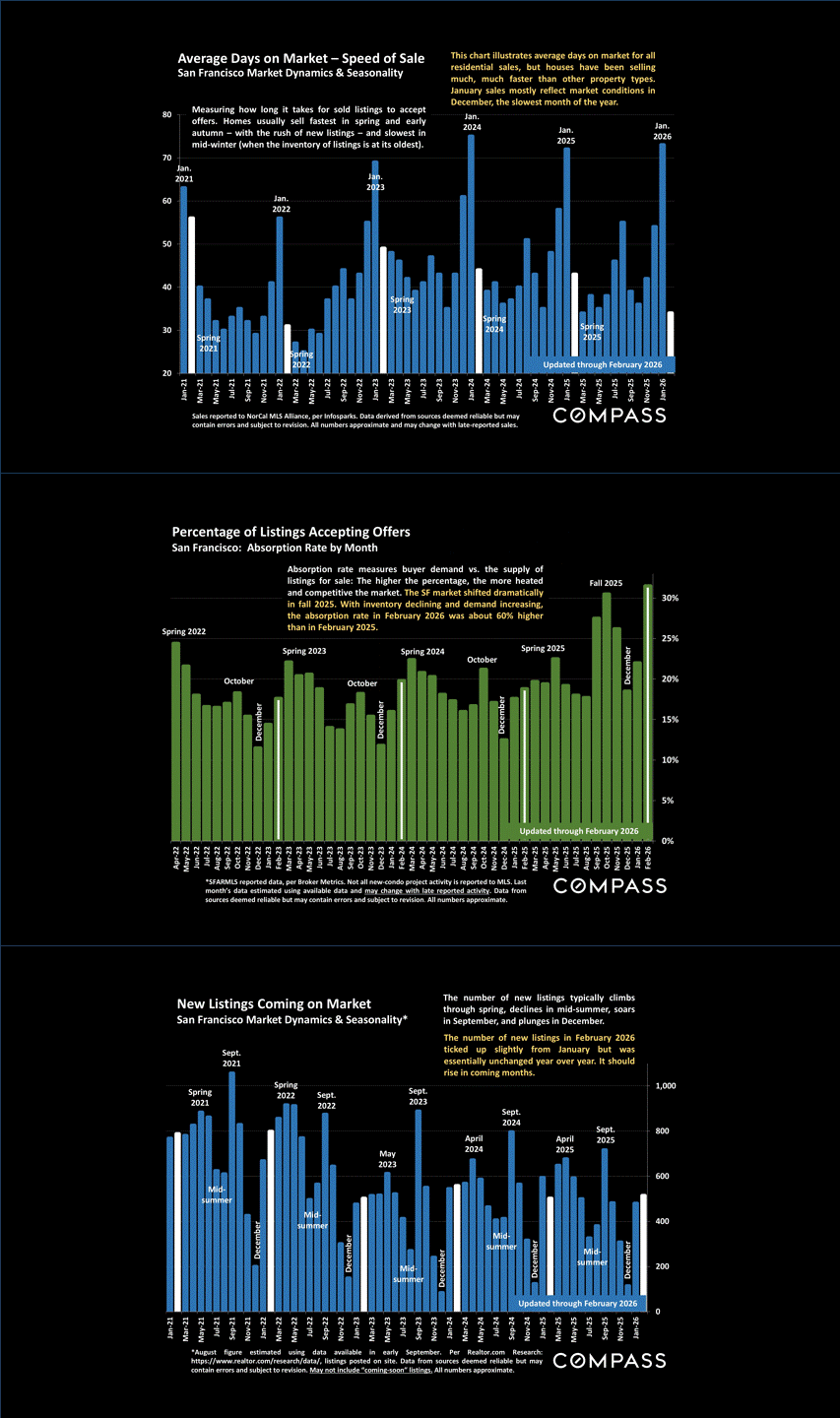
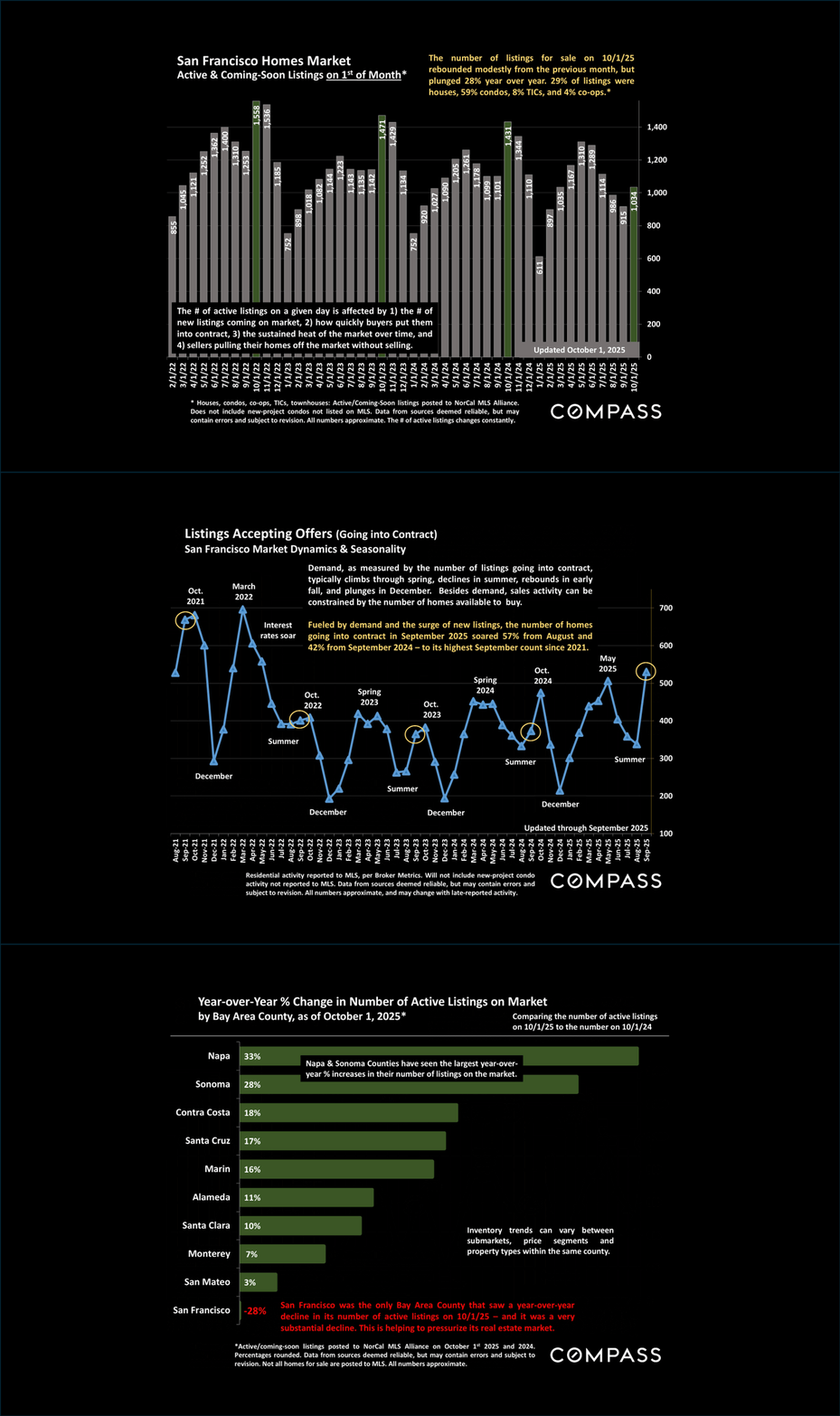
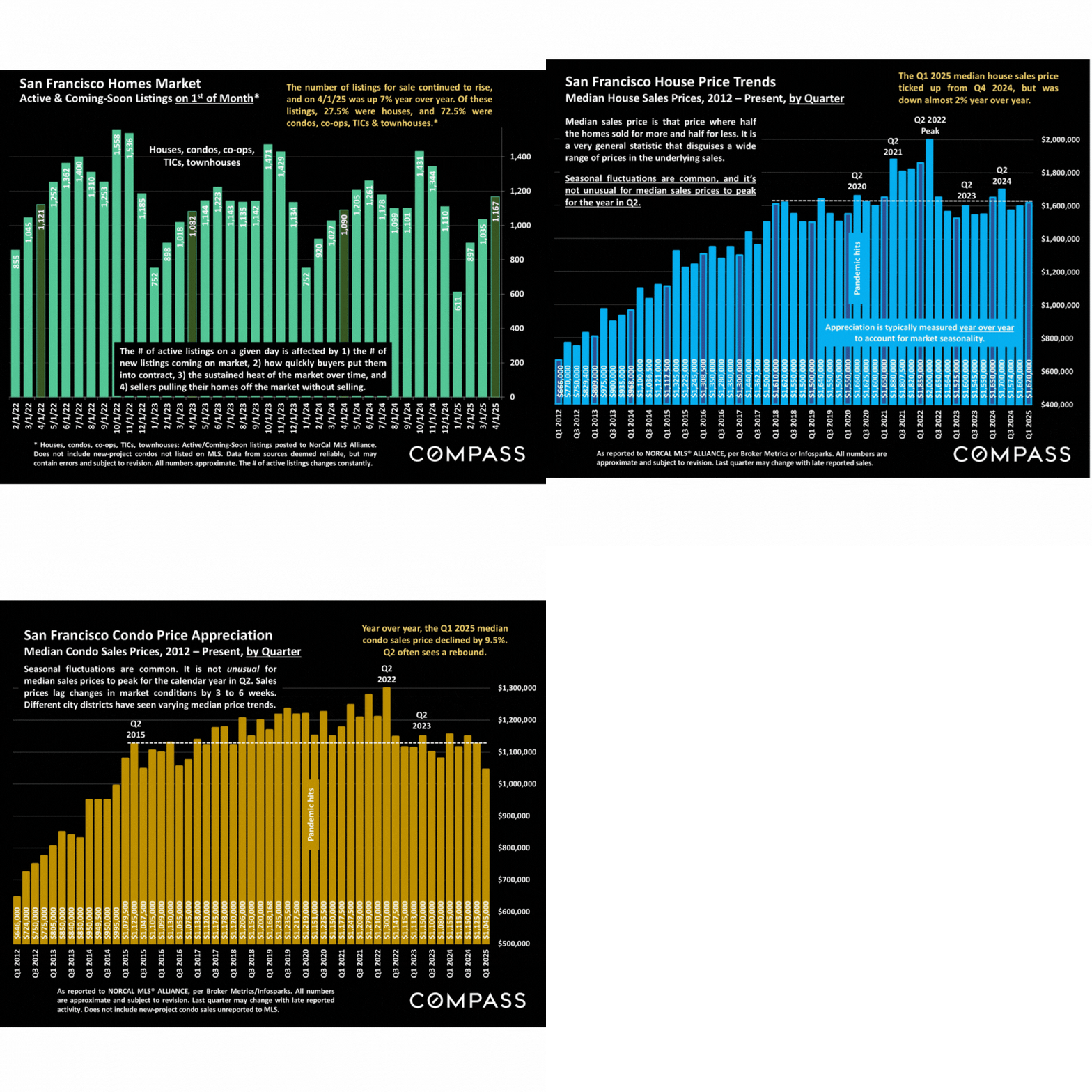
What has not changed is supply. San Francisco did not overbuild during the last cycle. Development remains constrained by geography, entitlement timelines, and policy. Many current owners, particularly in the higher price points of the market, are well capitalized and under no pressure to sell. Inventory continues to trail demand across both entry-level and luxury segments of San Francisco housing.
When money, confidence, and limited inventory begin moving in the same direction here, the market does not drift. It is moving.
This dynamic is particularly visible in the upper tiers of the market, where decisive buyers with liquidity are acting from conviction rather than sentiment. For sellers who have been waiting for the right conditions, this is the part of the cycle worth paying attention to. Moments like this reward clarity.