Trying to choose between a dramatic SoMa loft and a turnkey Mission Bay condo? Both promise low‑maintenance living in the heart of San Francisco, but the day‑to‑day rhythm feels different. If you are relocating or want a lock‑and‑leave base, the right fit comes down to building type, amenities, HOA culture, and how you like to spend your time. This guide maps what to expect in each neighborhood so you can match lifestyle with layout and services. Let’s dive in.
SoMa vs. Mission Bay at a glance
SoMa spans a large, mixed‑use area south of Market Street that grew from industrial roots into a patchwork of loft conversions, mid‑rises, and high‑rise towers. You will also hear subareas like South Beach, Rincon Hill, and Yerba Buena, which add variety in building ages and styles. For background on the district’s evolution, explore the neighborhood overview for South of Market or the city’s SoMa project area context.
Mission Bay is newer by design. Built on former railyards and industrial parcels, it is a master‑planned waterfront neighborhood anchored by the UCSF Mission Bay campus and the Chase Center complex. Most housing here is 21st‑century condos and rental towers with contemporary systems and resident amenities. Read more about the area’s growth in the Mission Bay overview.
Condo or loft: what fits your day‑to‑day
SoMa lofts and conversions
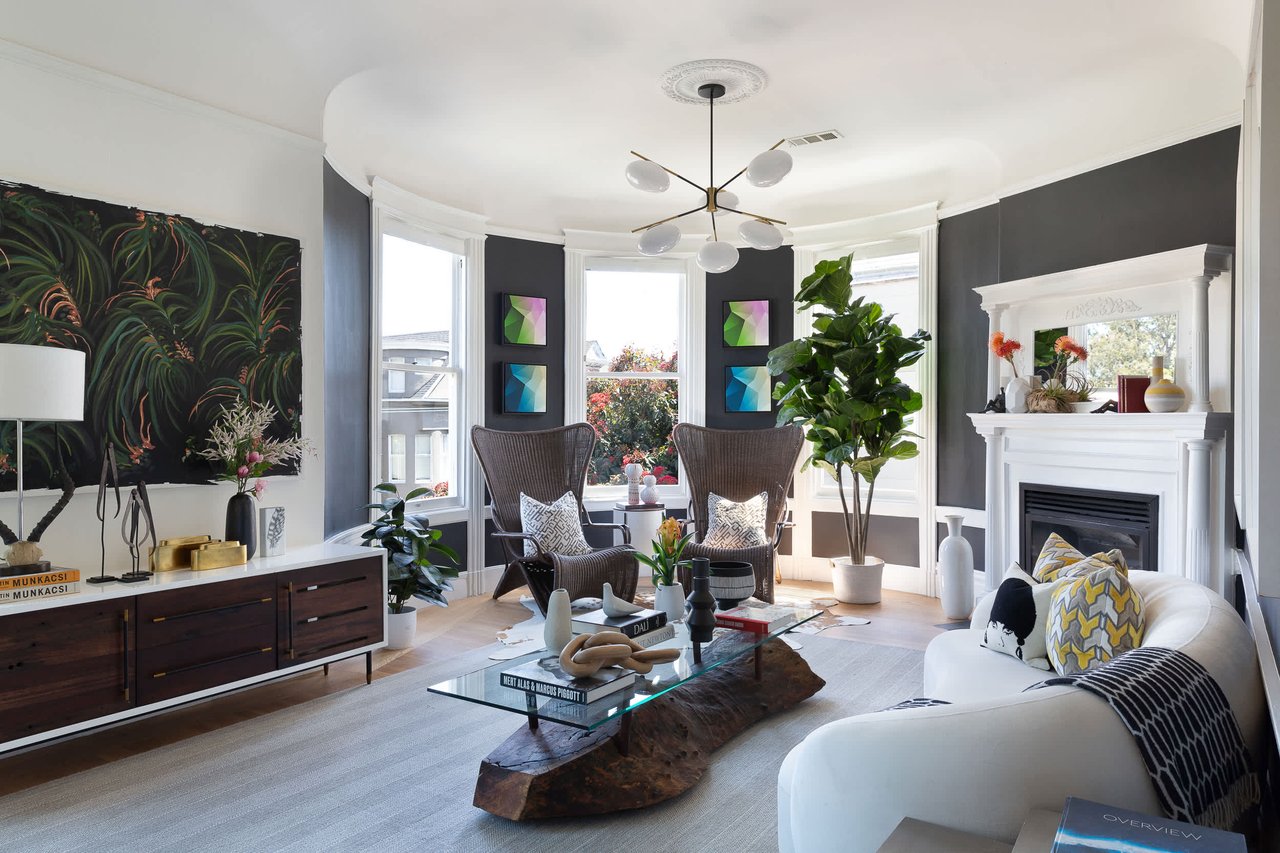
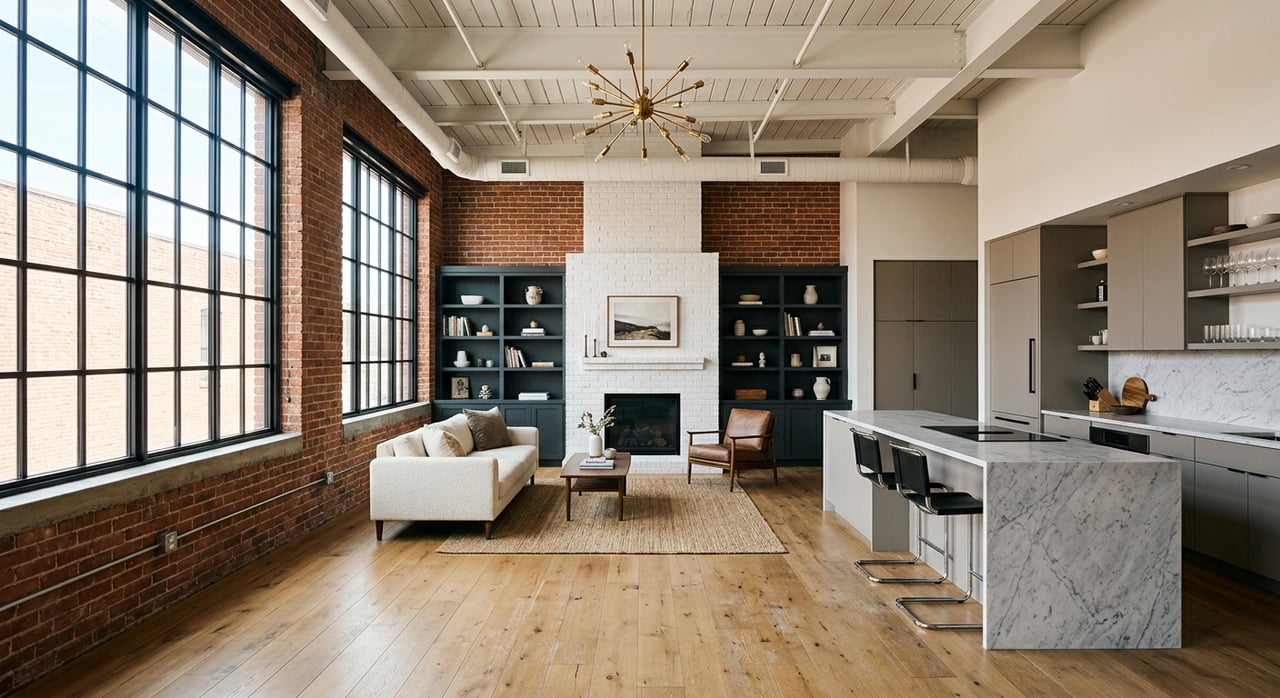
SoMa’s classic loft buildings deliver volume and character. Think open floor plans, high ceilings, exposed brick or ductwork, steel details, and mezzanines that create flexible live‑work zones. Many are boutique communities that trade resort‑style amenities for distinct interiors and larger single‑level footprints. If you value architectural texture and creative layouts, a SoMa loft can feel inspiring and adaptable.
Towers and newer condos
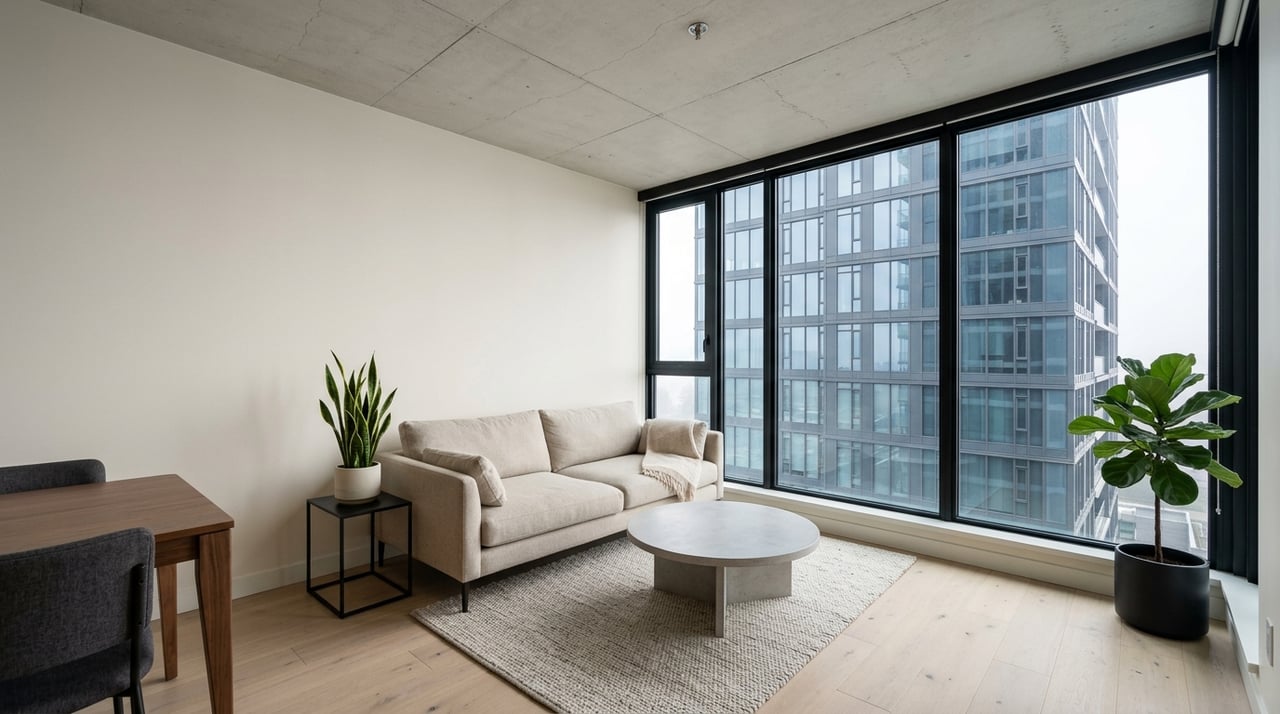
If you want elevator convenience and a service‑oriented setup, SoMa’s towers and Mission Bay’s newer condo communities focus on modern living. Buildings like One Rincon Hill illustrate the tower experience, with views and amenity suites that simplify city life. Mission Bay’s housing leans toward 1–2 bedroom floor plans sized for professionals and couples, often with in‑unit laundry and contemporary kitchens. SoMa offers a wider mix, from compact studios to multi‑bedroom view units.
Amenities and lock‑and‑leave living
Loft conversions in SoMa typically emphasize private space over shared facilities. Expect features like generous kitchens, large windows, and sometimes roof decks or bike storage. You usually will not see doormen, staffed lobbies, or on‑site package handling in these boutique HOAs.
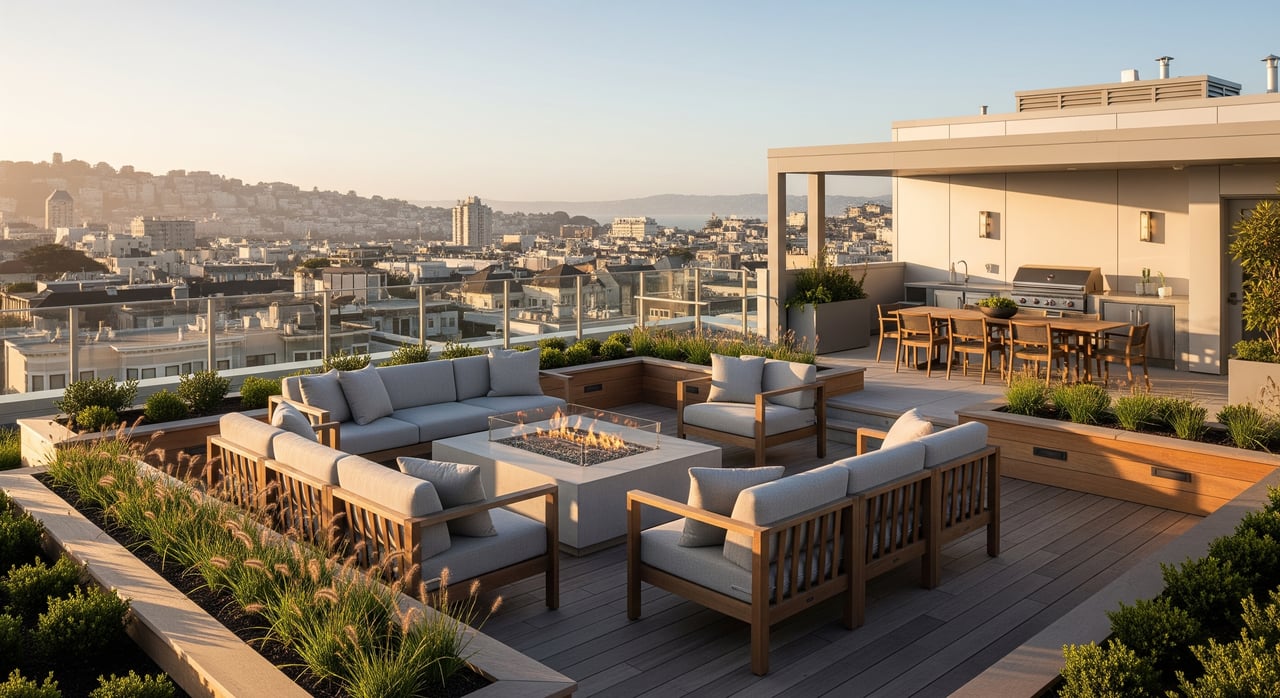
Amenity‑rich towers in SoMa and Mission Bay aim squarely at lock‑and‑leave convenience. Many offer concierge or doorman service, secure package rooms, fitness centers, resident lounges, and roof terraces, with some including pools or guest suites. Building pages for properties such as One Rincon Hill show how these services reduce friction if you travel often or keep irregular hours.
HOA dues, rules, and the fine print
Amenity levels shape monthly dues. Nationally, more homes now carry HOA fees and the median has been rising. In San Francisco, larger high‑rise communities often report dues from the mid‑hundreds to over one thousand dollars per month depending on unit size and services. Boutique loft buildings typically sit lower on dues but provide fewer staffed amenities.
Because every HOA operates differently, build a simple due‑diligence checklist:
- Request the CC&Rs, house rules, and the last 12 months of HOA financials early in your review.
- Ask what dues include, such as water, building insurance, reserves, parking, and package services.
- Confirm lease terms and any sublet, pet, or remodeling restrictions at the building level.
- If you plan to rent out, review statewide protections under AB‑1482 and whether a specific building is exempt.
- For short‑term rentals, San Francisco has strict rules and primary‑residence requirements. Start with the city’s summary of short‑term rental regulations and confirm building permissions before you underwrite.
Commute, dining, and downtime
Getting around
Both neighborhoods are connected to transit, but in different ways. SoMa sits by Market Street with BART and key Muni lines close to many buildings, which helps if you split time between downtown offices and the waterfront. Mission Bay concentrates service on the T Third line and is near Caltrain at 4th and King, with event transit for the arena district. For an overview of SoMa’s location and connectivity, see South of Market. For arena transit details, check the SFMTA Chase Center guide.
Culture and entertainment
SoMa blends daytime tech and conference energy with major cultural anchors like SFMOMA, Yerba Buena Gardens, and the Moscone Center. That mix supports a wide dining range from casual counters to destination restaurants. You can explore these anchors in the SoMa neighborhood overview.
Mission Bay’s entertainment core orbits the Chase Center and the Thrive City plaza, where games, concerts, and outdoor dining create a reliable after‑work scene. Waterfront parks and planned green spaces add balance to the high‑rise setting. For event‑day logistics and neighborhood context, the SFMTA Chase Center page is a helpful primer.
Demand drivers to watch
Mission Bay’s UCSF medical center and biotech cluster are key employment anchors. That steady base of medical and lab professionals shapes local housing demand day to day. For context on the campus and facilities, review UCSF’s Mission Bay resources.
SoMa’s rhythm reflects a mix of office workers, conference traffic, and museum visitors. This can create broader but more cyclical foot traffic around major events and business calendars. The area’s cultural and commercial anchors appear in the South of Market overview.
Quick decision guide
- Choose a SoMa loft if you want distinctive architecture, flexible layouts, and a more independent building culture with lighter amenities.
- Choose a Mission Bay condo if you prefer newer systems, contemporary finishes, and a planned neighborhood with easy access to UCSF and the arena district.
- Choose a SoMa or Mission Bay tower if you value full‑service features that support a true lock‑and‑leave lifestyle, such as concierge service, secure package handling, and on‑site fitness. See amenity examples at One Rincon Hill.
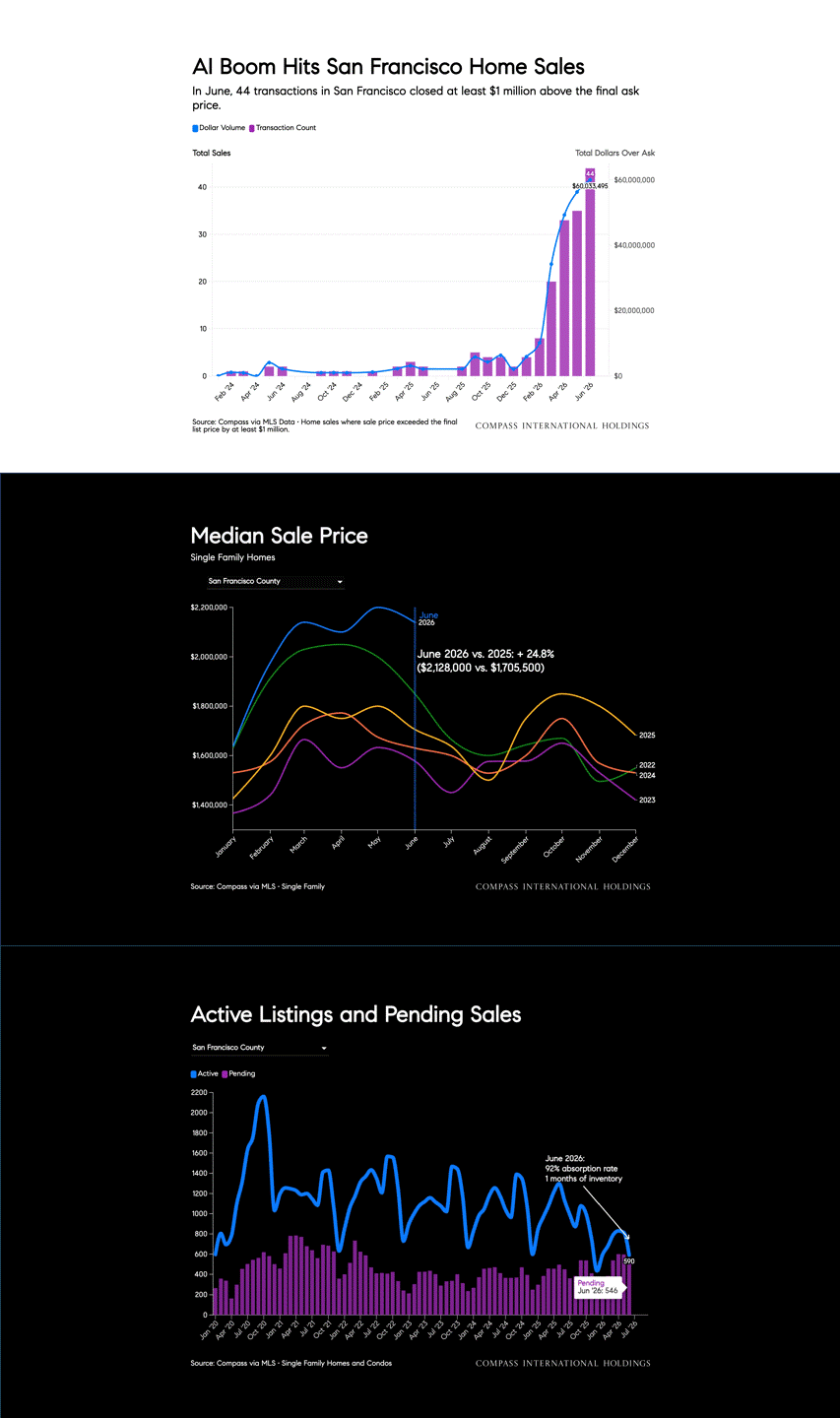
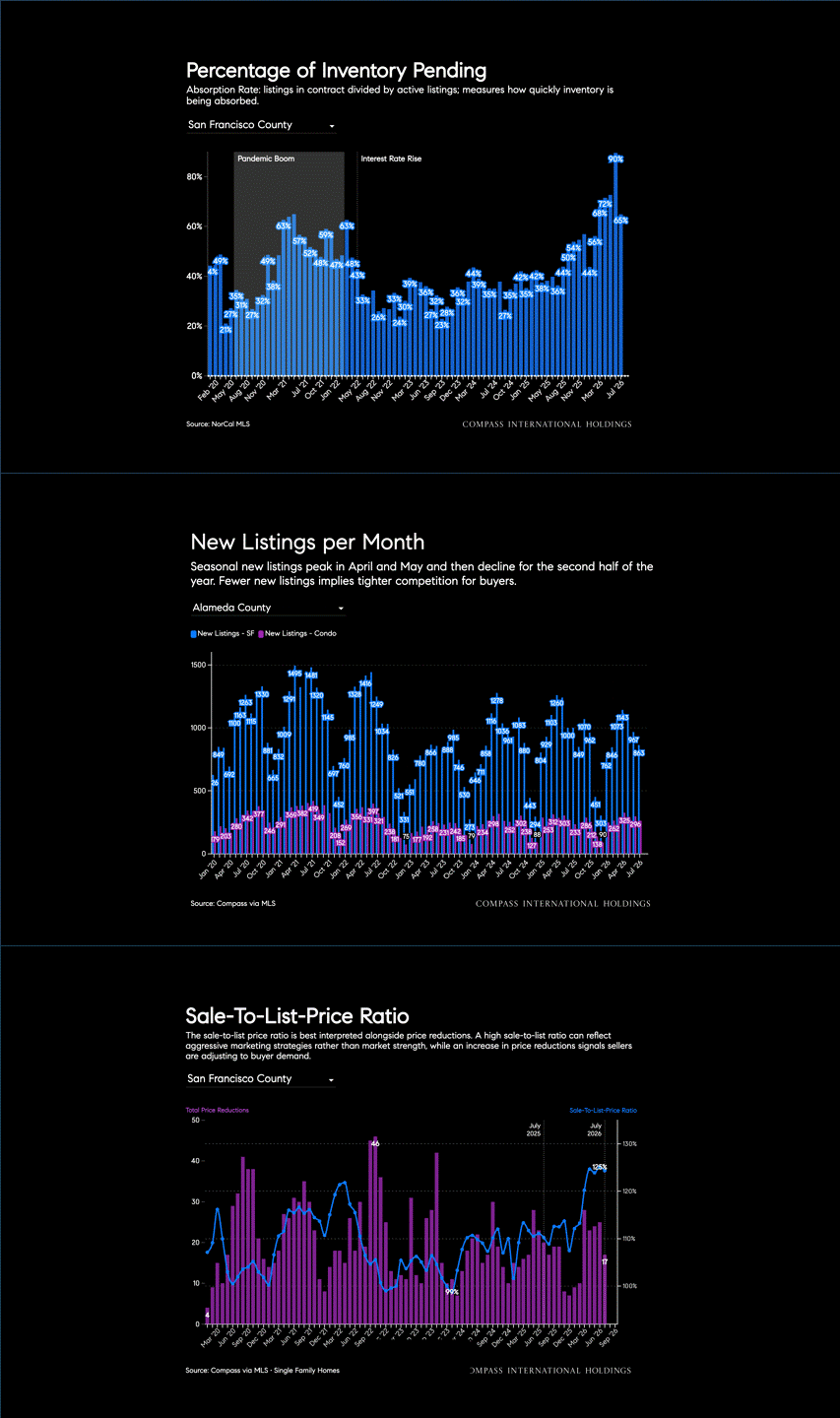
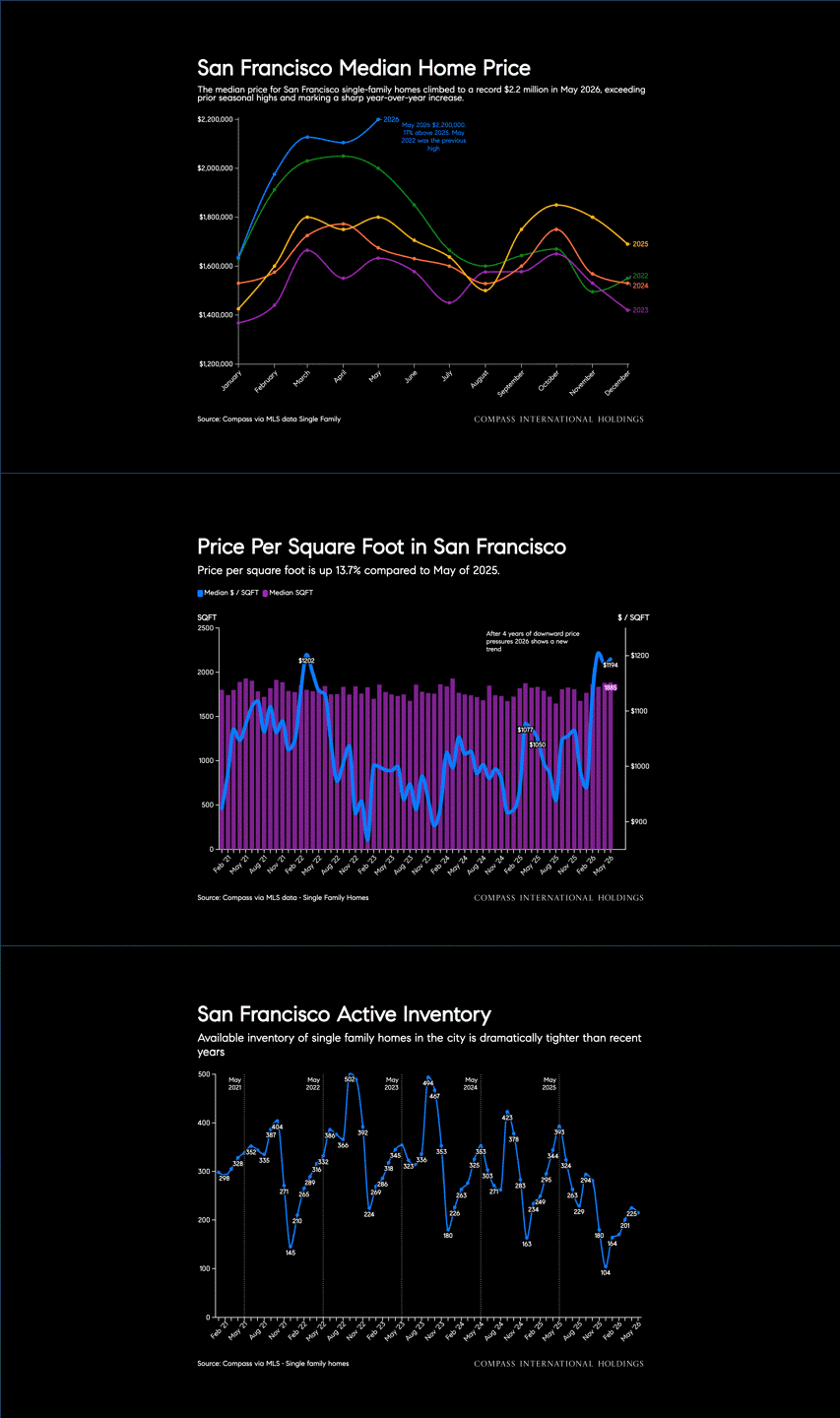
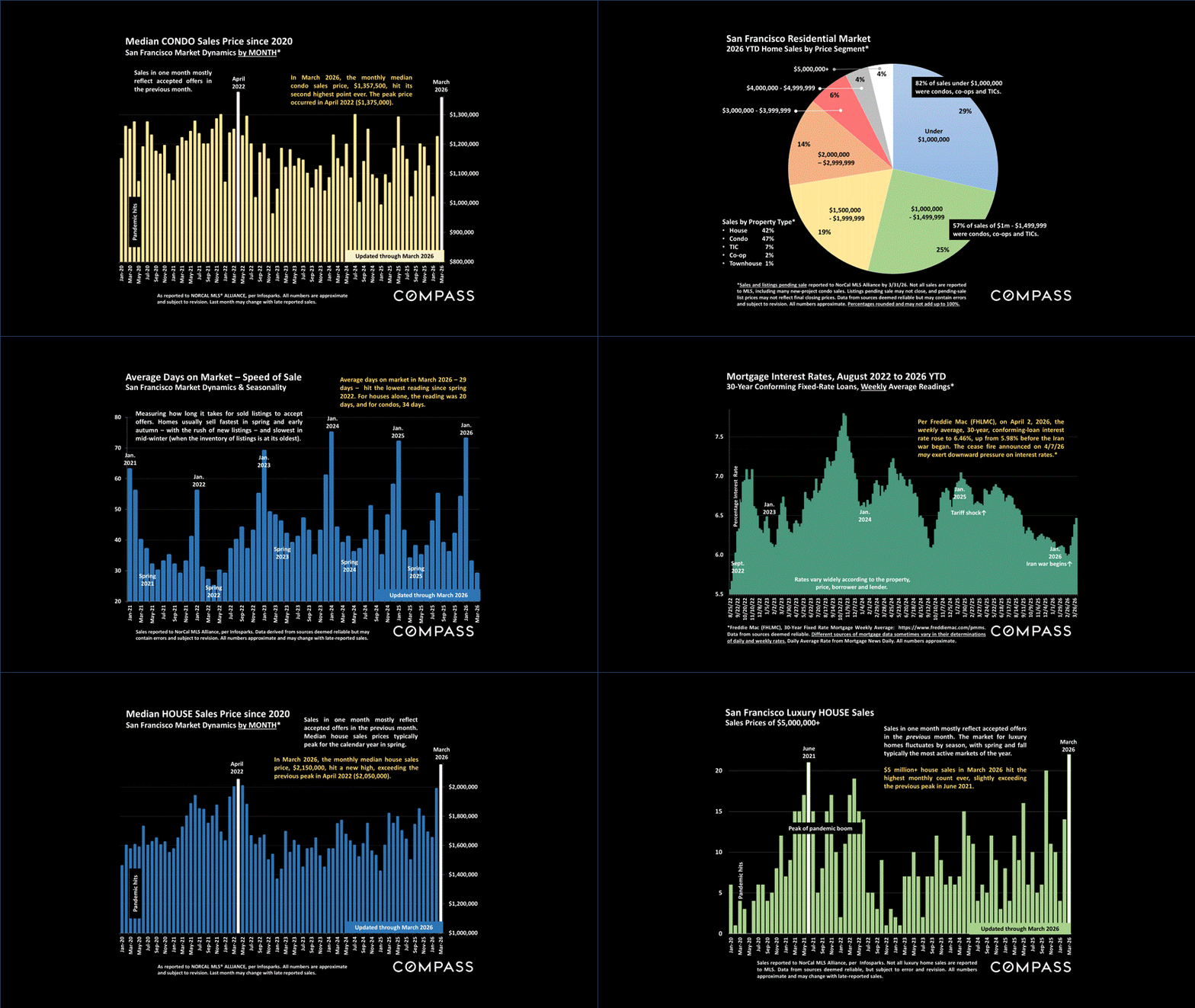
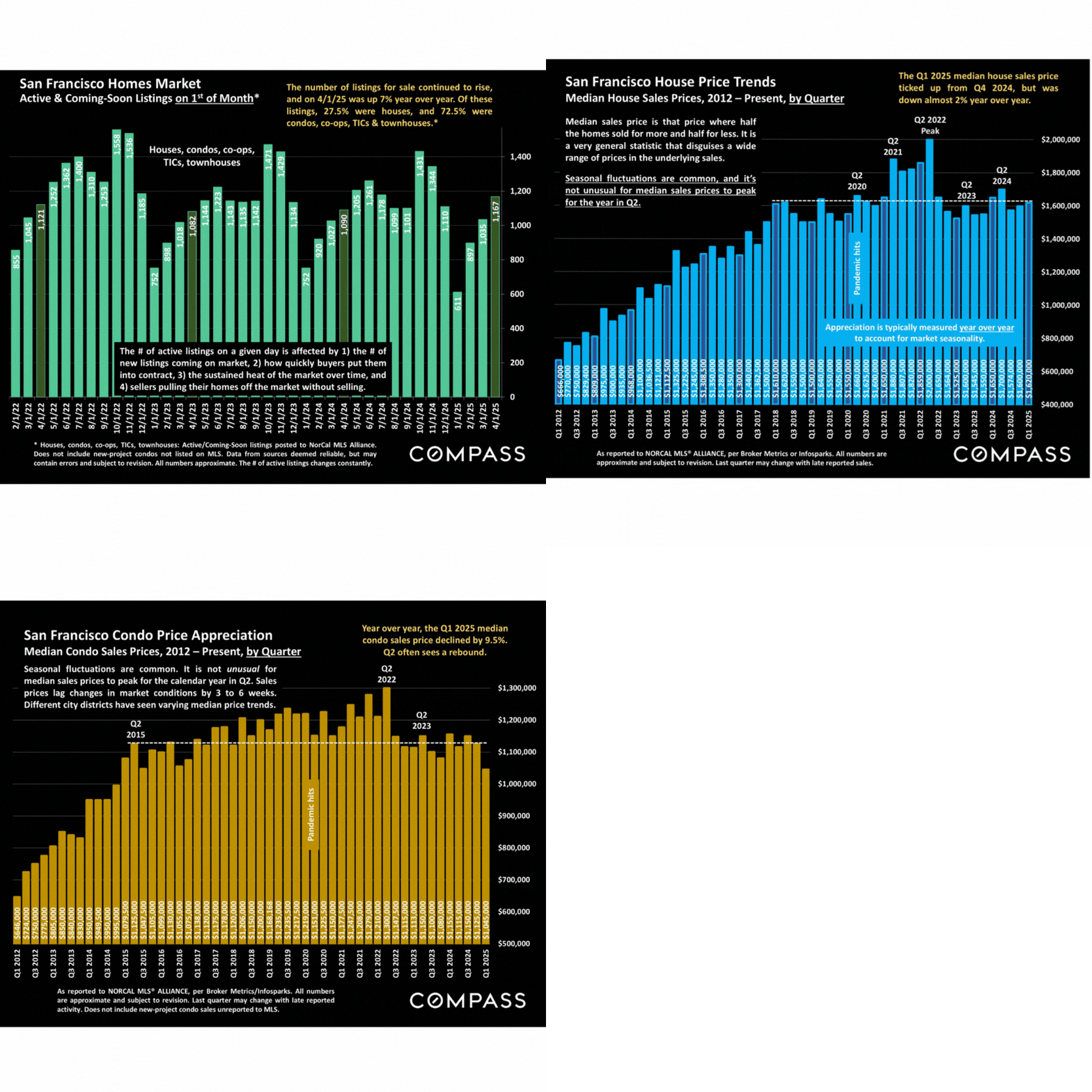
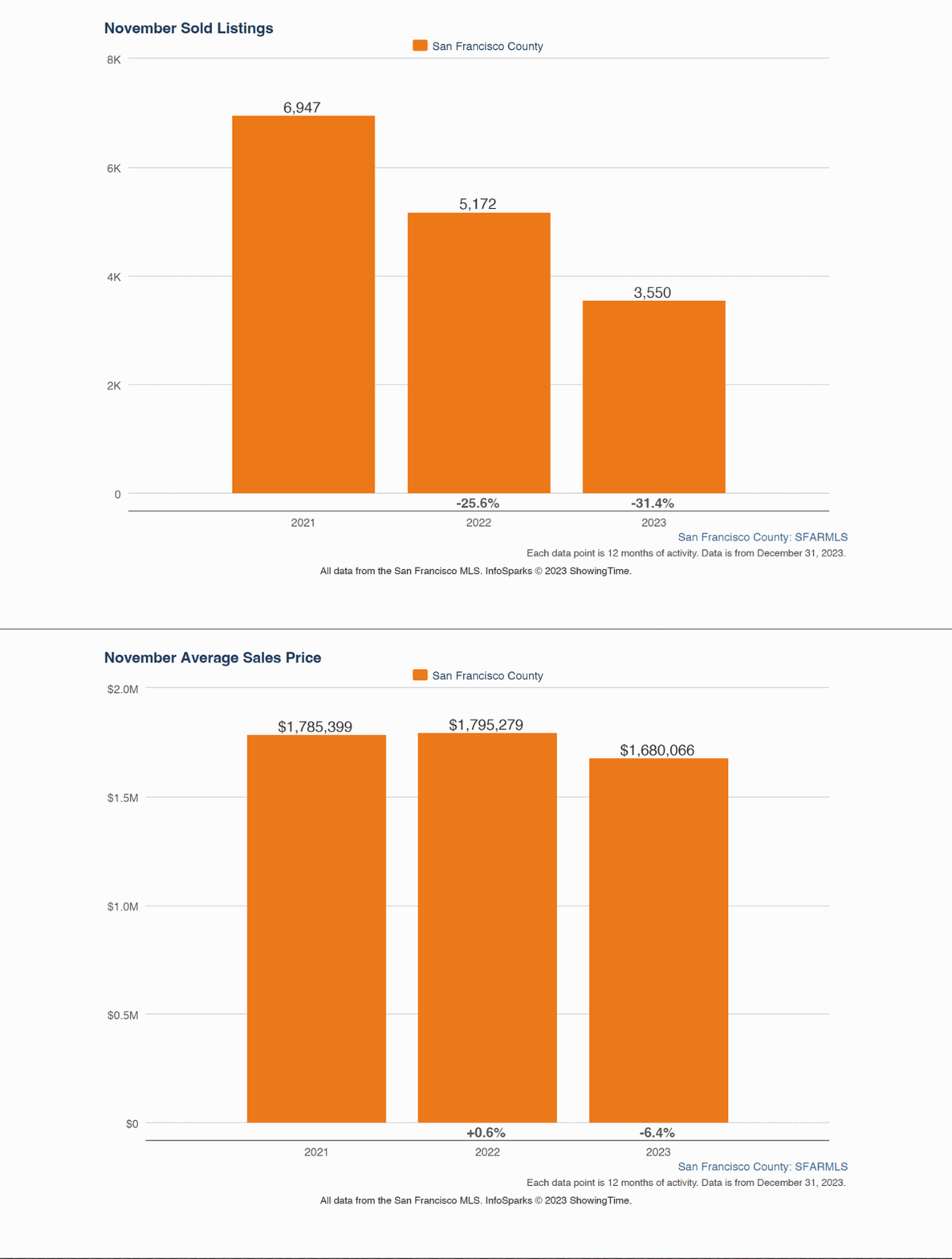
- For pricing shorthand, recent neighborhood snapshots often show medians in the mid to high 600s to roughly 850 thousand for many attached units, depending on subarea and product. Always verify current numbers through recent comps and your agent’s MLS pull when you are ready to act.
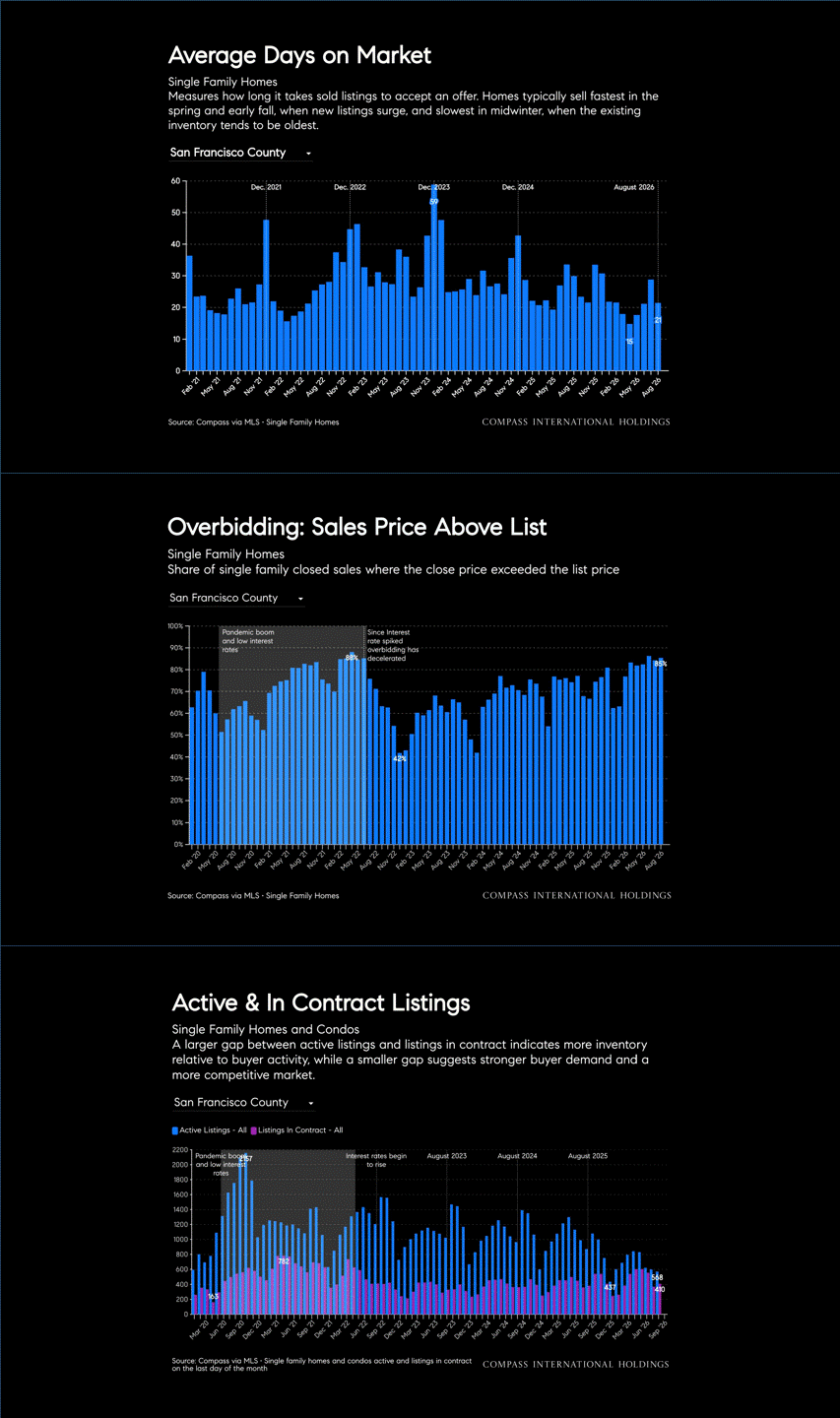
- For investors, compare time on market and resale liquidity by building. Standard one‑bedroom condos can trade more predictably than unique lofts, which can require the right buyer at the right time.
Work with a design‑led advisor in SF
The best choice is the one that fits the way you live. If you want help weighing amenities against carrying costs, or you need a rapid orientation to building‑level rules and resale dynamics, you do not have to figure it out alone. With an architectural background and deep San Francisco market fluency, Brandi Mayo can help you target the right product, building, and block for a low‑maintenance city base.
FAQs
What is the key difference between a SoMa loft and a Mission Bay condo?
- SoMa lofts emphasize open, industrial‑style interiors and boutique HOAs, while Mission Bay condos are newer, planned communities with contemporary finishes and more building services.
Are Mission Bay condos better for lock‑and‑leave living?
- Many Mission Bay and SoMa towers offer concierge, secure package rooms, and fitness centers that simplify travel and second‑home use, which suits a lock‑and‑leave lifestyle.
How do HOA dues typically compare between lofts and towers in these areas?
- Amenity‑rich towers usually carry higher monthly dues than boutique lofts due to staffing and shared facilities, though exact amounts vary by building and services included.
How do commutes differ between SoMa and Mission Bay?
- SoMa sits close to Market Street, BART, and many Muni lines, while Mission Bay centers on the T Third line with proximity to Caltrain and event transit serving the arena district.
What should investors know about renting or short‑term rentals here?
- Review building CC&Rs for rental rules, check statewide protections under AB‑1482, and confirm San Francisco’s short‑term rental requirements before assuming any income strategy.