The San Francisco market right now is widely viewed as out of reach, but that view is being shaped by a part of the market that is not representative of how most transactions are actually happening, and that distinction matters.
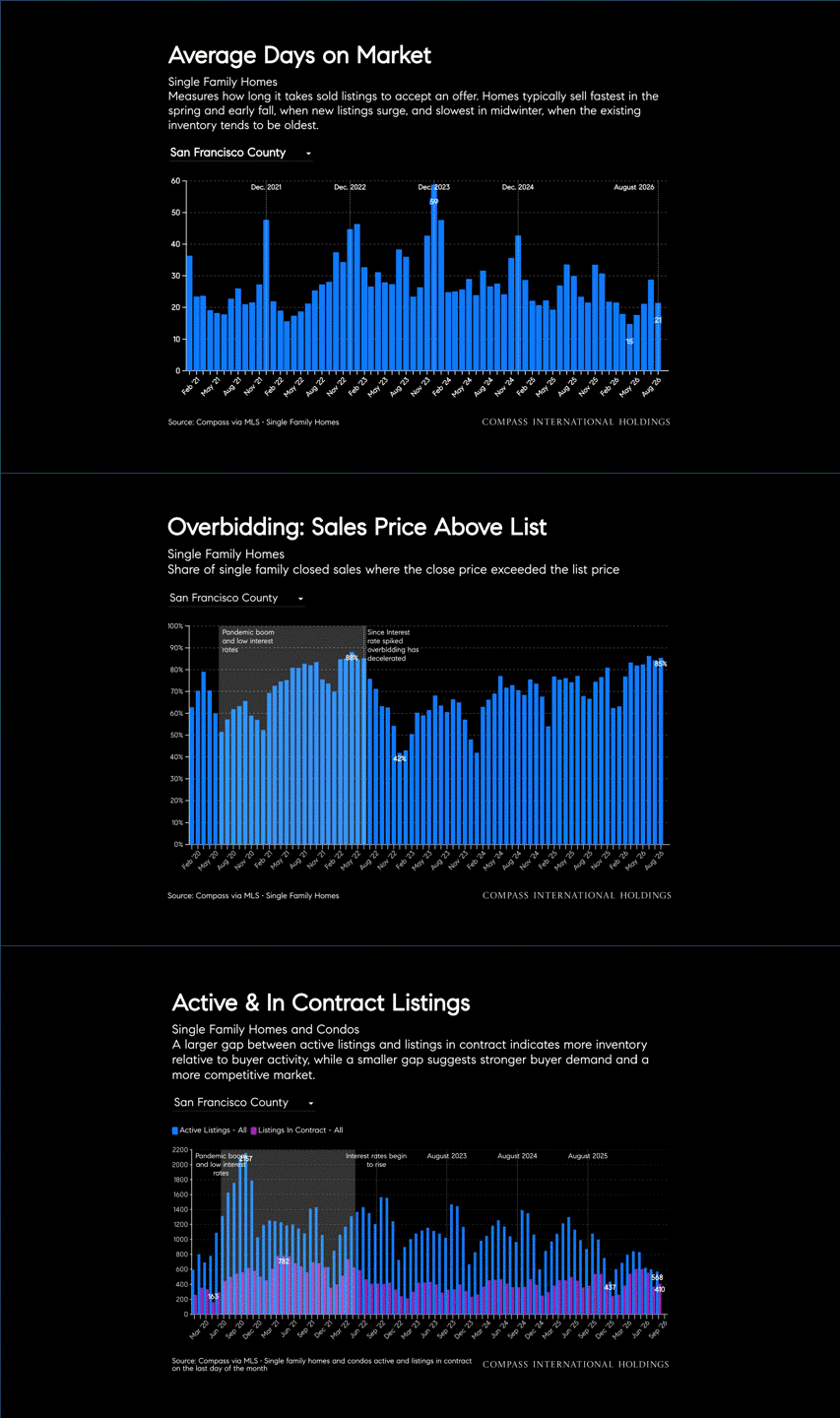
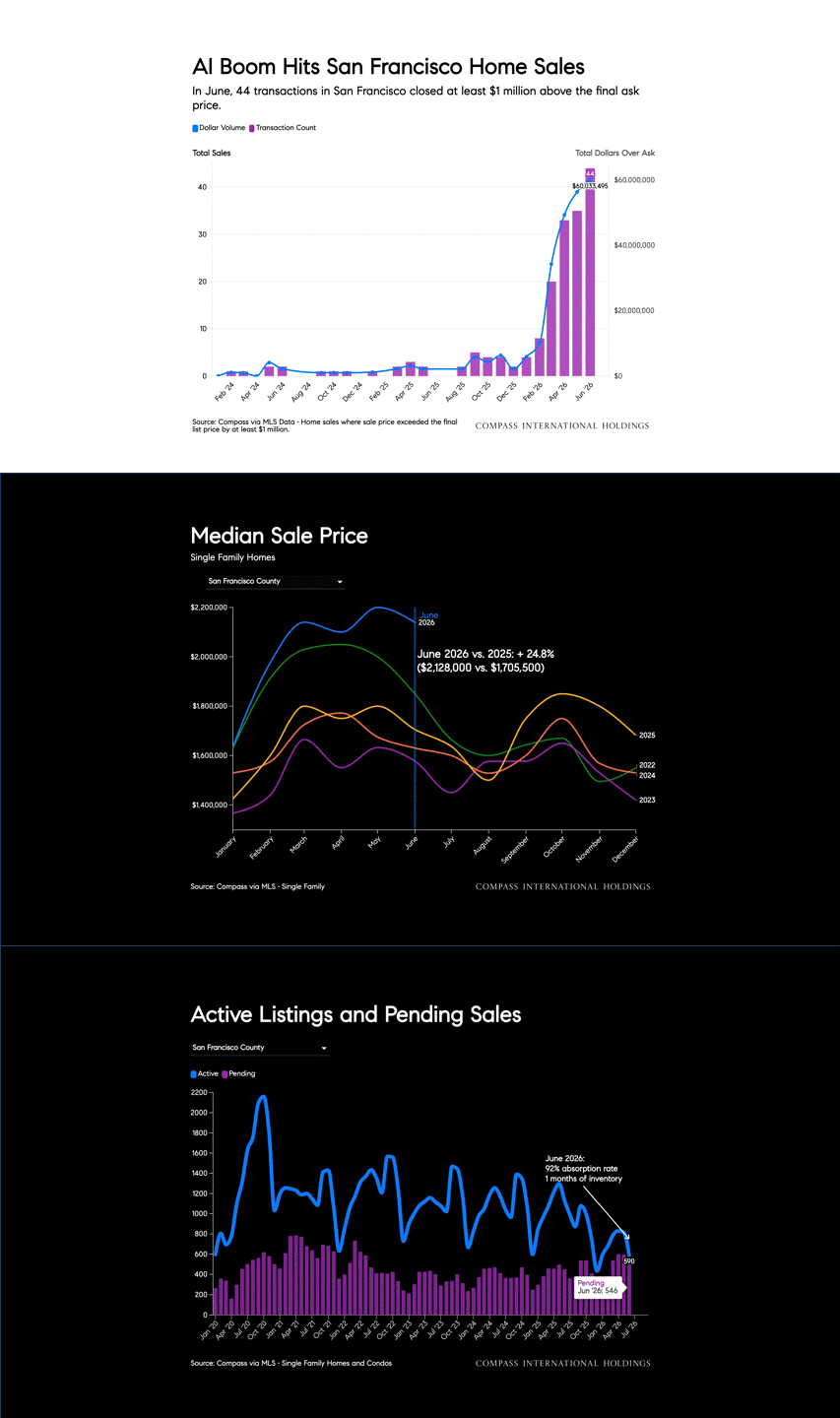
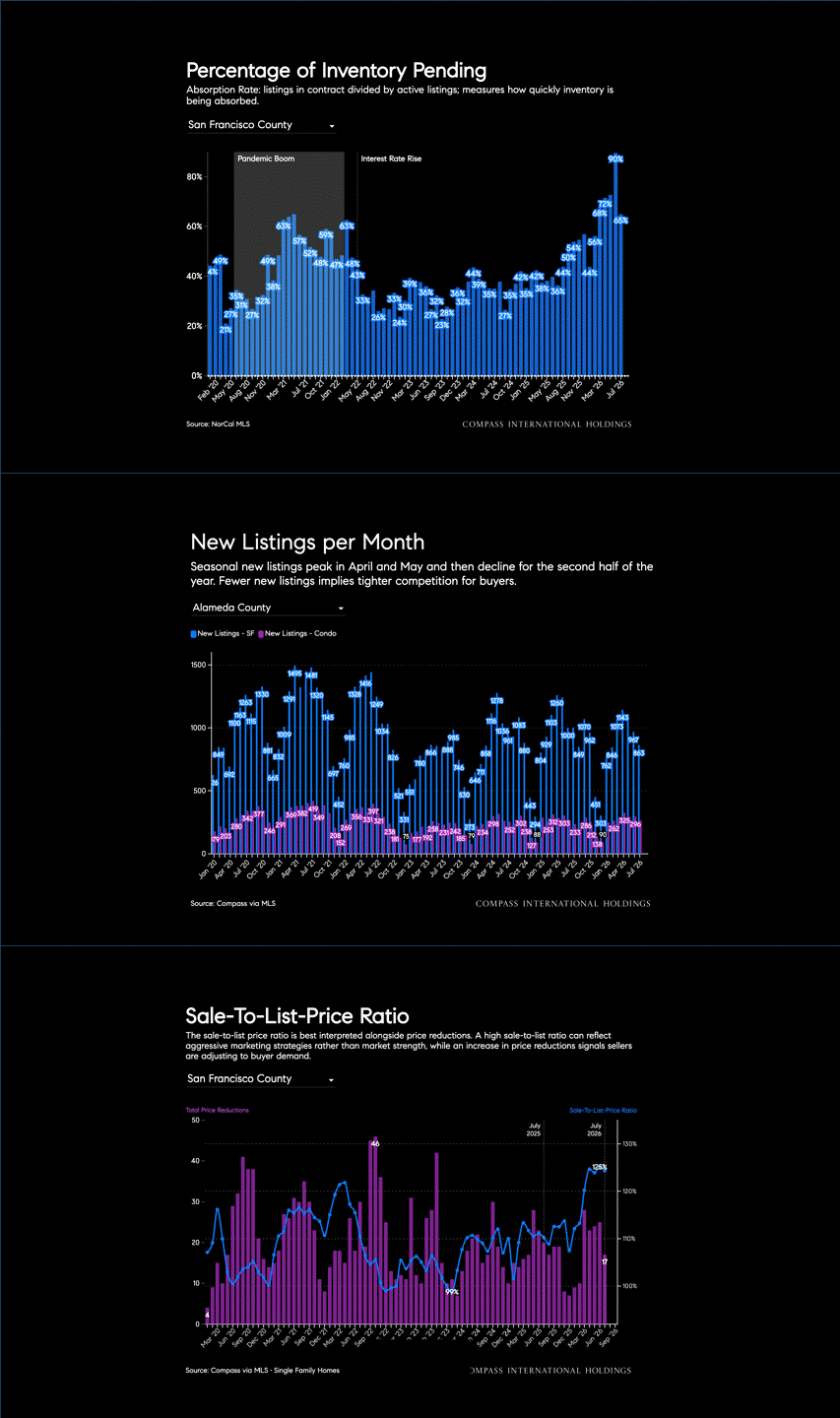
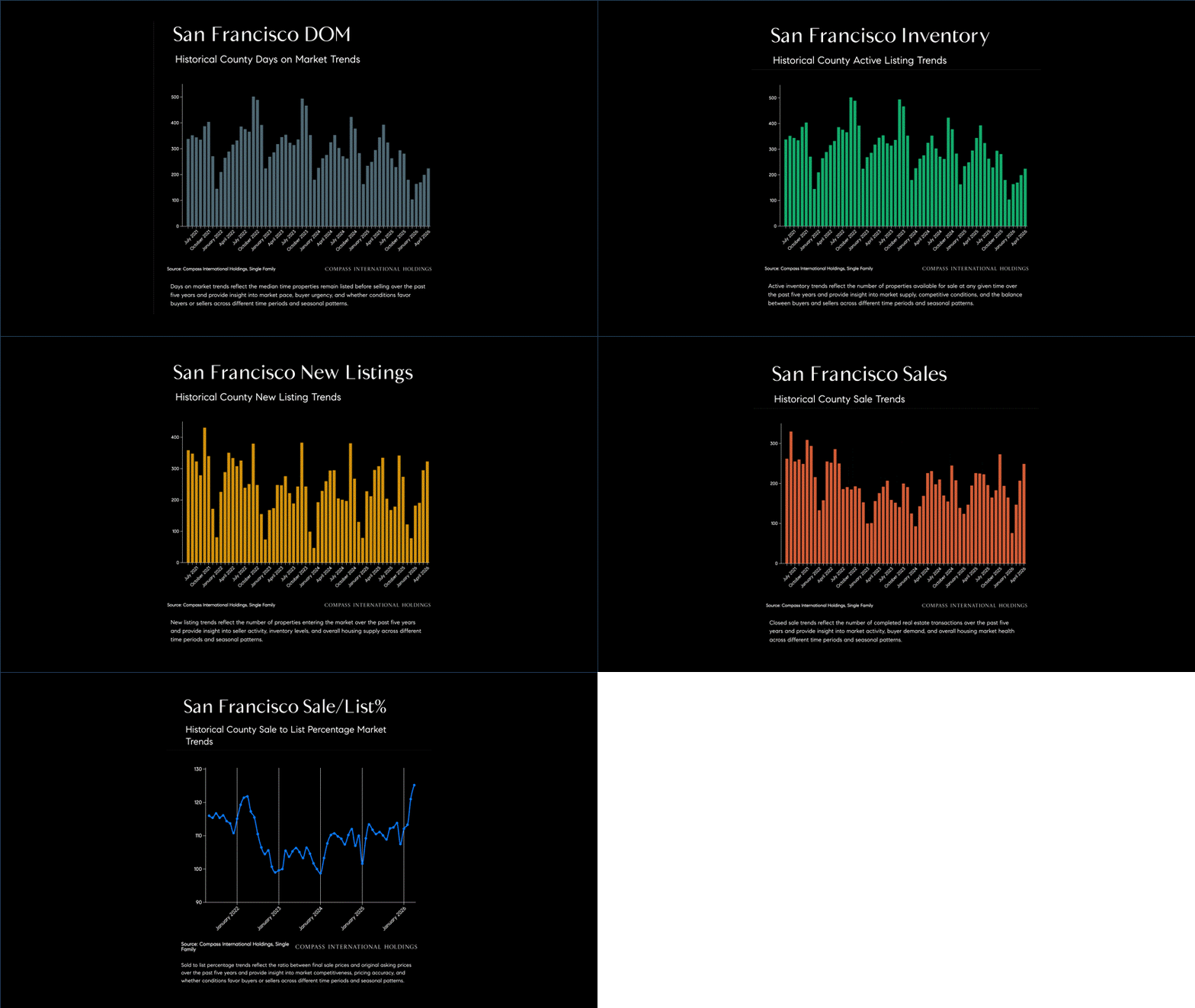
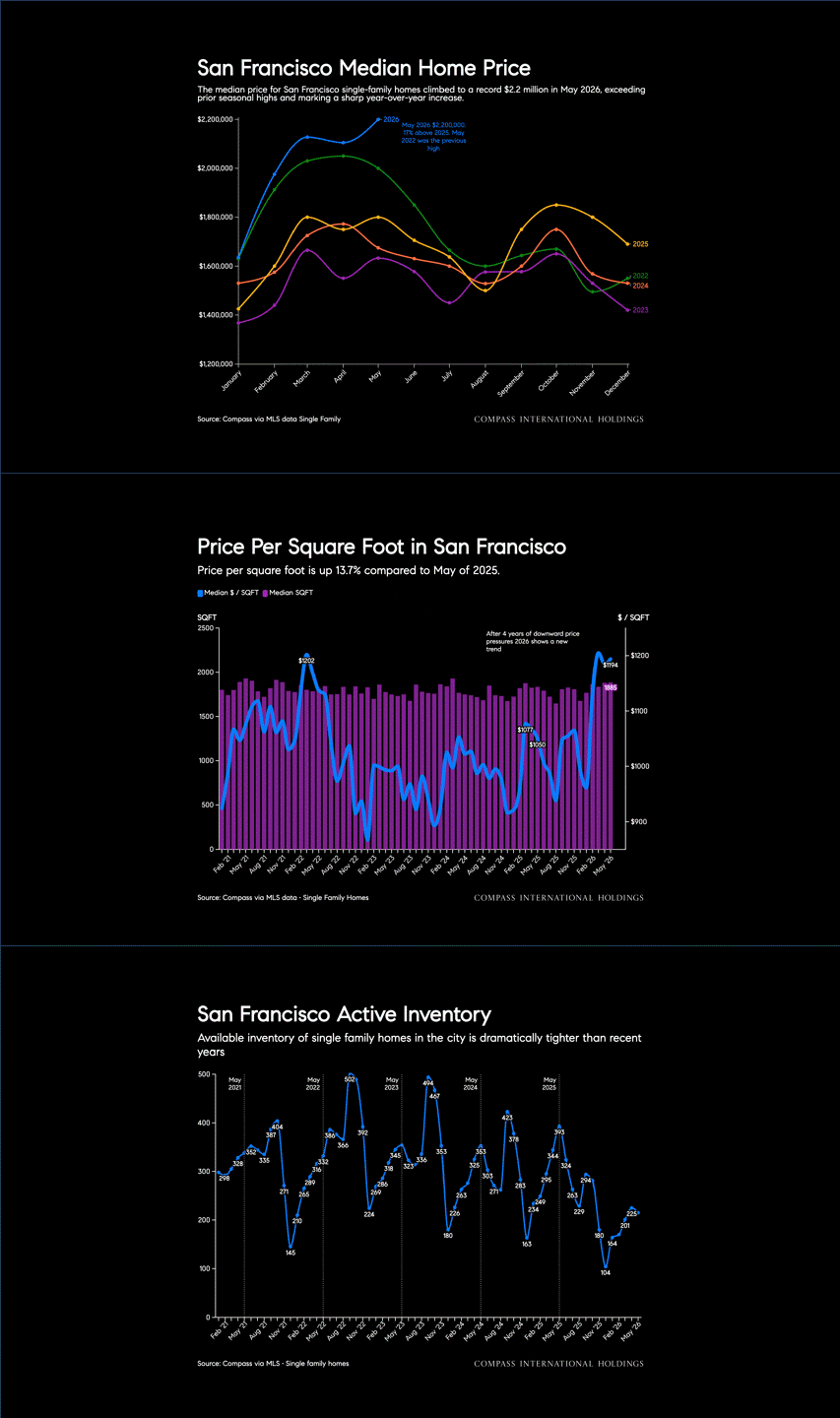
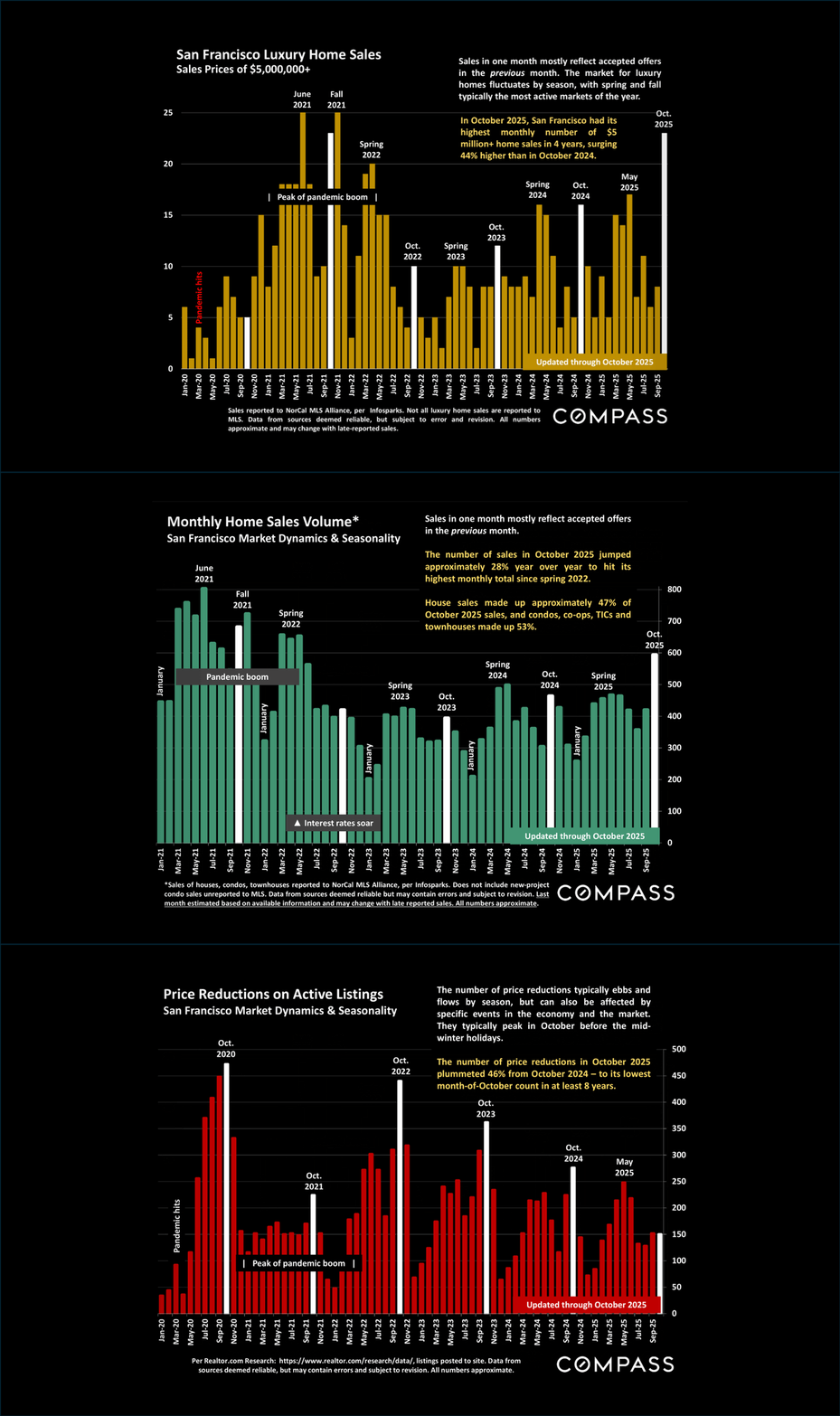
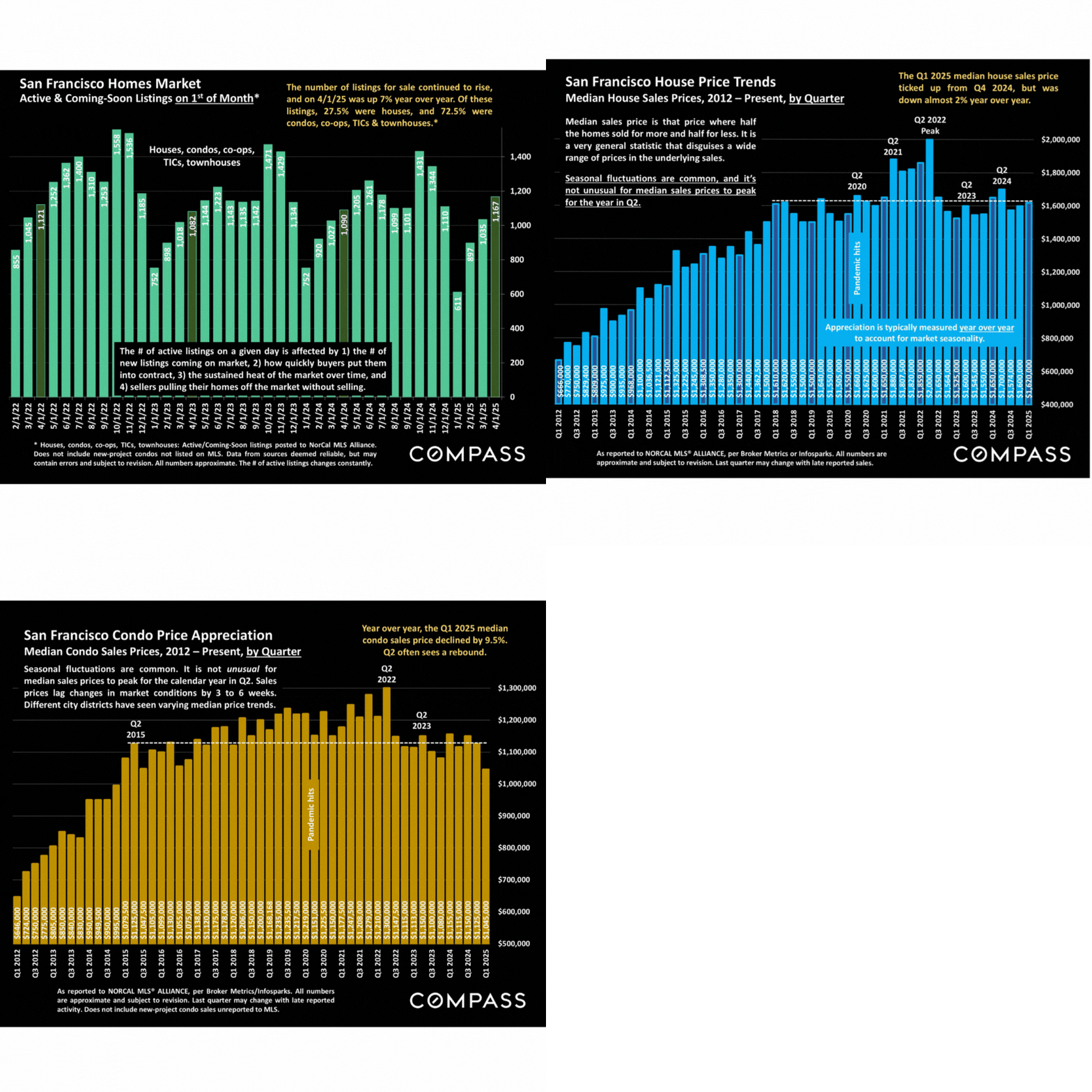
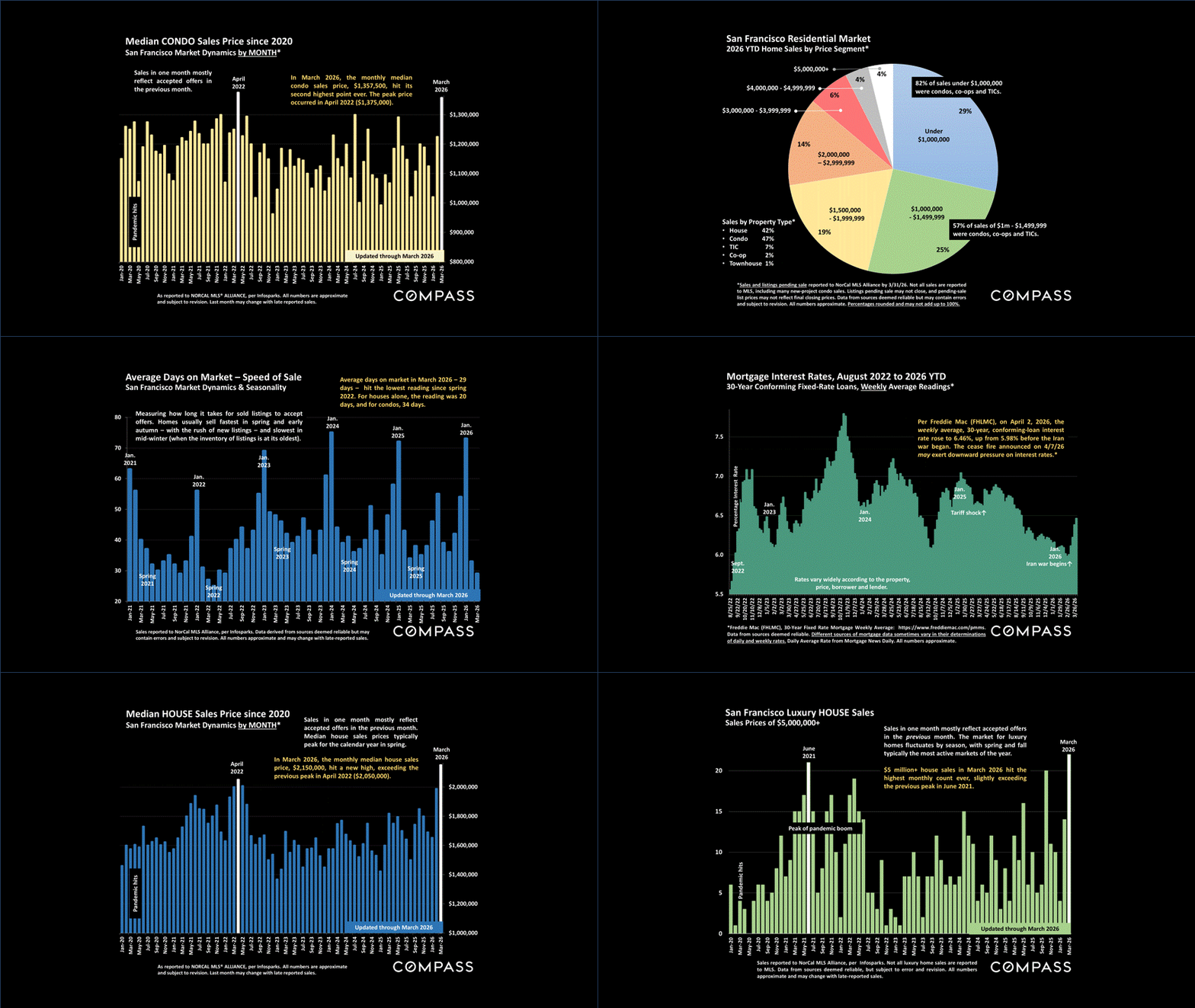
The ultra luxury segment, particularly single family homes and well-executed properties above $2M, is trading with significant momentum. Median house prices reached $2,150,000 in March, up 18% year-over-year, and luxury sales volumes have pushed past prior peaks, with $5M+ house sales hitting their highest monthly count on record. Competition remains elevated, with roughly 85% of house sales closing above list price.
That segment is setting the narrative, but it is not representative of the market as a whole. San Francisco is operating as two distinct markets, and the difference is not just price point, it is behavior.
At the high end, capital is competing with capital. In many cases, cash is competing with cash, and the outcome is determined by who is willing to move more decisively and with fewer constraints.
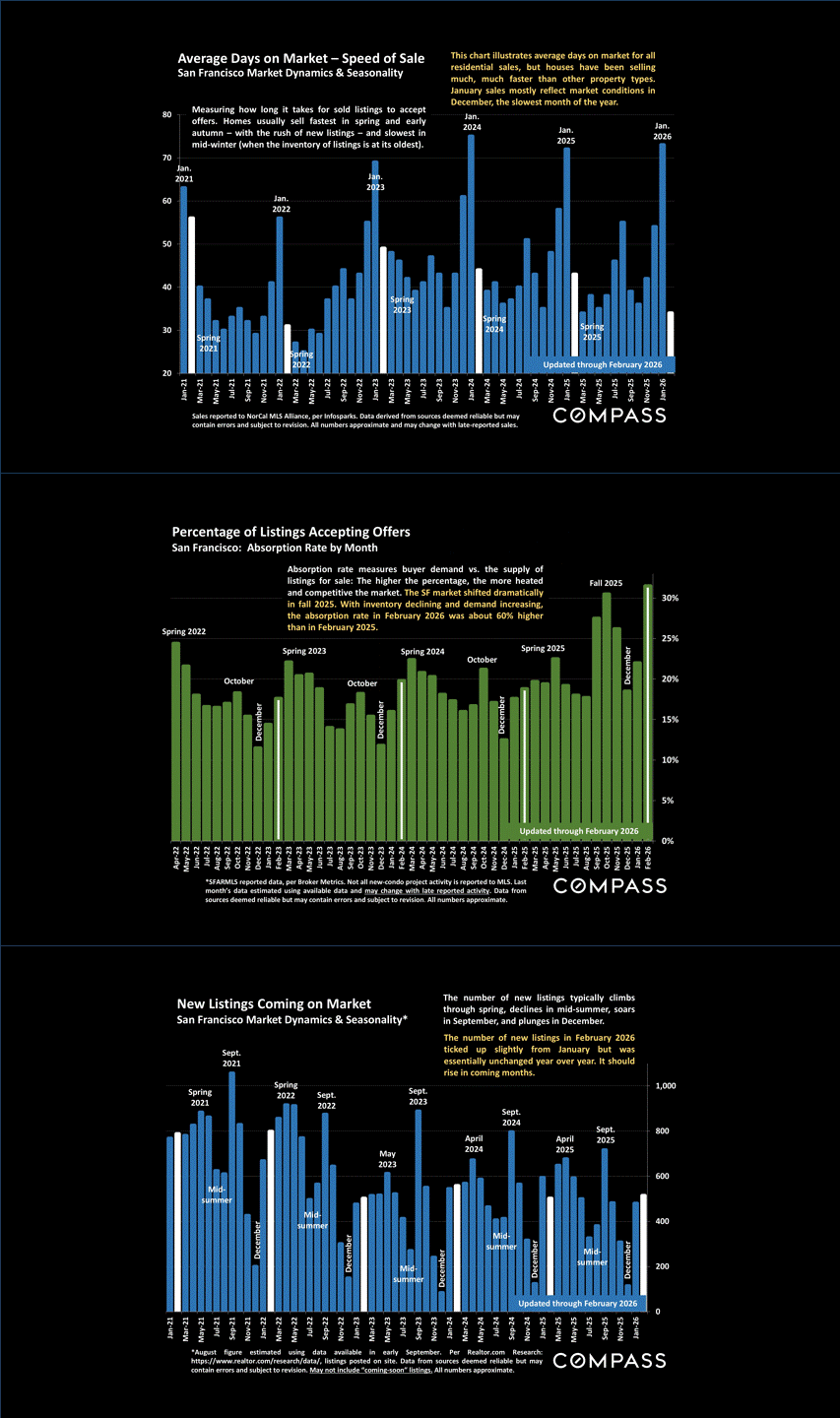
At the same time, well-positioned properties in the sub-$2M segment are seeing consistent activity, but with a very different dynamic. It is not uncommon to see 15 to 30 disclosure packages out, and only a handful of offers materialize. Overbidding is still occurring, but it is more measured, with condo overbidding averaging closer to 7% over list price, compared to roughly 23% for houses.
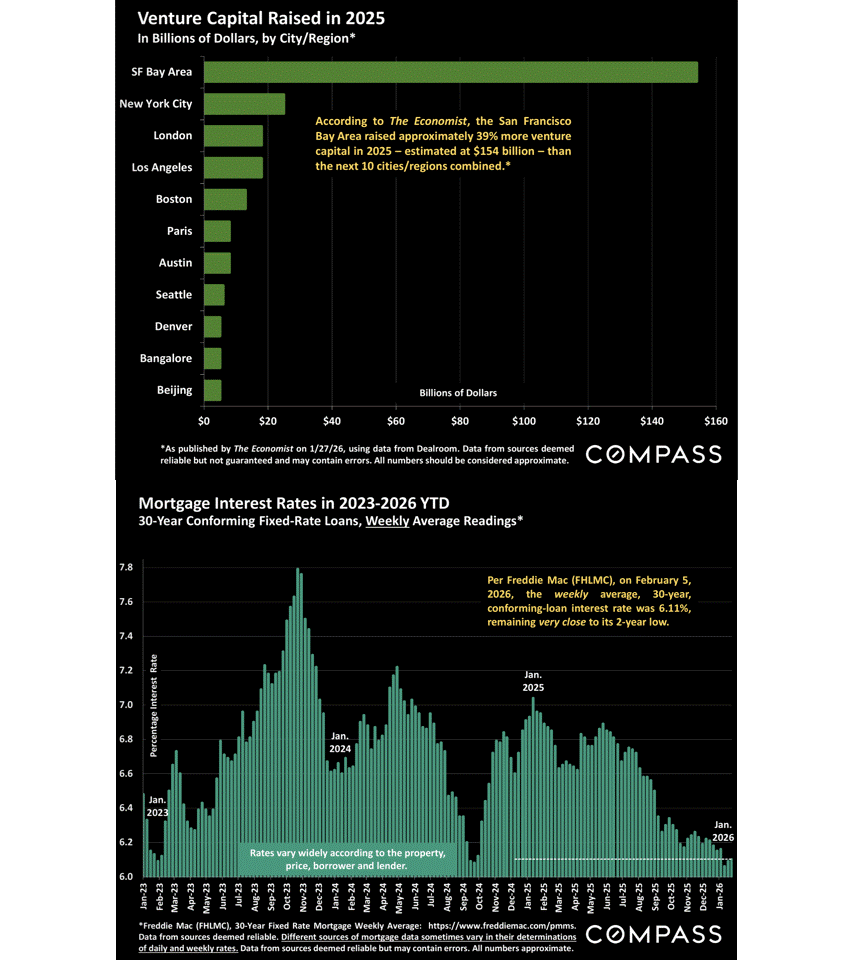
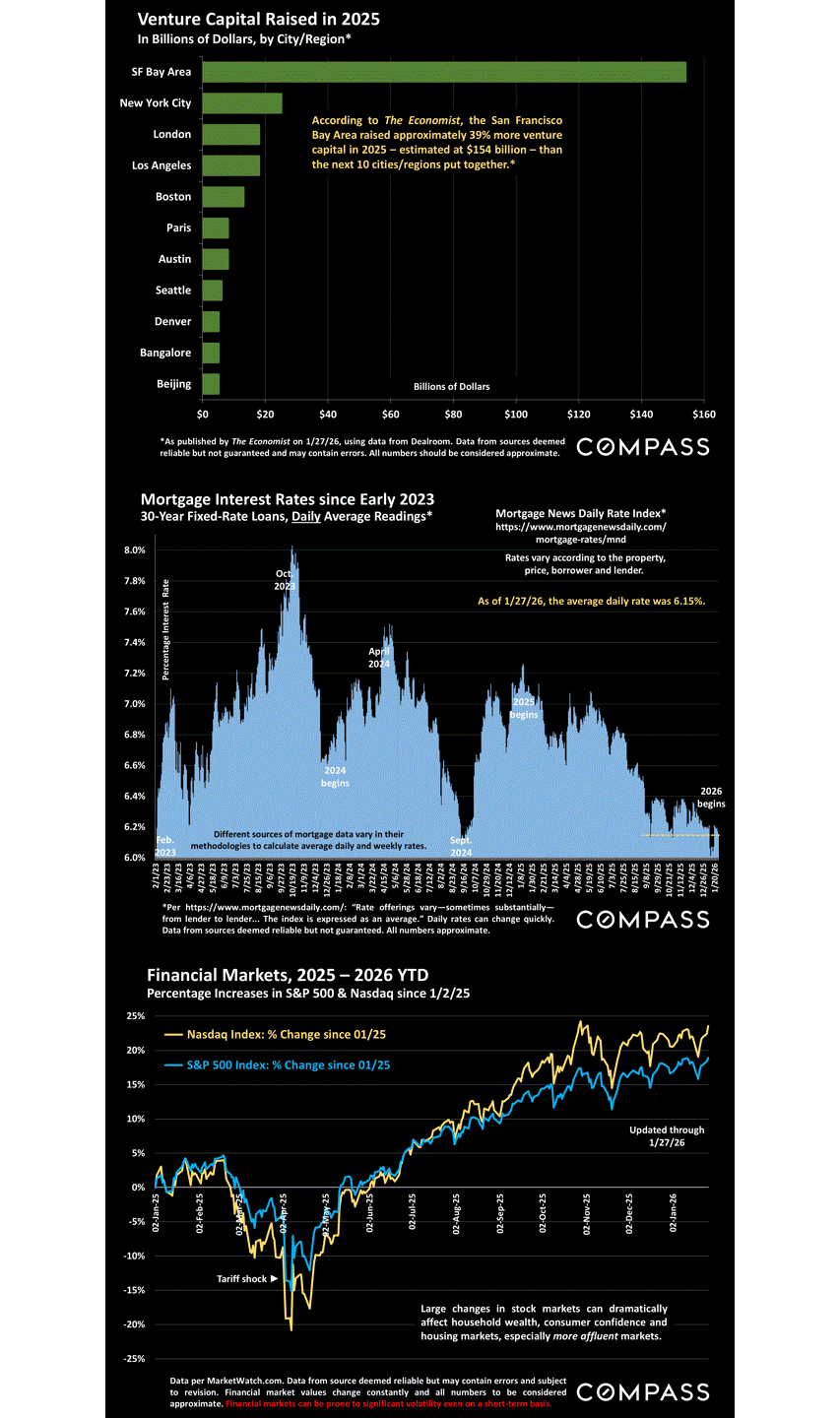
That difference is largely a function of how capital is showing up. During the low interest rate environment, financed buyers played a significant role in driving appreciation, as access to inexpensive capital expanded the buyer pool and increased competition across price points. The current market is different, but not entirely disconnected from that dynamic.
Financing still participates, but it is more selective, and the cost of capital has introduced a higher level of discipline into the process. At the top end, where cash is more prevalent, that constraint is less relevant, which is contributing to the divergence in behavior and outcomes across segments.
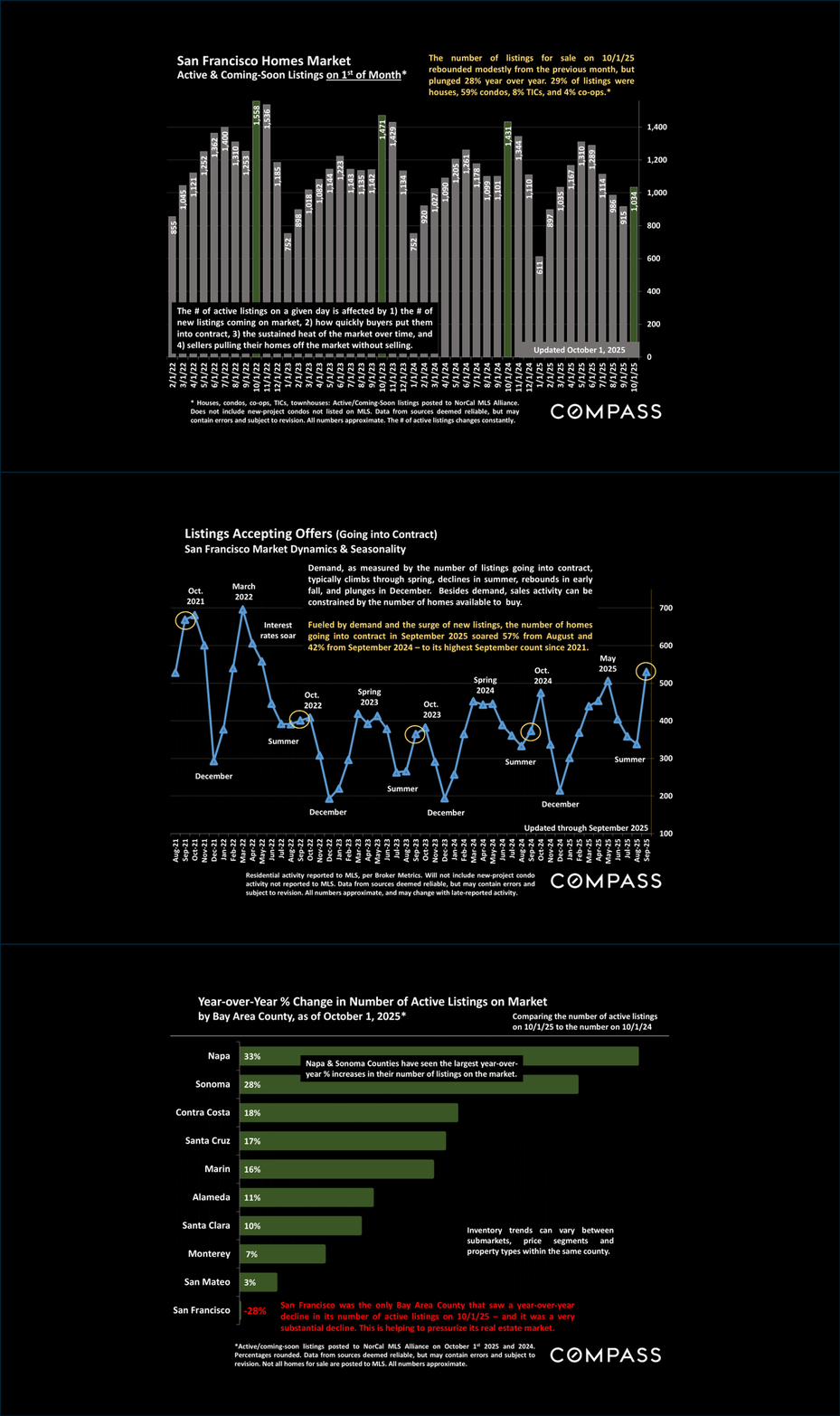
This is where the broader narrative breaks down. The high-end market continues to drive perception, but the majority of transactions are occurring in a segment that remains active, competitive, and comparatively more accessible. Over 70% of all sales are under $2M, and the majority of those transactions are condos and TICs, representing a meaningful portion of the market that continues to trade with consistency.
At the same time, San Francisco continues to outperform many national markets. Supply remains constrained, demand remains durable, and well-positioned properties continue to transact with consistency.
Ultimately, this market is not defined by a single condition. It is defined by divergence in capital, behavior, and ultimately by outcomes. The high-end market may be setting the tone, but it is not defining the full landscape. Buying in San Francisco is not universally unattainable, but it does require a clear understanding of where opportunity exists and the discipline to operate within it.
In a market like this, success is less about reacting to the loudest signals and more about staying measured, recognizing where conditions are different, and moving with intention when the right opportunity presents itself.