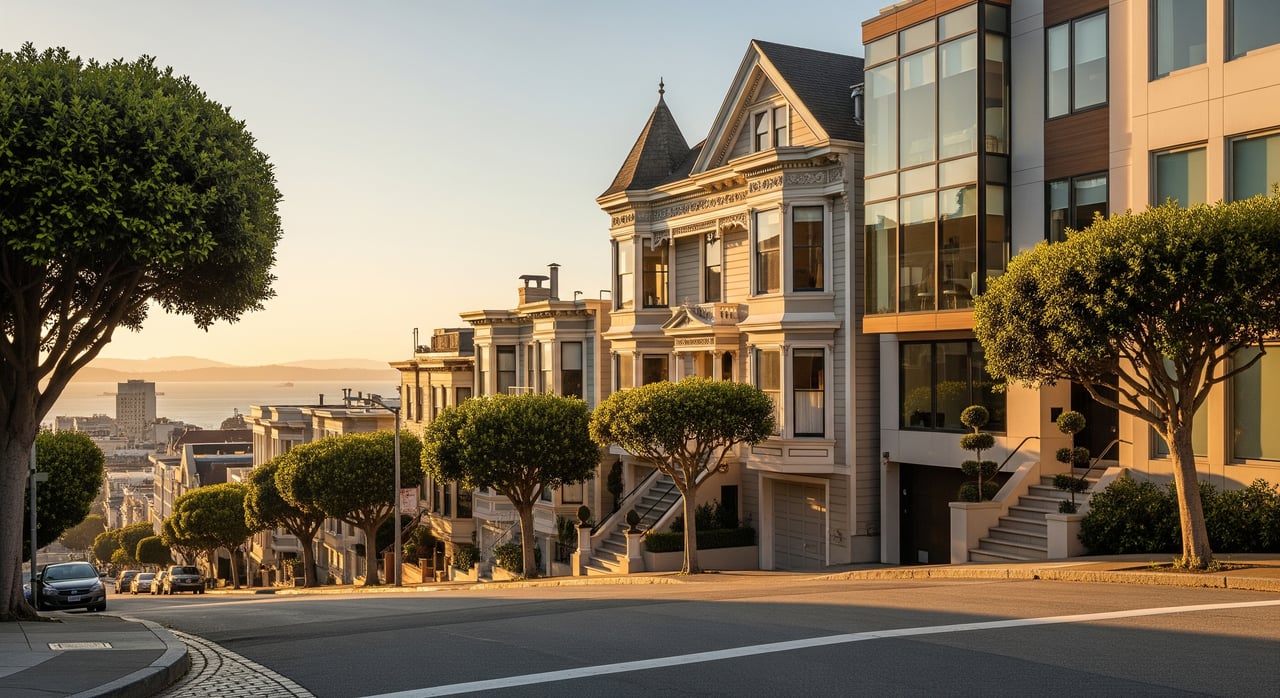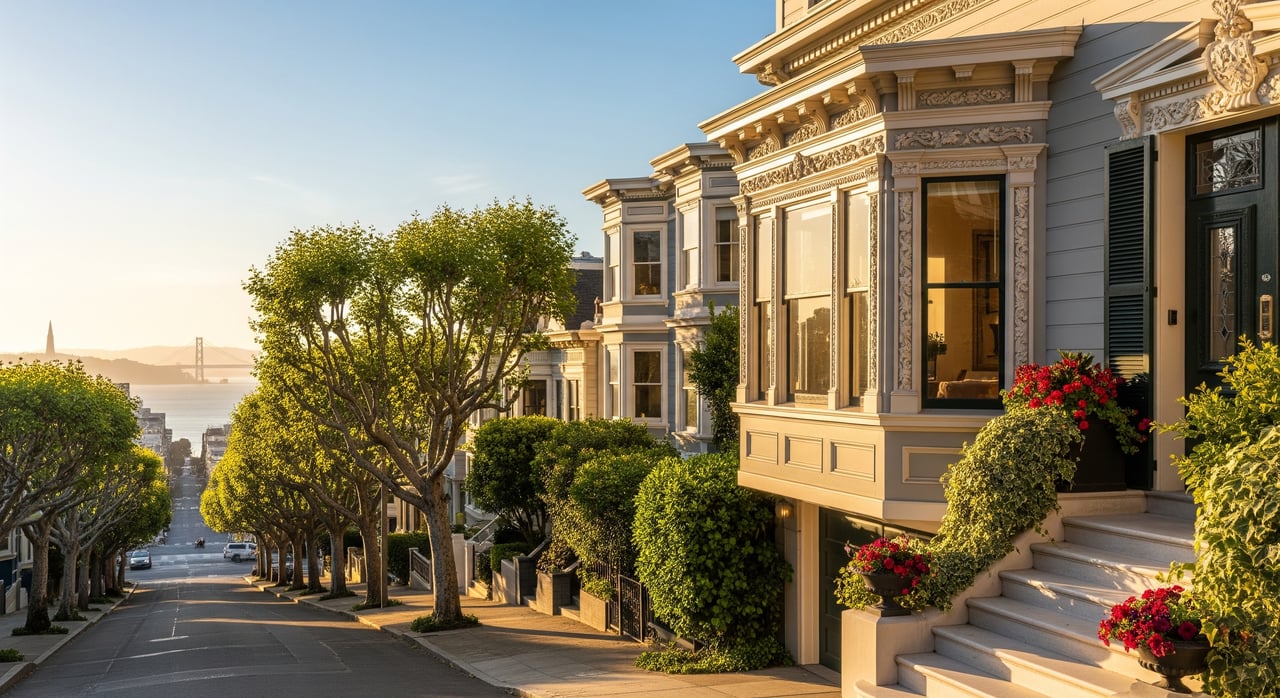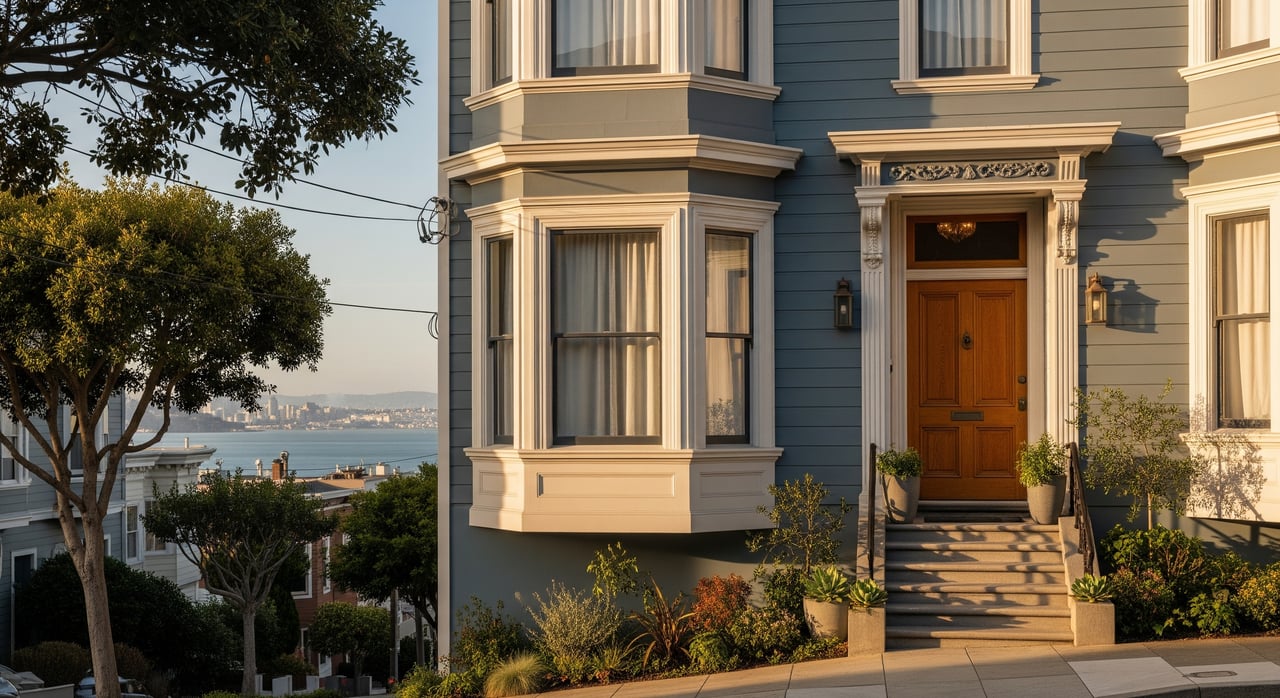
Recently I evaluated a condominium that captured something I’ve been seeing more frequently across the San Francisco market.
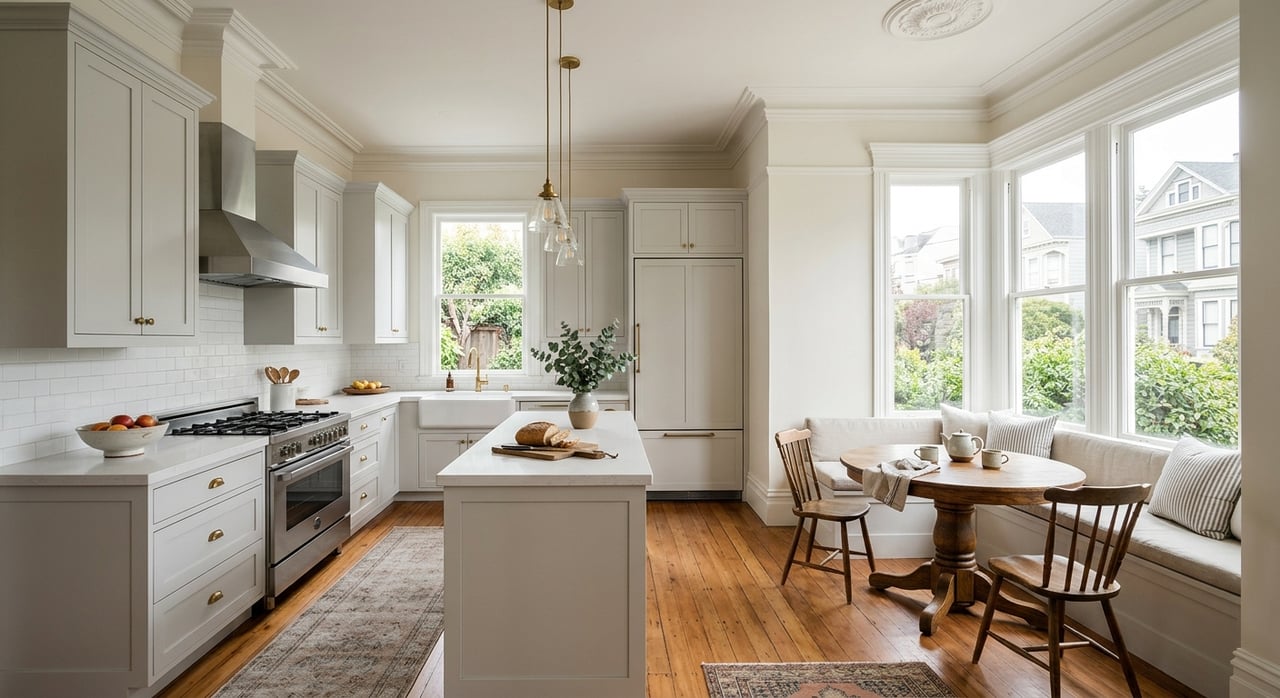
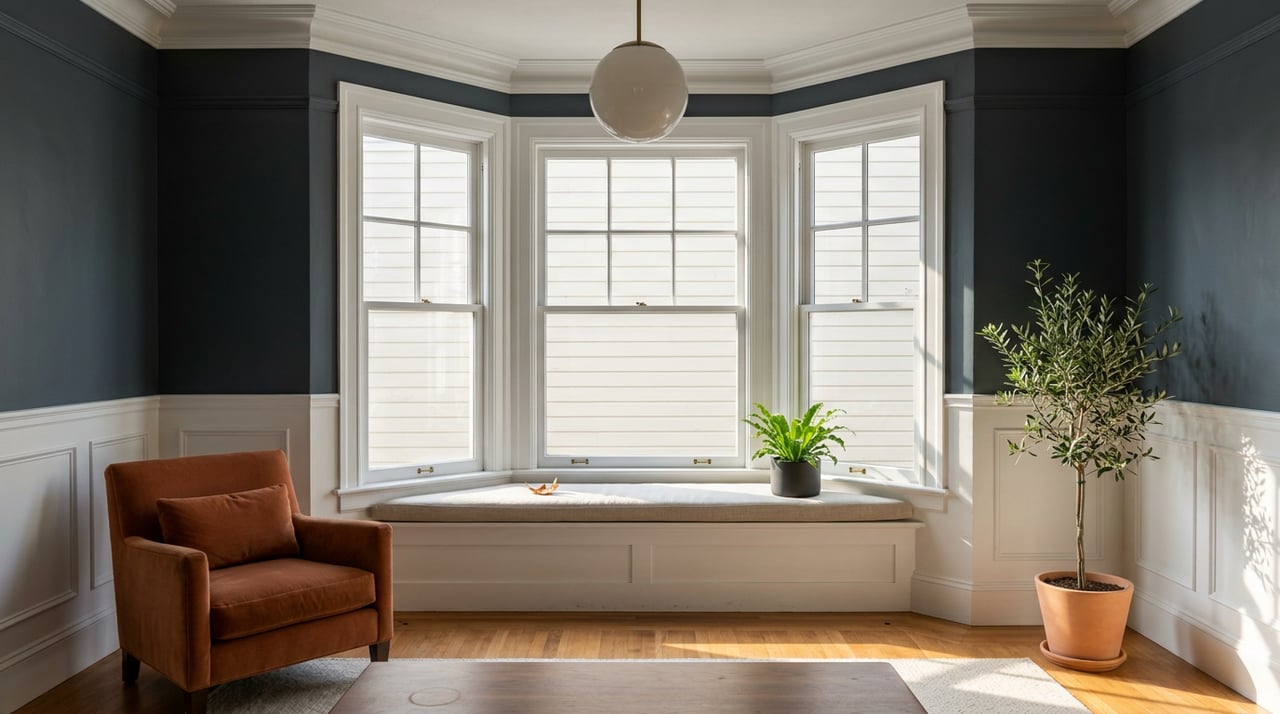
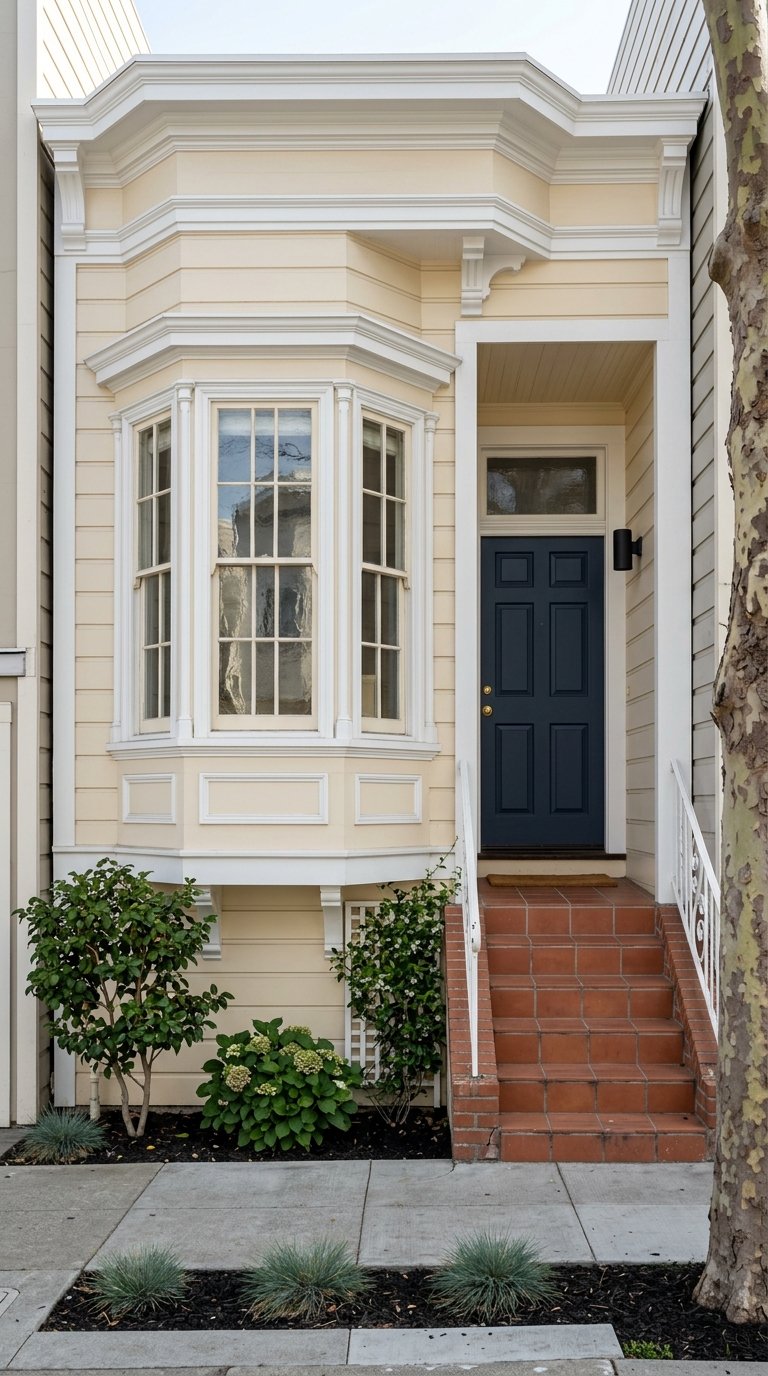
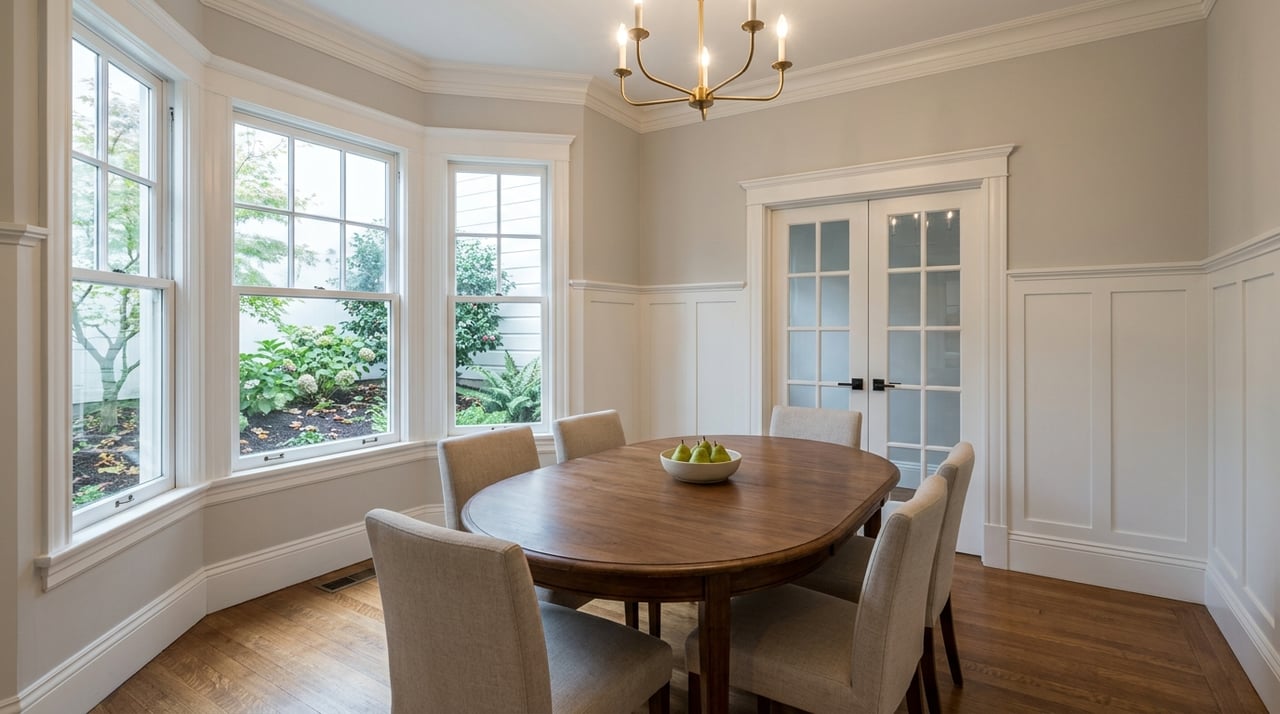
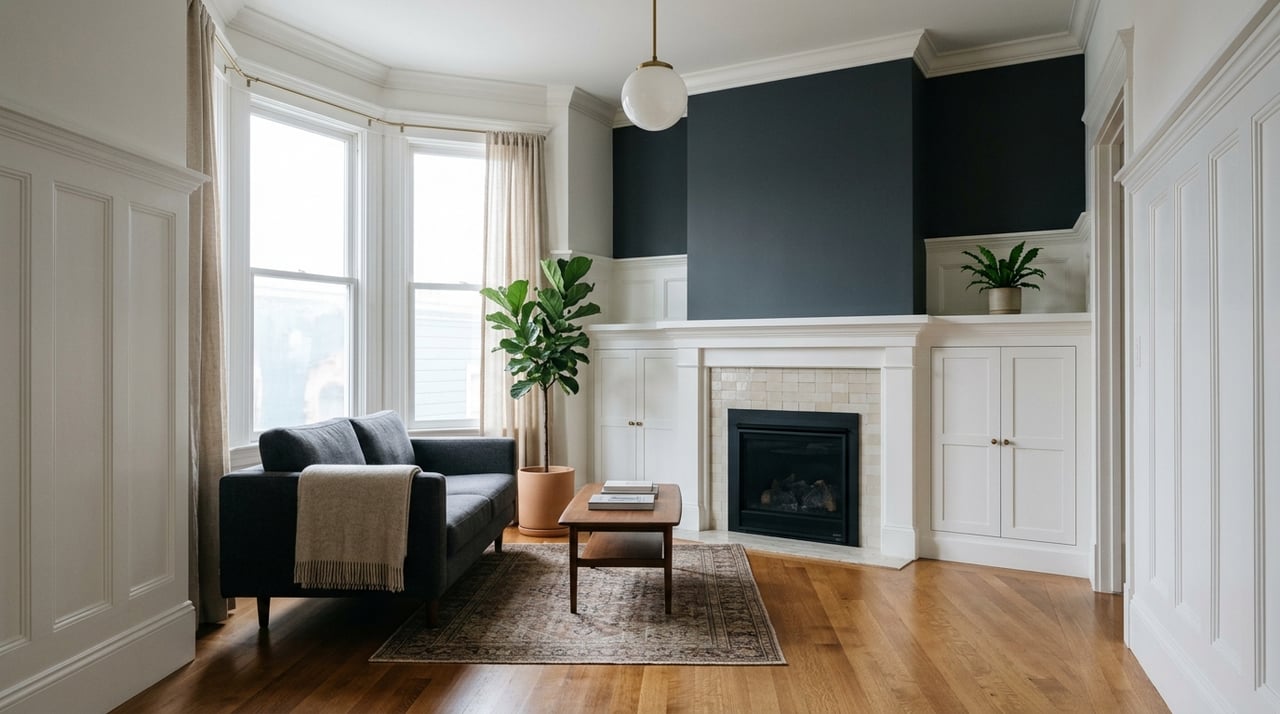
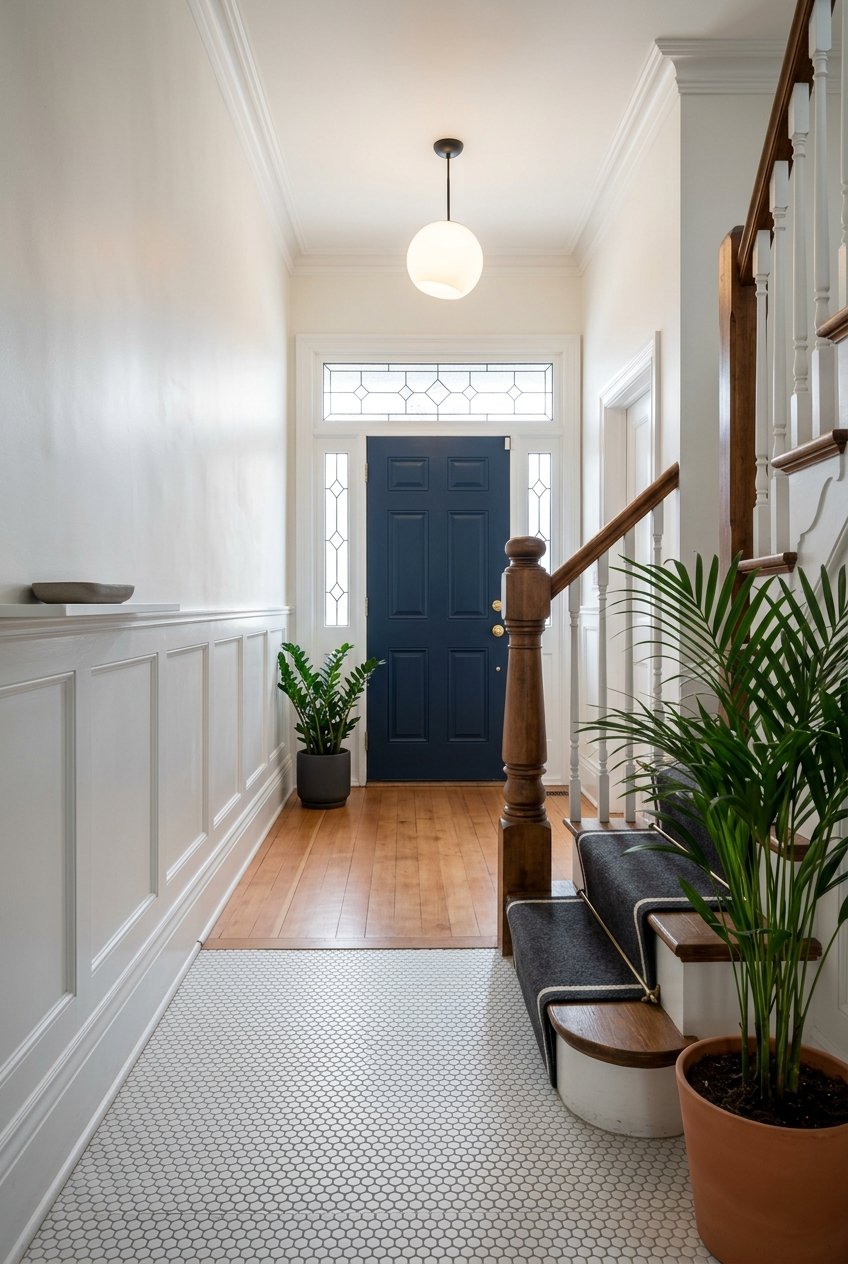
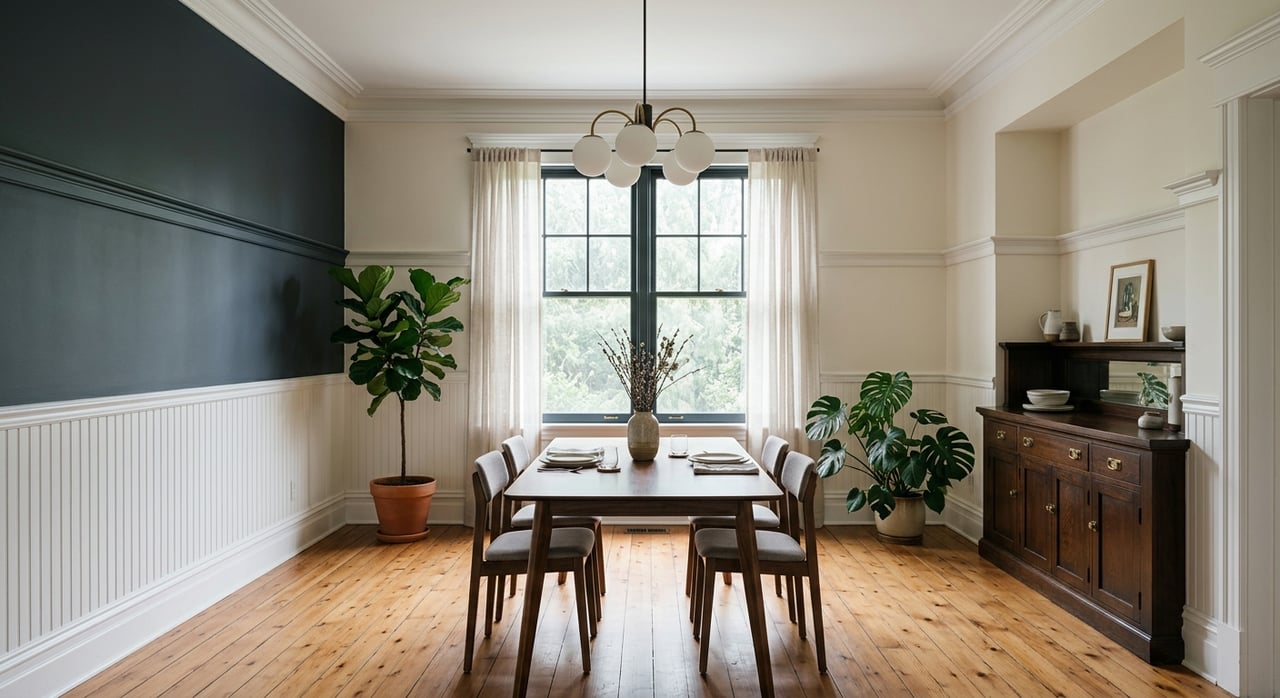
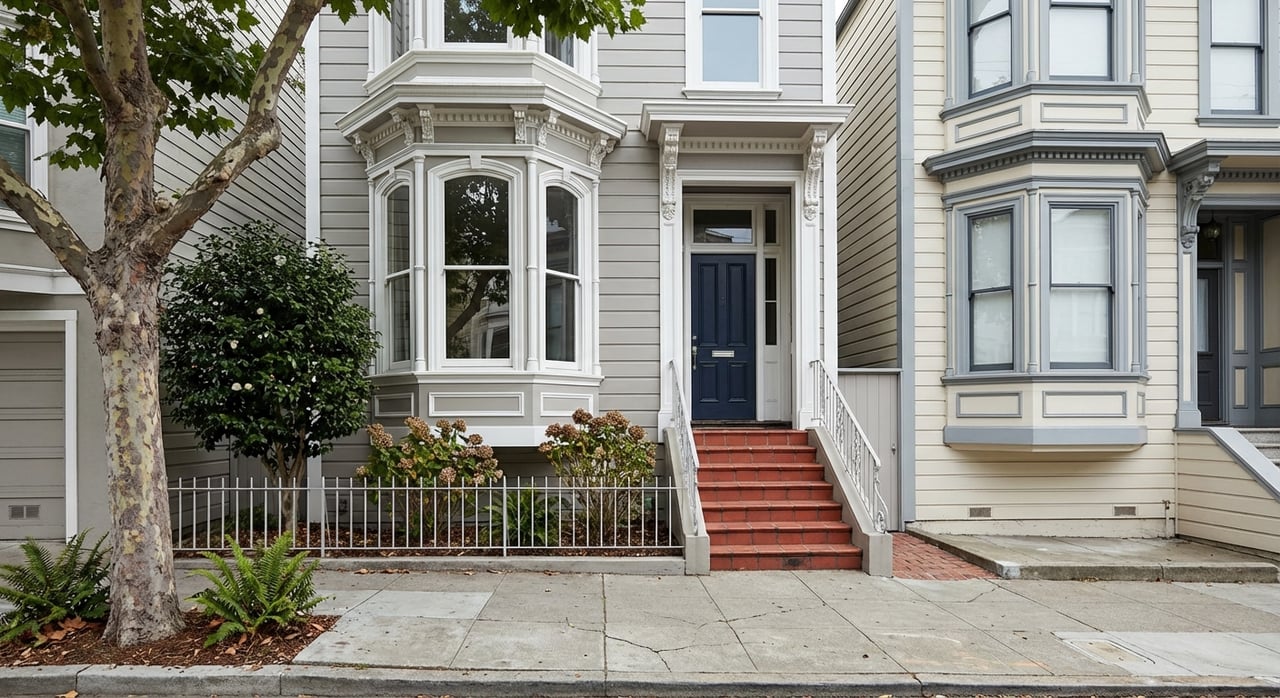
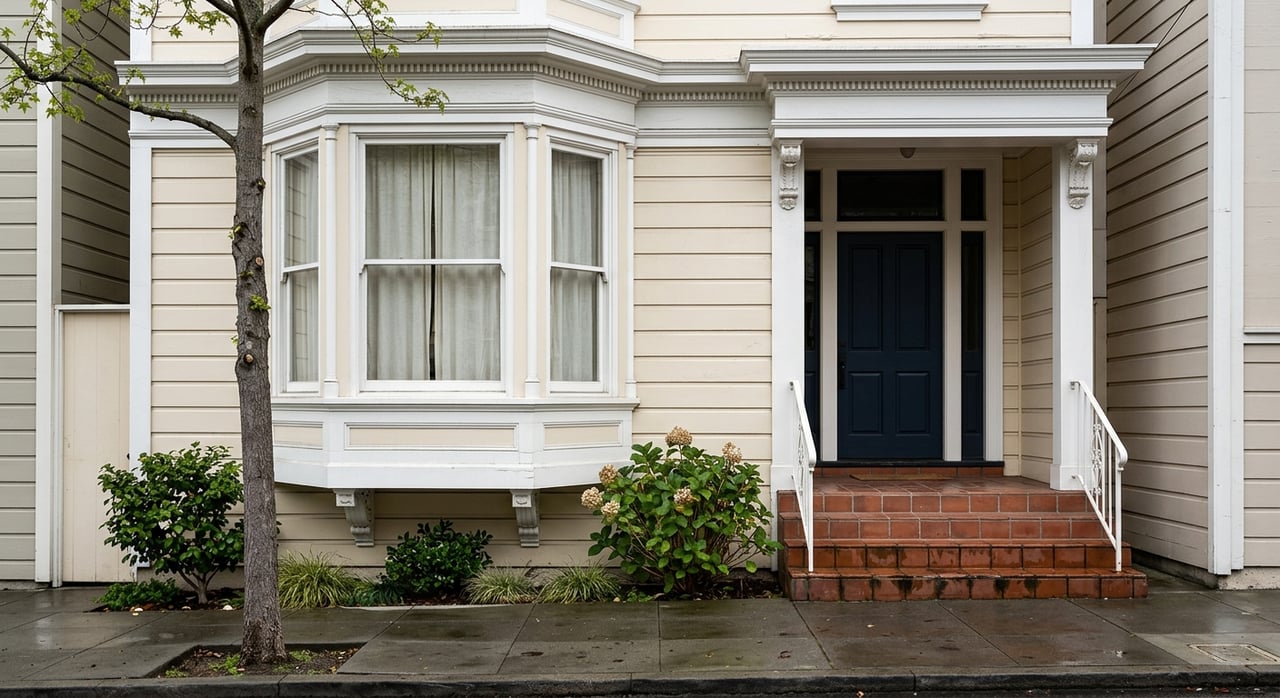
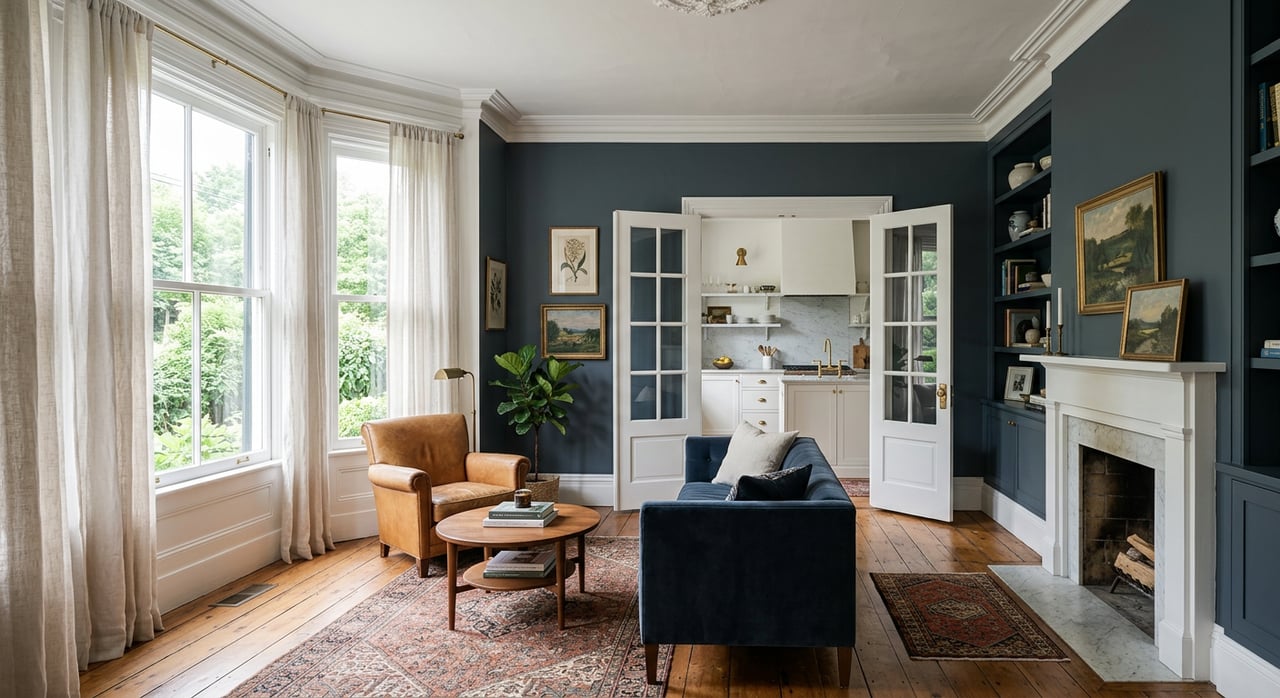
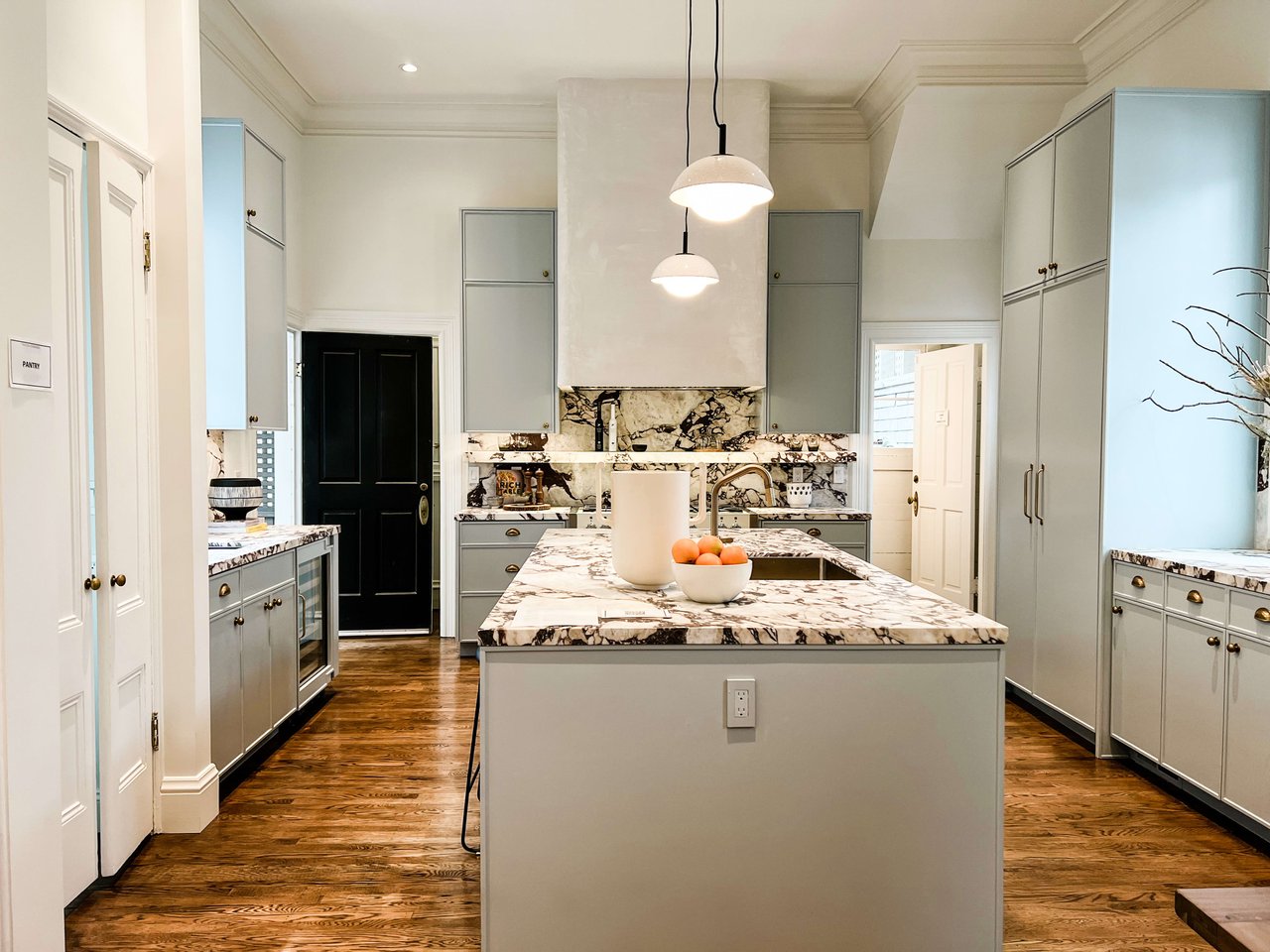
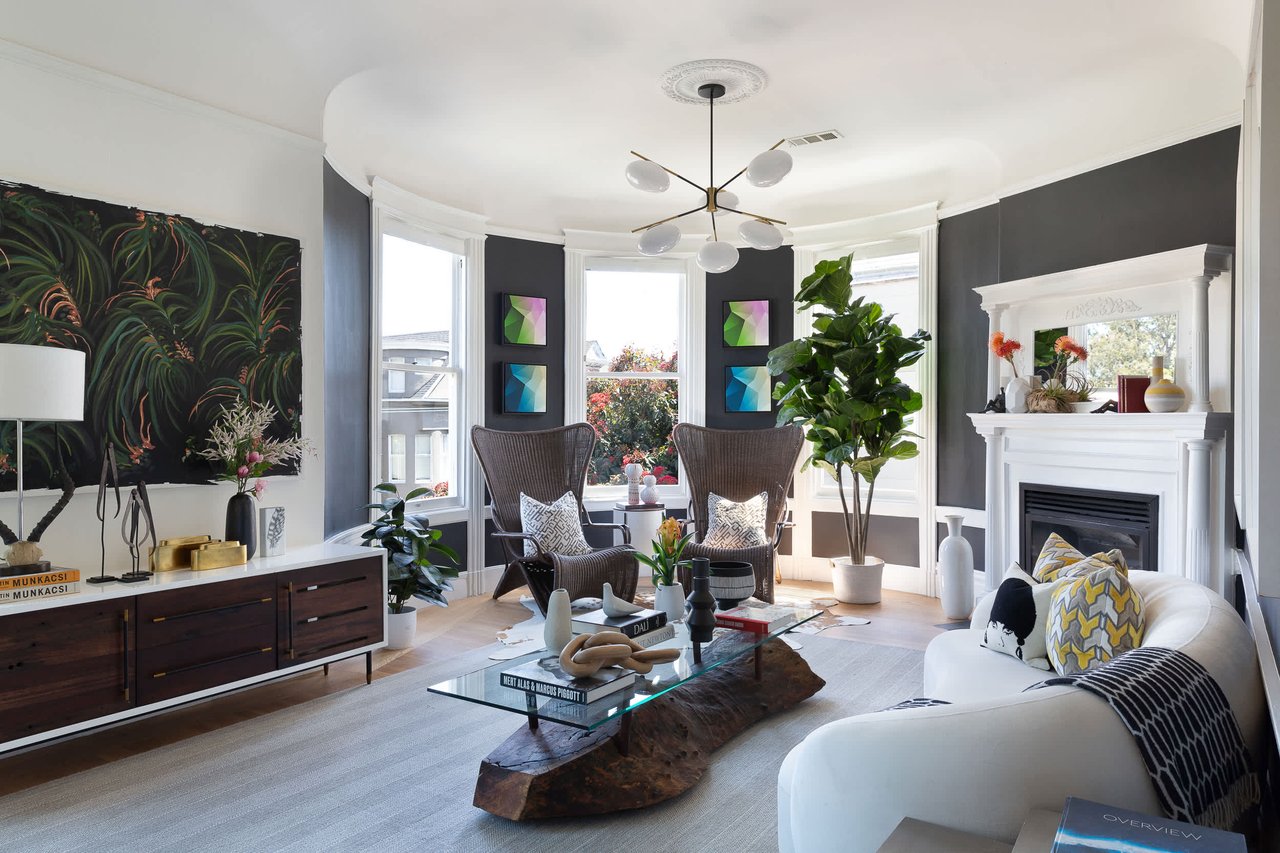
In many ways, it represented exactly what buyers hope to find in the city. The home itself was beautiful: classic Victorian detailing, soaring ceilings, thoughtful renovations, and construction quality that was immediately reassuring. The building had undergone significant seismic retrofitting and the interiors were impeccably maintained. It was the kind of property that invites buyers to slow down and imagine themselves living there.
The home was also presented beautifully, and the listing agents did an excellent job marketing it. Everything about the way the property was brought to market reflected a thoughtful approach to showcasing its strengths.
At the same time, the property came with a few complexities.
There were real-world considerations buyers needed to evaluate, including location and title nuances. These are the kinds of details buyers typically weigh carefully before deciding whether to compete for a home.
A year ago, situations like this often translated into hesitation or a meaningful discount to the eventual sale price.
This time the response was different.
The property ultimately attracted multiple strong offers. Buyers were prepared to move decisively and compete even with the complexities. The conversation wasn’t about whether the property was flawless. It was about how to position themselves to win.
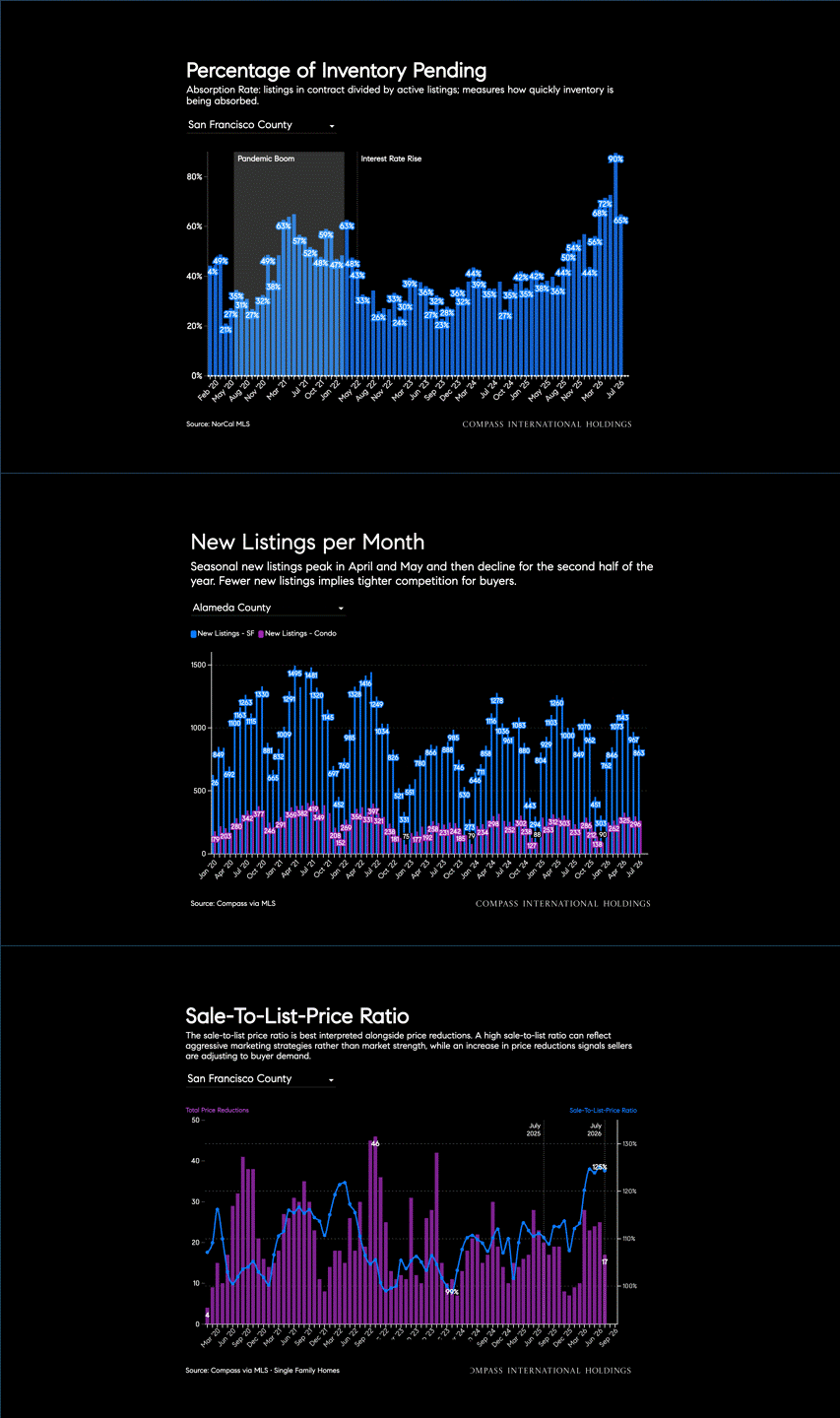
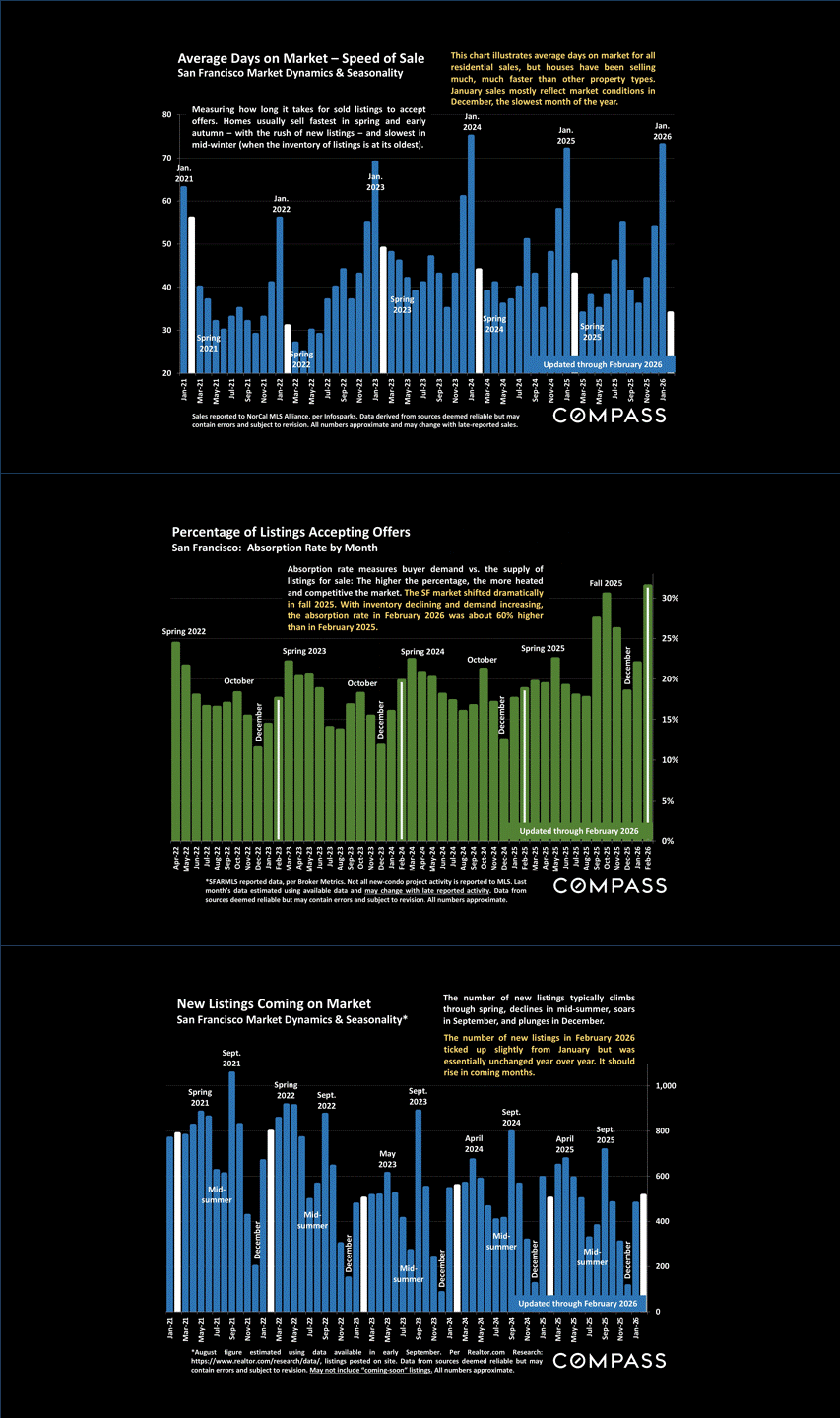
Moments like this often reveal shifts in buyer behavior before broader market statistics begin to reflect them.
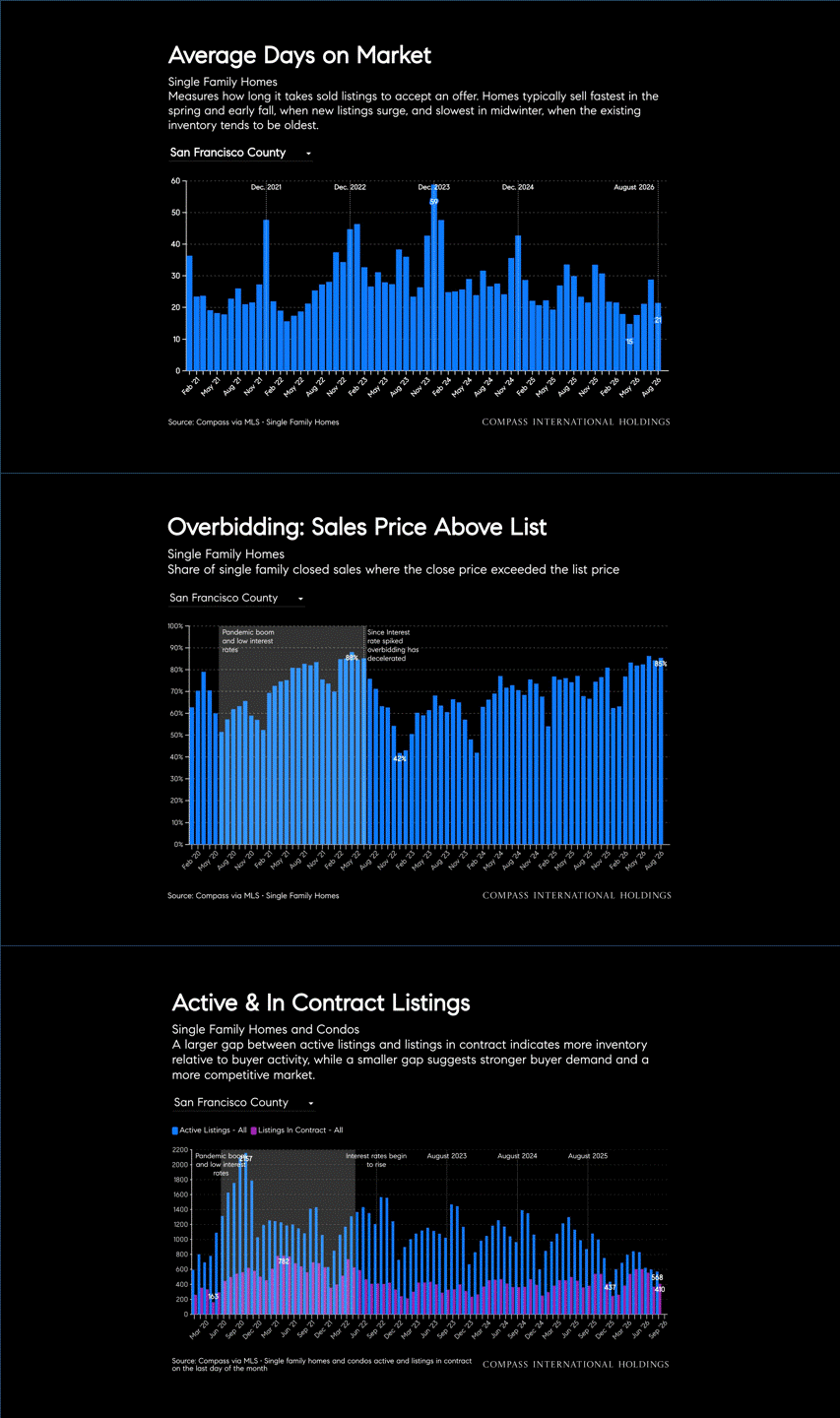
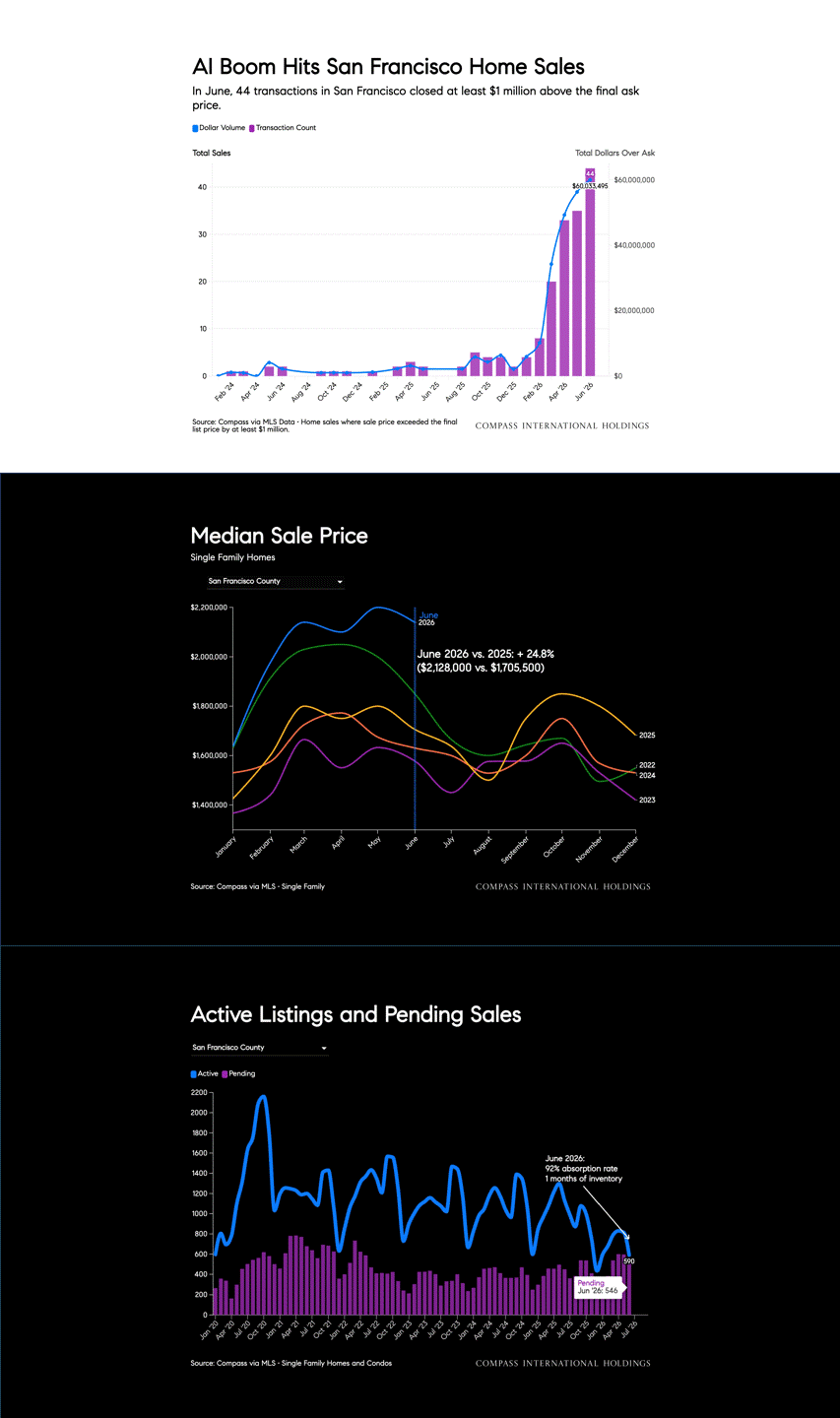
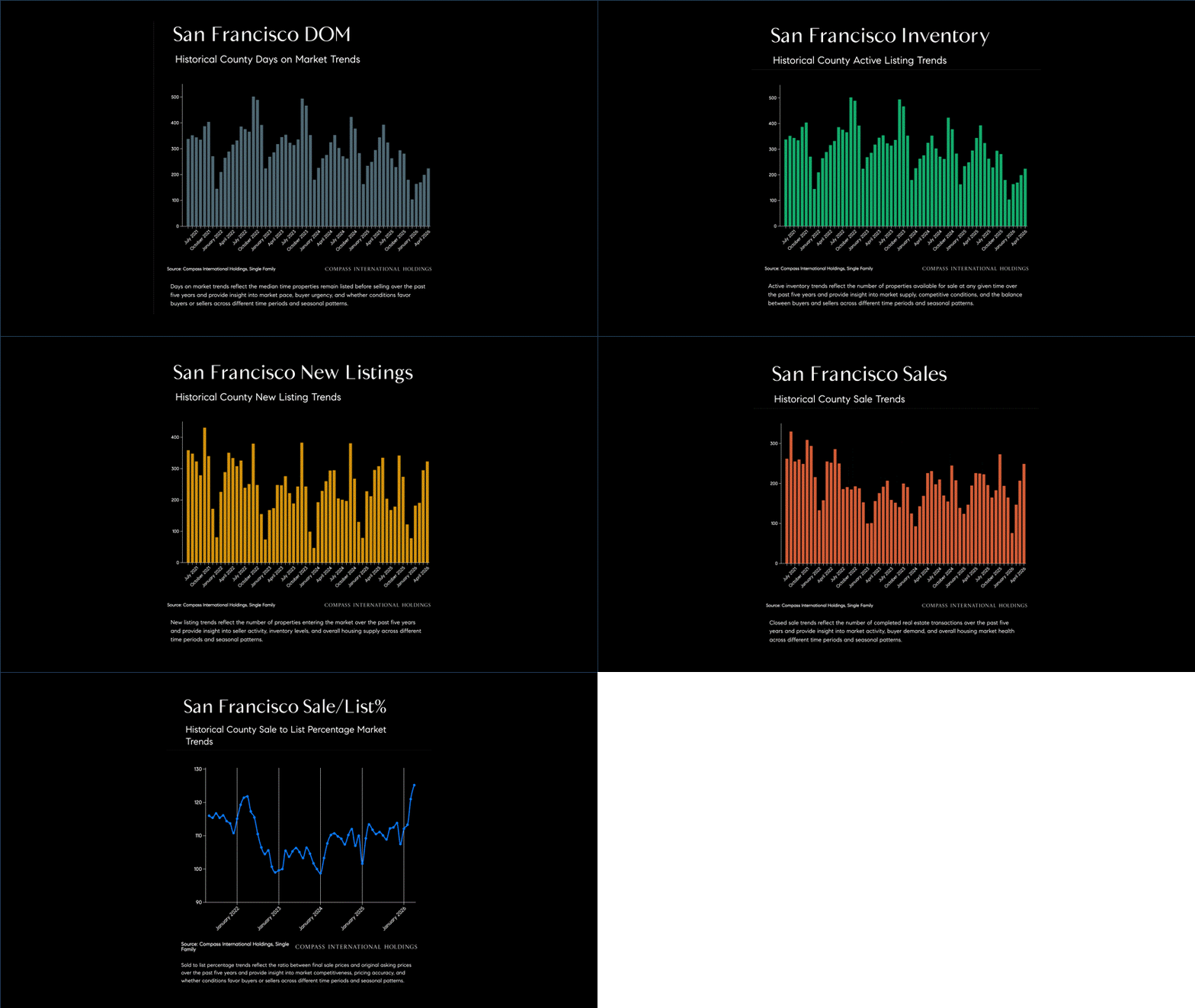
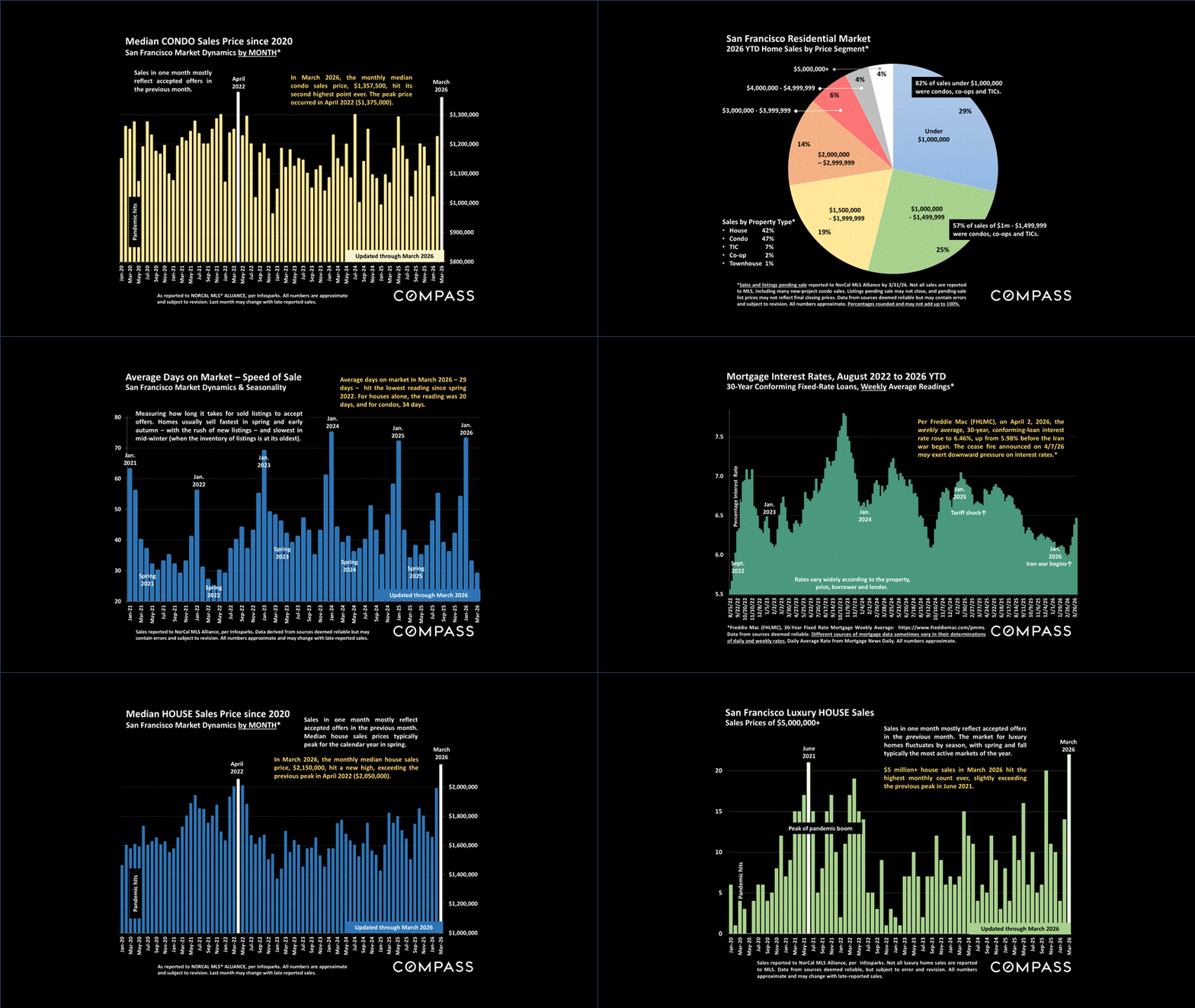
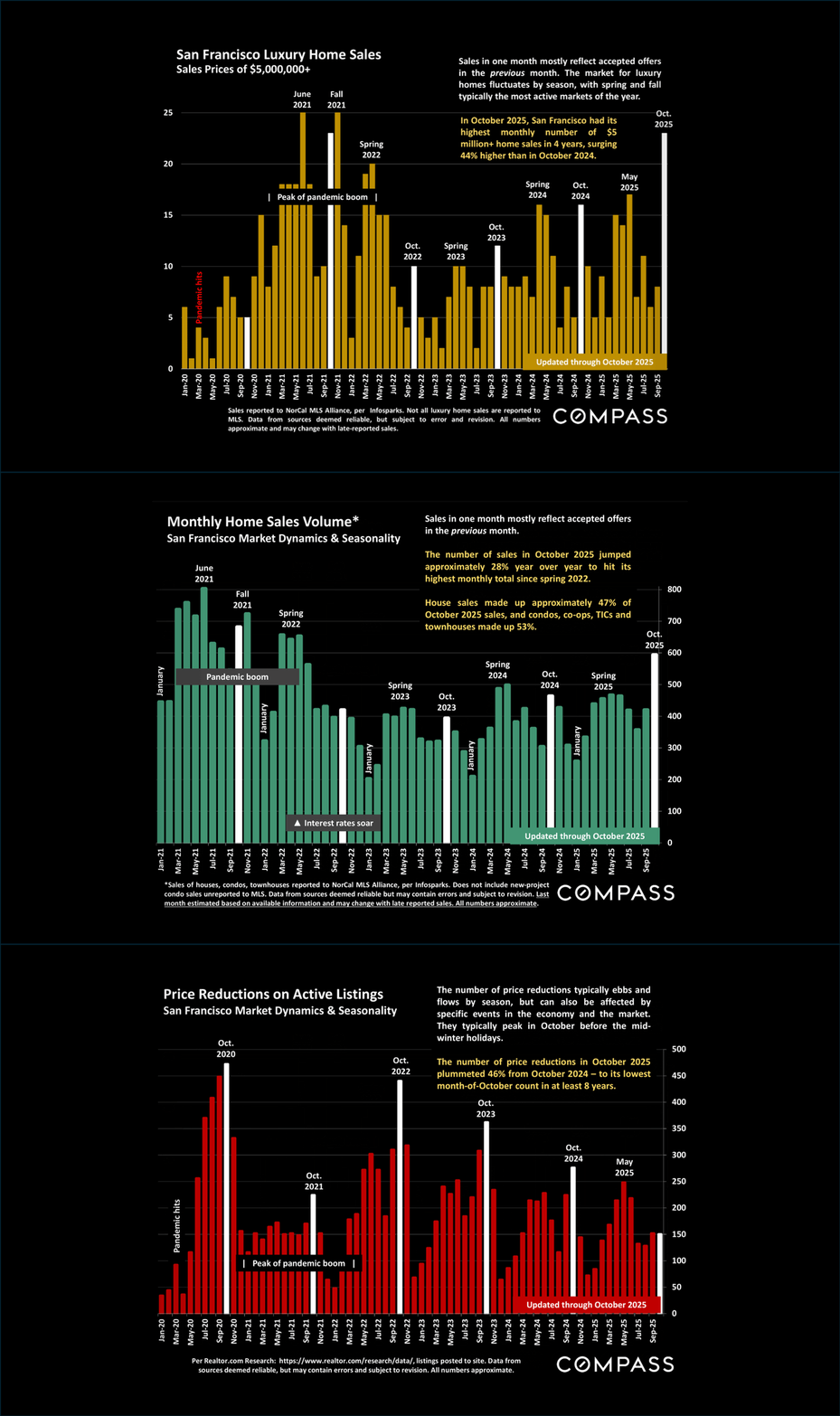
Over the past several weeks, similar patterns have begun appearing across the city. Turnkey single-family homes are drawing aggressive competition, and even condominiums with nuanced considerations are attracting multiple strong offers when the underlying fundamentals are strong.
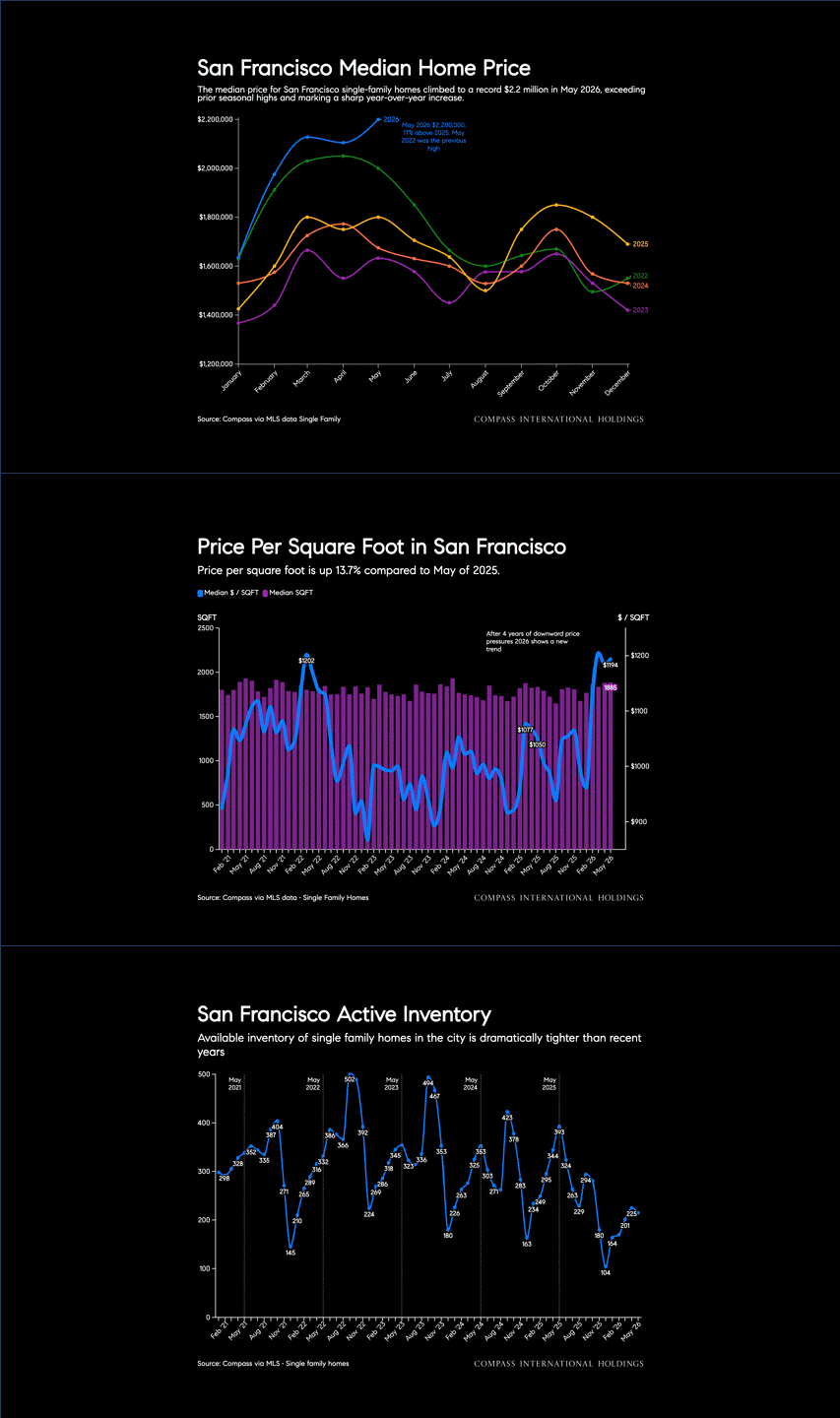
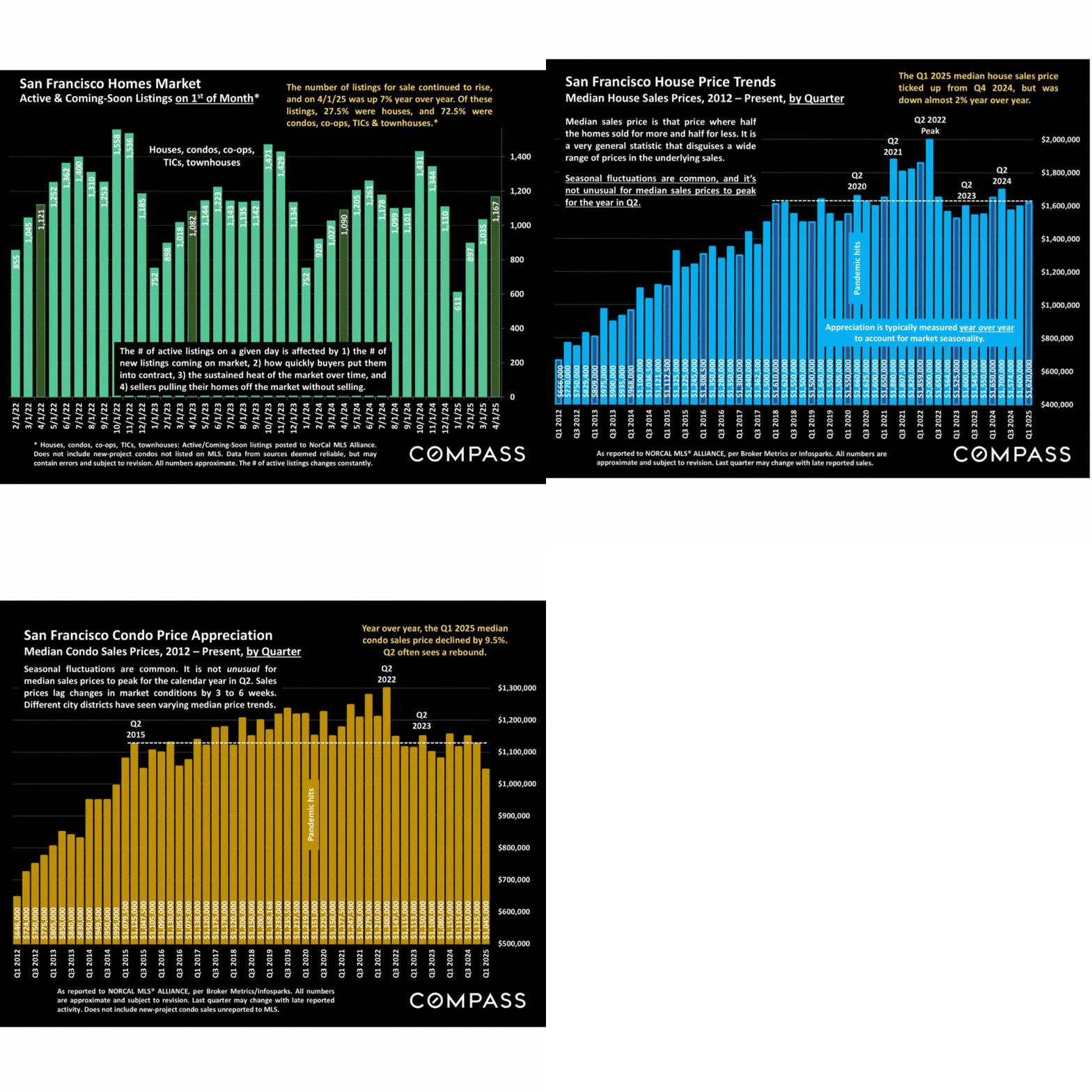
The pricing signals are beginning to reflect that shift as well.
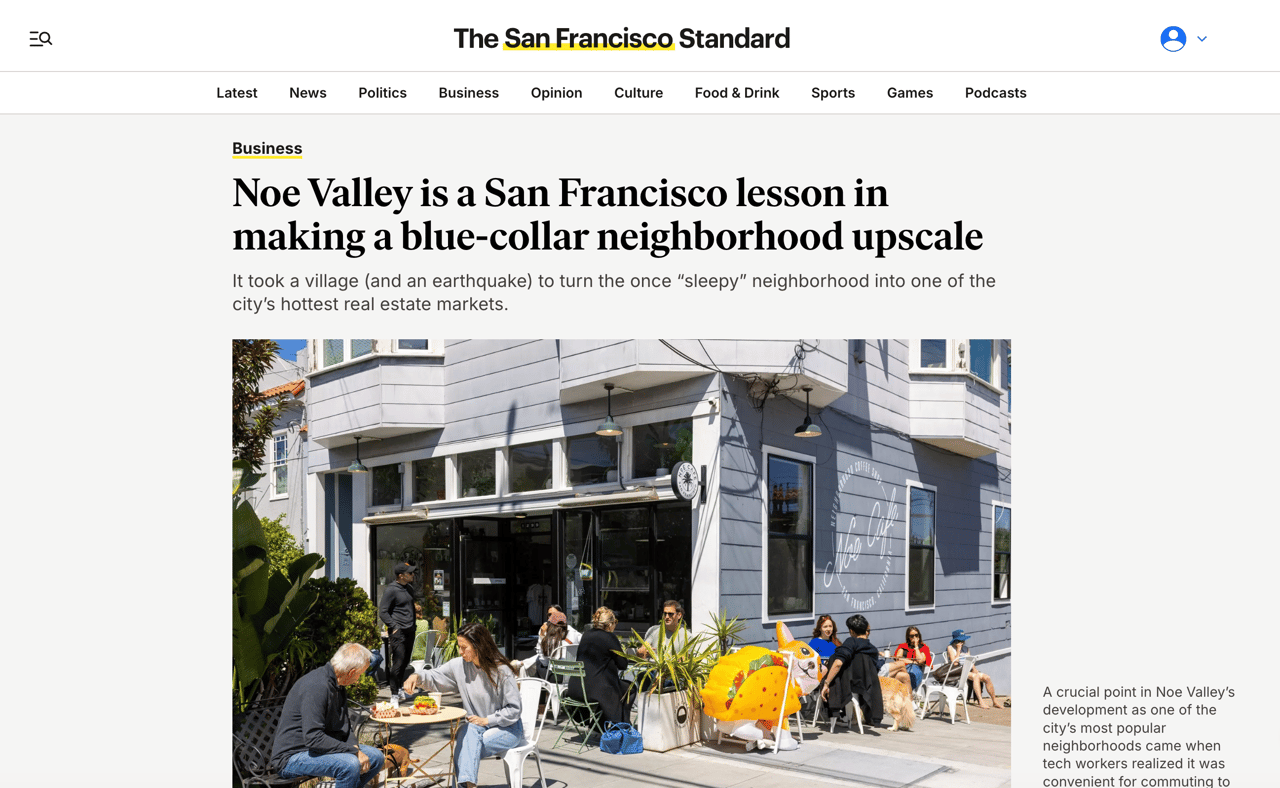
In Noe Valley, well-positioned single-family homes are now trading close to $2,000 per square foot. In the Inner Sunset, fully renovated homes are pushing toward $1,600 per square foot when they are dialed in and move-in ready. And in Pacific Heights, single-family homes with dramatic views and top-tier finishes are beginning to break into the $3,000 per square foot range.
These numbers don’t appear everywhere at once, but they tend to surface first in neighborhoods where demand historically leads the market.
What’s changing most noticeably is buyer psychology.
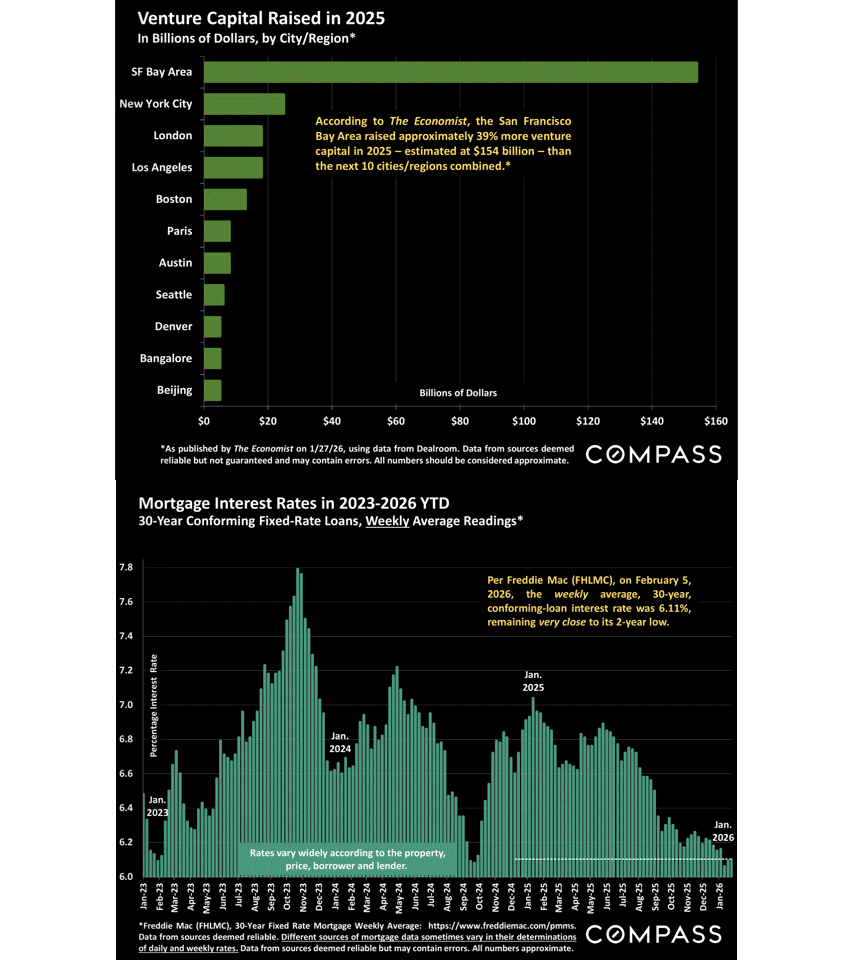
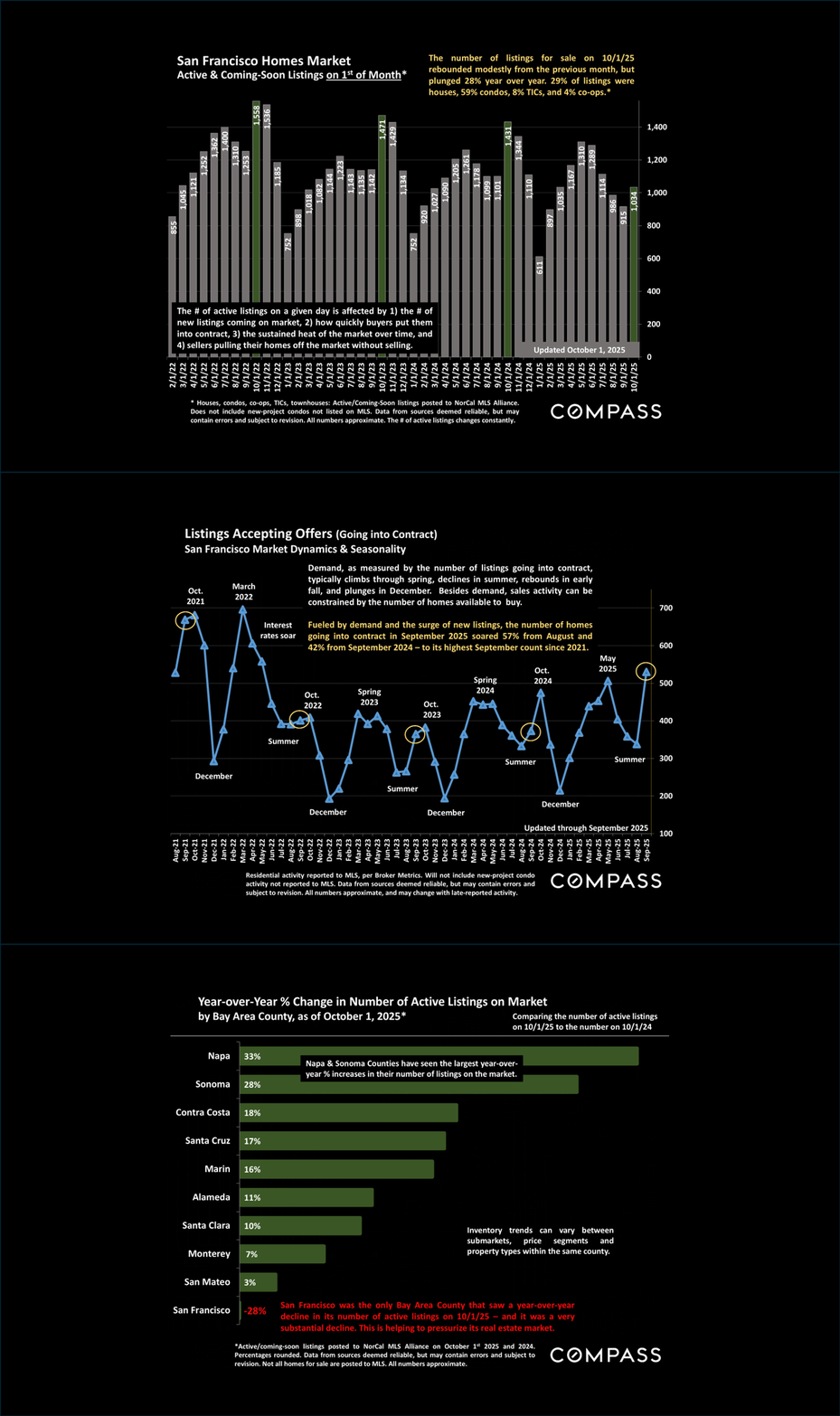
Over the past two years, elevated interest rates and broader economic uncertainty encouraged many buyers to wait for the perfect opportunity. Today that equation appears to be shifting. Demand is building again, and when the right property appears, buyers are increasingly willing to accept tradeoffs in order to secure a foothold in the market.
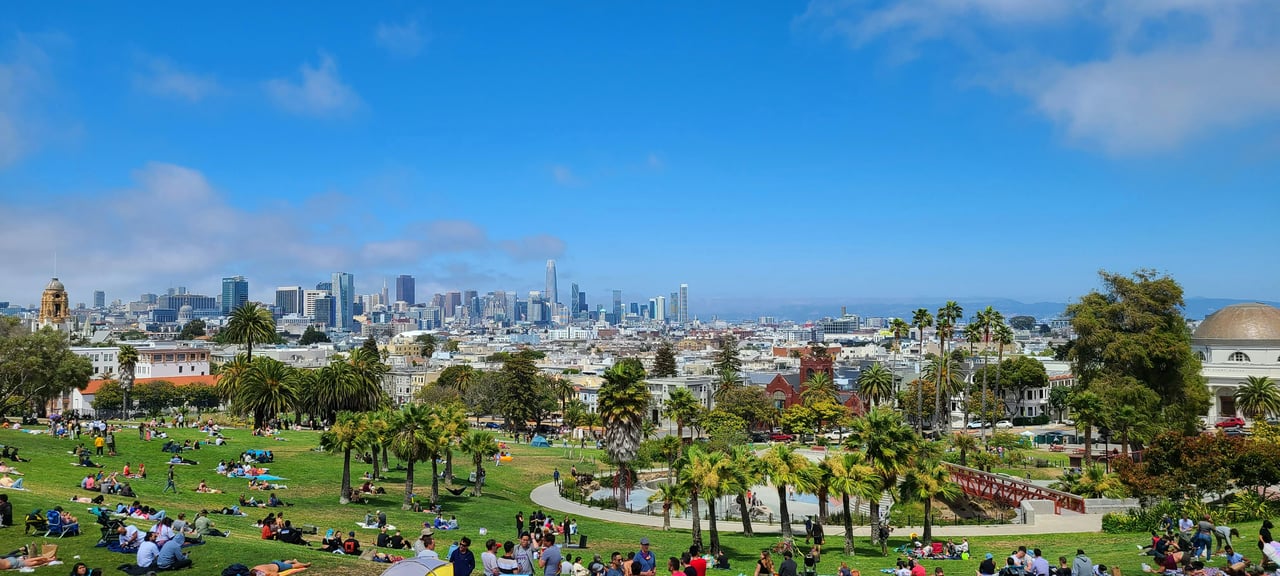
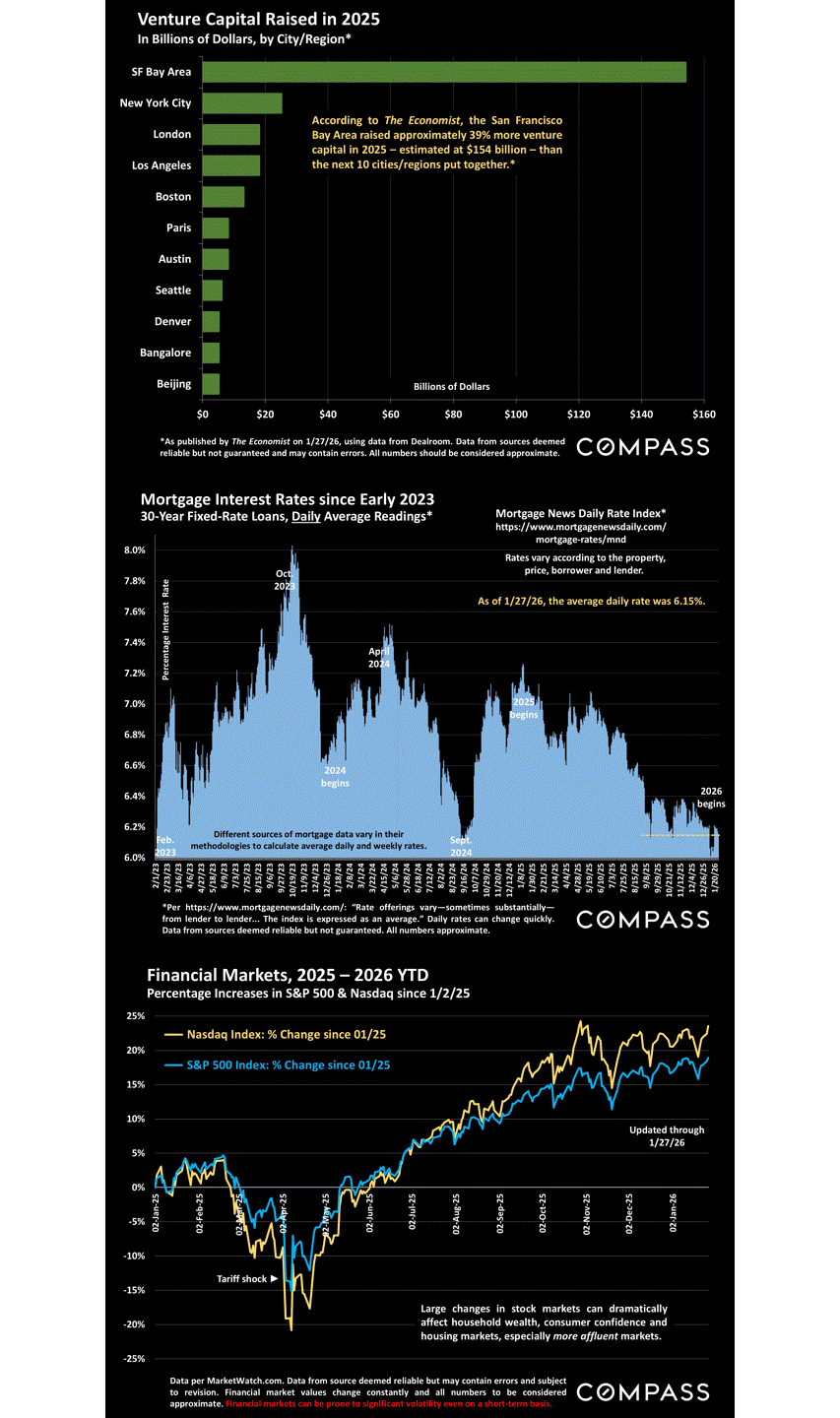
San Francisco’s broader economic context plays a role here as well. The city continues to sit at the center of the next wave of artificial intelligence and advanced technology development. Capital and talent continue to flow through the region, and over time those forces influence where people choose to live and invest.
Housing markets rarely shift direction all at once. More often the change appears quietly, through moments like this, when buyers begin competing for homes they might have approached far more cautiously not long ago.
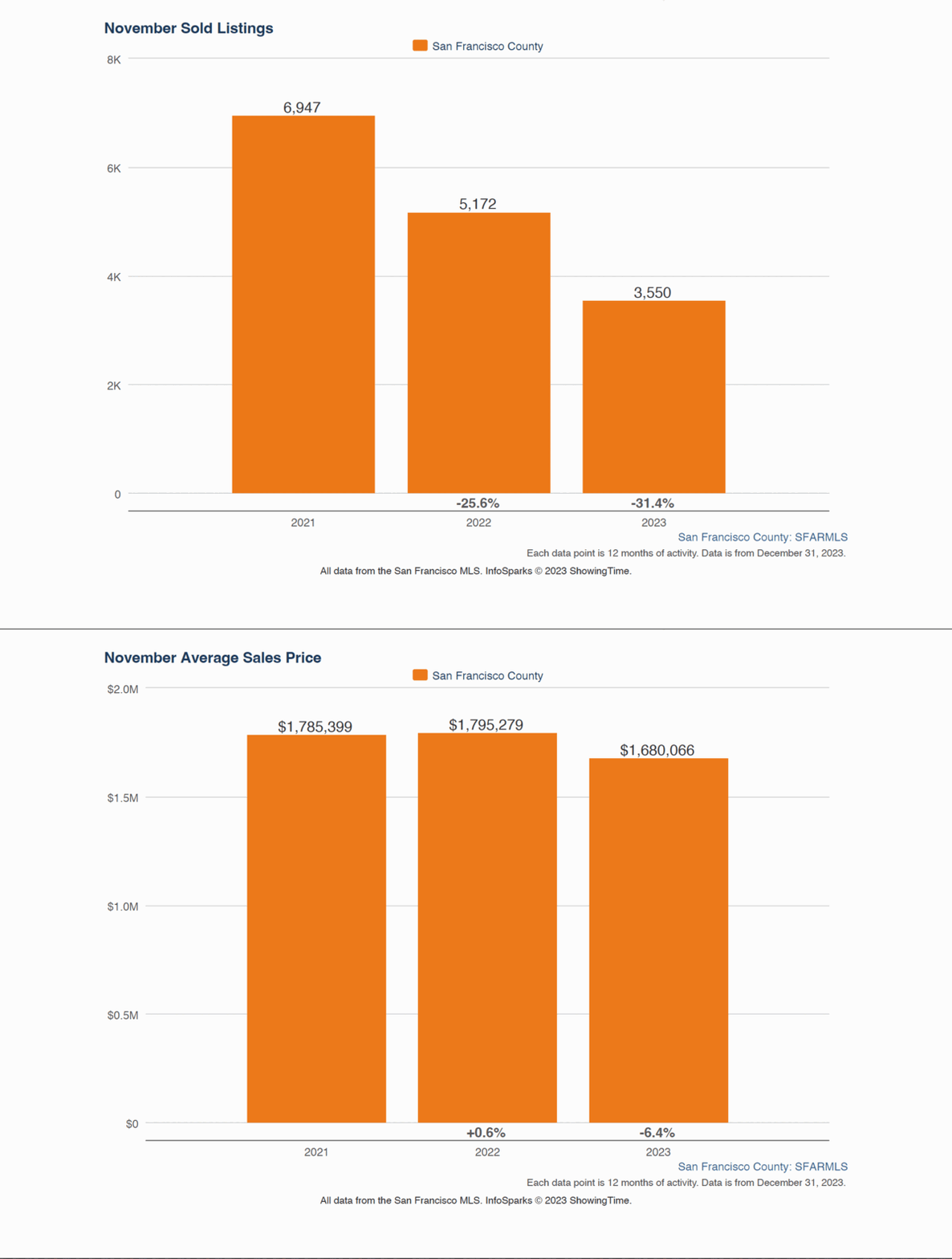
For those watching closely, these early signals often appear before the broader numbers begin to reflect what is already happening inside the market.
It’s one of the earliest indications that the market is beginning to reawaken.