Buying a home in San Francisco from out of town can feel like trying to read a city through a screen. Photos flatten scale, neighborhood names can mean different things depending on who is using them, and the stakes are high when you are making decisions from afar. The good news is that a thoughtful, local advisor can turn a remote purchase into a clear, structured process. In this guide, you’ll see how a boutique approach helps you narrow neighborhoods, evaluate homes more accurately, and move through escrow with confidence. Let’s dive in.
Why remote buying needs local guidance
San Francisco packs remarkable variety into roughly 49 square miles. The city also uses 41 Analysis Neighborhoods for public reporting, which means official data areas do not always line up neatly with the neighborhood shorthand you may hear in listings or conversations. According to sf.gov’s explanation of San Francisco boundary data, that matters because a buyer often needs help translating between public-data geography and day-to-day market language.
If you are buying remotely, that translation becomes even more important. The online search may start broad, but your decision usually comes down to details that are easy to miss without local context. A boutique advisor helps you connect the map, the housing stock, the street experience, and the transaction process into one understandable picture.
That kind of support fits the way many people shop today. The National Association of Realtors notes that nearly half of interested buyers begin online, and it cites a survey in which 47% of buyers purchased without an in-person tour. In that environment, high-touch guidance is not a luxury. It is often how remote buyers reduce uncertainty.
What a boutique advisor actually does
A boutique advisor is not just opening doors on video. You need someone who can interpret what you are seeing, pressure-test assumptions, and help you move efficiently when the right property appears. In a market as layered as San Francisco, that means combining neighborhood fluency, transaction structure, and a careful eye for layout and livability.
For a buyer, that support often includes:
- Clarifying your priorities early
- Narrowing the search to neighborhoods that fit your goals
- Using video, floor plans, and live tours to show scale and context
- Building an offer strategy around comparable sales and risk tolerance
- Reviewing disclosures and due diligence materials with care
- Coordinating escrow and final steps while you are out of area
For Brandi Mayo, that guidance is especially valuable because her work is rooted in architecture, design, and San Francisco neighborhood knowledge. That combination can help you look past surface-level marketing and focus on what matters most in how a home lives.
Start with priorities and financing
Remote purchases work best when your criteria are precise from the beginning. The California Department of Real Estate advises buyers to compare lender rates and fees, consider pre-approval early, and define must-haves such as location, bedroom count, outdoor space, and potential HOA dues or special assessments, as noted in its home buying tips.
That early clarity does two things. First, it helps you avoid wasting time on homes that look good online but do not support your real goals. Second, it gives your advisor a better framework for steering you toward the right San Francisco micro-markets.
Define your non-negotiables
Before touring anything, it helps to separate your list into non-negotiables and preferences. Bedrooms, work-from-home space, parking, stairs, outdoor access, and condo versus single-family living can all shape the search in very different ways in San Francisco.
A boutique advisor can also help you identify tradeoffs. You may be choosing between architectural character and newer systems, or between a quieter residential setting and a more urban location near major commercial corridors. That conversation is often where the search becomes more focused and much less stressful.
Use neighborhood shorthand wisely
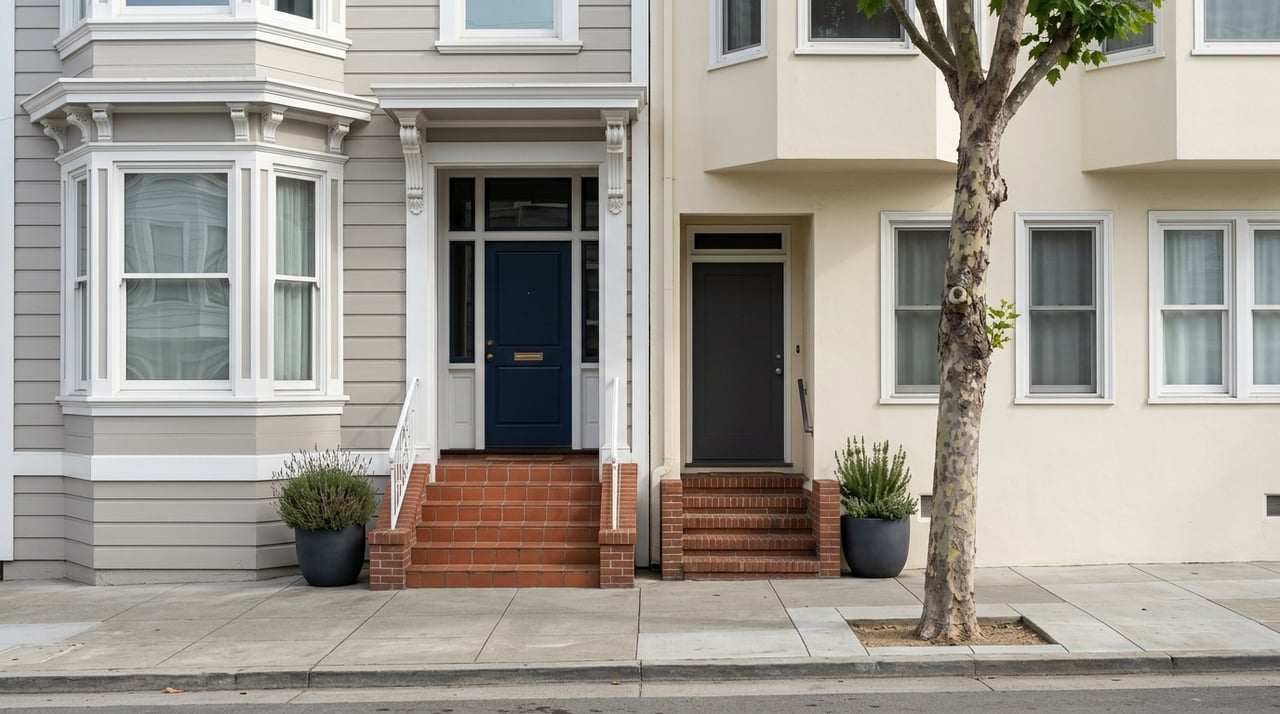
Remote buyers often shop by neighborhood name first. In San Francisco, that makes sense, but it can also be misleading if nobody explains what those labels really signal. A local advisor helps you compare places not just by reputation, but by built environment, street rhythm, and housing type.
Here are a few useful contrasts based on the sources in the research.
North side feel
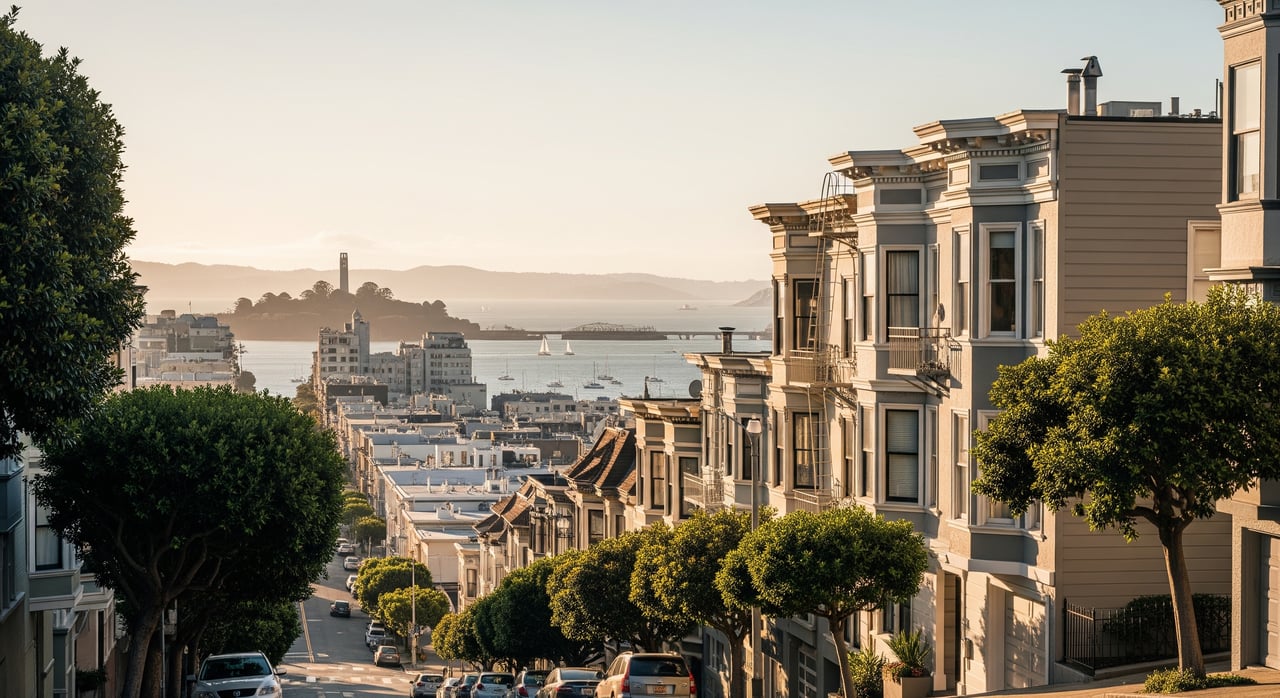
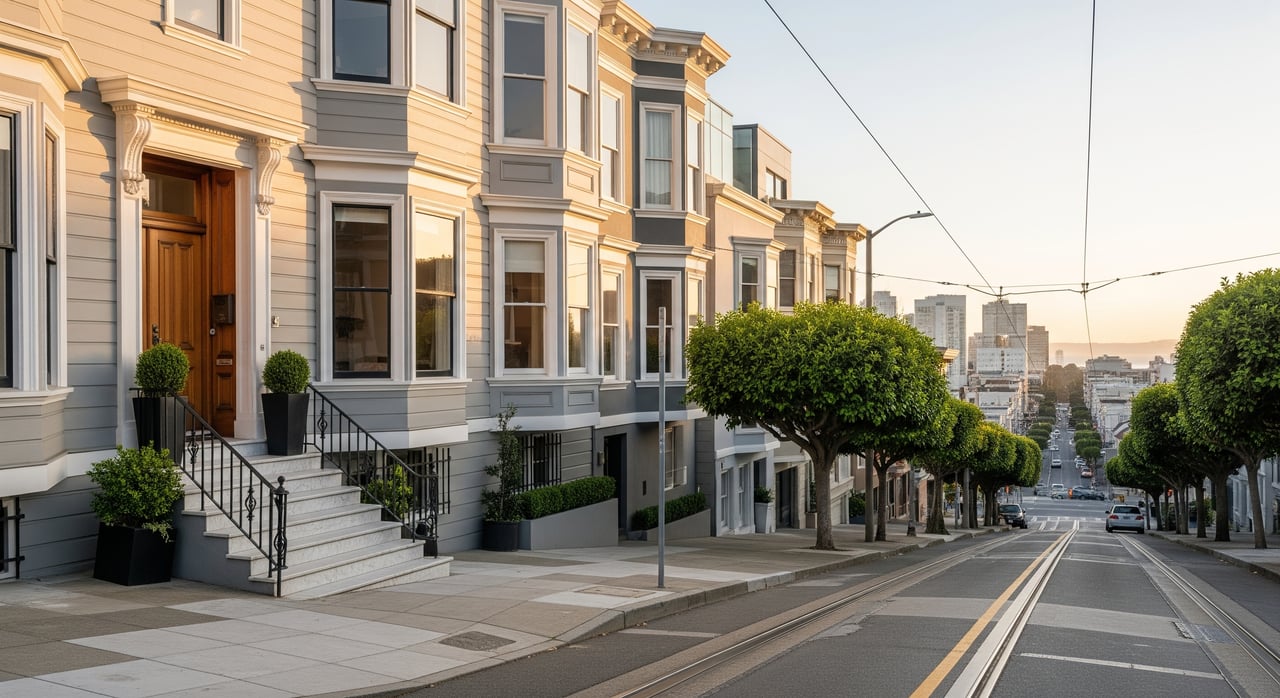
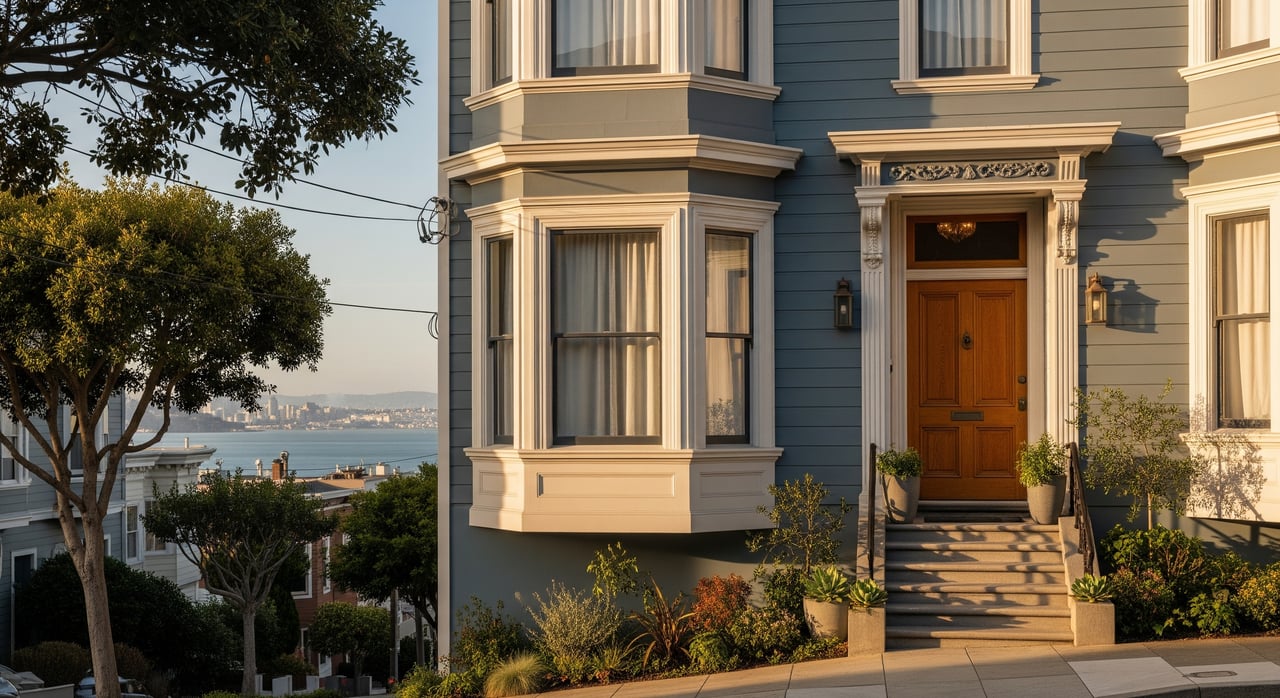
If you are drawn to classic prestige housing and elevated outlooks, the Marina and Pacific Heights often come up early. SF Travel describes Marina/Pacific Heights as a north-shore area with boutiques, restaurants, steep streets, Bay views, gorgeous homes, and quieter residential streets in Pacific Heights. For a remote buyer, that can be a helpful shorthand for refined housing stock and a more residential luxury feel.
Mission energy
If you want a more street-level urban experience, the Mission offers a very different lens on the city. SF Travel’s Mission District guide highlights boutiques, restaurants, murals, and activity along Mission Street, Valencia Street, and 24th Street. For you as a buyer, that often signals denser commercial corridors and a more energetic daily environment.
Upper Market orientation
Upper Market and Castro can also be discussed in overlapping ways. SF Travel’s cultural districts overview places the Castro at the upper end of Market Street, while city mapping often uses the combined label Castro/Upper Market. For a remote buyer, this is exactly where a local advisor helps translate between official labels and how the market commonly talks about place.
SoMa condo search
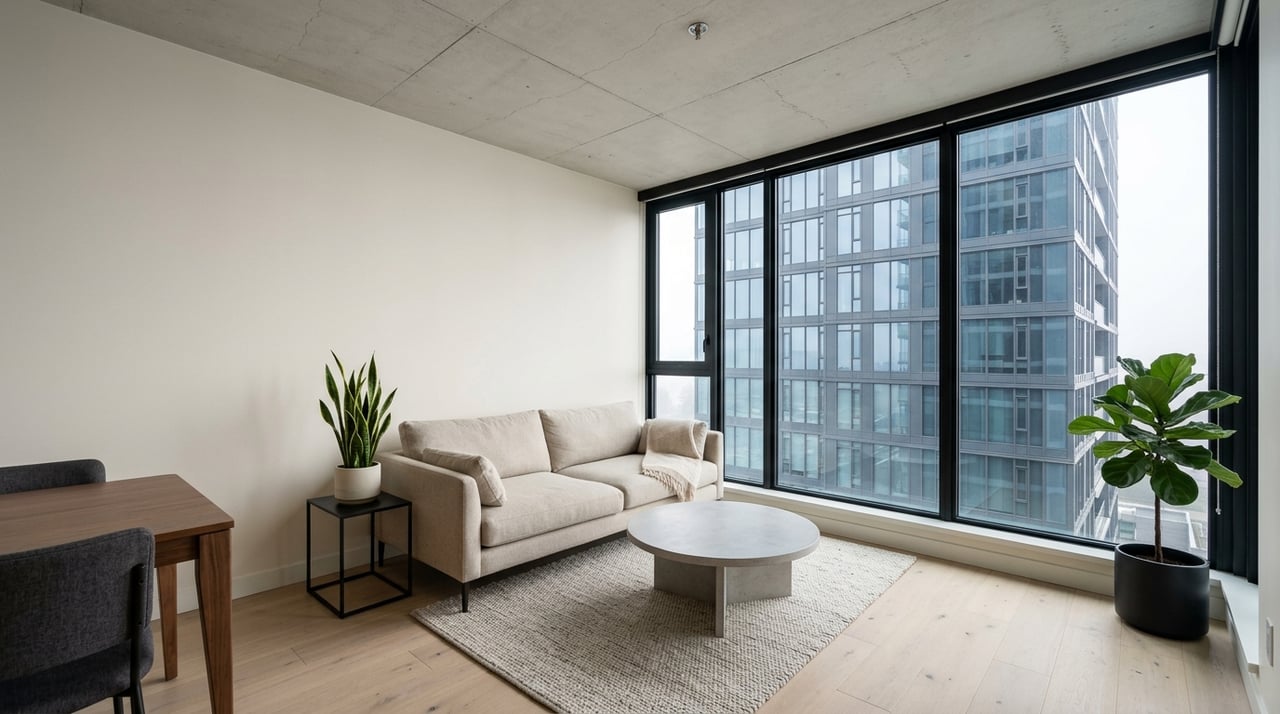
If your search leans toward condo living and a more downtown-oriented setting, SoMa and Yerba Buena may fit. SF Travel describes SoMa/Yerba Buena through its museums, Yerba Buena Gardens, Moscone Center, and modern dining. In practical home-search terms, that often points buyers toward a more urban, condo-heavy environment.
West side contrast
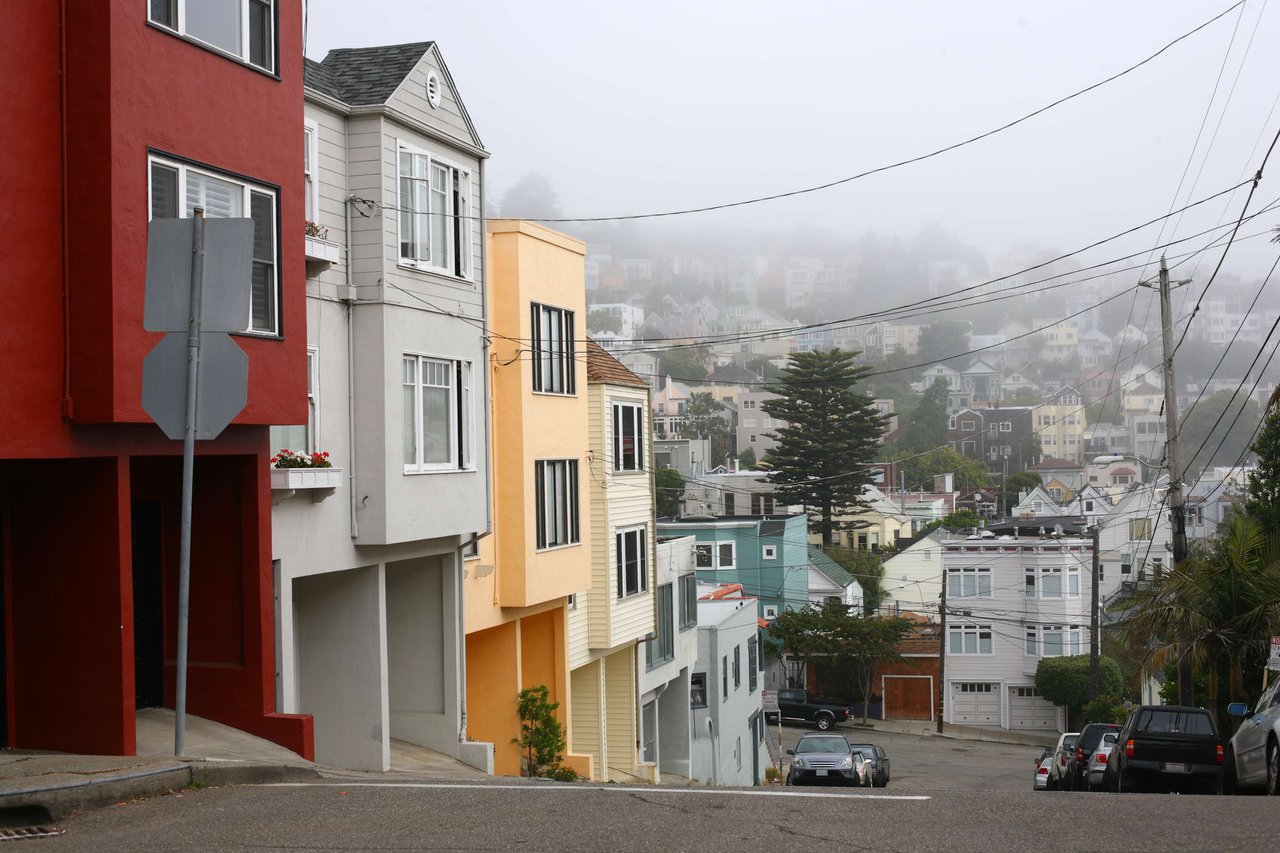
For buyers who want a classic west-side residential feel, the Sunset is a useful contrast. SF Travel notes that locals know the Sunset as The Avenues, a grid of pastel row houses stretching toward Ocean Beach with Golden Gate Park at its northern border. If you are looking for neighborhood scale, park-and-beach access, and more single-family character, this area often enters the conversation quickly.
Make virtual tours do more work
A remote tour should do much more than repeat the listing photos. According to the National Association of Realtors, buyers respond strongly to floor plans, and live virtual tours can show details like block context and room-size reality that still photography may miss.
That point is especially important in San Francisco, where proportions, grade changes, lot conditions, and floor-plan flow can shape how a home feels in person. A boutique advisor can use live video to help you judge scale, light, circulation, and the relationship between rooms. That is often where design knowledge becomes practical, not just aesthetic.
Questions to ask on a live tour
When you cannot be there in person, ask your advisor to show the home in ways that answer real-world questions, such as:
- Does the room feel smaller or larger than the photos suggest?
- How does the floor plan connect day-to-day living spaces?
- What does the block feel like beyond the front door?
- How much natural light reaches key rooms?
- What details are not obvious in still images?
A strong remote advisor will also show transitions, not just highlights. Hallways, stairs, storage, window outlooks, and the immediate street context can all affect how confident you feel about the purchase.
Build an offer around facts
When you are buying remotely, it can be tempting to either rush or overcorrect. Neither is ideal. The California Department of Real Estate explains in its information for homebuyers that offers can include contingencies or special conditions related to loan qualification, repairs, pest or home inspections, and home warranty terms.
A boutique advisor helps you match your offer to both market conditions and your personal tolerance for risk. That includes using neighborhood comparable sales, reviewing the property package carefully, and identifying where protections should remain in place if you cannot return for another in-person visit.
Keep inspection risk in focus
Inspection risk deserves special attention in a remote purchase. The DRE specifically warns buyers not to skip important inspections in the offer. When you are out of area, those inspections often matter even more because you may not have the chance to double-check concerns on your own before closing.
Review disclosures carefully
Remote buying depends on readable, well-organized information. The California Department of Real Estate advises buyers to review the seller’s disclosure statement, agency disclosure, and any additional HOA or public-report materials in the transaction process, as outlined in its consumer guidance for homebuyers.
This is another point where a high-touch advisor can add real value. You need someone who can help you understand what each document covers, flag follow-up items, and keep the process moving without losing important detail. In a remote transaction, clarity is one of the biggest forms of risk management.
Coordinate escrow and closing remotely
In Northern California, escrow is often handled by a title insurance company, and the process typically starts after a fully executed purchase agreement is delivered. The DRE’s First Home California overview also notes that a final walk-through should happen before closing.
For an out-of-area buyer, remote coordination means staying organized and confirming every step. Your advisor should help you track key dates, signatures, and document flow so the closing process feels deliberate rather than rushed.
Watch for wire fraud
Wire-fraud prevention is critical. The DRE warns buyers to verify payment instructions by phone before wiring funds. If you are handling closing logistics from another city or state, that one habit can help protect you at a very important moment.
The DRE also reminds consumers to verify the license of the professionals they work with and to keep a paper trail for offers, checks, and escrow documents. Those practices are simple, but they are especially useful when your transaction is happening largely through screens, calls, and digital signatures.
Why boutique service matters in San Francisco
A remote San Francisco purchase is rarely just about finding an available property online. It is about understanding what a neighborhood label really means, what a floor plan will feel like in daily life, and where to be cautious before you commit.
That is where a boutique advisor can make the process feel more personal and more precise. With a design-aware lens, local neighborhood fluency, and full-service buyer representation, Brandi Mayo helps you move through the search with a clearer strategy and steadier judgment, whether you are relocating, buying a larger home, or narrowing options across several San Francisco neighborhoods.
FAQs
How can I evaluate a San Francisco home remotely beyond the listing photos?
- Ask for a live virtual tour that includes floor plan flow, room-size context, window outlooks, and the immediate block, since NAR notes that live tours and floor plans help buyers understand details photos may miss.
How should I compare San Francisco neighborhoods when the names seem inconsistent?
- Use official data and local market context together, because sf.gov explains that the city’s reporting geography does not always match everyday neighborhood shorthand.
What documents should I review before making an offer on a remote San Francisco purchase?
- The California Department of Real Estate says buyers should review the seller’s disclosure statement, agency disclosure, and any HOA or public-report materials tied to the property.
Which contingencies matter most when buying a San Francisco home remotely?
- The DRE notes that buyers may include contingencies for loan qualification, repairs, pest or home inspections, and home warranty terms, and it specifically warns buyers not to skip important inspections.
What should I know about escrow and wiring funds in a remote San Francisco transaction?
- In Northern California, escrow is often handled by a title insurance company, and the DRE advises buyers to verify wire instructions by phone before sending funds and to complete a final walk-through before closing.