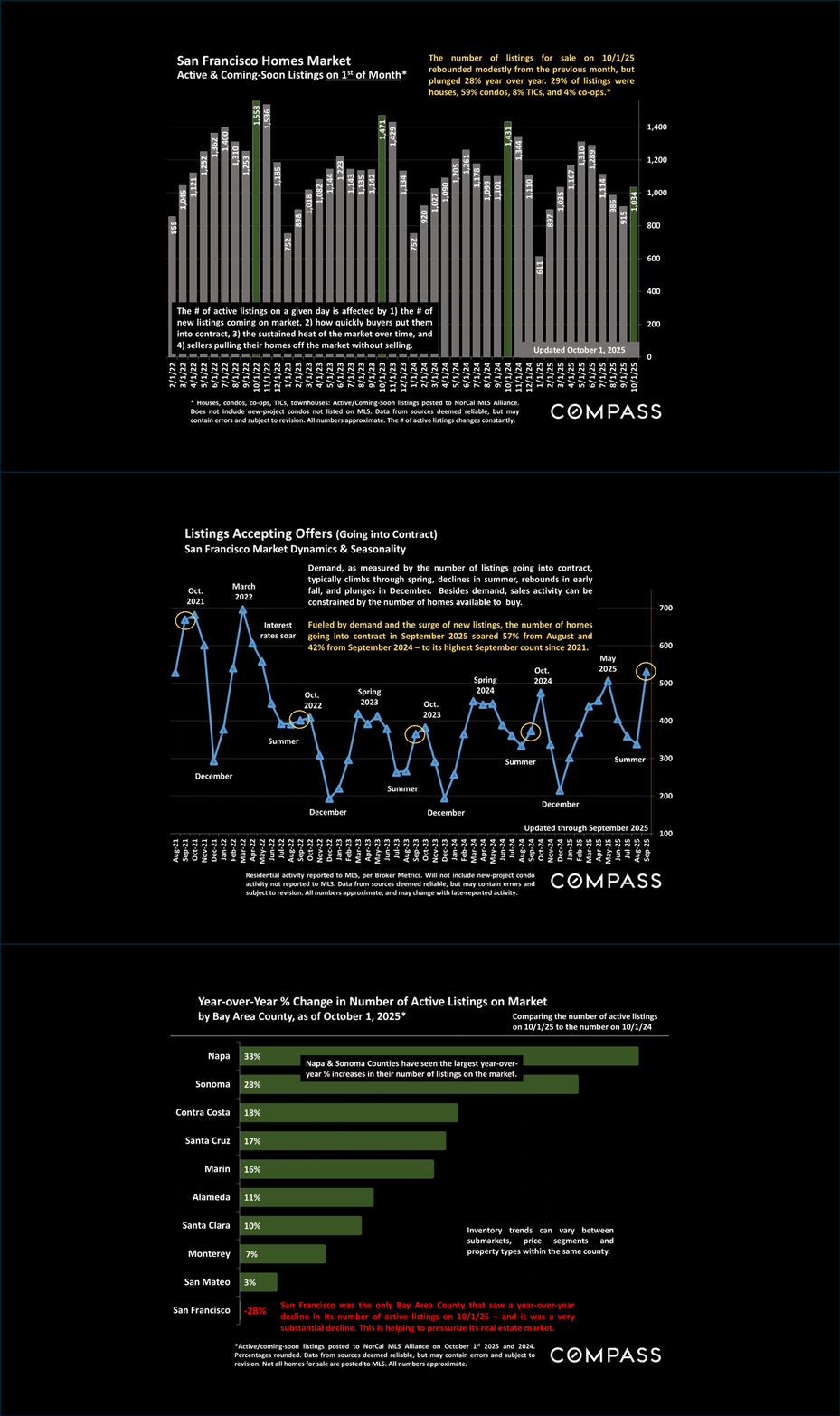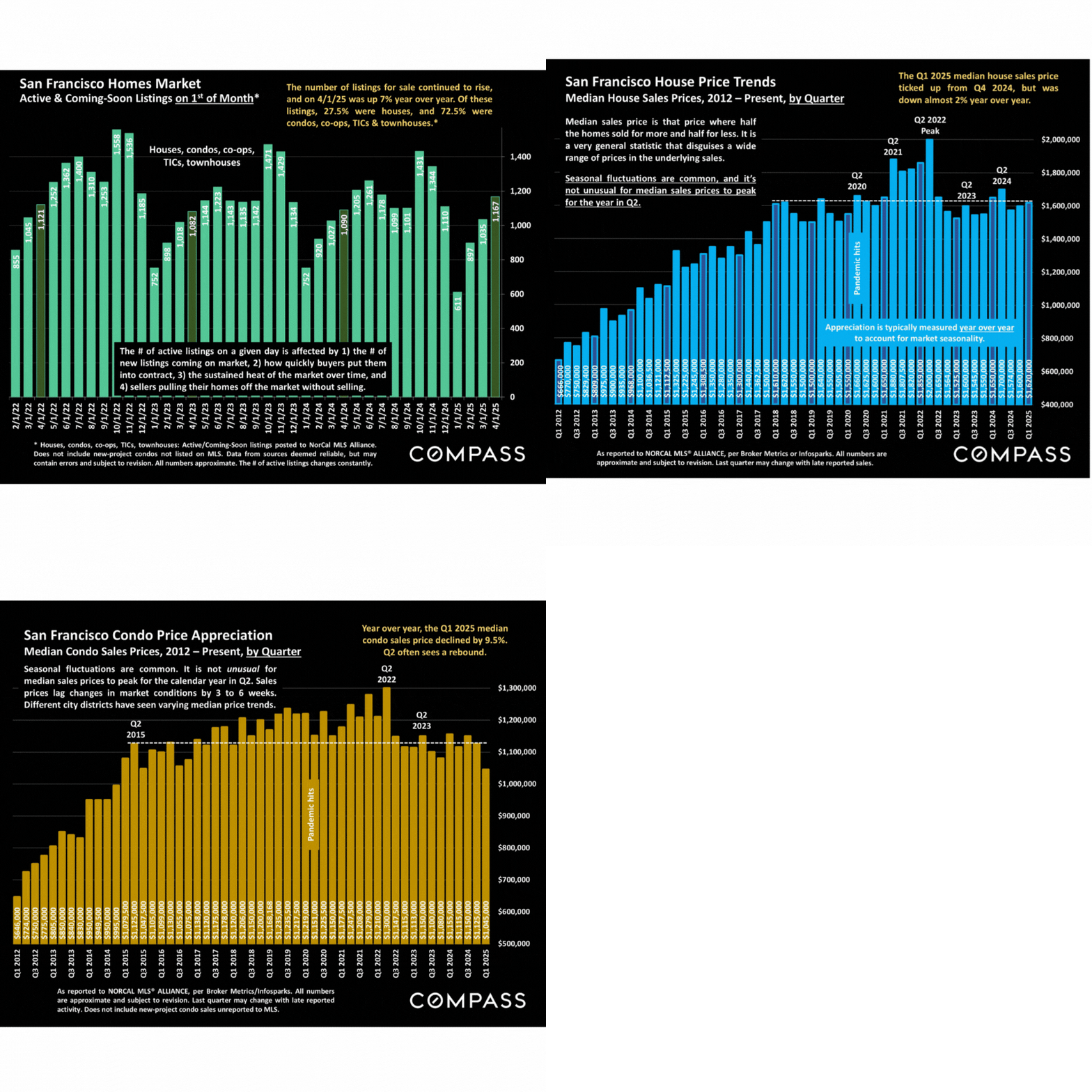
If you are trying to choose the right moment to sell in San Francisco, a generic “list in spring” rule will only take you so far. This city moves by microclimate, neighborhood pace, and buyer behavior, which means the best launch window for your home may look very different from another property just a few miles away. With the right timing strategy, you can align weather, presentation, and demand in a way that gives your sale a stronger start. Let’s dive in.
Why timing works differently in San Francisco
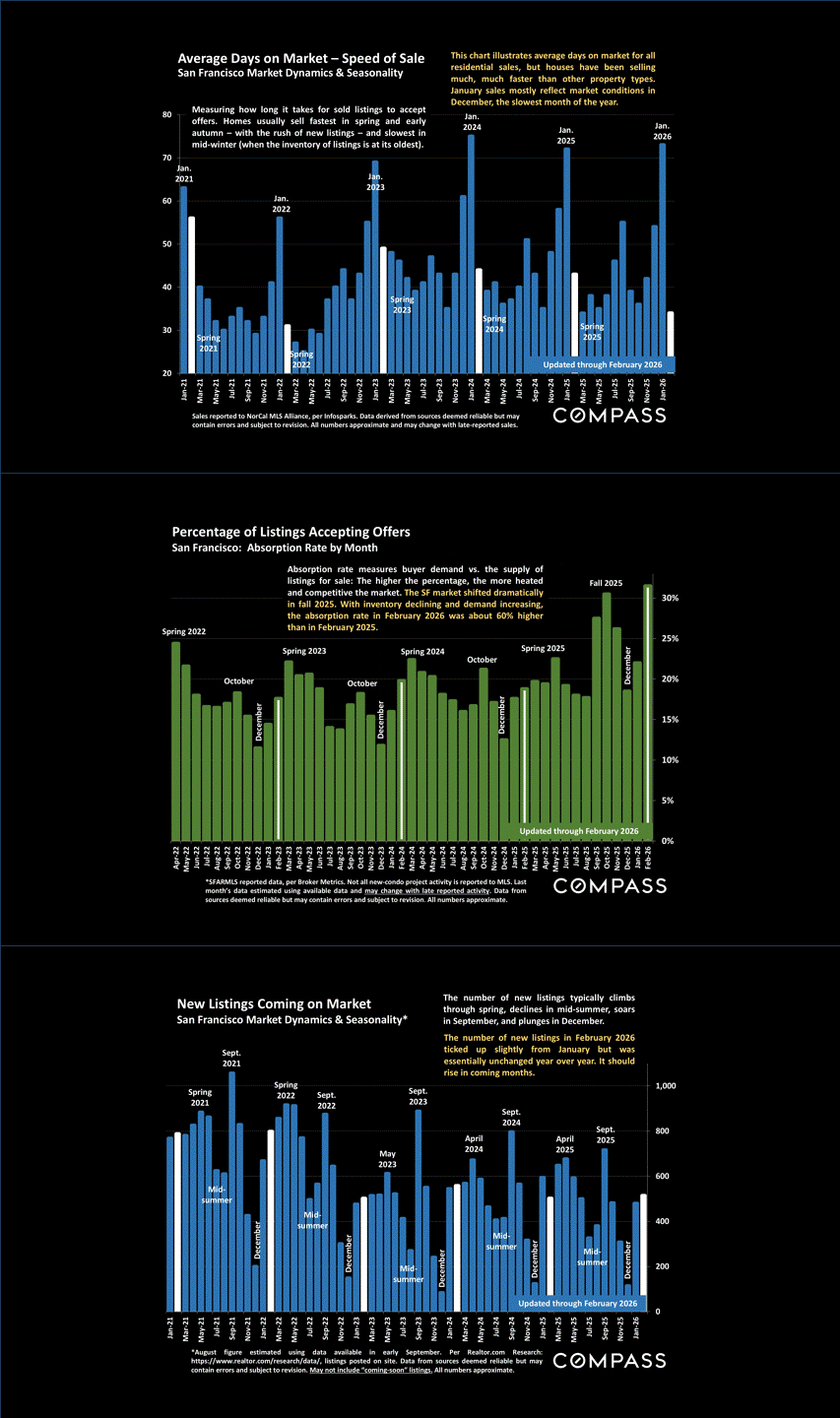
San Francisco does not have one universal selling season. In Realtor.com’s 2025 analysis of the best time to sell, the San Francisco-Oakland-Fremont metro’s best listing week was March 23, 2025, which landed earlier than the national best week in mid-April. That early peak is a useful guide, but it is only part of the picture.
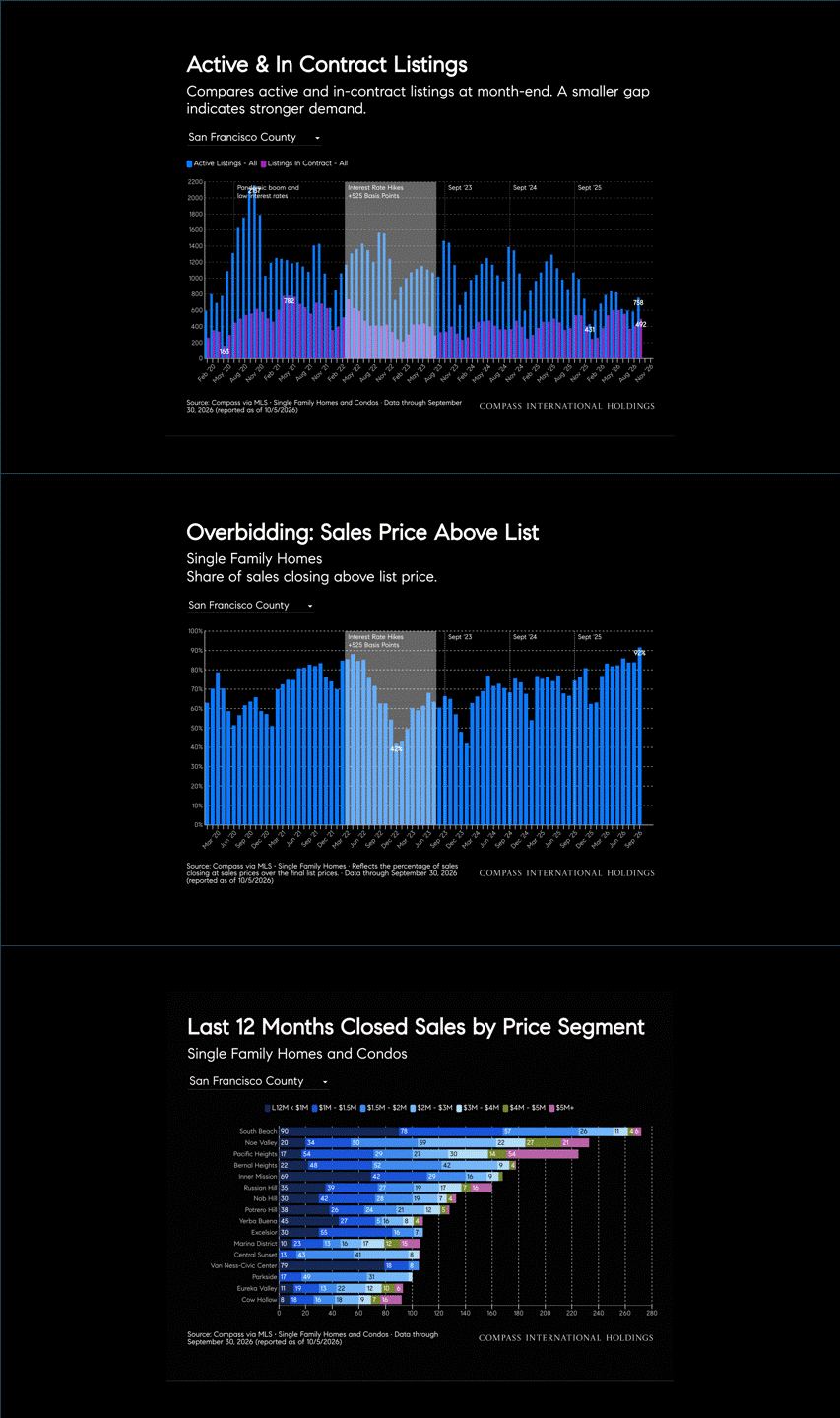
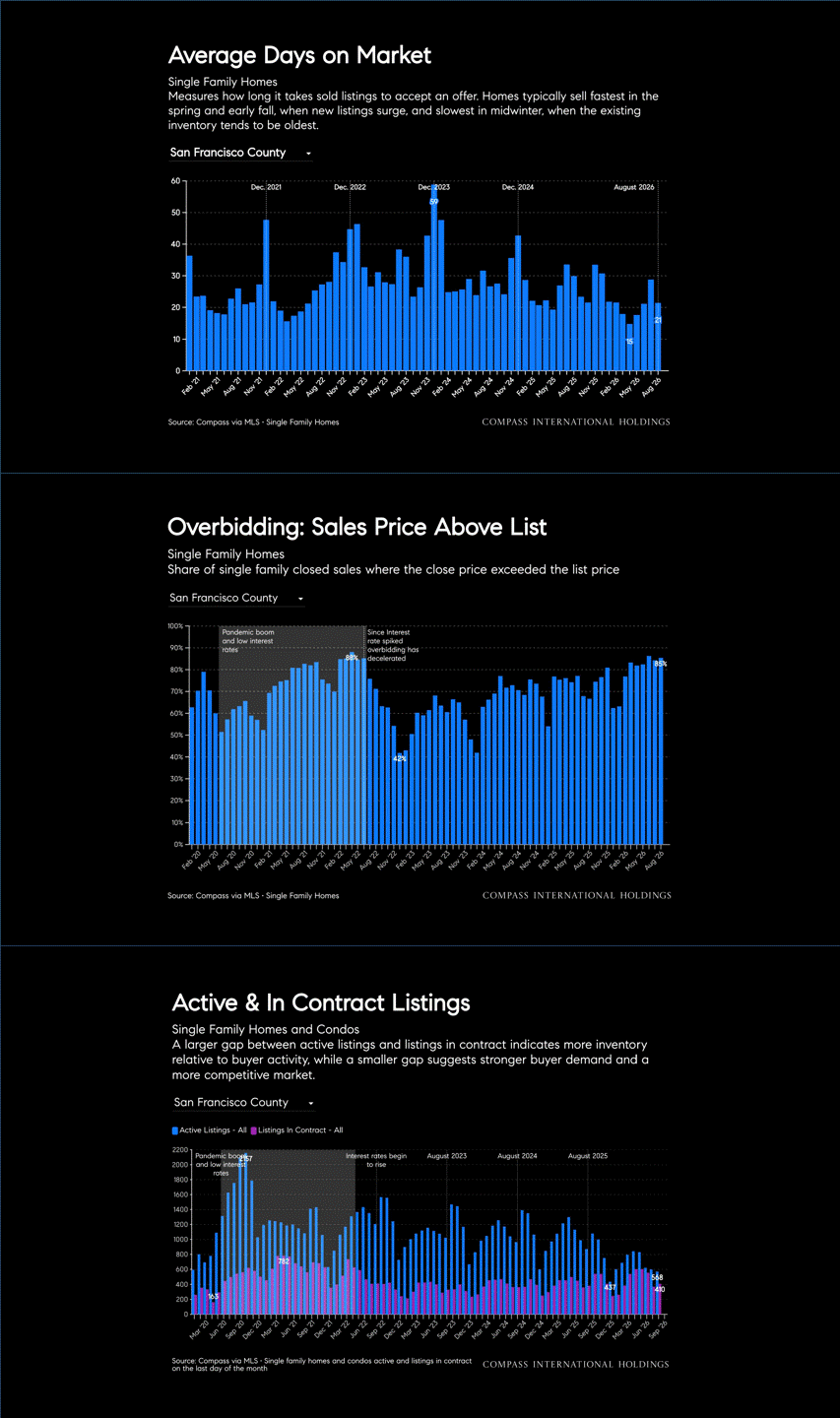
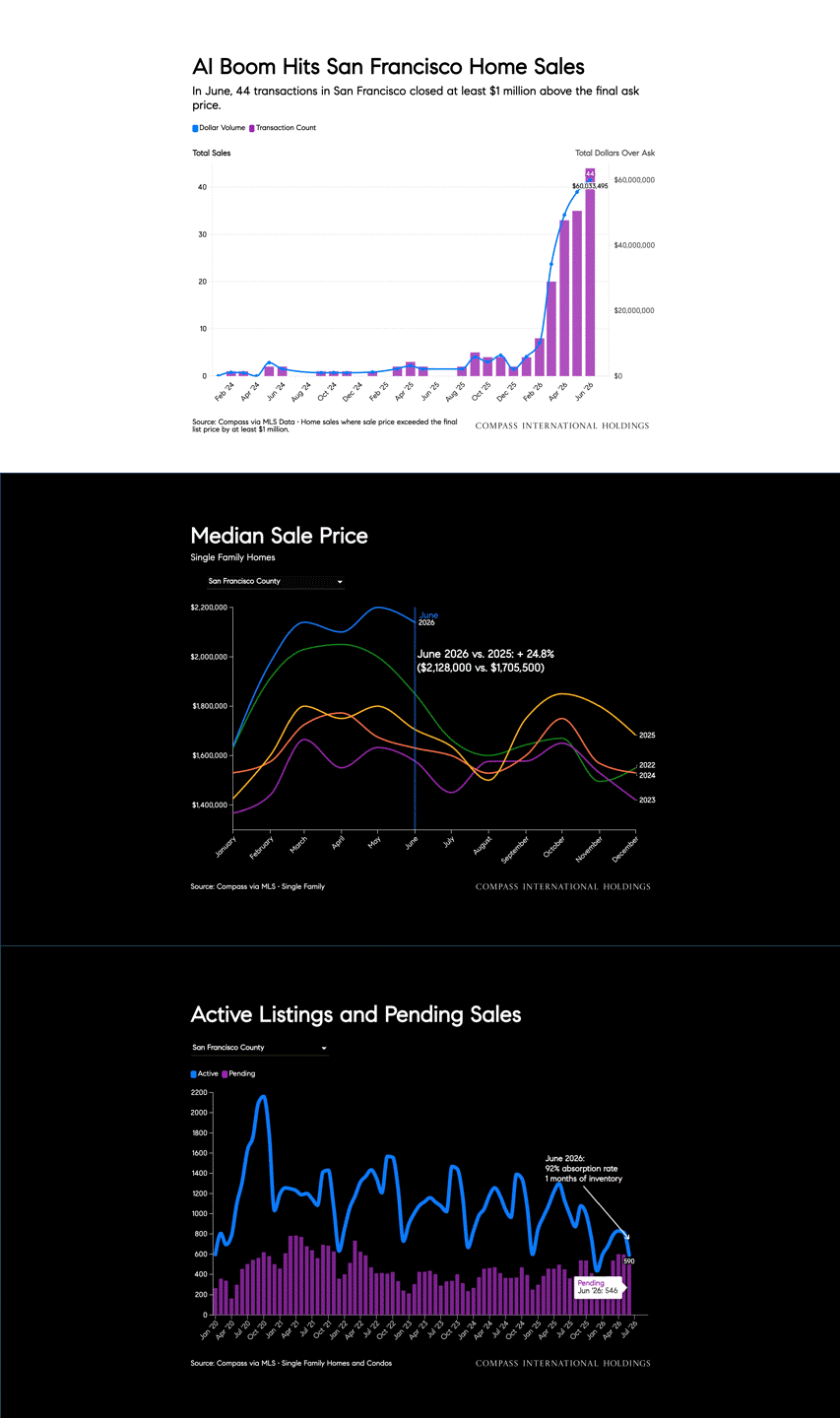
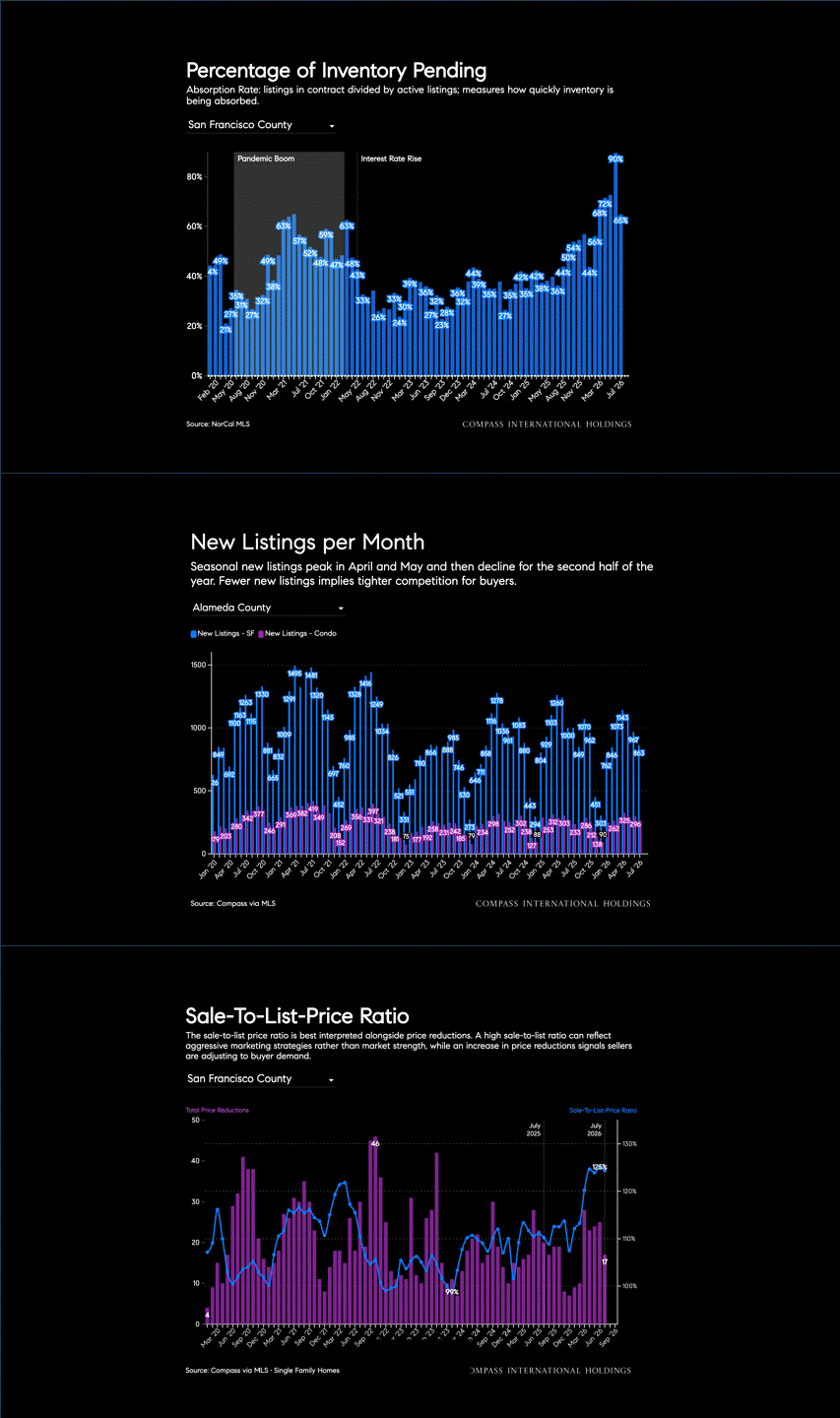
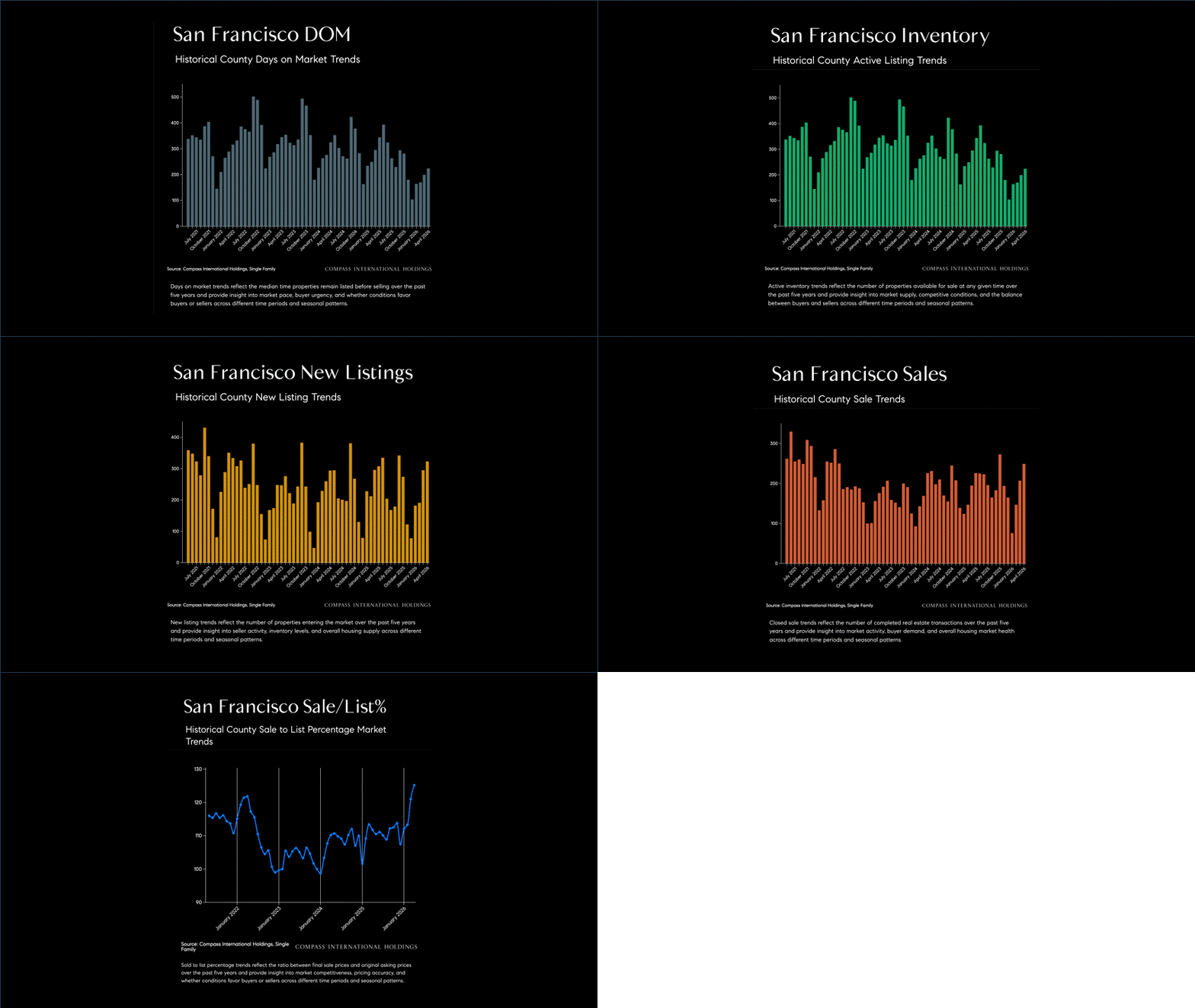
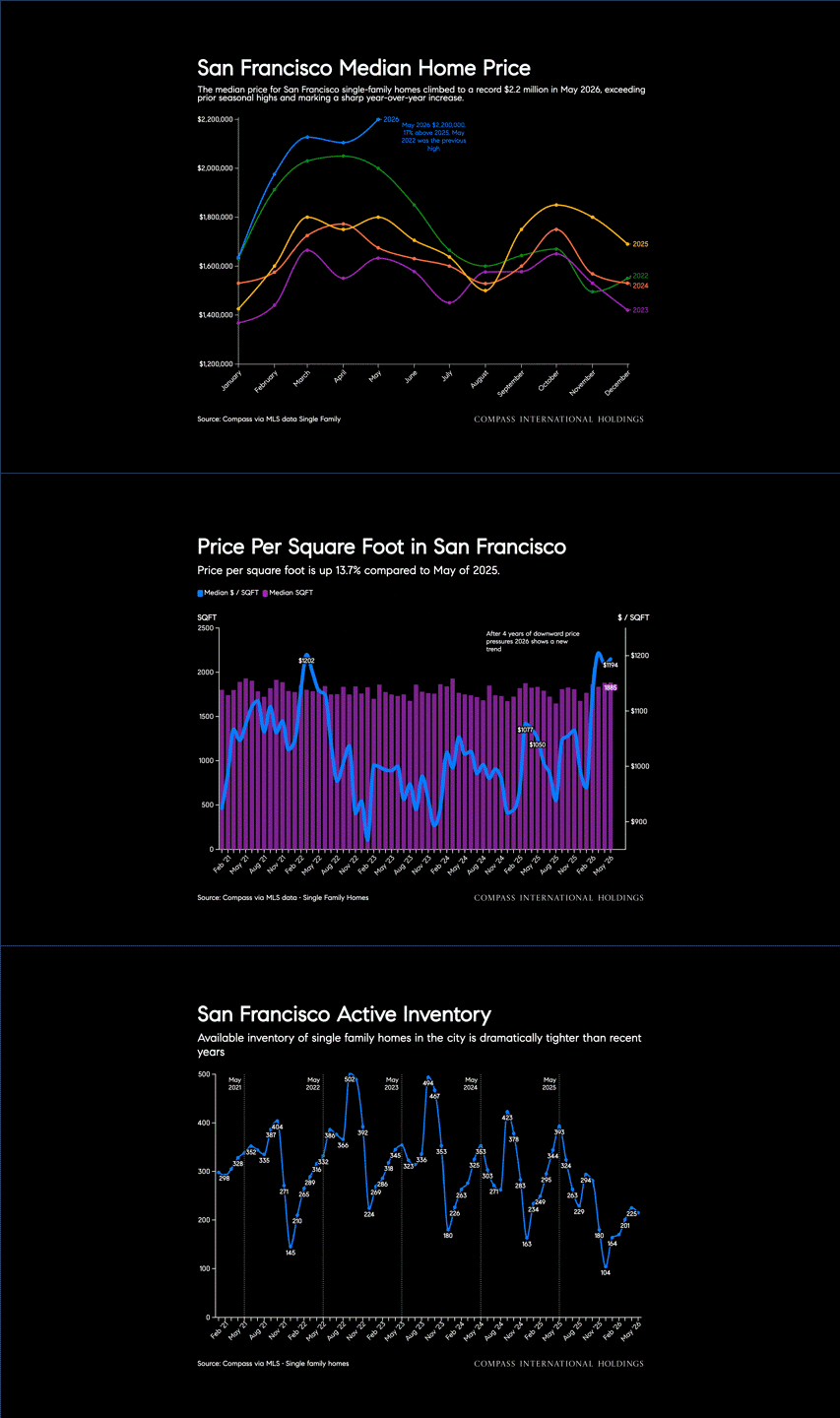
The city’s current pace still points to active demand. As of February 2026, Realtor.com’s San Francisco market snapshot shows 1,245 homes for sale, a median listing price of $1,195,000, median days on market of 46, and homes selling for about 105% of list price on average. In other words, sellers still have opportunity, but timing and presentation can influence how strongly a listing performs.
San Francisco also tends to reward a more nuanced approach because weather is not consistent across the city. According to NOAA’s climate summary, spring and fall are the sunniest seasons overall, while the warmest part of the year is usually September and October, when fog diminishes. That helps explain why some homes look their best in early spring, while others benefit from a late-summer or early-fall debut.
Start with your neighborhood, not the calendar
Before you choose a listing date, it helps to think about what buyers will experience when they first see your home. In San Francisco, that means considering both market conditions and how the property shows in its specific pocket of the city.
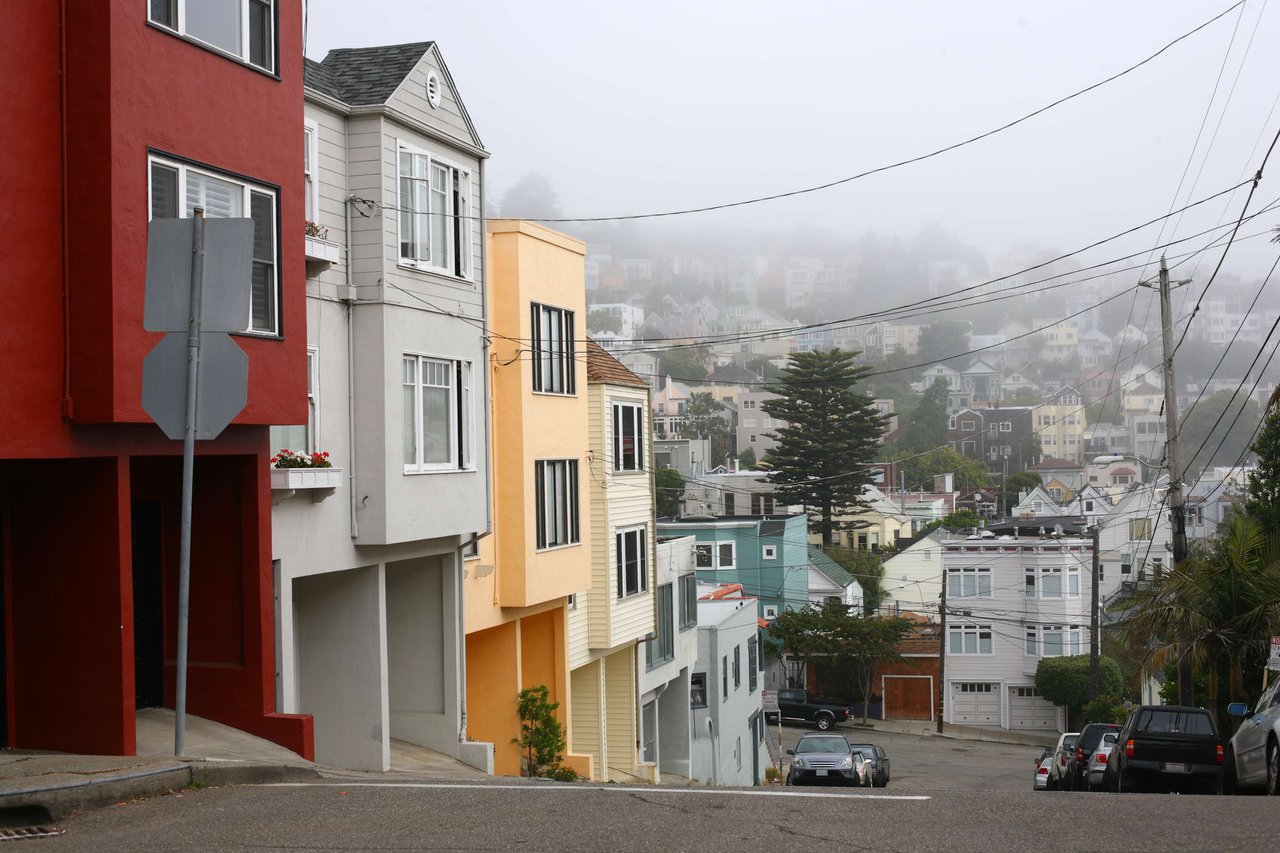
SF.gov notes that fog and topography create real microclimate differences from the western side of the city to the eastern side. A bright Saturday in Bernal Heights can feel completely different from the same Saturday in the Outer Sunset. That is why neighborhood seasonality often matters more than broad national advice.
A smart timing plan usually answers three questions:
- When does your neighborhood typically show best in natural light?
- When is buyer traffic strongest for your likely audience?
- How much prep time do you need before launch?
That last point matters more than many sellers expect. Realtor.com found that 53% of sellers need one month or less to get their home ready to list, but design decisions, light improvements, staging, and photography can still take time. If your goal is a polished, editorial launch, it is wise to start planning well before your ideal week.
Coastal neighborhoods often benefit from sunnier windows
Outer Sunset and Outer Richmond
For homes closer to the ocean, weather can shape first impressions in a very practical way. NOAA’s climate patterns show that fog is most common in summer, while September and October are often warmer and clearer, which can make exterior photography, open houses, and daytime showings feel more consistent.
That does not mean you should avoid the market earlier in the year. It means coastal sellers may benefit from timing that prioritizes how the home presents. Current Realtor.com pace data cited in the research report shows Outer Sunset at 30 days on market and Outer Richmond at 31 days on market, suggesting these neighborhoods can still move quickly when pricing and presentation are aligned.
If you are selling in the Avenues or another west-side location, late summer and early fall may offer a more forgiving visual window. For some homes, even adjusting showing times toward late morning or early afternoon can create a better buyer experience once marine fog has eased.
Sunnier central pockets can launch earlier
Bernal Heights and Noe Valley
In sunnier neighborhoods that sit more to the lee of the city’s hills, spring can be a strong time to come to market. NOAA’s description of San Francisco’s sunniest areas supports what many local sellers already sense: some neighborhoods get more favorable light earlier in the year, which helps curb appeal, interiors, and outdoor spaces feel stronger sooner.
That makes spring especially appealing if you want to capture early buyer momentum while your home is showing beautifully. Current market snapshots in the research report place Bernal Heights at 48 days on market and Noe Valley at 48 days on market, which suggests active demand with enough selectivity that launch quality still matters.
For these neighborhoods, the strategy is often less about waiting for perfect weather and more about entering the market with a refined presentation at the right moment. If your home has great natural light, a strong floor plan, or inviting outdoor space, an earlier spring debut can work well.
Premium north-side homes need more than a seasonal guess
Pacific Heights and Marina District
In premium neighborhoods, seasonality is only one part of the decision. Price point, buyer selectivity, and the level of presentation often have as much influence as the month on the calendar.
The research report shows Pacific Heights at 41 days on market and the Marina District at 40 days on market. Those are healthy numbers, but buyers in these segments often take a more measured approach. They tend to respond to strong preparation, polished marketing, and clear positioning rather than to timing alone.
If you are selling a higher-value home, the better question may be: when can you launch with the highest level of finish? That could be spring, when buyer activity is building, or early fall, when San Francisco weather often cooperates and serious buyers remain active. The right answer depends on when your home can be presented at its absolute best.
Mission and SoMa rely more on launch strategy
Mission District and South of Market
Some urban submarkets behave differently from weather-sensitive neighborhoods. In areas like the Mission and SoMa, inventory mix, price positioning, and competition can matter more than waiting for a sunnier weekend.
The research report shows Mission District at 54 days on market and South of Market at 110 days on market. That gap is a reminder that even nearby neighborhoods can operate on very different timelines. In these areas, sellers often benefit most from a disciplined launch plan, sharp pricing, strong staging, and marketing that helps the property stand apart.
If your home is in one of these neighborhoods, timing still matters, but not in the same way it might on the west side. Rather than chasing a universal “best month,” it is often smarter to focus on competition, current inventory, and how to create urgency from day one.
School calendars can shape buyer availability
Seasonality is not only about weather. Buyer schedules matter too, especially when households are planning around the school year, relocation timing, or summer moves.
The SFUSD 2025-26 school calendar shows fall instruction beginning August 18, 2025, spring recess running from March 27 to April 3, 2026, and the last day of spring instruction on June 3, 2026. Those dates can influence when buyers are available to tour, make decisions, and plan closings.
Realtor.com also notes in the research report that buyer activity often rises in summer as many households try to move between school terms. For sellers, that creates two useful windows to consider:
- Late spring to early summer for broad buyer availability
- Late summer to early fall for homes that benefit from warmer, clearer weather
This does not mean every buyer is following a school calendar. It means household schedules can affect showing activity and decision-making, particularly for multi-bedroom homes and move-up buyers.
How to build your timing plan
A well-timed sale usually starts earlier than the listing date itself. If you want to align market conditions with strong presentation, it helps to reverse-engineer the process.
Here is a practical framework:
- Choose your target launch window. Start with the neighborhood pattern, not a national headline.
- Assess how your home shows seasonally. Think about light, fog, outdoor spaces, and curb appeal.
- Review the likely buyer pool. Consider whether your home may attract buyers planning around spring, summer, or fall moves.
- Allow prep time. Staging direction, repairs, photography, and floor plans all take coordination.
- Watch local competition. The right week can depend on what else is coming to market nearby.
In San Francisco, timing is rarely about finding one magic month. It is about matching your home’s strengths to the season, the neighborhood, and the buyer audience most likely to respond.
The bottom line on San Francisco seasonality
Spring is important in San Francisco, but it is not the only answer. The city’s best listing window often arrives earlier than the national market, yet neighborhood microclimates, buyer schedules, and property type can all shift the ideal plan. A home in Bernal Heights may benefit from a spring launch, while a coastal listing in the Outer Sunset may shine more convincingly in late summer or early fall.
The strongest sales usually come from getting both timing and presentation right. If you want to map out the best window for your home and build a launch strategy around its architecture, light, and neighborhood context, Brandi Mayo can help you plan each step with care.
FAQs
Is spring always the best time to sell a home in San Francisco?
- No. Realtor.com’s 2025 analysis identified March 23, 2025 as the metro’s best listing week, while NOAA data shows San Francisco is often warmest and clearer in September and October.
Do Outer Sunset and Outer Richmond homes need different timing than central San Francisco homes?
- Often, yes. Coastal neighborhoods are more affected by ocean fog and marine conditions, so late summer and early fall may offer a stronger weather window for presentation.
How does neighborhood weather affect a San Francisco sale?
- San Francisco’s microclimates can change light, temperature, and fog levels from one neighborhood to another, which can influence photography, showings, and curb appeal.
Should you time a San Francisco home sale around the school calendar?
- In many cases, yes. SFUSD dates and broader buyer patterns suggest late spring, summer, and early fall can align well with household moving plans.
How early should you prepare before listing a San Francisco home?
- Realtor.com found that 53% of sellers take one month or less to get ready, but a thoughtful San Francisco launch often benefits from earlier planning for prep, staging, and marketing.
Does fall still work for selling a home in San Francisco?
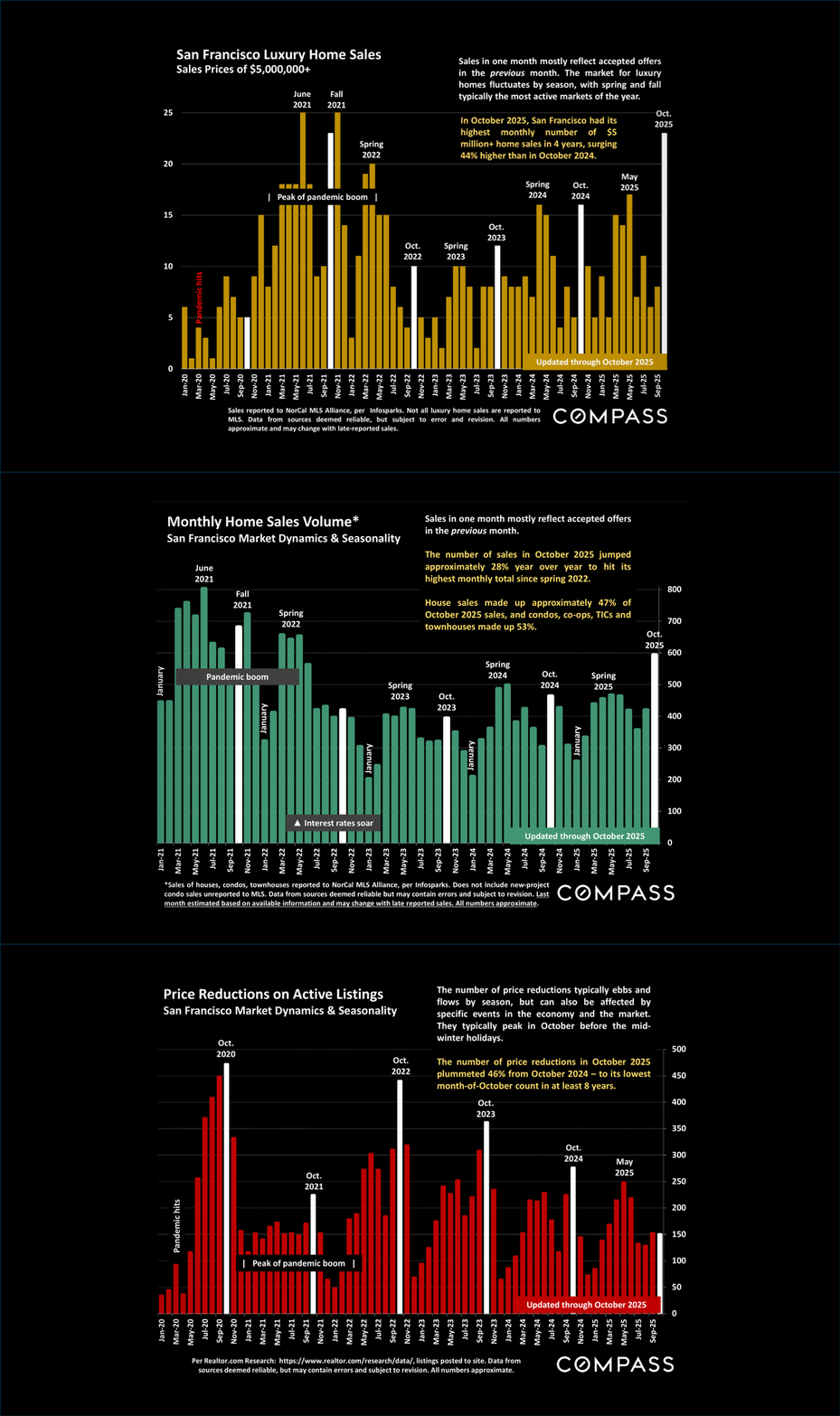
- Yes. The research report notes active fall demand, including a year-over-year jump in pending sales in September 2025, and San Francisco weather is often more favorable in early fall than many sellers expect.