Trying to write one “perfect” offer in San Francisco is a fast way to lose perspective. In this city, a competitive offer in Noe Valley can look very different from a competitive offer in SoMa, even when both properties are listed the same week. If you understand how each micro-market behaves, you can move with more confidence, protect your downside, and avoid overplaying your hand. Let’s dive in.
Why offer strategy changes by neighborhood
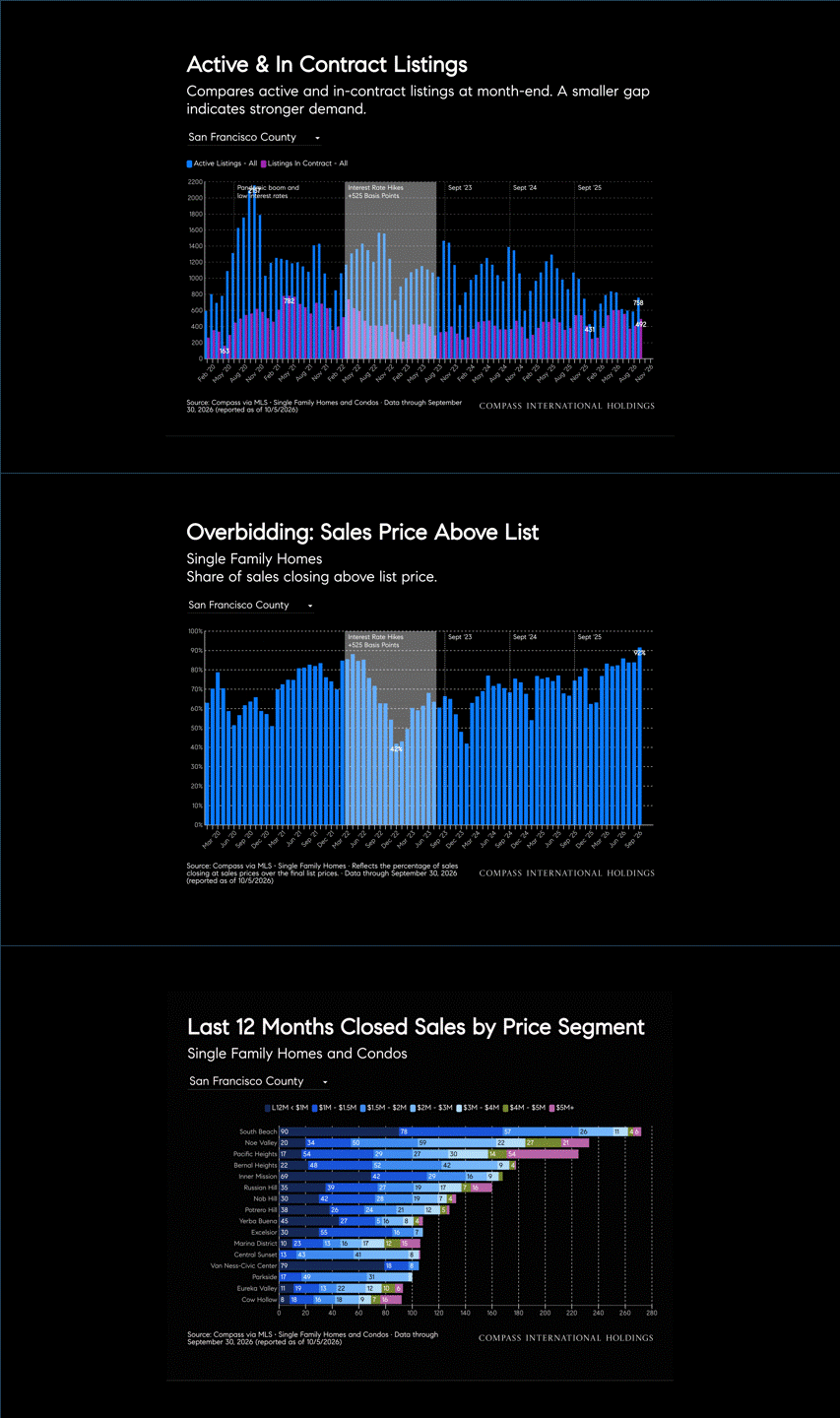
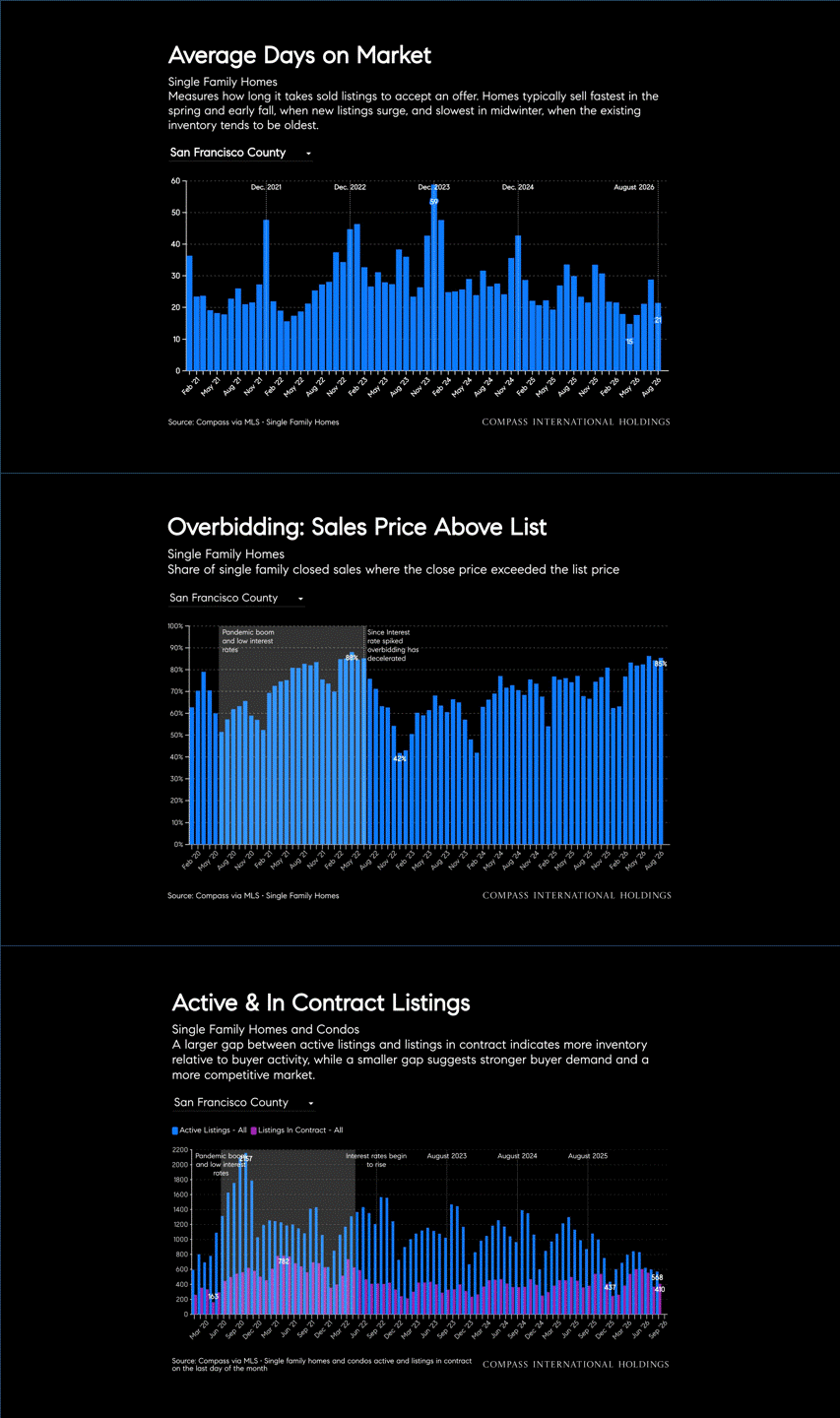
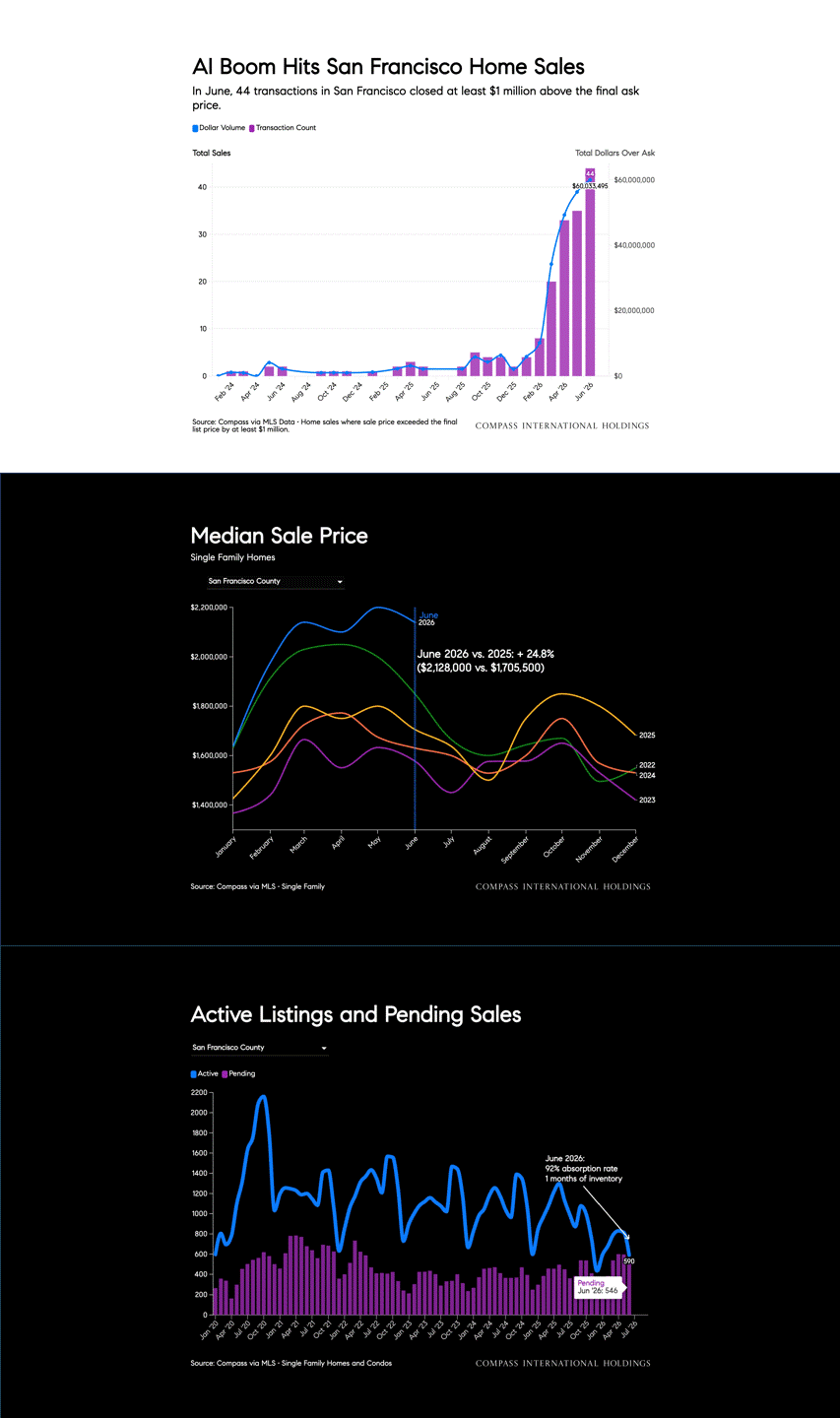
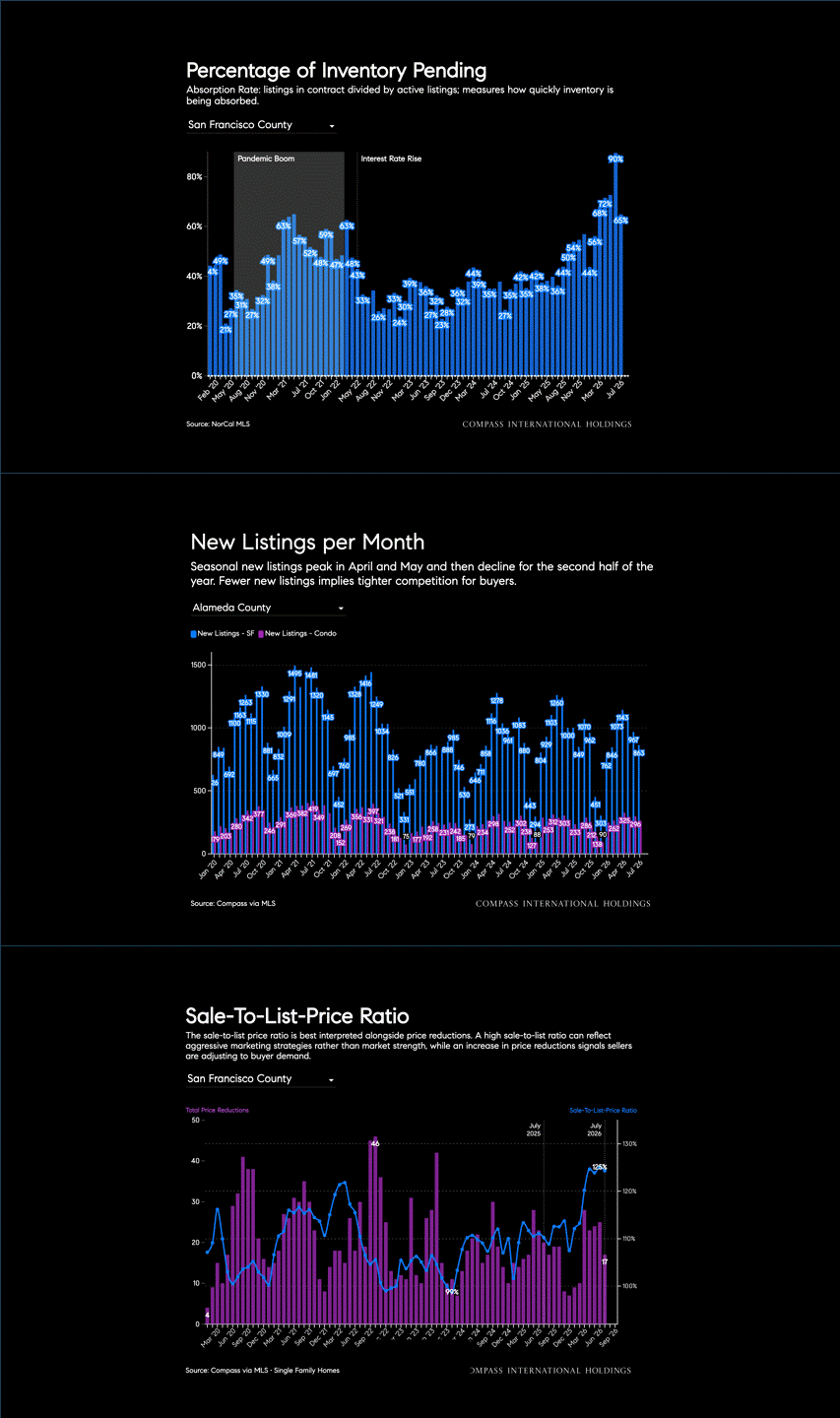
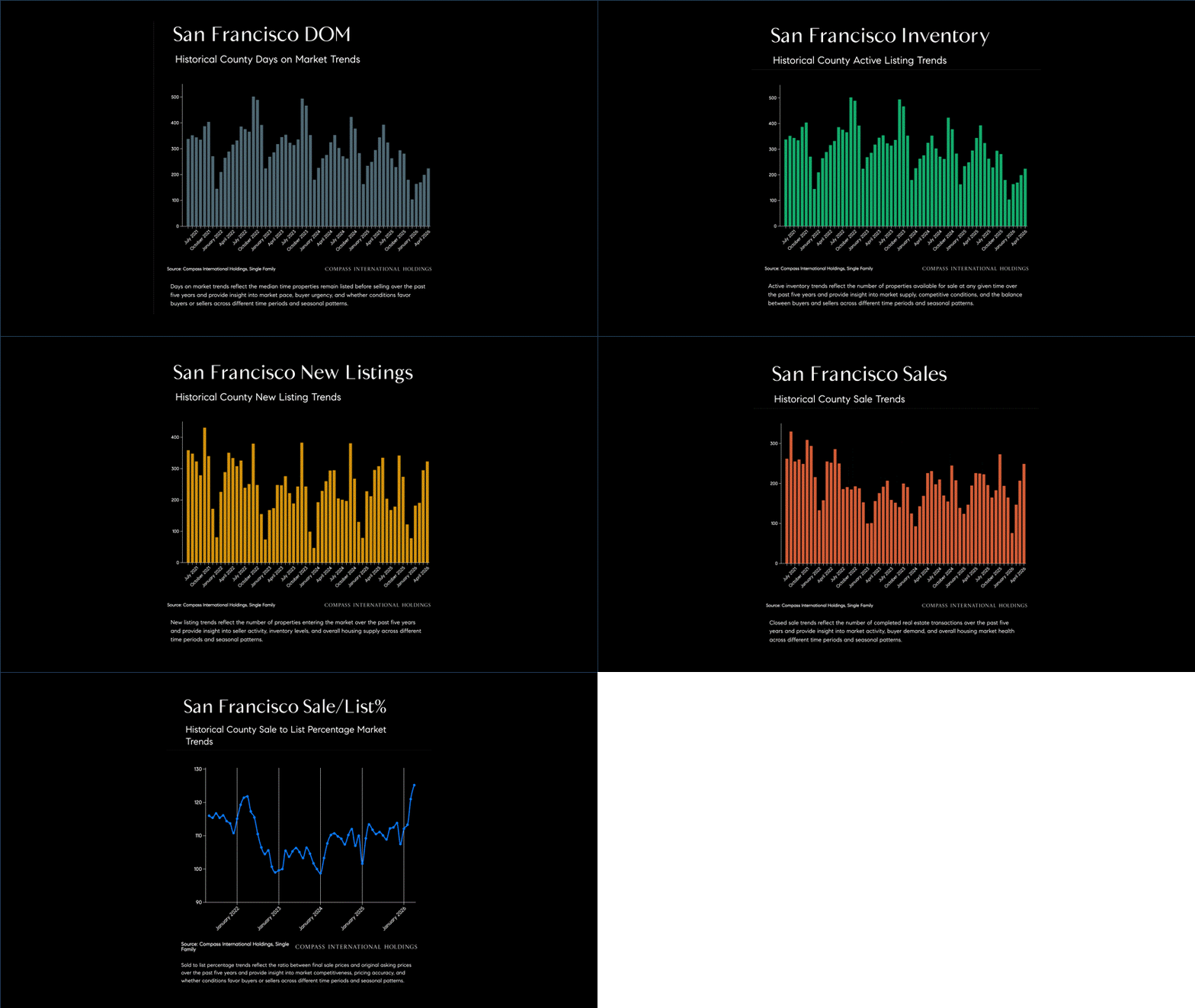
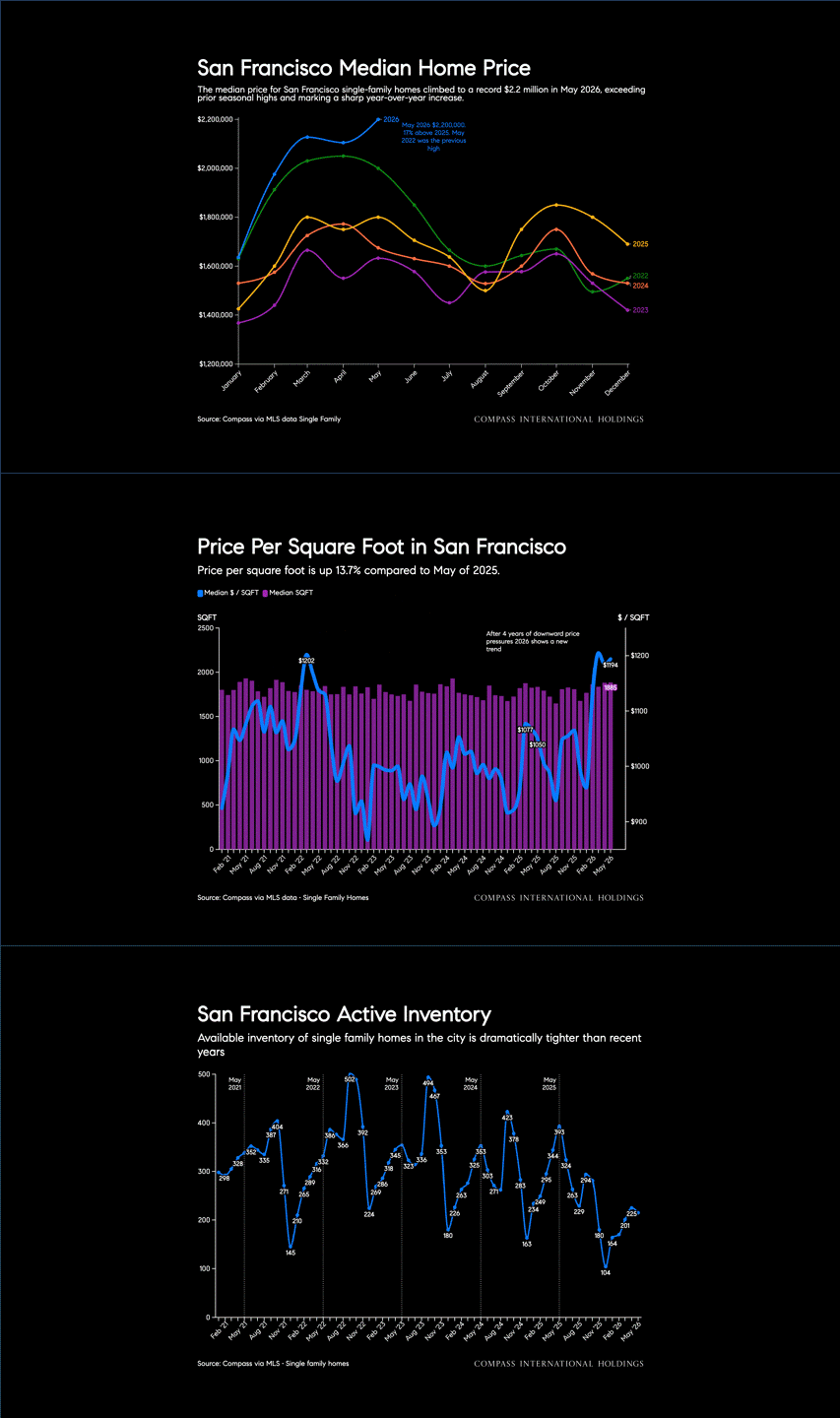
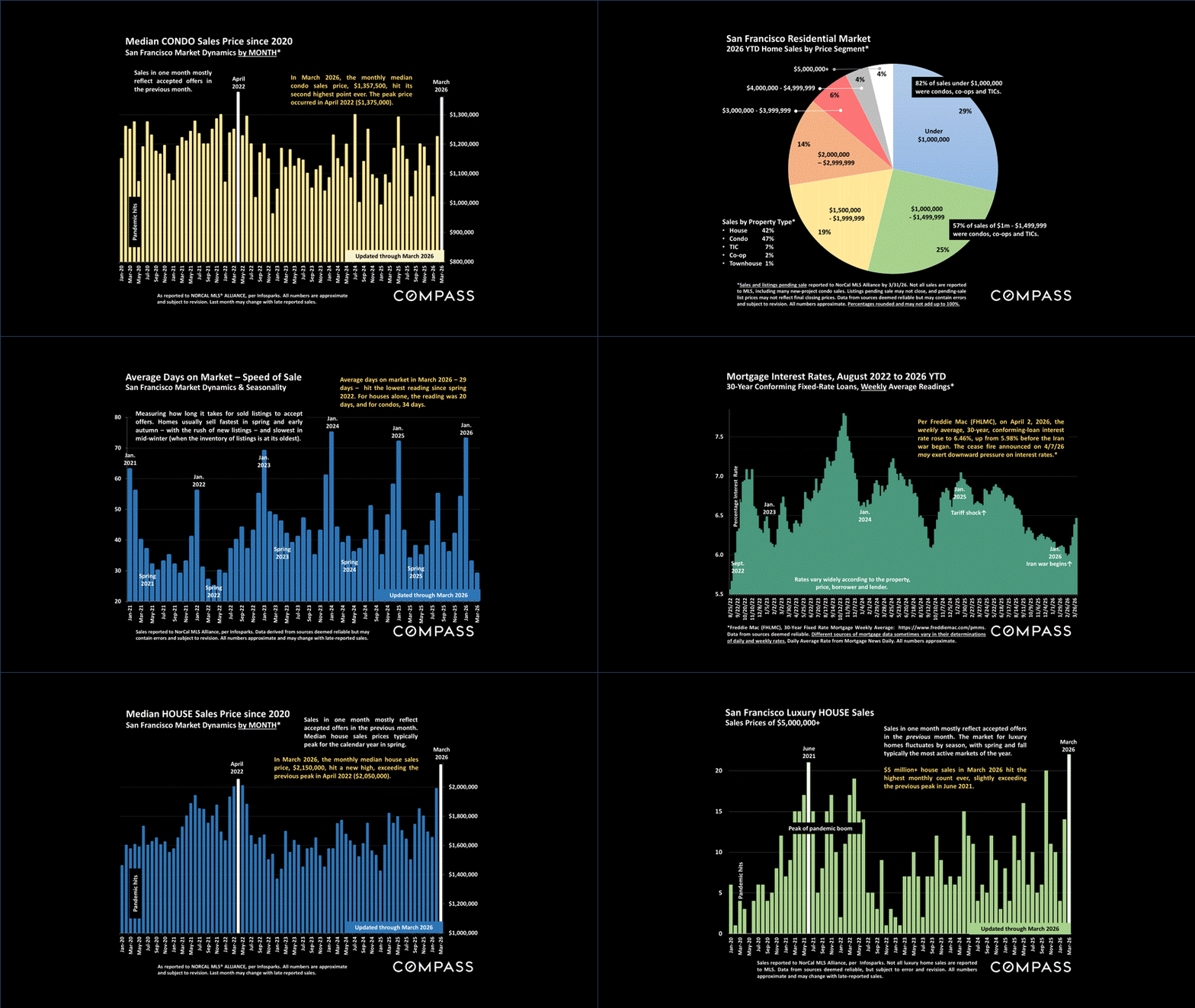
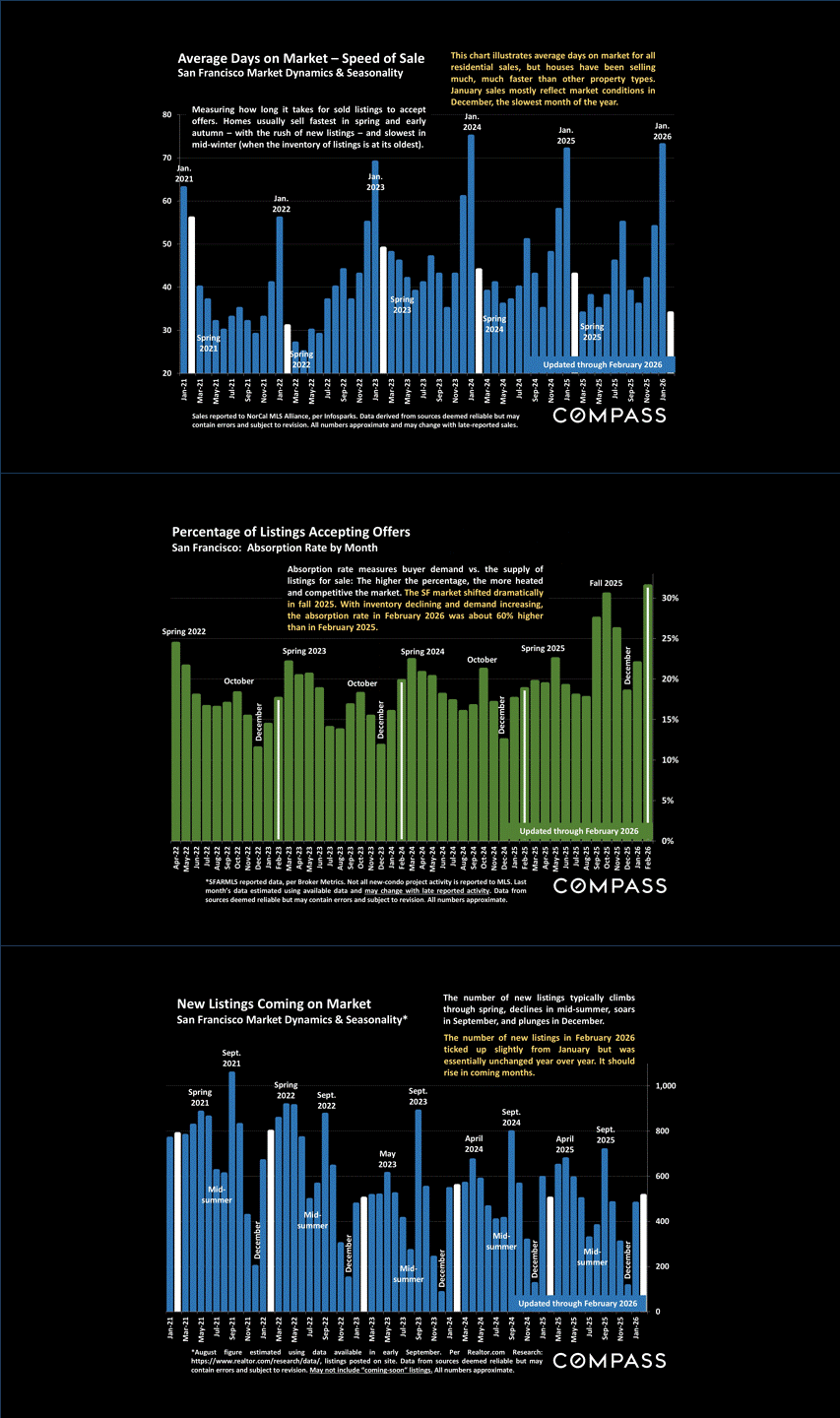
San Francisco remained a fast-moving market in March 2026. Citywide, the median sale price reached $1,687,500, homes sold in a median of 14 days, and 70.7% of homes sold above list price. That alone tells you competition is real, but it does not tell you how to write in each pocket.
The more useful lens is neighborhood-specific pressure. Some areas are compressed, with very short market times and frequent multiple offers. Others still move, but give you more room to review disclosures, compare alternatives, and negotiate more selectively.
A simple way to think about it is this: “competitive” is not one market condition in San Francisco. It is a spectrum shaped by days on market, sale-to-list ratio, and how often sellers receive multiple offers.
What competitive means in San Francisco
Across the city, buyers often focus on list price when they should also study how homes are actually trading relative to the final list price. In March 2026, homes citywide sold for 113.7% of final list price. That gap helps explain why some homes seem to “surprise” buyers at offer time.
In the hottest pockets, the asking price can function more like an invitation to compete than a likely contract price. In more negotiable areas, list price may sit closer to where the seller is actually willing to land. Your strategy should reflect that difference from the start.
Noe Valley: write aggressively and early
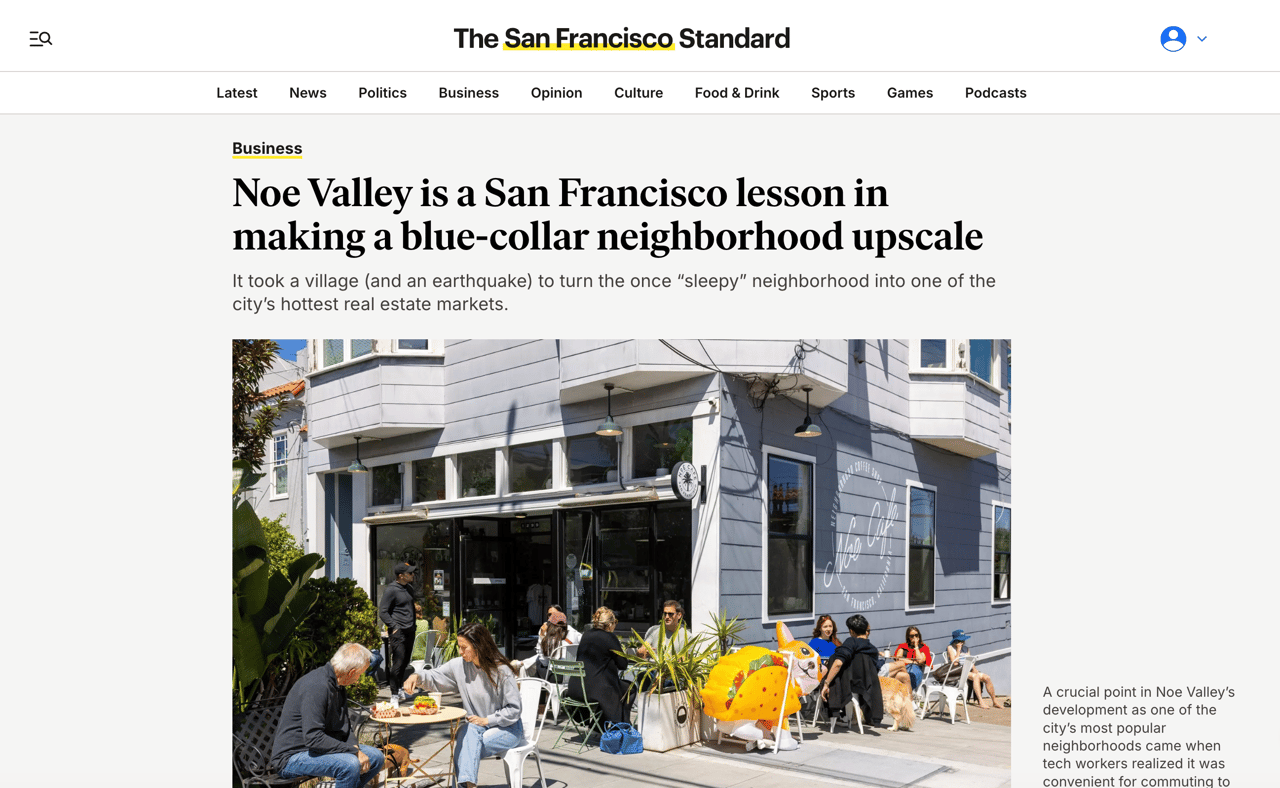
Noe Valley is one of the clearest examples of a market that rewards decisive offers. In March 2026, the median sale price was $2,275,000, median days on market were 11, and the sale-to-list ratio was 118.4%. Redfin also assigned the neighborhood a 98 Compete Score.
That combination points to a market where hesitation can cost you the home. If a well-prepared listing is priced to attract traffic, you should expect multiple offers and a final number that may land well above the ask.
What tends to matter most in Noe Valley
In a setting like this, strong financing and a clean package carry weight. Pre-emptive offers can make sense when a property is especially dialed in and likely to draw immediate attention. Shorter contingency periods may also help, but only if you have reviewed disclosures carefully and understand the tradeoffs.
A strong earnest money deposit can reinforce seriousness. Just as important, you need a realistic ceiling before you write. In an 11-day market with frequent bidding pressure, there is not much value in entering with a number that leaves no path to compete.
Marina District: speed and clarity win
The Marina District is similarly intense. In March 2026, the median sale price was $2,202,500, median days on market were 12, and the sale-to-list ratio was 108.4%. The neighborhood carried a 98 Compete Score, and recent sales included homes trading well over list.
Here, speed matters, but discipline matters too. A high-demand Marina property can attract buyers quickly, especially when the layout, condition, and location line up. That makes preparation before offer day especially important.
Best approach in the Marina
This is not the place to negotiate from a distance and hope the market comes to you. Clean financing, quick disclosure review, and a firm understanding of your top number are usually more useful than trying to “test” the seller with a soft first move.
If the home is turnkey and well-positioned, a pre-emptive offer may be worth considering. If not, you still want to be ready for a fast, structured multiple-offer situation. In this neighborhood, confidence and readiness often matter as much as price.
Bernal Heights: fast market, property-specific pricing
Bernal Heights is highly competitive, though it can be more property-specific than Noe Valley or the Marina. In March 2026, the median sale price was $1,580,000, median days on market were 14, and the Compete Score was 98. Buyers still need to move quickly, but pricing can vary more from block to block and home to home.
That nuance matters. In Bernal, the right strategy is often less about writing the most aggressive possible offer on every home and more about understanding which homes justify a premium.
How to stay competitive in Bernal
Move fast on the homes that show well, are well-located, and feel tightly priced. On more idiosyncratic properties, you may have slightly more room to be selective about your ceiling. This is where design, layout, and condition analysis can meaningfully shape strategy.
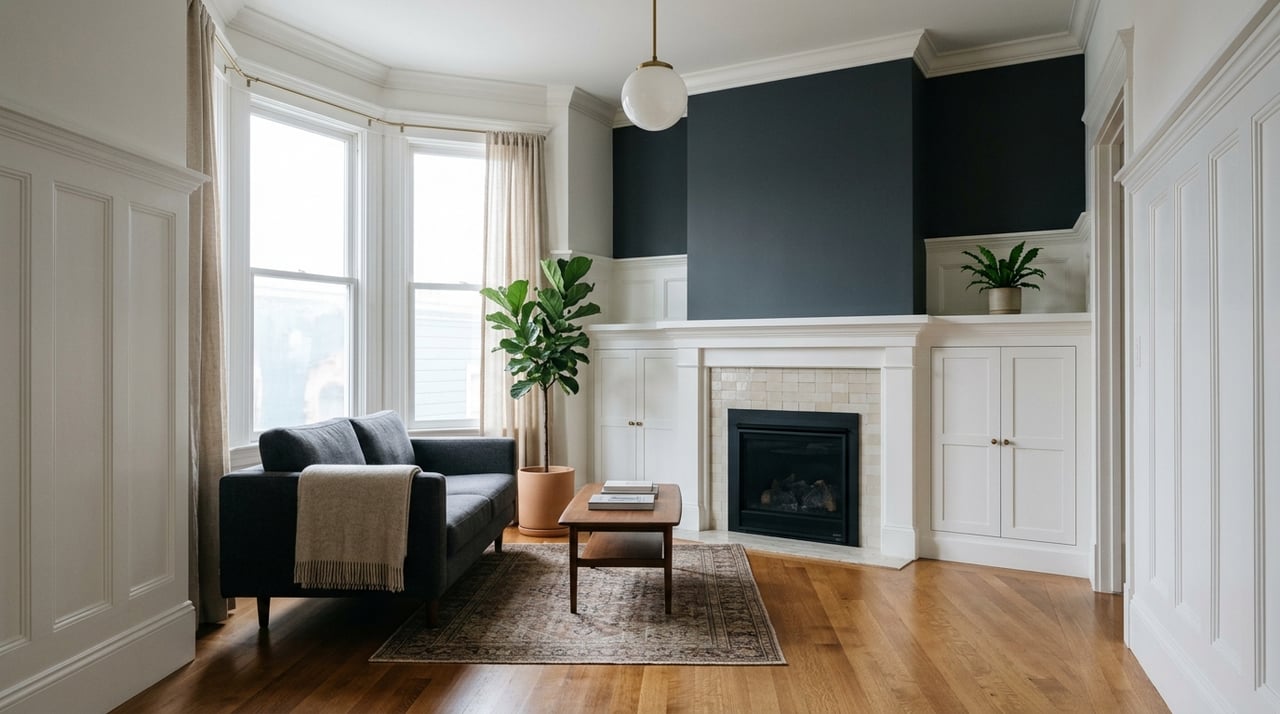
For buyers looking at single-family homes or multi-bedroom residences, details such as natural light, floor plan flow, and level of updating can influence value as much as headline pricing. In Bernal Heights, that finer-grain reading can help you avoid both overbidding and underreacting.
Mission District: still competitive, but less compressed
The Mission District remains competitive, but it is not as compressed as the hottest north and central pockets. In March 2026, the median sale price was $1,175,000, median days on market were 33, and the sale-to-list ratio was 106.1%. The Compete Score came in at 88.
That extra market time can create more breathing room. Buyers may have a better chance to inspect, compare, and think through renovation or condition issues before stretching too far.
Smart offer tactics in the Mission
You still need to be prepared for multiple offers on well-priced homes. But compared with Noe Valley or the Marina, the Mission may offer more room to resist overbidding, especially on homes that need work or are not sharply priced.
This can be a good neighborhood to stay grounded in the property’s actual strengths and liabilities. Rather than assuming every listing requires your most aggressive terms, you can often be more selective and more analytical.
Sunset and the Avenues: details drive value
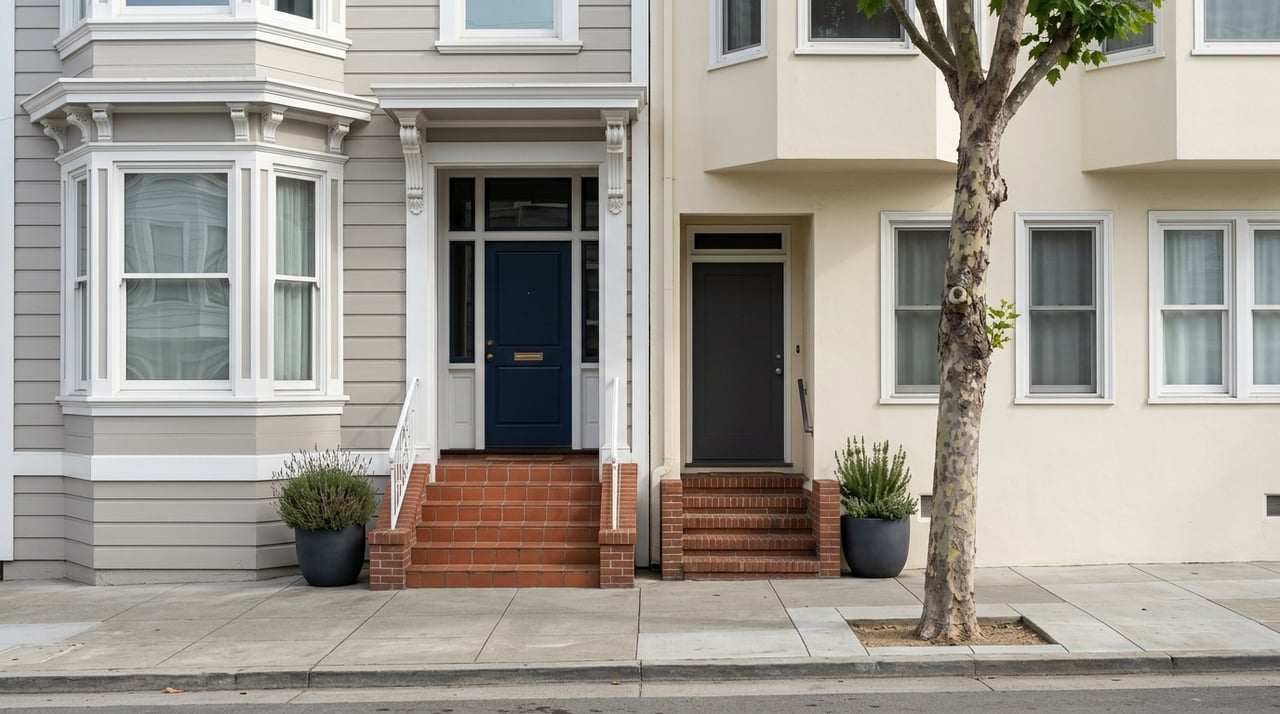
When people say “the Avenues,” they are usually using a west-side shorthand, not an official planning boundary. San Francisco Planning notes that neighborhoods do not have official boundaries, and the Sunset includes smaller areas such as the Inner Sunset, Outer Sunset, and Parkside. Much of the Sunset’s core housing stock was built between 1925 and 1950, often as single-family homes with integral garages on narrow lots.
That housing pattern matters because value is often shaped by specifics. Light, parking, condition, and layout can have an outsized impact on final pricing in these west-side homes.
What current market numbers show
Recent data show the Inner Sunset at $2,215,000 and 15 days on market, the Outer Sunset at $1,625,000 and 14 days, and the broader Sunset District at $1.88 million and 13 days. All three are still showing meaningful over-list premiums.
For buyers, that means many west-side homes still require a strong opening position. At the same time, because housing stock can vary meaningfully, your pricing logic should be tied closely to the specific home rather than only the neighborhood average.
SoMa: the most negotiable of the group
SoMa stands apart from the hotter submarkets in this article. In March 2026, the median sale price was $698,000, median days on market were 35, and the Compete Score was 48. On average, homes sold for about 1% below list price.
That does not mean every listing is negotiable, but it does suggest a different rhythm. Buyers are more likely to preserve some standard diligence and less likely to need an all-out sprint unless a particular building or unit is unusually hot.
How offers often differ in SoMa
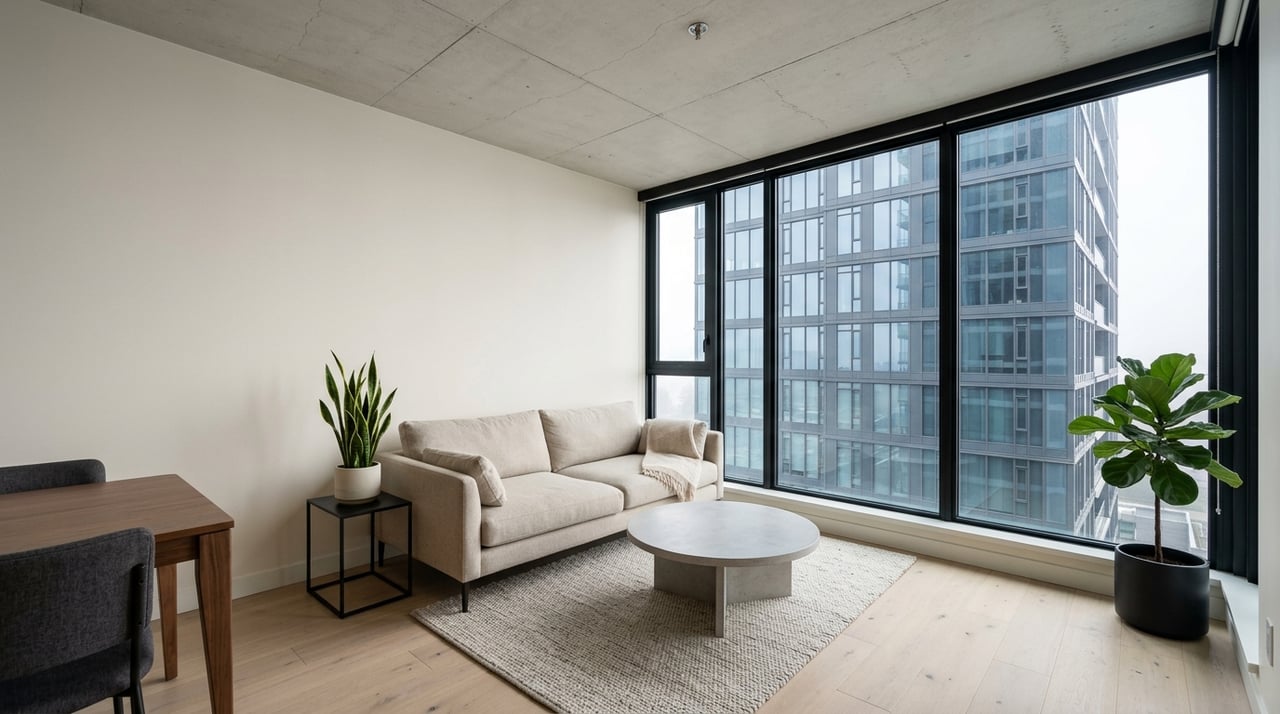
In SoMa, patience can be an asset. You may have more room to review building materials, compare alternatives, and negotiate around condition, pricing, or seller expectations. For condos and common-interest properties, that extra diligence can be especially important.
This is the kind of micro-market where terms should follow the property and the building, not citywide headlines. A slower pace can give you leverage if you use it well.
When pre-emptive offers make sense
Pre-emptive offers are most plausible in the hottest submarkets in this group. Based on current market conditions, they make the most sense in Noe Valley and the Marina District first, then Bernal Heights and tighter Sunset or Inner Sunset pockets.
The common thread is short days on market, frequent multiple offers, and meaningful over-list outcomes. In those settings, waiting for the formal offer date can sometimes mean competing against a crowded field. In SoMa, by contrast, a pre-emptive strategy is generally less compelling because the market is slower and more negotiable.
Contingencies are a strategy choice
Shorter contingencies can strengthen an offer, but they should be treated as a tradeoff, not a shortcut. The California Department of Real Estate explains that the Real Estate Transfer Disclosure Statement must be delivered as soon as practicable and before transfer of title. If required disclosures are delivered after an offer is signed, the buyer may have 3 days after personal delivery or 5 days after mailing to terminate.
That timing matters in competitive San Francisco markets. If you are writing quickly, you need a plan for fast disclosure review so that a cleaner offer does not come at the expense of informed decision-making.
Property-specific diligence still matters
Natural hazards disclosures also deserve close attention. California’s DRE notes that hazard maps are not definitive and that buyers may want professional advice. In practical terms, even in a fast market, you should treat shortened contingency periods as something to use carefully and only with a clear understanding of the property.
The strongest offers are not just aggressive. They are well-informed.
Condo and HOA review can change everything
For condos and other common-interest properties, due diligence extends beyond the unit itself. California requires delivery of HOA and governing documents, the current budget, estimated reserves, and information about outstanding assessments.
In neighborhoods with more condo inventory, including parts of SoMa and the Mission, these materials can directly affect how competitive you want to be. A building’s reserves, assessment history, and operating picture can shape value as much as finishes or views.
The key takeaway for San Francisco buyers
San Francisco does not reward one-size-fits-all offer writing. Noe Valley and the Marina often call for speed, conviction, and a clean presentation. Bernal Heights and the Sunset demand quick action too, but often with more home-specific judgment around condition, layout, and long-term value.
The Mission can offer more room to compare and think. SoMa may allow more negotiation and fuller diligence, especially in condo buildings. The legal disclosure framework is citywide, but the way you compete should always be matched to the neighborhood and the property in front of you.
If you want a strategy that reflects the architecture, market behavior, and real leverage points of each San Francisco micro-market, working with an advisor who understands those layers can make the process feel much clearer. When you are ready to build a neighborhood-specific offer plan, connect with Brandi Mayo.
FAQs
How competitive is Noe Valley for buyers in San Francisco?
- Noe Valley is one of the most competitive submarkets in this article, with an 11-day median market time, a 118.4% sale-to-list ratio, and a 98 Compete Score in March 2026.
When do pre-emptive offers make sense in San Francisco neighborhoods?
- Pre-emptive offers are most plausible in Noe Valley, the Marina District, Bernal Heights, and tighter Sunset or Inner Sunset pockets, where short market times and multiple offers are more common.
How do disclosures affect offer strategy in San Francisco?
- California disclosure timing can affect buyer termination rights, so if you shorten contingencies in a fast market, you should have a plan to review disclosures quickly and carefully.
Why is SoMa different from other San Francisco areas?
- SoMa was the most negotiable neighborhood in this group in March 2026, with 35 median days on market, a 48 Compete Score, and average sales around 1% below list price.
What should buyers review for San Francisco condos and HOA properties?
- Buyers should review HOA documents, governing documents, budget, estimated reserves, and any outstanding assessment information because those items can materially affect the value and risk of the purchase.