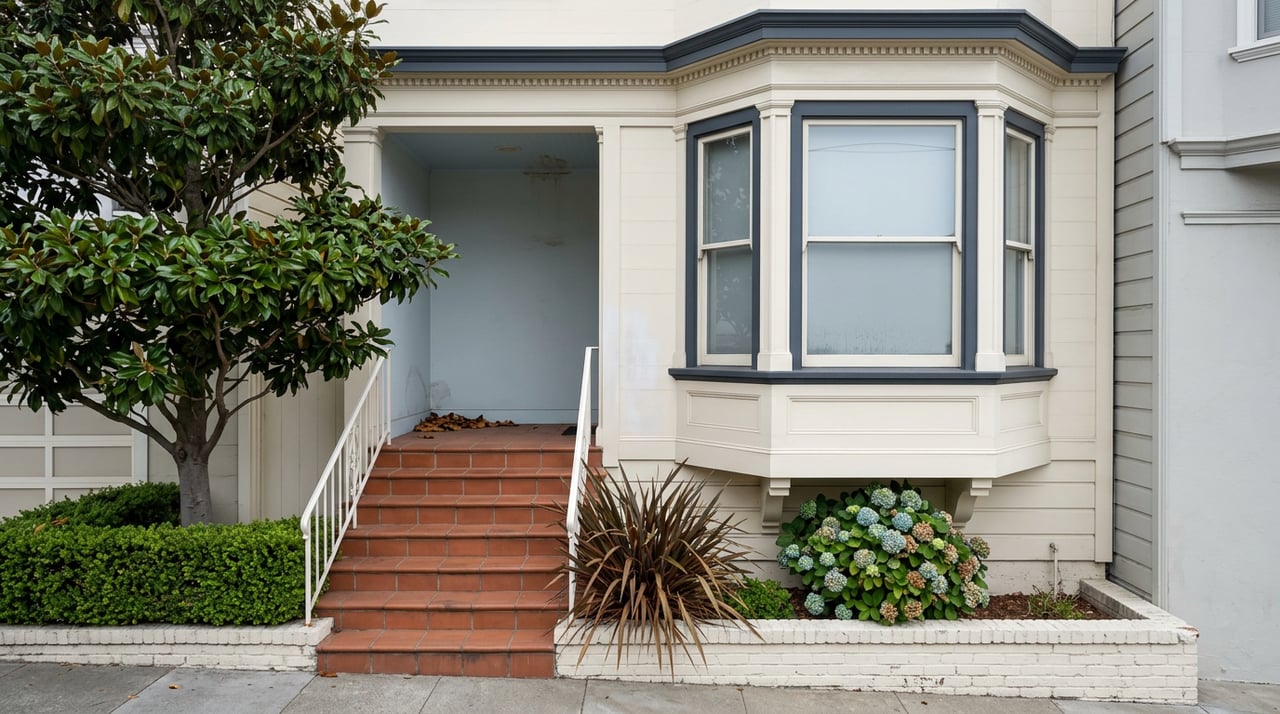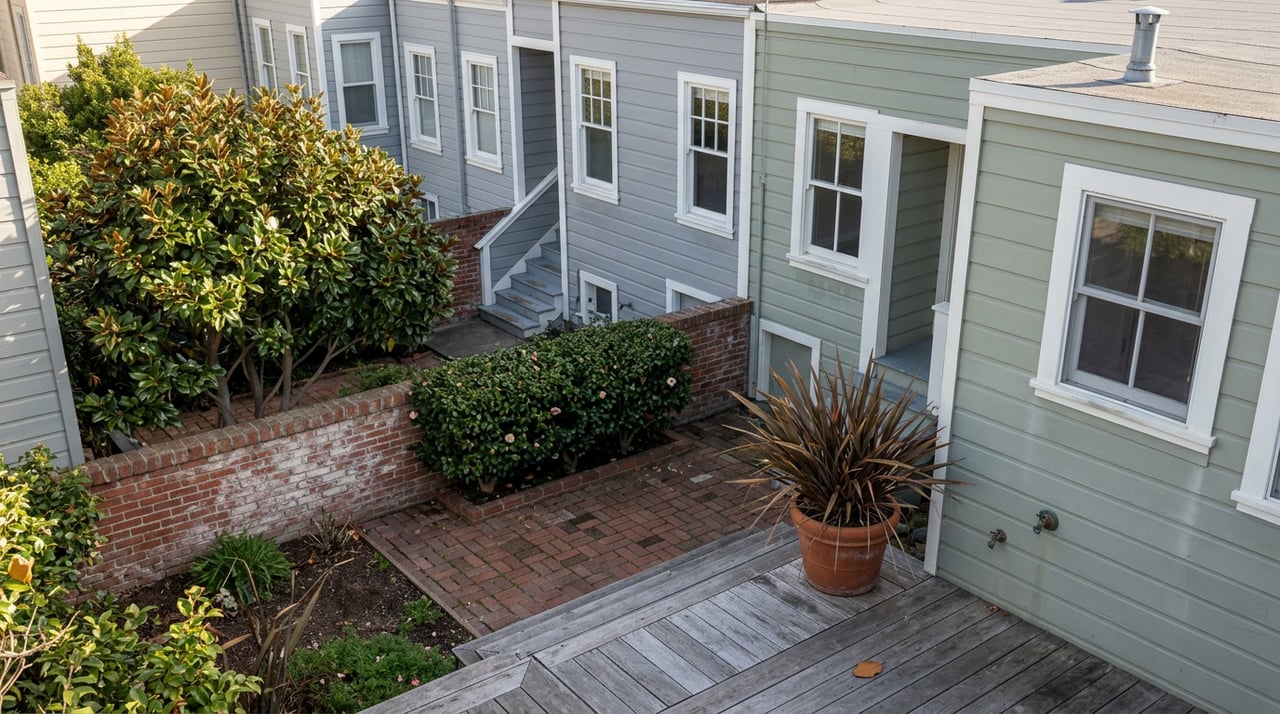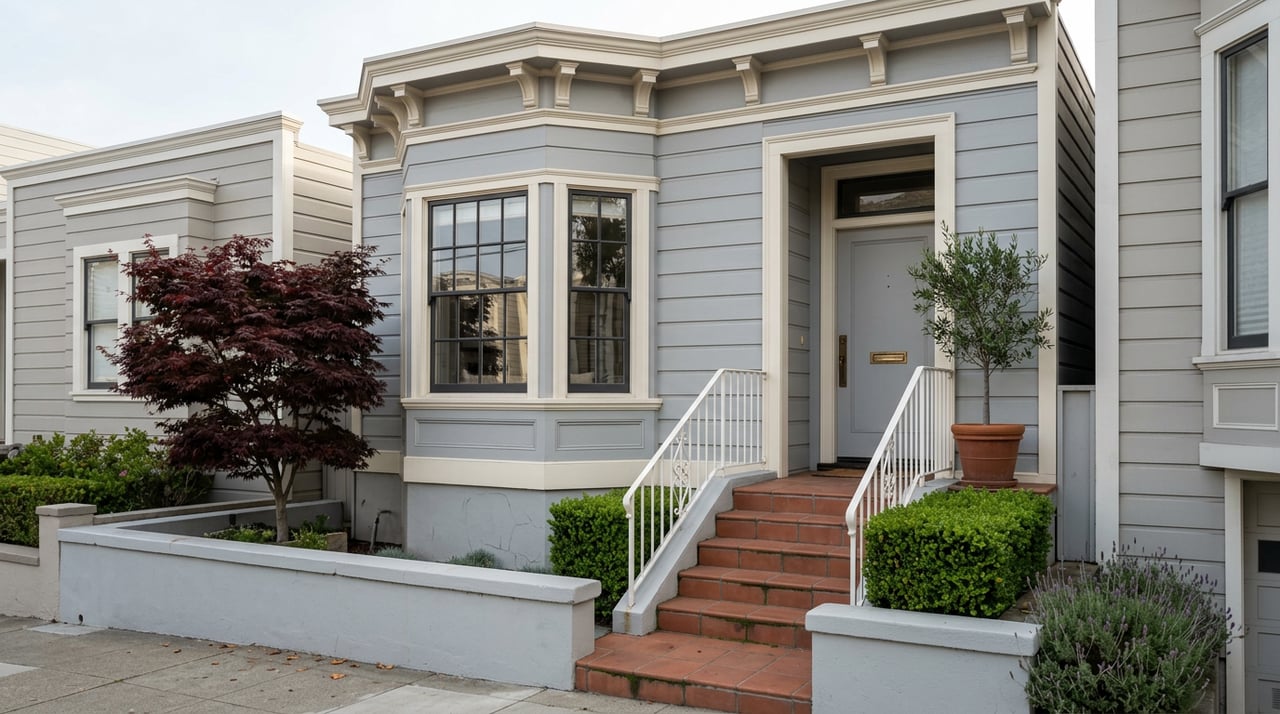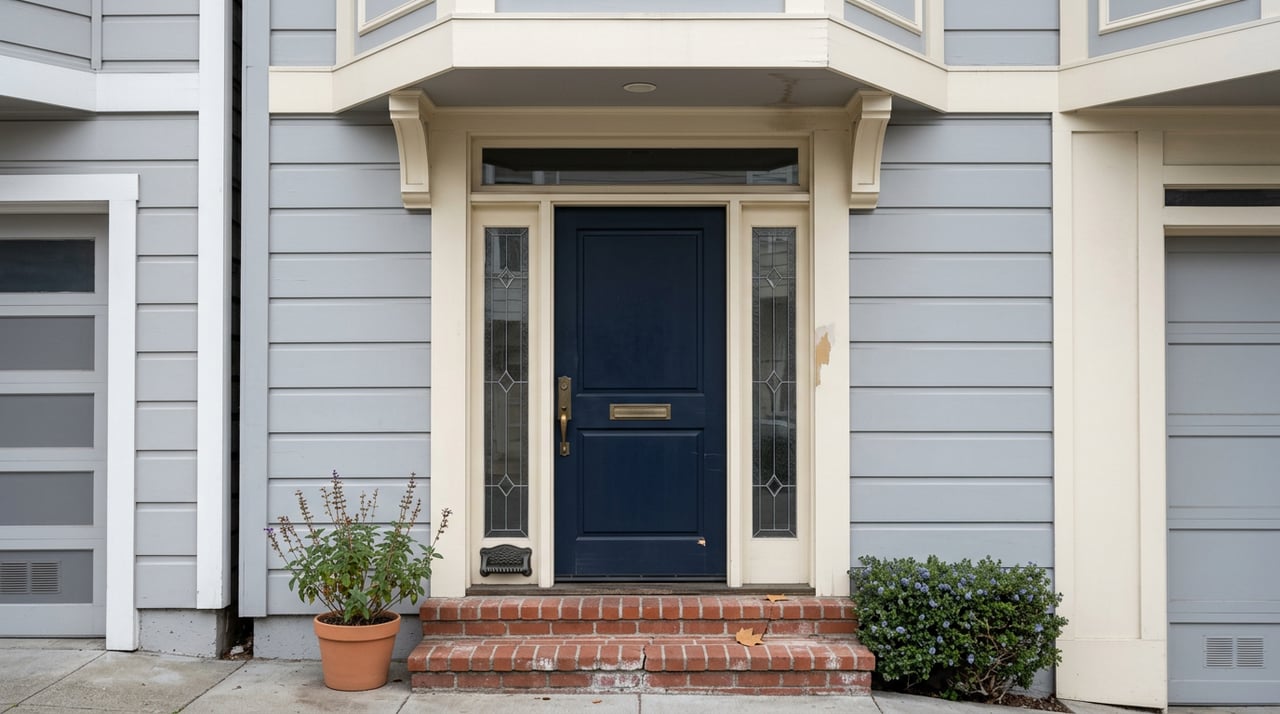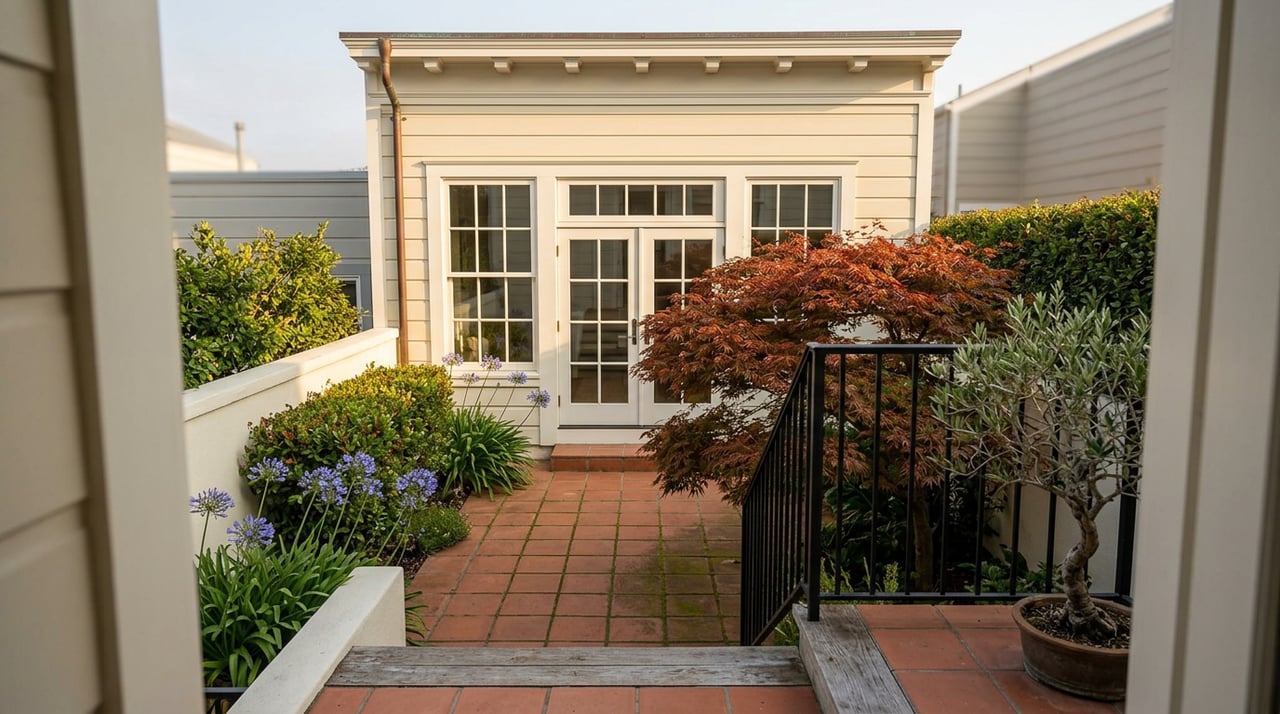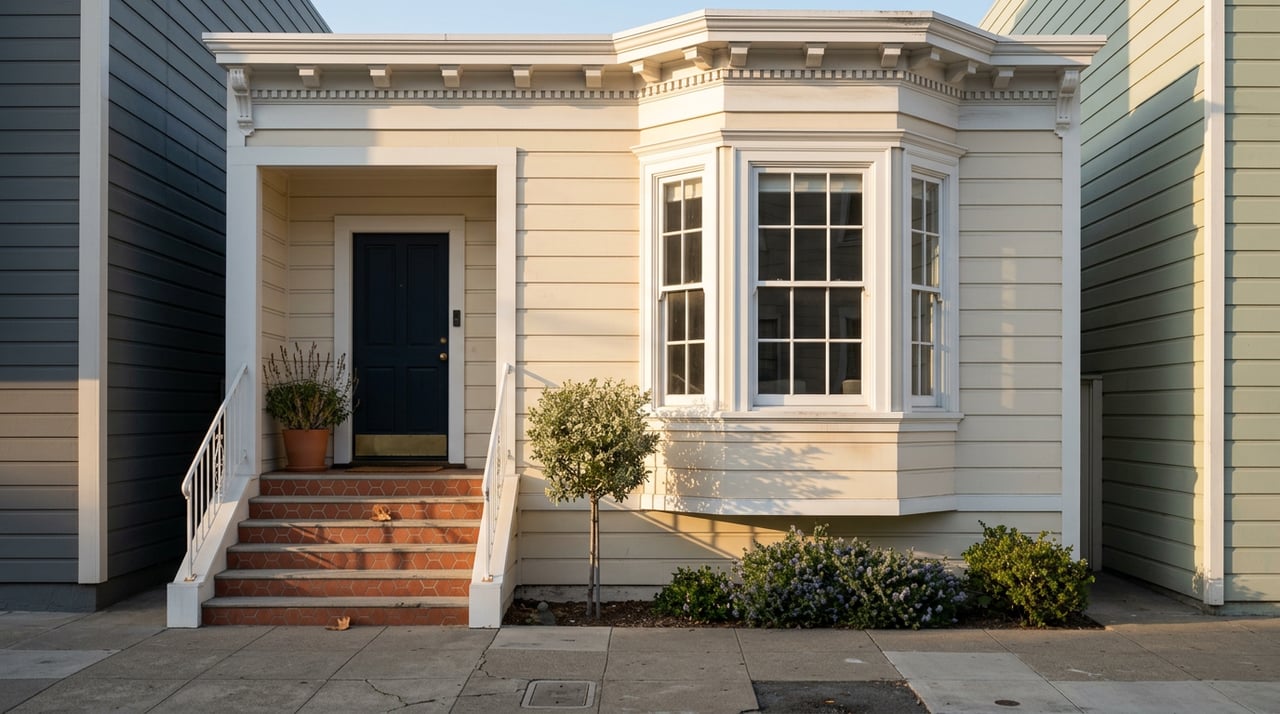
If you are getting ready to sell in San Francisco, the way your home looks before it hits the market can shape everything that follows. In a city where buyers move quickly, compare homes online first, and often make decisions based on presentation within seconds, design-led staging is not just a finishing touch. It is a strategy that helps your home feel clear, considered, and market-ready. Here is how to prepare your San Francisco home for market with a design-first approach that fits both the property and its micro-market.
Why staging matters in San Francisco
San Francisco is not a one-size-fits-all market. The city spans roughly 49 square miles, but within that footprint are many distinct neighborhoods and officially recognized cultural districts, which means buyer expectations can vary from one pocket of the city to the next.
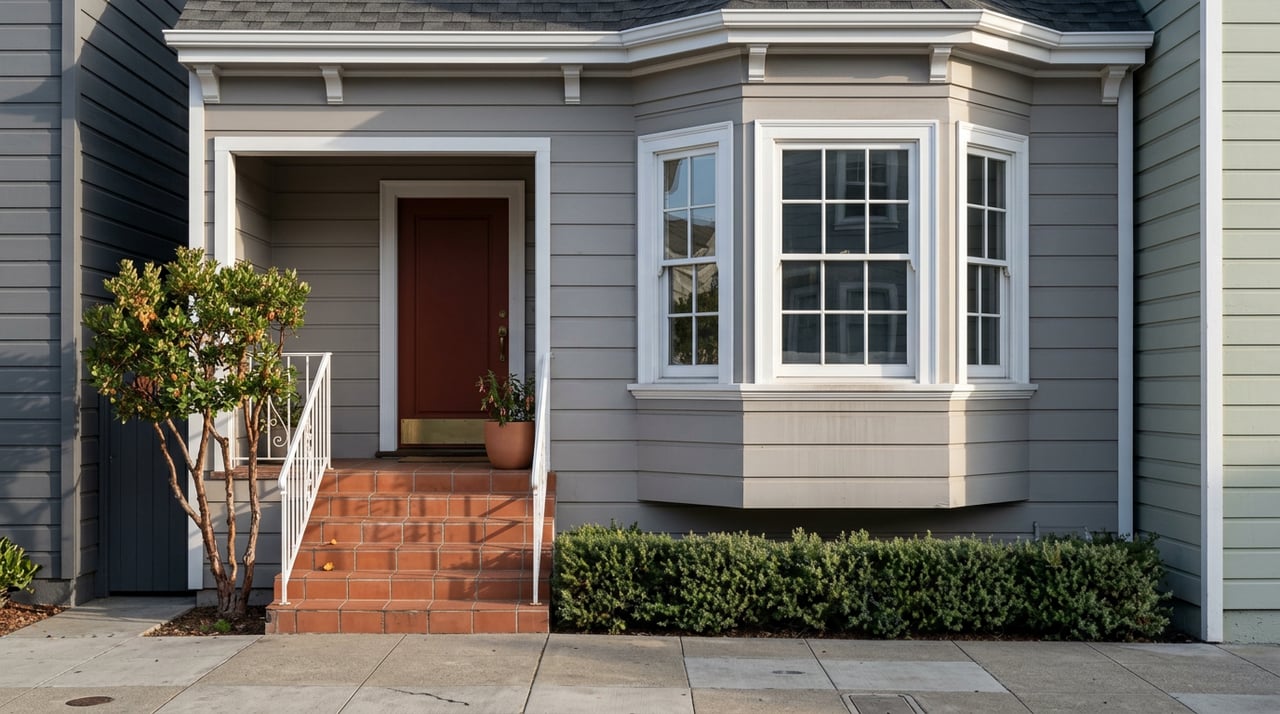
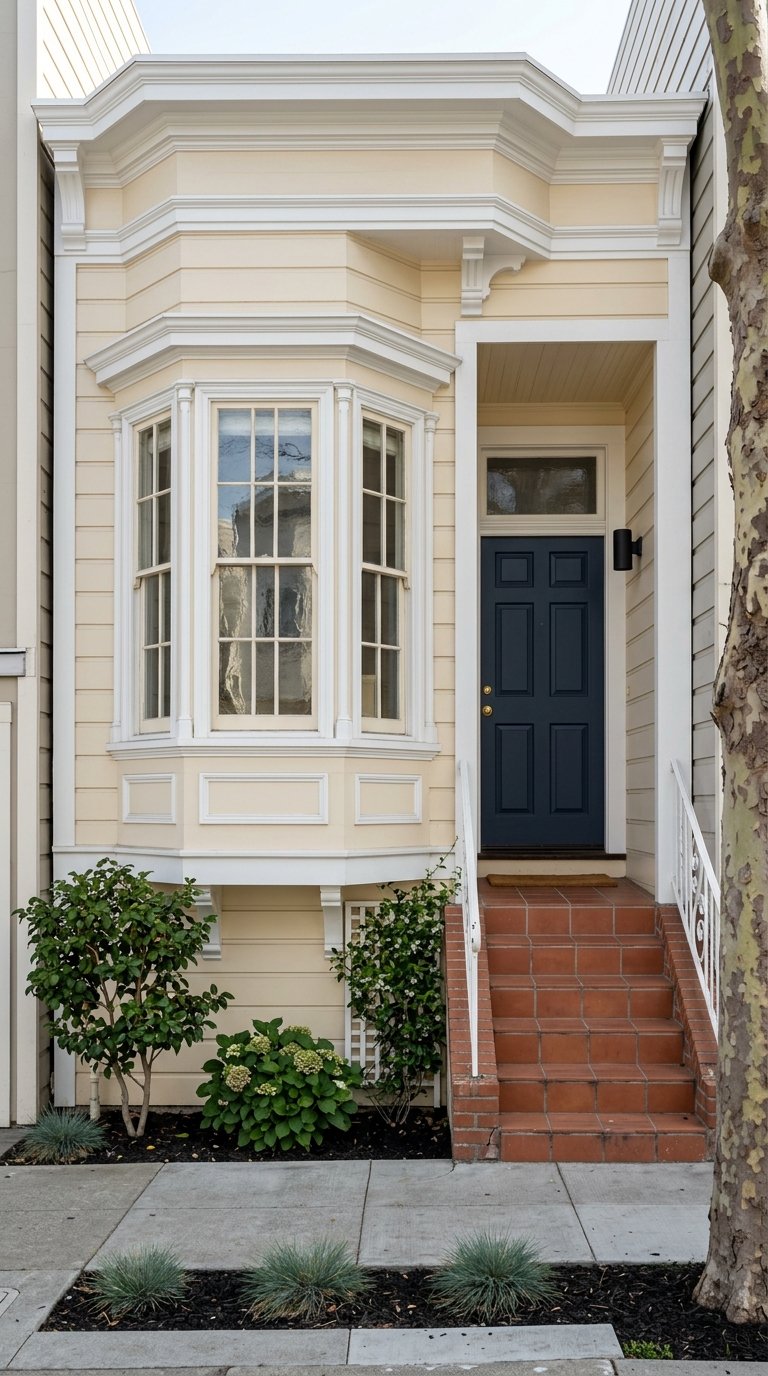
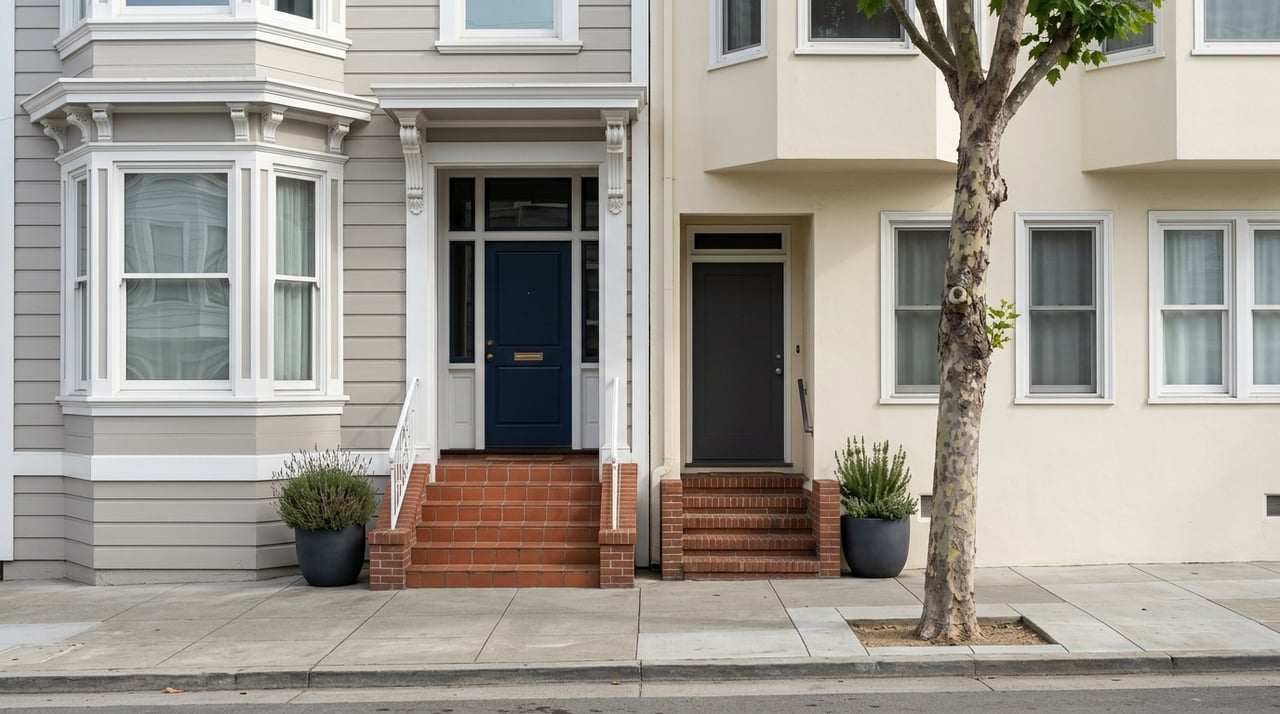
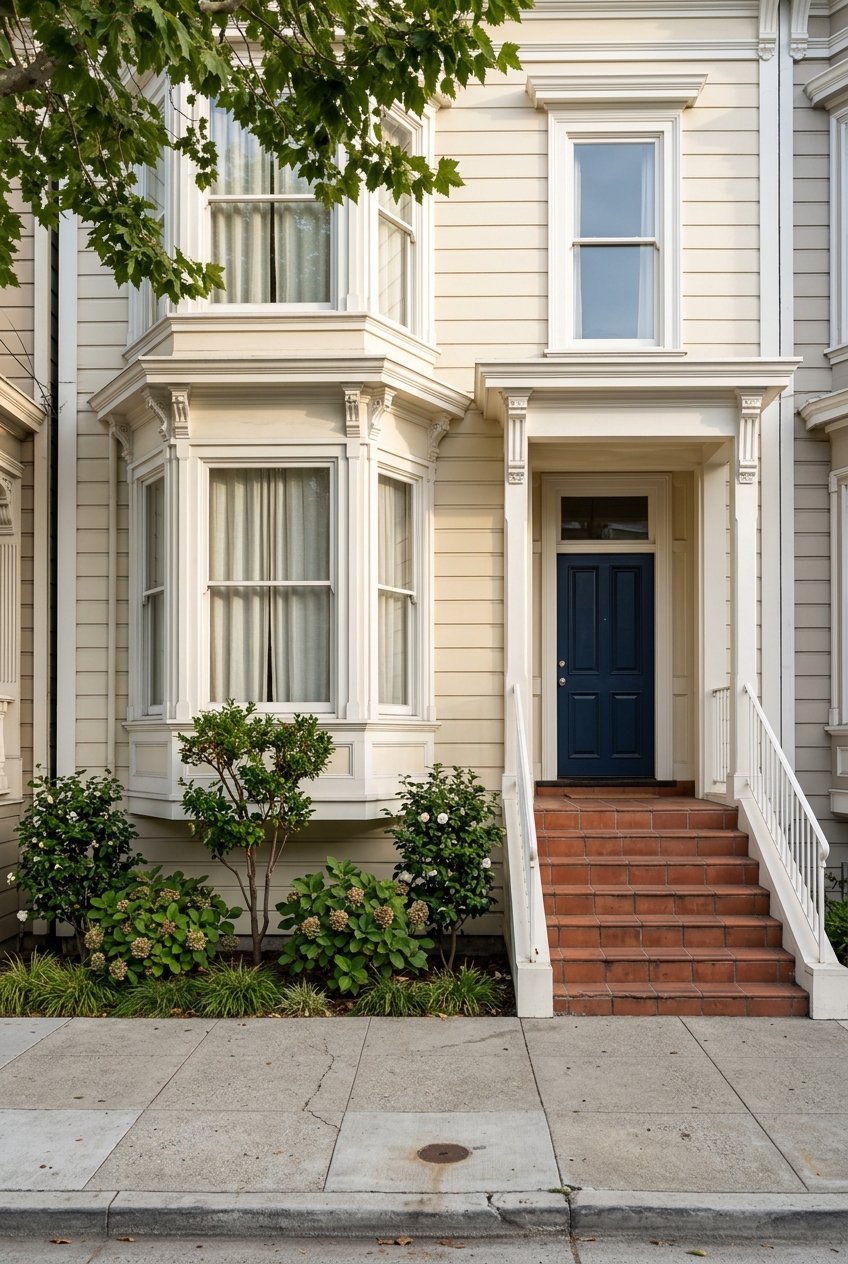
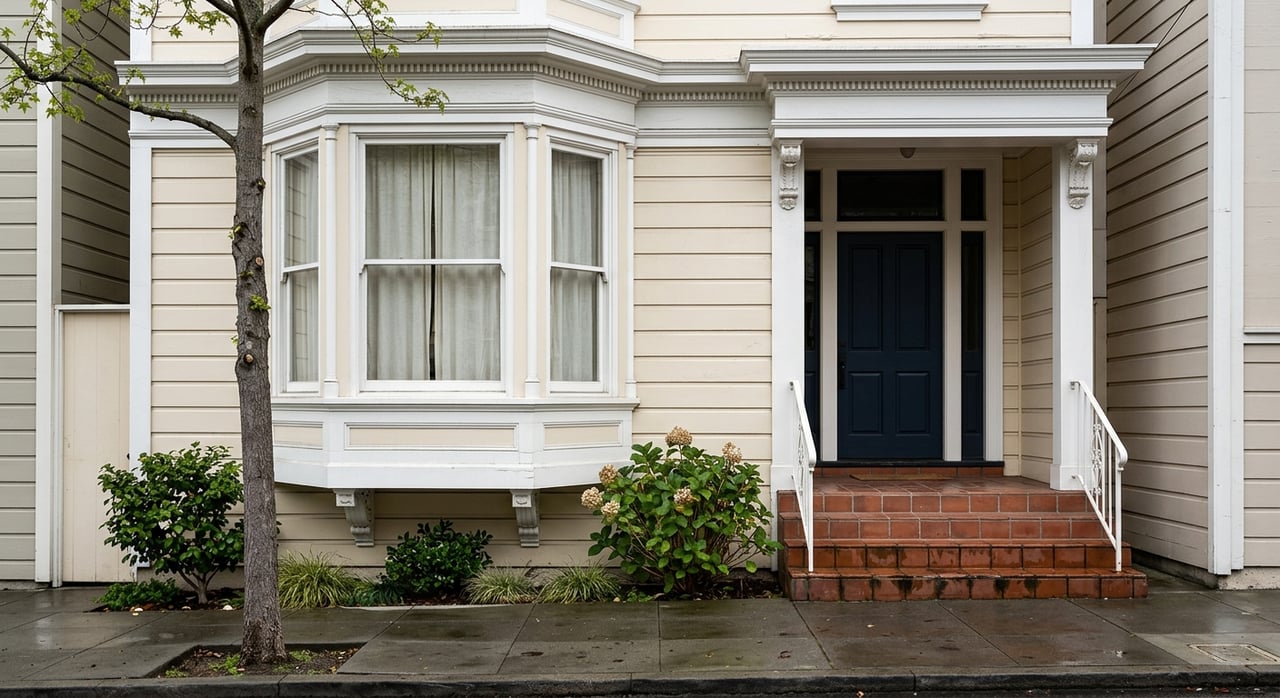
That local nuance matters when you prepare a home for sale. A staging plan that works for a newer condo may not serve a Victorian or Edwardian in the same way. The goal is to create a presentation that feels aligned with your home’s architecture, layout, and neighborhood context.
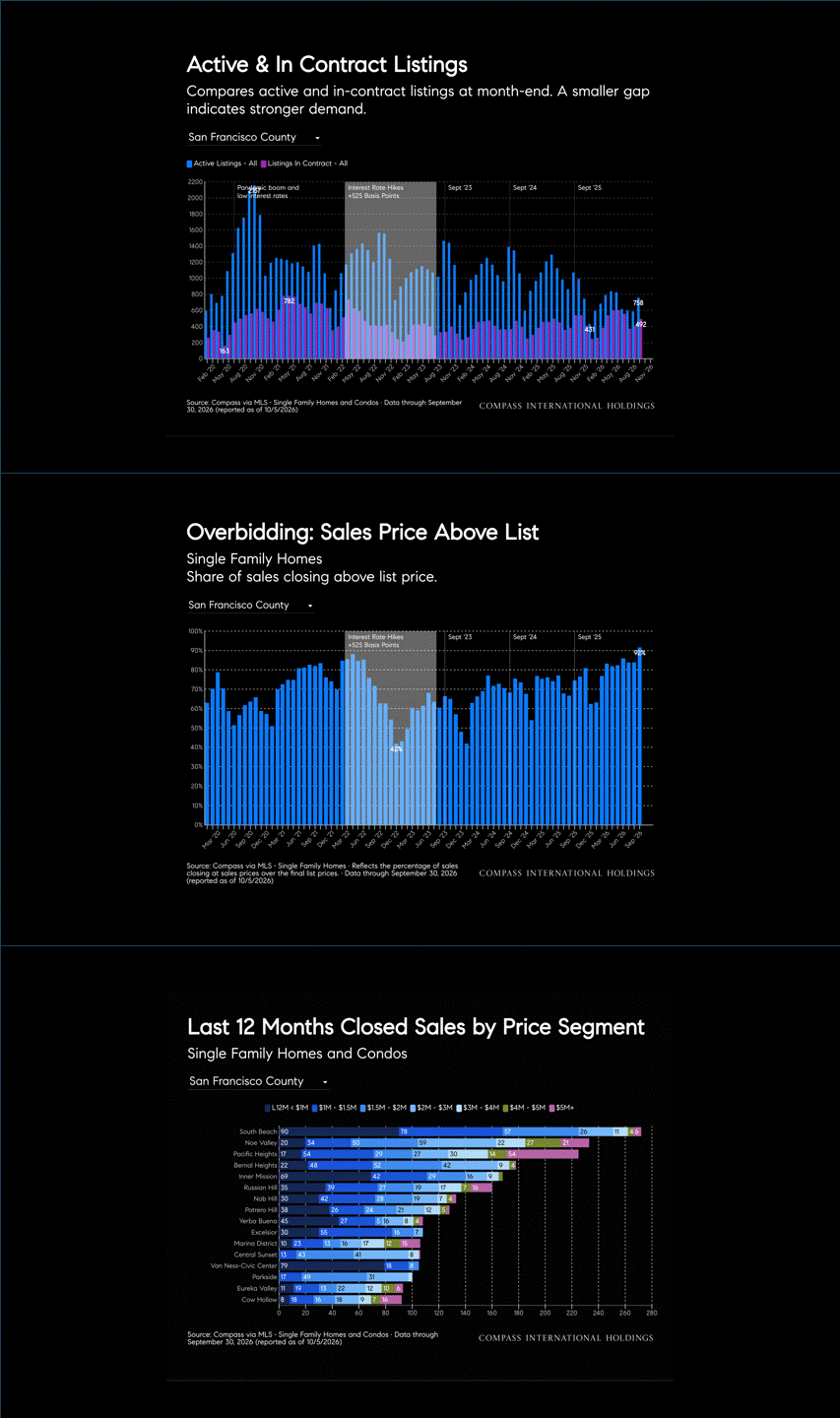
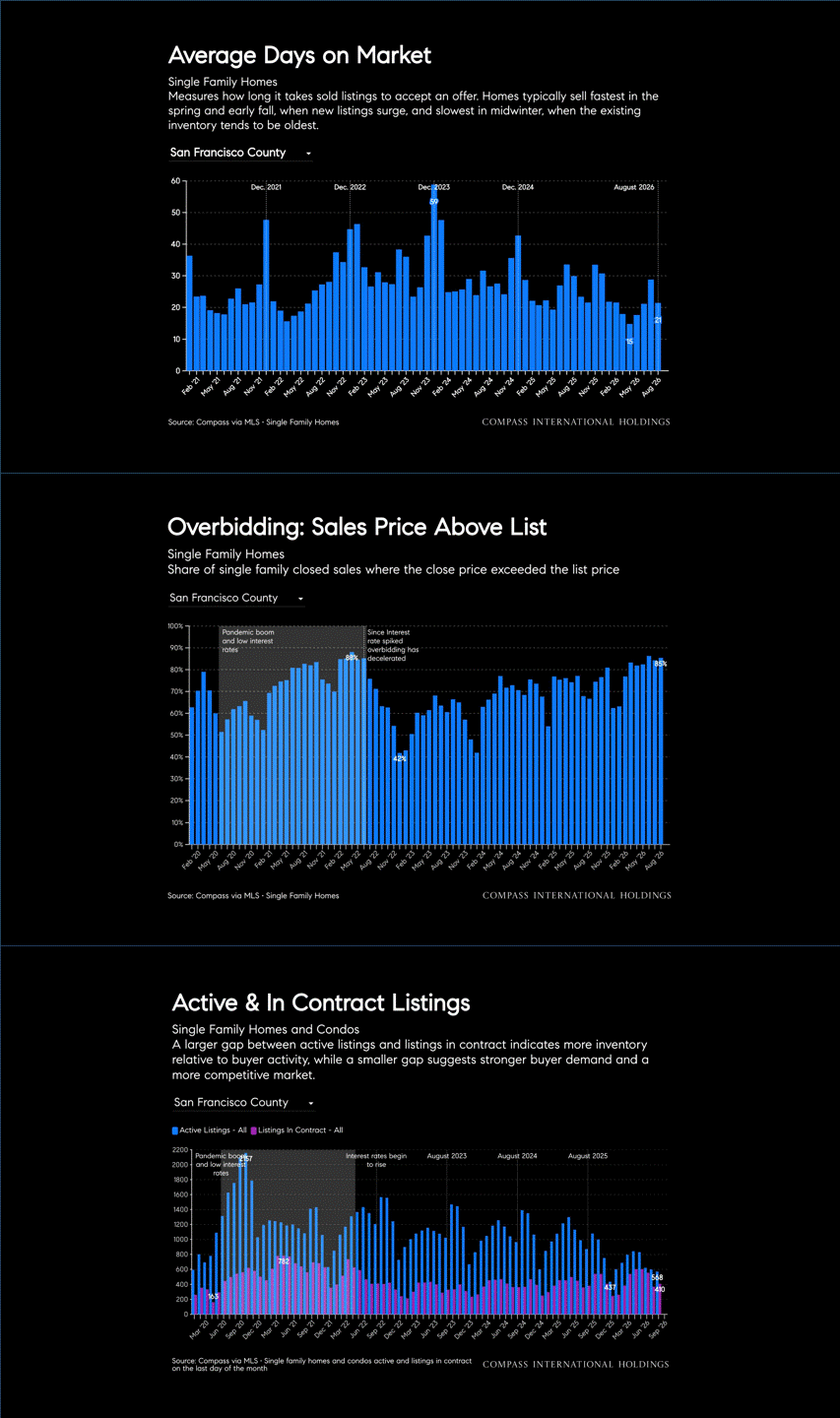
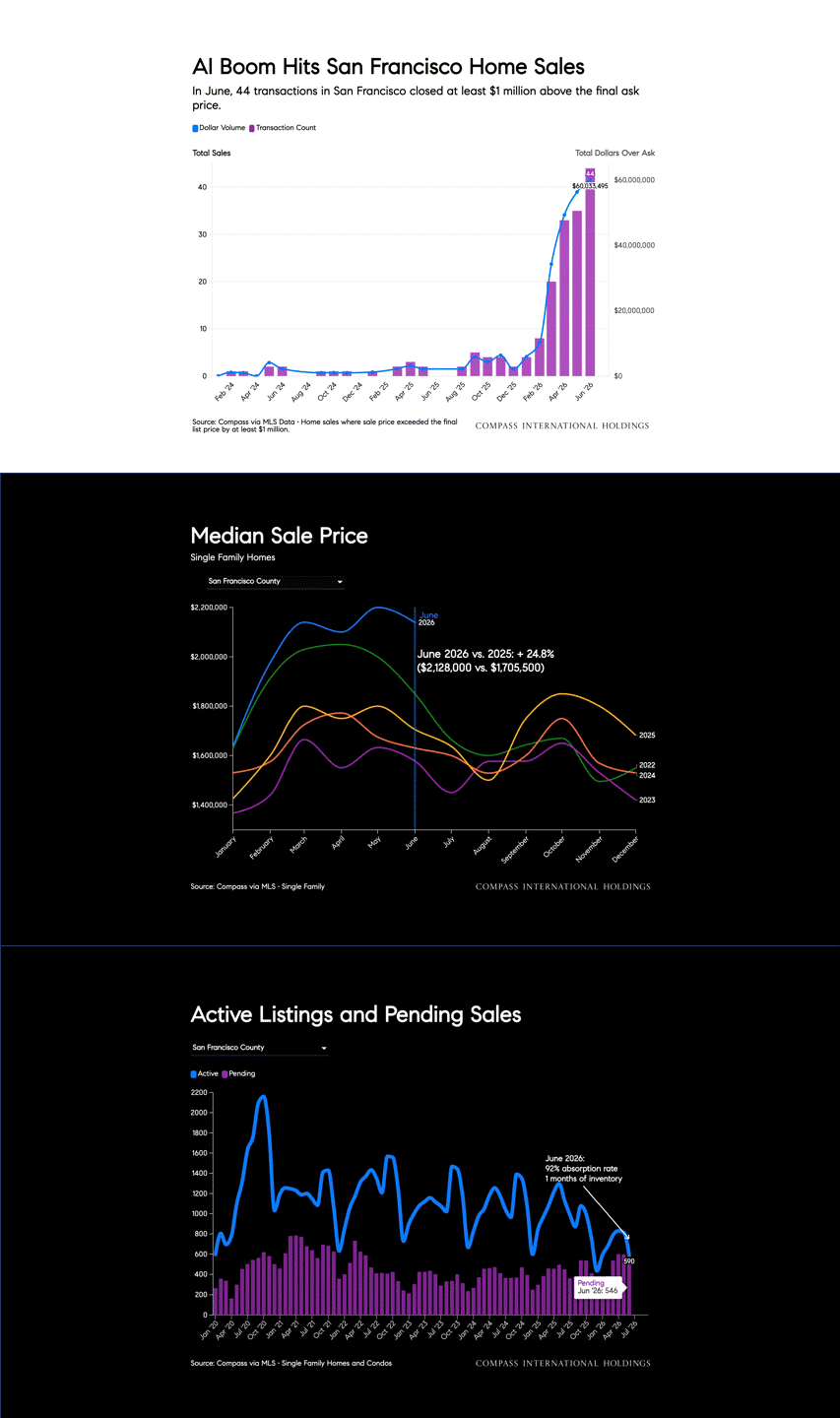
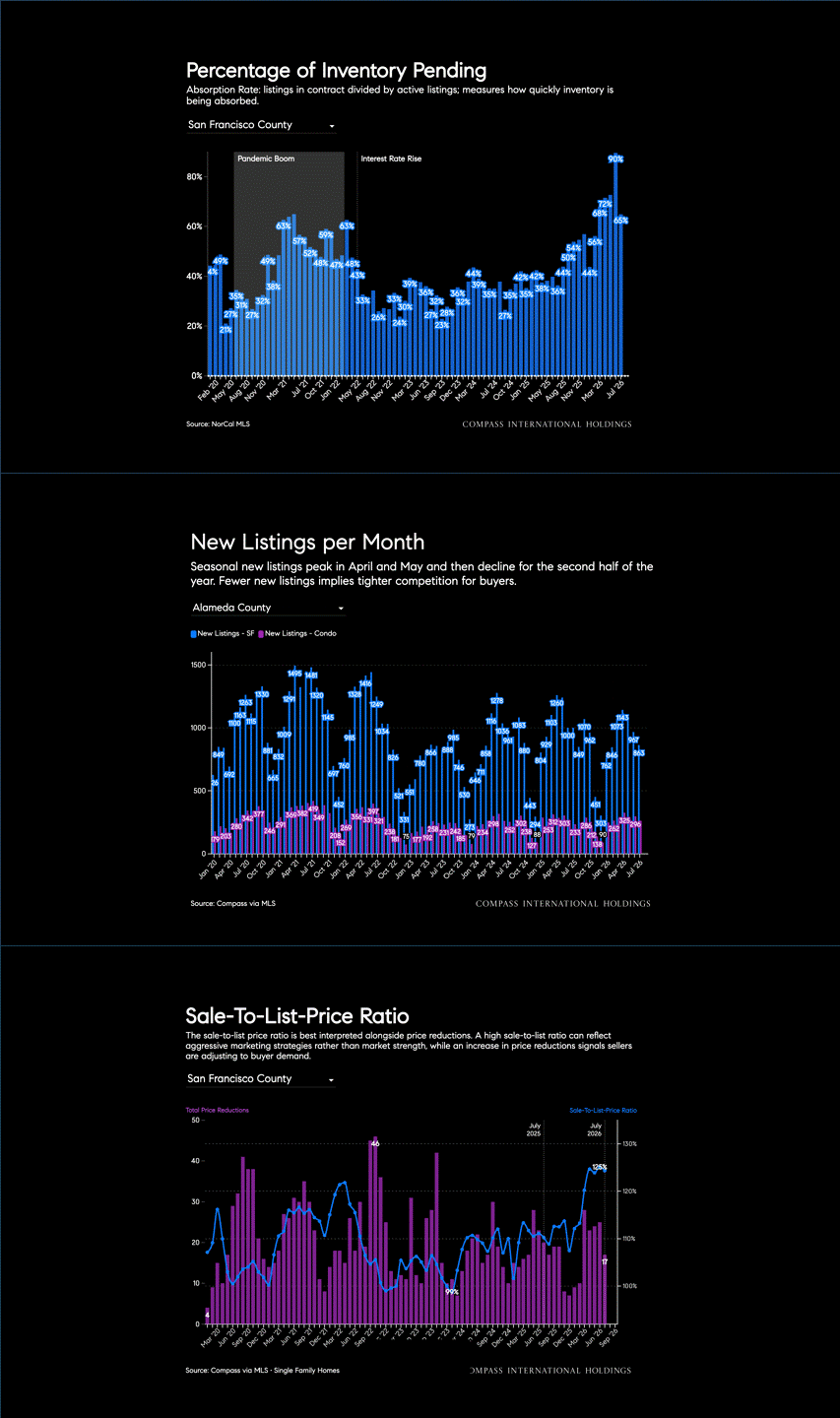
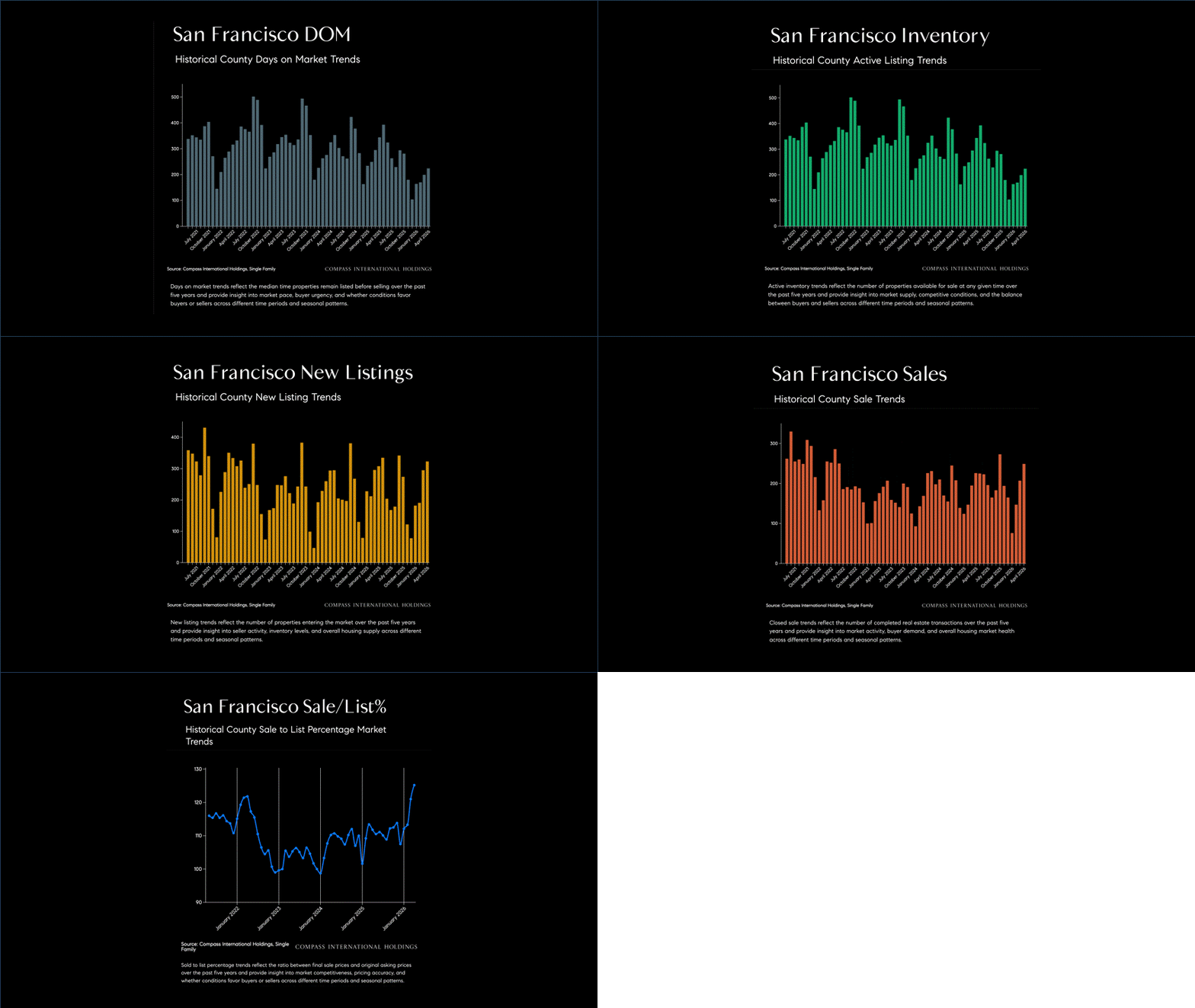
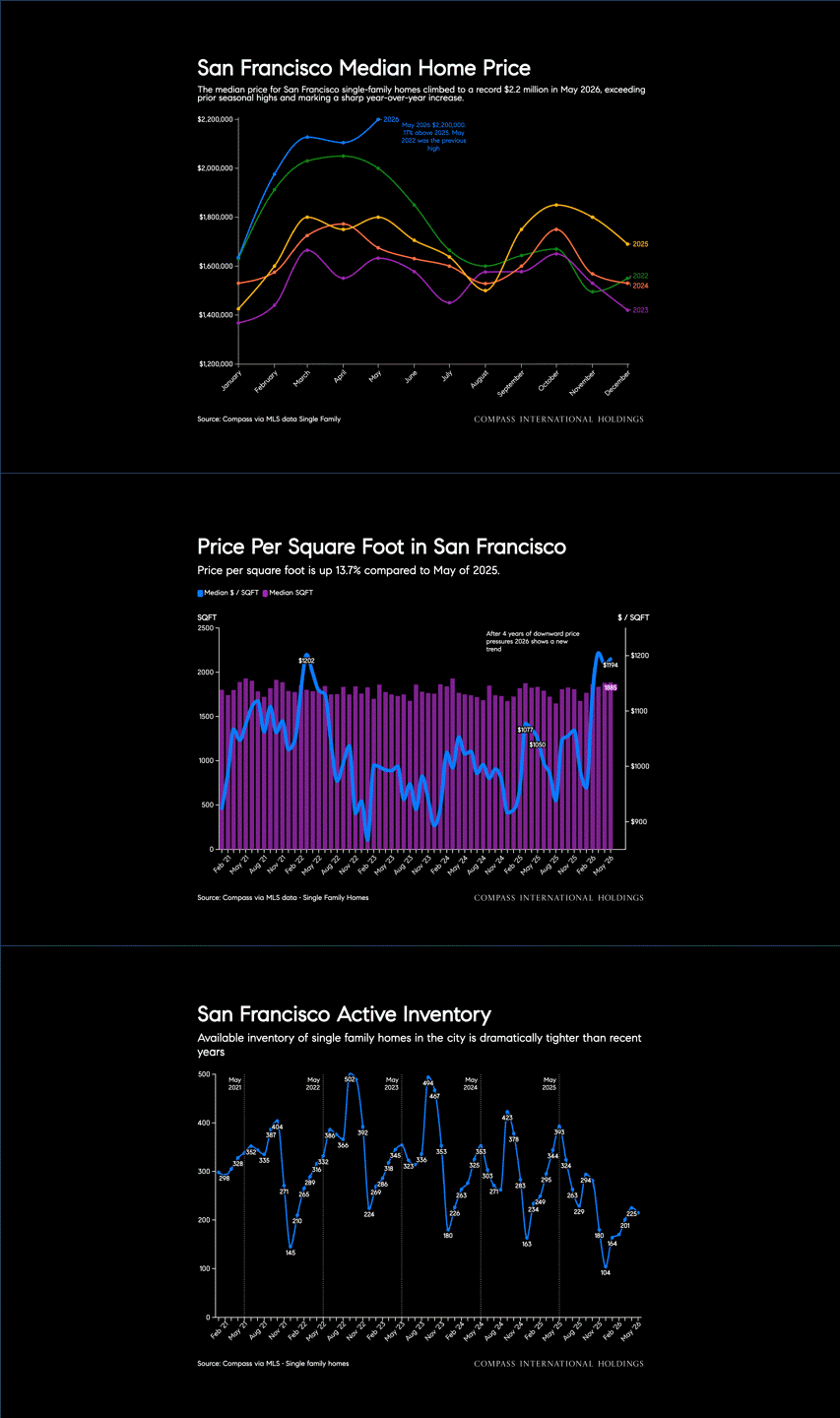
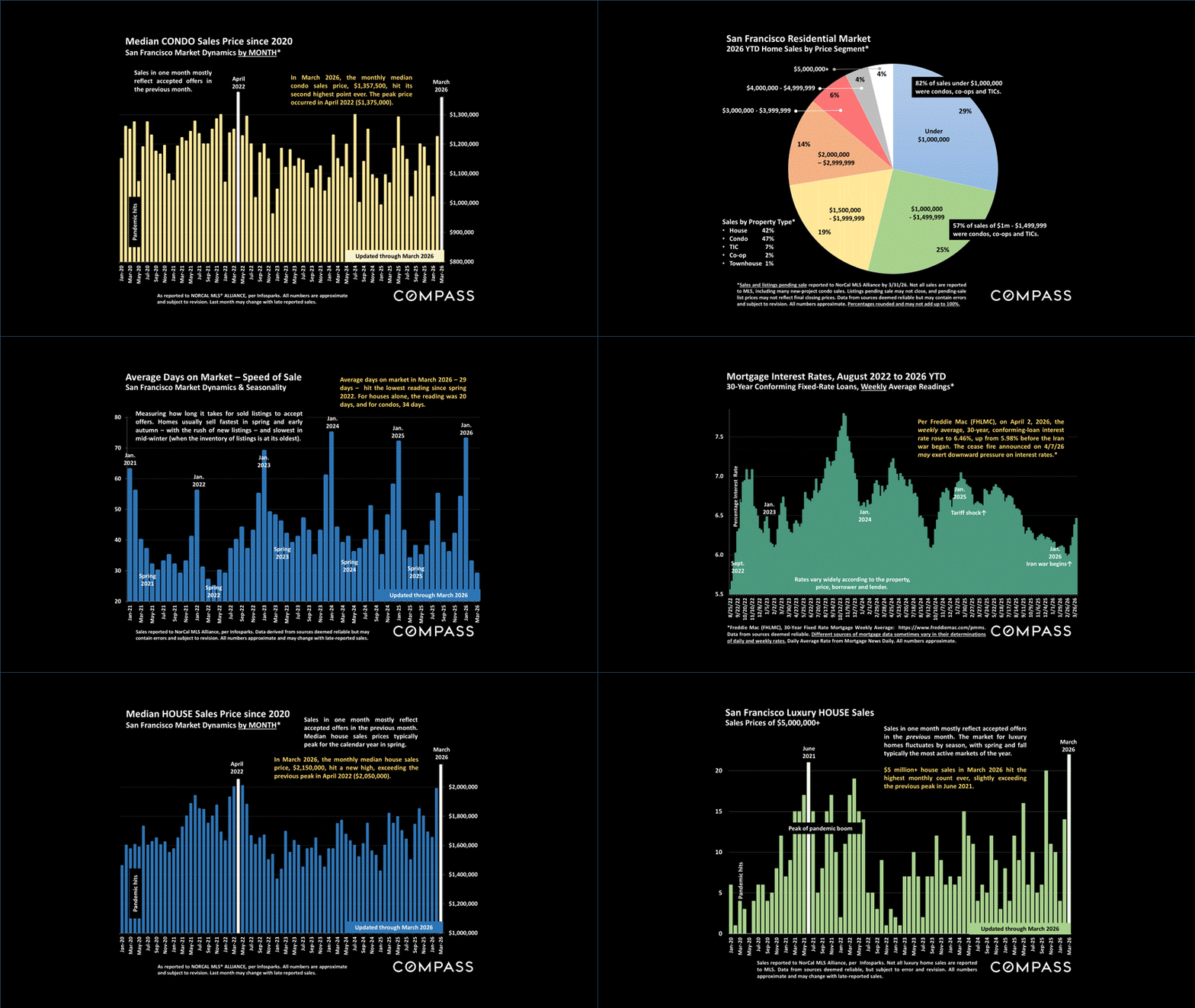
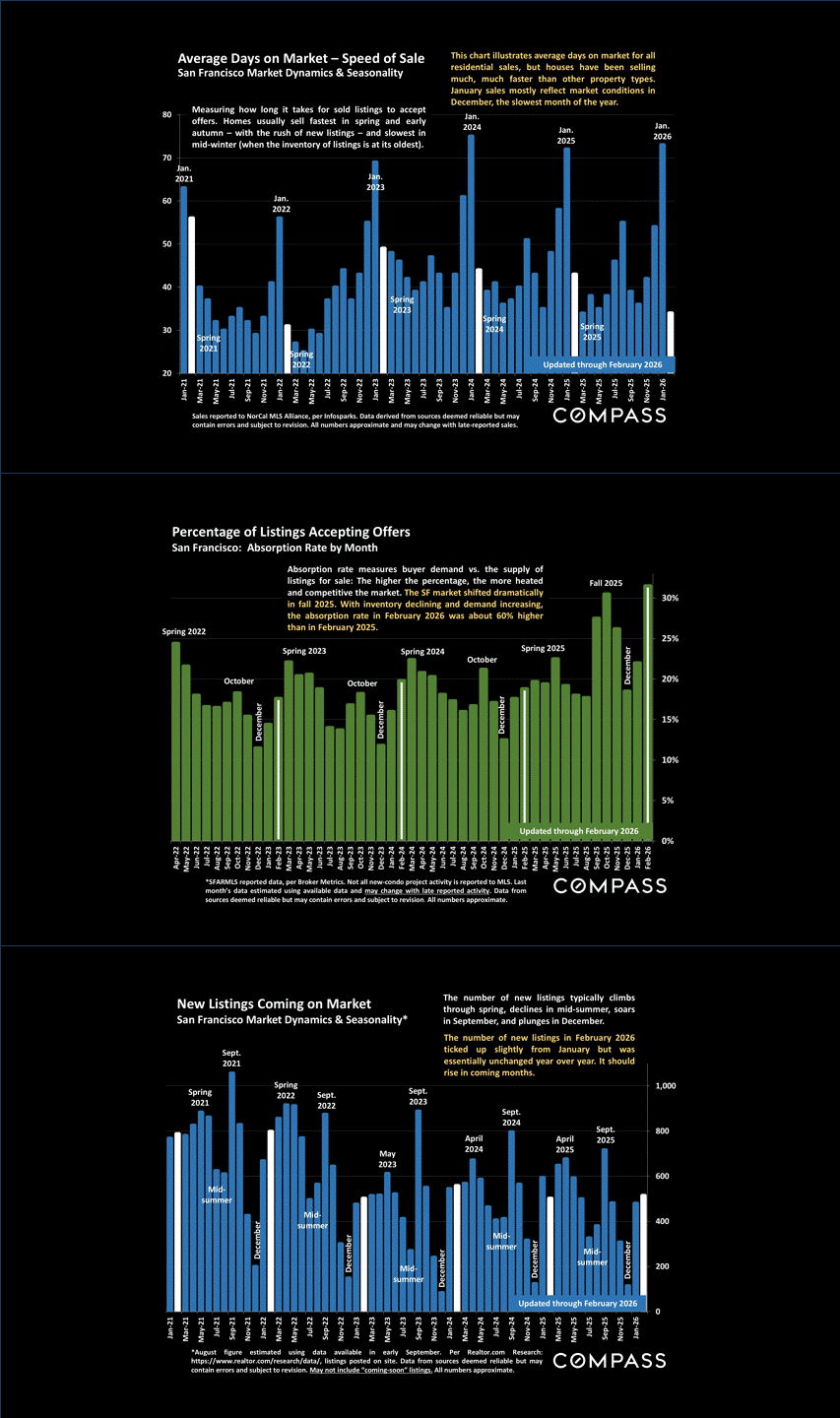
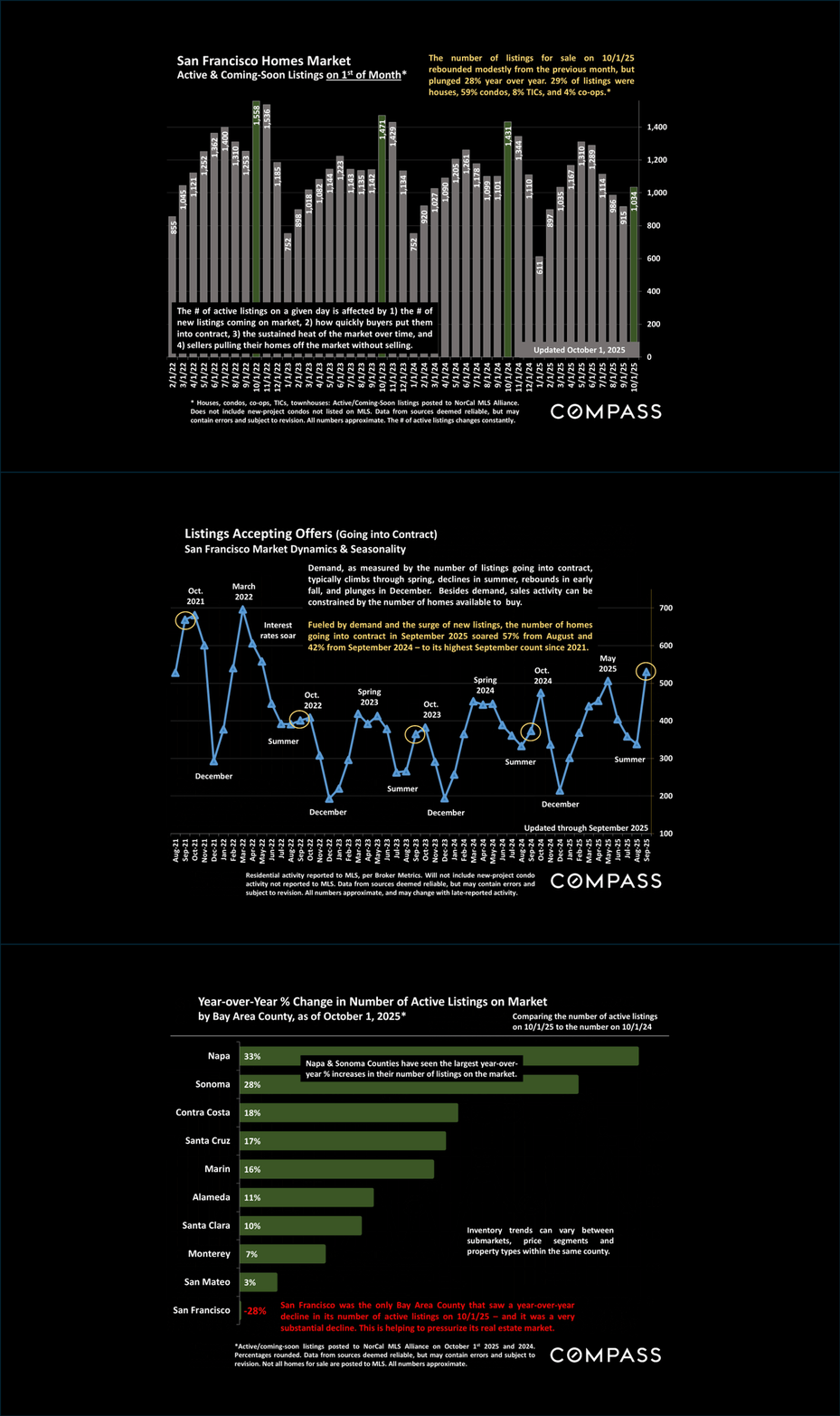
Market pace also raises the stakes. As of March 2026, San Francisco homes were receiving about four offers on average, selling in around 14 days, with a median sale price of about $1.6875 million. Redfin also reported that the average home sold about 13% above list price, which is a reminder that strong first impressions can support stronger outcomes.
Start with selective pre-listing updates
Before you bring in furniture or book photography, it helps to decide what is actually worth improving. In San Francisco, many of the highest-leverage seller prep projects are cosmetic rather than structural.
SF.gov notes that painting, papering, and similar finish work, along with replacing floor coverings in non-bathroom areas, generally do not require a permit. SF.gov also says some kitchen and bathroom remodels that do not change the floor plan, move walls, or add a new shower or bathtub can qualify as no-plans projects.
For most sellers, that points to a practical strategy: refresh rather than overbuild. Clean paint, updated finishes, repaired surfaces, and like-for-like improvements often do more for marketability than a rushed major renovation.
Focus on what buyers notice first
Your prep list does not need to be long to be effective. The most useful updates are usually the ones that make the home feel well cared for, visually calm, and easy to understand.
Common high-impact tasks often include:
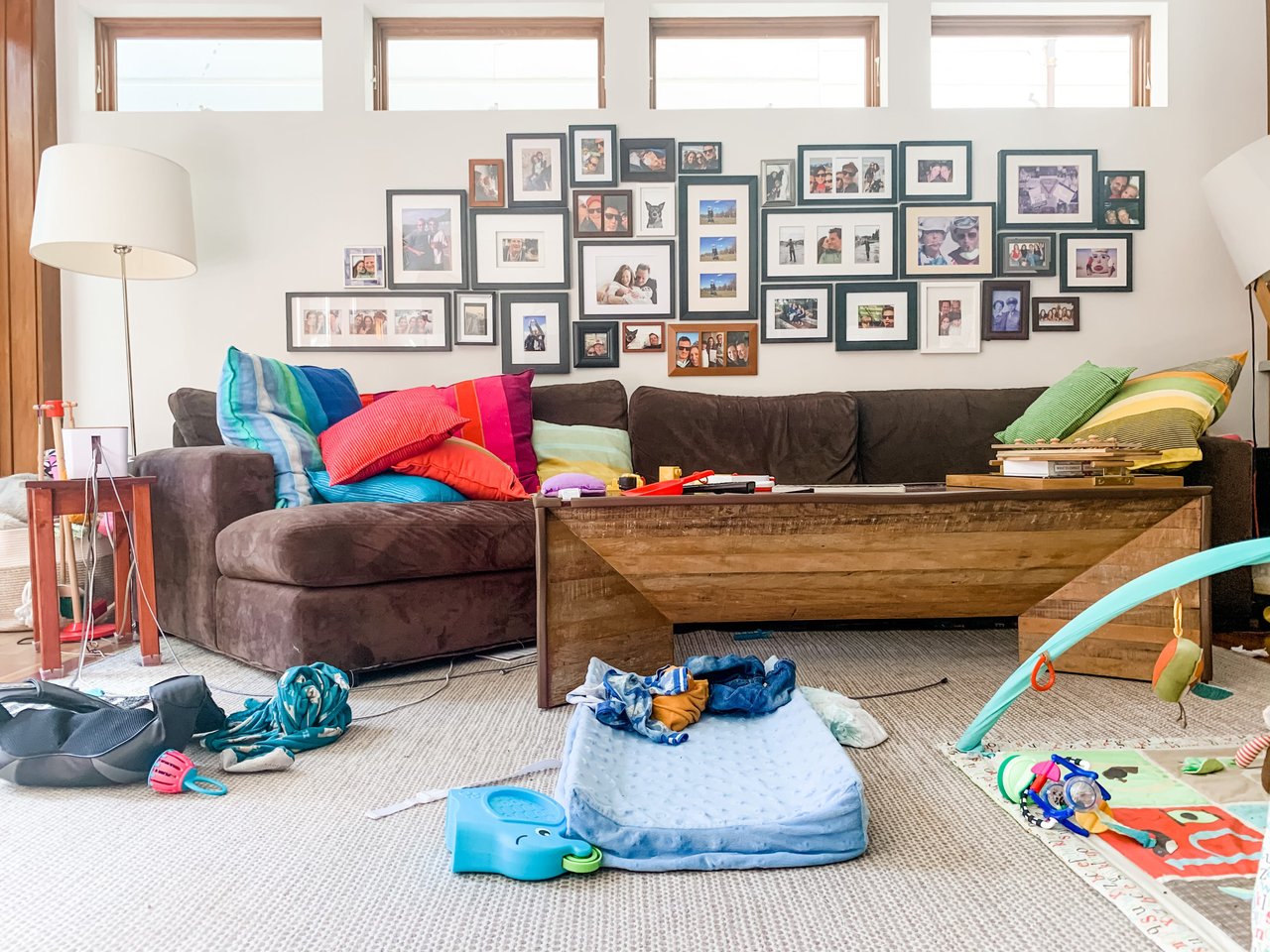
- Decluttering
- Deep cleaning
- Paint touch-ups or full repainting where needed
- Minor repairs
- Floor-covering replacement if existing materials feel worn
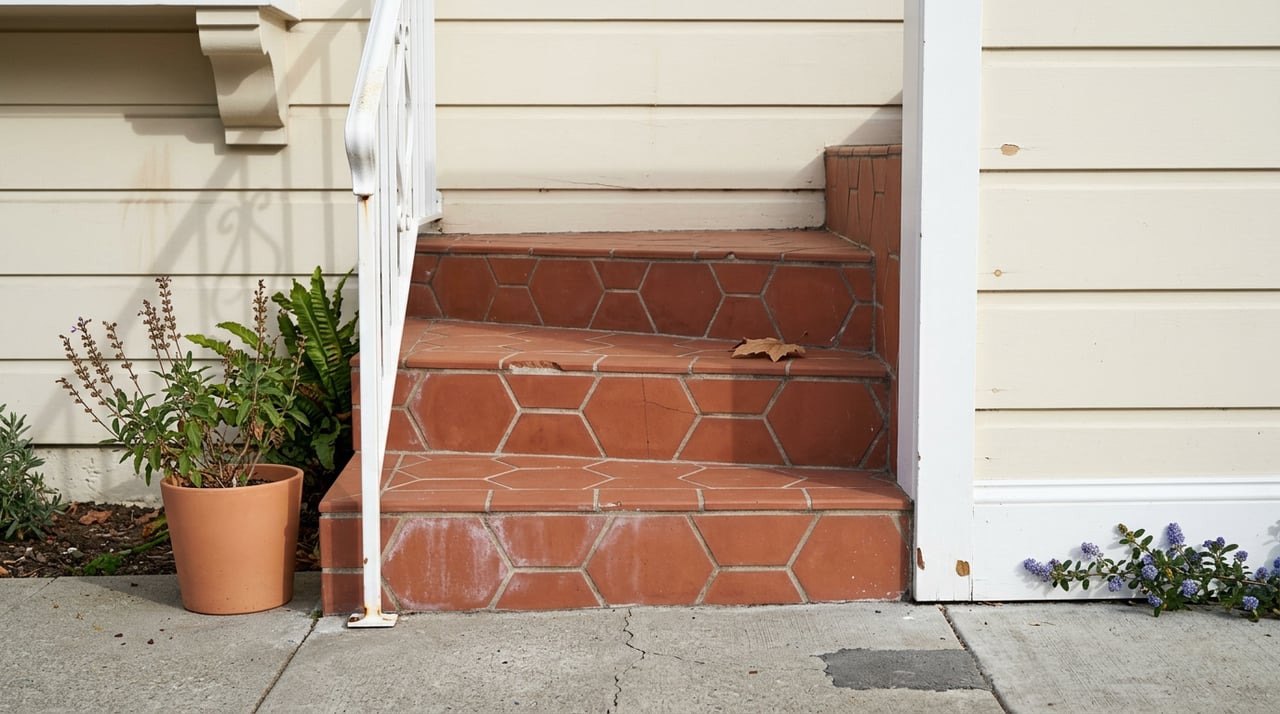
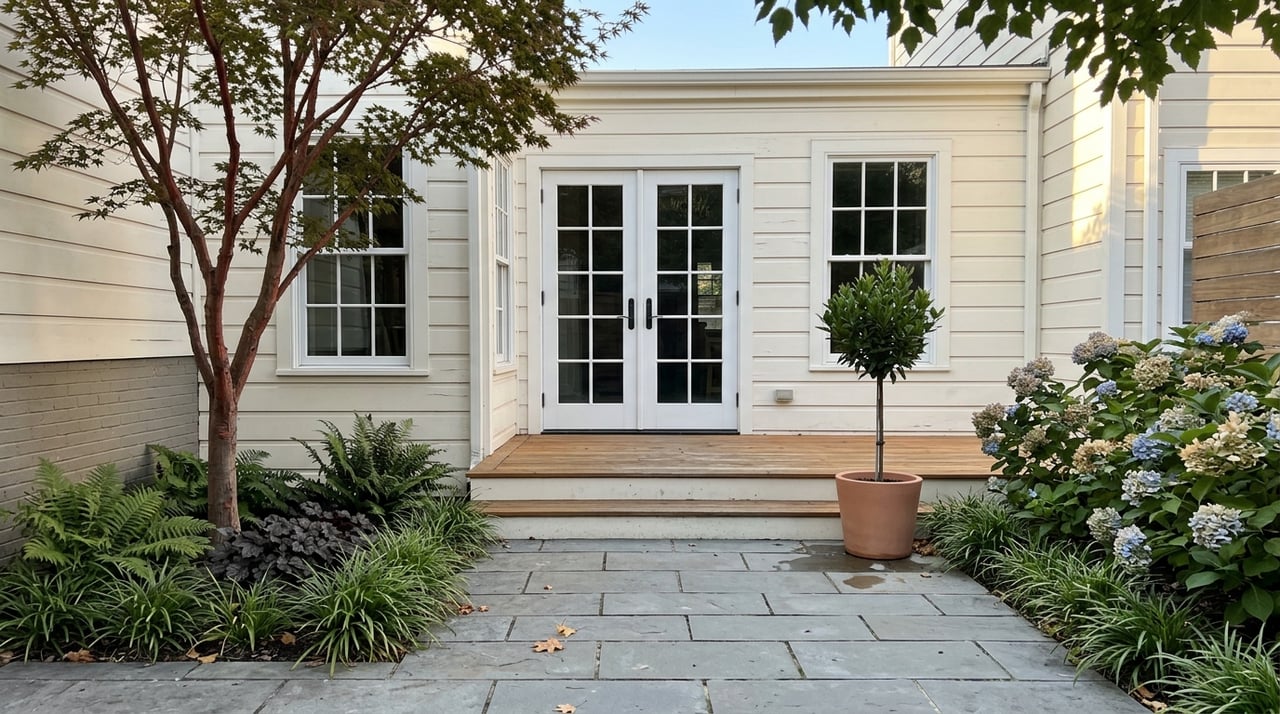
- Light curb appeal work
- Professional photography preparation
These are the kinds of improvements that help a home read as polished instead of overworked. In many cases, restraint creates a more elevated result.
Be thoughtful with older homes
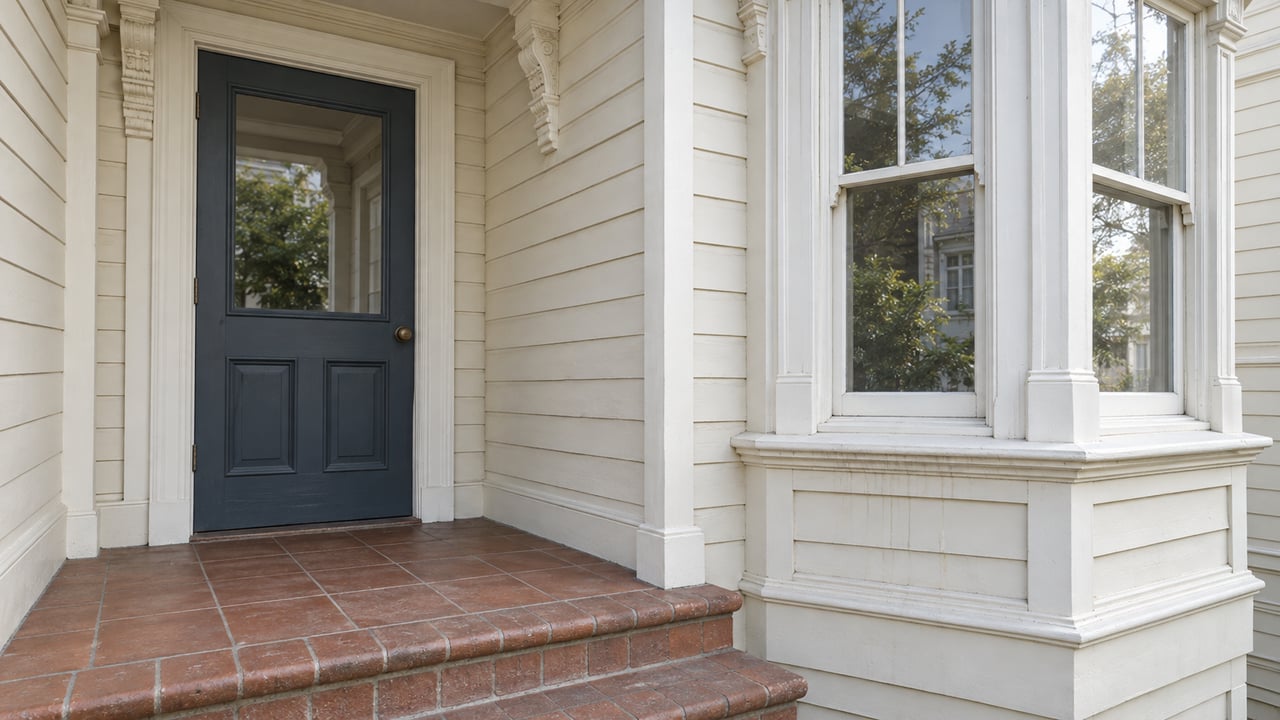
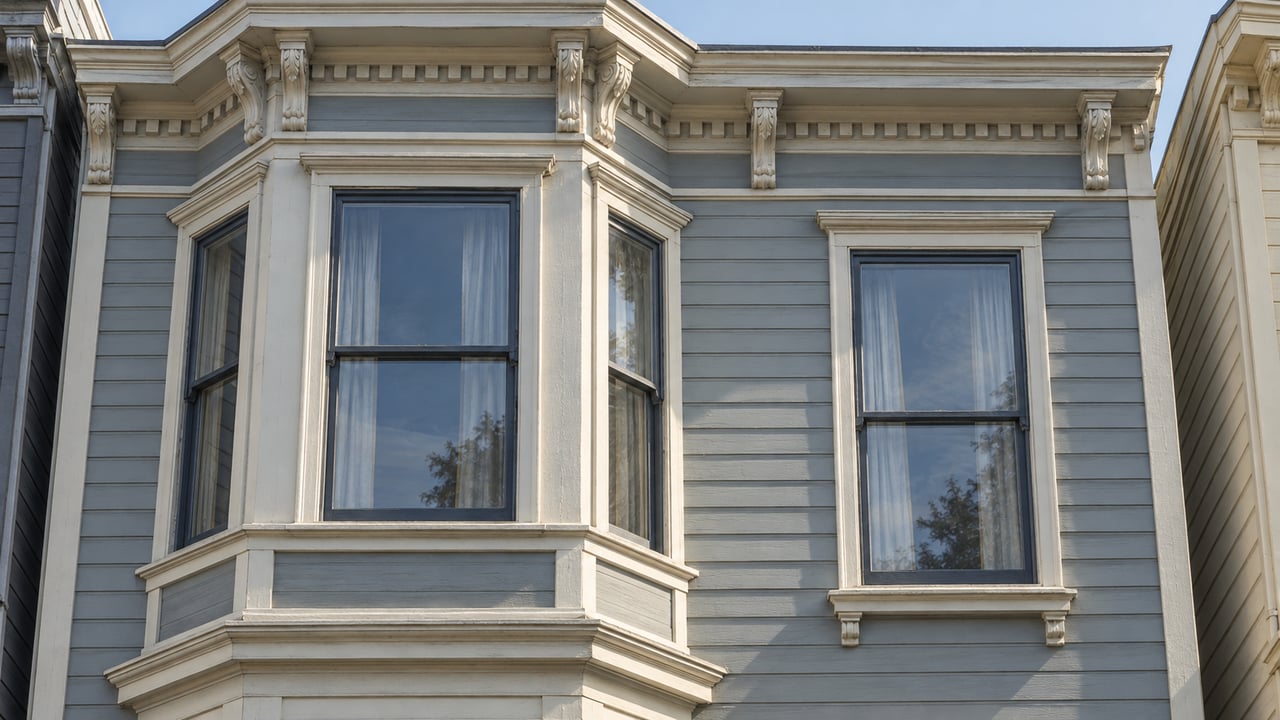
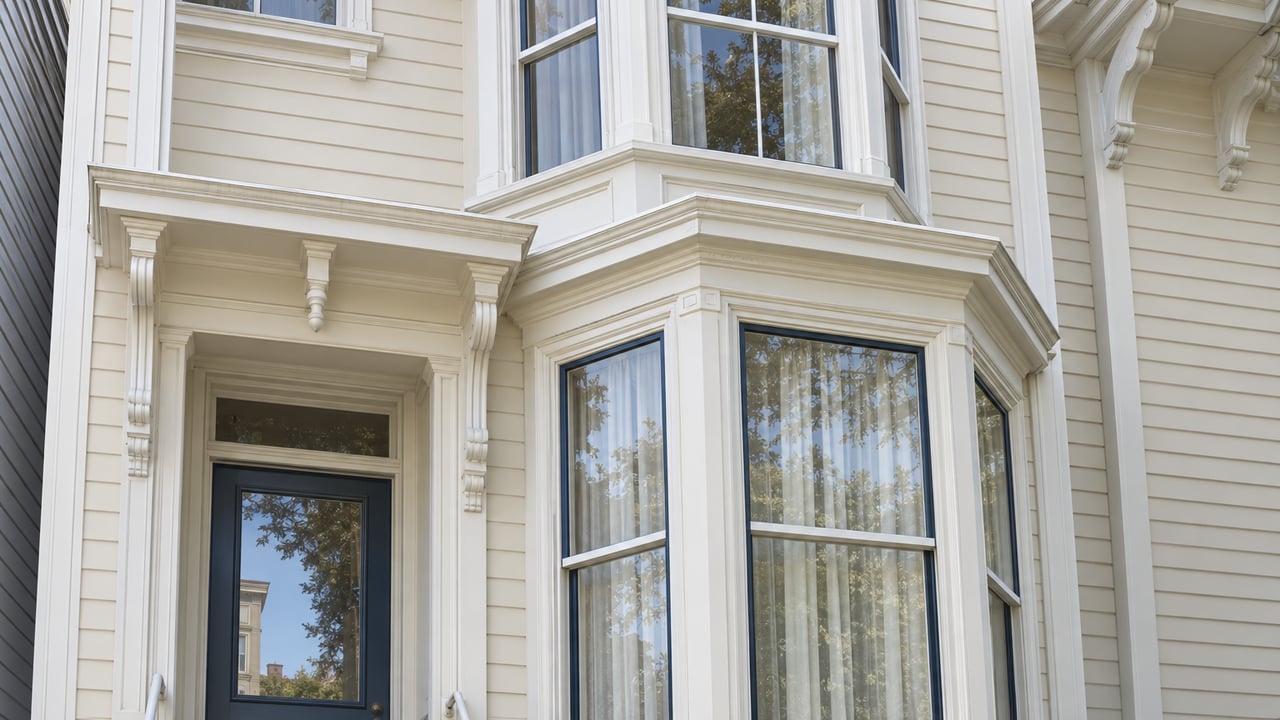
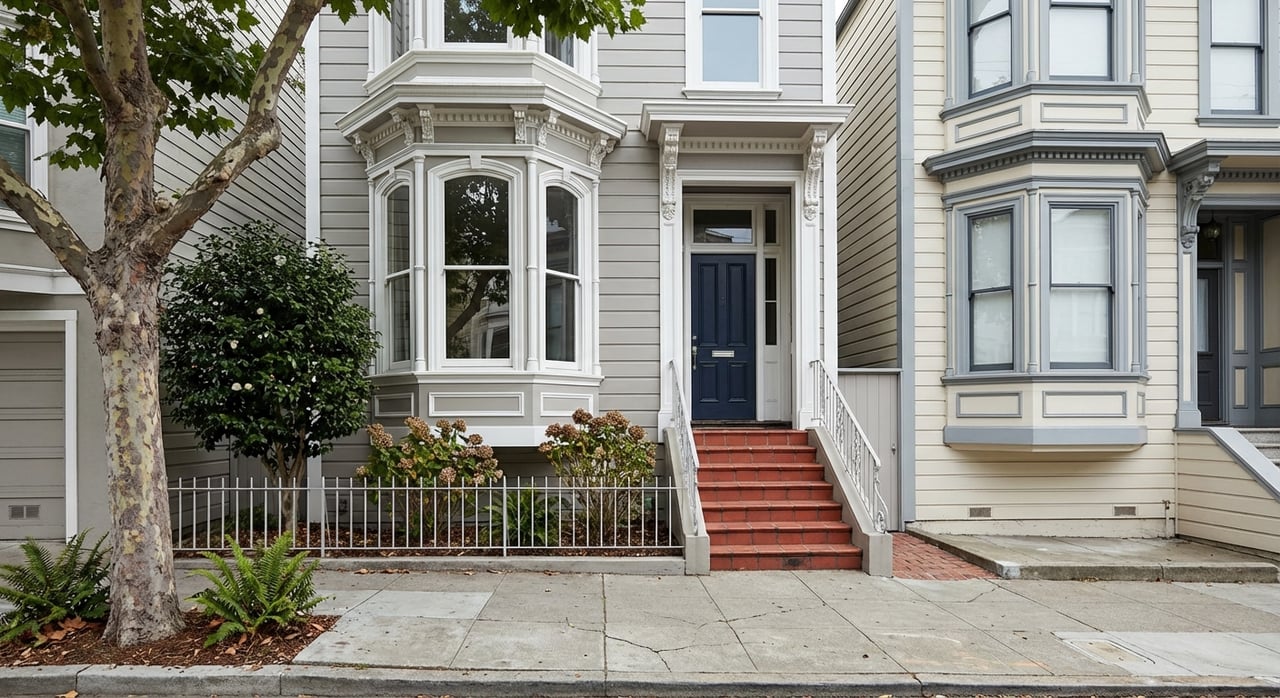
If your home is older, especially if it has Victorian or Edwardian character, preserving original detail should be part of the strategy. SF.gov advises owners to check with Planning if a property has historic resource status before moving forward with work.
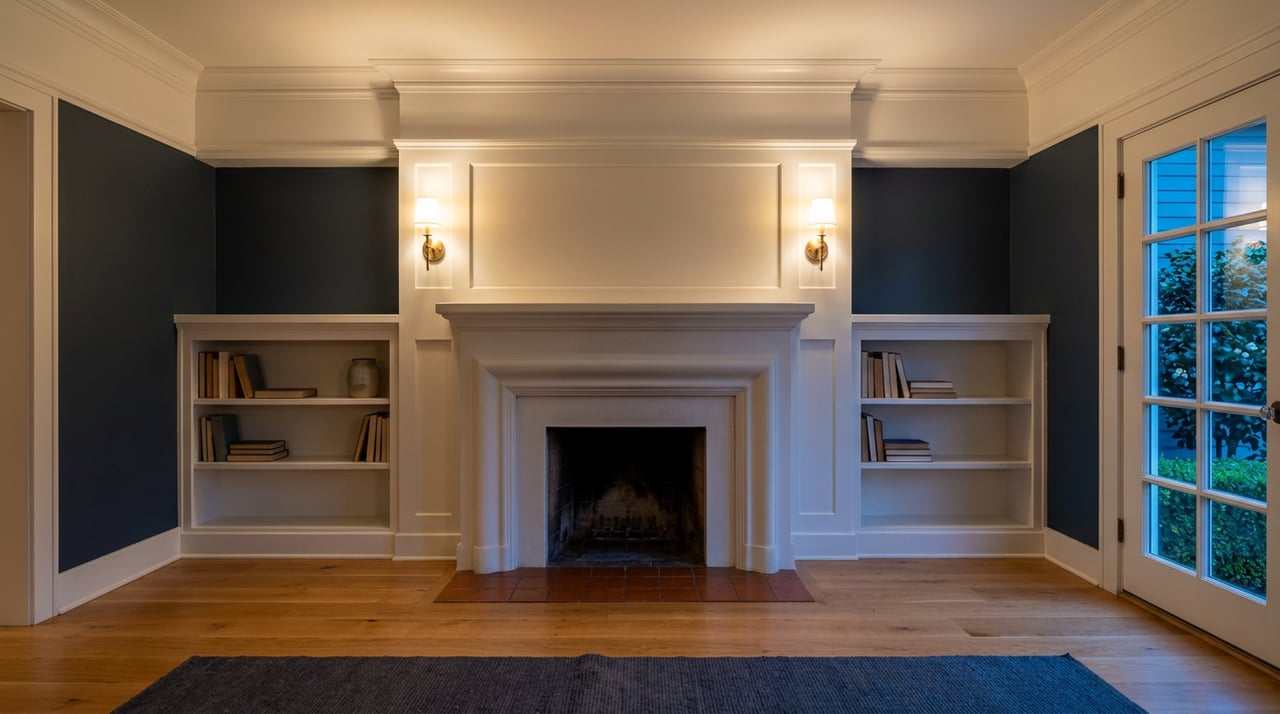
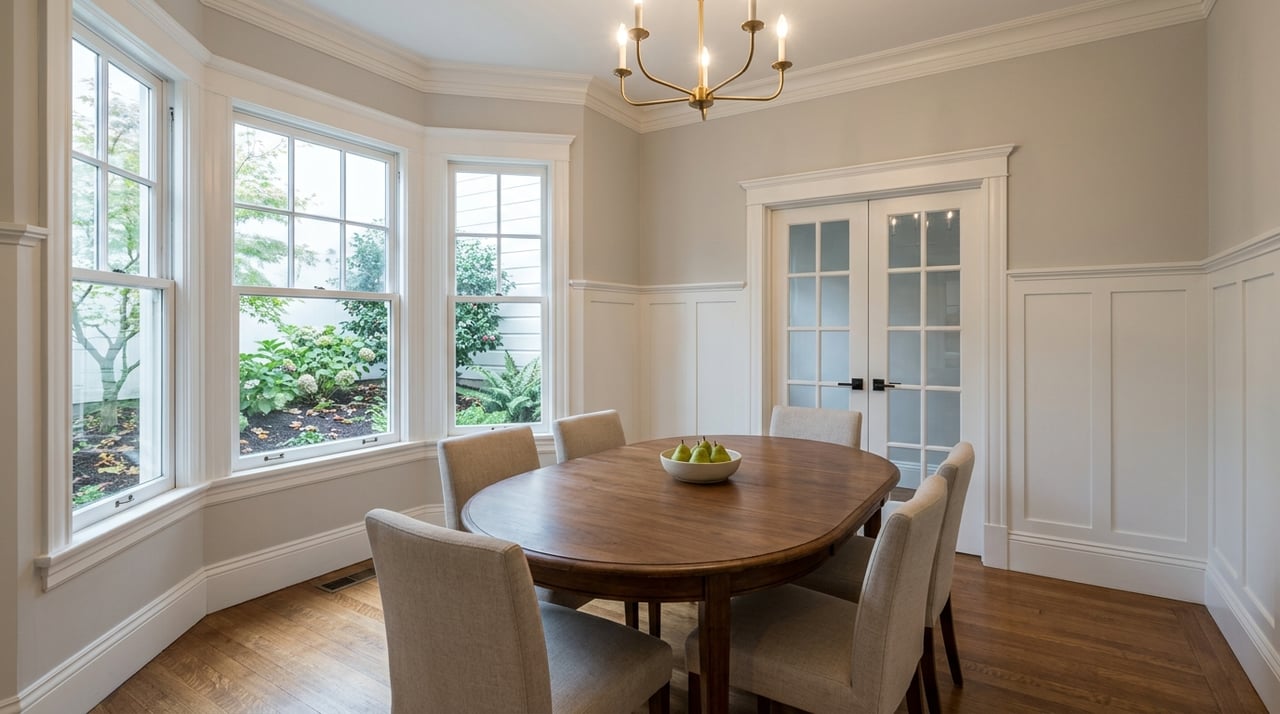
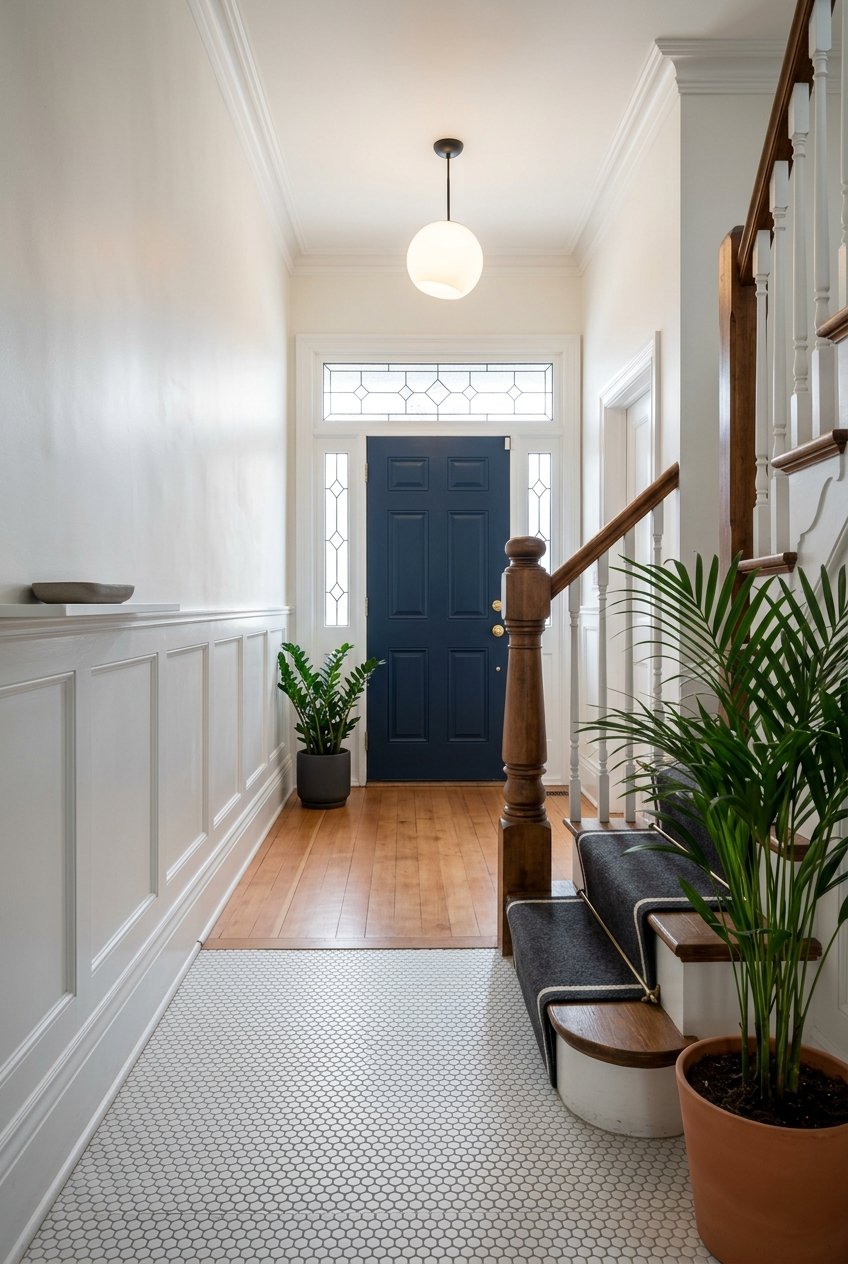
That matters because original millwork, window proportions, ceiling height, fireplaces, and trim are often part of what gives a San Francisco home its appeal. When those elements are intact, staging should highlight them rather than compete with them.
Think of staging as marketing, not decorating
Design-led staging is often misunderstood as styling for its own sake. In reality, it is a marketing tool built to help buyers understand the home, imagine living there, and remember it after scrolling through dozens of listings.
According to the 2025 Profile of Home Staging, 83% of buyers’ agents said staging made it easier for buyers to visualize a future home. Another 31% said staged homes made buyers more willing to walk through a property they first saw online.
That is why staging should be tied to your listing strategy from the start. It is not just about making rooms look pretty. It is about improving clarity, emotion, and perceived value.
Prioritize the rooms that shape perception
Not every room needs the same level of attention. If you are deciding where to invest, buyer behavior offers a useful roadmap.
The same 2025 staging report found that the living room was considered the most important room to stage by 37% of buyers’ agents, followed by the primary bedroom at 34% and the kitchen at 23%. It also found that living rooms were the most commonly staged room at 91%, followed by primary bedrooms at 83% and dining rooms at 69%.
That suggests a clear order of operations for many San Francisco sellers.
The living room comes first
Your living room often carries the emotional weight of the home. It helps buyers read scale, light, seating flow, and how the home supports everyday life.
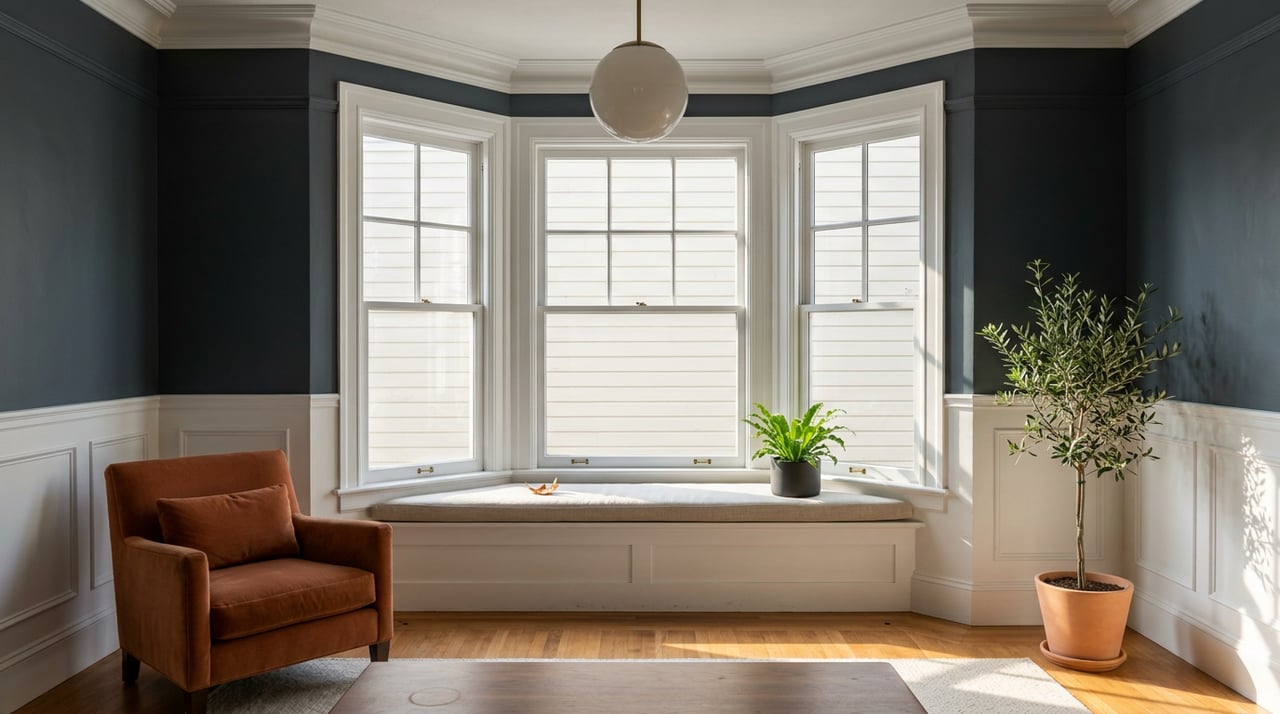
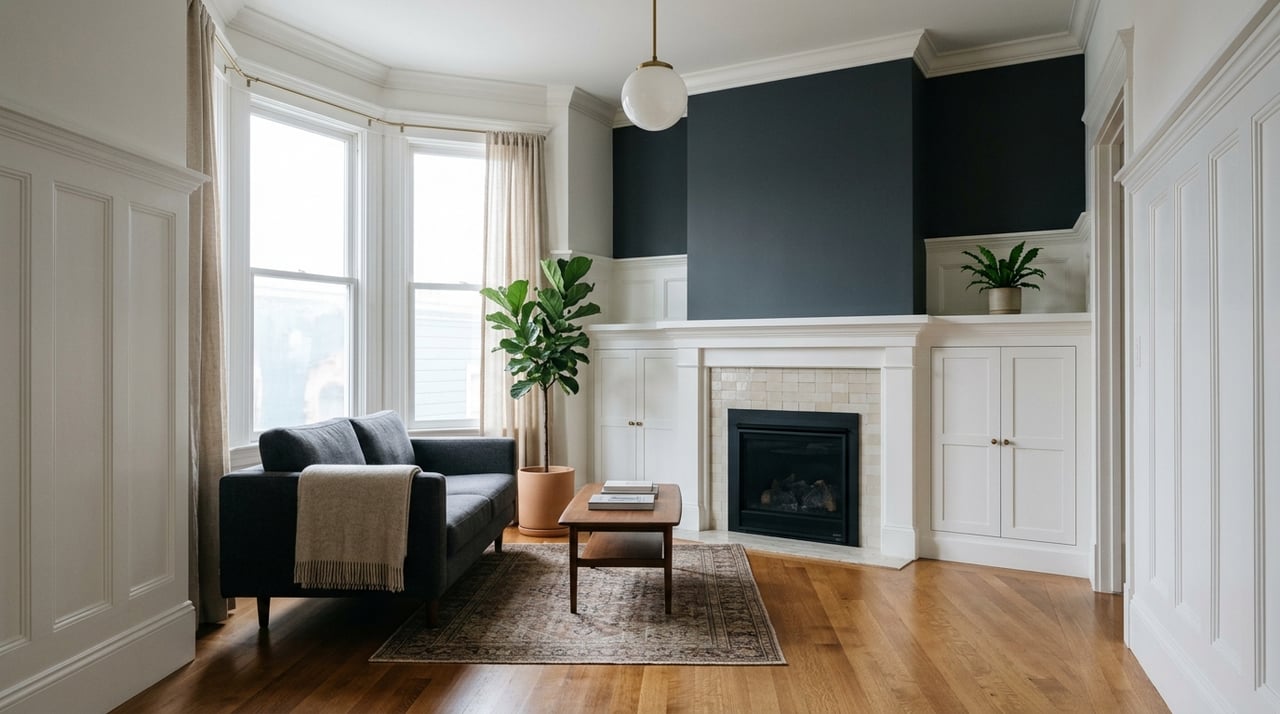
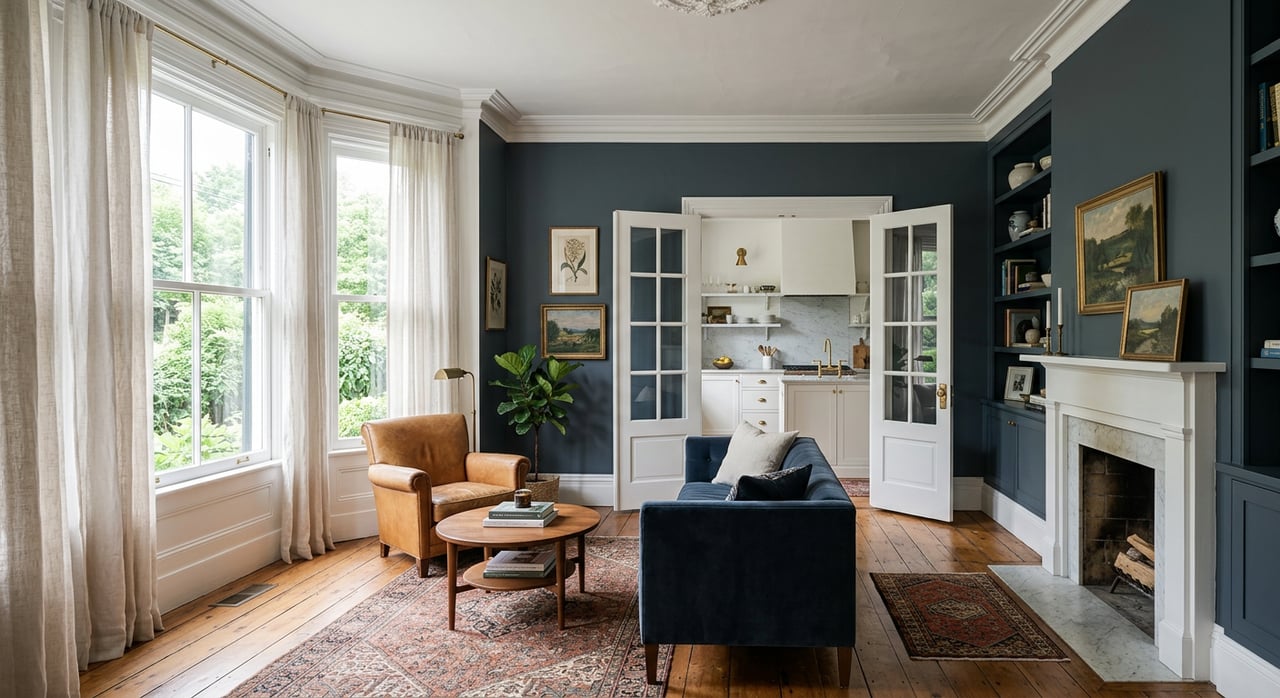
In a San Francisco property, this may also be where period detail shines. A well-staged living room can draw attention to bay windows, built-ins, fireplace surrounds, or ceiling height while still feeling current and livable.
The primary bedroom should feel calm
The primary bedroom works best when it feels restful and spacious. Buyers do not need to see a lot of furniture. They need to understand proportion, natural light, and circulation.
Soft layering, simple bedside styling, and a limited palette usually do more than a heavily accessorized look. The room should feel easy to move through and easy to picture as their own.
The kitchen should read clean and functional
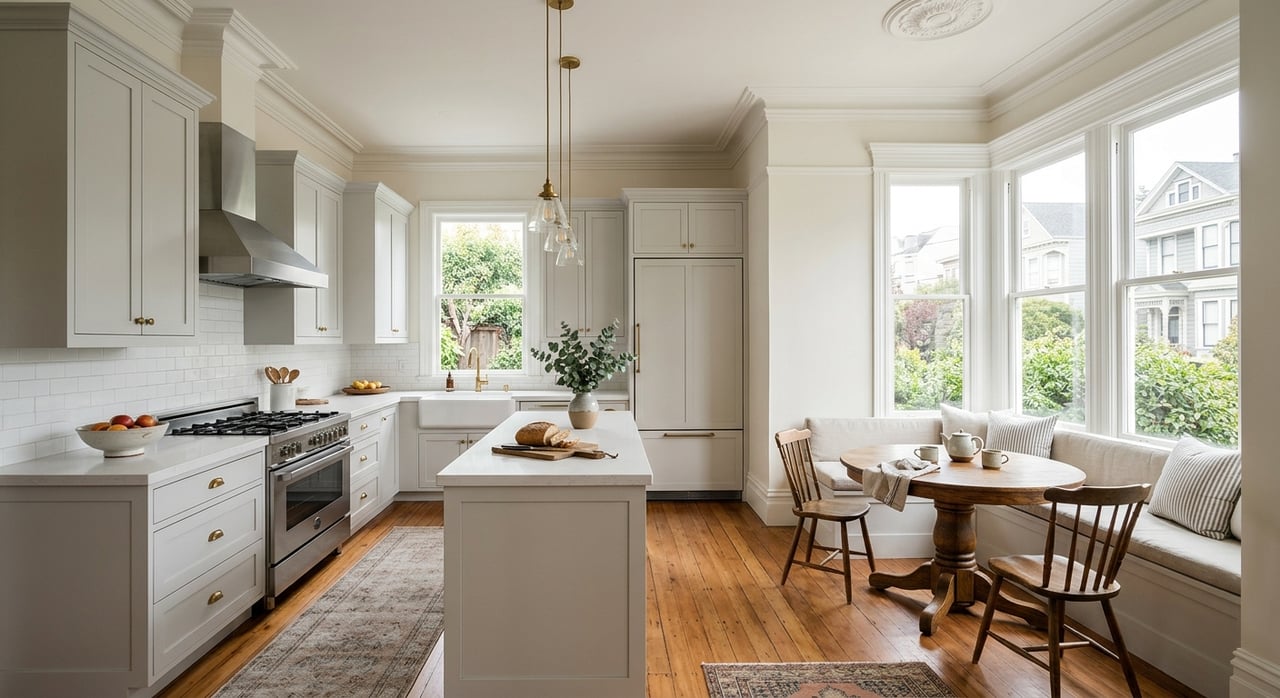
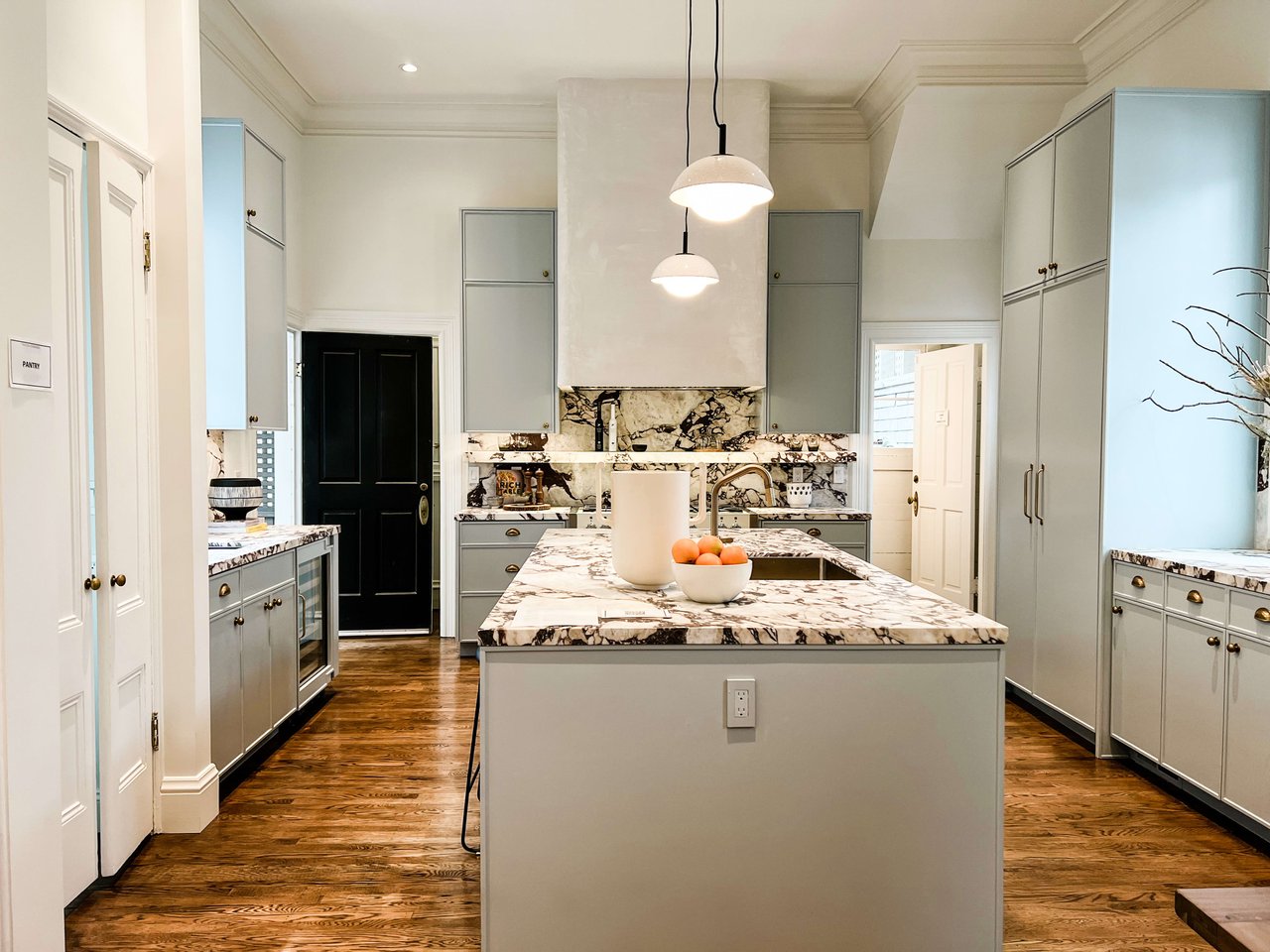
In the kitchen, buyers want visual order. Clear counters, purposeful styling, and a crisp finish can help the room feel more usable and better maintained.
If you have completed a light refresh, staging and photography should reinforce that improvement. Even when the kitchen is compact, thoughtful styling can help it feel brighter and more intentional.
Match the staging to the home and neighborhood
Because San Francisco has so many micro-markets, staging should respond to context. That does not mean leaning into clichés. It means understanding what your specific home needs in order to present well.
Older homes often benefit from preservation-aware styling. Newer condos usually benefit from sharper spatial definition and less visual clutter so buyers can understand the layout quickly. In both cases, the aim is the same: make the architecture legible and the lifestyle believable.
For Victorians and Edwardians
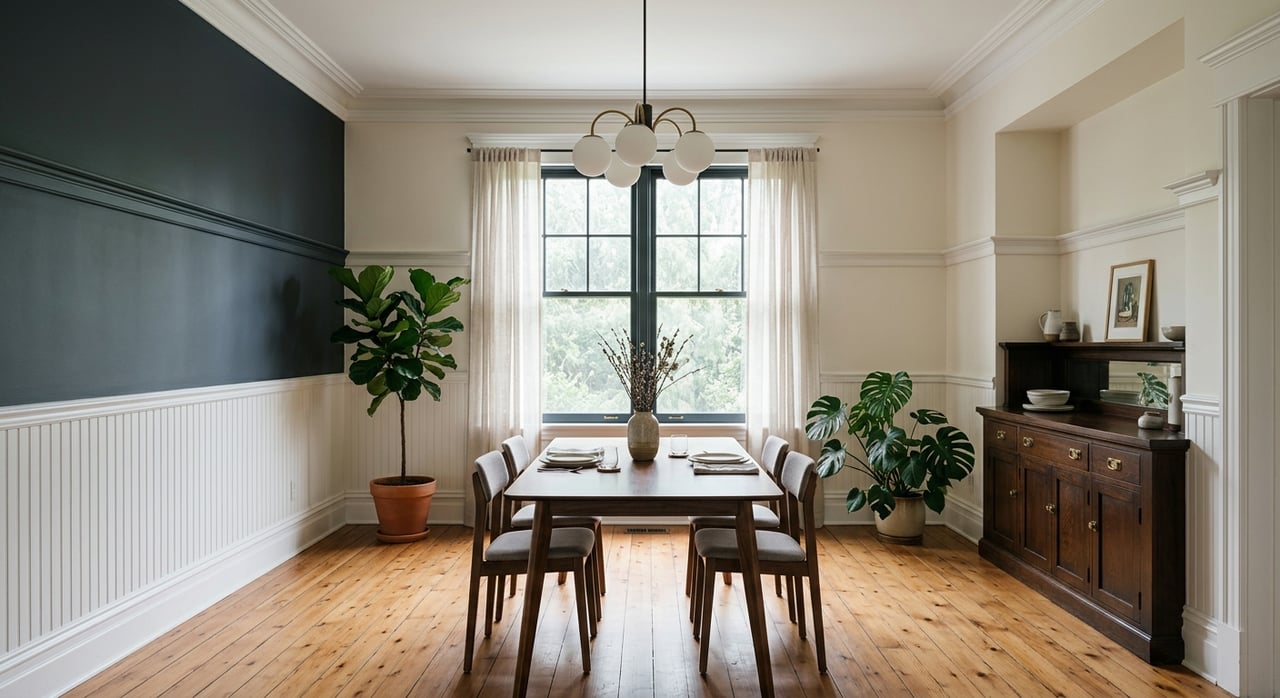
If your home has classic San Francisco detailing, staging should work with those features. Keep sightlines open, let trim and millwork show, and choose pieces scaled to the architecture.
A restrained, editorial look often performs well here. You want enough warmth to create emotion, but not so much furniture or decor that it hides the home’s original character.
For condos and newer residences
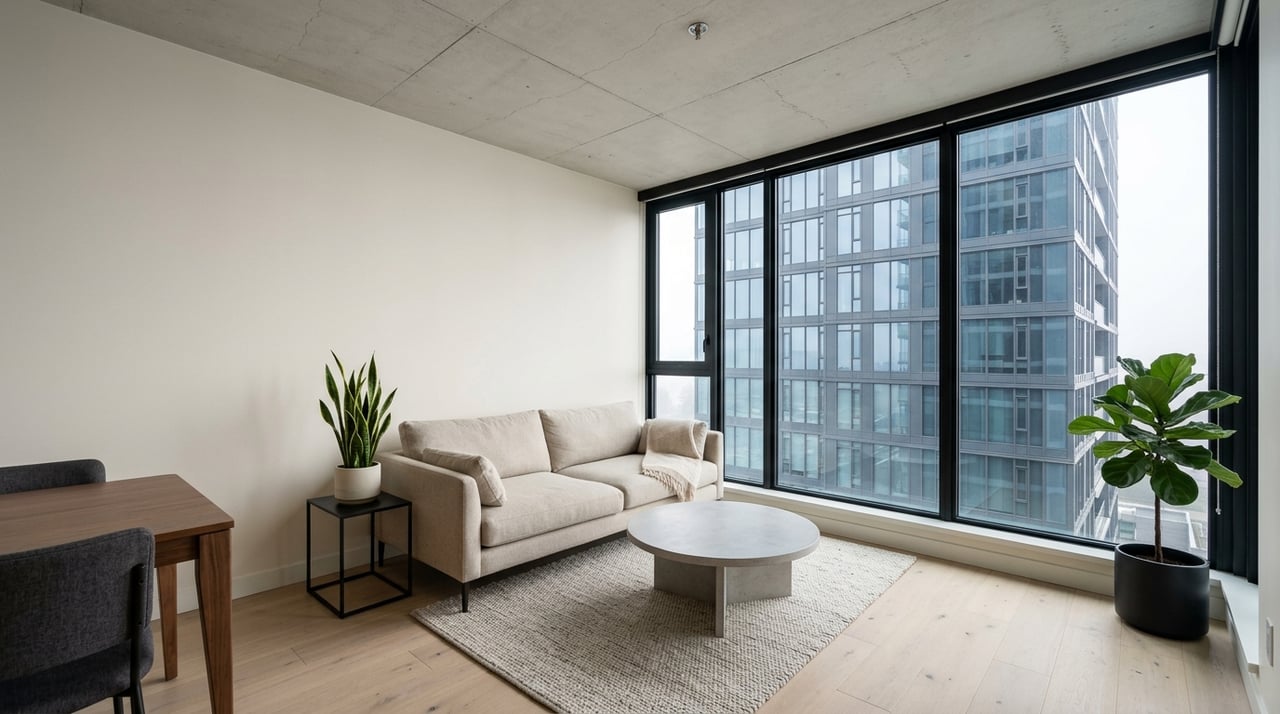
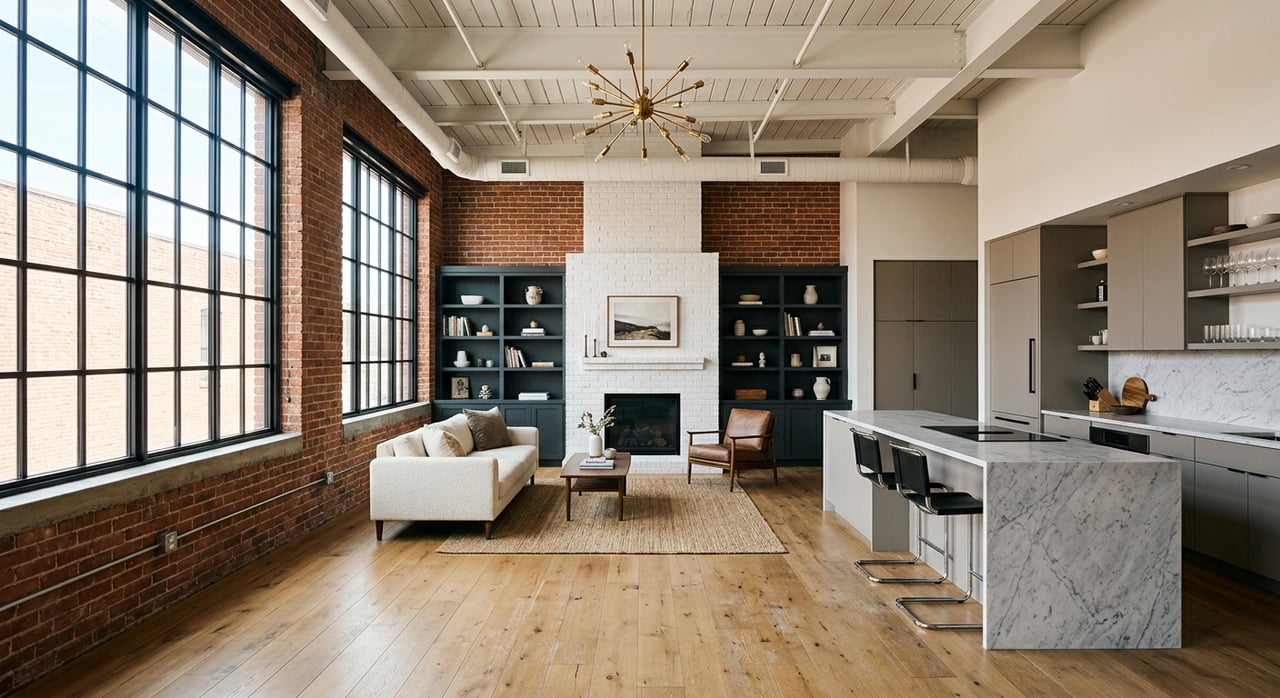
In many condos, the biggest challenge is helping buyers understand space. Defined furniture placement, visible circulation paths, and a clean visual rhythm can make a major difference.
Storage cues also matter. A home that feels organized and uncluttered often reads as larger and more functional, especially online.
Build the digital presentation around the staging
Today, staging does not end in the home. It has to translate through photos, floor plans, and tours because that is where most buyers encounter the property first.
Zillow’s 2025 prospective buyer survey found that floor plans were the most important listing feature for 33% of buyers, ahead of high-resolution photos at 26% and 3D or virtual tours at 20%. In Zillow’s 2024 buyer survey, 86% said they were more likely to view a home if the listing included a floor plan they liked.
That is a strong signal that your digital package should be treated as one system, not a set of separate add-ons. Staging supports the photography. Photography supports the floor plan. Together, they help buyers understand the home before they ever schedule a showing.
Make room sequencing easy to follow
When buyers browse online, they are trying to answer simple questions quickly. How does the home flow? Where does the living space connect? Does the layout make sense for how they live?
Strong room sequencing helps answer those questions. Clean staging, thoughtful photography, and a clear floor plan make the listing easier to absorb and easier to remember.
Use virtual tools carefully
Virtual media can be helpful, but it should support the real presentation rather than replace it. The 2025 staging report found that photos, traditional physical staging, videos, and virtual tours were all considered much or more important to buyers than virtual staging, which was seen as less important by 38% of respondents.
For most San Francisco listings, physical staging remains the foundation. Virtual tools can add context, but they work best when the actual home already looks strong in person and on camera.
Design quality matters more than excess
One of the clearest takeaways from recent staging data is that buyers are visually sophisticated. The same 2025 report found that 48% of respondents said buyers expect homes to look like they were staged on TV, and 58% said buyers were disappointed when reality did not match that expectation.
That does not mean you need dramatic styling or an oversized staging budget. It means quality, consistency, and editing matter.
Among sellers’ agents who used a staging service, design quality was the top selection factor at 63%, ahead of price at 51%. The median spend with a staging service was $1,500, which underscores that staging is often about making smart choices, not simply spending more.
A practical design-led staging checklist
If you want a simple framework, start here:
- Refresh cosmetic finishes first
- Repair anything visibly worn or distracting
- Declutter every room and simplify surfaces
- Prioritize the living room, primary bedroom, and kitchen
- Match the staging approach to the home’s architecture and micro-market
- Preserve original details in older homes
- Define layout clearly in condos and compact spaces
- Invest in professional photography and floor plans
- Treat the full listing presentation as one visual story
This approach keeps the focus where it belongs: on clarity, restraint, and perceived value.
Why a design-led advisor can make the process easier
Preparing a home for market is not just about taste. It is about knowing which updates are worth doing, which details to preserve, and how to turn the finished product into a compelling listing package.
That is where a design-informed strategy can create real advantage in San Francisco. When staging, photography, floor plans, and editorial presentation all work together, your home is better positioned to stand out in a fast-moving market.
If you are thinking about selling and want a tailored plan for your home, neighborhood, and timeline, Brandi Mayo can help you shape a presentation strategy that feels elevated, thoughtful, and market-smart.
FAQs
What is design-led staging for a San Francisco home sale?
- Design-led staging is a pre-sale presentation strategy that uses furniture, styling, layout, and visual editing to highlight a home’s architecture, improve flow, and support stronger listing photos and buyer interest.
Which rooms matter most when staging a San Francisco home?
- Recent staging data points to the living room first, followed by the primary bedroom and kitchen, because these spaces most strongly shape buyer perception.
Should you renovate before listing a home in San Francisco?
- In many cases, cosmetic updates such as paint, finish refreshes, minor repairs, and flooring improvements offer the best return in seller prep, especially when they improve presentation without expanding scope.
Do San Francisco buyers care about floor plans?
- Yes. Buyer survey data shows floor plans are one of the most important listing features and can influence whether buyers decide to visit a home.
How should staging differ between a San Francisco Victorian and a condo?
- A Victorian usually benefits from styling that highlights period details and preserves visual character, while a condo often benefits from clearer space definition, lighter visual clutter, and stronger layout cues.