Thinking about buying a classic San Francisco home and opening the floor plan, or eyeing a newer condo where a sleek finish package does the heavy lifting? You are not alone. In a city of layered history and modern growth, renovation potential looks very different from one neighborhood and building type to the next. In the next few minutes, you will learn how to weigh scope, permits, cost drivers and likely resale value across three common SF home types. Let’s dive in.
San Francisco home types: what changes add value
San Francisco’s housing stock falls into clear patterns that influence design choices and budgets. The big buckets are classic Victorians and Edwardians in central neighborhoods, “Marina-style” houses in the Avenues, and newer condos or mixed-use buildings in SoMa and Mission Bay. Each has distinct structure, layout and permitting realities that shape what is practical.
Victorian and Edwardian realities
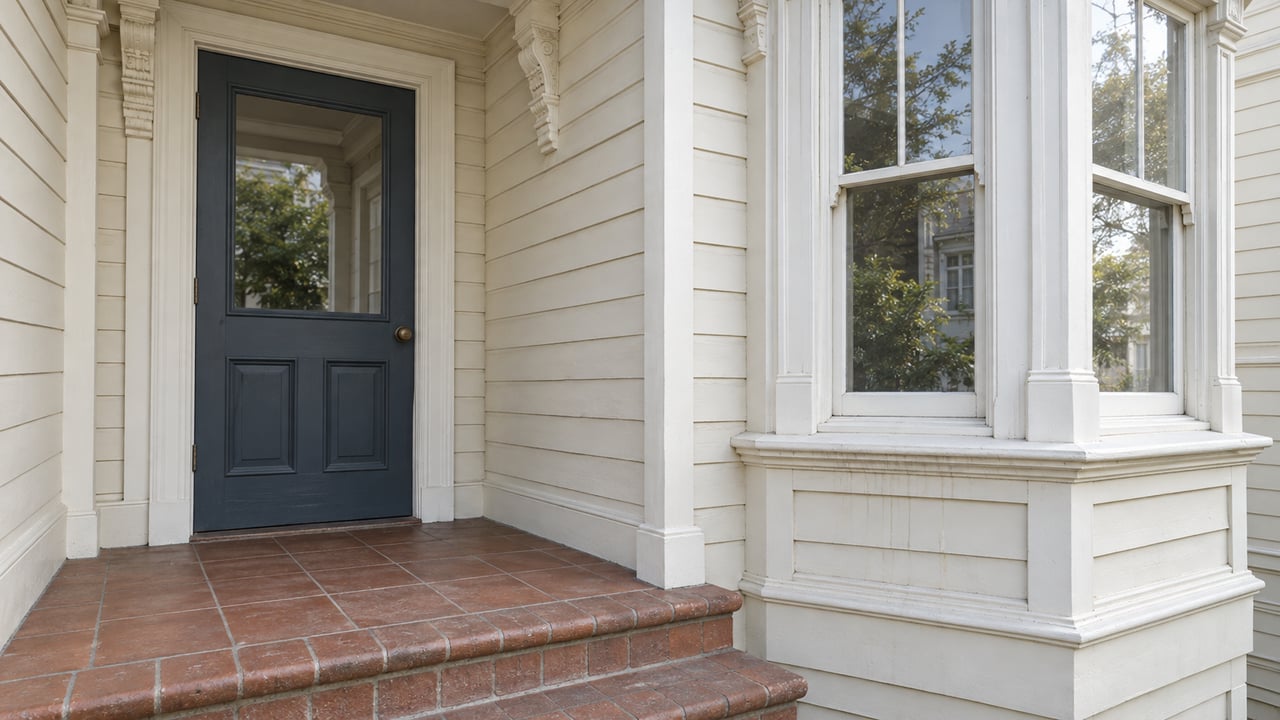
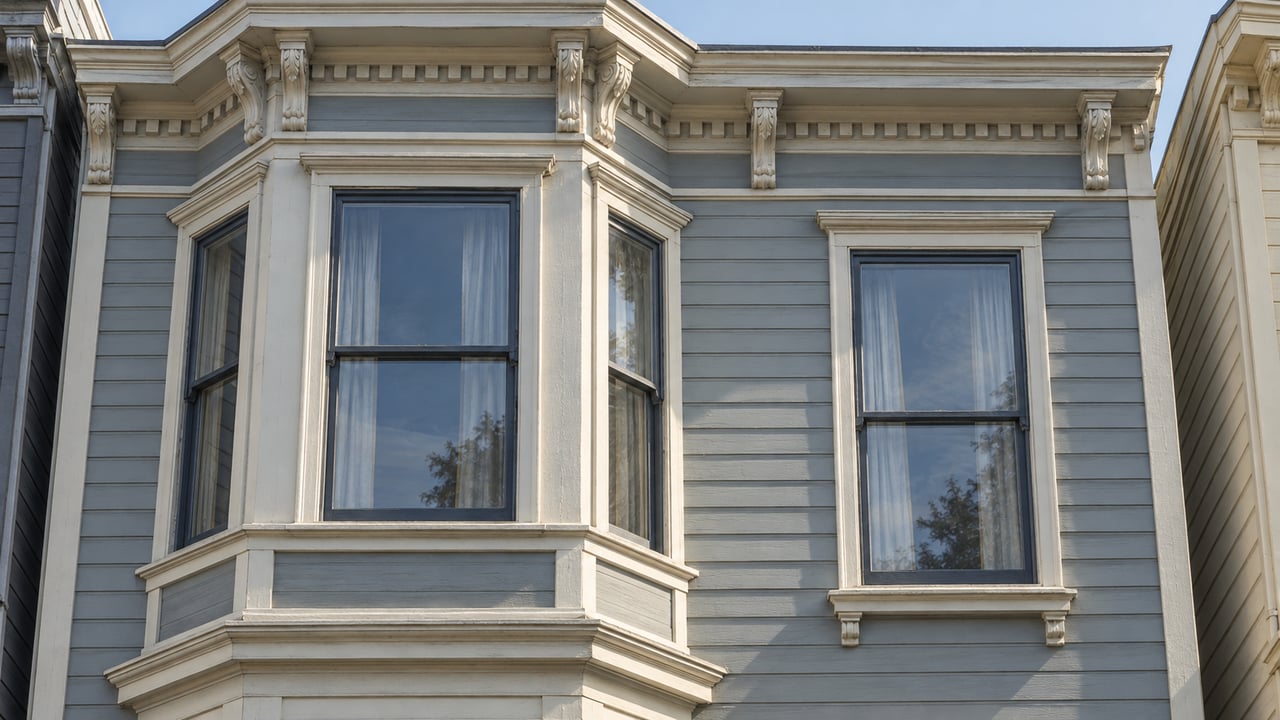
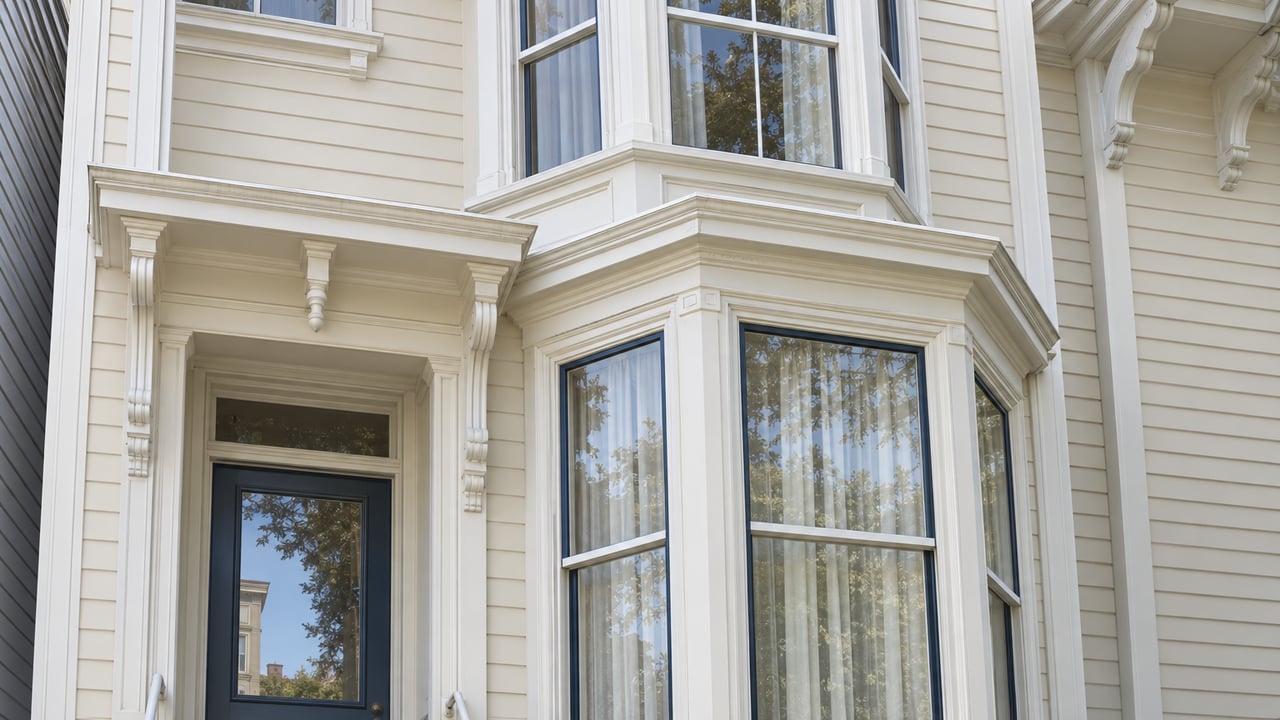
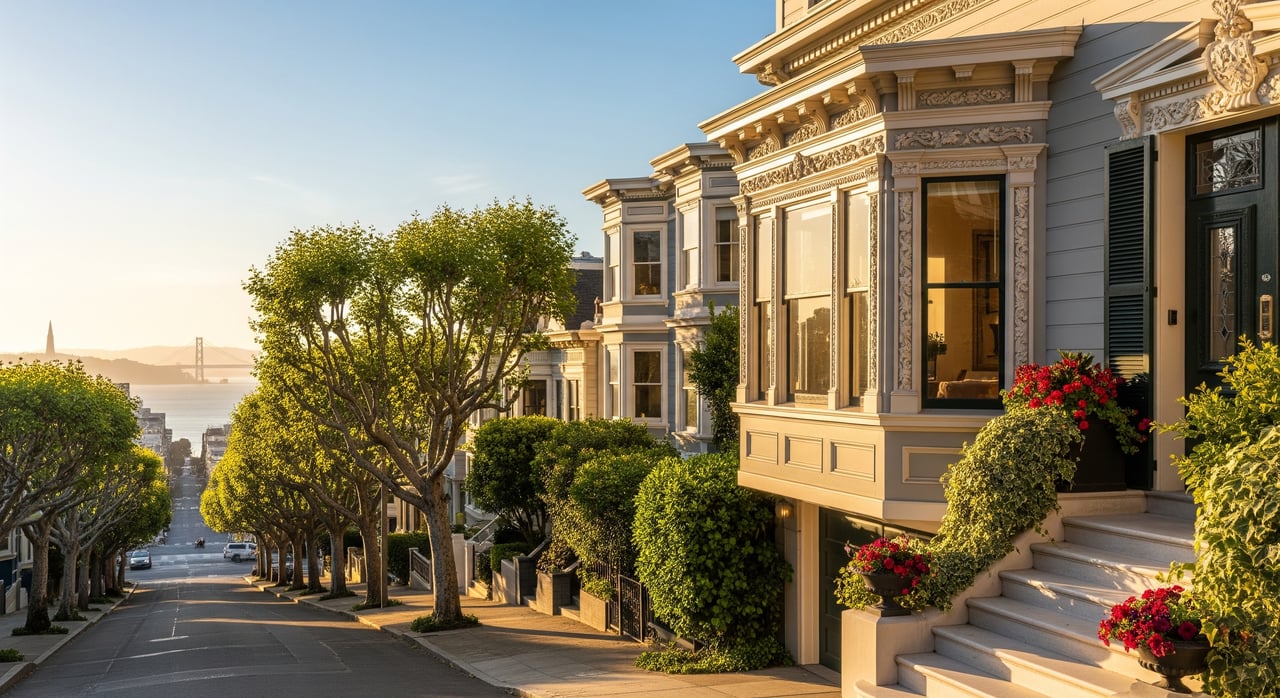
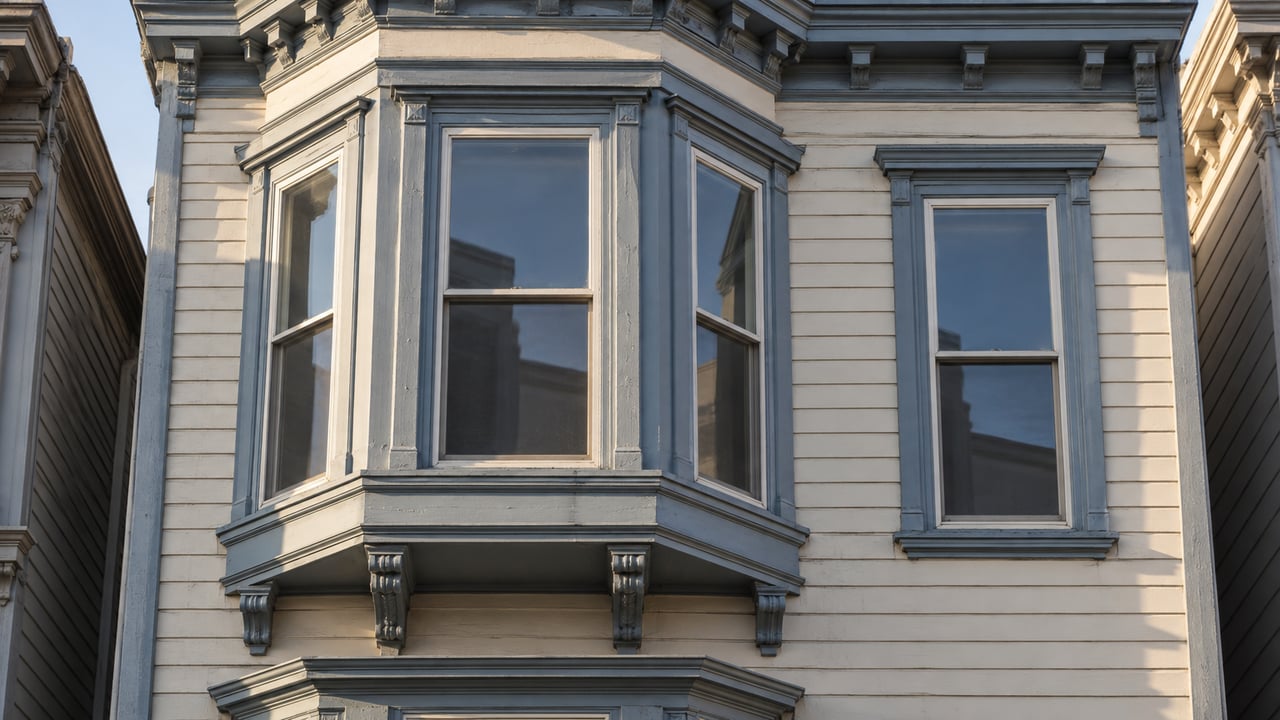
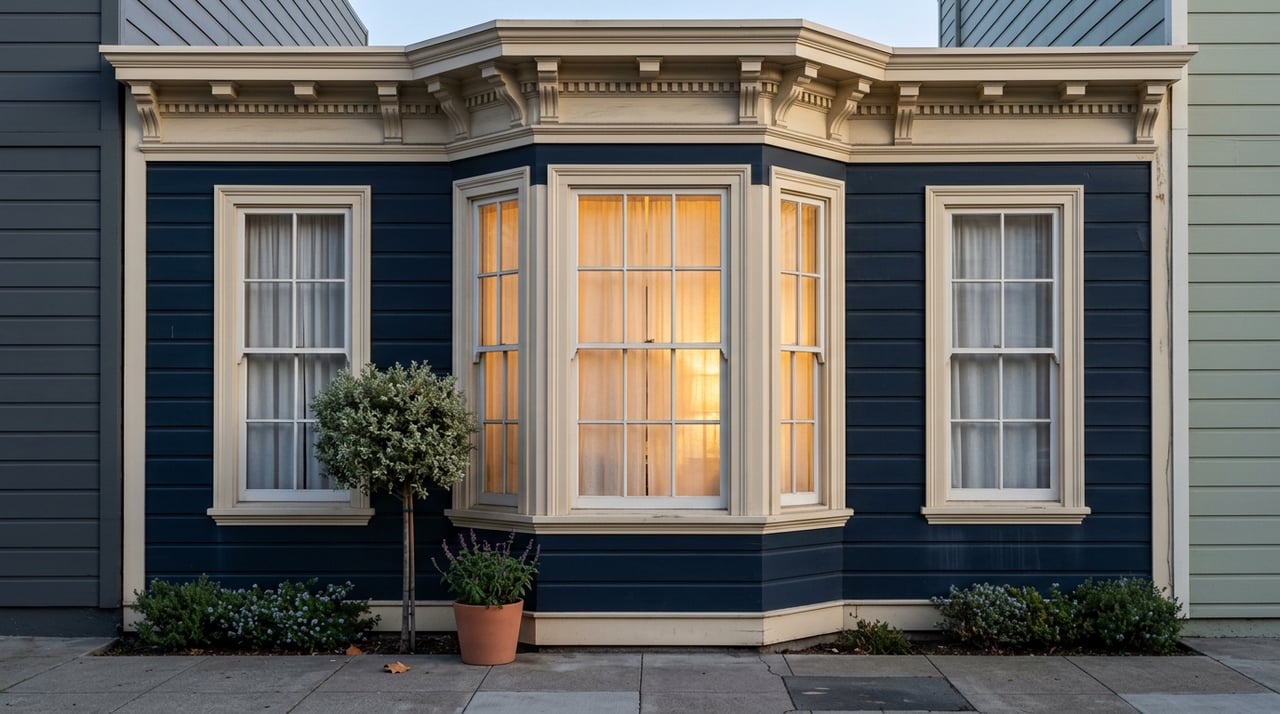
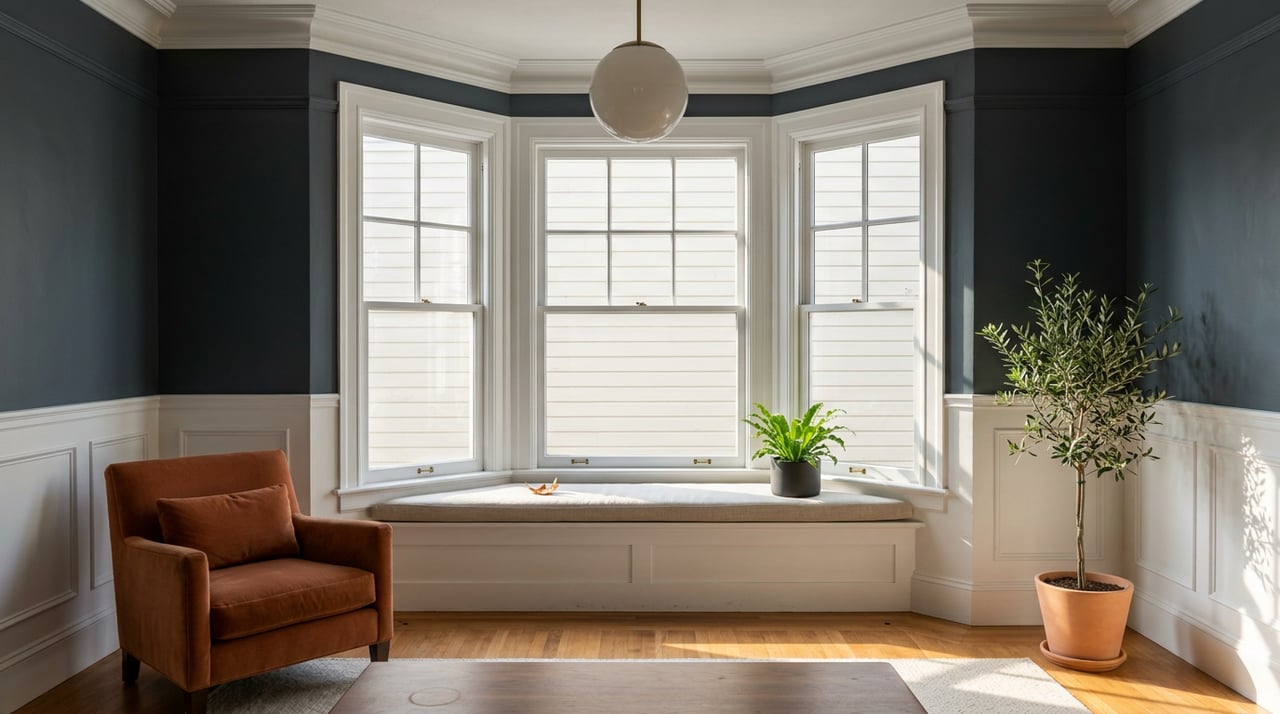
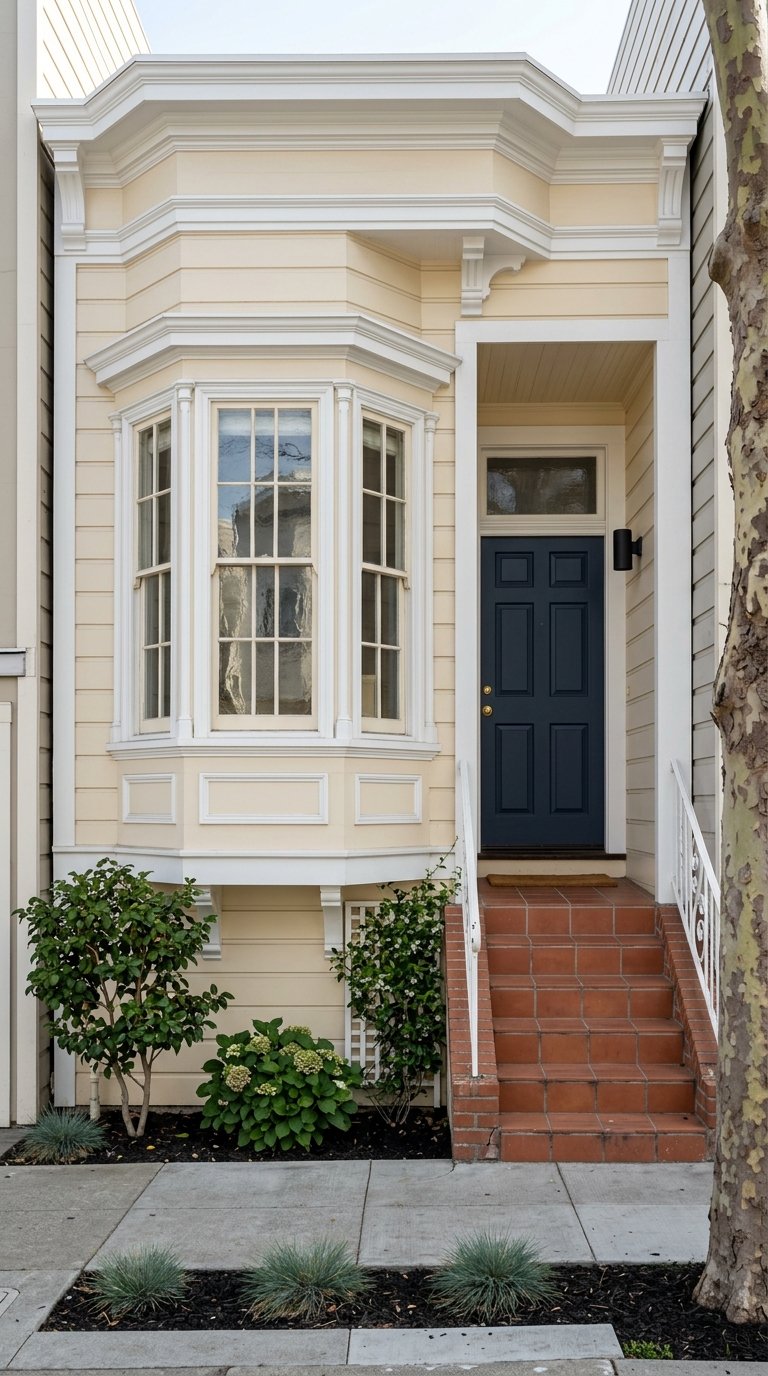
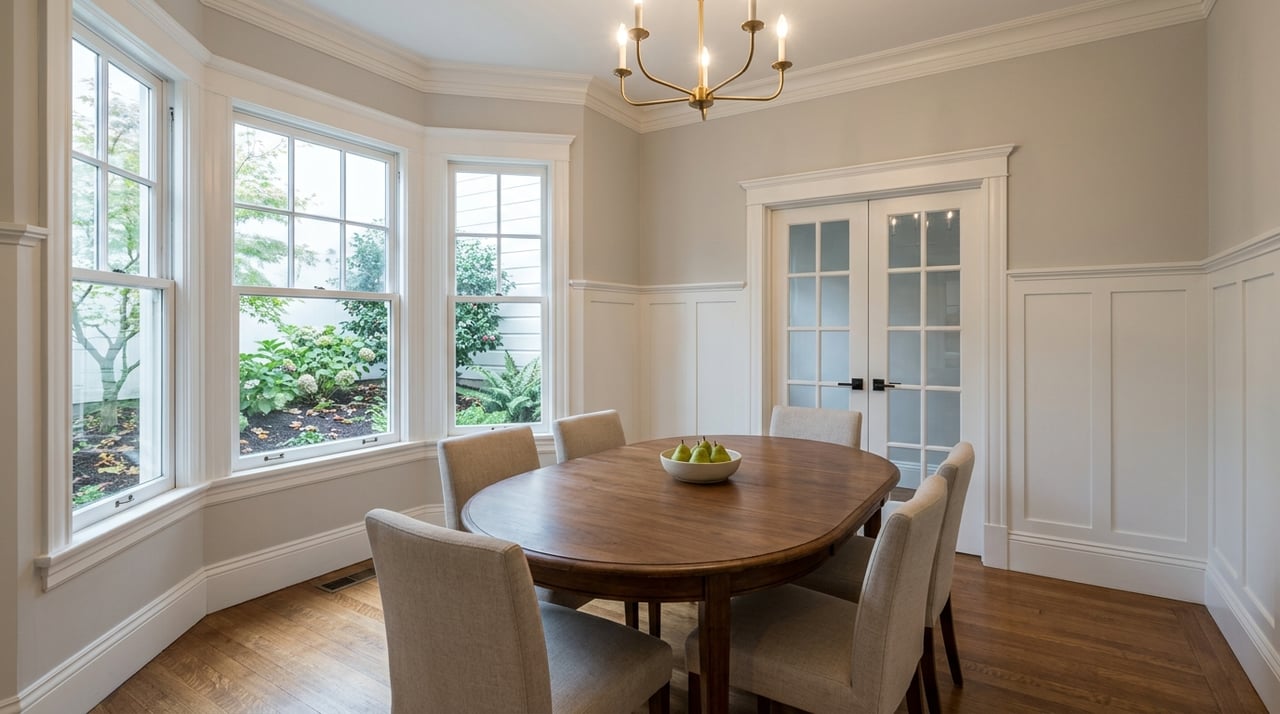
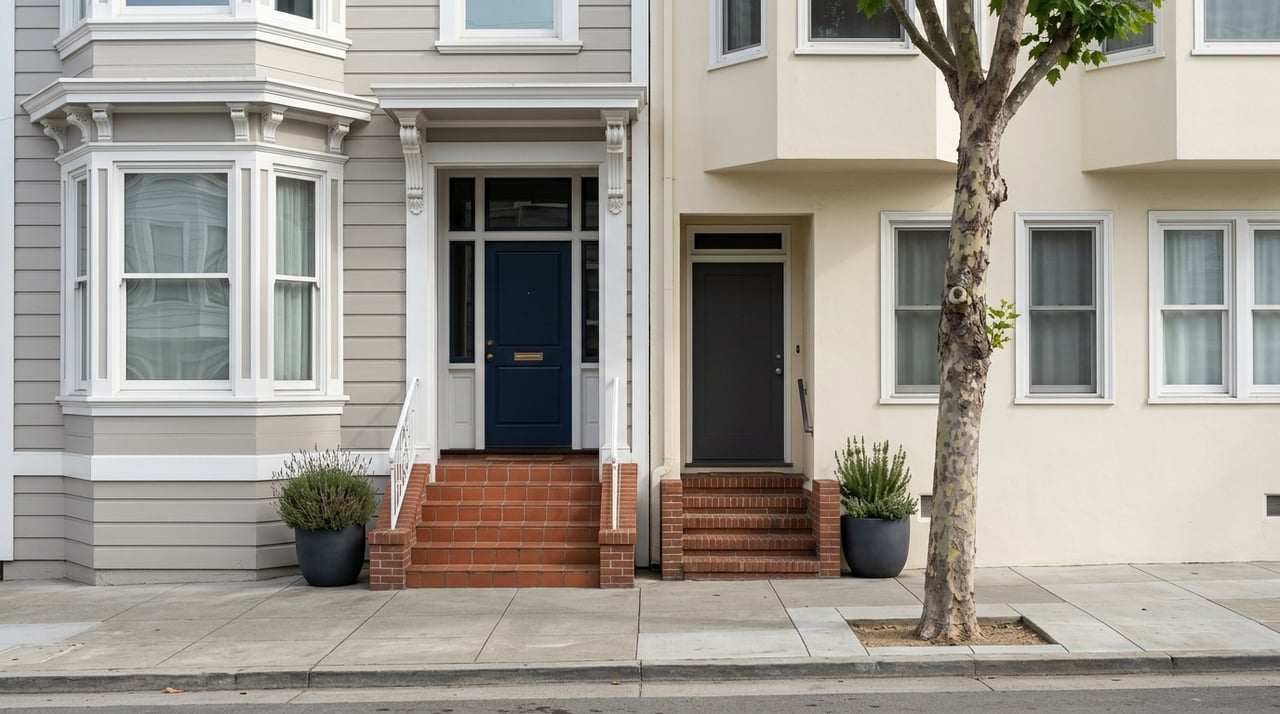
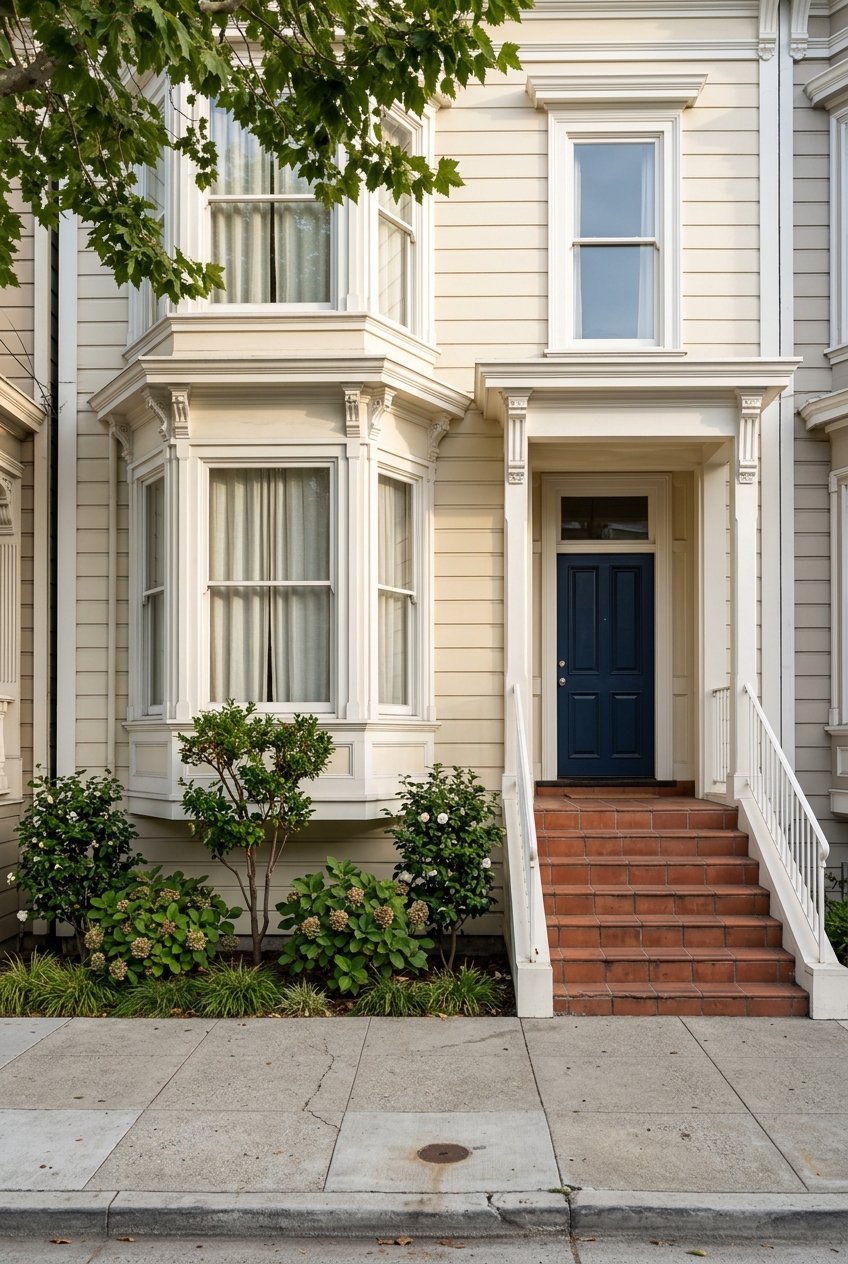
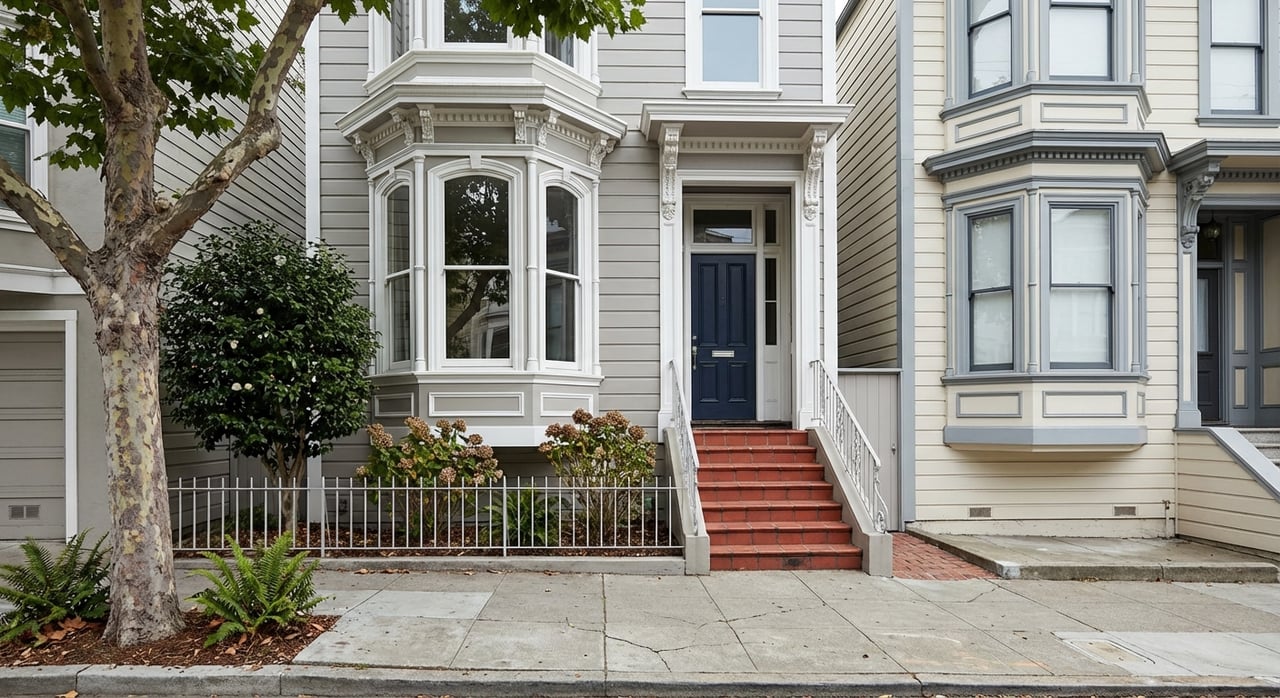
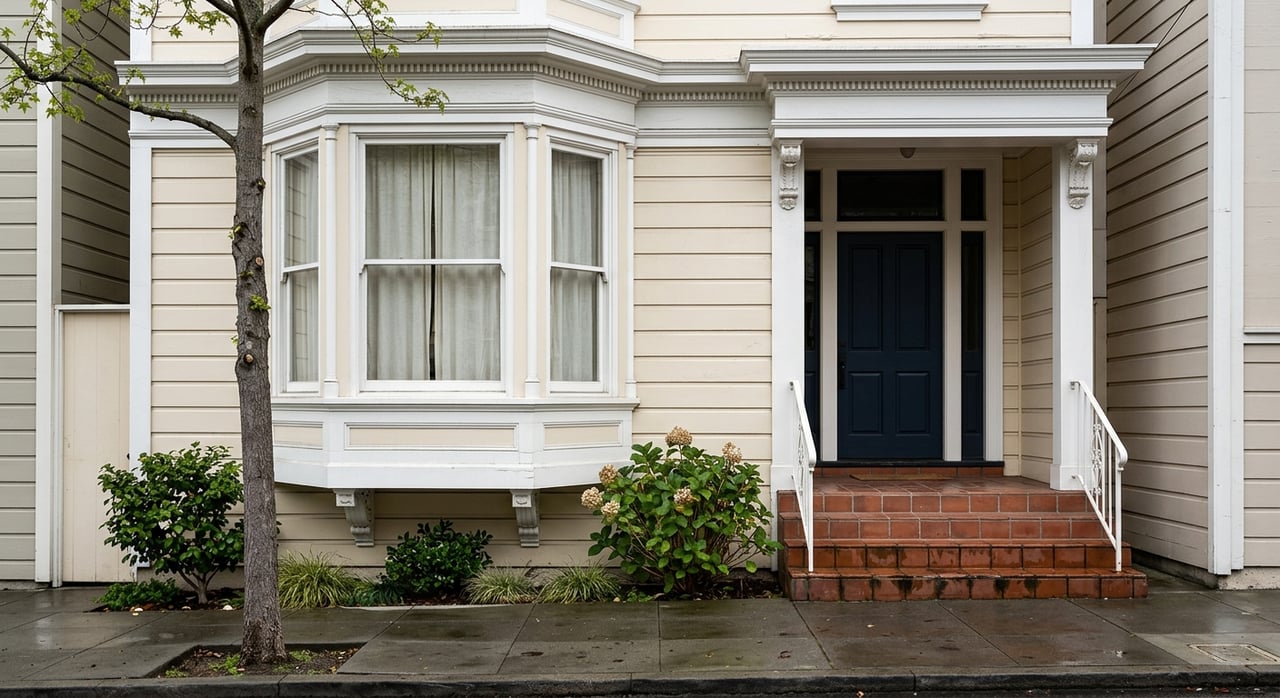
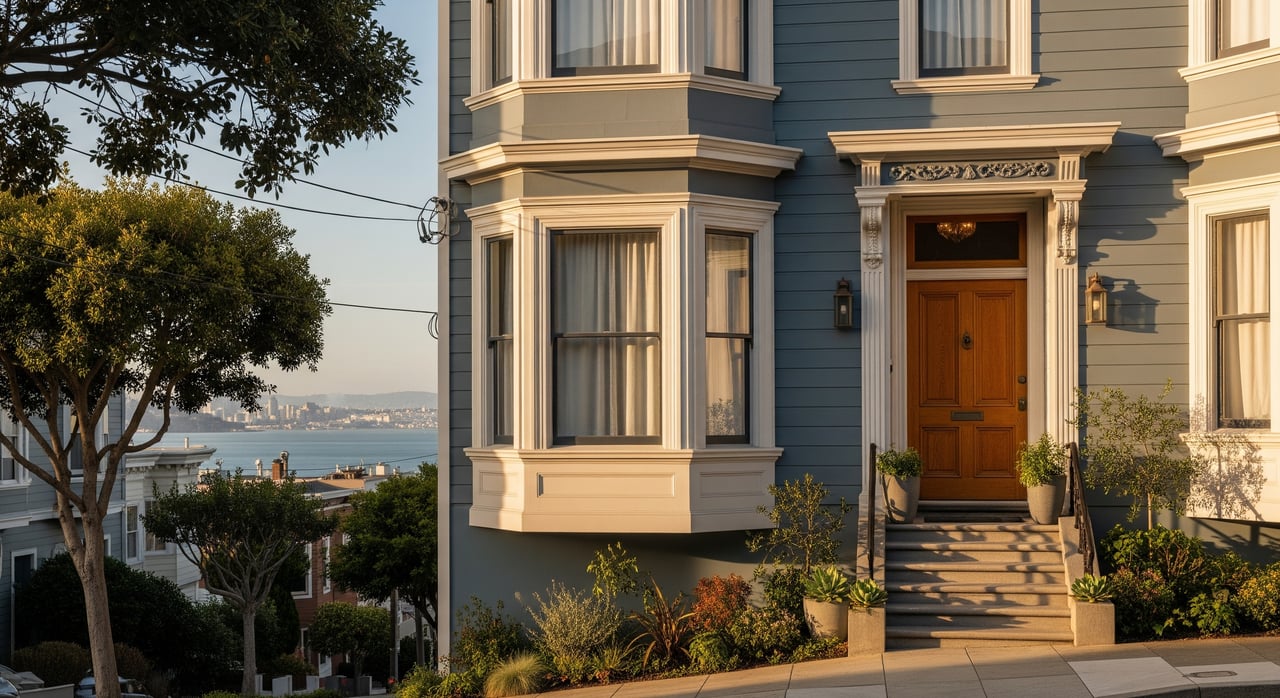
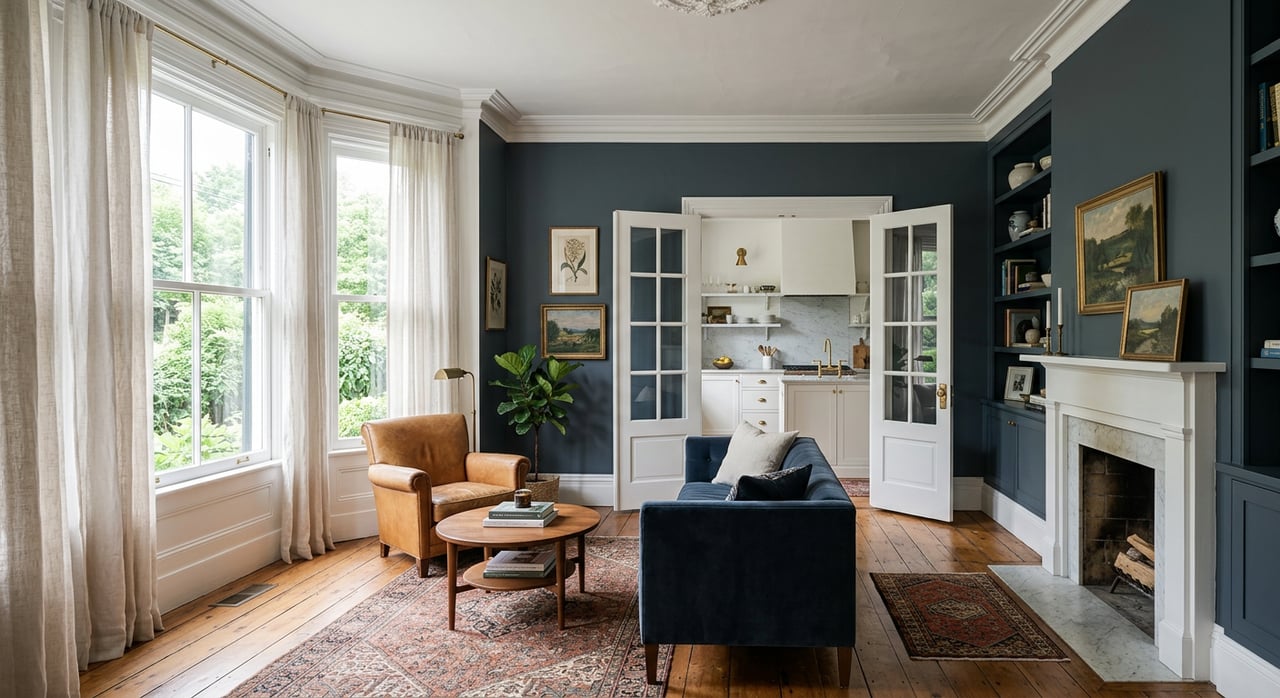
In places like Alamo Square, Hayes Valley, Pacific Heights and the Lower Haight, you often see tall, narrow wood-frame homes with stacked levels and compartmentalized rooms. Creating open sightlines usually means moving load-bearing walls, which calls for engineering and permits. Older systems are common, so plan for electrical panel upgrades, plumbing replacement and potential lead paint or plaster repair during bigger scopes.
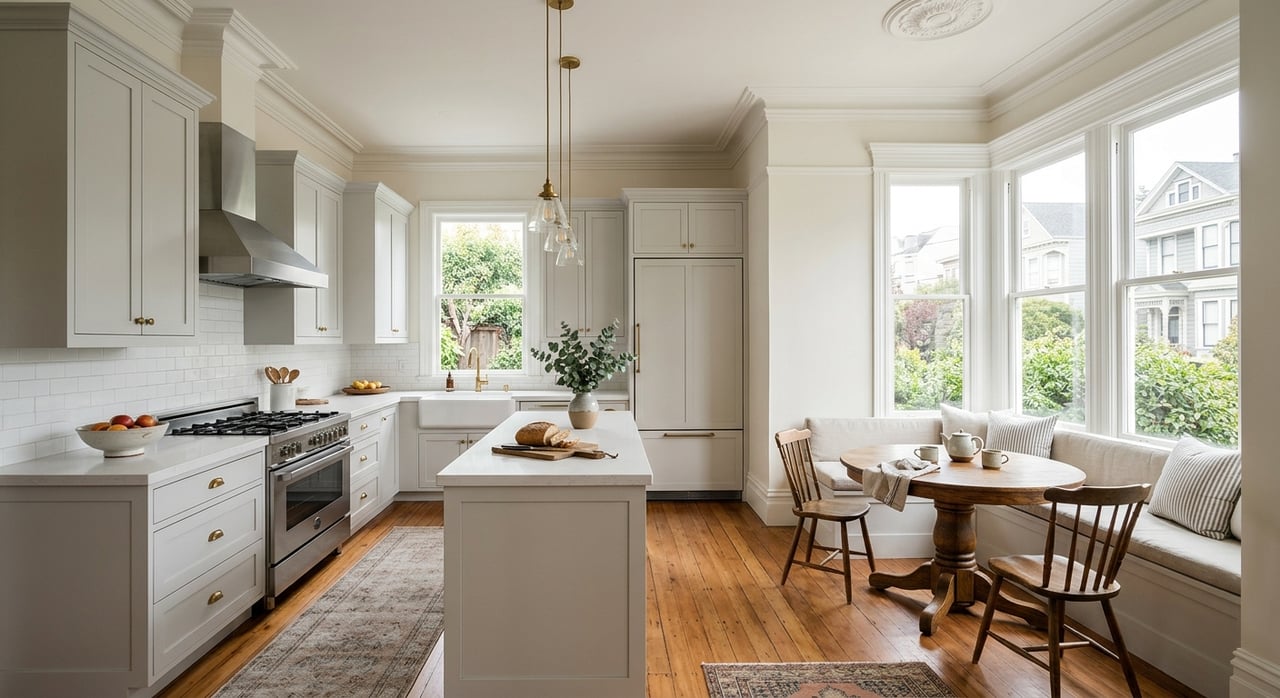
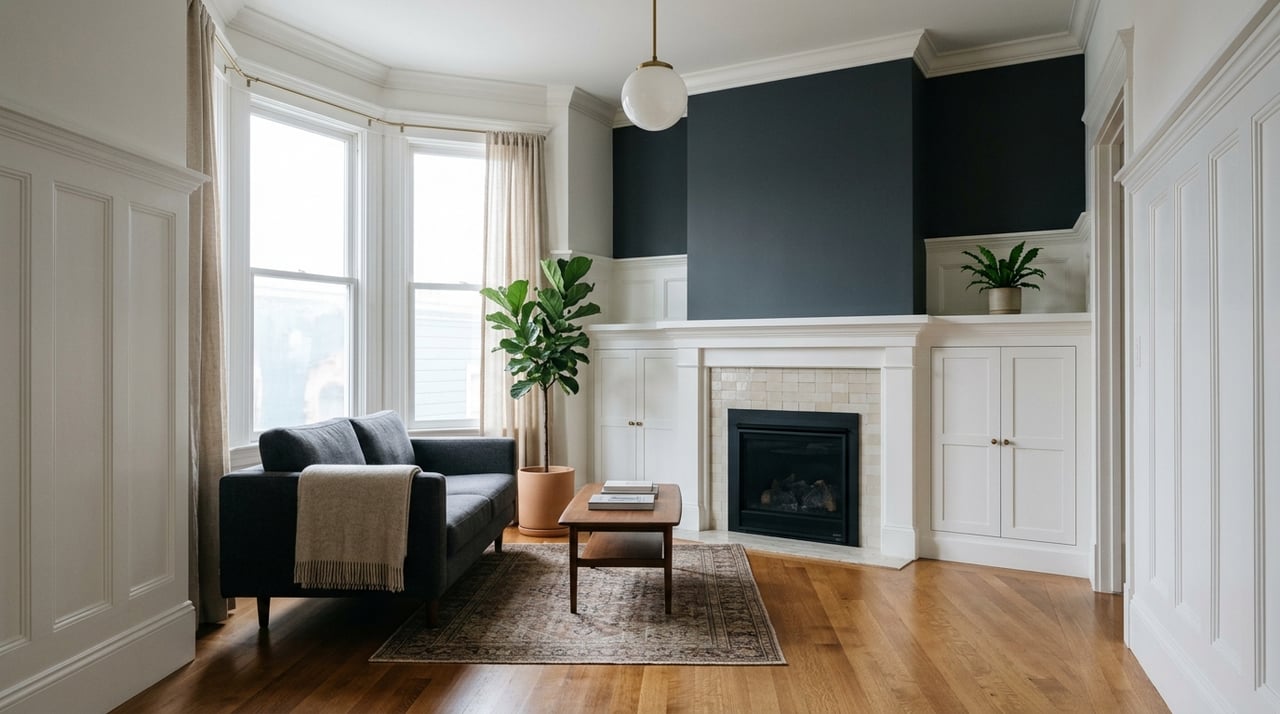
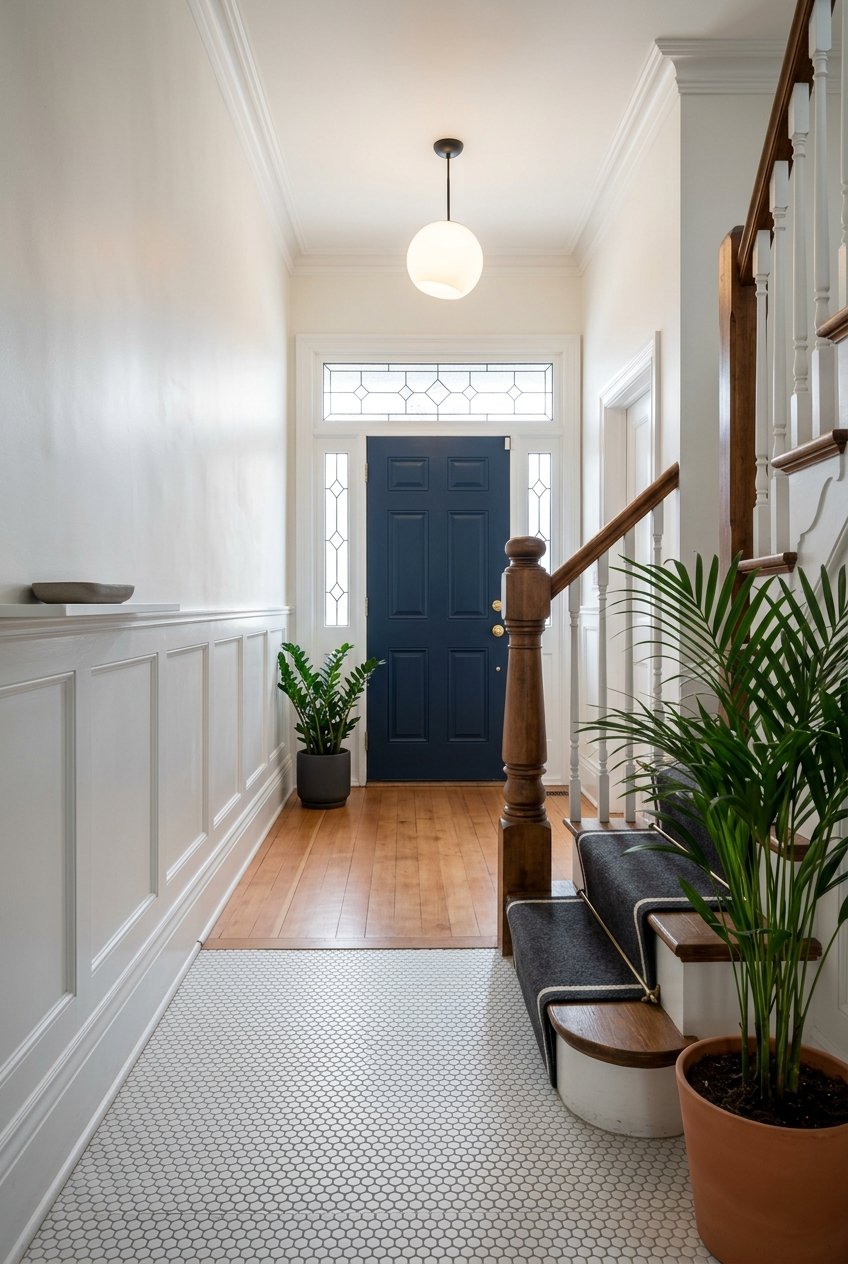
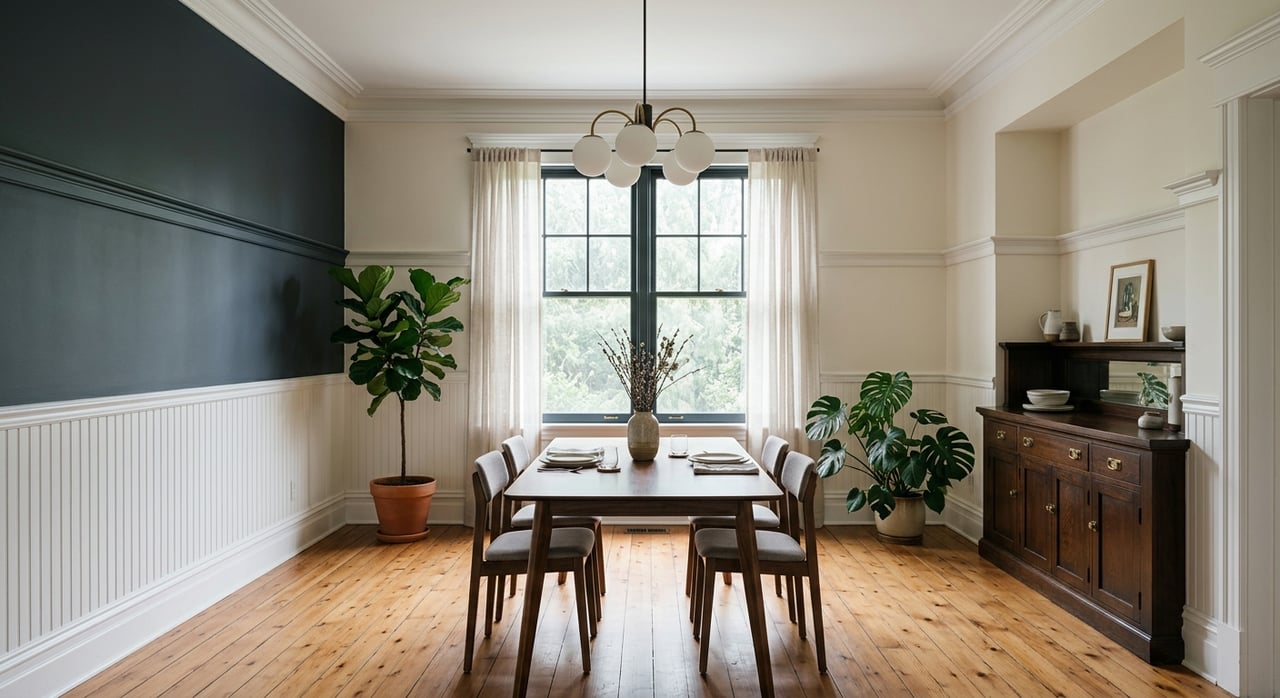
What tends to resonate with buyers here is a balance of classic detail and daily function. A modest-to-midscale kitchen modernization, adding or upgrading bathrooms, and selective restoration of millwork and windows often deliver outsized results. Regional return-on-investment data shows projects like minor kitchen and midrange bathroom remodels perform strongly in San Francisco in 2024, based on the Cost vs. Value report for our market. You can review the full list of high-recoup projects in the San Francisco table from the Cost vs. Value dataset for 2024 at JLC’s regional report.
If the home sits in a local historic district, exterior or character-defining changes may need a Certificate of Appropriateness. San Francisco Planning outlines Article 10 review procedures for landmark properties and districts in its published materials. You can see an example of this guidance in the Planning Commission packet on Article 10 local landmark districts.
“Marina-style” houses in the Avenues
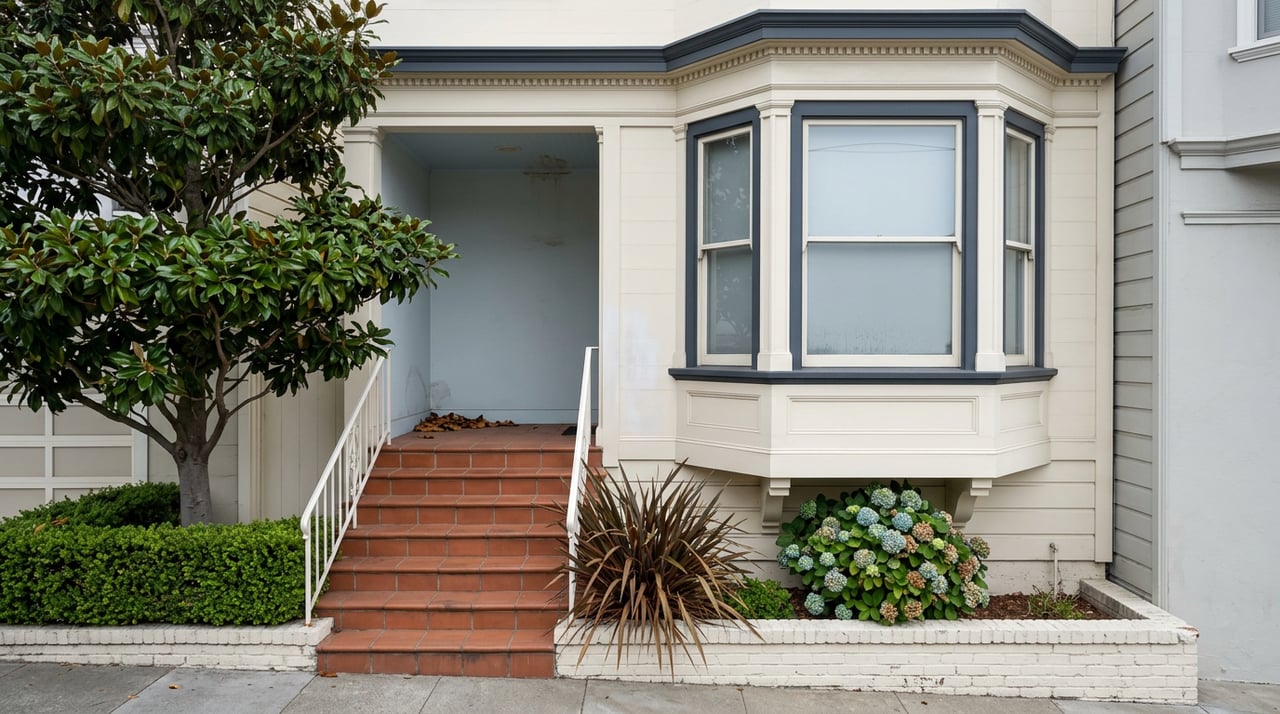
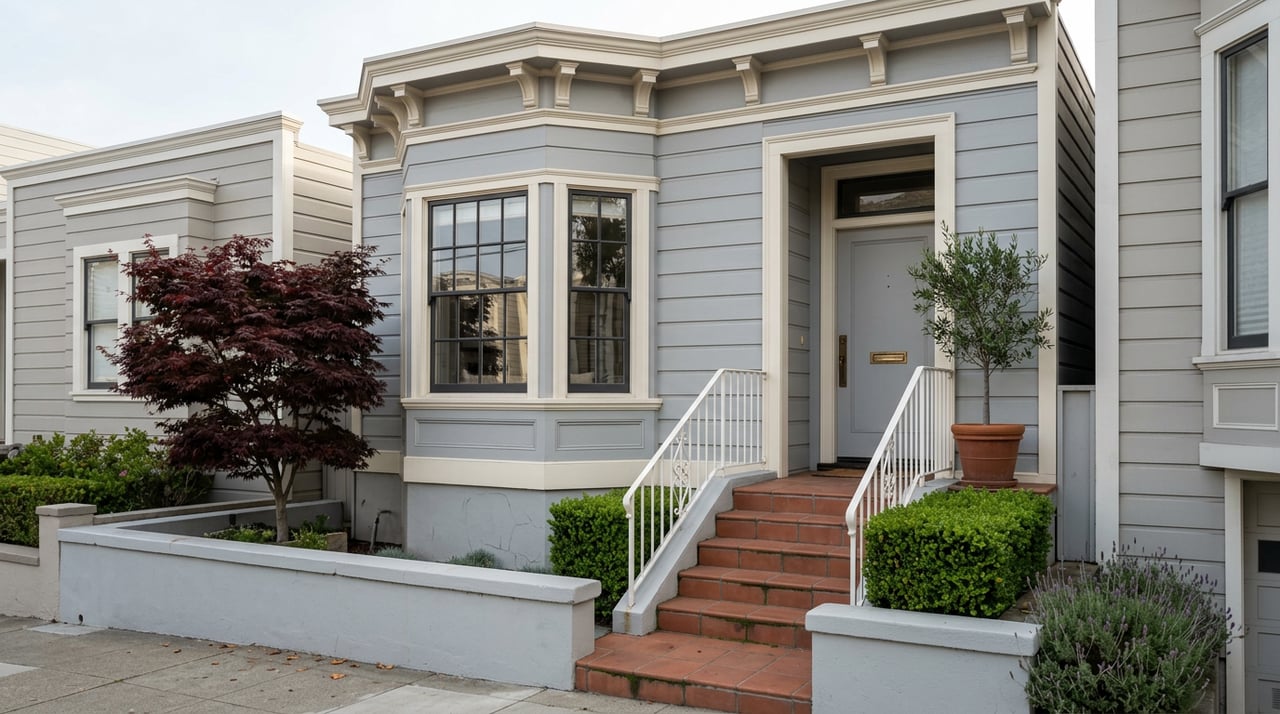
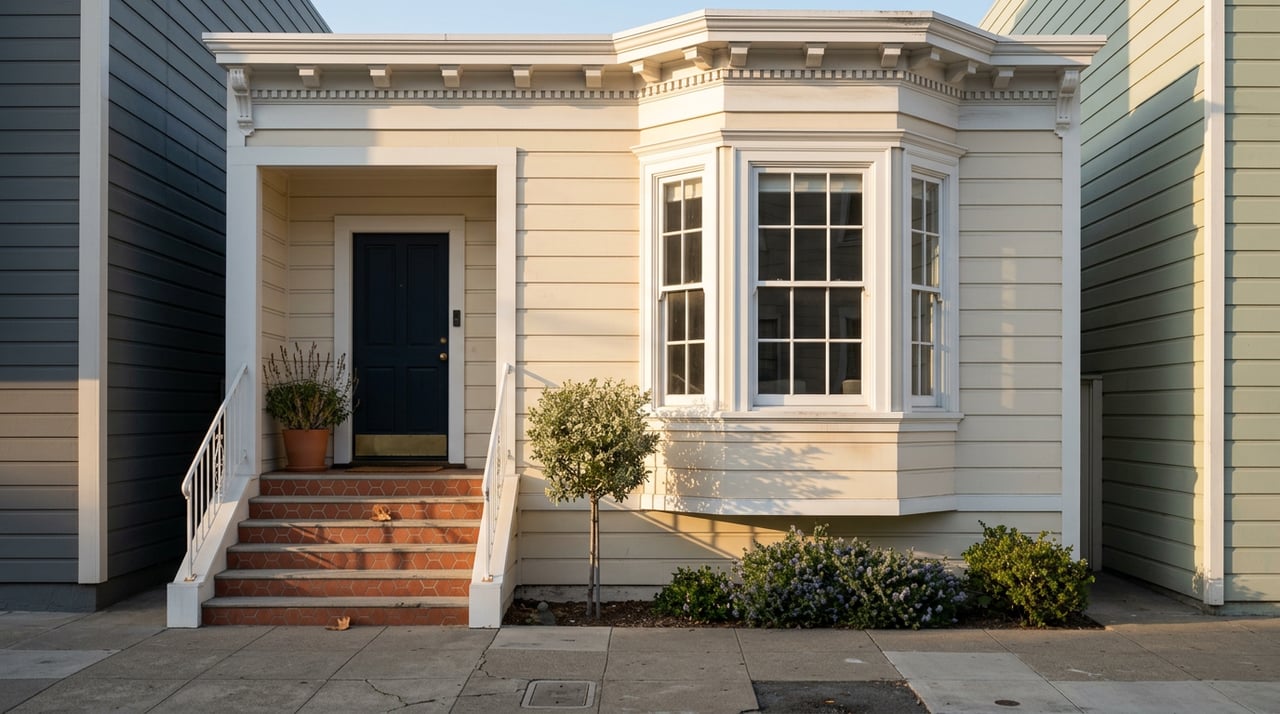
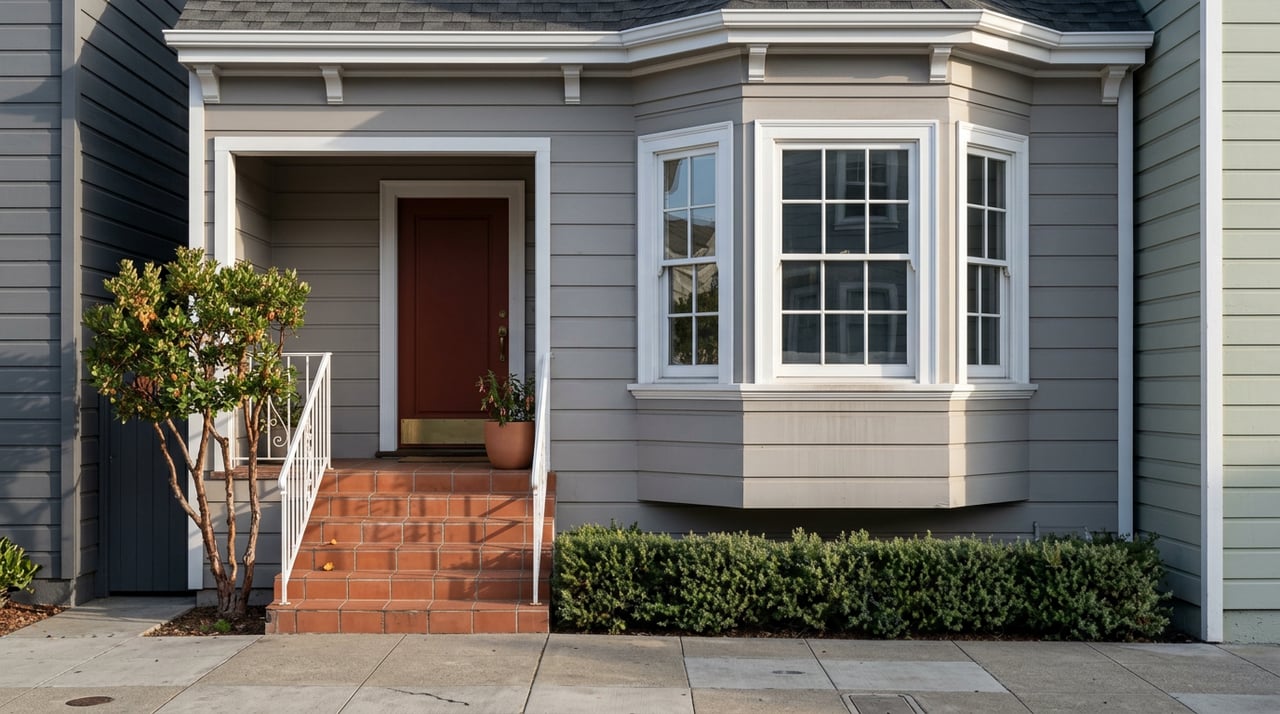
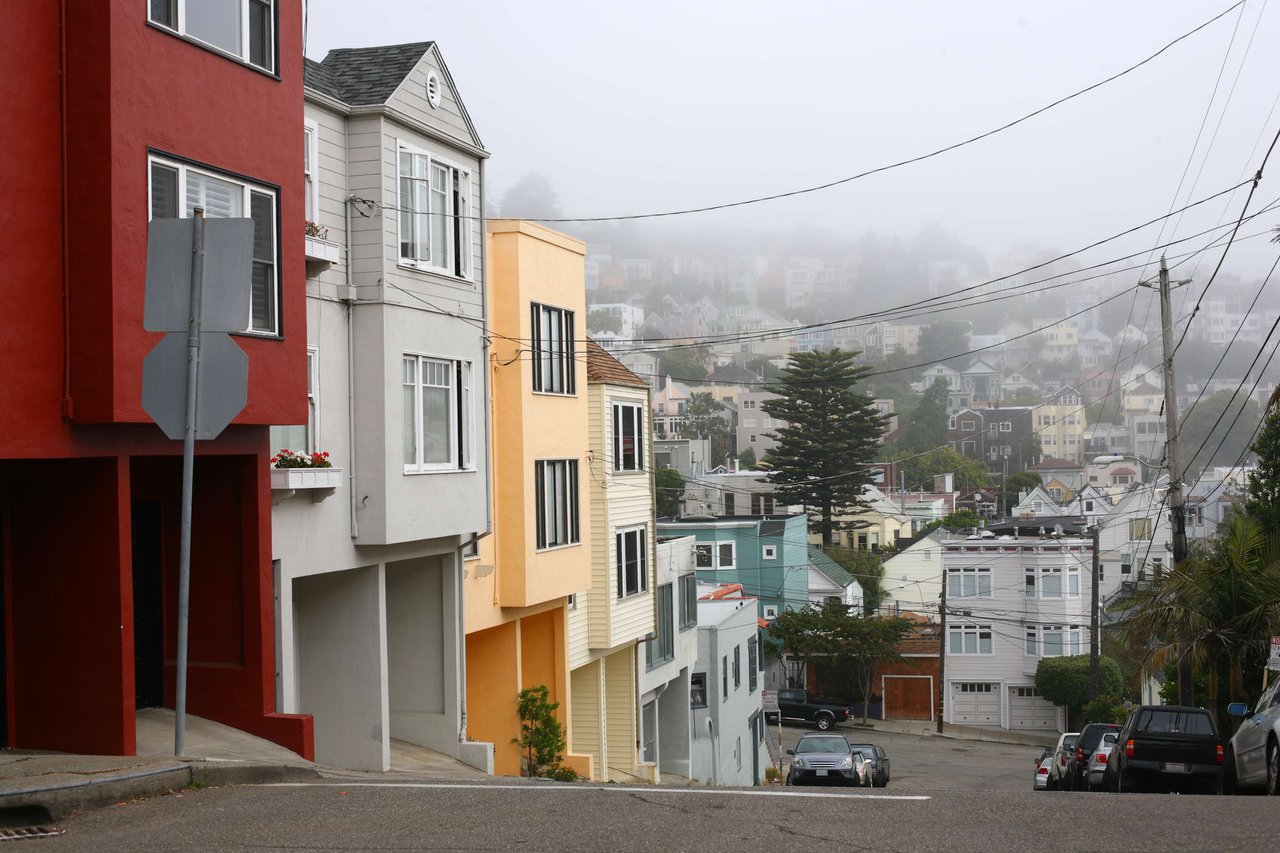
In the Richmond and Sunset, many 1920s to 1930s houses feature at-grade living spaces, shallow setbacks and ground-level garages. Kitchens can be easier to reconfigure horizontally than in tall Victorians, and consolidating a split bath into a single, modern bath often improves daily flow. Insulation and new windows can make a real comfort difference in the foggier west side.
For local perspective on typical issues and upgrades in these historic-but-more-modest homes, a San Francisco remodeler outlines practical “non-negotiables” for working in the Avenues, including foundations, windows and systems upgrades. Their summary highlights site-specific feasibility for garage or ADU conversions and the need to verify structure before major openings. Read a concise overview from a local contractor on historic SF home remodeling priorities.
Newer SoMa and Mission Bay condos
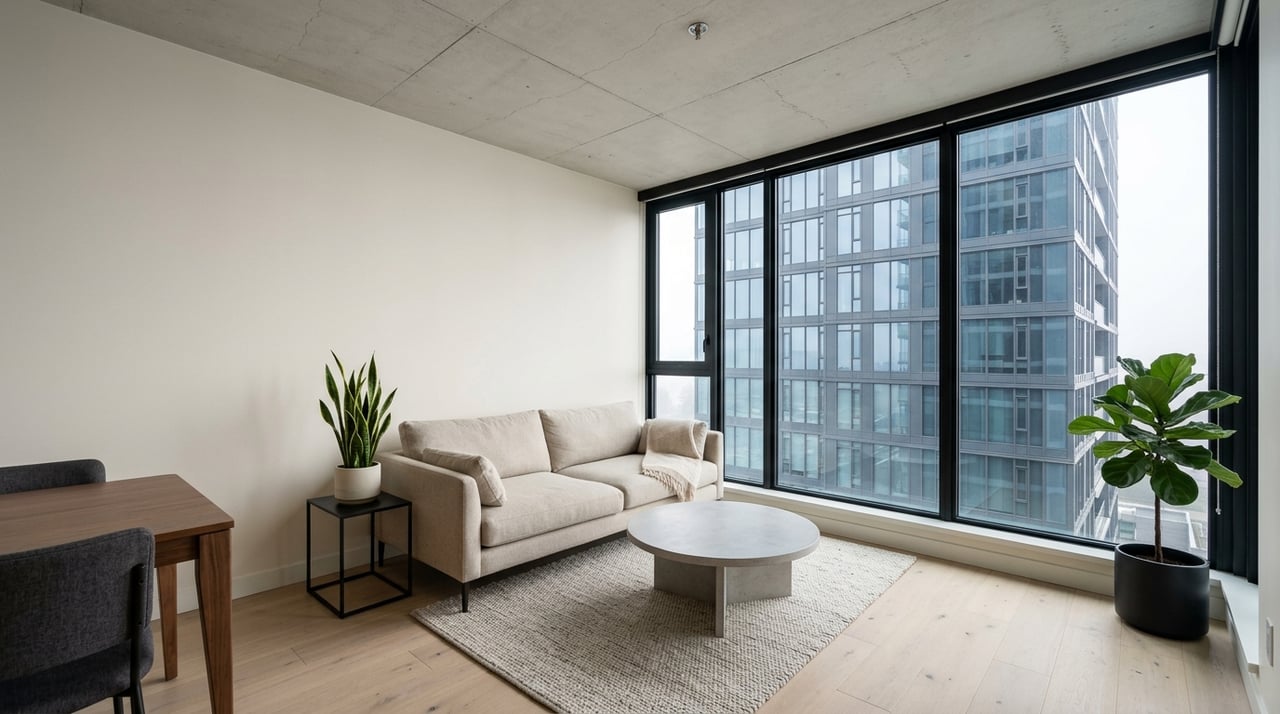
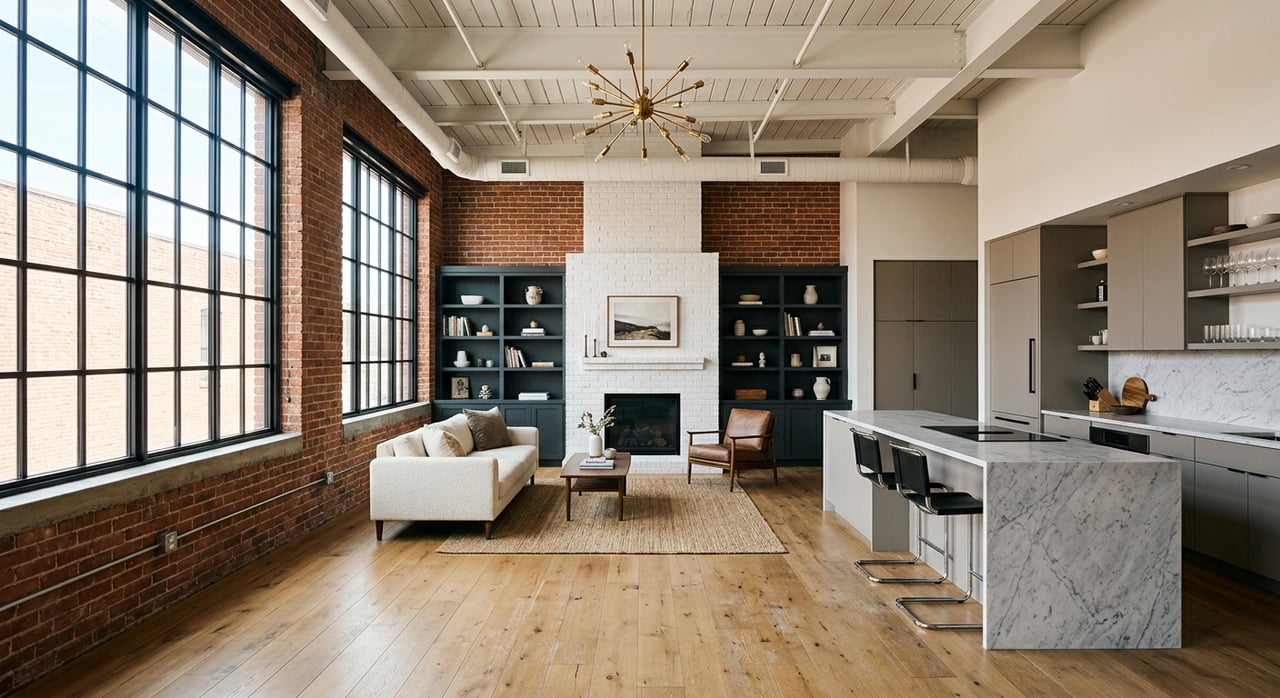
South of Market and Mission Bay have seen growth in the past 15 to 25 years with concrete and steel buildings, slab floors and modern MEP systems. Inside many units, big structural changes are difficult since slabs, chases and fire separations limit rerouting. Owners usually focus on high-touch finishes, lighting, built-in storage and smart systems, which show well and avoid heavy rework.
Mission Bay’s master-planned growth prioritized parks, transit and substantial new housing. Buyers often compare finish quality and amenity packages more than historic character. For a concise backdrop on how this neighborhood rose and how construction types influence design choices, see SPUR’s overview of Mission Bay’s redevelopment and building context.
Permits, safety and rules that shape scope
Renovation in San Francisco is as much about process as it is about design. A few programs and requirements can change feasibility, timeline and budget.
Soft-story seismic retrofits
If you are considering a multi-unit wood-frame building built before 1978 with a weak or open ground floor, confirm compliance with the city’s Mandatory Seismic Retrofit Program. The Department of Building Inspection’s ESIP program notes retrofit costs can range widely by size and scope, and city guidance often cites work in the tens of thousands to low six figures. Start with DBI’s program overview and status tools at the soft-story resource page.
Article 10 historic review
Homes inside local historic districts or with landmark status can require extra review for exterior or character-defining changes. This does not block thoughtful modernization, but it can limit facade changes or window replacements. Planning’s published materials on Article 10 and landmarks explain the added step.
ADU feasibility and timelines
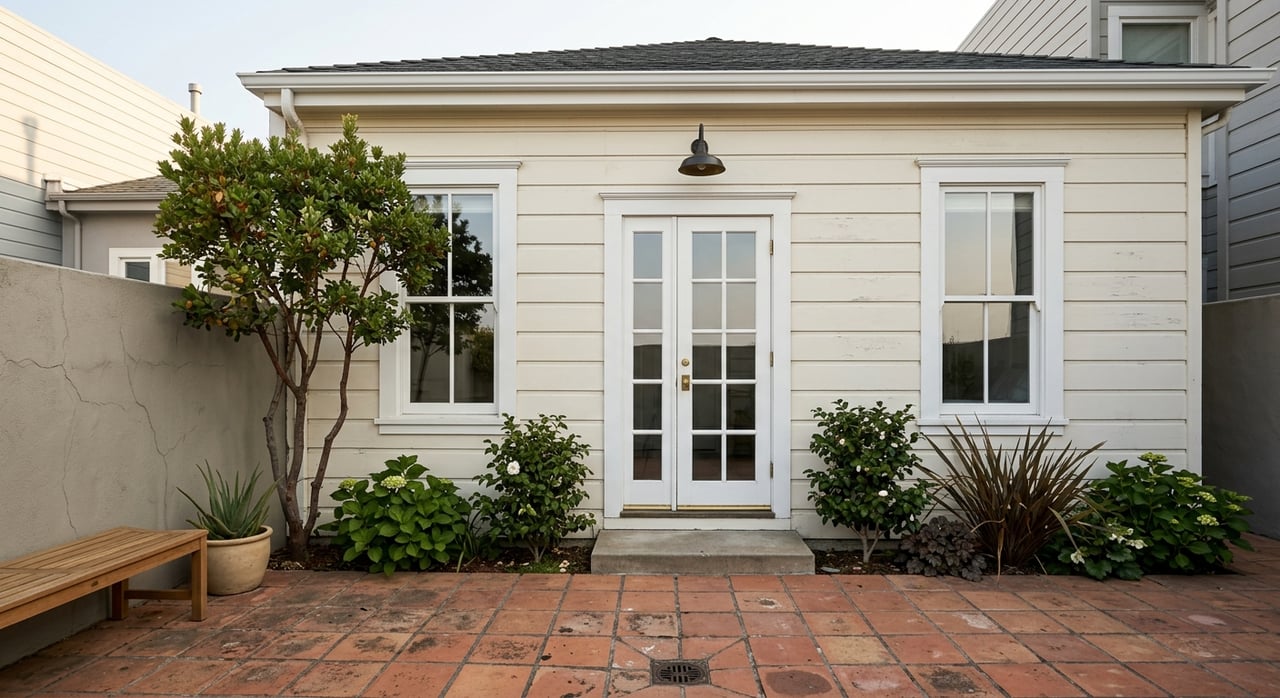
Accessory Dwelling Units can add meaningful value through rental income or multigenerational living, yet they bring structural, fire and accessibility triggers. Local process guides note that a permitted ADU in San Francisco often runs into the low six figures and can take 12 to 24 months from planning to occupancy. Review typical scope and cost considerations in this ADU planning guide before you budget.
Permit processing and inspections
Structural, plumbing, mechanical and many electrical changes require DBI plan review and inspections. Local reporting shows that permit processing can add weeks or months to a schedule, especially on complex projects. For context on recent timelines and why careful scope definition matters, see the Chronicle’s coverage of permit processing impacts in SF.
Construction waste and recycling plans
If your project adds conditioned area, the city now requires a Material Reduction and Recovery Plan. It is an extra checklist item that appears on DBI reviews and intends to standardize recycling and reporting. Learn what to expect in the City’s update on MRRP requirements for residential projects.
Private sewer laterals and easements
In San Francisco, owners are responsible for private sewer laterals and related easements on their property. Ask for repair records or a recent test when buying, since unexpected lateral work can upset budgets. The SFPUC explains owner responsibilities and easements in its guidance on private sewer laterals.
Electrification environment
Local and state code shifts around building electrification continue to evolve. If your plan touches gas appliances or mechanical systems, verify current DBI and Planning guidance early, since requirements or incentives can influence design and permitting.
Geotechnical context in fill areas
Mission Bay and parts of SoMa were built on historic fill. Deep excavation or foundation changes in these zones require careful planning and may trigger additional engineering. For background on geotechnical considerations in waterfront districts, review Planning’s DEIR chapter on geology and soils.
Cost drivers and what buyers value
Across San Francisco in 2024, targeted kitchen and bath updates, exterior refreshes and well-chosen finishes often recoup more than heavy structural rework. The regional Cost vs. Value dataset reports high recoup ratios for minor kitchen remodels and midrange bathroom remodels, along with several curb-appeal projects like entry or garage doors and manufactured stone veneer. Use this as a guidepost for where to invest, and calibrate to your micro-market and property type with your agent’s counsel. You can scan the San Francisco list at the Cost vs. Value report.
How that translates on the ground:
- Classic Victorians and Edwardians: prioritize a modernized kitchen that respects period detail, add or improve bathrooms, and resolve mechanical friction points like older panels or water heaters.
- Avenues/Marina-style homes: consolidate split baths, open kitchen sightlines where structure allows, improve windows and insulation for comfort, and refresh exteriors.
- SoMa and Mission Bay condos: focus on finishes, storage, lighting, balcony or terrace upgrades where allowed, and smart systems or EV readiness.
First walk-through checklist
Use this short list to frame due diligence before you bid or set a renovation budget:
- Verify soft-story status for multi-unit wood-frame buildings and look for Certificates of Final Completion or open Notices of Violation. Start with the city’s soft-story program page.
- Confirm whether the property is inside an Article 10 historic district or has landmark status, since this adds review for exterior changes. Planning’s packet on Article 10 districts provides context.
- Pull permit history and ask about any unpermitted work. Local reporting shows permitting can materially delay projects, so clarity helps. See the Chronicle’s overview of permit processing.
- Request sewer lateral records or test results. Owner responsibility is explained by the SFPUC in its guide to private sewer laterals.
- For older homes, budget time and money for electrical upgrades and hazardous material remediation if needed. Hidden conditions are a common source of change orders.
- If you plan excavation or underpinning in Mission Bay, SoMa or western fill areas, consult geotechnical references and confirm requirements during planning. Planning’s DEIR chapter on geology and soils is a helpful primer.
- Considering an ADU, especially in the Avenues or lower levels of larger buildings, review local timelines and fire or sprinkler triggers. A planning guide outlines typical ADU scope and costs.
Pro tip: for older properties, carry a contingency of 15 to 25 percent of the construction budget. Seismic upgrades, structural openings and deep utilities can push that higher, so scale your reserve accordingly.
Quick guide: constraint to smart fix
Here is a simple map from typical constraints to a practical, high-impact move. Use it to shape your first-pass scope and conversations with designers and contractors.
| Home type | Typical constraint | Likely cost driver | Smart, high-impact move |
|---|---|---|---|
| Victorian/Edwardian | Tight kitchen and compartmentalized rooms | Structural beam for an opening, systems upgrades | Do a minor-to-midscale kitchen remodel with selective wall opening, preserve trim and built-ins, add storage |
| Marina-style Avenues | Split bathroom and limited insulation | Plumbing reconfiguration, window and exterior upgrades | Combine split bath into a single modern bath, upgrade windows and insulation, refresh stucco or siding |
| SoMa/Mission Bay condo | Slab and chase limits for big rework | Structural or prohibited penetrations, HOA constraints | Focus on finishes, lighting layers, built-in storage and smart systems, improve balcony or terrace if allowed |
Neighborhood examples that bring it to life
- Hayes Valley Victorian: consider opening the kitchen to a dining room with engineered support, then add a second full bath by converting a closet or stacking near existing plumbing. Keep original millwork in the front rooms for character, and upgrade the panel to 200A for future flexibility.
- Outer Richmond “Marina-style” home: rework a split bath into one modern layout, replace single-glazed windows with insulated units for comfort, and give the entry a lift with new paint and lighting. Evaluate the garage for ADU potential, then confirm zoning and fire-safety triggers before you commit.
- Mission Bay condo: choose a coordinated finish package for kitchen and baths, add storage built-ins, and address EV readiness if your building supports it. Work within HOA rules to upgrade balcony flooring and planters for livable outdoor space.
Choosing your path: classic vs newer
If you love ornate details and the romance of San Francisco’s older neighborhoods, you can modernize function while preserving the story. If you prefer low-maintenance living, a newer condo can shine with thoughtful finishes and lighting. In both cases, define scope around realistic constraints, then invest where buyers notice the most.
When you want design-informed advice, neighborhood context and a smart plan for value, connect with Brandi Mayo. As a San Francisco advisor with a background in architecture and design-led marketing, Brandi helps you prioritize updates that fit your home type and your goals.
FAQs
What should I prioritize when renovating a San Francisco Victorian?
- Focus on a modernized kitchen, added or upgraded bathrooms, and necessary electrical or plumbing updates, while preserving key period details for resale appeal.
Do San Francisco historic districts allow exterior changes to Edwardians?
- Yes, but exterior or character-defining changes may require a Certificate of Appropriateness under Article 10, which adds review steps and can guide design choices.
Are ADUs worth it in Richmond or Sunset “Marina-style” homes?
- A permitted ADU can add value, but expect low six-figure costs and 12 to 24 months for planning and approvals, with feasibility shaped by structure, fire and zoning.
Why are big layout changes hard in SoMa and Mission Bay condos?
- Concrete slabs, mechanical chases and fire separations limit rerouting, so unit-level upgrades usually focus on finishes, lighting, storage and smart systems instead.
How can permitting affect my renovation timeline in San Francisco?
- Structural, plumbing and many electrical scopes require DBI plan review and inspections, and local reporting shows processing can add weeks or months to projects.
What hidden costs should I watch for in older SF homes?
- Structural openings, seismic or foundation work, hazardous material remediation and private sewer lateral repairs are common surprises, so carry a 15 to 25 percent contingency.