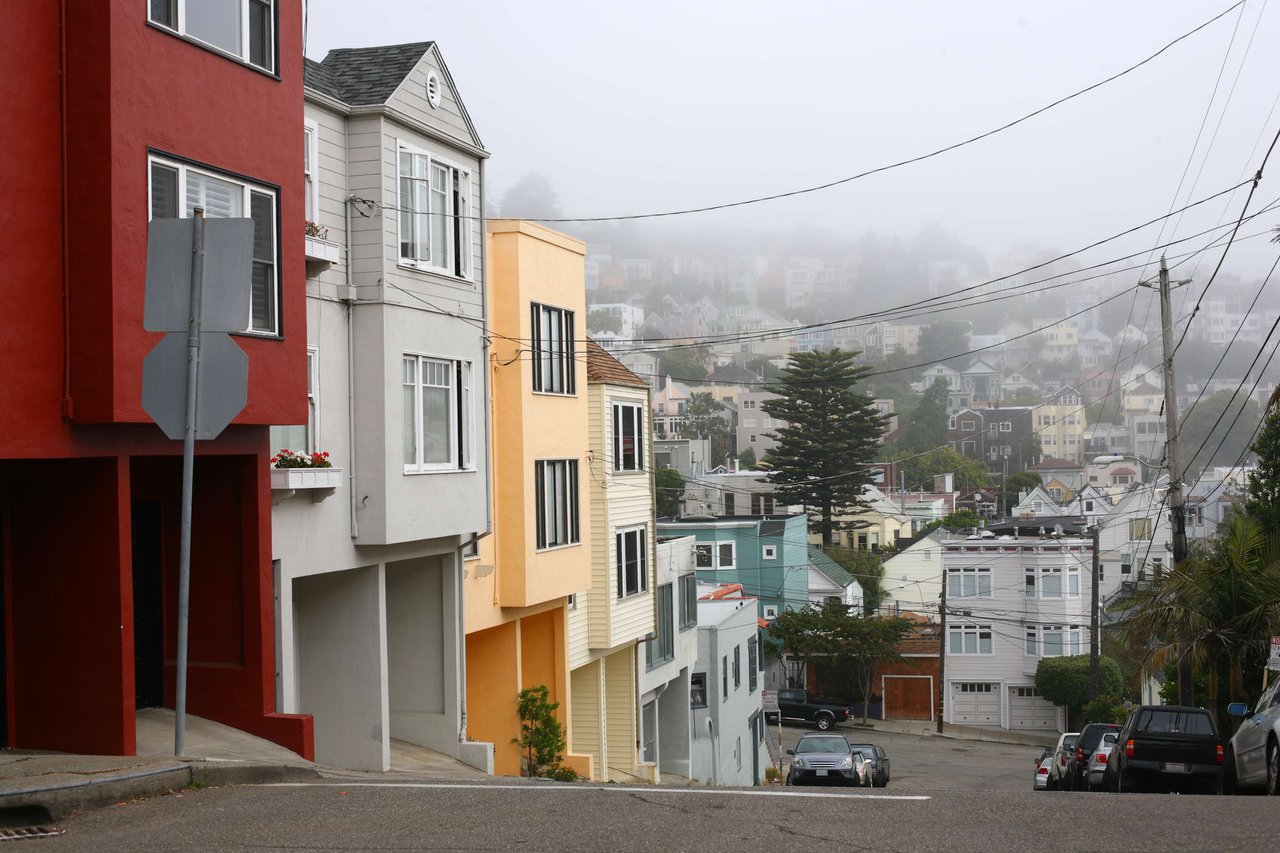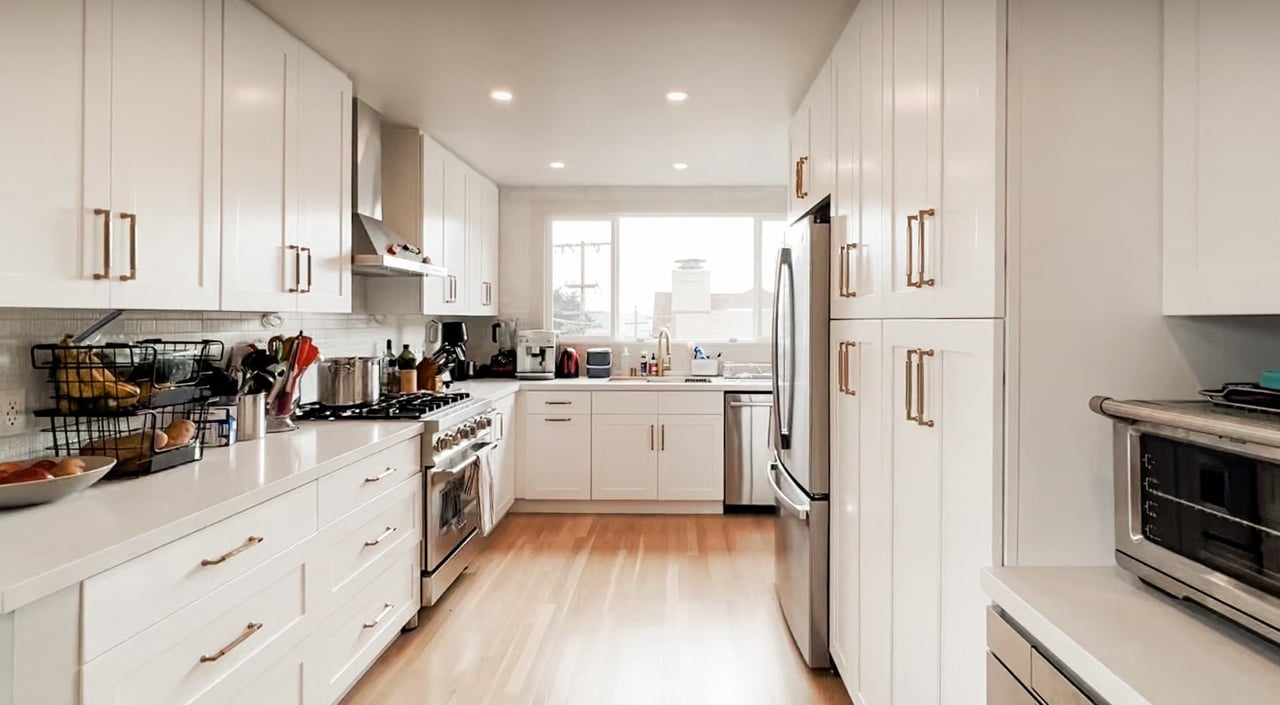
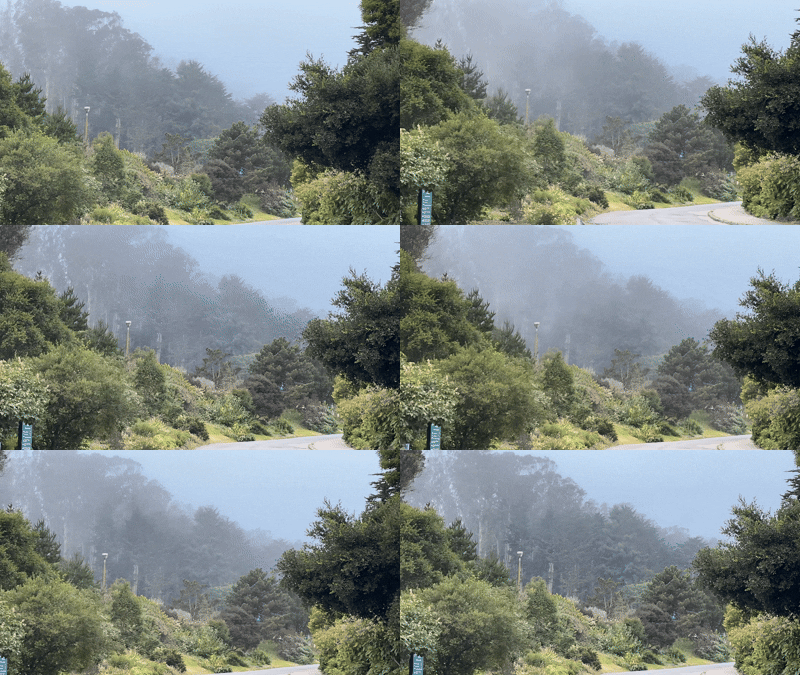
I happened to look up through my kitchen during the early evening of May 11 and there it was! It was the first night I noticed the fog rolling back into San Francisco for the season. Just a few days earlier, I was wondering when it would return. This may honestly be the only weather event, aside from a rainbow, that instantly brings a smile to my face every single time it appears.
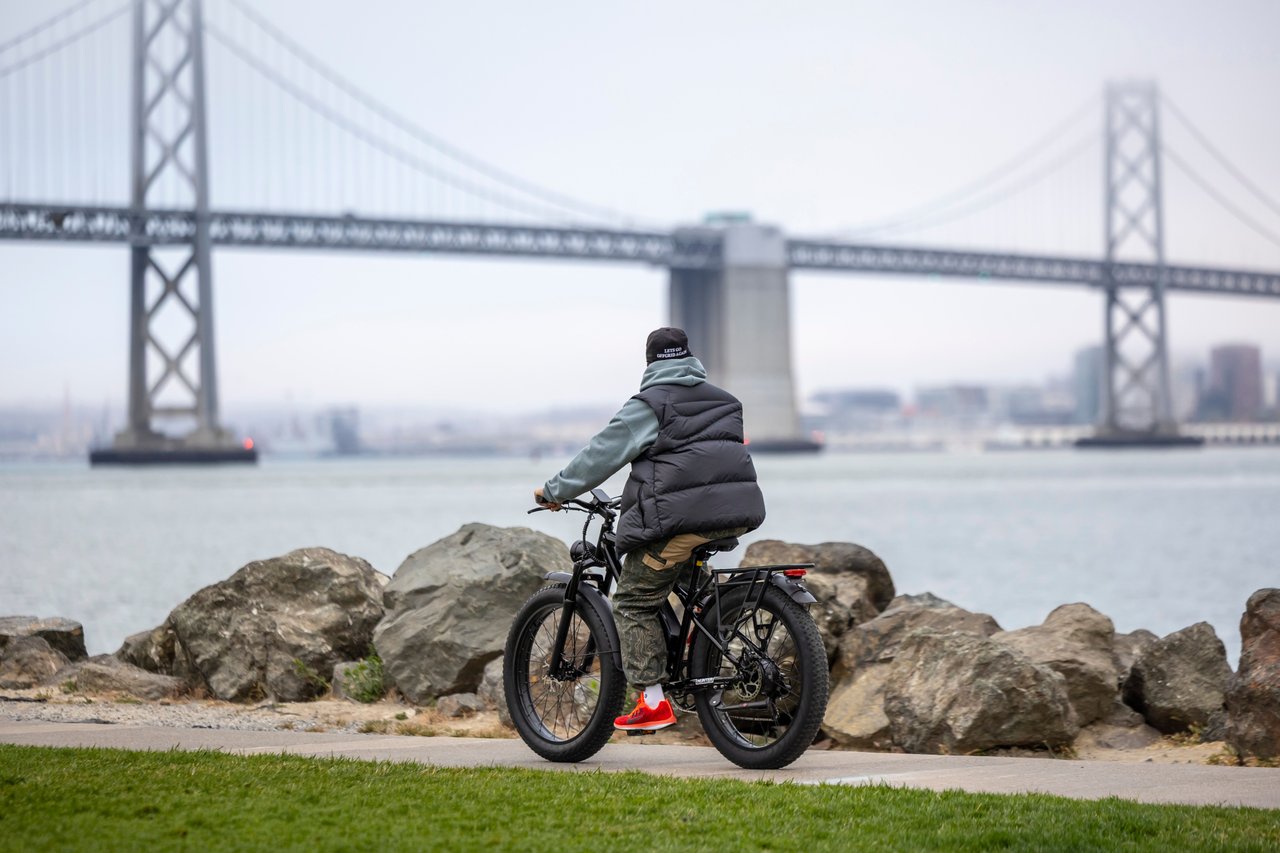
Only in San Francisco will you find locals willingly putting on their puffers in May while tourists stand on corners in hoodies and shorts completely unprepared for Karl’s wrap. I wear my puffer almost like a badge of honor at this point, and the fog genuinely never gets old to me. The cool grey layer rolling against the city’s greenery, eucalyptus trees and cypress lining Golden Gate Park brings a softness to the entire landscape that still feels like one of the most romantic settings imaginable.
And while most visitors spend the summer months hoping for clear skies and warmer weather, longtime San Francisco residents know this is actually when the city becomes its most beautiful.
Honestly, I look forward to the fog all year long.
Over time, I’ve realized Karl the Fog is almost less about weather and more about collective identity. Every city has its landmarks and routines, but San Francisco’s fog somehow became part of the emotional language of living here. Entire neighborhoods organize themselves around it. Conversations revolve around where the fogline stopped that morning, whether Ocean Beach disappeared completely overnight, or which side of Twin Peaks stayed sunny while the western half of the city vanished into grey.
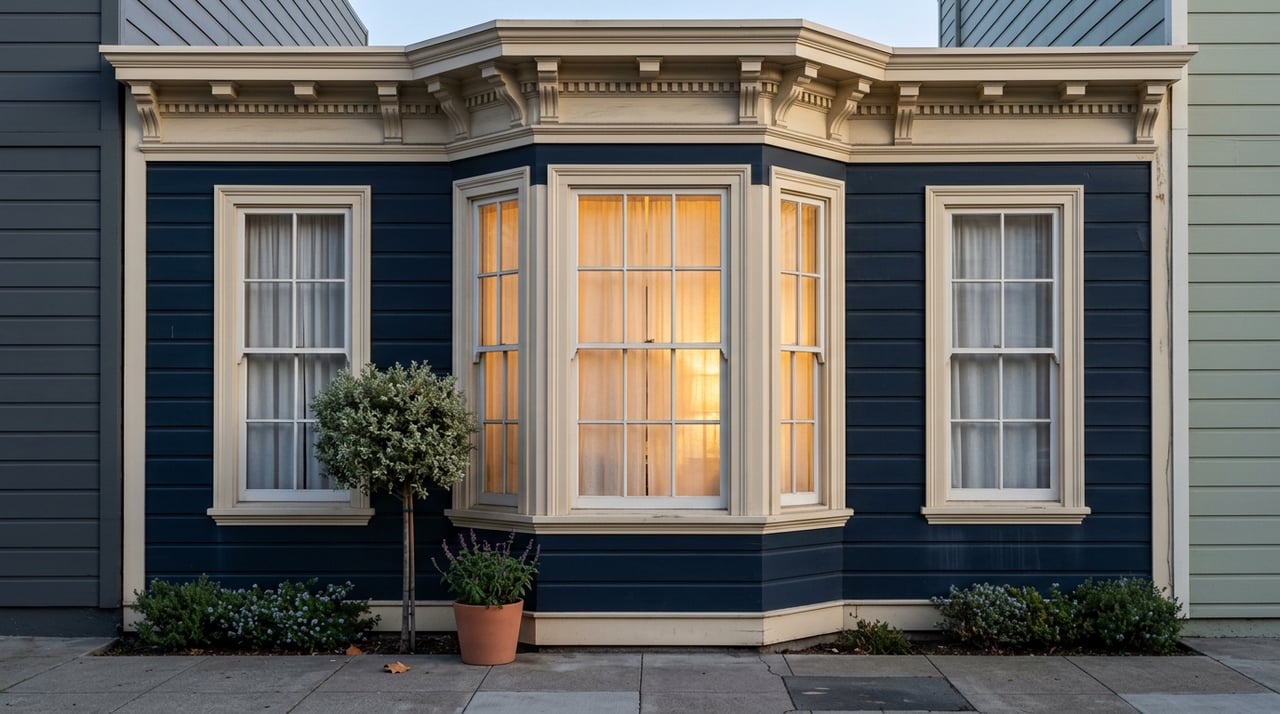
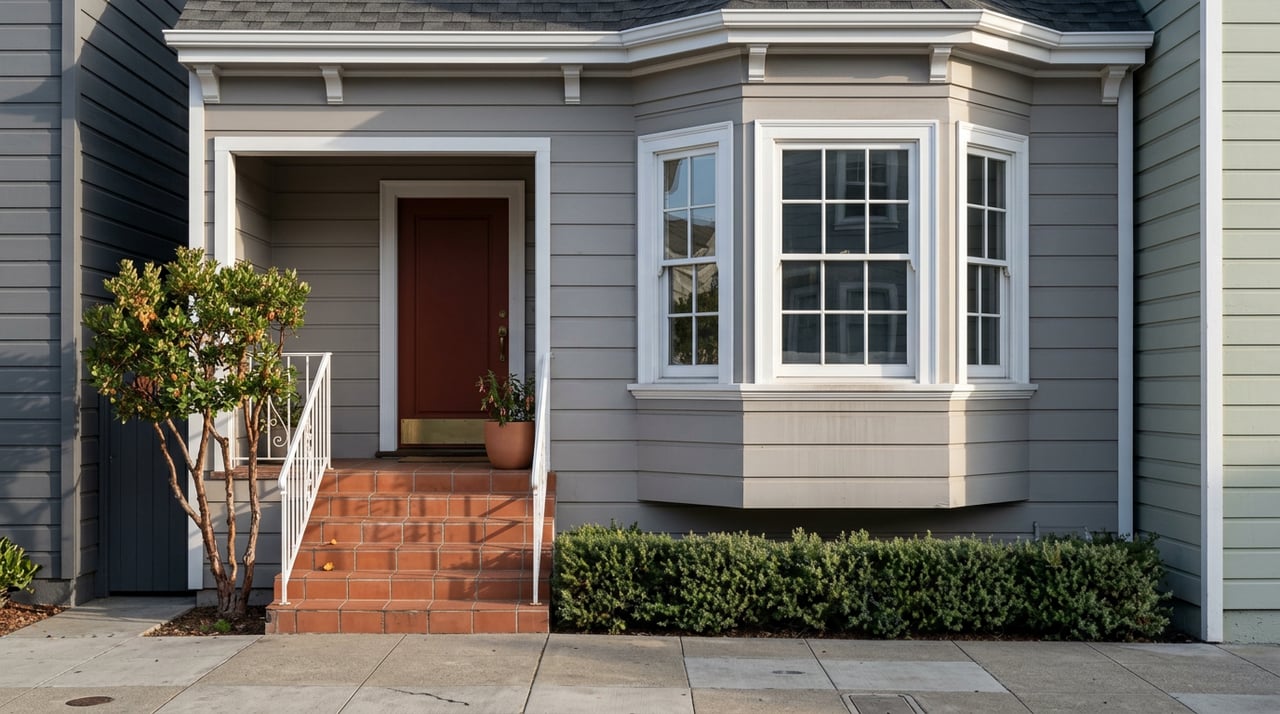
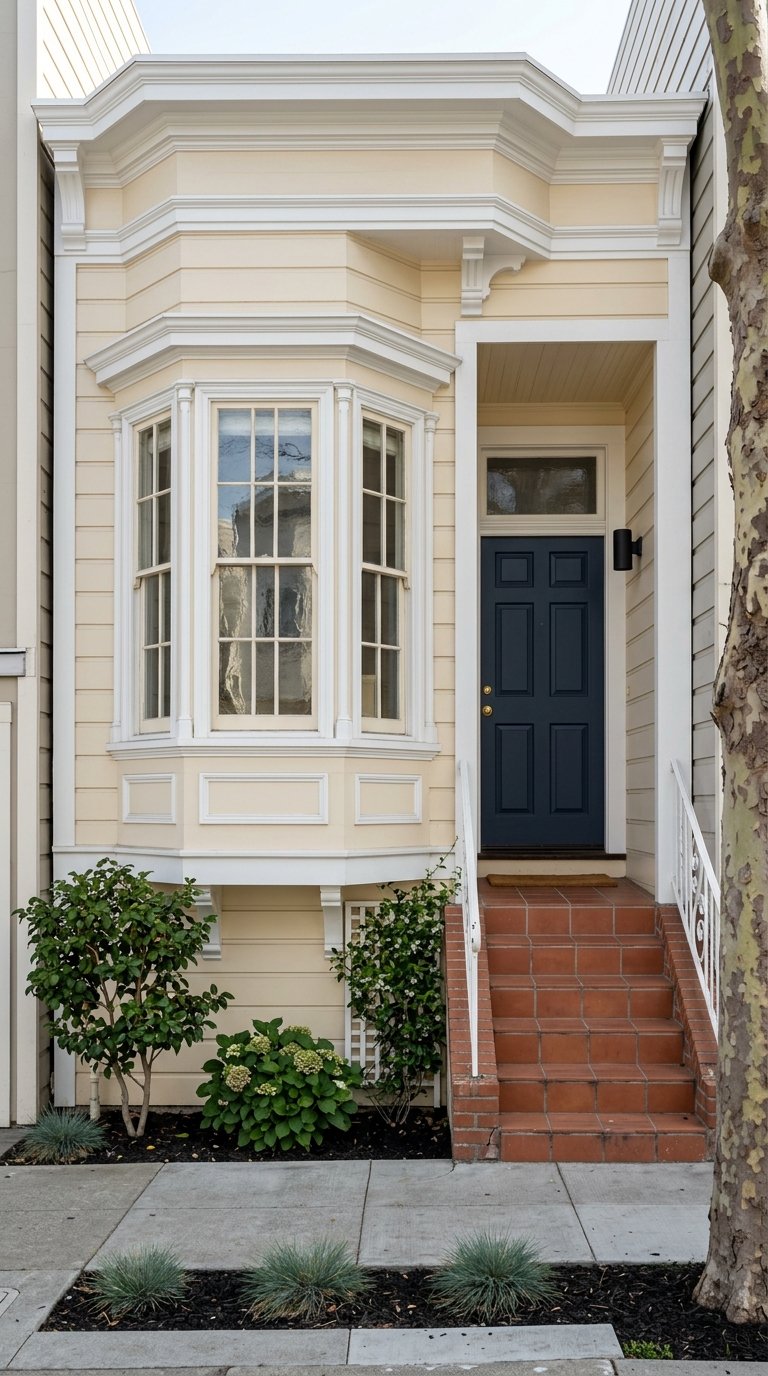
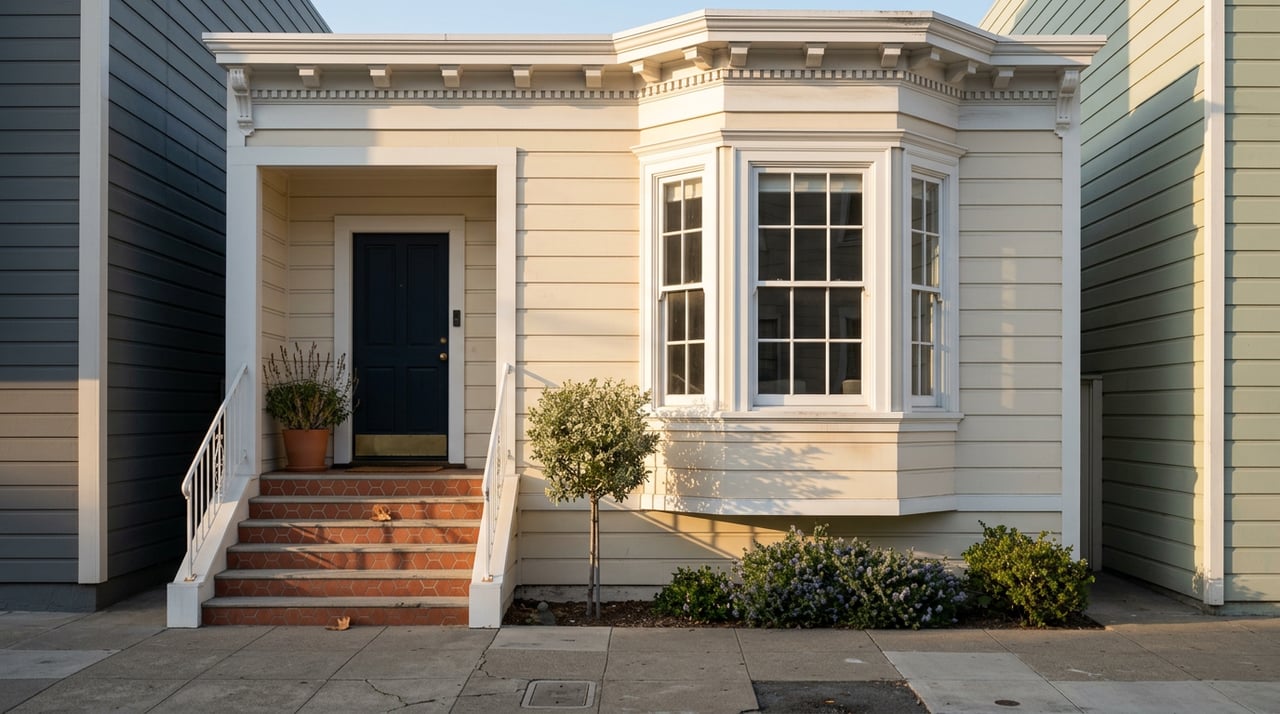
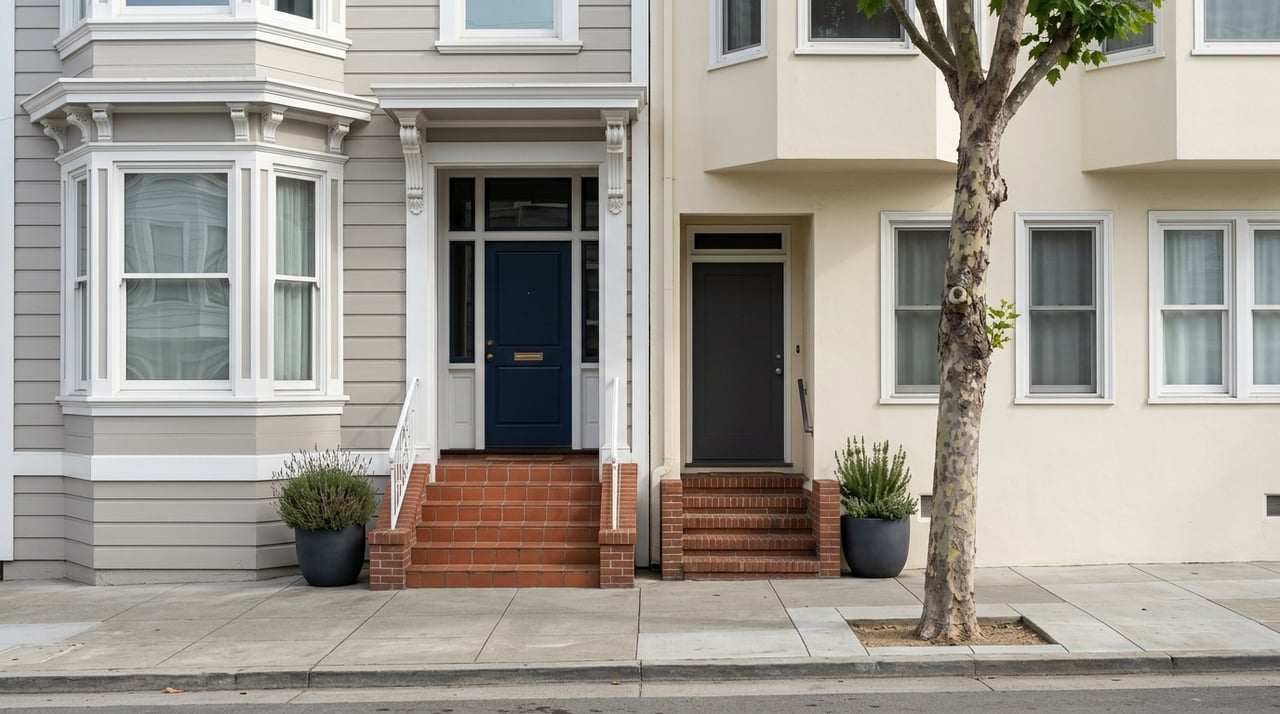
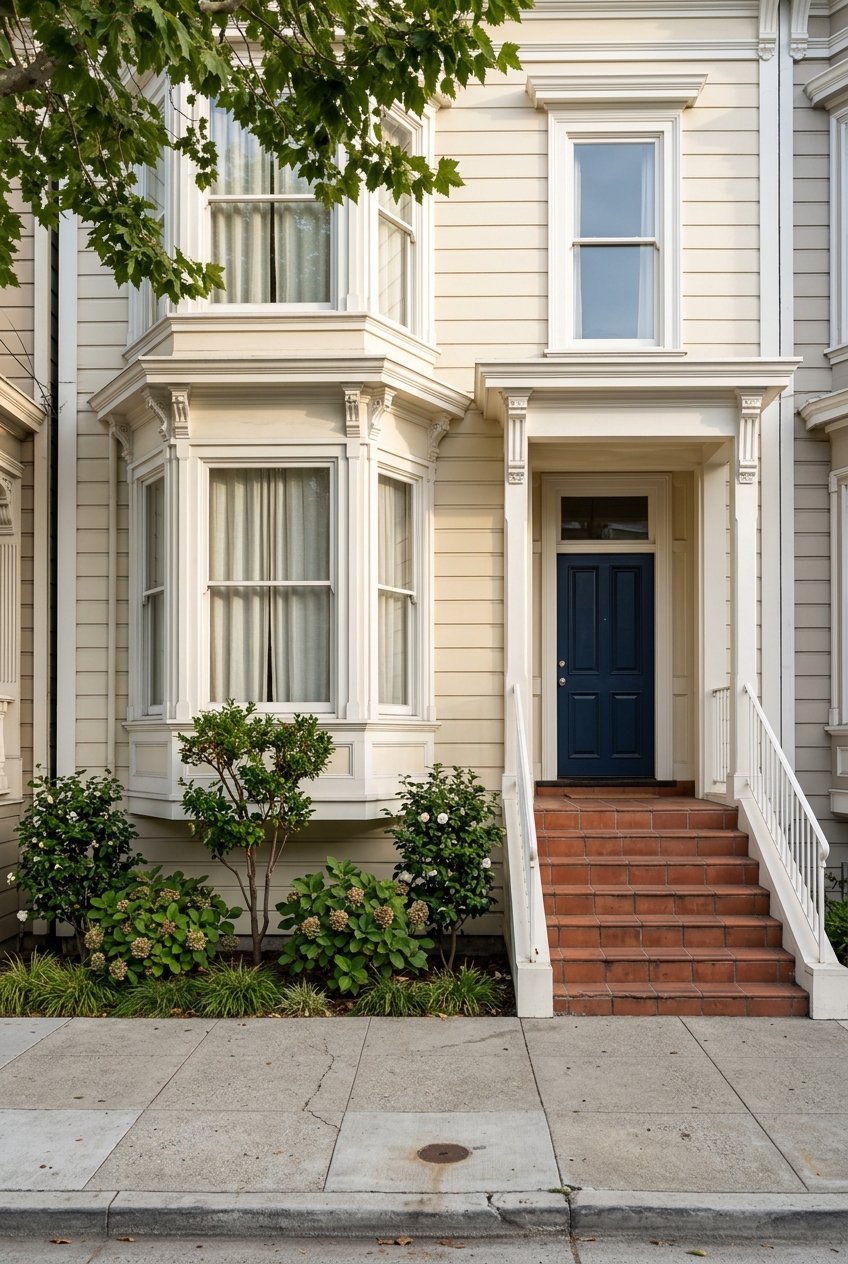
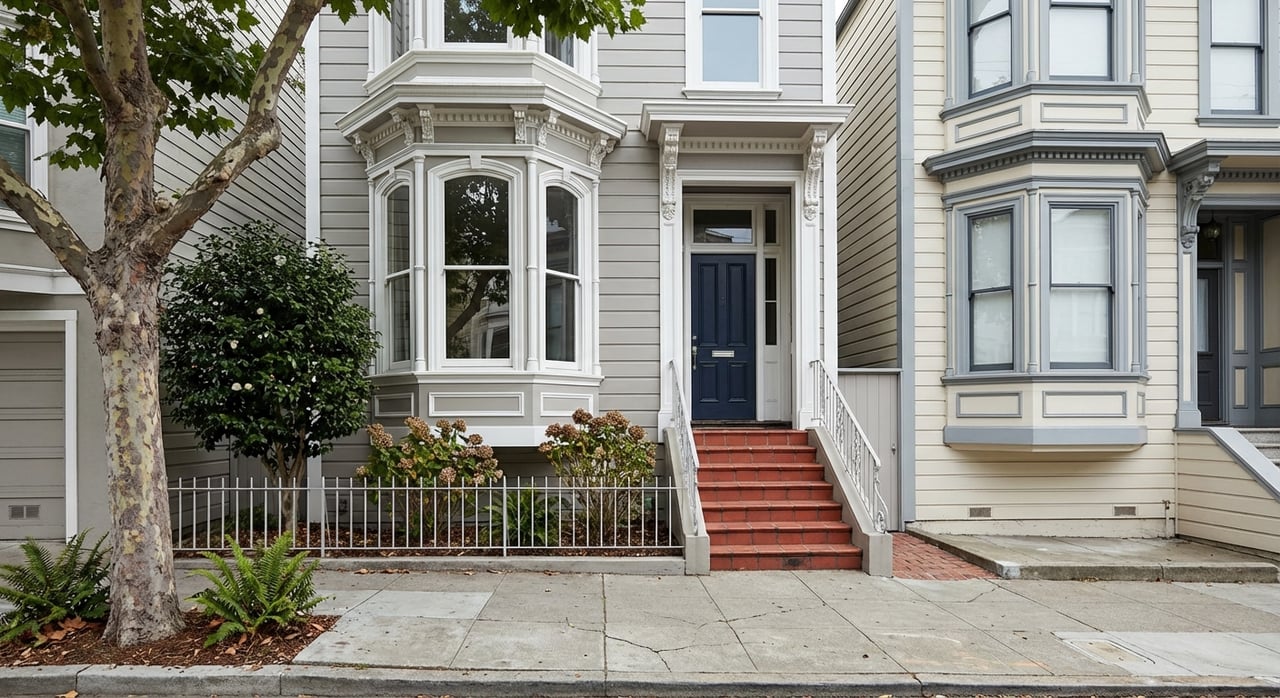
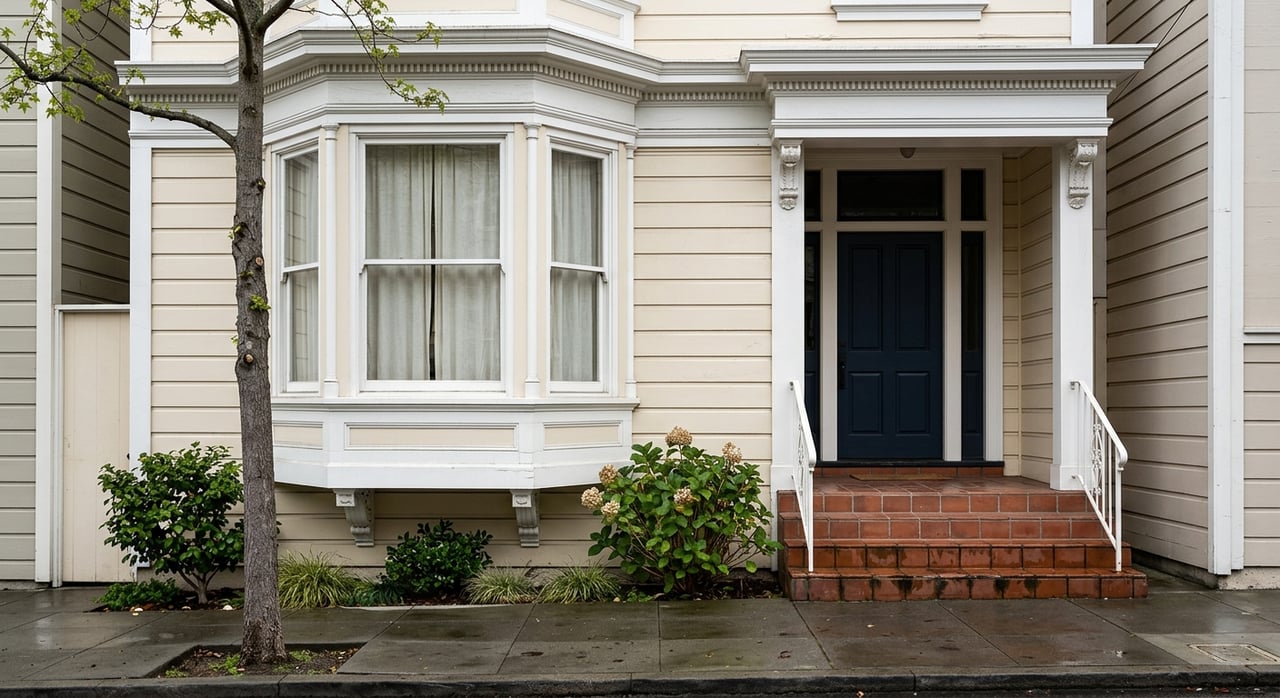
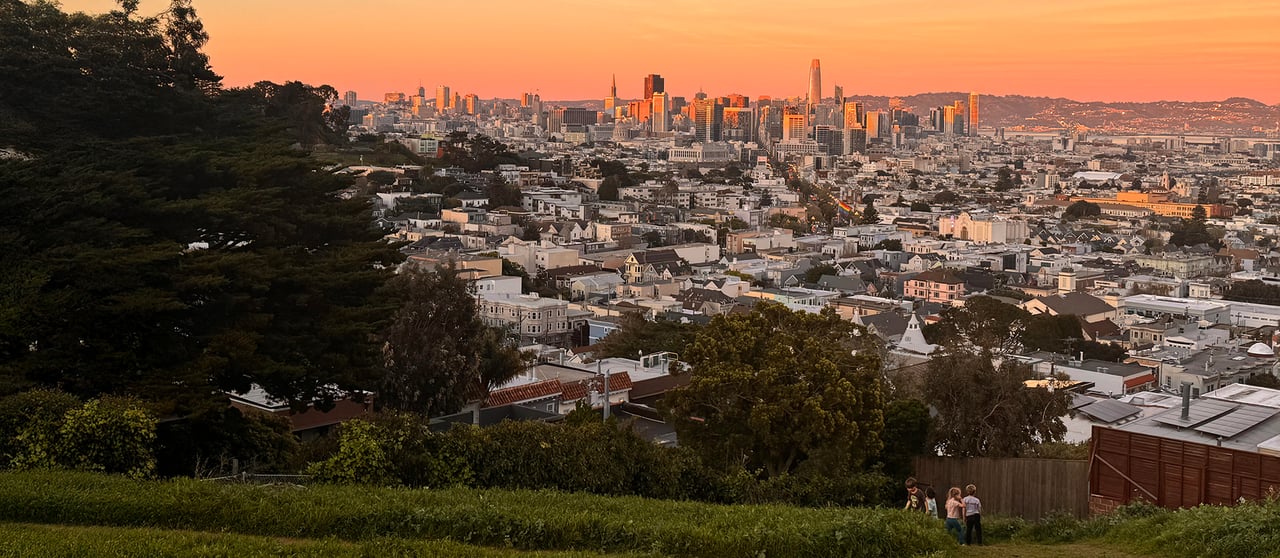
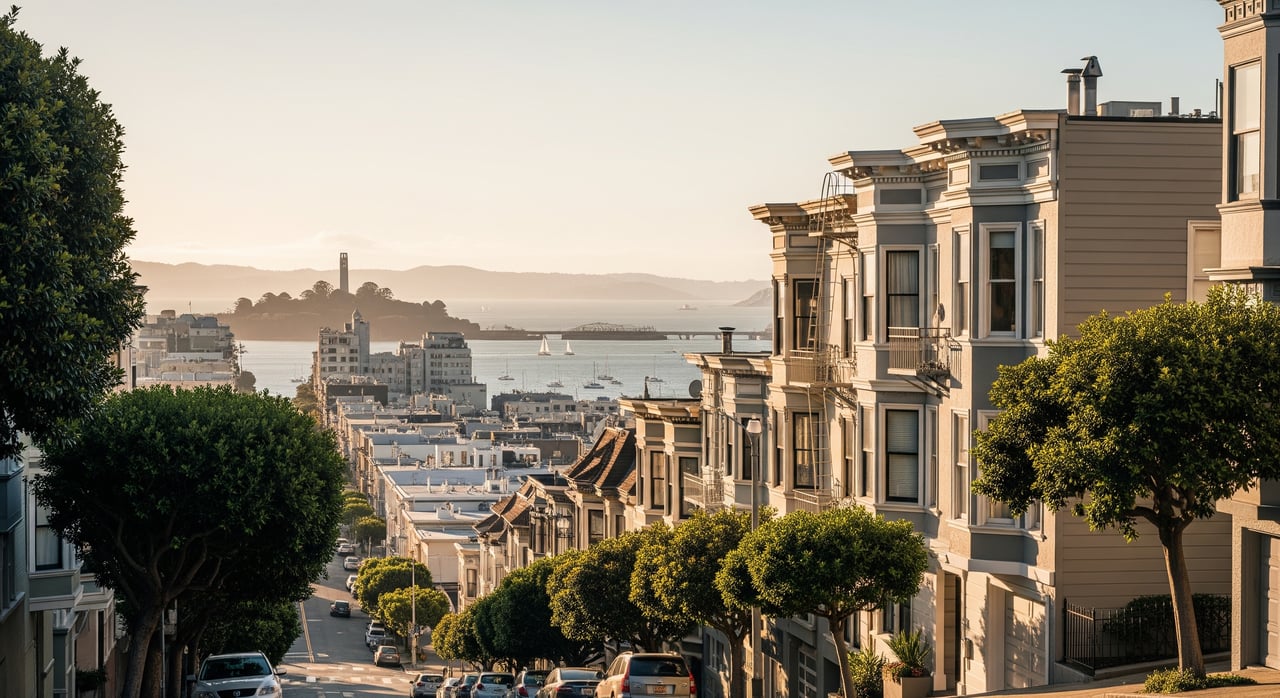
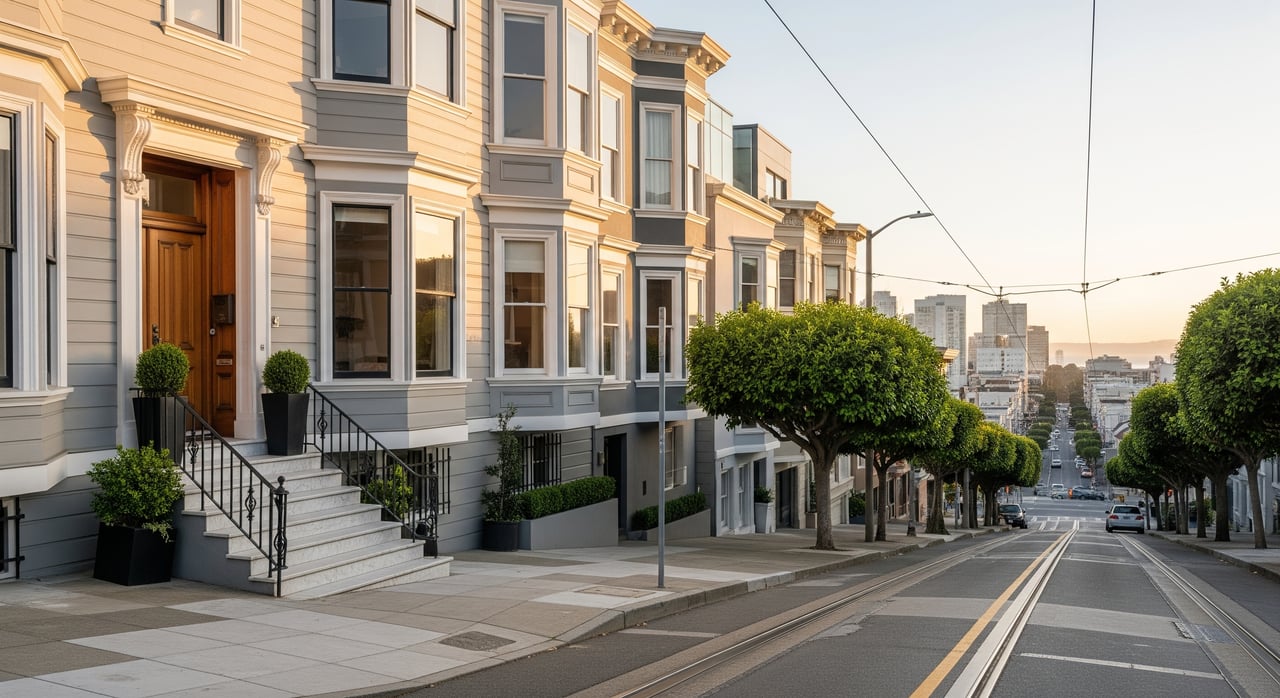
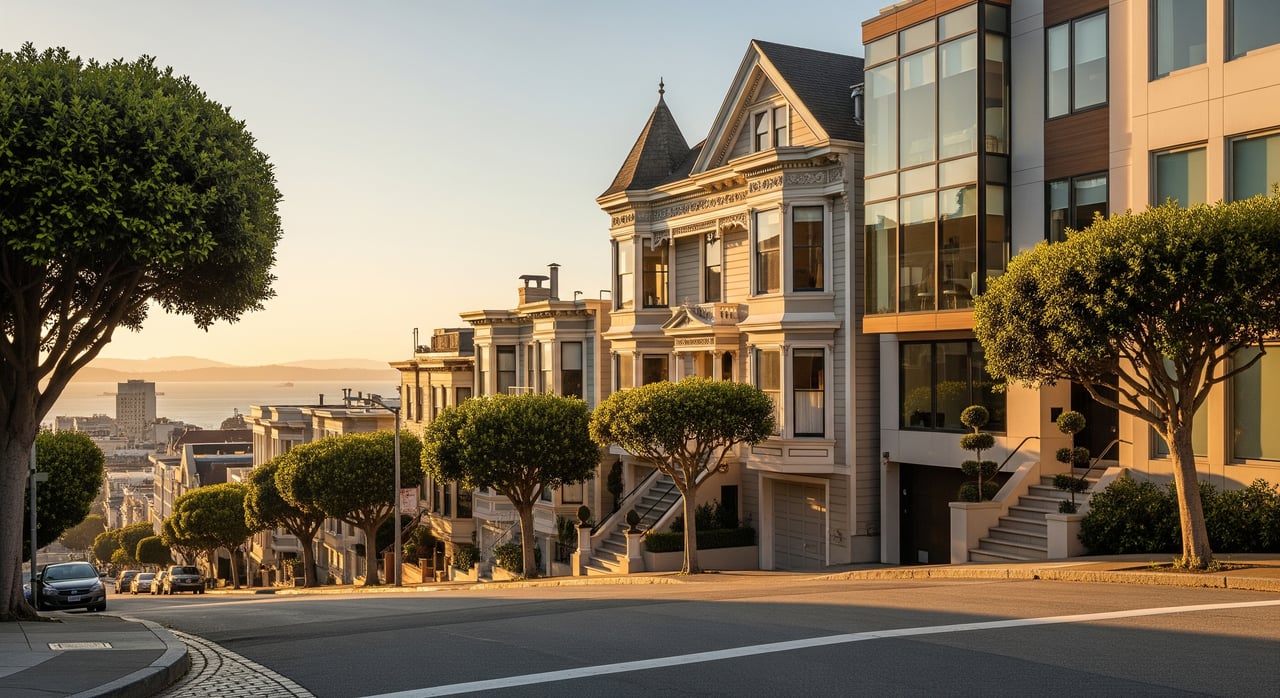
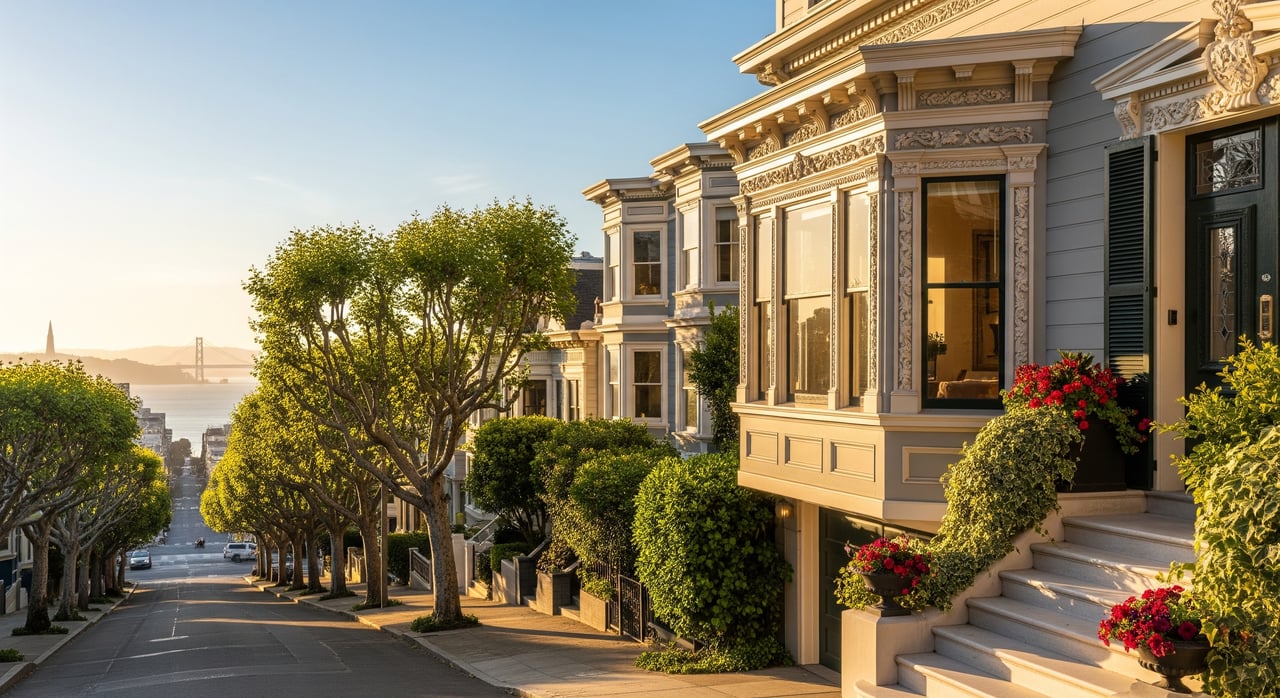
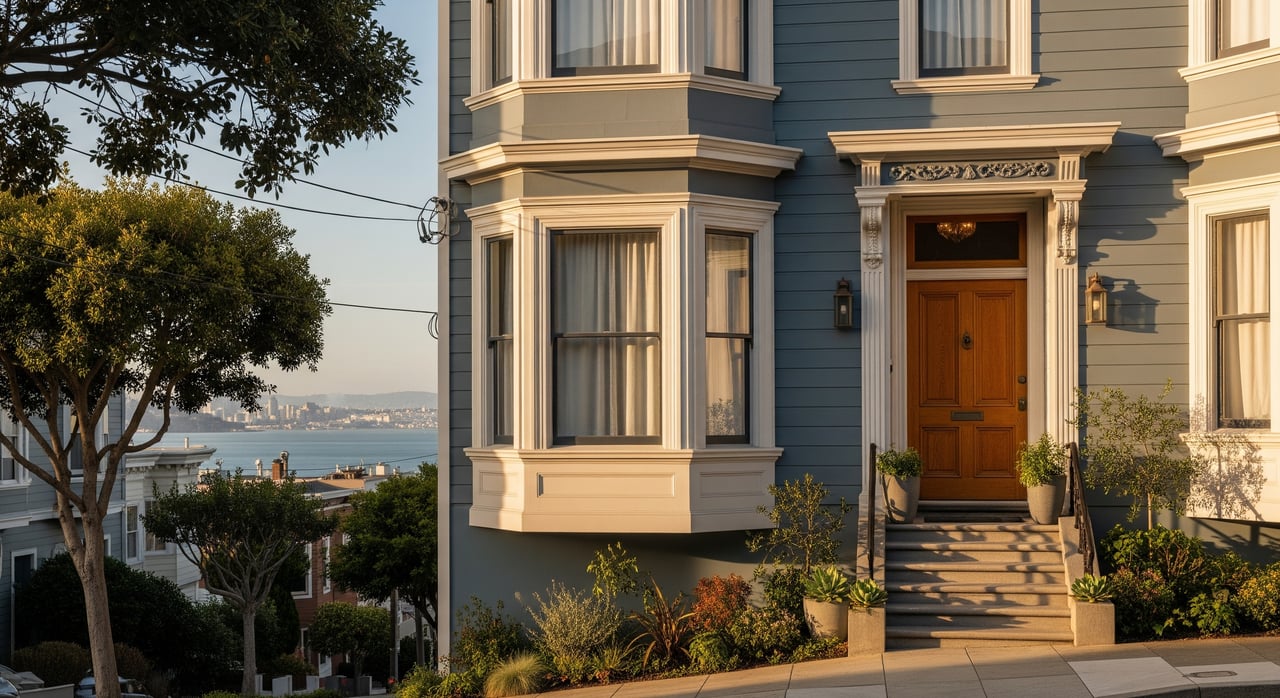
Even the city’s architecture seems to collaborate with it. Victorian facades soften underneath it. Downtown towers disappear into it. Streetlights begin glowing earlier against it. The fog turns ordinary evening walks into something cinematic almost by accident.
And unlike most weather patterns people try to escape, San Franciscans eventually develop a strange affection for this one. Karl became personified for a reason. Residents track it, photograph it, joke about it, complain about it, romanticize it and quietly miss it when warmer stretches last too long. At some point, the fog stops feeling like climate and starts feeling like part of the personality of the city itself.
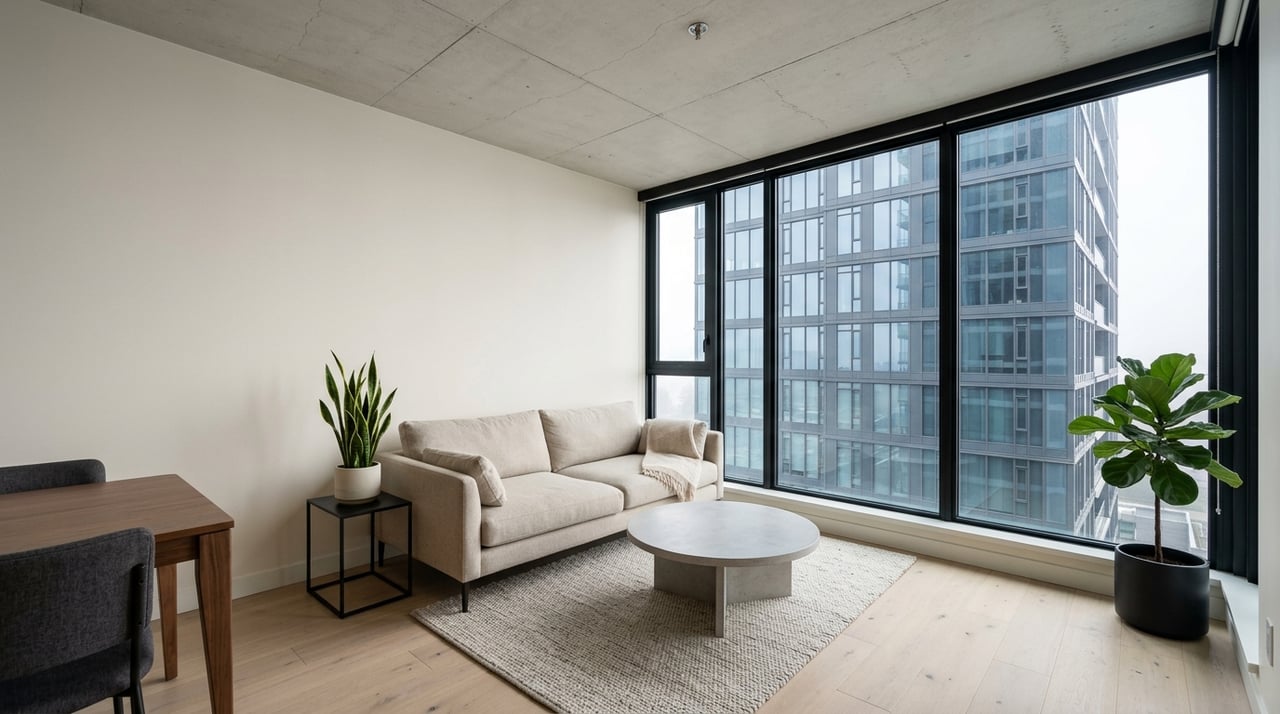
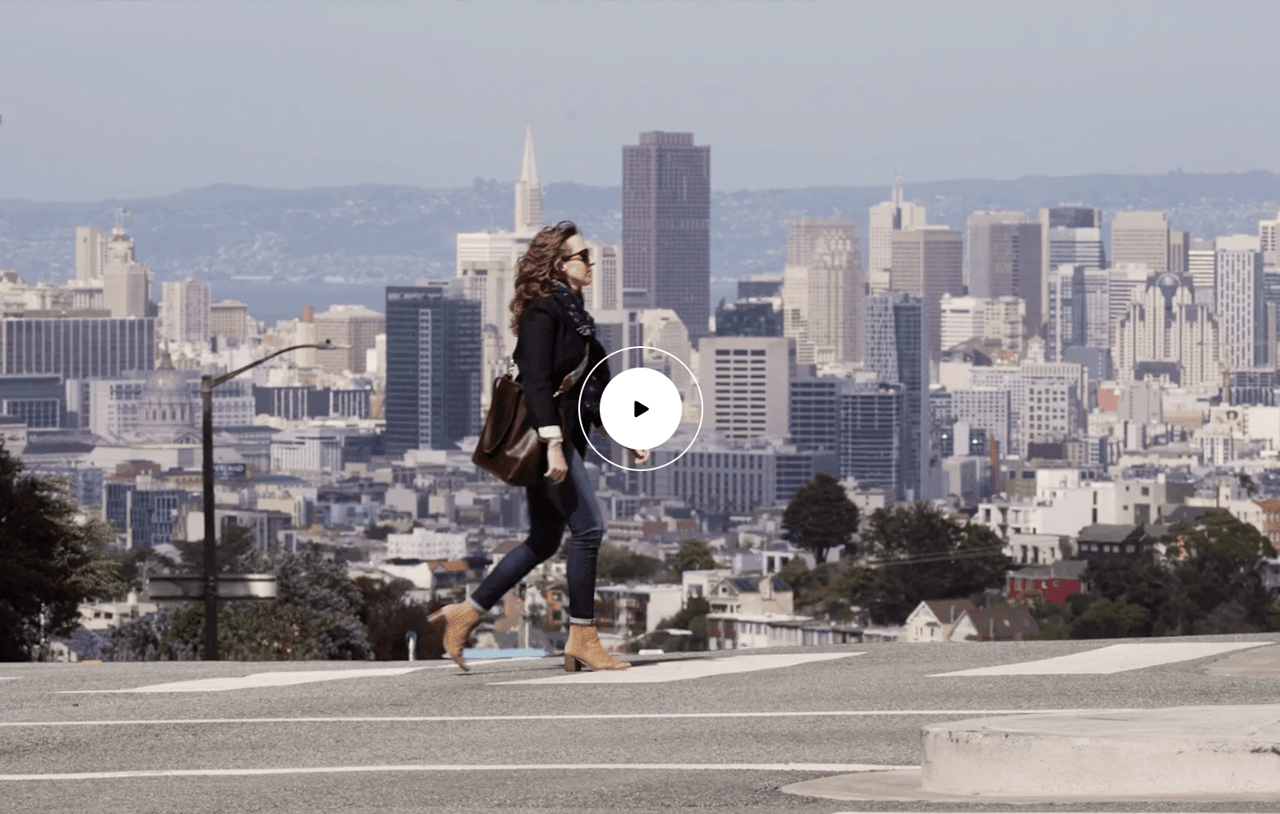
There is just something about watching Karl the Fog march down from its perch at Sutro Tower, swallow portions of the Golden Gate Bridge and then drift through the Bay to the sound of the foghorns, or slowly move through the fogbelt from the Sunset and Inner Richmond through to Portola as it weaves through McLaren Park toward our house. It completely resets my nervous system every single time it returns. The city feels softer underneath it and familiar streets suddenly feel cinematic again. Even the light changes in a way that makes San Francisco feel different from almost anywhere else.
Coincidentally, San Francisco's foggy season arrives at the exact same moment the city itself starts speeding up.
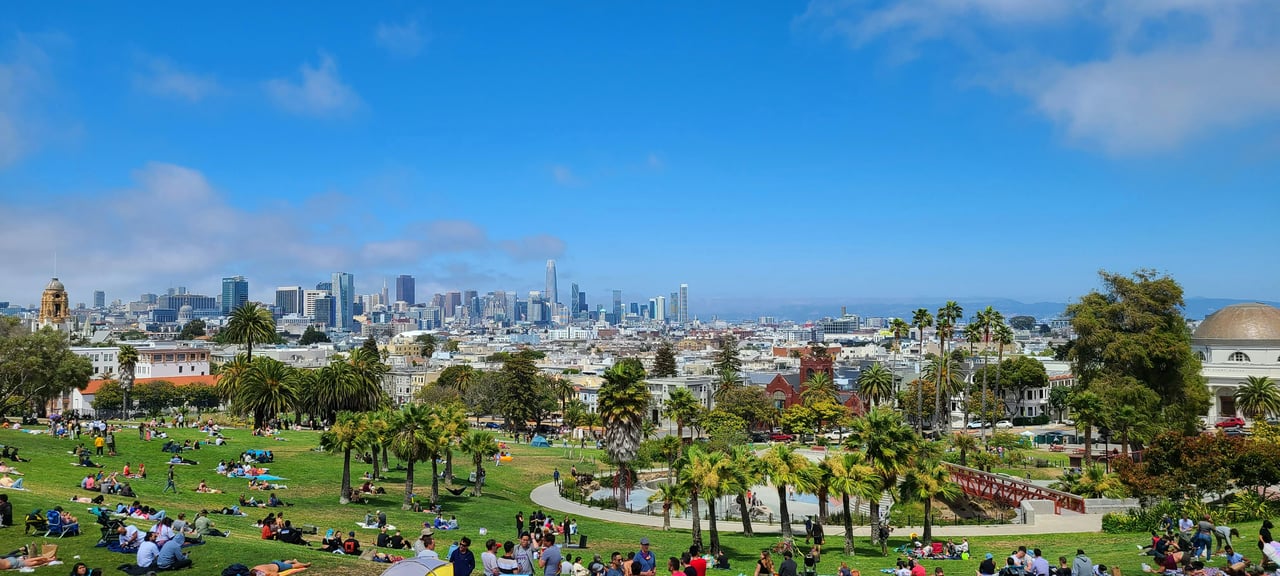
School events stack endlessly in May(cember) and June. Open house activity intensifies across the city. Dolores Park starts filling before noon on warmer weekends. Giants and Valkyries games spill crowds into surrounding neighborhoods. Even the sidewalks start moving differently, where people linger outside longer, walk slower and somehow collectively stay out later once the evenings start stretching longer. And then the fog rolls back in at night and softens the entire city.
That contrast has always felt uniquely San Francisco to me because very few cities manage to hold both energies simultaneously: the ambition, acceleration and intensity that define the city professionally, while also carrying this softer atmospheric layer that slows the city back down just enough to breathe again.
And honestly, I think that may be part of why so many people who live here become deeply attached to San Francisco's foggy season over time. The fog doesn’t fight the city’s momentum. It moves with it.
Sincerely,
A proud fog chaser.