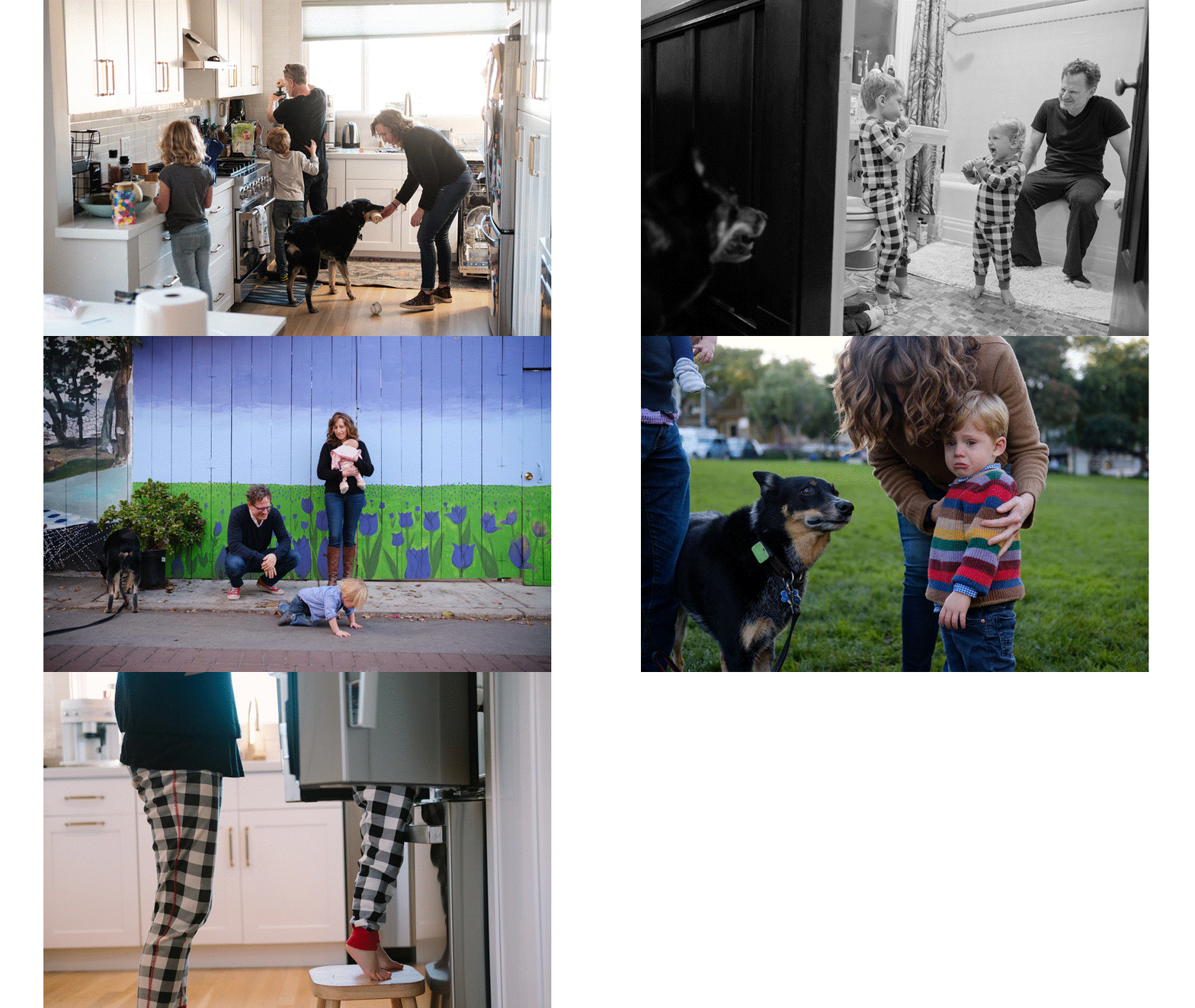
I recently found myself explaining to a group of colleagues that I was not attracted to my husband when I first met him, which may seem like an unnecessarily personal contribution to a conversation about the current San Francisco real estate market, but I promise it made perfect sense at the time.
My interest changed after I saw his ex-girlfriend, who was undeniably hot, and that became fascinating data to me. If a woman like that had been into him, perhaps there was something I had failed to appreciate. I began wondering what she had seen, took another look and, more than a decade later, here we are.
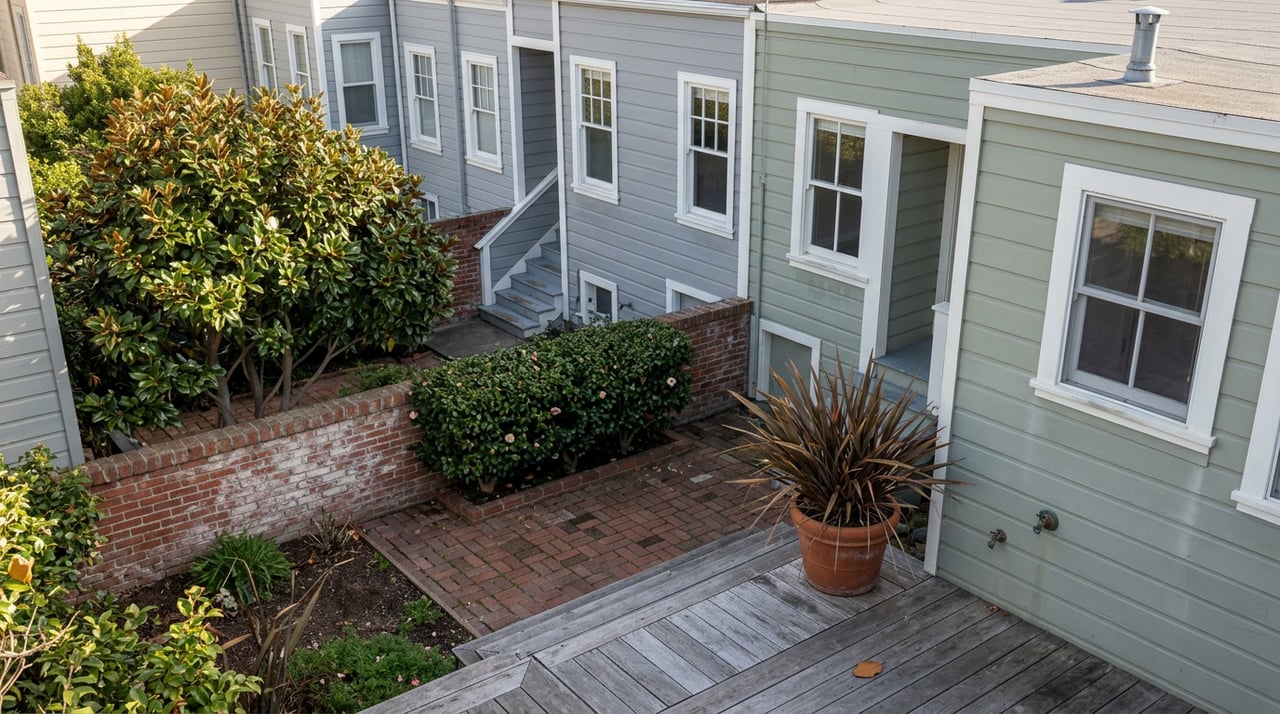
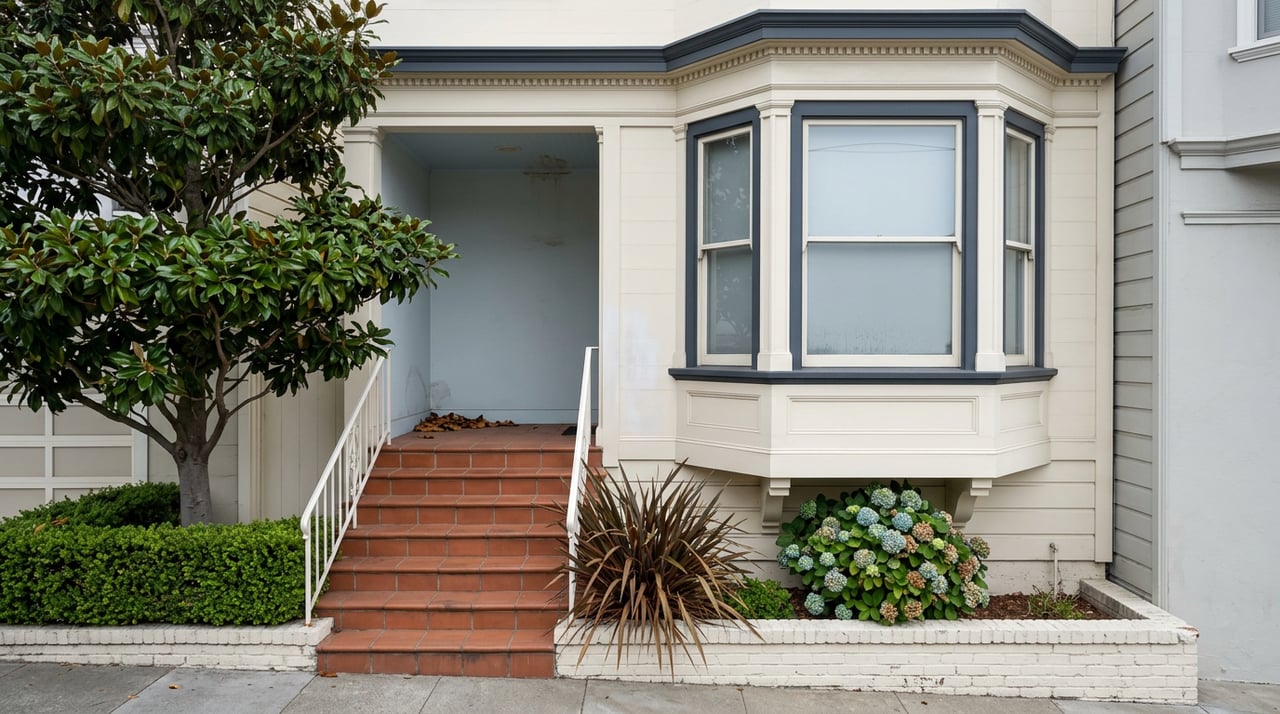
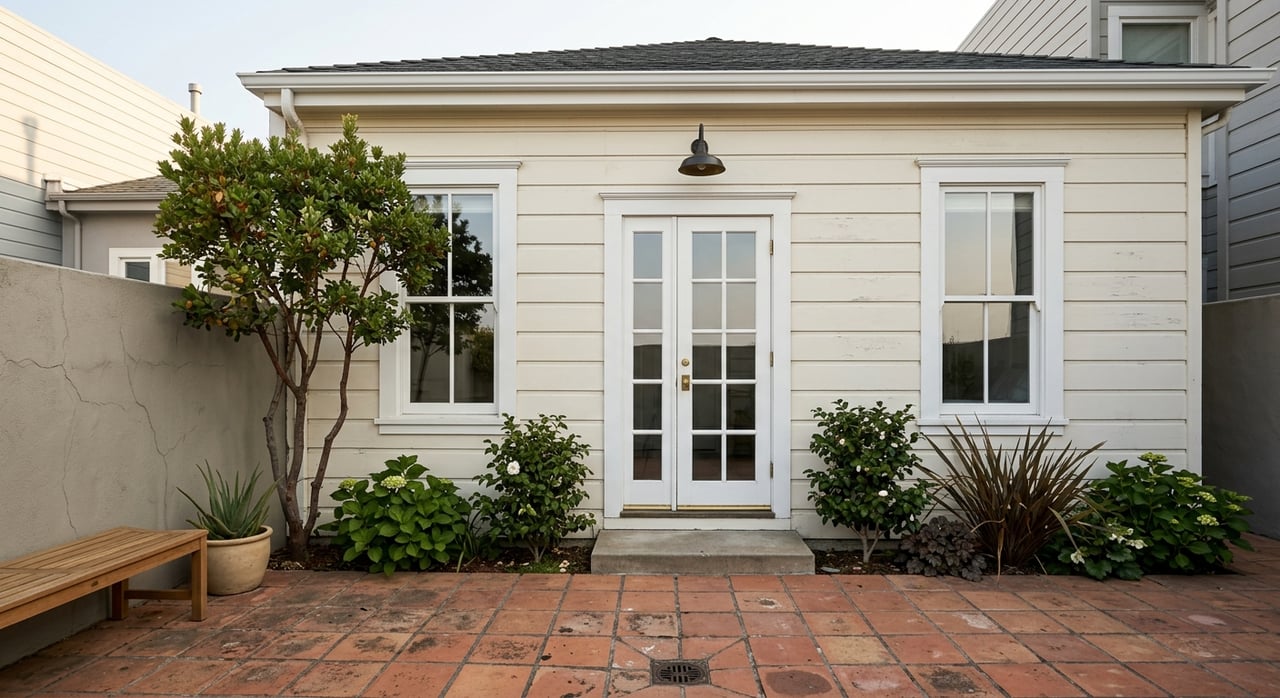
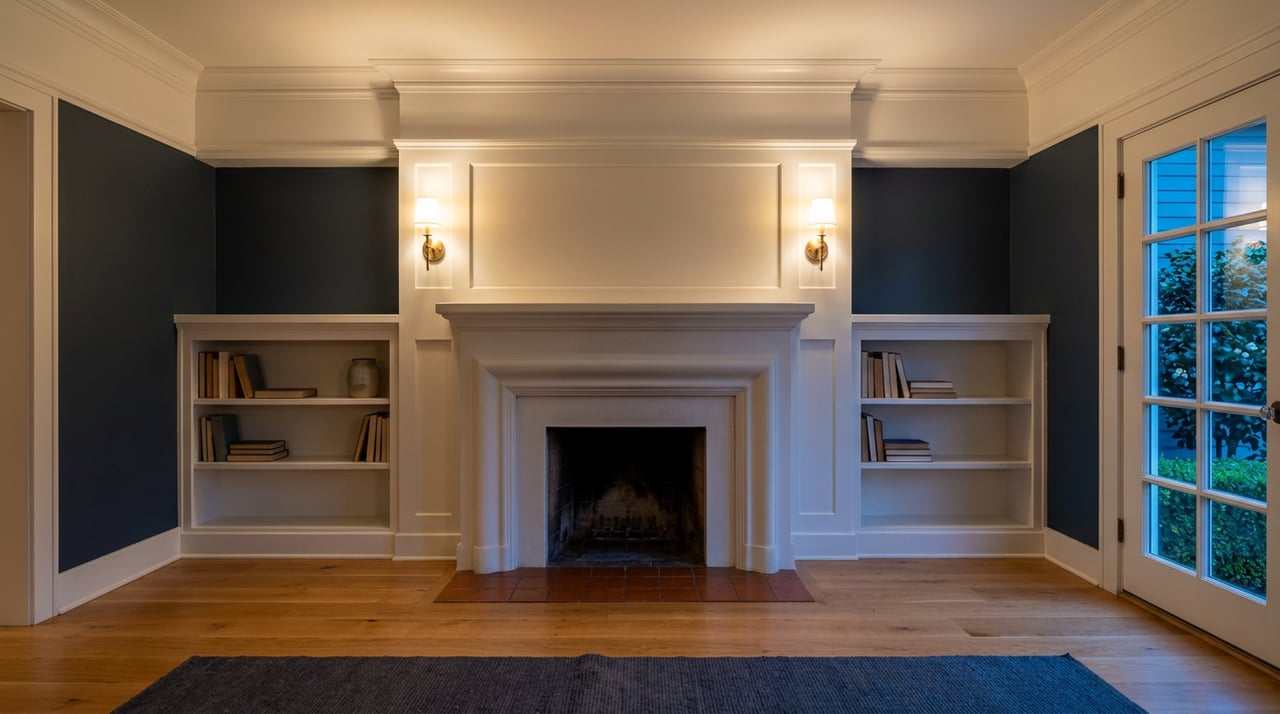
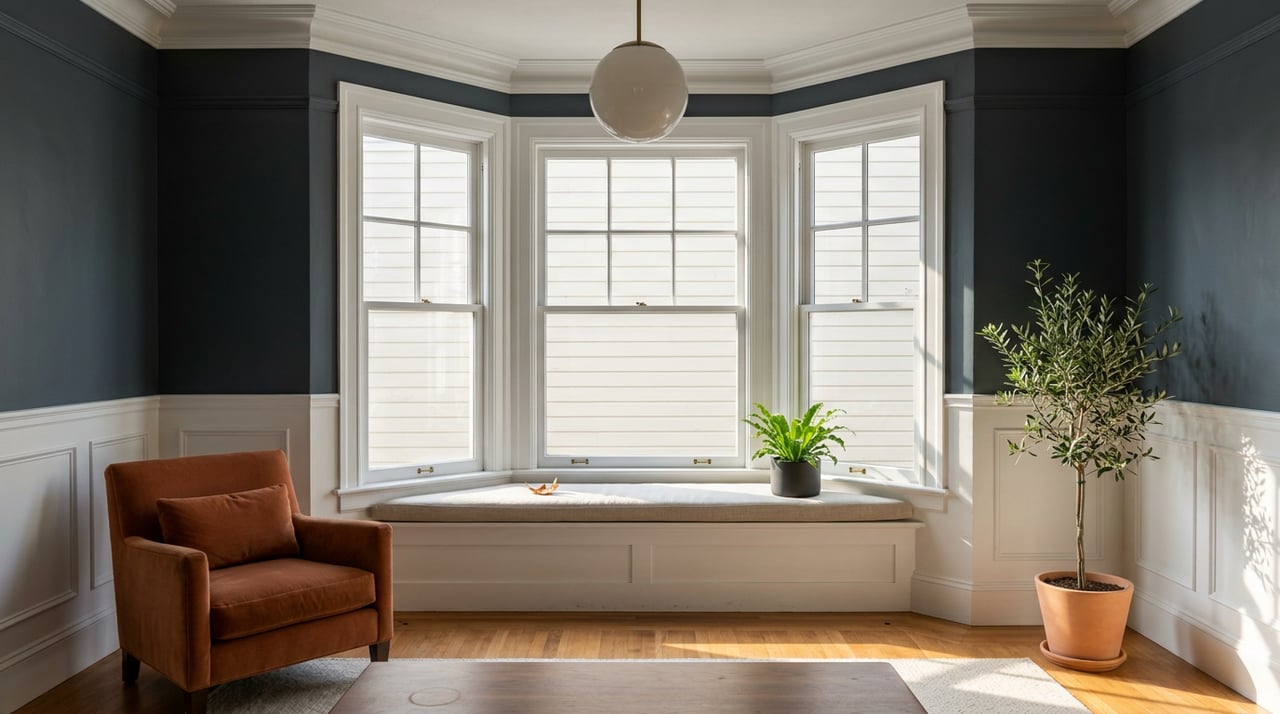
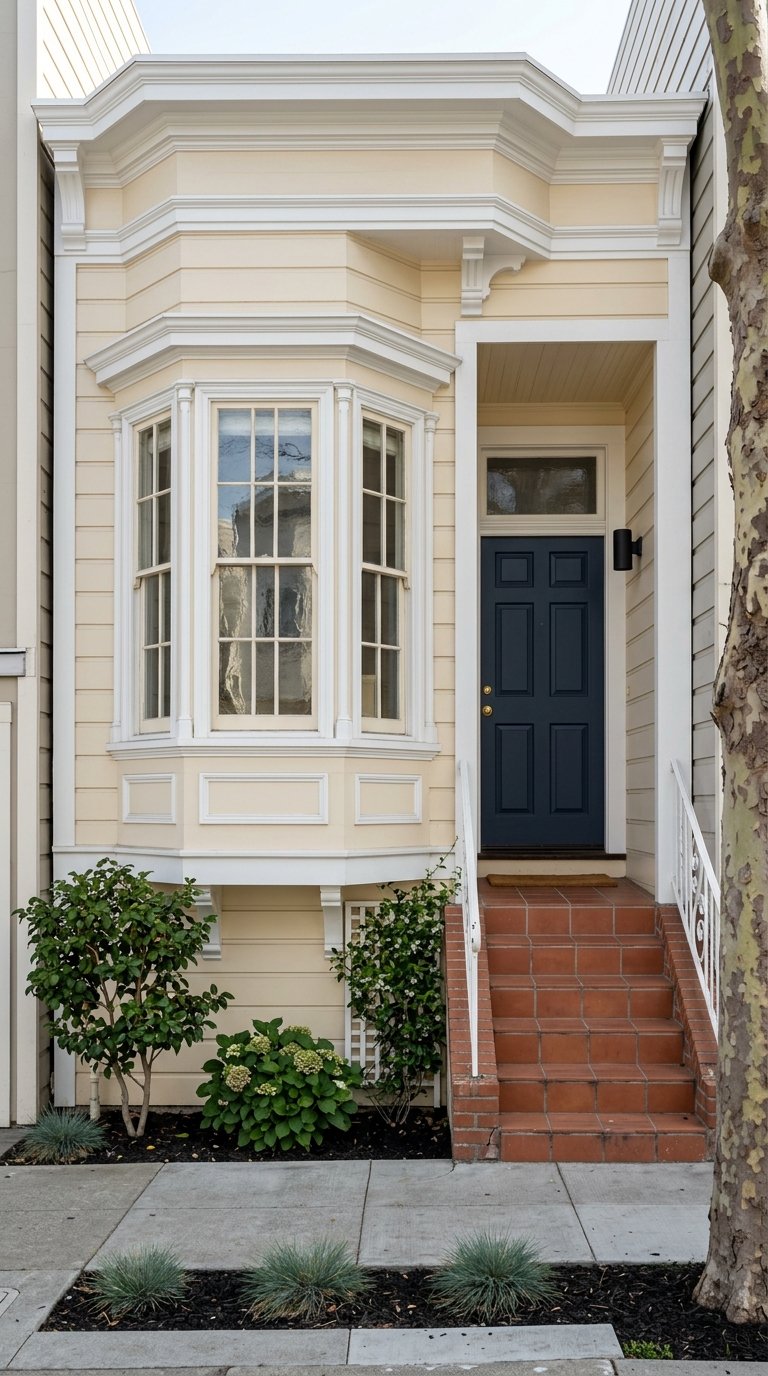
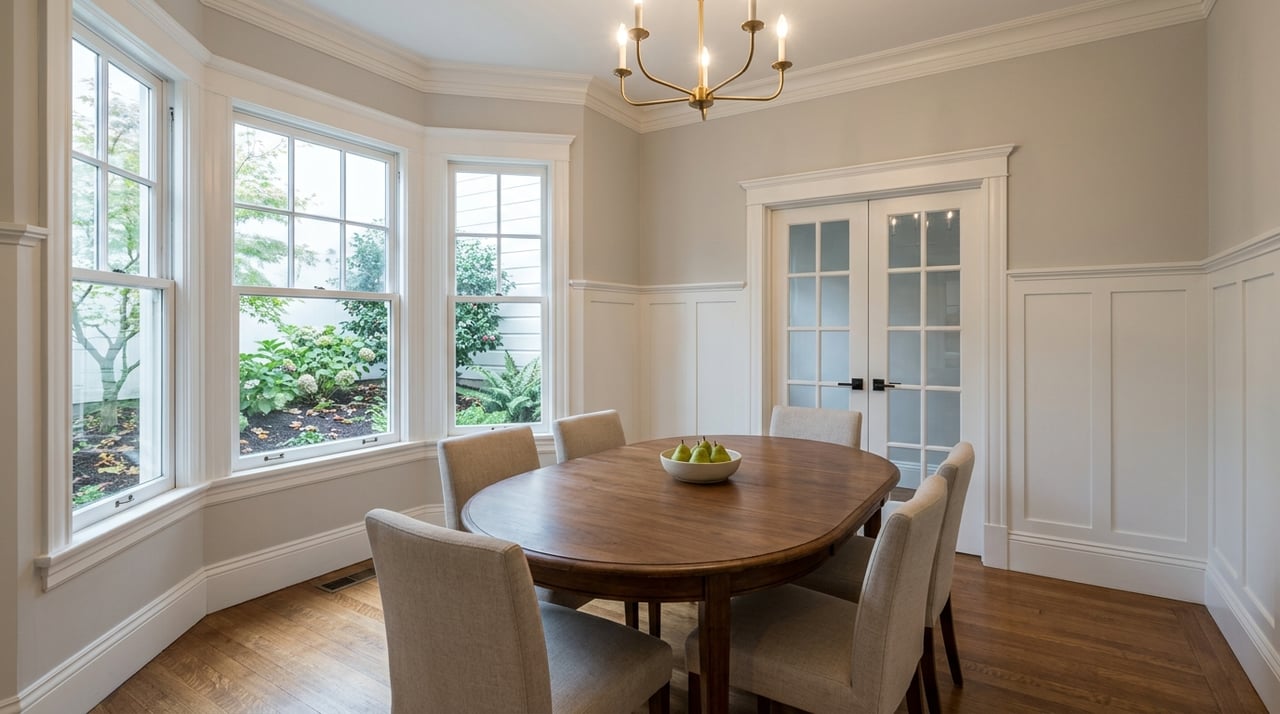
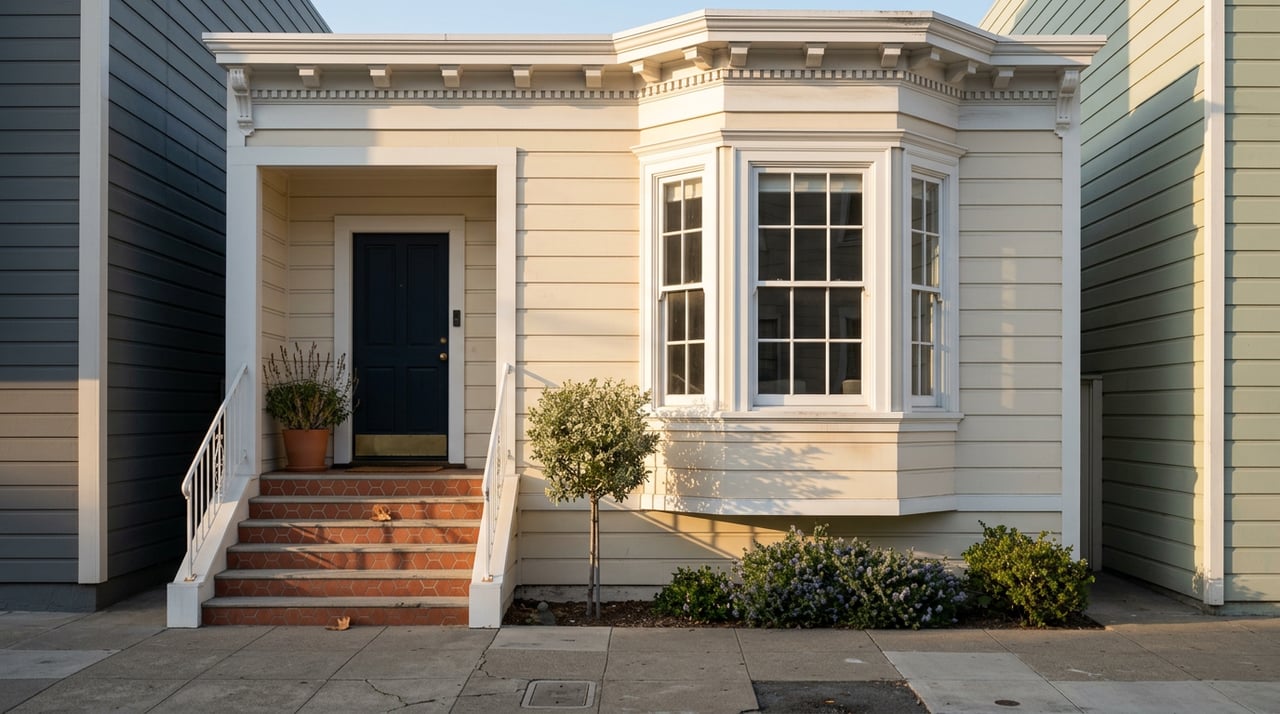
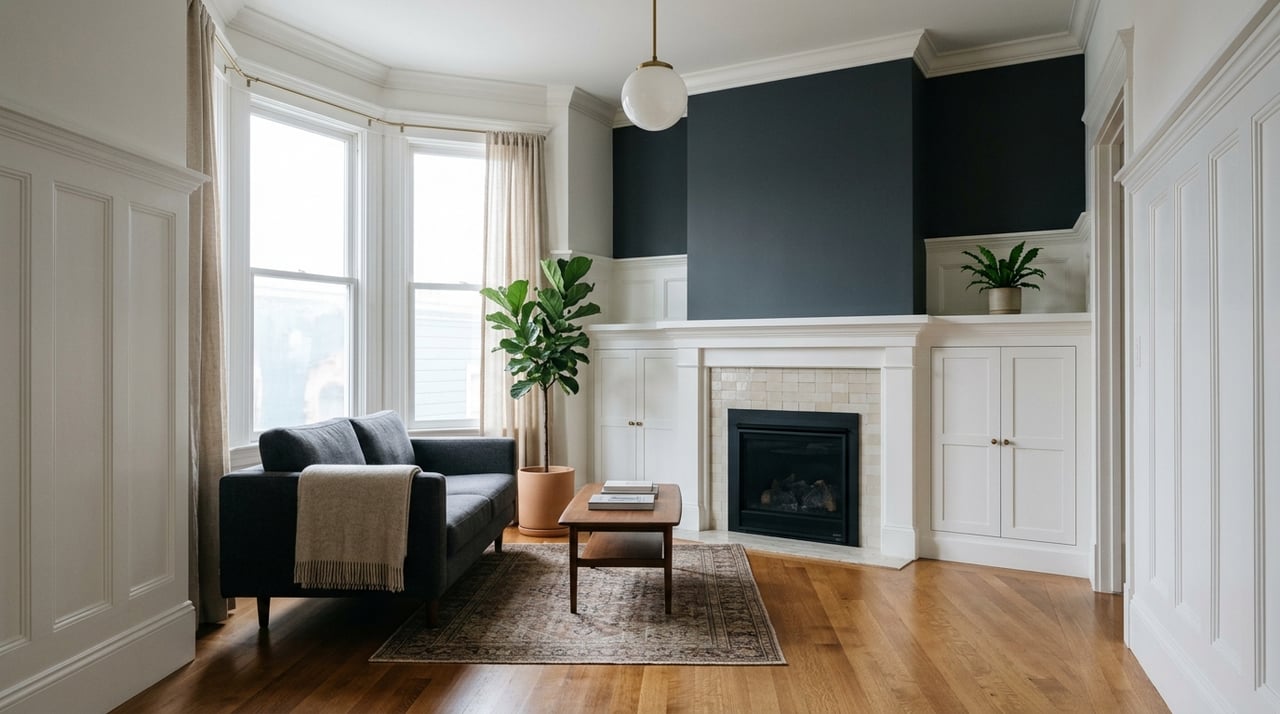
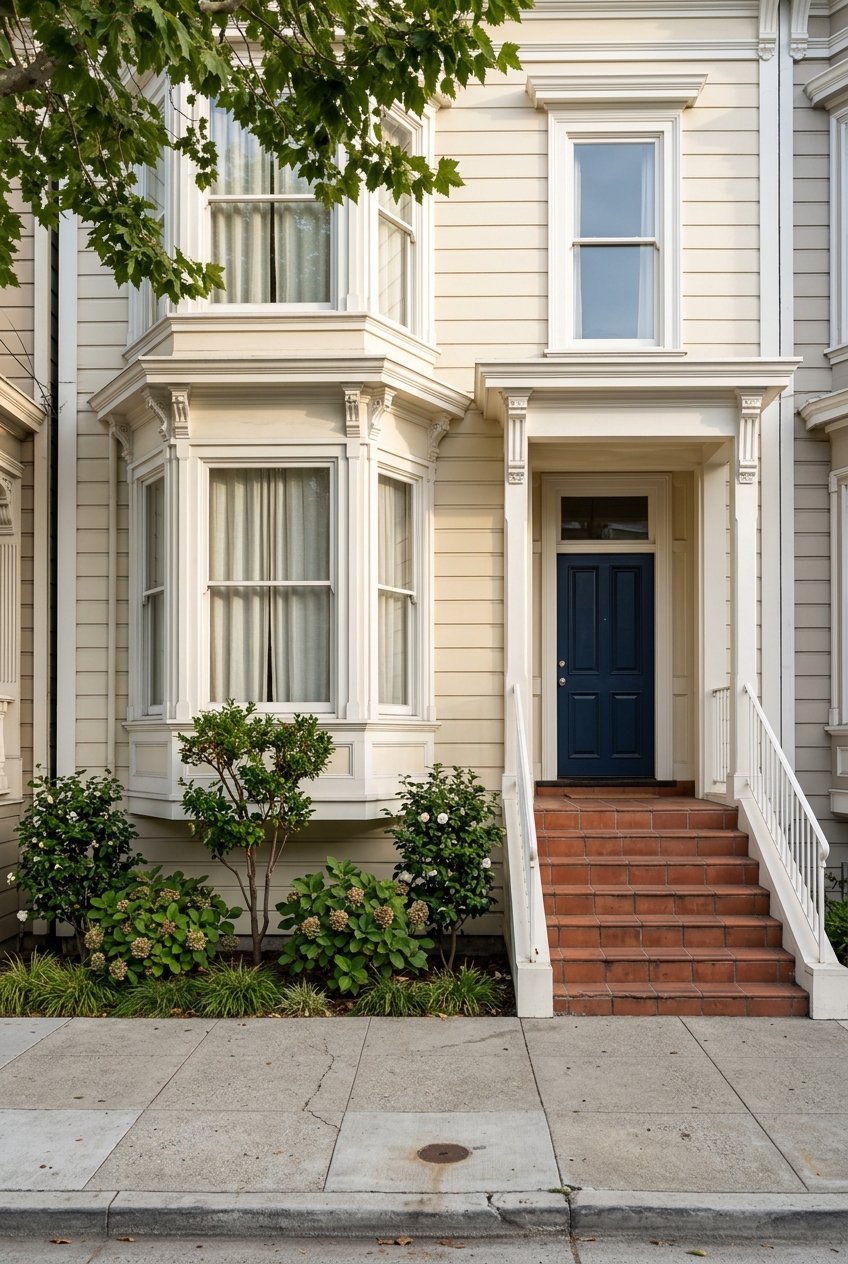
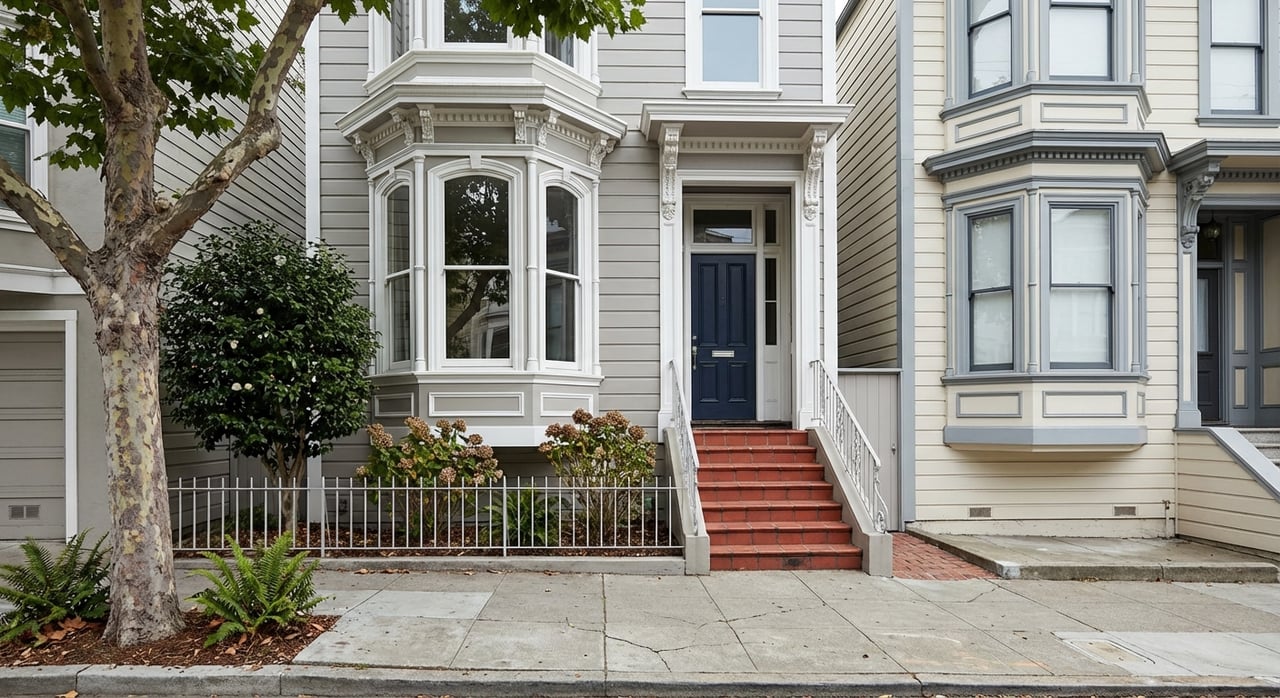
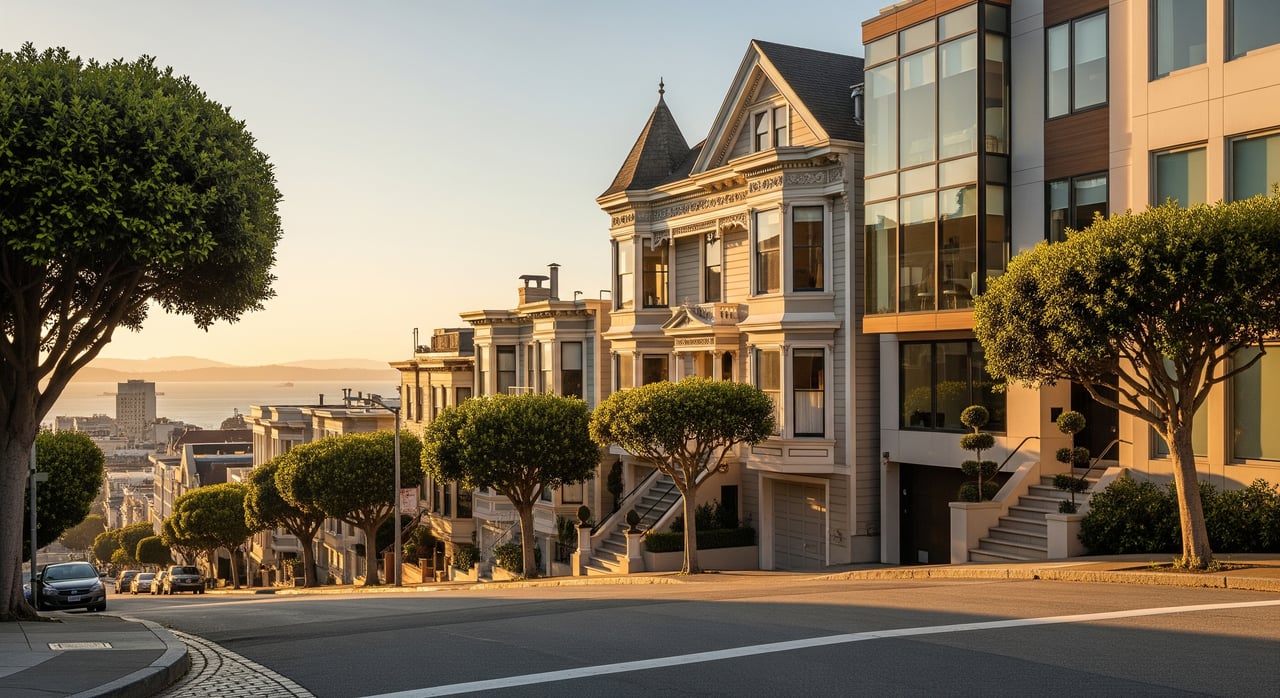
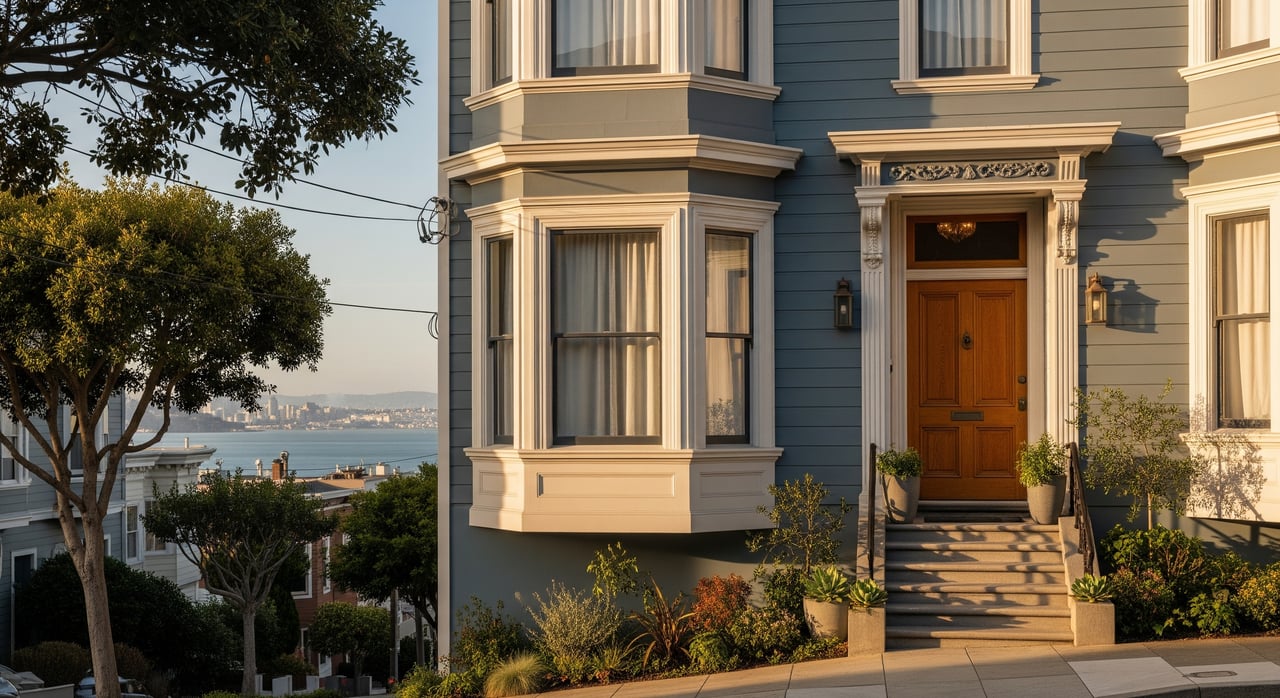
The story came up because I had mentioned the striking difference between the two most recent sales of 2580 Greenwich. The house sold for $5.575 million in 2022 after 177 days on the market. It returned this year largely in the same condition, received an early offer and sold in five days for $7.125 million this month.
I could understand the higher price, but the part that fascinated me was the speed. Four years ago, buyers had nearly six months to study the house, consider its compromises and decide whether they wanted it. This year, the appearance of immediate interest gave everyone else five days to decide what they might be missing.
That was when our conversation turned to herd mentality, and how quickly another person’s interest can change the way we see something.
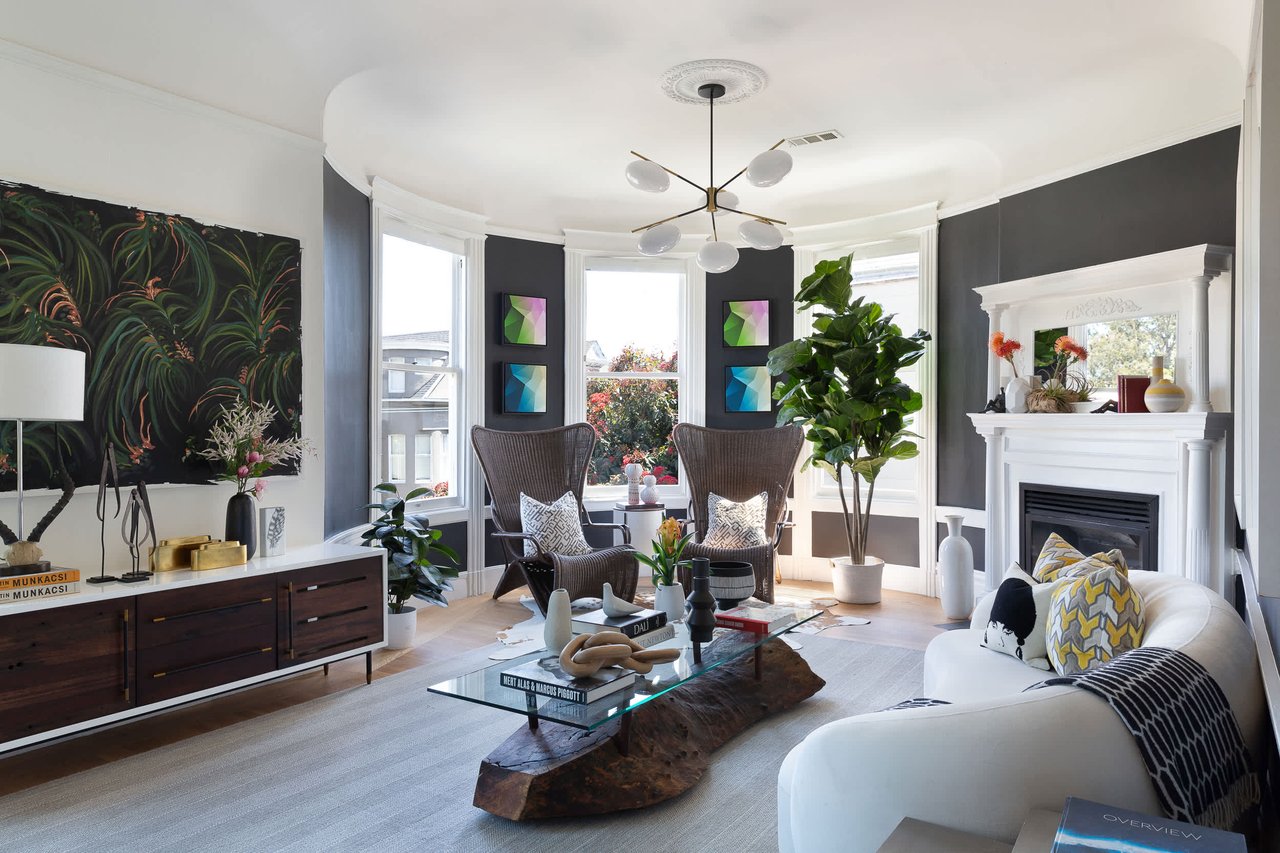
Greenwich is a particularly clear example because the market had already rendered one verdict on essentially the same house, but it is far from an isolated one. Properties that might have sat a few years ago while waiting for the particular buyer willing to accept their compromises are now being absorbed within days, while the houses with everything are producing prices that would have sounded almost unserious two years ago.
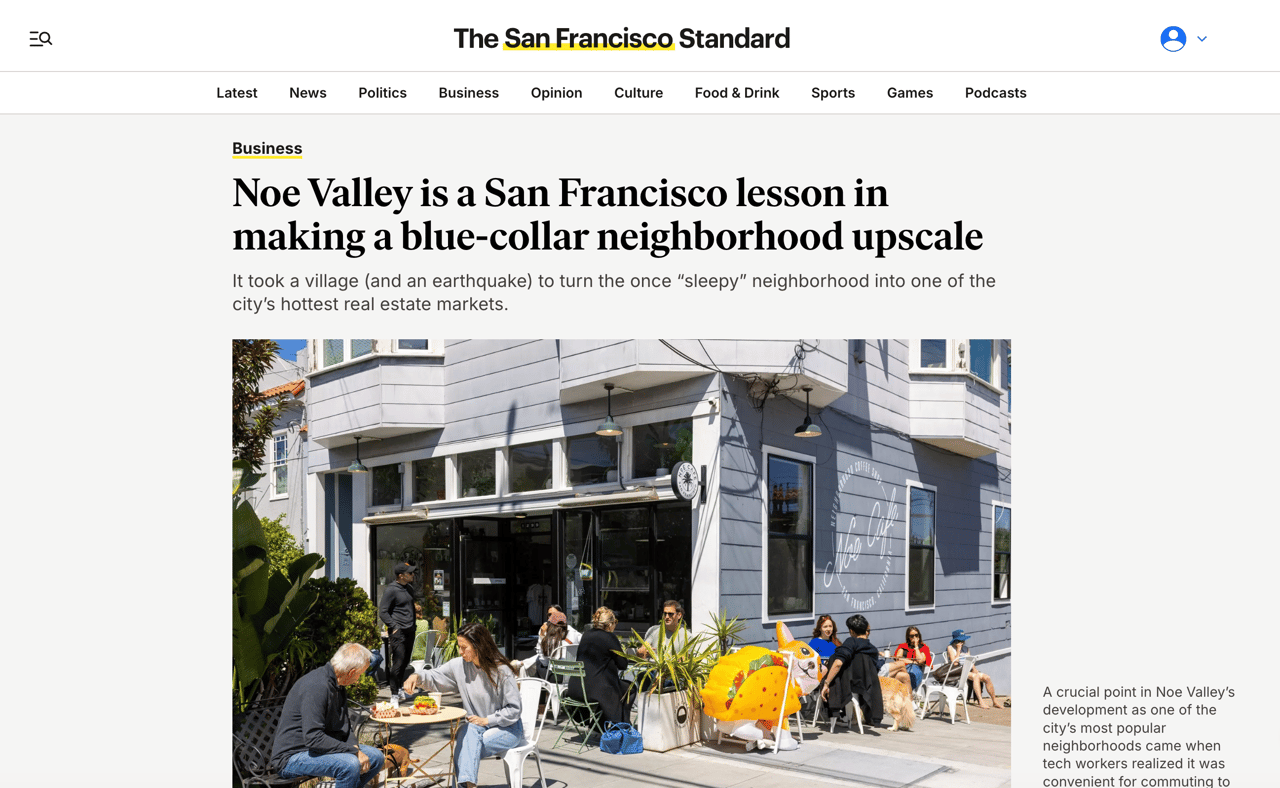
Consider 1119 Castro, which is a different kind of example because it is a beautiful Noe Valley house with nearly everything buyers want. It was already desirable when it sold for $4.75 million in May 2024 after eleven days on the market, and yet a little more than two years later, without improvements that come close to explaining the difference, it sold for $7.65 million. That is nearly $3 million in appreciation on a house that was already expensive and already understood by the market.
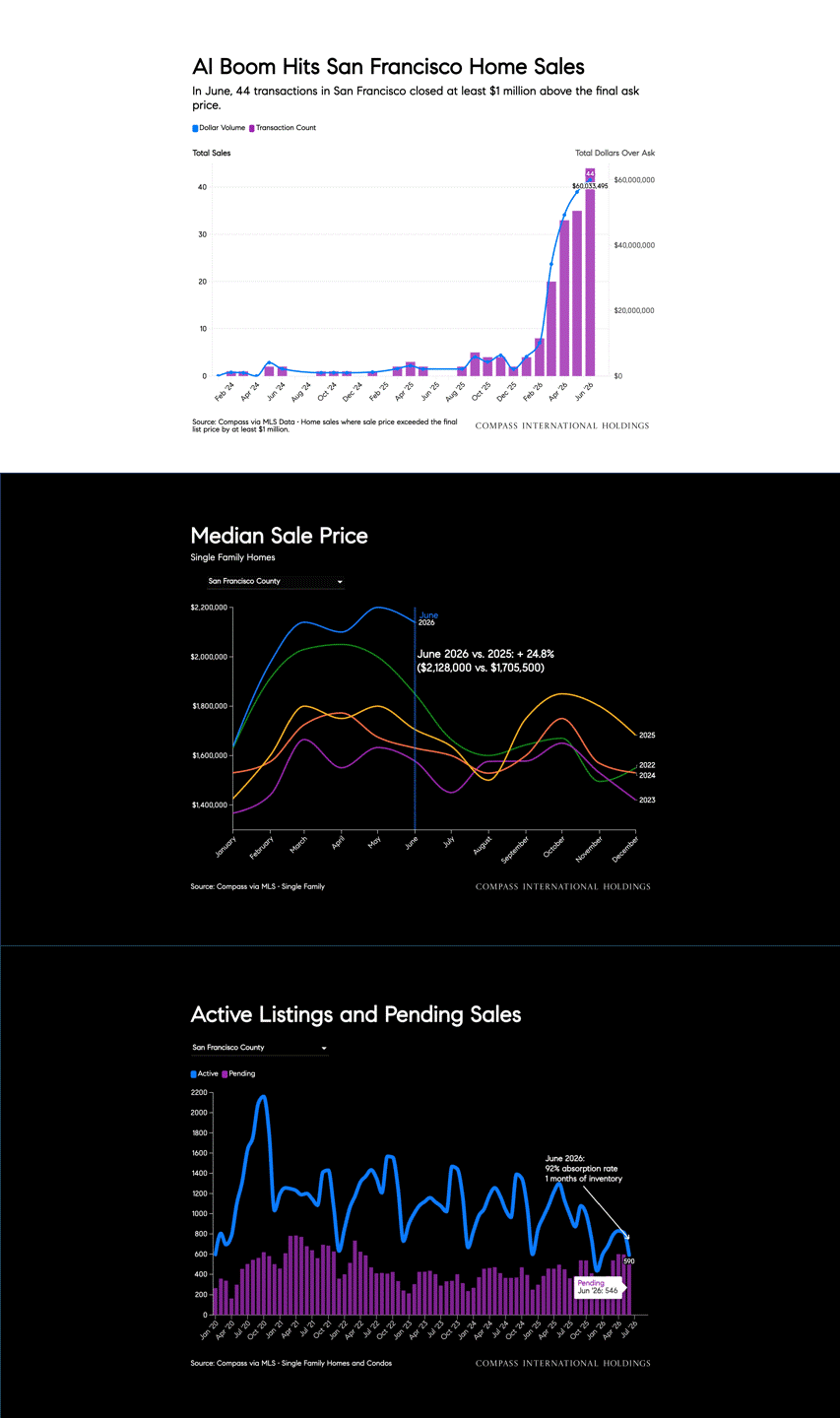
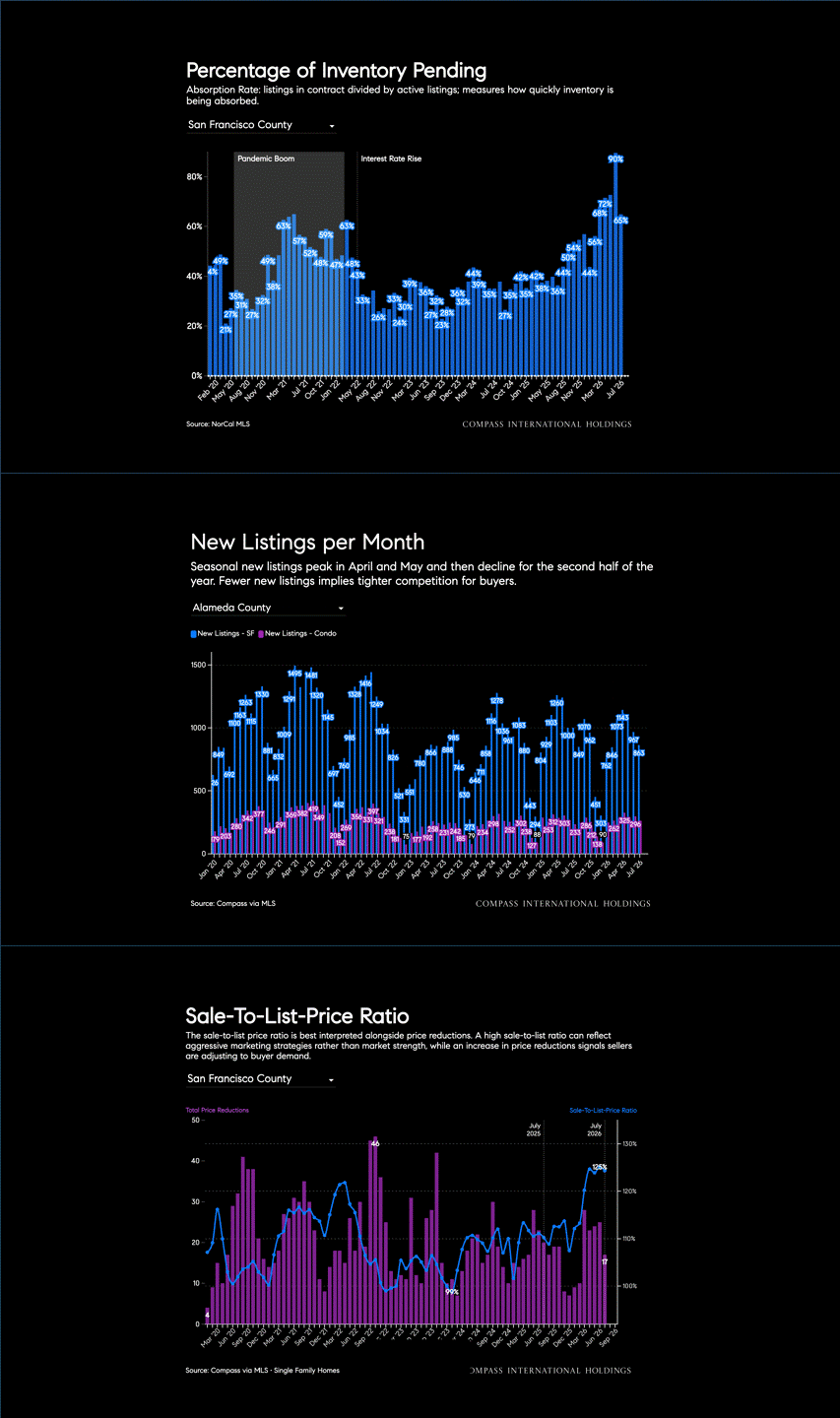
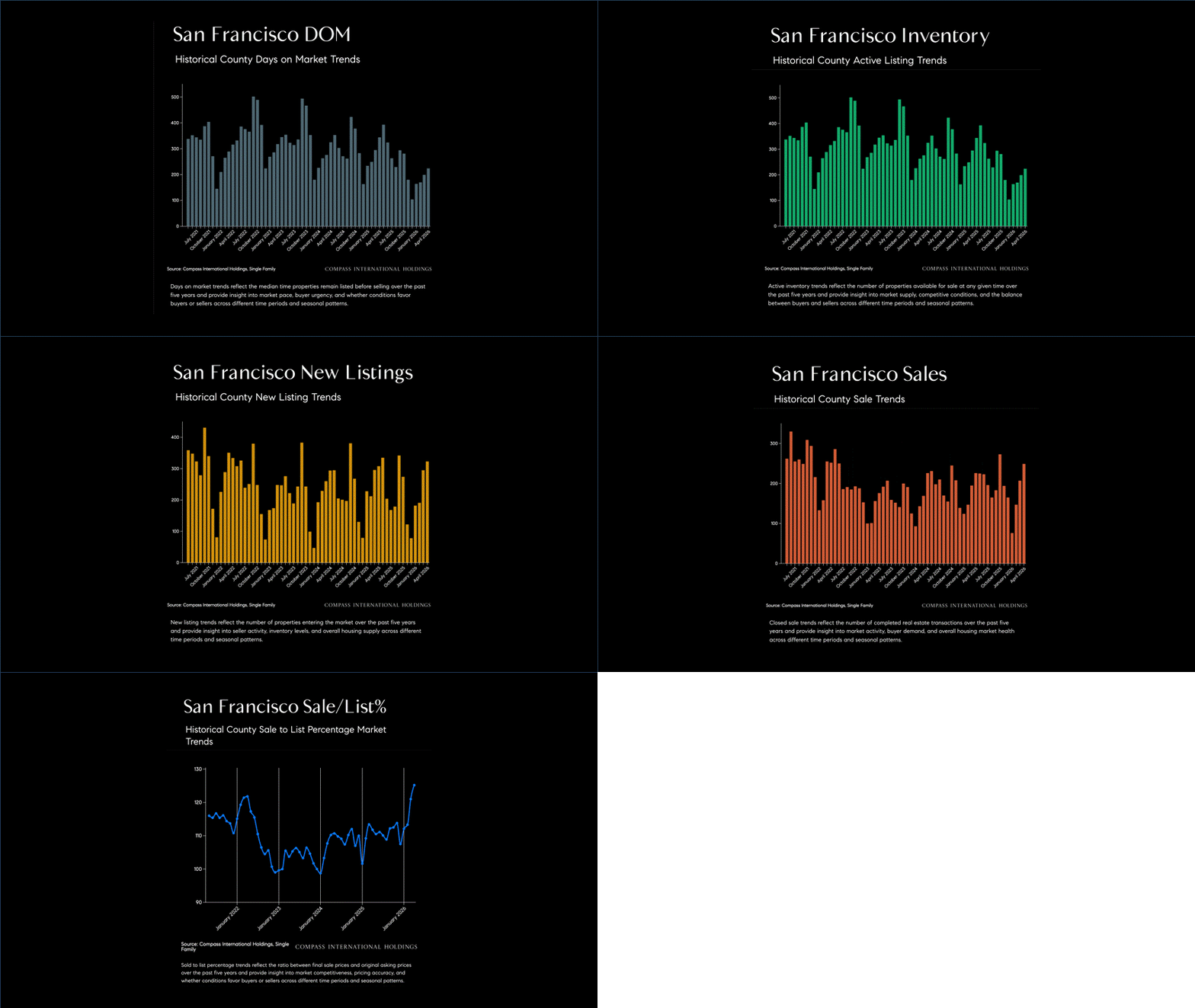
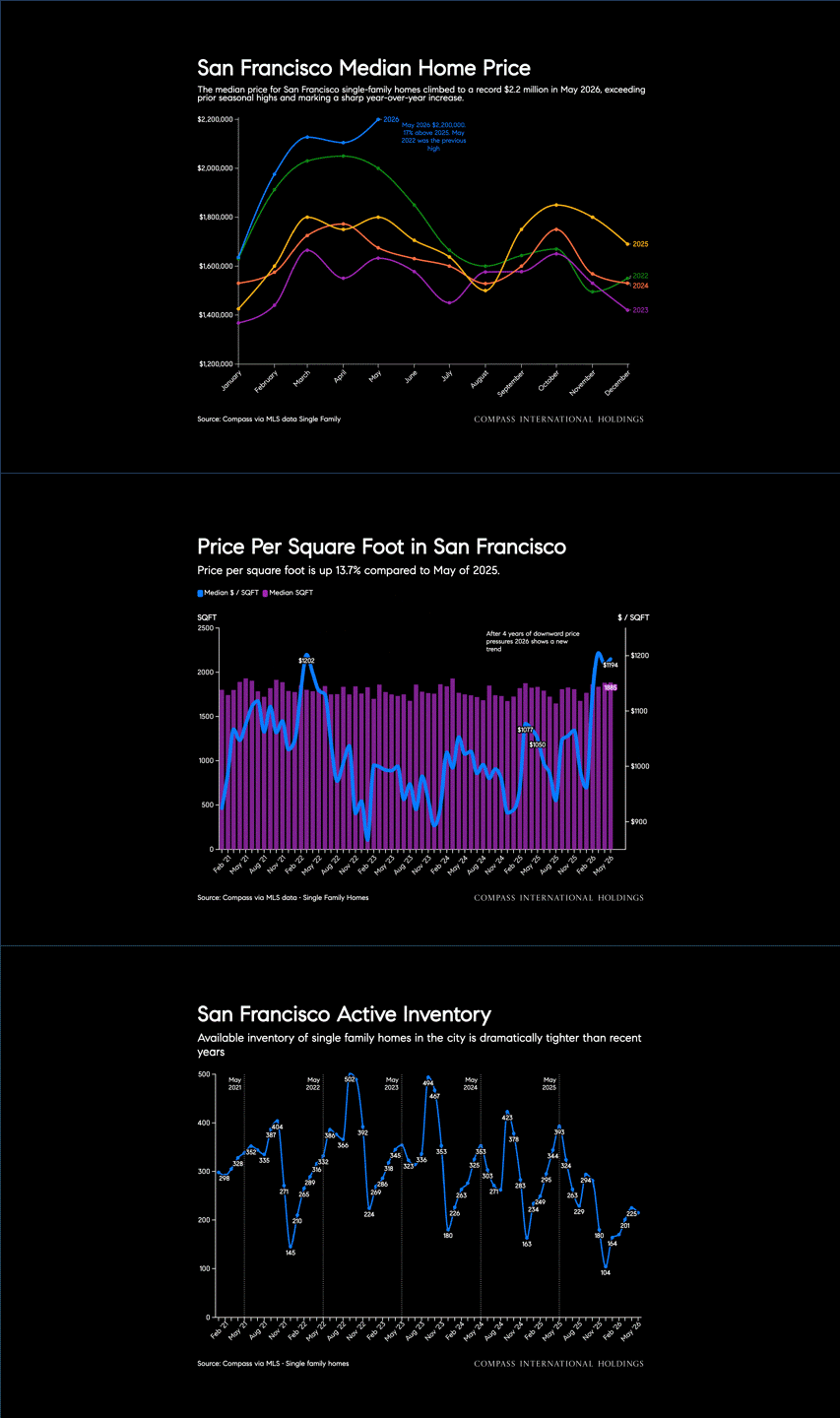
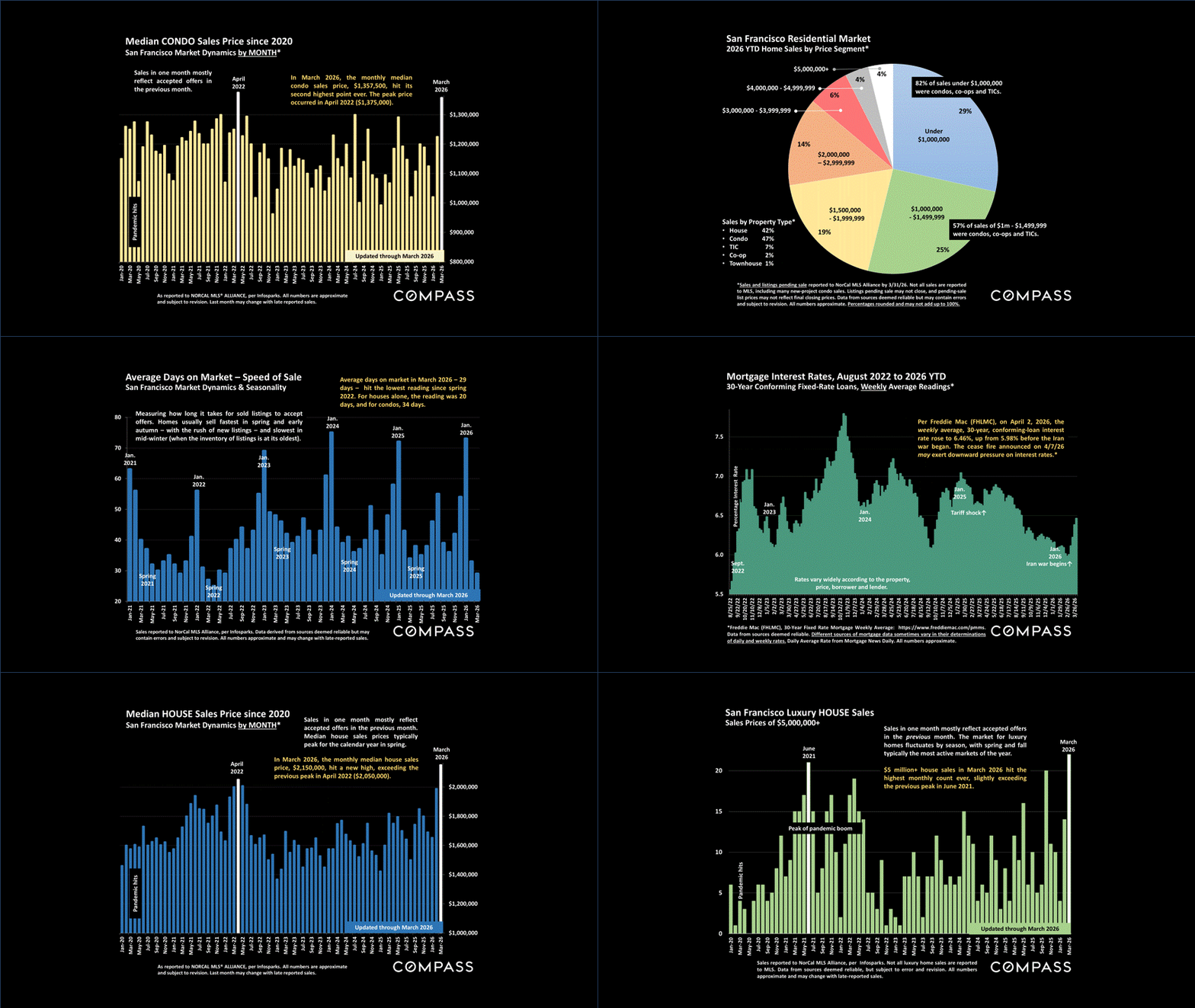
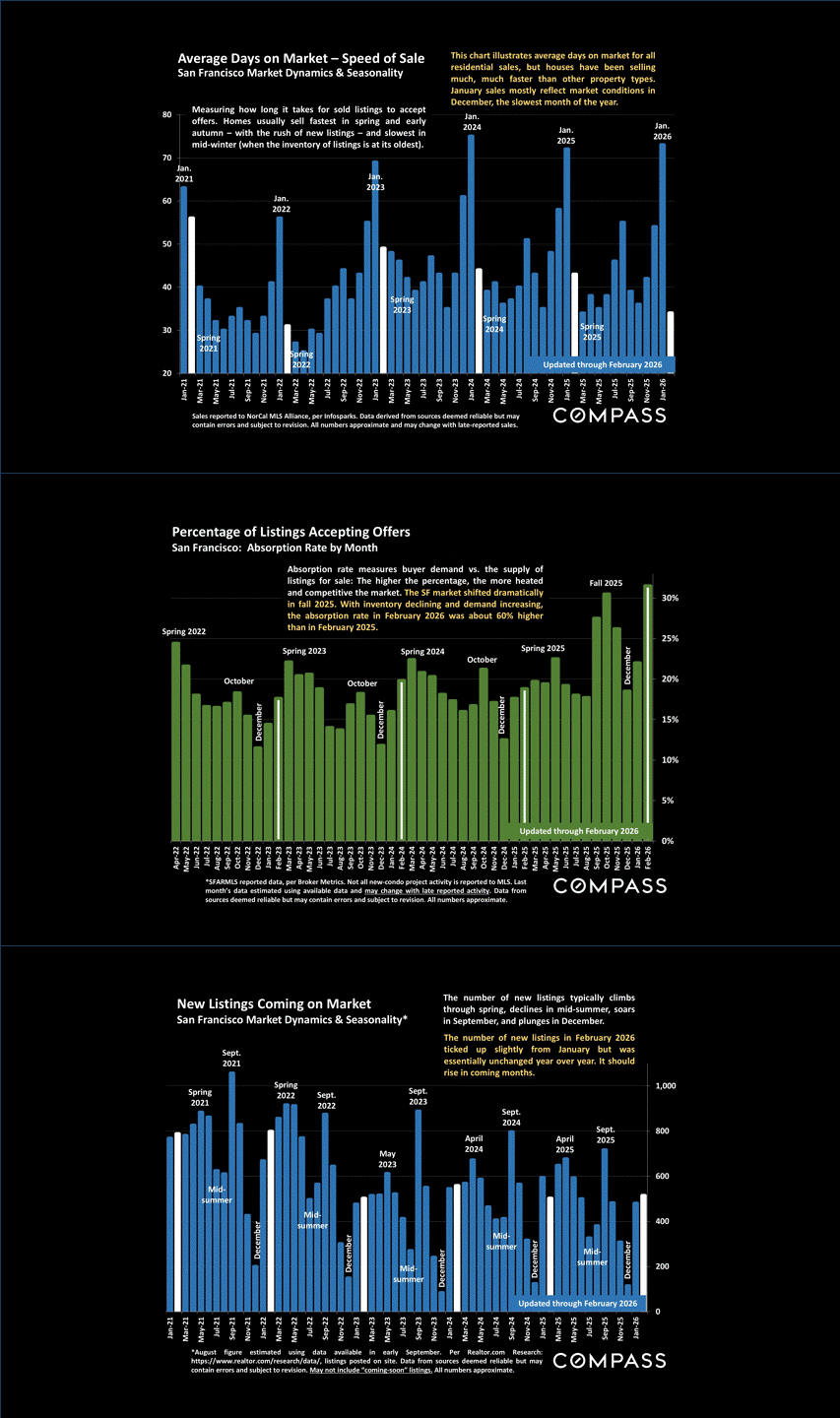
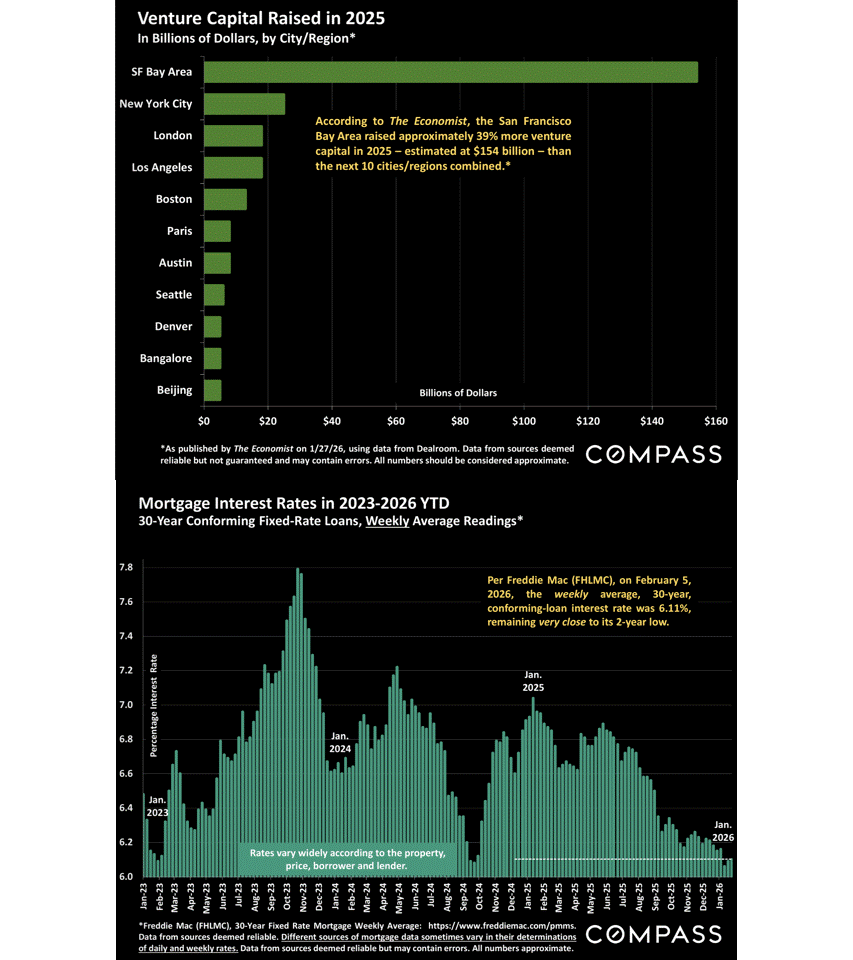
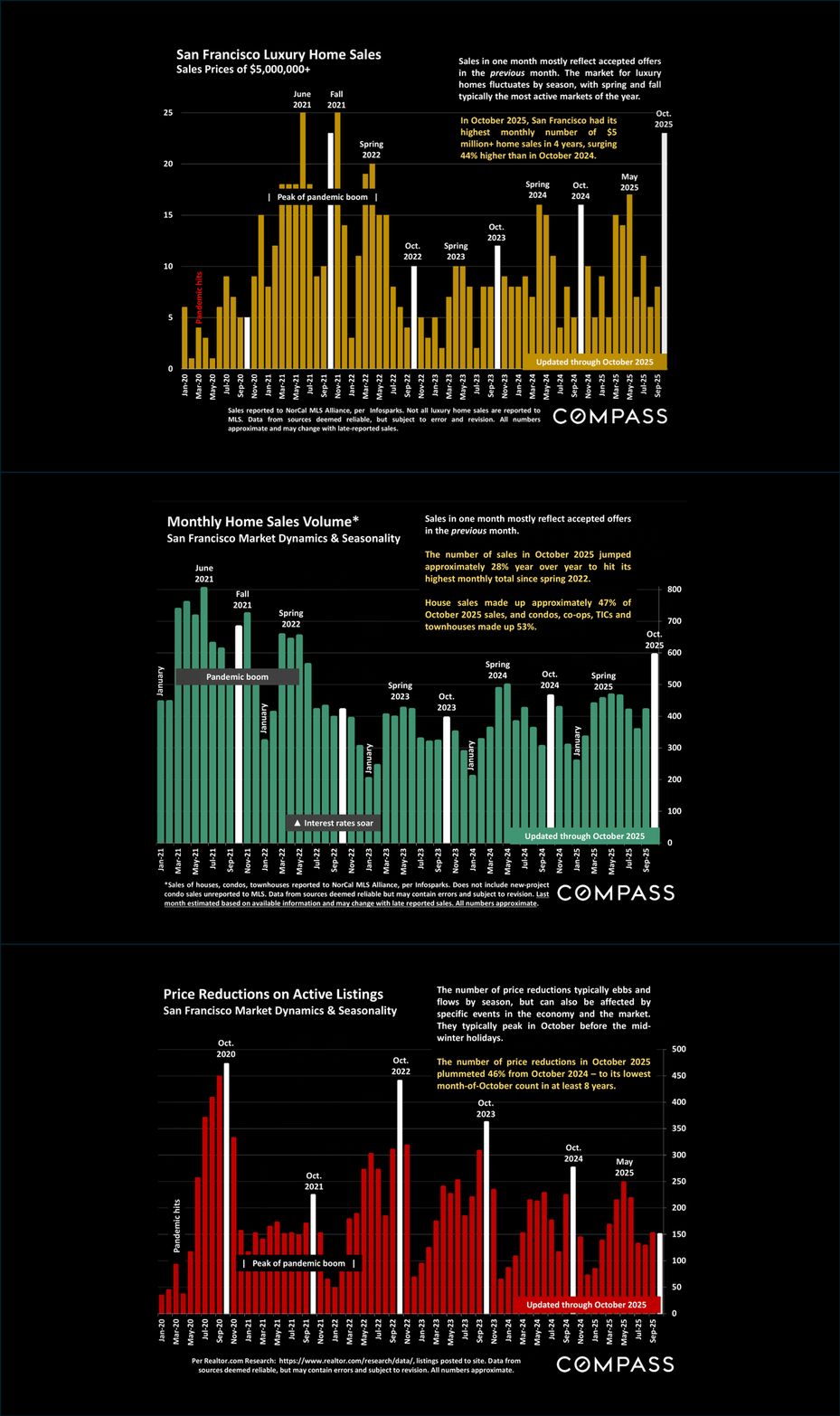
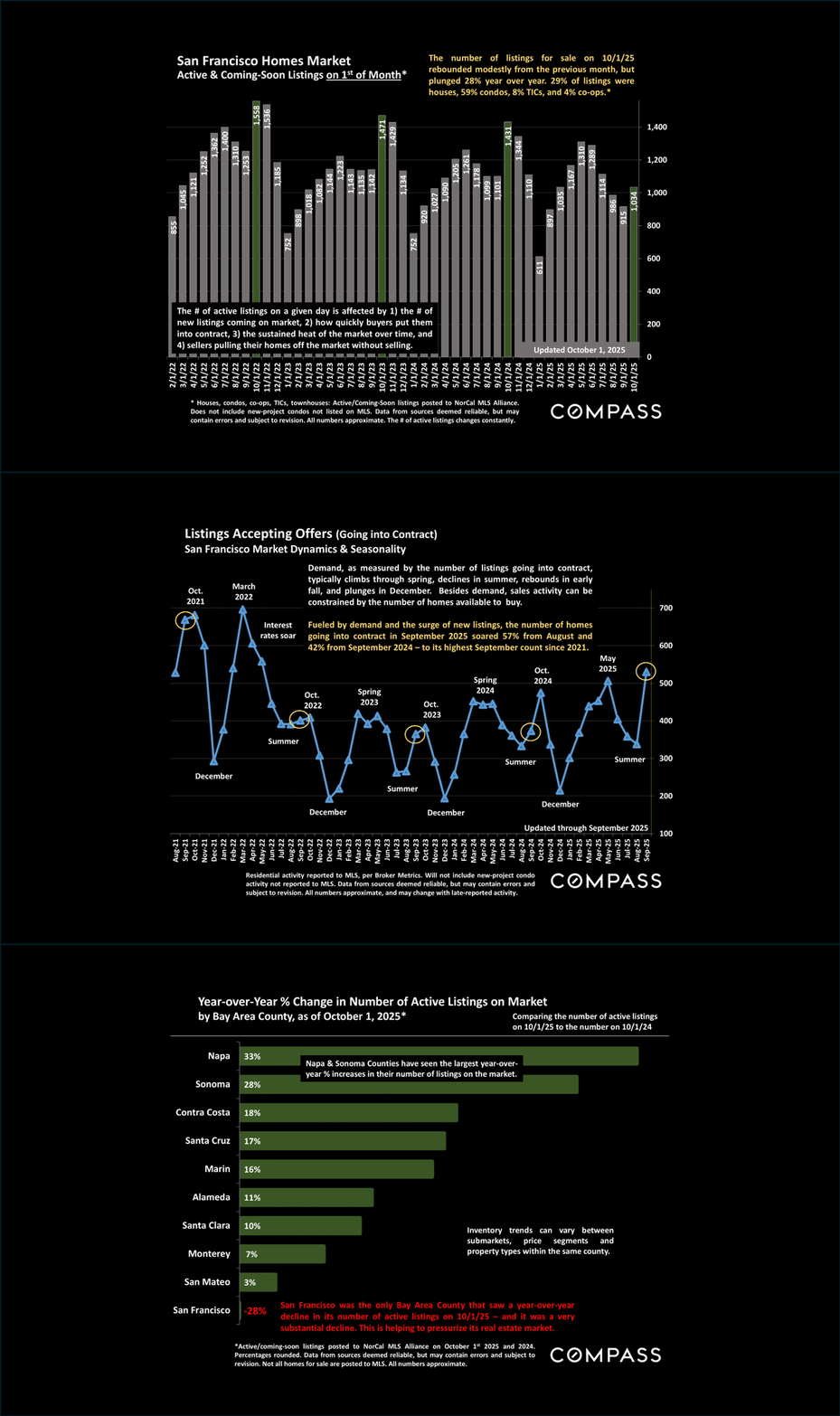
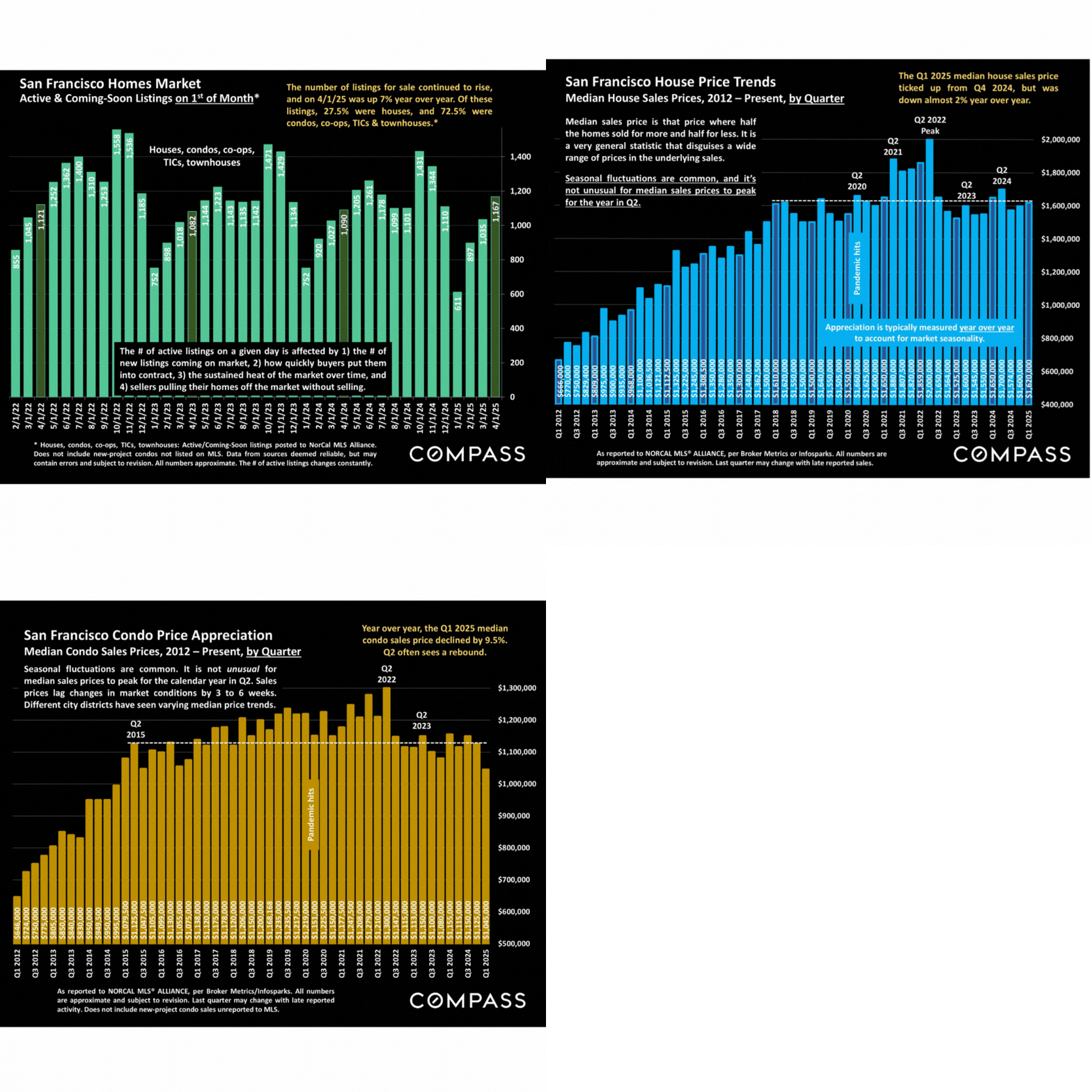
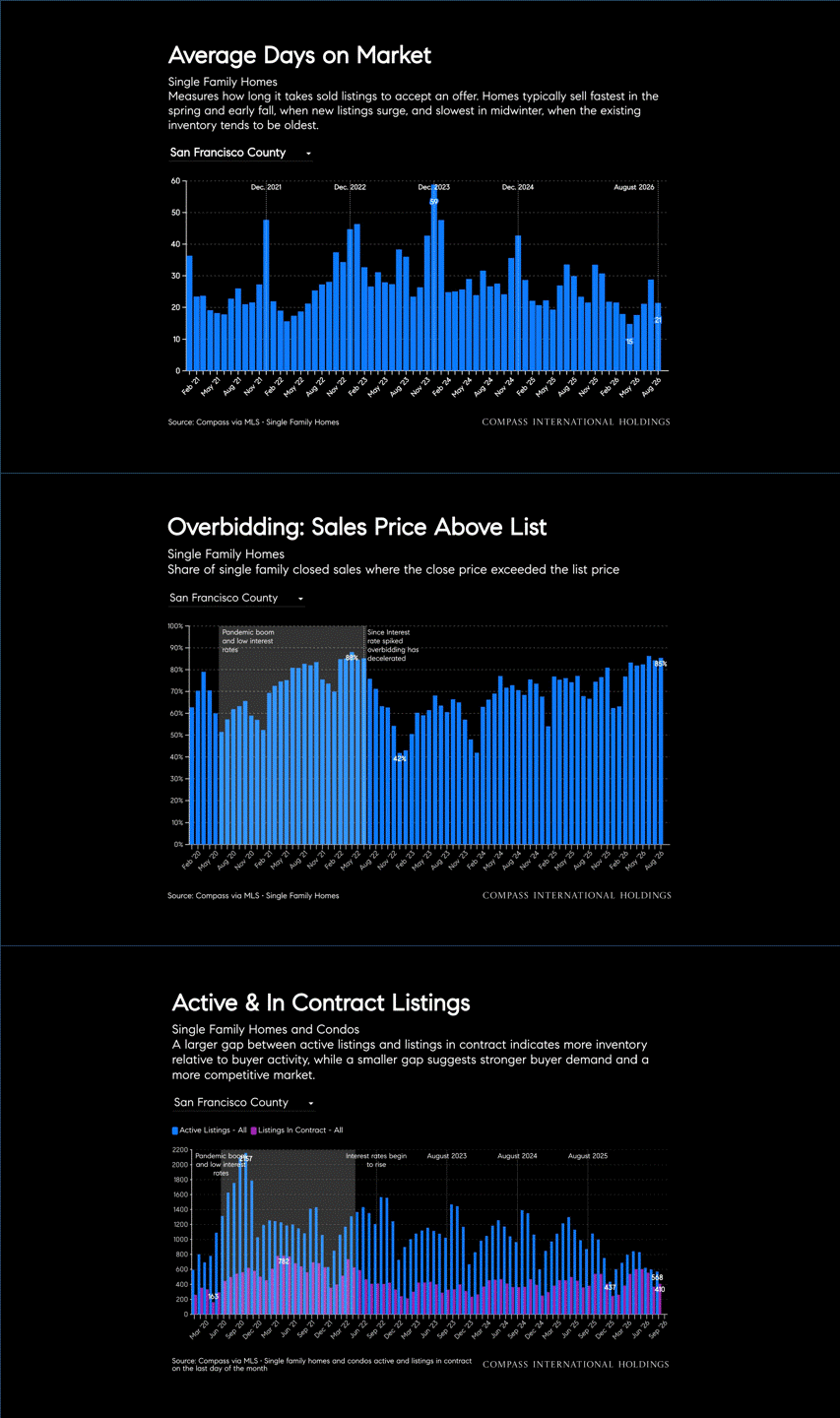
The broader data shows how significantly conditions have changed. Even during the normal August slowdown, 85 percent of San Francisco house sales closed above the asking price, an increase of eighteen percentage points from last year, while the average time required to secure an offer fell from thirty days to twenty-one and the median house price increased 24 percent year over year. The condo market, which had taken much longer than houses to recover, is now moving too, with sales up 11 percent, the median price up 22 percent and active inventory down 36 percent.
There are materially more buyers competing for fewer available homes, and they appear to have returned to the market with greater confidence about San Francisco. The demand beneath these sales is real, but once it concentrates on a particular property, the behavior of the other buyers in the room begins to influence not only the price but the way the house itself is perceived.
A buyer may walk in and make a relatively calm assessment of the attributes and compromises, imagining there will be time to look at the disclosures, think about the work and decide how much the house is worth to them. Then an offer arrives early, another buyer becomes interested and the property that was available a moment ago is suddenly something they may lose. Nothing about the house has changed, but the question quietly moves from whether they want it to how much they want it compared with everyone else.
Most of us would like to believe that we know what we like and arrive at those conclusions independently, although my own marriage would suggest that this is not always entirely true. Watching another person recognize value can make us wonder whether we have overlooked something, and while their interest does not necessarily persuade us, it can change the attention we give to what is already there.
This is not entirely irrational given other buyers are part of the market, and their willingness to compete tells us something about current value and potentially about future resale. An early offer can be meaningful information, but it also provides validation, which creates urgency and brings forward buyers who might otherwise have taken more time. Before long, everyone is making an enormous financial decision while also trying to anticipate what everyone else is going to do.
For buyers, the difficult work is separating the value they independently see in a property from the desire created by discovering that everyone else wants it too. Waiting for the crowd to confirm that a house is good may mean losing it in this market, but following the crowd without understanding where their own limit should be can be considerably more expensive. The decision has to be made quickly, but ideally it should still belong to them.
For sellers, the same behavior has the opposite implication because interest tends to create more interest. This is why the positioning, preparation and initial pricing of a property matter so much before it reaches the market. The goal is not merely to find the one person who understands the house, but to create the conditions in which enough people recognize its value at the same time and begin paying attention to one another.
This fall, the properties returning to the market are often not substantially different from the ones buyers saw a few years ago. What has changed is the market receiving them, with more people standing in the room, paying attention to the same houses and wondering what everyone else sees.
In my case, the comparable did exactly what a good comparable is supposed to do: it made me reconsider Matt. More than a decade later, I am very glad I did.