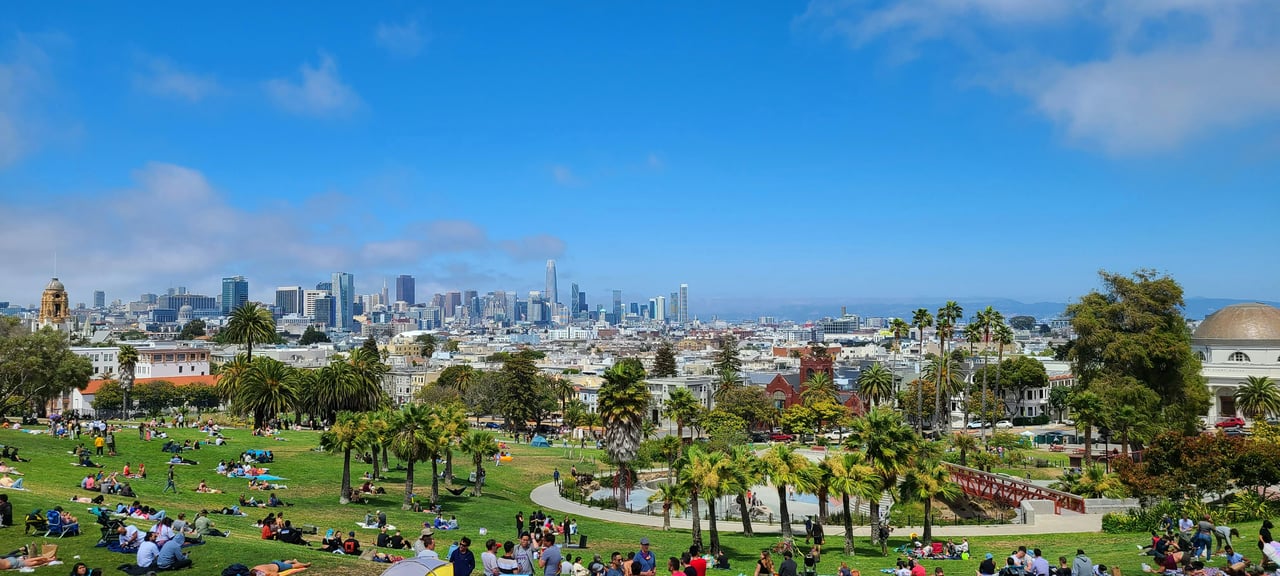
For decades, San Francisco's hills, traffic, transit lines and parking have decided which neighborhoods feel connected to one another. Which is a little absurd when you remember the whole city is only seven miles by seven miles. Noe Valley feels connected to the Mission. Cow Hollow to the Marina. The Richmond can feel a world away from Bernal even though we are talking about a few miles, and the Portola gets quietly dismissed by someone whose life sits on the Northside, because they look at the map and imagine the drive.
None of that is really about distance. It is about a map we carry in our heads, built up over years, and for the most part we stop questioning it.
Those perceptions matter in real estate, because we don't choose where to live based on the house alone. We choose based on where our friends are, where our kids go to school, the restaurants and parks we love, where we work, and all the ordinary places that make up a life. Over time we develop a fairly fixed idea of which parts of the city belong inside that life and which ones feel just a little too far.
I've watched that become complicated lately for buyers who very much want to own a piece of San Francisco but can't make the home they want work in the relatively small slice of the city where they had imagined living. Eventually the search starts drifting toward a bridge, north or east, on the logic that if they are giving up the neighborhood anyway, they may as well get more of the house.
That's where I tend to push back. If what they truly want is a piece of the rock, I'm not convinced we've exhausted San Francisco. There are neighborhoods here where the same budget buys a materially different home. They may not be the ones these buyers dreamed about, and pretending the compromise doesn't exist doesn't help anyone. But the loudest objection is usually how removed those neighborhoods feel from the life they already have.
And that objection is the part I've started to question, because I'm not sure "too far" means what it used to here. It isn't that the city moved. It's that the map in our heads quietly stopped matching the real one, and it takes actually paying attention to notice.
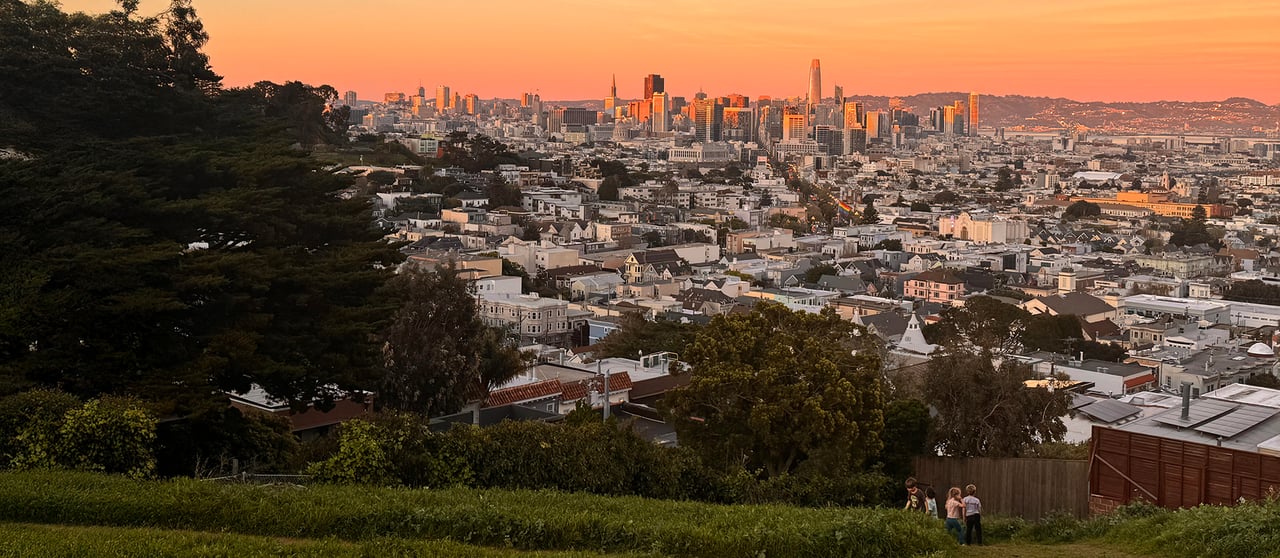
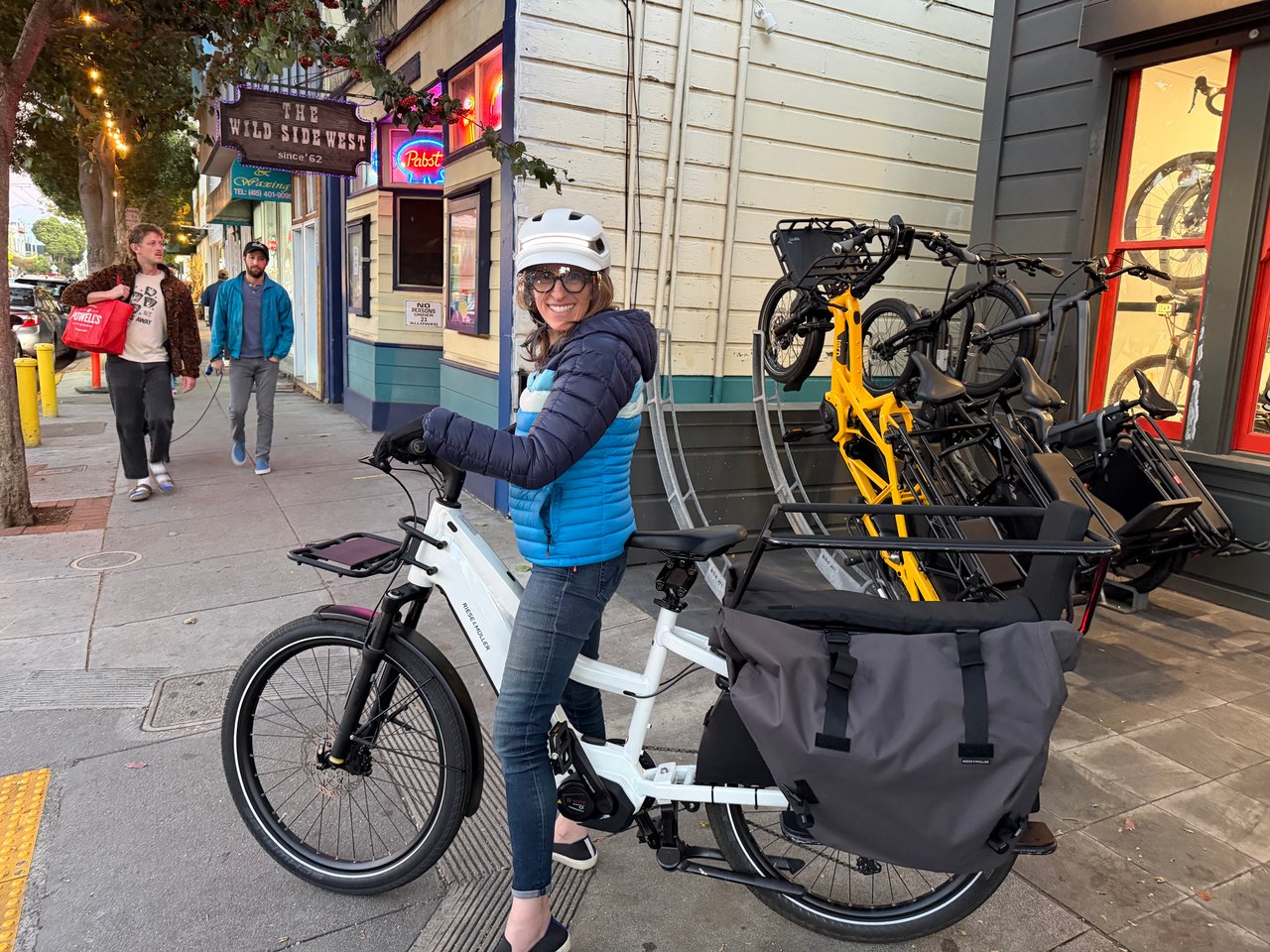
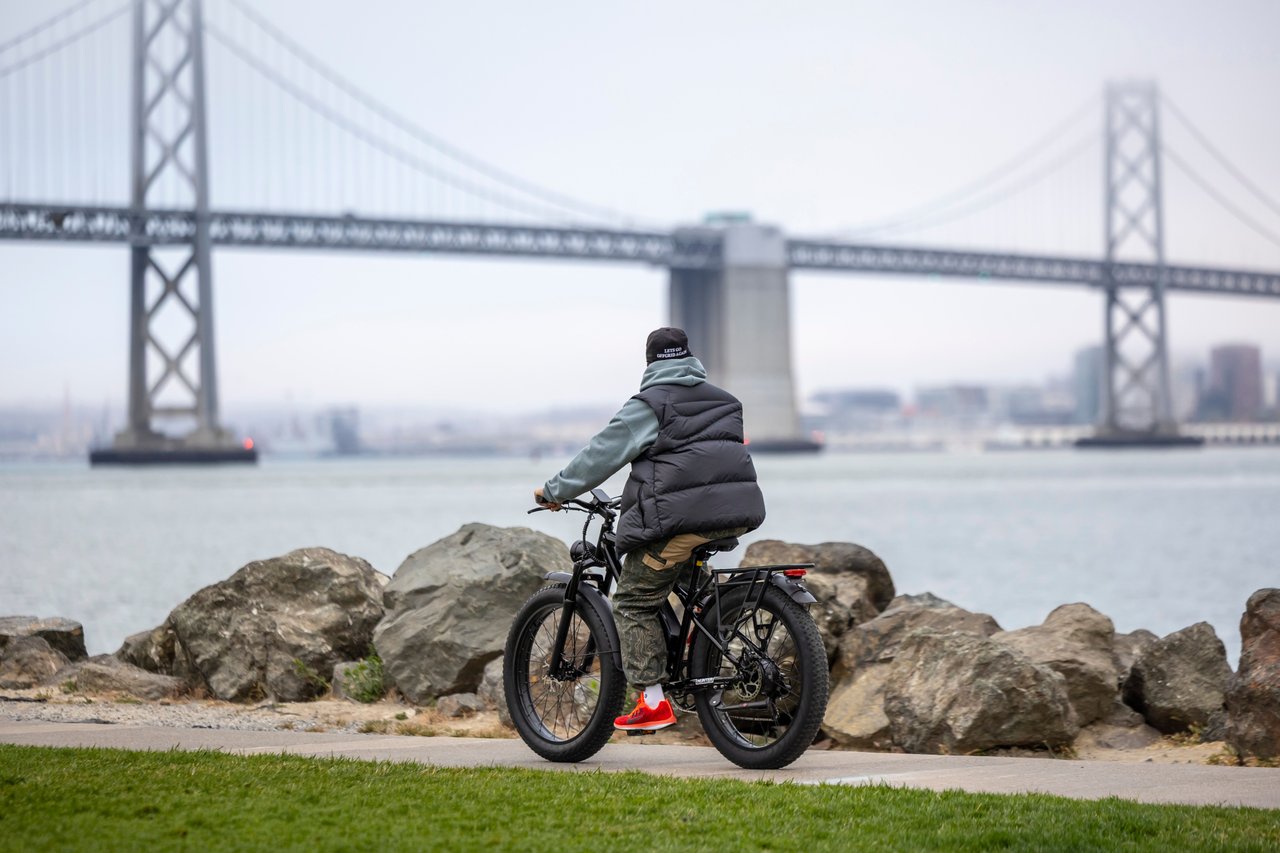
You really only feel this once you have spent some time on an e-bike. From my house across from McLaren Park in the Portola to Banan on 24th Street in Noe Valley, a family favorite, is about 15 minutes by car and 22 by e-bike. But 15 minutes by car gets me to 24th Street, where I still have to find somewhere to leave the car and walk. Twenty-two minutes on the bike gets me to the door.
There are plenty of times the e-bike isn't faster. The Northside from my house is still a solid 45 minutes and change on the bike against roughly 30 by car. What changes isn't always the clock. It's the friction of getting somewhere, and with it, how far away that somewhere actually feels.
More San Franciscans seem to be arriving at the same place. I was talking recently with another dad from my kids' school who is about to buy an e-bike, and his reasoning sounded familiar. You watch enough parents cruise right onto campus with a kid on the back while you circle the block for parking, and eventually it occurs to you that the cool kids might know something you don't.
Luke Spray put a name to the larger shift in SFGATE this month, reporting record bikeshare ridership and calling e-bikes "proximity-makers," which is nearly word for word what I have been telling my buyers.
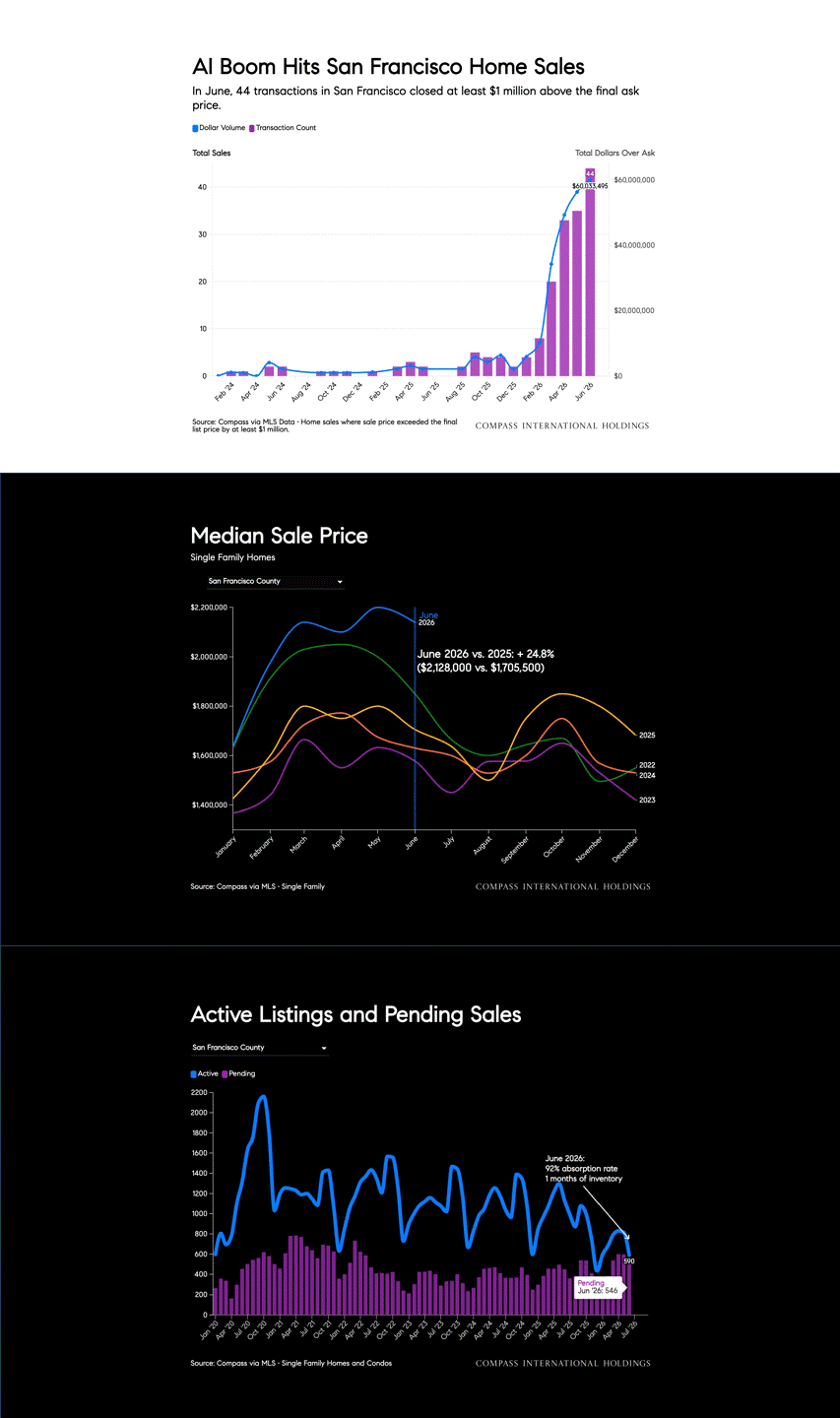
For someone who wants to stay in San Francisco but has started to believe the house they want requires leaving it, this genuinely changes the math. If moving a few neighborhoods over gets them the home they actually want while keeping the rest of their San Francisco life easily in reach, the cost of that compromise starts to look like something else entirely.
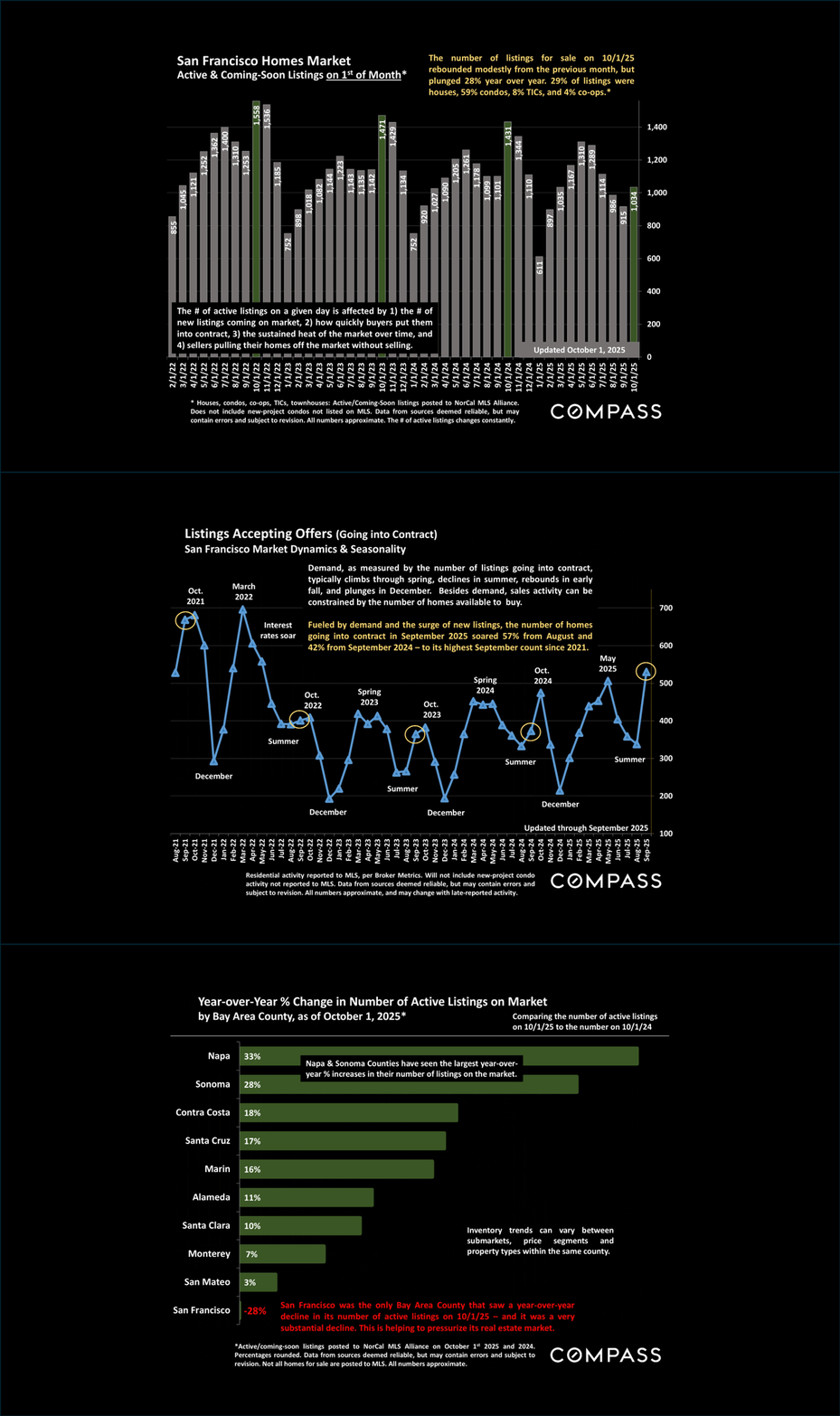
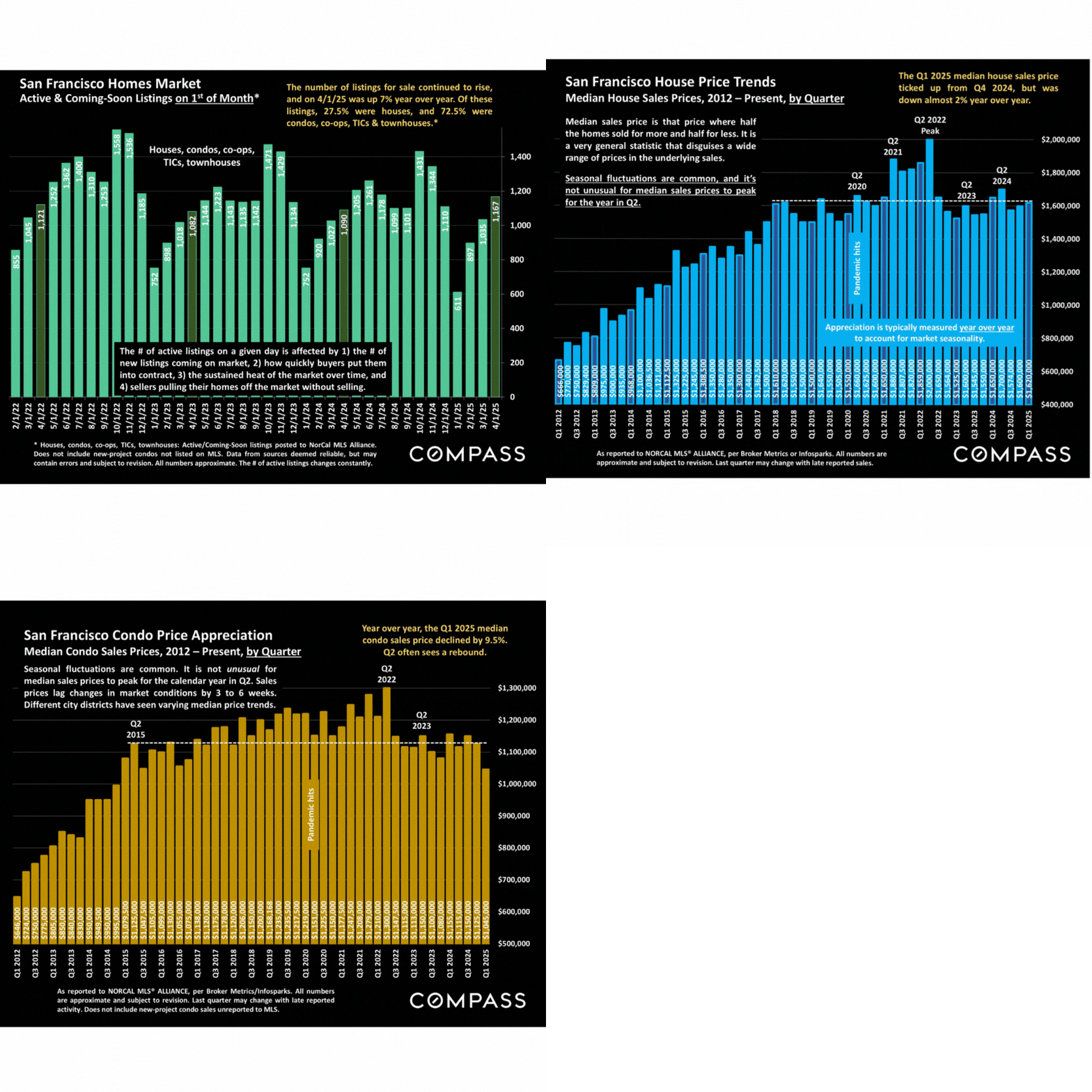
I don't yet know what any of this means for values, and I'm not claiming an e-bike is going to rewrite the city's neighborhood hierarchy overnight. But if enough people start experiencing parts of the city as easier to live from, I have to imagine some of our assumptions about where we are willing to live will eventually move too.
The neighborhoods never actually moved. What changes, for the people willing to look at the real city instead of the one in their heads, is what it means to live near something in San Francisco.