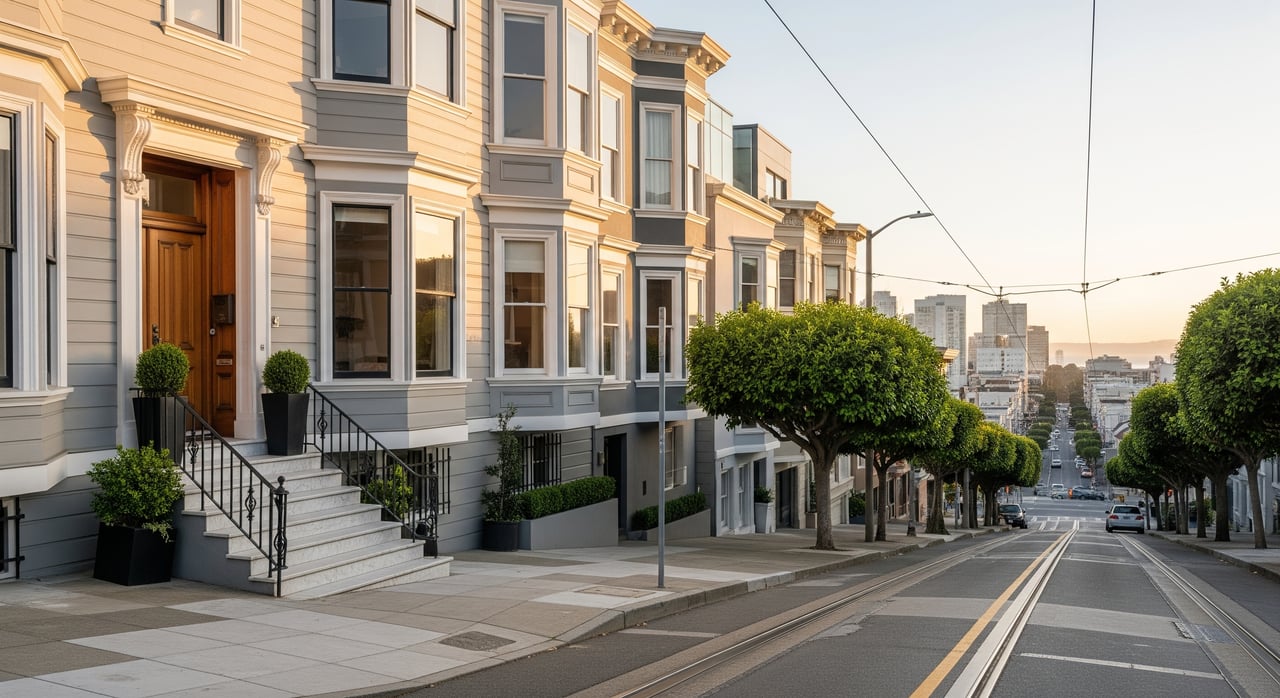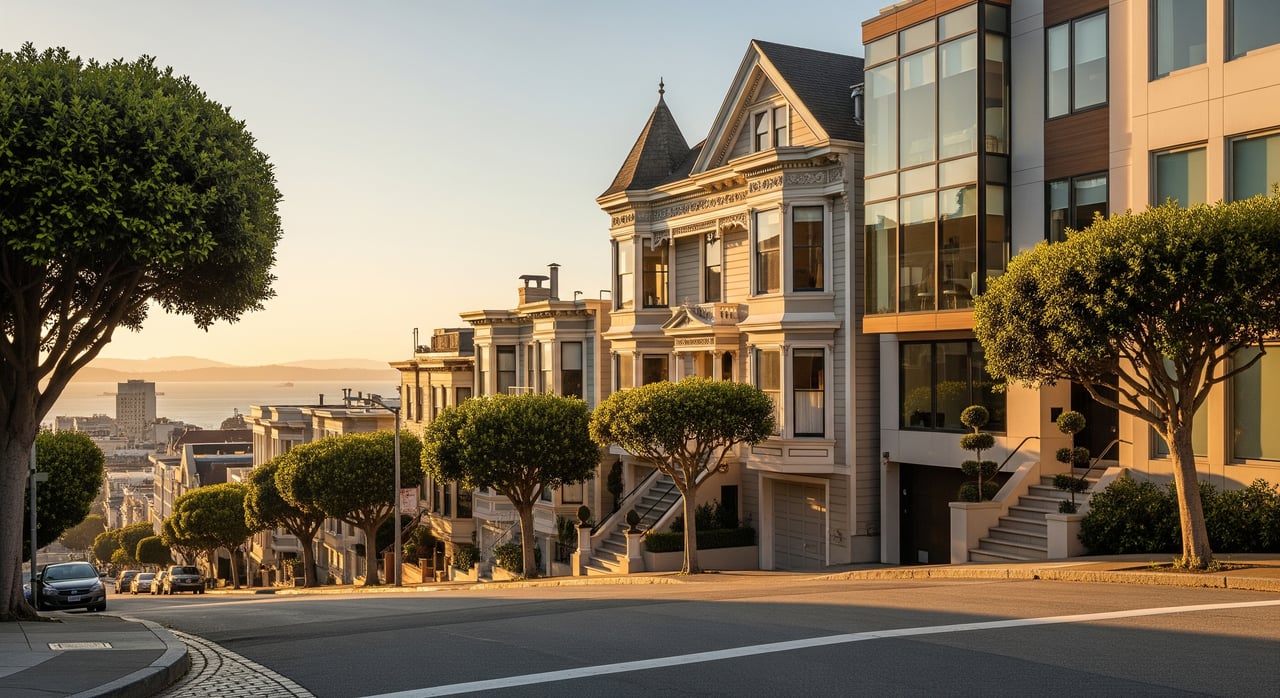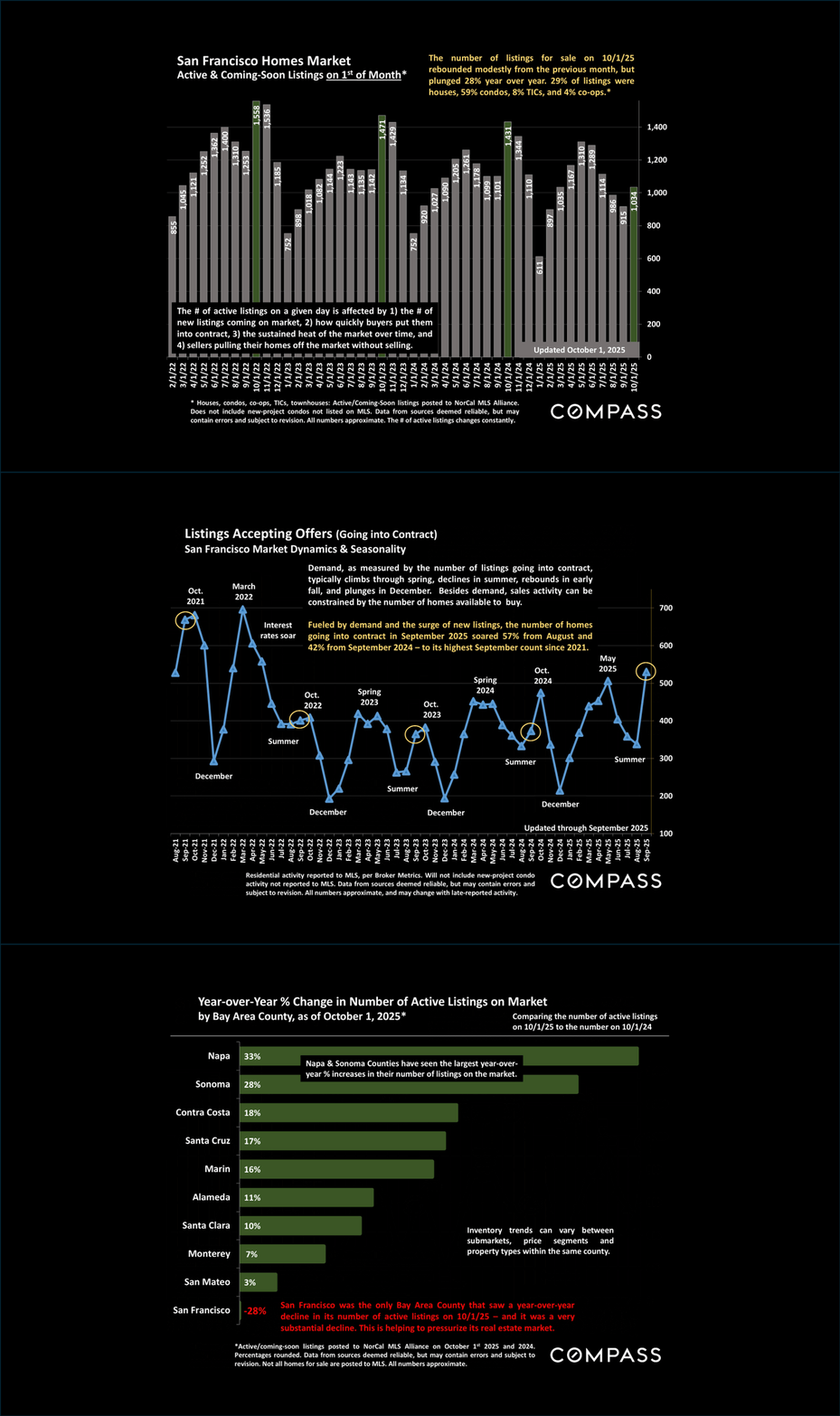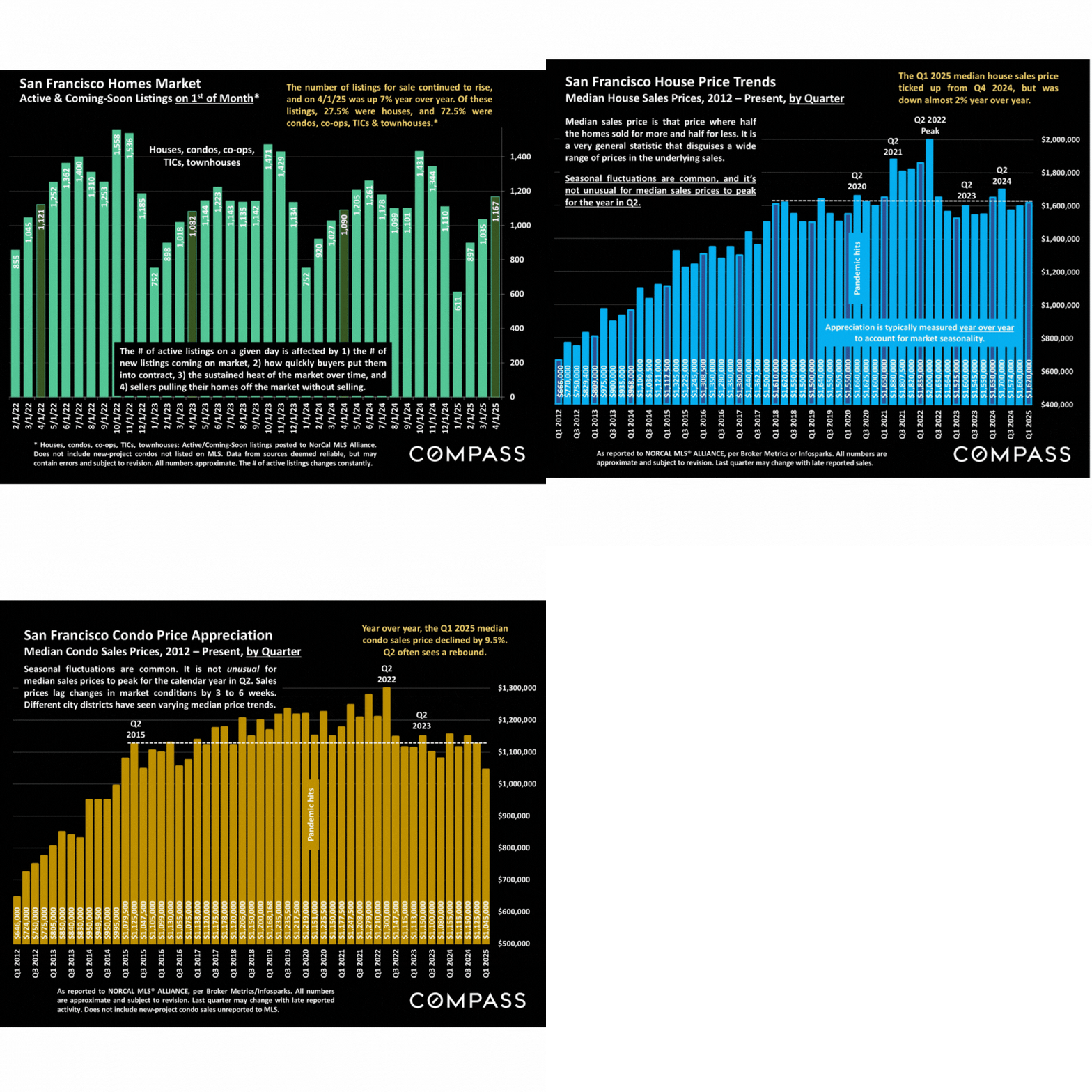
How long does a closed restaurant actually sit empty on Hyde Street? Less time than the sign in the window suggests. By the time Del Popolo served its last pizza on Nob Hill this past May, the trade press had already reported who was taking the space, and that same operator was quietly filing paperwork two blocks away in Russian Hill for a second project. The storefronts on this hill don't stay dark. They get claimed before they even go dark.
The operator in question is Johnny Le, who runs Thanh Tam II in the Mission District. Tablehopper caught the liquor license movement on the Del Popolo space before owner Jon Darsky's last day even arrived, once Darsky had decided to move exclusively into frozen pizza and wind down the sit-down restaurant. Le picked up that Nob Hill address. At the same time, according to reporting from SFist, he was also turning the former Cocotte space on Hyde Street in Russian Hill into a Vietnamese restaurant, described as a second expansion effort. One restaurateur, two adjoining hilltops, two former restaurants absorbed into new concepts within the same season. That is not a neighborhood losing its character to vacancy. It is a neighborhood where an empty lease gets filled by someone who already has a track record two neighborhoods over.
What Actually Held Still
The churn on Hyde Street reads differently once you look at what didn't move. Frascati, the tri-level Italian bistro a few doors from the cable car turnaround, has been serving Mediterranean-leaning plates and pouring from its wine list from that same Hyde Street storefront for years, still watching cable cars clang past its street-level windows. Down the block at 2000 Hyde, Abrazo has kept its Spanish-Californian menu going under chef-owner Michael Pawlik. Neither business needed a liquor license to change hands or a trade paper to report on it. They just kept opening at 5:30 and closing whenever the last table left.
The rest of the Hyde Street dining strip tells a similar story. Seven Hills, Union Larder, Amarena, Ciccino, and Amélie all show up on current rankings of the street's restaurants, the same names that were there when the cable car crowds started arriving each morning. A restaurant closing on this street is real news precisely because it's rare enough to be news. Most of what's open on Hyde Street in September 2026 was open there last September too.
So the actual claim isn't that Russian Hill's restaurant scene is unstable. It's that instability, when it happens, gets absorbed almost instantly by an operator who already knows what they're doing, which means the street's character survives a change in ownership that would read as disruptive anywhere with a slower market for commercial leases.
The Calendar That Doesn't Care Who's Renting
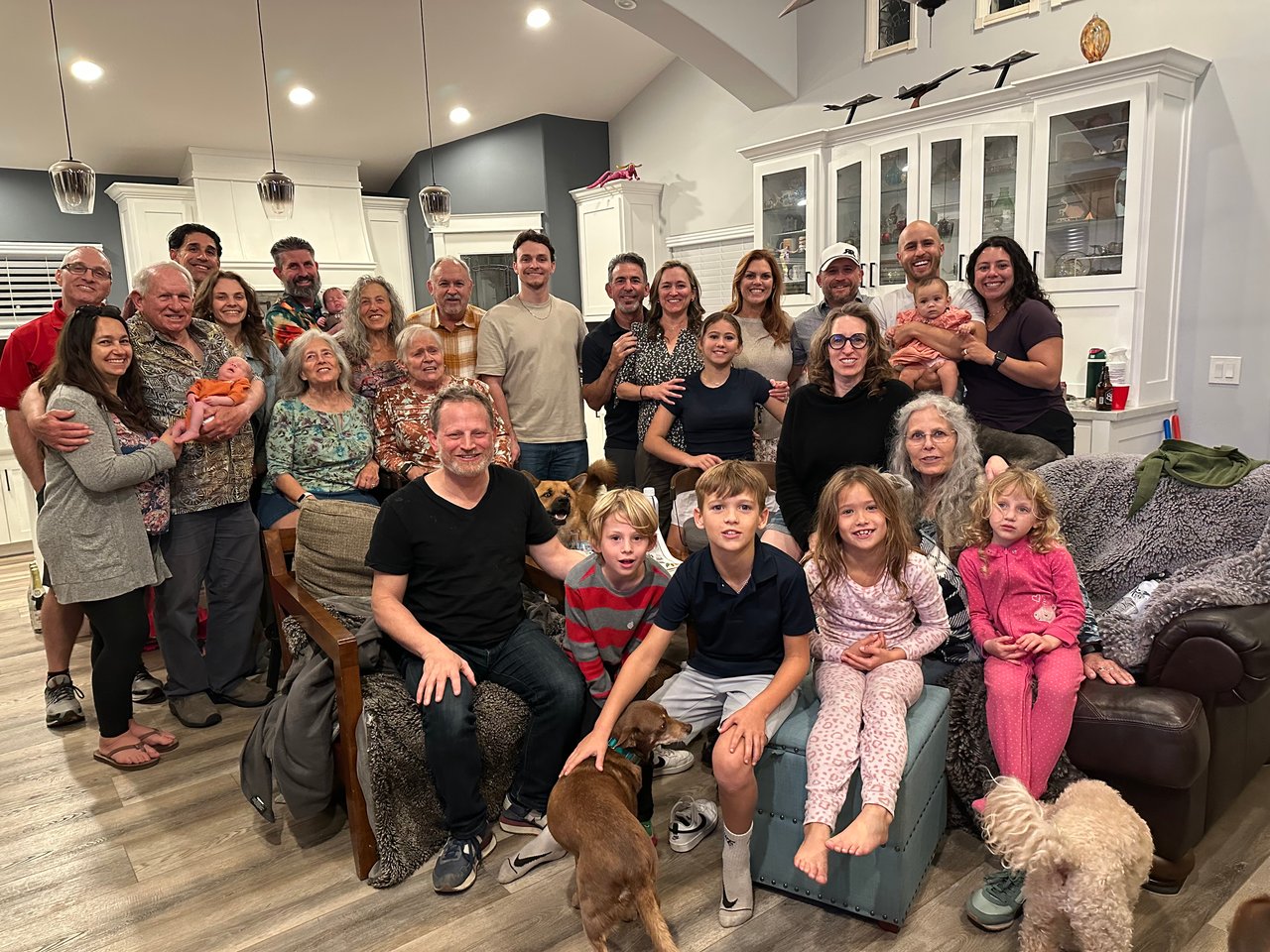
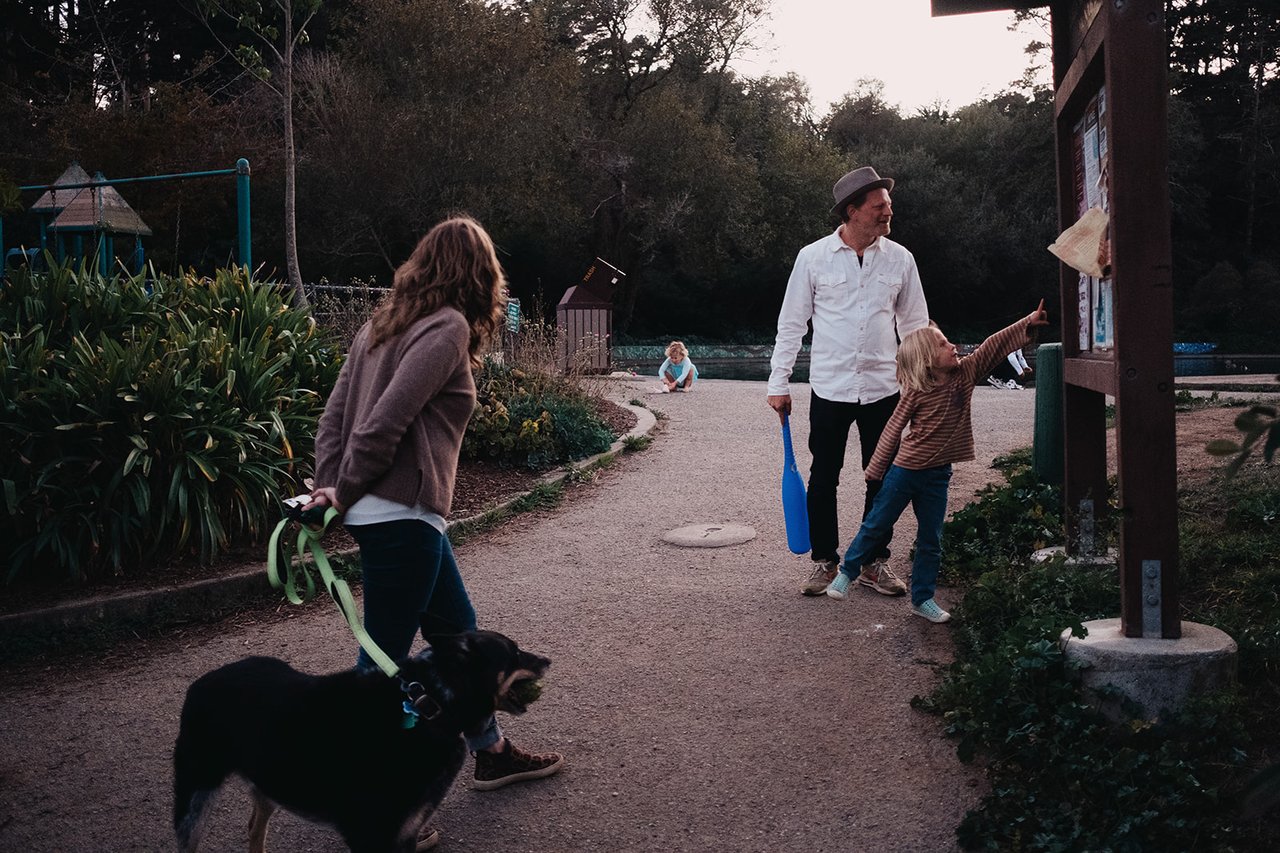
None of that turnover touches the part of the neighborhood that actually runs on a fixed schedule: the volunteer group known as RHN. RHN doesn't have a liquor license or a lease. It has an annual fall picnic at the Hyde and Vallejo mini-park, a rotating slate of resident-led clubs, and a standing arrangement with San Francisco Public Works for street cleanups.
What RHN actually runs, according to its own description of the year's programming:
- An Annual Meeting each year featuring local figures from city government and neighborhood life
- The Fall Picnic at the Hyde and Vallejo mini-park, timed to the same season Hyde Street's restaurants are having their busiest turnover
- Resident-led cooking, book, and movie clubs that meet independent of any single business's calendar
- Cleanup days run in partnership with SF Public Works and the grassroots initiative Refuse Refuse
None of this depends on which restaurant occupies which storefront. The Fall Picnic happens whether Del Popolo exists or not, whether the Cocotte space has reopened as something new or is still mid-buildout. The cooking club doesn't care if its members' favorite lunch spot from three years ago is now under different ownership. This is the actual continuity of the neighborhood, and it runs on a volunteer schedule that predates and will outlast any single lease on Hyde Street.
The Geography That Doesn't Have a Landlord
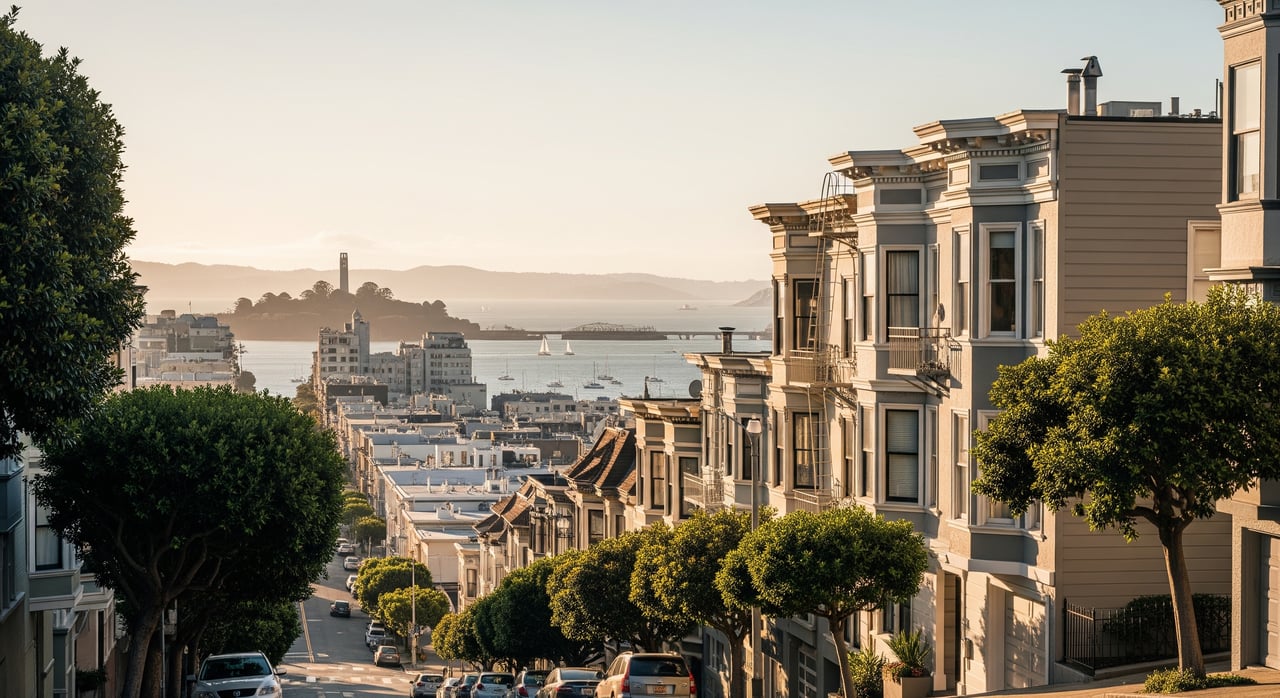
The same pattern holds for the physical landmarks that give Russian Hill its shape, none of which are subject to the churn of a commercial lease. Alice Marble Tennis Courts, four hardcourt courts sitting at the top of the hill where Lombard meets Hyde, have been there through every restaurant opening and closing on the blocks below. Macondray Lane, the quiet pedestrian path tucked between Union and Green, is widely cited as the real-world model for Barbary Lane in Armistead Maupin's Tales of the City, and it looks now roughly the way it looked when that association first attached to it.
The Powell-Hyde cable car line still runs the same route it always has, carrying tourists toward the crookedest block of Lombard Street while residents ride the same cars to get down the hill for groceries or up it to get home. The tourists photograph the switchbacks. The people who live here use the same line as a commute.
| What changed this year | What didn't |
|---|---|
| Del Popolo closed on Nob Hill; license moved to Johnny Le | Frascati's tri-level dining room, same Hyde Street address |
| Former Cocotte space becoming a Vietnamese restaurant | Abrazo, still serving Spanish-Californian plates at 2000 Hyde |
| — | Alice Marble Tennis Courts at Lombard and Hyde |
| — | RHN's Fall Picnic at Hyde and Vallejo mini-park |
| — | The Powell-Hyde cable car line |
Why This Matters More Than It Looks Like It Should
A neighborhood's identity usually gets described through its restaurants, because restaurants are the easiest thing to photograph and the easiest thing to write a headline about. Russian Hill's actual stability lives one level down from that, in an association that runs a picnic and a cleanup schedule regardless of who's cooking dinner two blocks away. The restaurant turnover is real and worth tracking. It's also almost entirely disconnected from whether the neighborhood still feels like itself in October.
That disconnection is the useful thing to understand if you already live here. The next restaurant closure on Hyde Street, whenever it comes, will get picked up by someone with a plan within weeks, the way Le picked up two spaces in one season. The Fall Picnic will happen at Hyde and Vallejo regardless. The tennis courts will still be at the top of the hill. None of that requires optimism about any particular restaurant's chances. It just requires knowing where the neighborhood's actual continuity has always lived, which was never on a lease.
Russian Hill sits inside a broader stretch of northern San Francisco that shares this same rhythm of visible commercial change over a much steadier residential base, a pattern worth understanding if you're weighing this stretch of the city against nearby pockets like Cow Hollow or Pacific Heights.
If you're weighing Russian Hill against other pockets of San Francisco's north side, or you've watched this fall's changes on Hyde Street and started wondering what your own place here might be worth in a market that keeps absorbing turnover this fast, Brandi Mayo can walk you through what's actually happening on your block.