These days, before I take a new buyer through a single house, I have started having a more serious conversation that used to come much later.
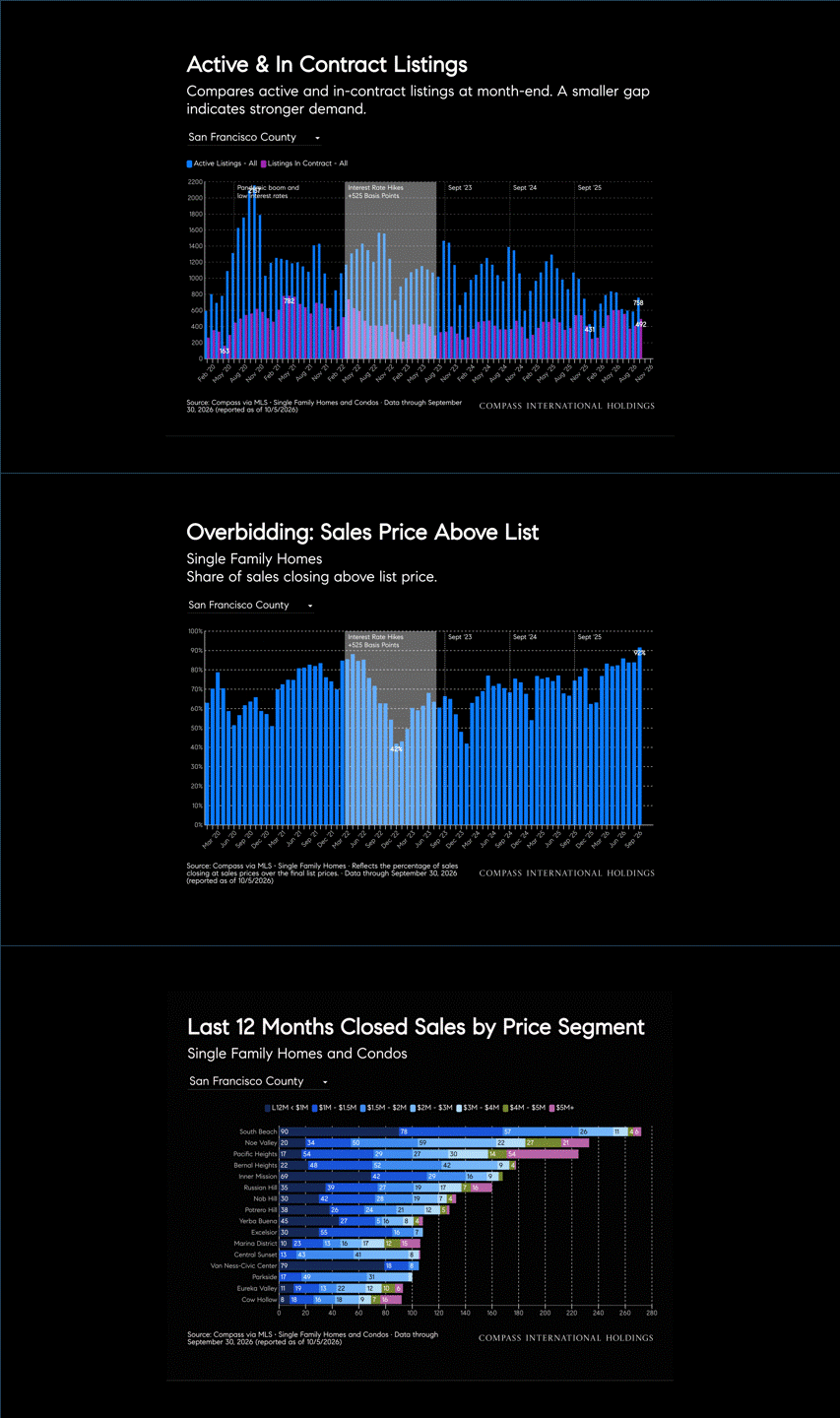
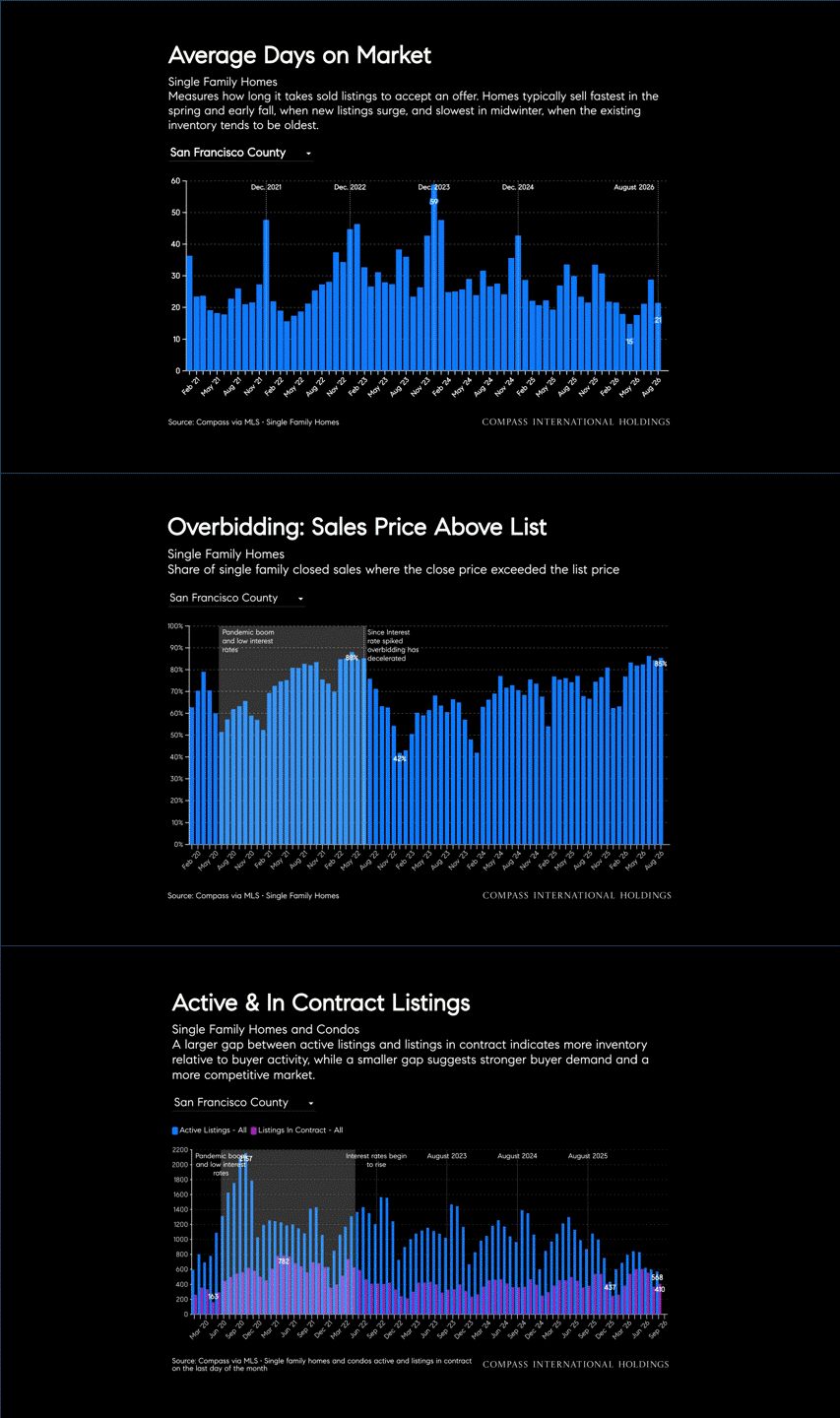
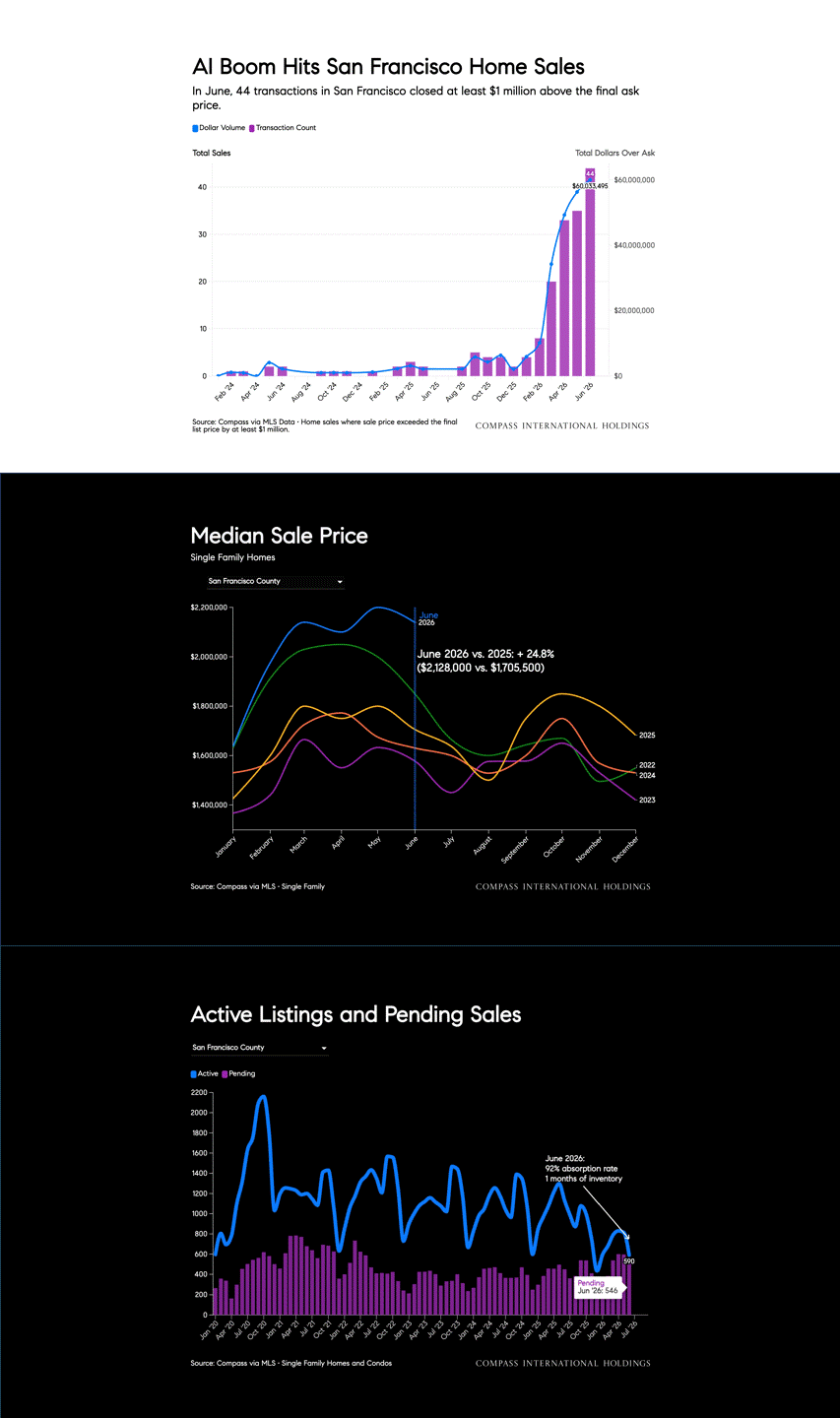
It usually begins with someone asking what it actually takes to win in San Francisco right now, which sounds like a practical question until I answer it honestly. The homes that generate the most excitement are still attracting multiple offers, and if one of those homes becomes the one they want, they will not simply be deciding whether they like it enough to buy it. They will be deciding whether they are willing to pay more than everyone else who has also decided they want it. If there is a cash buyer involved, the offer may need to be compelling enough that cash, despite all of its obvious advantages, loses interest in continuing to play. In June, forty-four San Francisco homes sold for at least $1 million over asking, although that number requires context. List price here has always been mostly theatre, so the amount over asking does not tell us whether a buyer paid too much. What it does tell us is how far serious buyers are willing to go when several people recognize the same house as scarce and difficult to replace.
This is often the point when the mood changes.
We may have spent the first part of the conversation talking about neighborhoods, architecture, light, outdoor space and the ways a home could support the life they are trying to build. Then suddenly we are talking about what it means to win, and winning sounds uncomfortably close to overpaying. It is not an irrational reaction. In the most literal sense, the buyer who wins has paid more than the other buyers were willing to pay. The part that becomes harder to explain is that the highest offer on one particular Tuesday is not necessarily the same thing as having paid too much for the home over the years someone expects to own it. Those are different questions, although buyers naturally want them to produce the same answer.
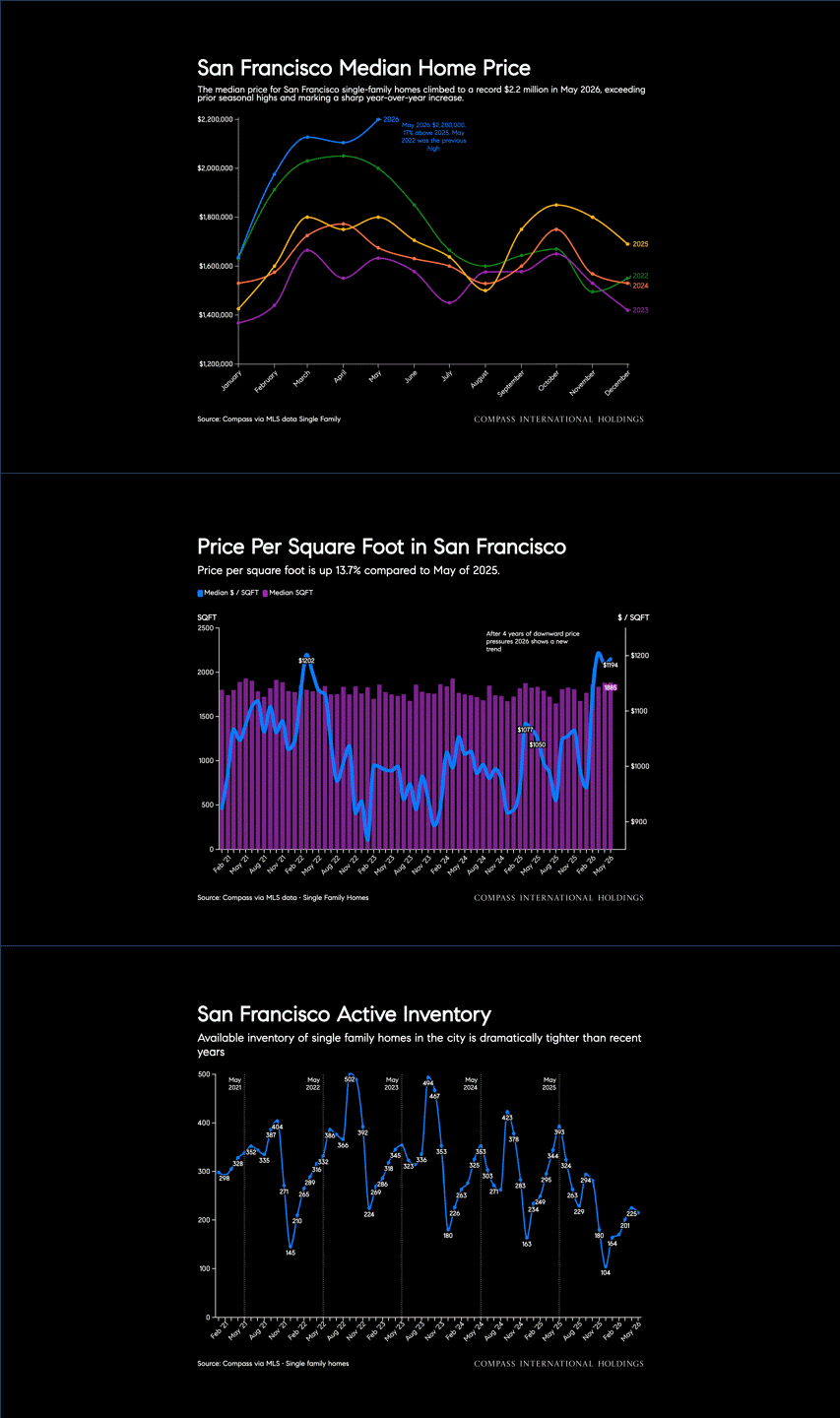
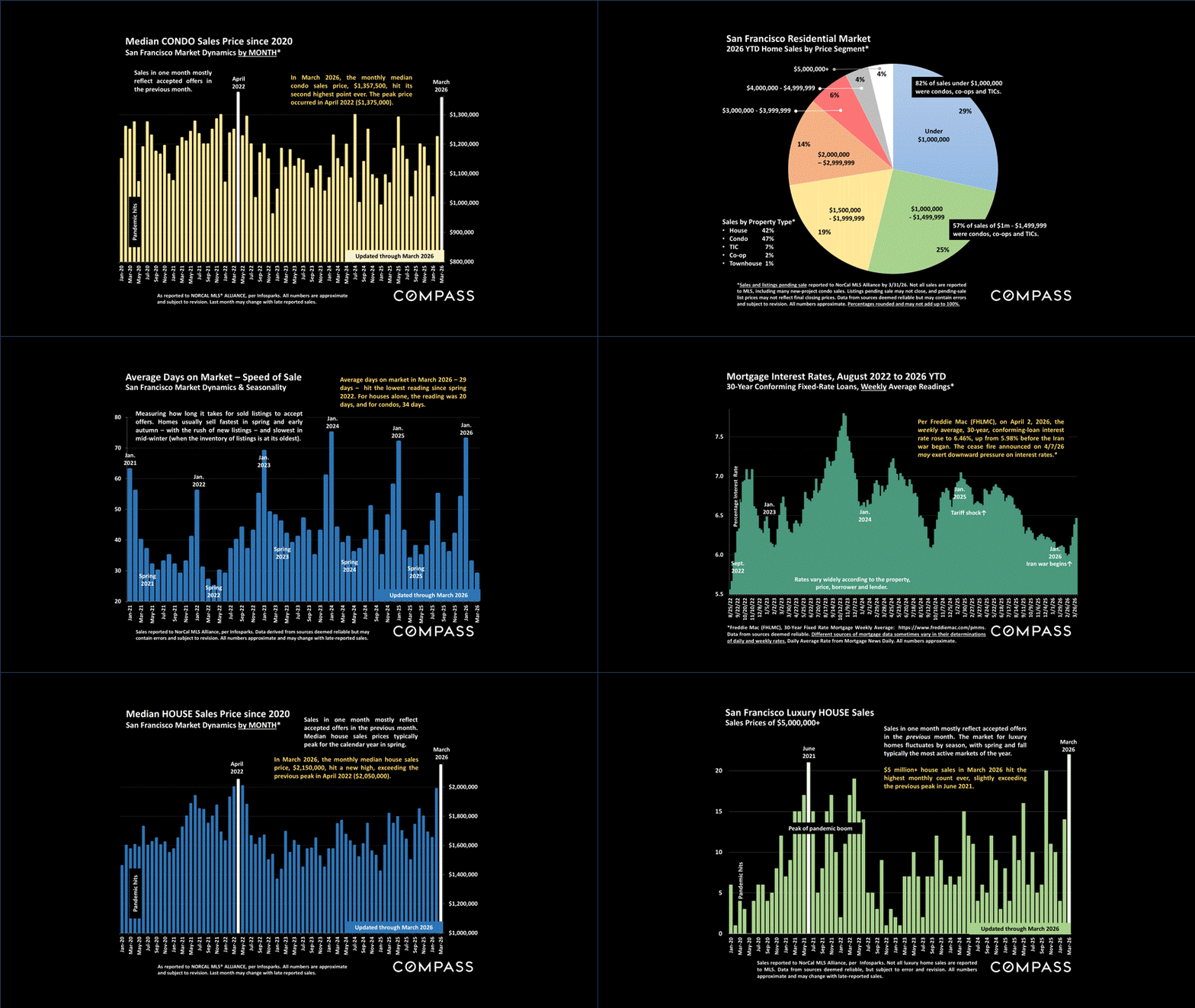
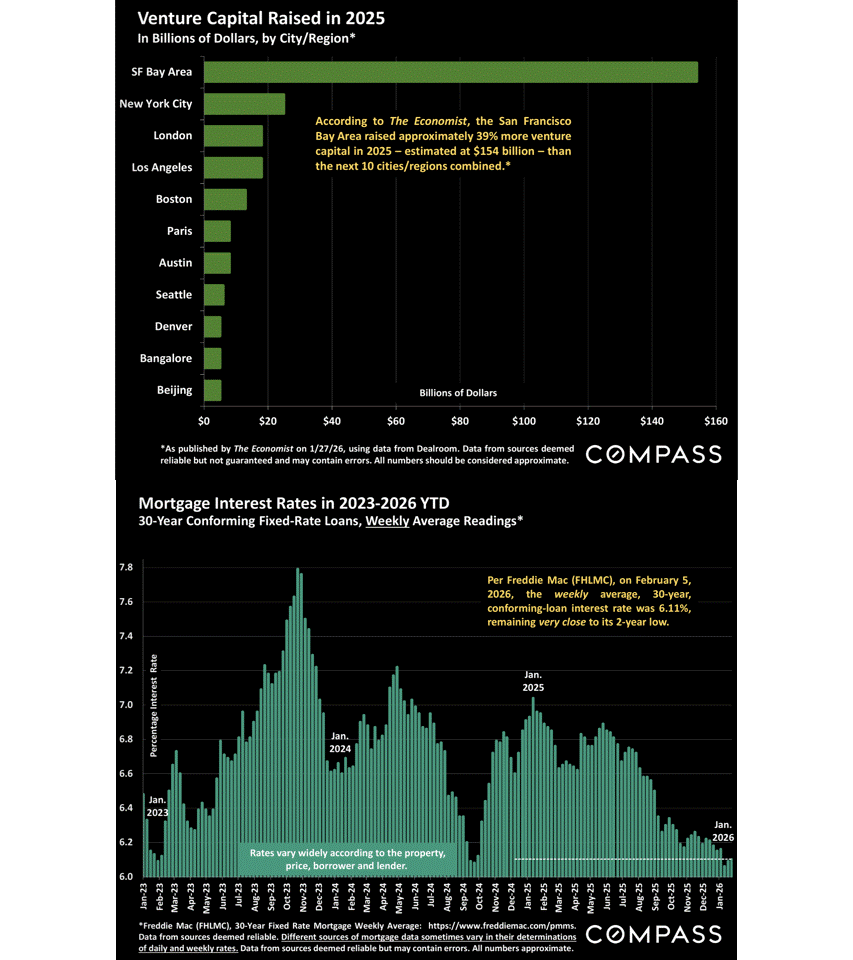
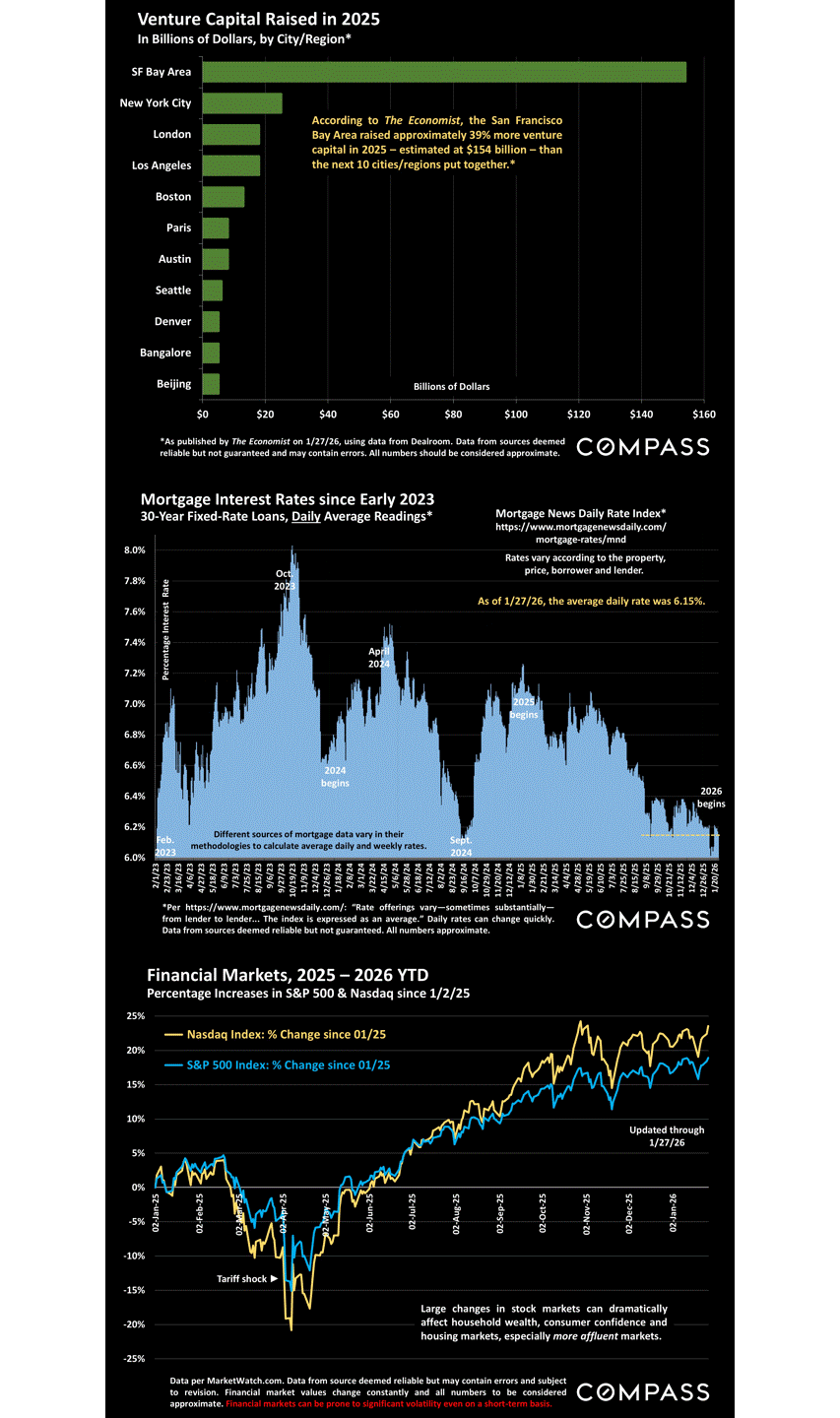
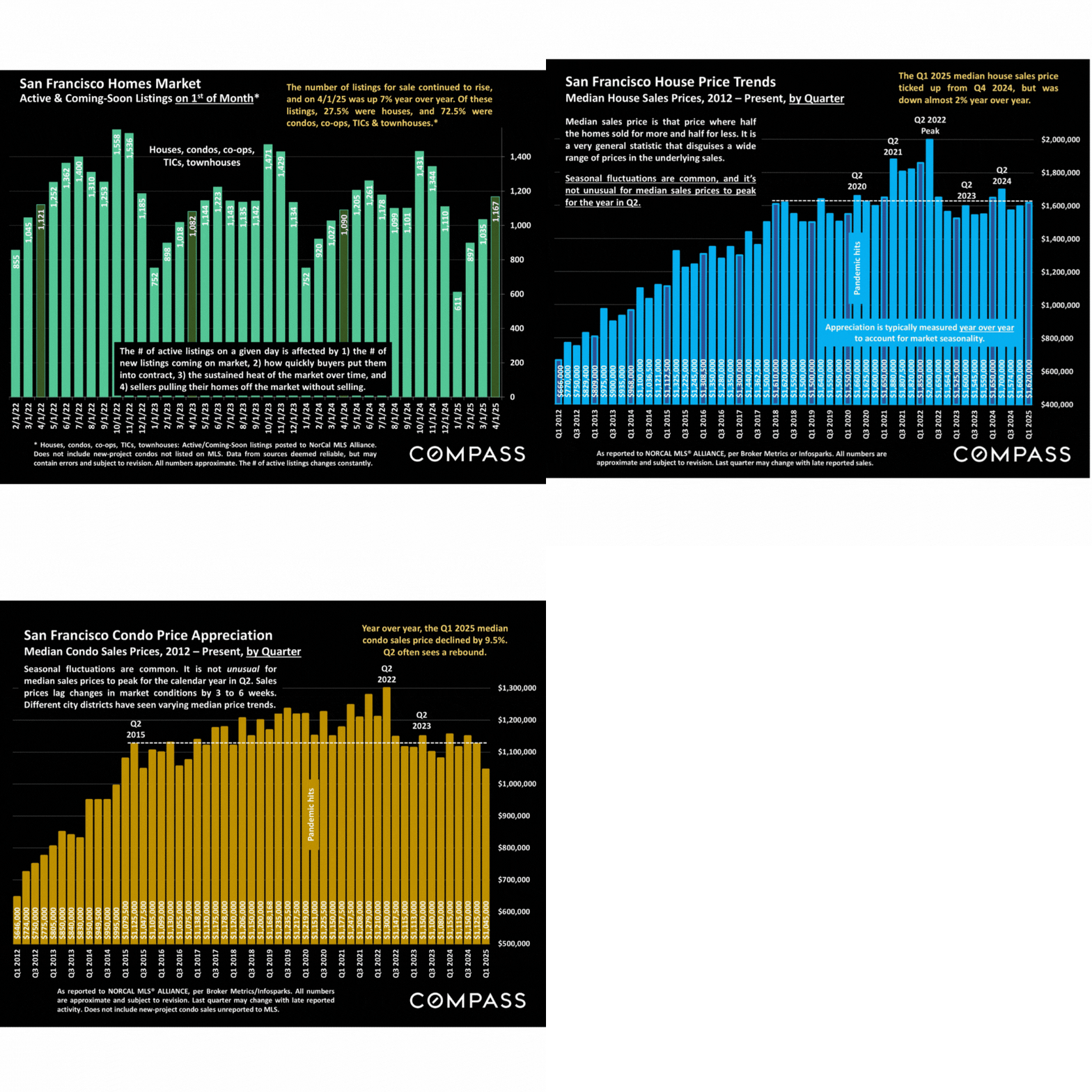
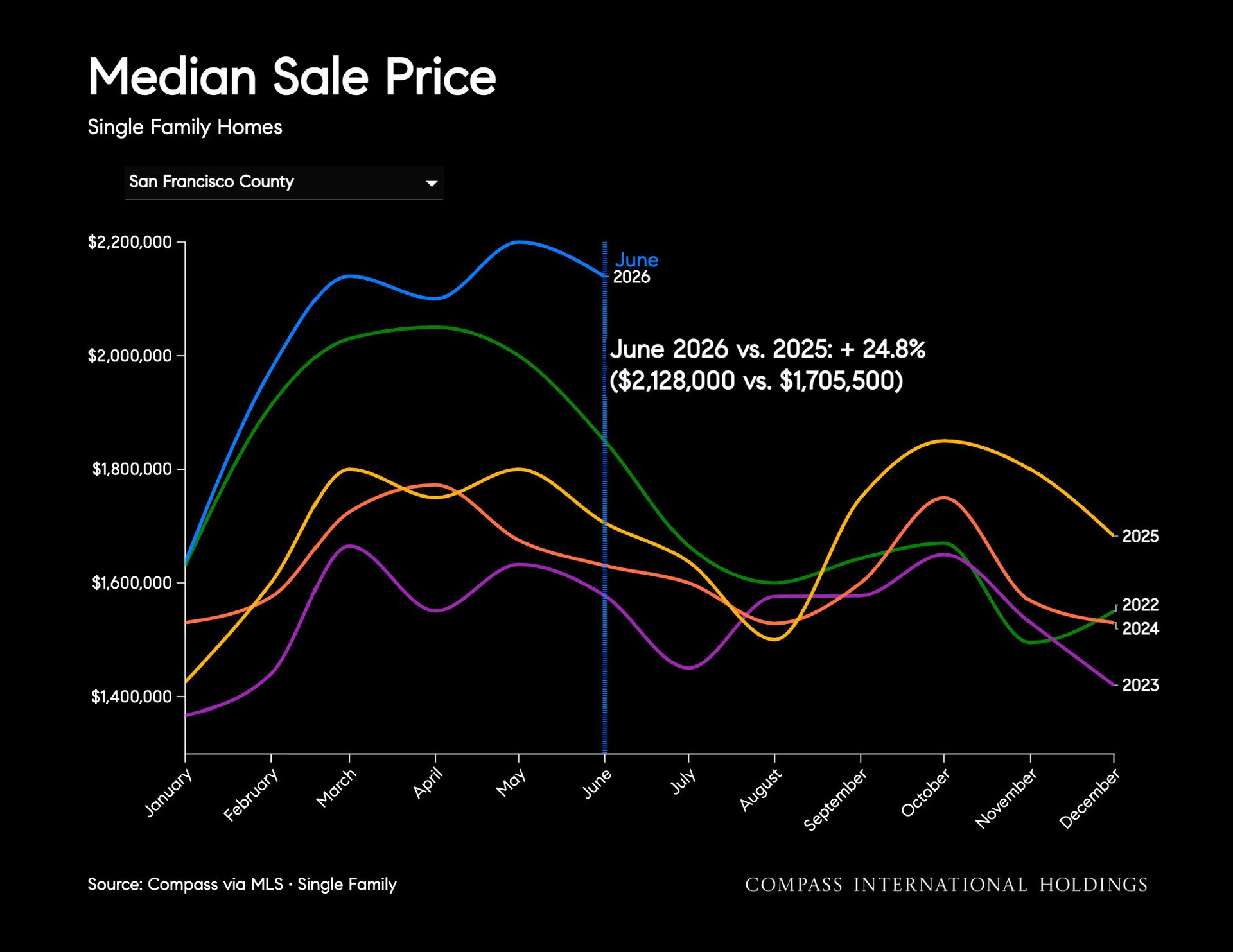
These conversations remind me of the period when interest rates rose in late 2022 through 2024 and buyers became convinced that waiting was the prudent choice. They wanted rates to come down, prices to soften or some combination of the two that would make buying feel less exposed. Everyone repeated the phrase “date the rate, marry the house,” and while it was overused almost immediately, it captured something real: the rate could change, but the house (particularly the right house in a neighborhood with limited supply and durable demand) was the harder thing to replace. San Francisco’s median single-family home price has now reached $2.128 million, nearly twenty-five percent higher than it was a year earlier, despite mortgage rates remaining around 6.5 percent. The median price per square foot rose more than twenty-two percent during the same period. And, buyers who were waiting for lower borrowing costs or softer prices have instead watched the cost of the house rise while the cost of the money remained stubbornly high.
During that time, while many buyers waited, others bought $3 million-plus homes in neighborhoods like Noe Valley, Cole Valley and the Inner Richmond, wondering if they might be making a very expensive mistake. But they wanted the house, they wanted to stay in San Francisco and, at some point, they decided to stop waiting for the decision to feel safer. Today, many of those homes are worth four or even five million dollars, and what once felt reckless is now simply the story of how they got in.
Today, there are buyers all over San Francisco who have been financially ready before they are emotionally ready, and while they have waited for the decision to feel more comfortable, the market has kept moving. The additional fifty or one hundred thousand dollars that once felt impossible to justify can look surprisingly small a year later, when the homes that fit the budget no longer do and the search begins to require some combination of less space, more work, fewer amenities or a different neighborhood.
That does not mean the earlier decision was foolish. Buying a home here is consequential, and there are very good reasons to preserve cash, wait for greater clarity or decide that ownership would require making every other part of life too small. Renting can be a very intelligent choice, particularly for someone who is uncertain about remaining in San Francisco long enough for the costs of buying to make sense. But waiting is not neutral. It is also a financial decision, and in the current market it has carried a measurable cost.
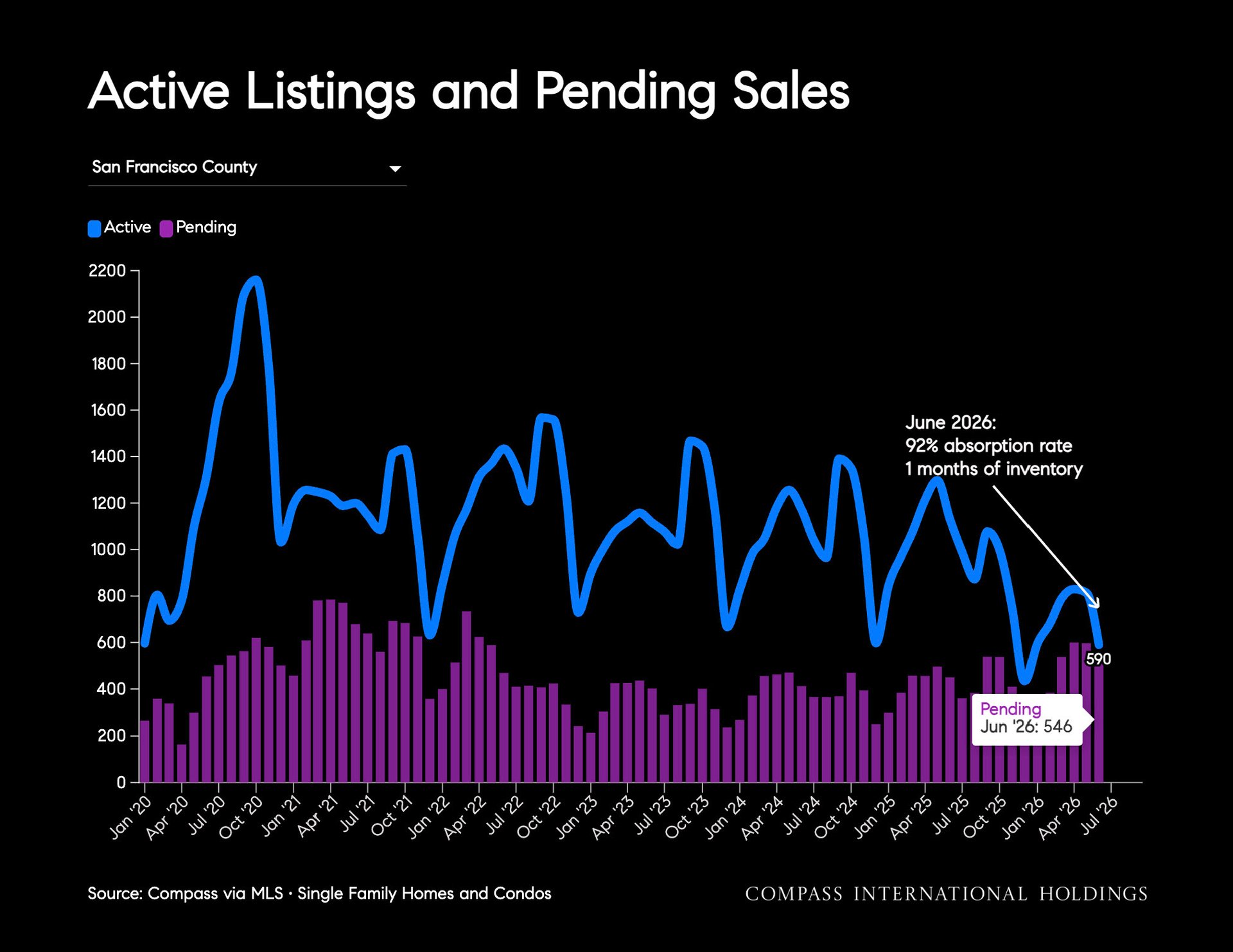
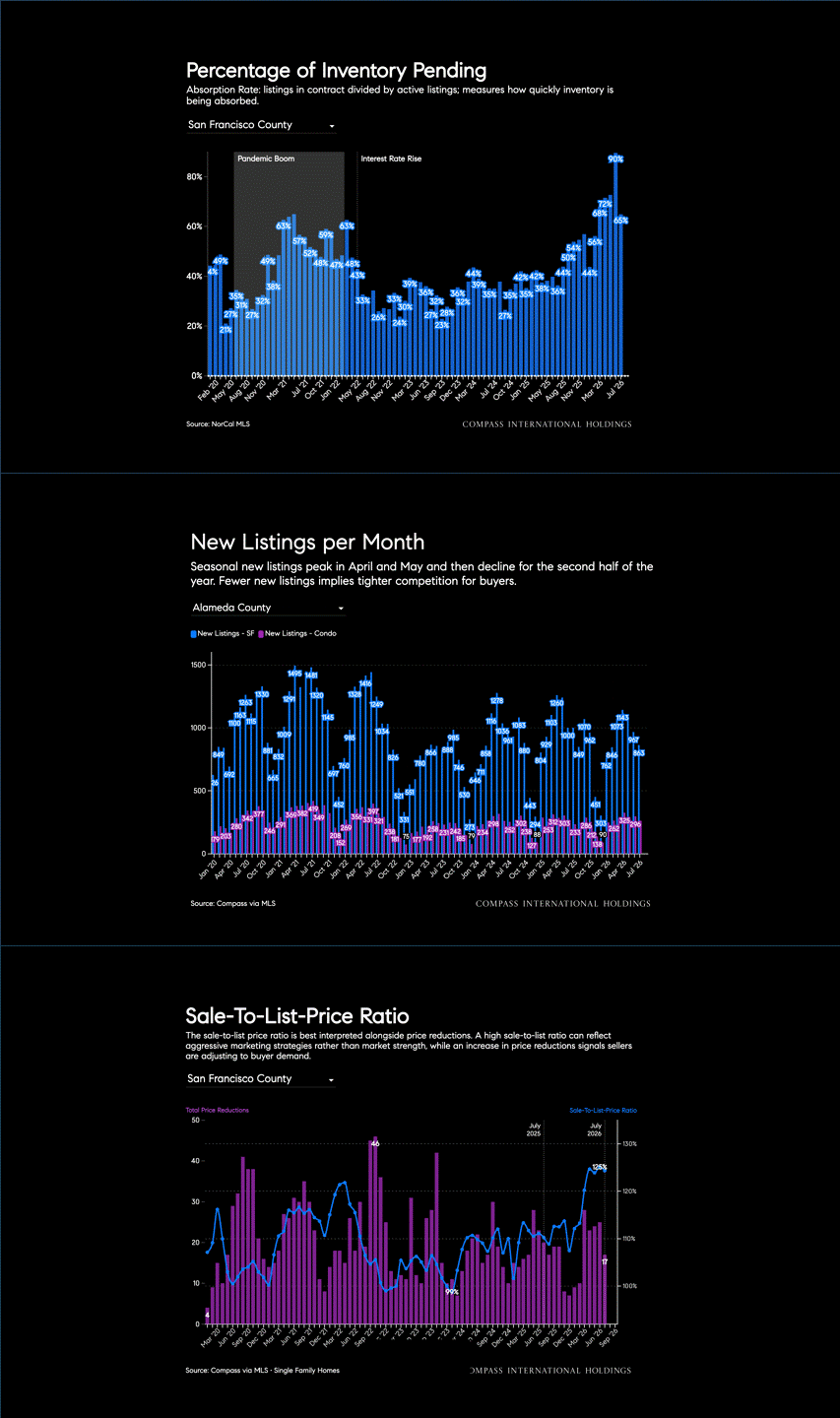
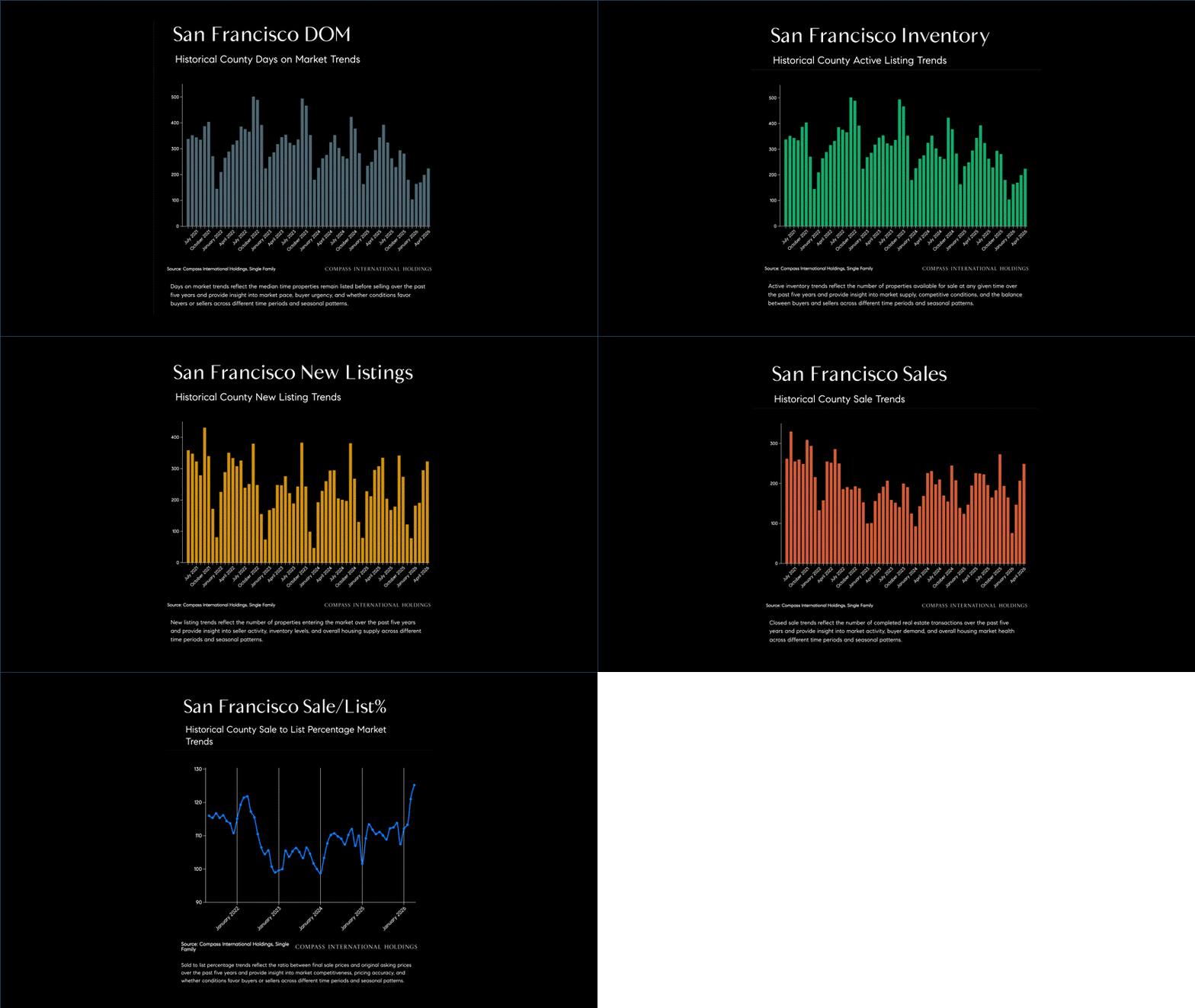
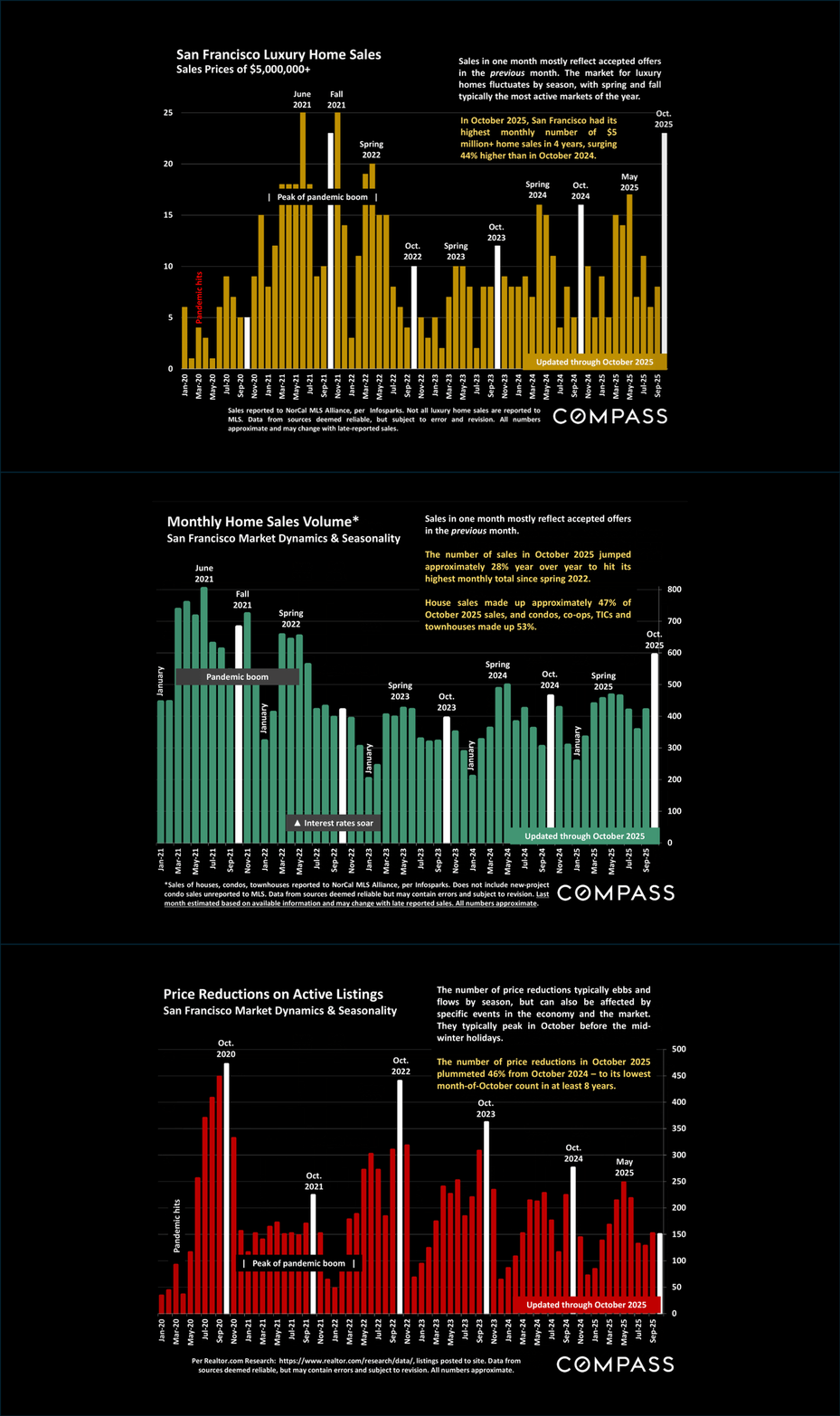
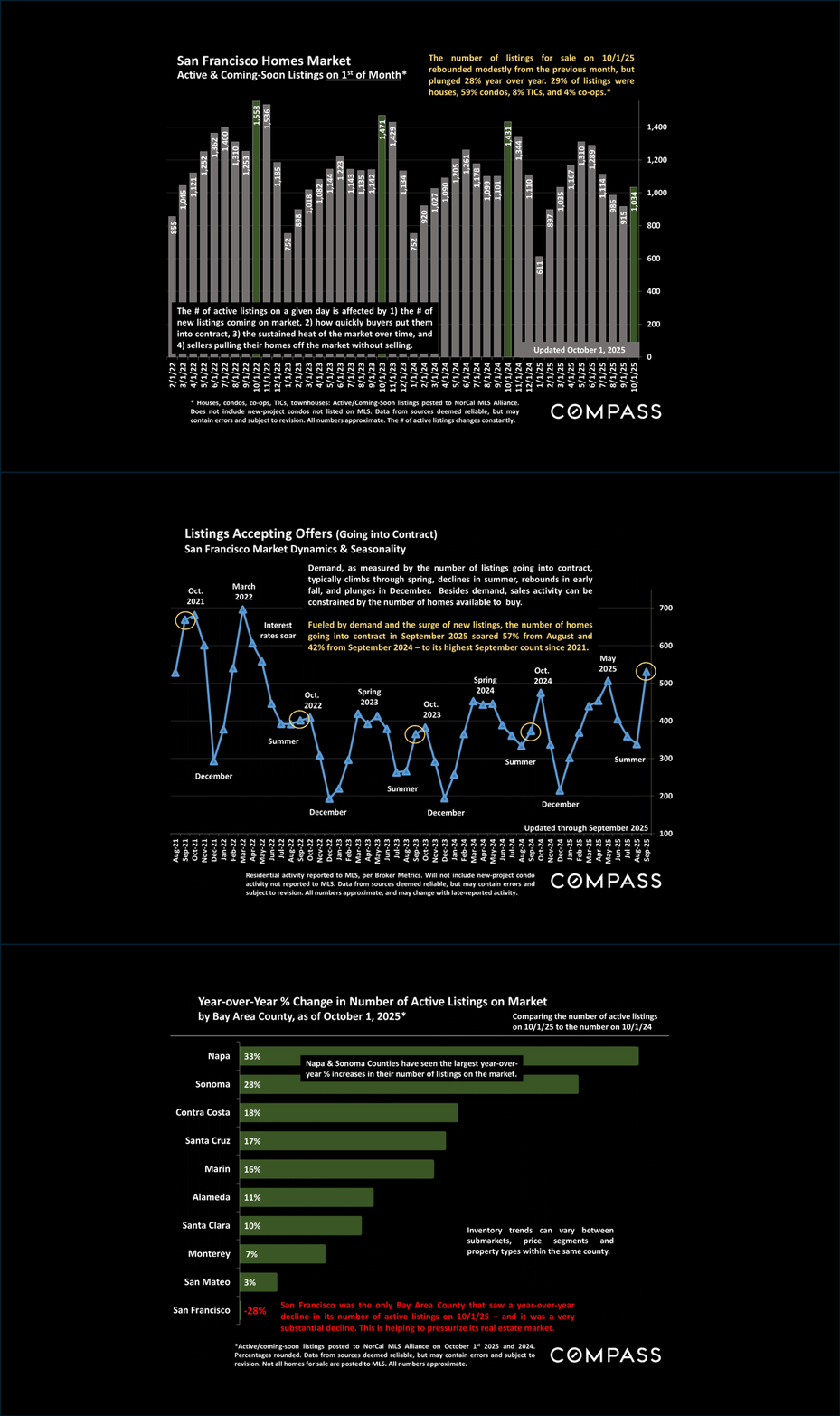
At the end of June, there were only 590 active houses and condominiums across San Francisco while 546 properties were already under contract. There were nearly as many homes spoken for as there were still available to buy, leaving the city with just over one month of inventory. A buyer who walks away from the right house is not necessarily returning to a market full of equivalent choices. The next house may be smaller, darker, more compromised or simply more expensive by the time it appears.
This is why the first decision is not really about a house. It is about deciding whether you want to own a piece of San Francisco. Once that decision has been made, we can evaluate the house in front of us on its own merits.
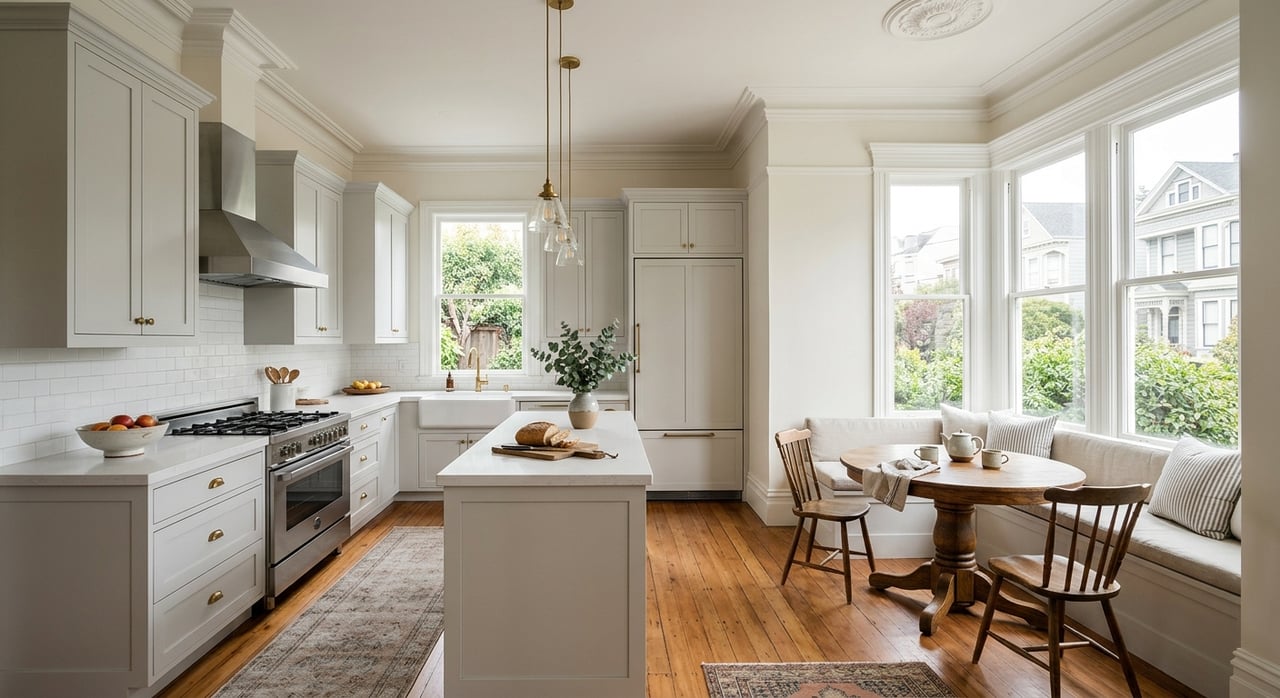
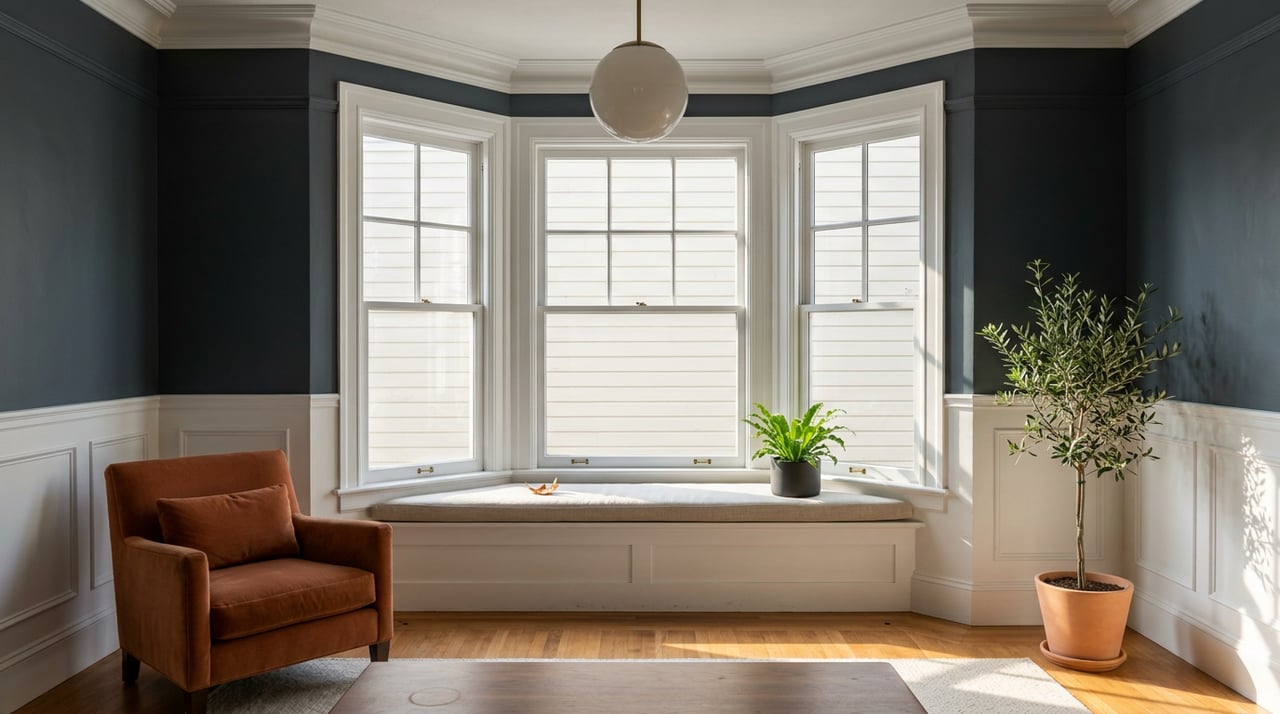
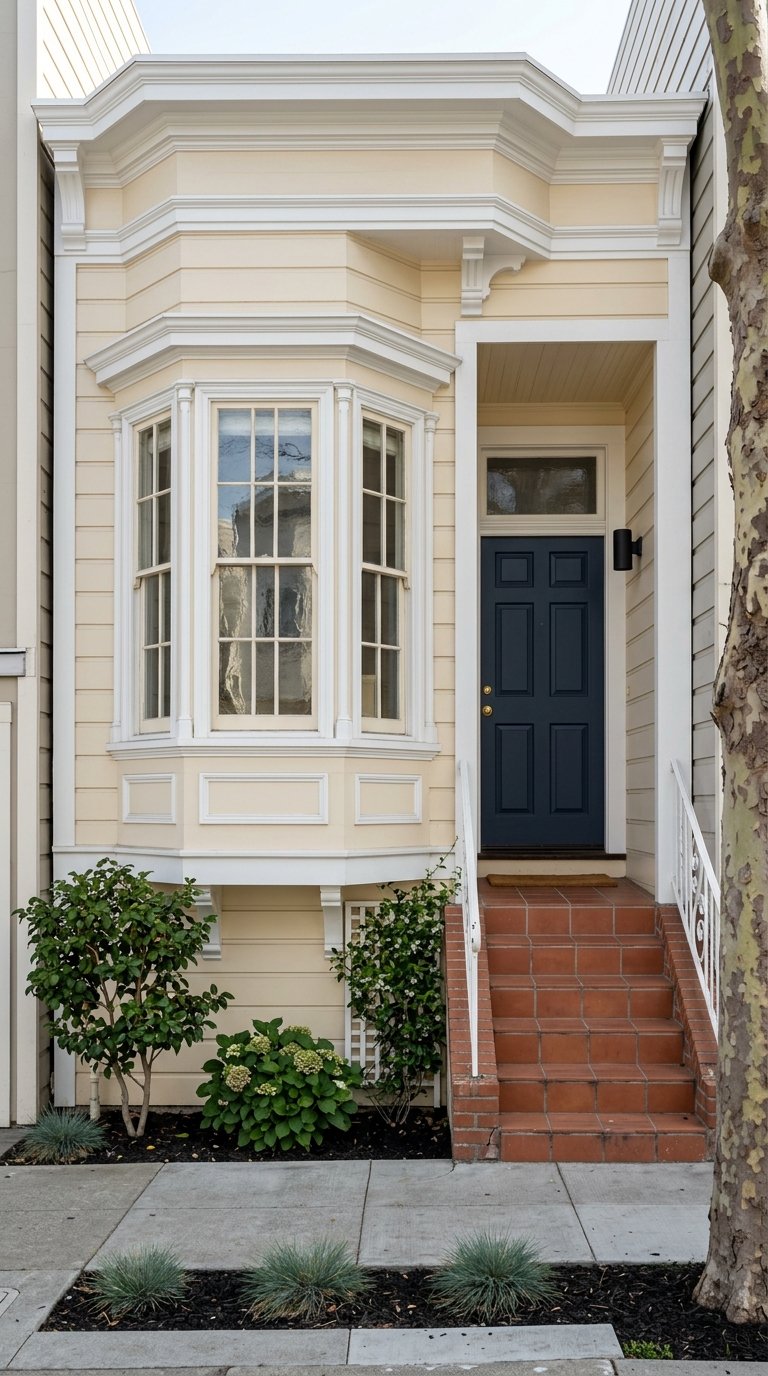
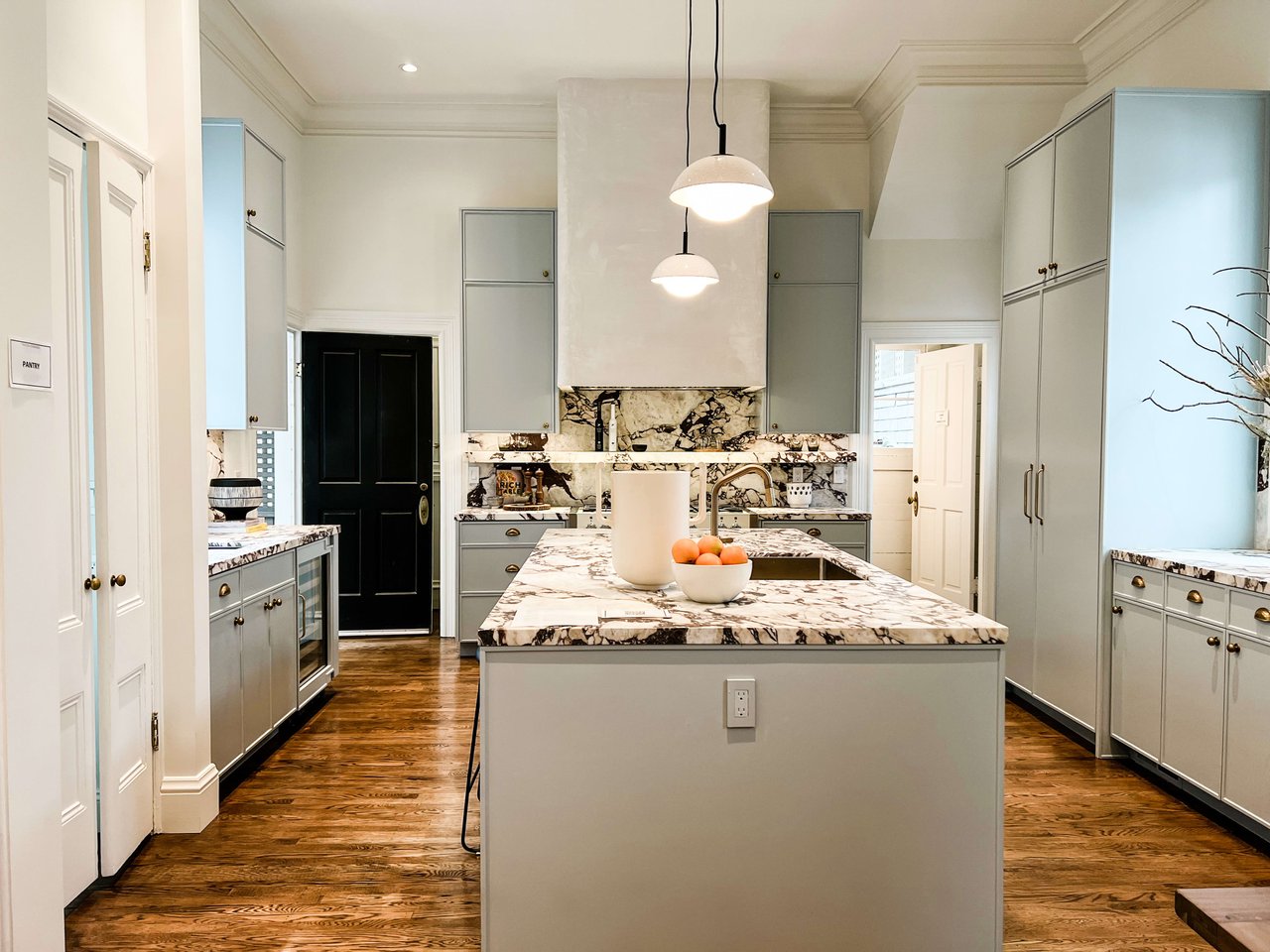
Some homes are compromised in ways the market is temporarily willing to ignore, and some are simply not worth the number it will take to win them. Others are genuinely difficult to replace. They have the right light, the right block, the right scale, the yard that actually connects to the living space, architecture that has not been stripped of its character or a view that cannot be recreated. Part of my job is knowing the difference.
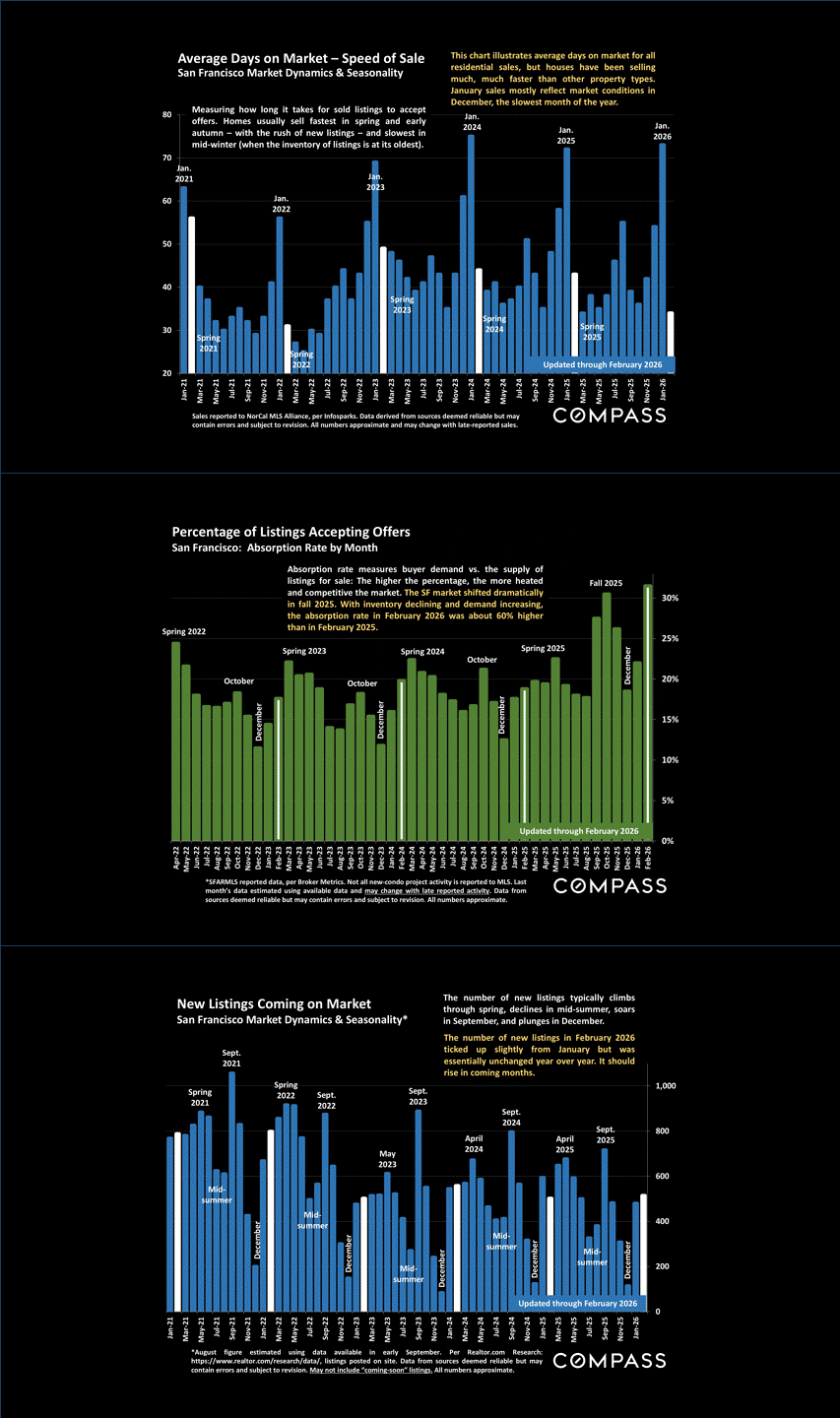
When those homes appear, there may not be another equally good version waiting the following weekend. Single-family homes averaged only twenty-one days on the market in June, which does not leave much time to begin deciding whether San Francisco is worth committing to after the house has already appeared.
Most sellers today with the most valuable properties and strongest equity positions were once sitting in exactly these conversations. Before they became sellers deciding among multiple offers, they were buyers wondering whether another fifty, one hundred thousand or several hundred thousand dollars was reckless, whether the competition had lost its mind and whether the home in front of them was worth doing something financially and emotionally uncomfortable.
Most no longer remember the discomfort with much accuracy. They remember the house, the years they lived there and what it eventually became worth. That is why the first decision matters so much. Once someone has decided they want to own a piece of San Francisco, the conversation becomes much simpler.
Is this the house worth acting on?
Source: Compass San Francisco Market Outlook, data through June 2026.