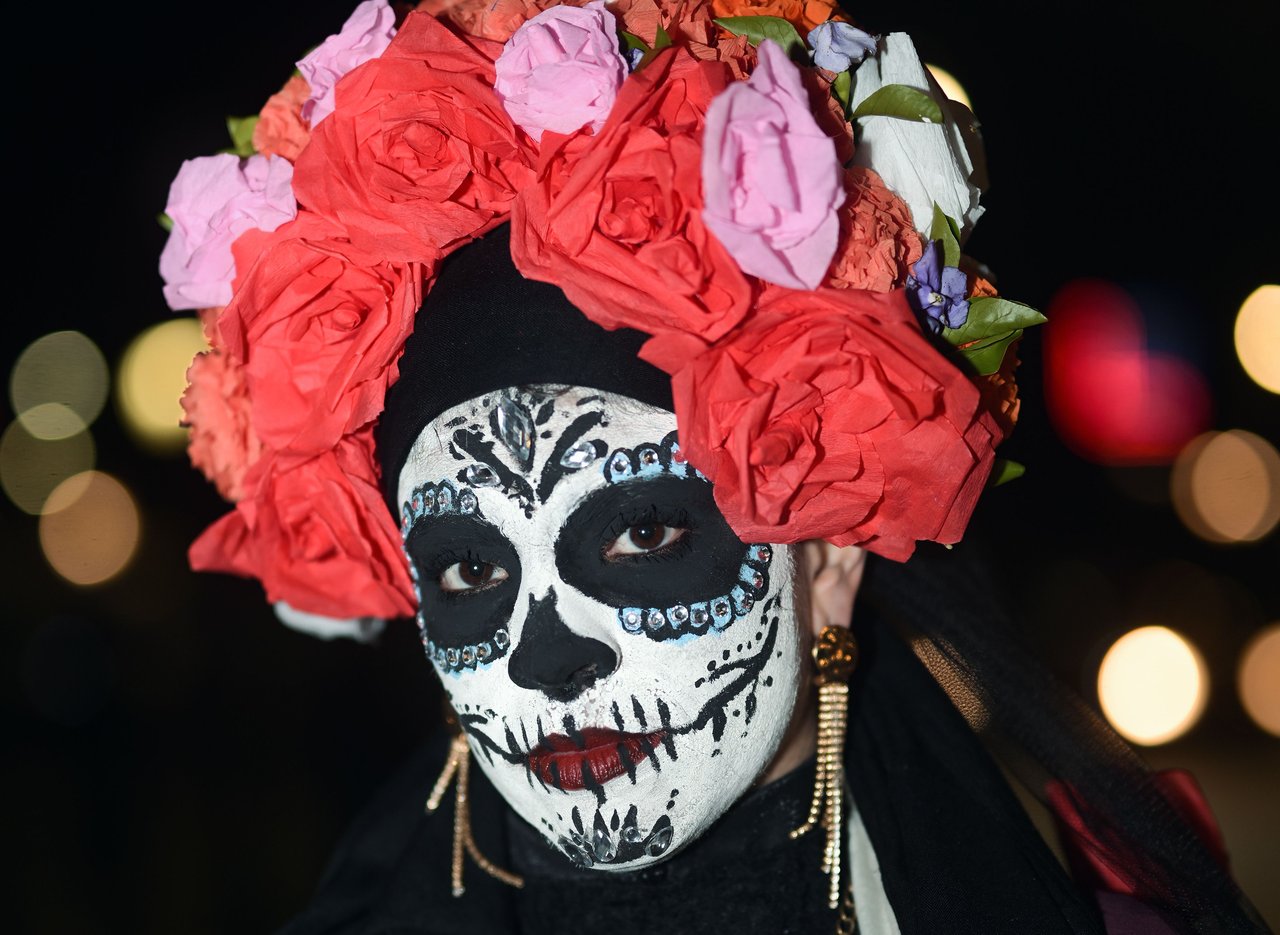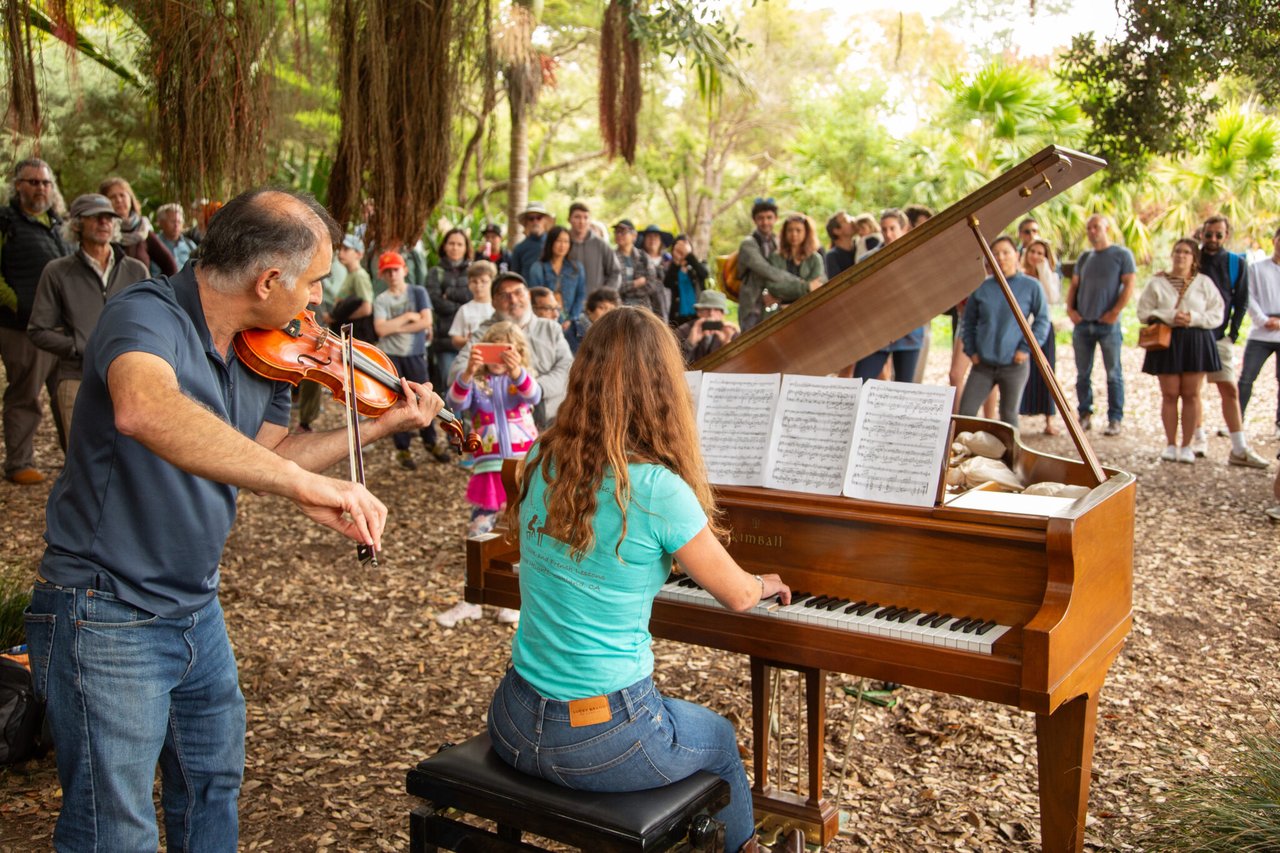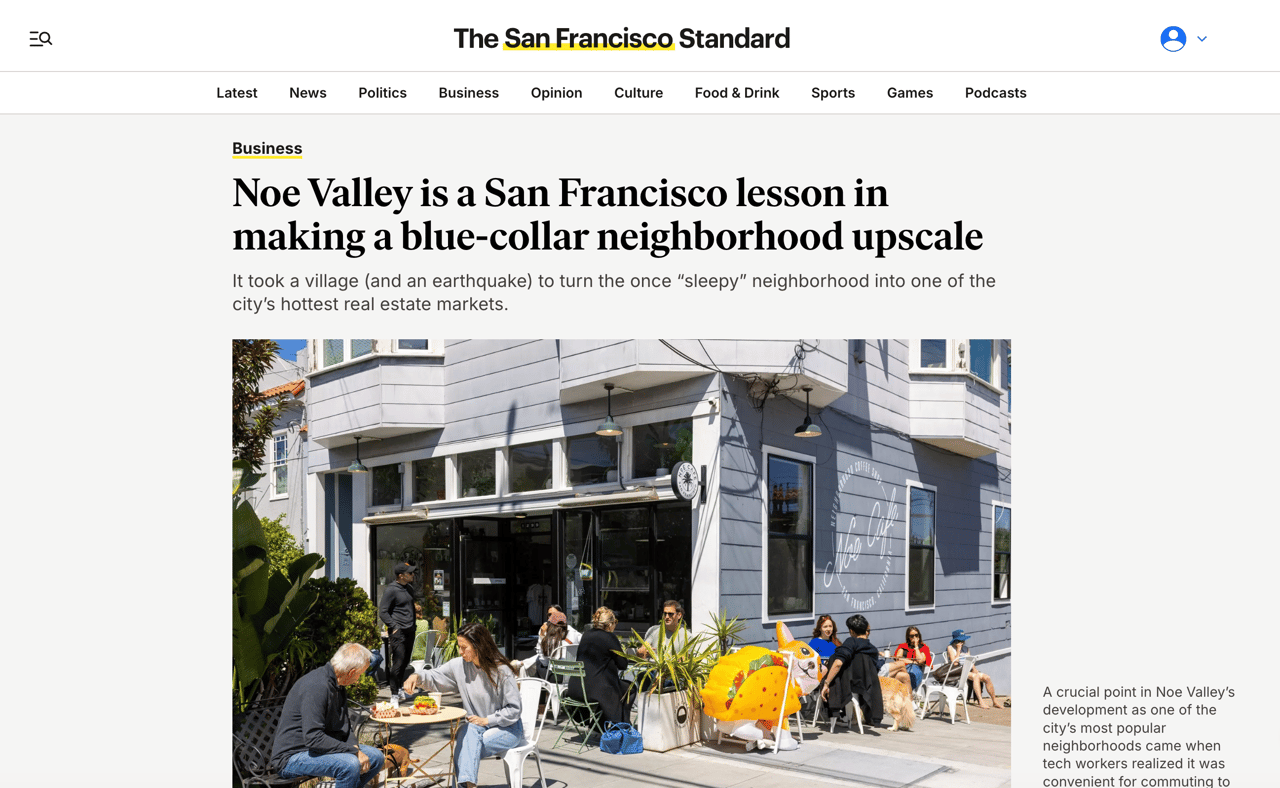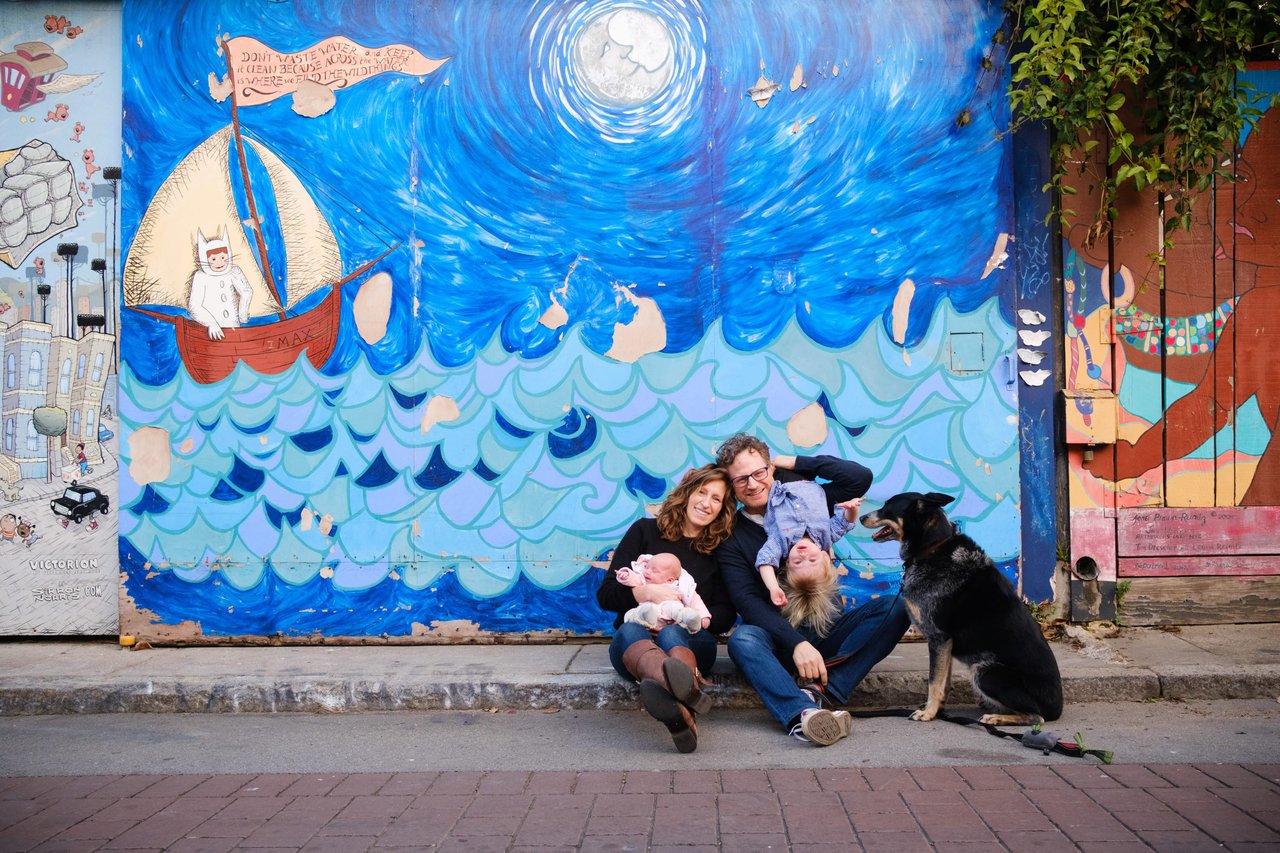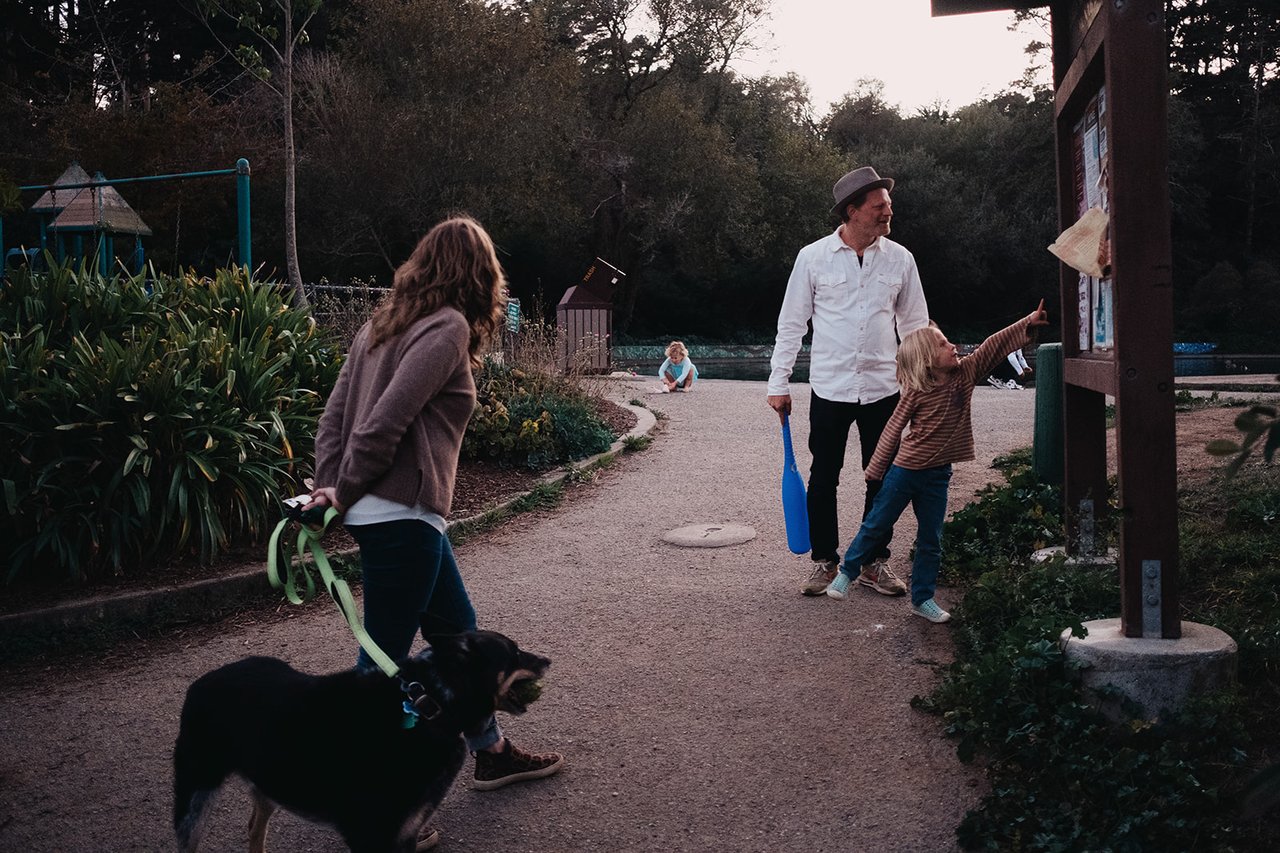
On the third Saturday of the month, Kern Street closes to cars and fills with folding tables: local makers, a DJ or a live band, a satellite bar poured out of Glen Park Station, and a corner set aside for face paint and chalk. On the first Saturday, the same neighborhood shows up half a mile away at the Greenway in work gloves, pulling weeds and hauling mulch, running on drip coffee from Andytown Coffee Roasters and whatever sandwich order got emailed around that week.
Both get called community events. The Night Market is grant-funded, while the Greenway work party is organized by volunteers.
Two Saturdays, Two Ways to Gather
That's useful to know if you already live here and have felt the block get busier this year without quite placing why. Glen Park's summer calendar includes two distinct gatherings, organized by different groups in the neighborhood.
The Glen Park Night Market on Kern Street is in its second season, funded by the citywide Civic Joy Fund and produced by Di Brito of ArtWalk SF, which also produces First Thursdays downtown. The Greenway work party is organized by neighbors and has a long-running history.
"It's been such a lively way to build community and boost Glen Park," the Glen Park Association reported, quoting its president, Heather World.
World was speaking about the Night Market; the Greenway work party has its own history of neighborhood participation.
What It Takes to Light Up Kern Street
The market runs the third Saturday of June through September, from 4 to 8:30 p.m., on Kern Street between Diamond and Brompton, a block back from Glen Park BART. In its first season, a Glen Park Association recap said the market drew more than 1,000 people a night. This year's dates were June 20, July 18, and August 15, with one left on the calendar: September 19.
None of it runs on ticket sales. The Civic Joy Fund covers the production, the Glen Park Association runs face painting and storytime with Princess Allegra, and Refuse Refuse, the neighborhood's anti-litter volunteer group, has kids paint what they call Butt Cans, a small joke with a real cleanup purpose behind it. Glen Park Station sets up a satellite bar for the adults. The Civic Joy Fund also supports night markets across the city.
The two events also differ in schedule, funding, organizers, and history.
Here's how those differences compare:
| Glen Park Night Market | Greenway Work Party | |
|---|---|---|
| Frequency | Third Saturday, June–Sept | First Saturday, most months |
| Funding | Civic Joy Fund grant | Donated goods, no grant |
| Run by | Di Brito, ArtWalk SF | Neighbor volunteers |
| Age | Second season (2026) | Long-running, no formal launch date |
The Greenway Work Party
The Greenway is a strip of reclaimed public land the neighborhood maintains block by block, and its monthly work parties are the kind of institution that only shows up in a search result if you already know to look for it. Volunteers meet, weed the Native Meadow, tend the Oak Woodland, and stop at noon for lunch. The roles are named and specific enough that they read almost like a small civic government: Nicholas Dewar oversees the Greenway itself, Carolyn Deacy and Marian Dalere run Refuse Refuse, Rāmon Clark represents the Glen Park Merchants Association, Evelyn Rose keeps the Glen Park Neighborhoods History Project, Beth O'Leary leads Glen Park Beautiful, and Sophie Constantinou looks after the Bernal Cut path along Arlington.
The next work party lands Saturday, September 12, pushed a week later than usual to avoid the Labor Day holiday. The group announced the change in advance.
Glen Park Beautiful marked the neighborhood's recently completed Bosworth pedestrian overpass with a community mosaic workshop. The neighborhood's volunteer work also sits alongside a separate pot of money: Glen Park won more than $65,000 in Avenue Greenlight grant funding this year for neighborhood improvement projects, on top of a city ordinance that waived two fees to help pay for a trash enclosure at the Harry Street Steps. These efforts involved grant funding, city action, and ongoing neighborhood participation.
Beyond the Saturday Calendar
Underneath both monthly calendars runs a third rhythm that doesn't wait for a Saturday at all. Bird & Beckett Books & Records, at 653 Chenery Street, stages something like 300 concerts and literary events a year under its nonprofit Cultural Legacy Project, several nights a week, with jazz sets running Saturdays from 7:30 to 10 p.m. There's no advance ticketing. You call ahead to hold a seat, bring cash, and can bring your own bottle.
The cover charge, typically around $20 for adults and less for students, doesn't fully cover what the shop owes the musicians. By its own account, in-store audiences cover only about 85 to 90 percent of direct payouts to the artists, and the shop also asks for donations to its nonprofit. The figure highlights the role of donations in supporting the shop's nonprofit programming.
The Glen Park Association's own news feed carried a quieter item this year: the death of Michael Rice, a former GPA president remembered for how his years of volunteering touched the library, Canyon Market, and the Greenway alike. It's a reminder that these community efforts are carried forward by people over time.
Reading the Two Clocks Together
The neighborhood calendar also includes one-off gatherings alongside recurring events and programming throughout the week. CUPPA, the boba shop at 2810 Diamond, hosted a "Boba with a Star" meet-and-greet with local police officers in June.
That's the real texture of Glen Park's summer: a market supported by a grant, a volunteer network, a bookstore with a nonprofit program, and one-off gatherings like CUPPA's meet-and-greet. Each contributes in a different way to neighborhood life.
If you're the kind of person who notices these seams, who's curious how a neighborhood like Glen Park, or its neighbor Bernal Heights along San Jose Avenue, actually holds together block by block, Brandi Mayo has spent years reading San Francisco at exactly this level of detail. Explore more of the city's neighborhoods on the Brandi Mayo neighborhood guide, or reach out directly when you're ready to talk about what any of it means for your own address.