If you are considering a condo or loft in San Francisco, SoMa and Mission Bay can look similar at first glance. Both offer dense urban living, access to transit, and a strong connection to downtown, yet the day-to-day experience can feel very different once you look closer. This guide will help you understand how each neighborhood is shaped, what high-rise living really means here, and which practical details matter most before you buy. Let’s dive in.
SoMa and Mission Bay at a glance
SoMa and Mission Bay sit next to each other, but they reflect two different versions of city living. SoMa grew from waterfront, railroad, warehouse, and light-industrial roots into a mixed-use district with housing, offices, entertainment, and converted live/work spaces. Mission Bay, by contrast, is a large planned redevelopment area built on former railyards with a more unified, modern feel.
That difference still shows up in the built environment today. SoMa tends to feel more layered and varied from block to block, while Mission Bay often feels more master-planned, open, and campus-like. If you are choosing between the two, it helps to think beyond the listing photos and focus on how the neighborhood functions around you.
What high-rise living means in SoMa
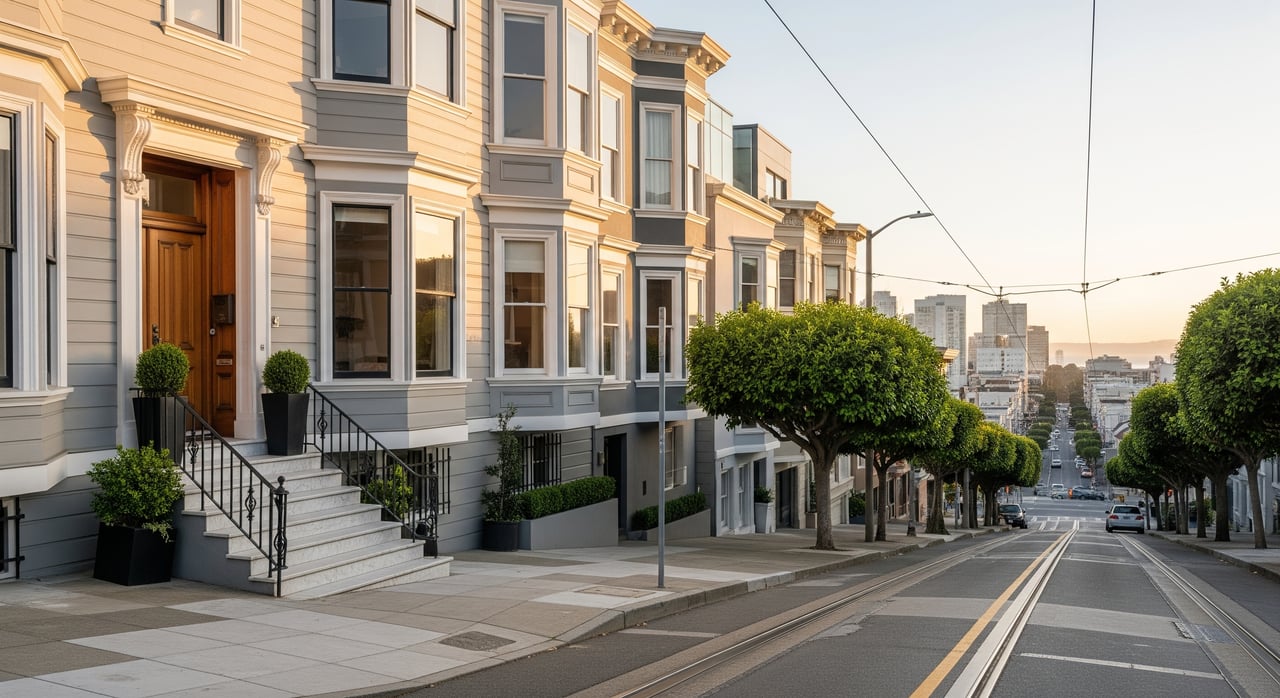
High-rise living in SoMa is not the whole story. Planning documents describe Central SoMa primarily as a mid-rise district, with many buildings in the 5- to 8-story range and taller towers concentrated at key nodes instead of spread evenly across the neighborhood. That means your experience can change significantly depending on the exact block.
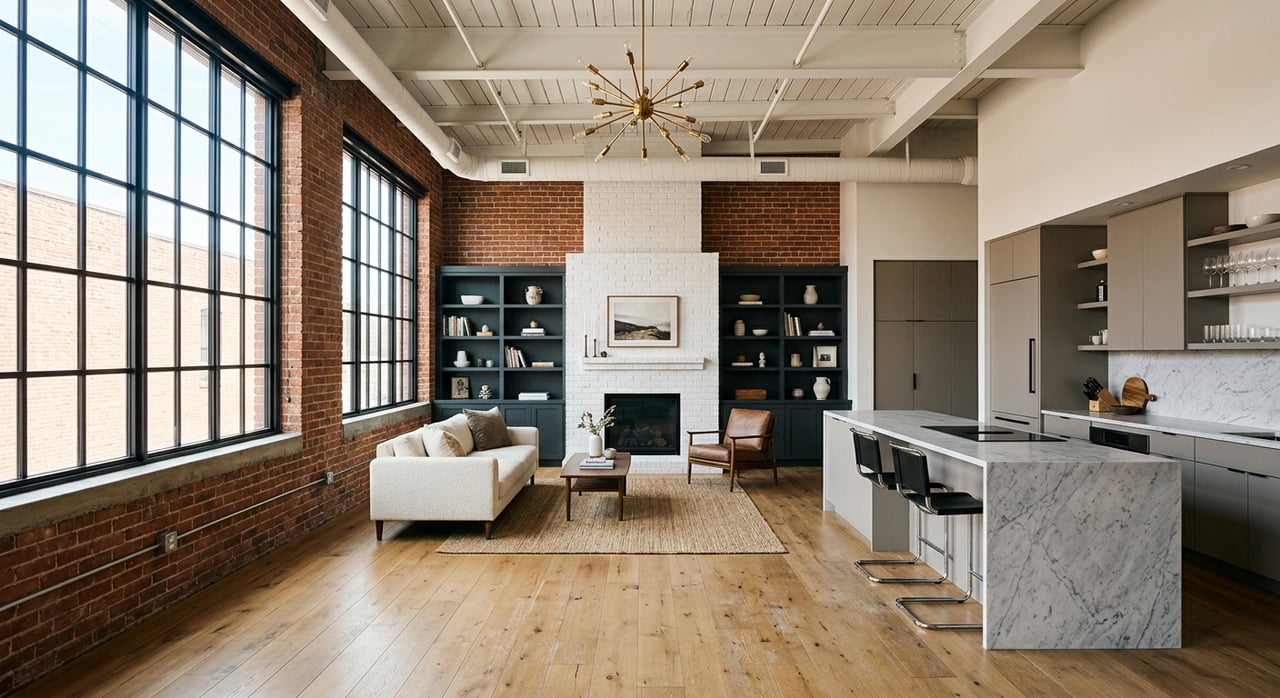
In many parts of SoMa, the housing mix includes older live/work buildings, converted warehouse spaces, condos, and newer residential development. Some buildings may look like classic lofts from the outside or inside, but that design style does not automatically mean a different ownership structure. In California, a loft-style home may still function legally as a condo within a common interest development.
SoMa feels more varied block to block
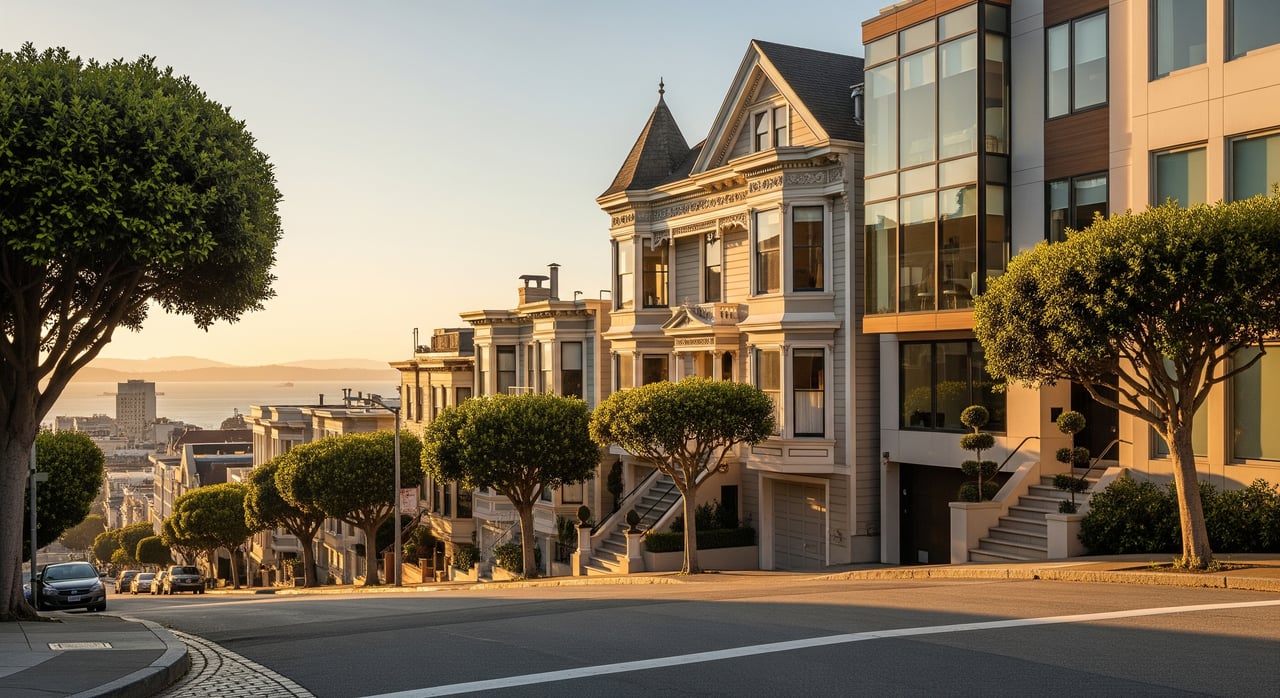
This is one of SoMa’s defining strengths. East SoMa is described in city planning documents as an eclectic mix of commerce, entertainment, and living space, while Western SoMa is shaped by larger blocks, an industrial street grid, and the live/work boom that took hold in the 1990s.
For you as a buyer, that means one building may feel polished and vertical, while another nearby may feel more warehouse-inspired or flexible in character. If design matters to you, SoMa offers more variation in form, scale, and architectural vocabulary than Mission Bay.
Not every SoMa home is a tower condo
Many buyers assume SoMa is wall-to-wall high-rise living, but the planning framework says otherwise. Towers are concentrated near major nodes such as the Caltrain and 4th-and-Townsend area and the Transbay edge, rather than spread uniformly through the district.
That matters because a SoMa home can deliver a very different lifestyle depending on whether you are in a mid-rise corridor, a loft-style conversion, or a taller full-service building. The broader label of “SoMa” does not tell you enough on its own.
What high-rise living means in Mission Bay
Mission Bay was planned very differently, and you can feel that in the neighborhood’s layout. It is a 303-acre transit-oriented redevelopment area that includes housing, parks, retail, office and biotech space, UCSF’s medical campus, and major venues like Chase Center. The result is a district that often feels newer, more open, and more intentionally organized.
That does not mean it is only a high-rise neighborhood. Mission Bay South includes tower development, but it also includes blocks of mid-rise and low-rise multifamily housing. Even so, the overall residential design tends to feel more standardized than SoMa, with a strong focus on light, open space, and shared amenities.
Mission Bay often feels newer and more uniform
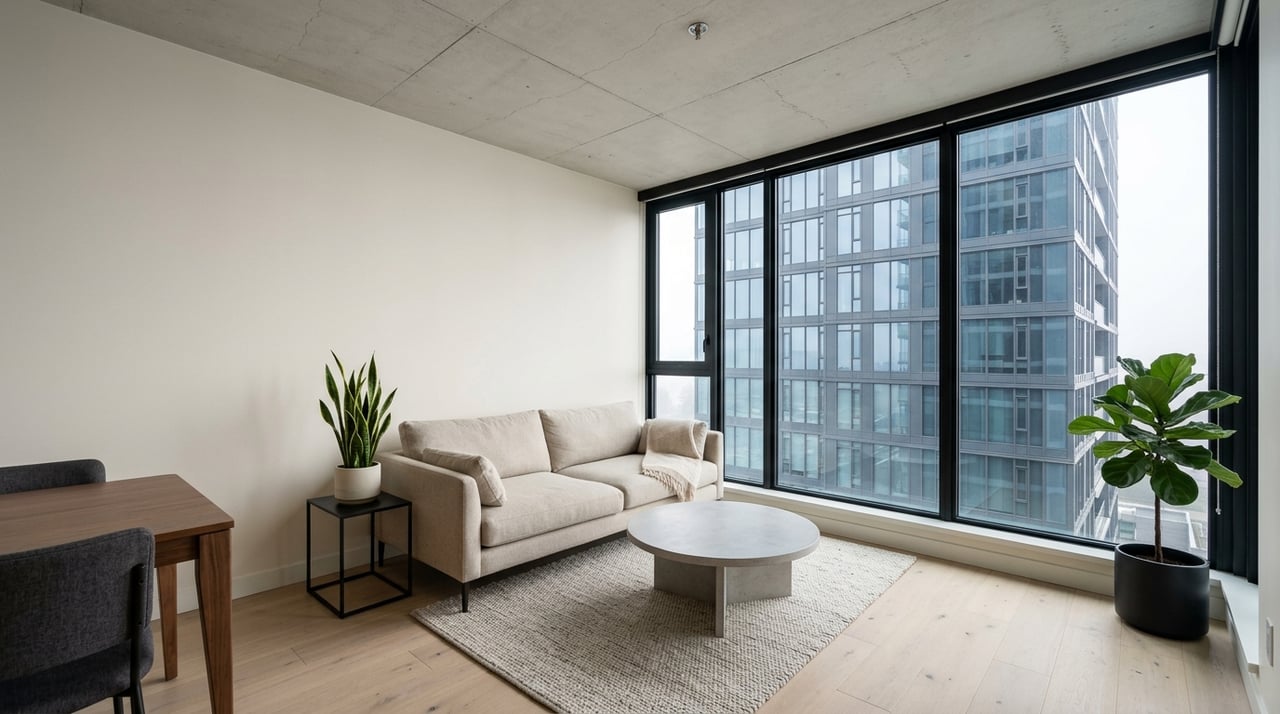
Mission Bay’s design guidelines call for private residential open space and allow features such as balconies, terraces, courtyards, decks, and roof terraces. The same standards emphasize sunlight access and orientation to the bay or channel, which helps explain why many newer buildings feel airy and view-conscious.
From a buyer’s perspective, that often translates to a more contemporary residential experience. Compared with SoMa’s warehouse and live/work legacy, Mission Bay usually reads as more polished, more planned, and more amenity-forward.
Mission Bay is more than condos
It is important to think of Mission Bay as a mixed-use neighborhood, not just a condo district. Along with residential buildings, it includes UCSF, retail along 4th Street, office and biotech uses, hotels, and major public destinations.
That mix creates energy and convenience, but it also shapes the rhythm of the neighborhood. In a place where housing, work, health care, transit, and entertainment all overlap, your daily experience will be closely tied to activity patterns beyond your own building.
Transit is central in both neighborhoods
If you are drawn to SoMa or Mission Bay, transit access is likely part of the appeal. In East SoMa, buses and light rail run along Mission, 3rd and 4th Streets, and the Embarcadero, with connections to 4th & King Caltrain and Market Street BART stations. In Mission Bay, the T-Third line, Caltrain access, UCSF shuttles, and the free Mission Bay Shuttle all support daily movement.
This is one of the biggest lifestyle advantages of both neighborhoods. If you commute downtown, connect to regional transit, or prefer to move through the city without depending heavily on a car, both areas offer strong infrastructure for that pattern.
A car-light lifestyle is often the norm
In these neighborhoods, transit is not just a bonus. It is often part of how the neighborhood is designed to work. That is especially true in Mission Bay, where public and shuttle access plays a major role in connecting homes to transit hubs and major institutions.
If you are comparing buildings, it is worth looking closely at your actual walking route to transit, not just the map distance. A well-placed building can change your daily routine far more than a longer list of amenities.
Event days can shape daily life
One of the most practical realities of living in SoMa or Mission Bay is that event-day conditions are part of normal life. Oracle Park and Chase Center draw large crowds, and transportation agencies specifically note traffic changes, shuttle delays, limited parking, and street closures tied to major events.
For some buyers, that energy is part of the appeal. For others, it can become a meaningful quality-of-life issue, especially if you are sensitive to congestion, noise, or unpredictable ride-share timing.
Parking may be more limited than you expect
Mission Bay transportation guidance notes that parking is limited, driving alone is highly discouraged during major events, and only two public parking garages serve the neighborhood. It also notes dynamic meter pricing and higher rates during Giants games and other special events.
Near Oracle Park, SFMTA closes eastbound King Street during game traffic. If you expect frequent driving, regular guest parking, or easy curb access, this is the kind of real-world detail that deserves attention before you commit.
UCSF and job centers influence the atmosphere
Mission Bay is not only residential. UCSF Mission Bay has a daily population of about 3,500 and more than 1 million square feet of research space, which creates a strong daytime presence in the neighborhood. South of Market and into Mission Bay, the city also points to growing office and industry clusters.
That concentration helps explain why these areas appeal to health-care workers, biotech professionals, and downtown commuters. It also means the streetscape can feel active even outside traditional residential hours.
HOA details matter in both areas
Most high-rise condos and lofts in SoMa and Mission Bay are common interest developments. In practical terms, that means you own your unit or airspace while sharing rights in common areas, and HOA membership is automatic. The HOA typically enforces the governing rules, collects dues, and is run by an elected board.
This is one of the most important areas for buyer due diligence. A warehouse-style loft, a glassy tower residence, and a more standard condo can all carry very similar HOA obligations even if they present very differently.
What to review before you buy
California guidance says buyers in common interest developments should receive a public report and governing documents. Those materials can cover utilities, roads, zoning, use restrictions, hazards, financial arrangements, assessments, unpaid charges, fines, and pending fee changes.
Reserve funding also matters. Reserve studies estimate the long-term cost of repairing and replacing major common-area components, which makes reserve health one of the clearest indicators of how a building is planning for future expenses.
How to choose between SoMa and Mission Bay
The right fit often comes down to how you want your home and neighborhood to feel. SoMa may appeal to you if you like a more varied urban fabric, loft character, and a neighborhood that changes noticeably from block to block. Mission Bay may be a better match if you prefer newer buildings, a more planned setting, and easier access to open space and institutional anchors.
Neither neighborhood is one thing. In both areas, the exact building, block, transit access, HOA structure, and event-day conditions will shape your experience more than the neighborhood name alone.
If you are weighing a loft against a full-service condo, or a SoMa address against a Mission Bay tower, a design-aware, block-by-block review is often where clarity comes in. If you want help comparing the tradeoffs and finding the right fit for your lifestyle, Brandi Mayo can help you navigate San Francisco with a more informed eye.
FAQs
Is SoMa only high-rise living in San Francisco?
- No. Planning documents describe a mix of housing types in SoMa, including live/work spaces, warehouse-derived homes, mid-rise buildings, and towers concentrated in key locations.
Is Mission Bay only condos in San Francisco?
- No. Mission Bay is a mixed-use district with housing, UCSF, retail, office and biotech uses, hotels, parks, and major venues such as Chase Center.
What affects daily life most in SoMa and Mission Bay?
- Transit access, event-day congestion, parking availability, HOA rules, and the amount of shared open space tend to shape everyday living most directly.
Do loft-style homes in SoMa still have HOA dues?
- They can. A loft-style home may still be a condo or other common interest development with HOA dues and governing documents, even if the architecture feels more industrial or warehouse-inspired.
Why should buyers review HOA reserves in San Francisco high-rises?
- Reserve funding helps show how a building is planning for long-term repair and replacement costs for common-area components, which can affect future financial stability and ownership costs.