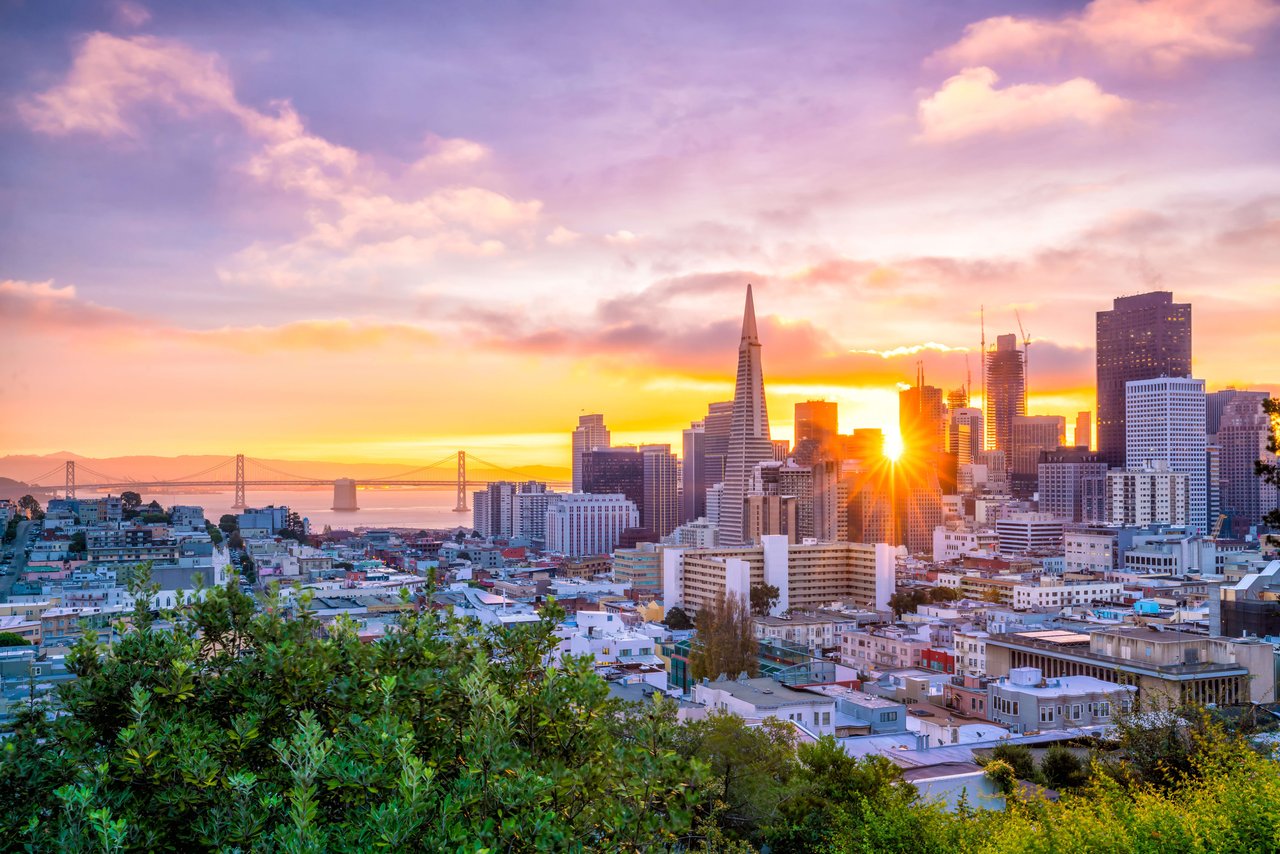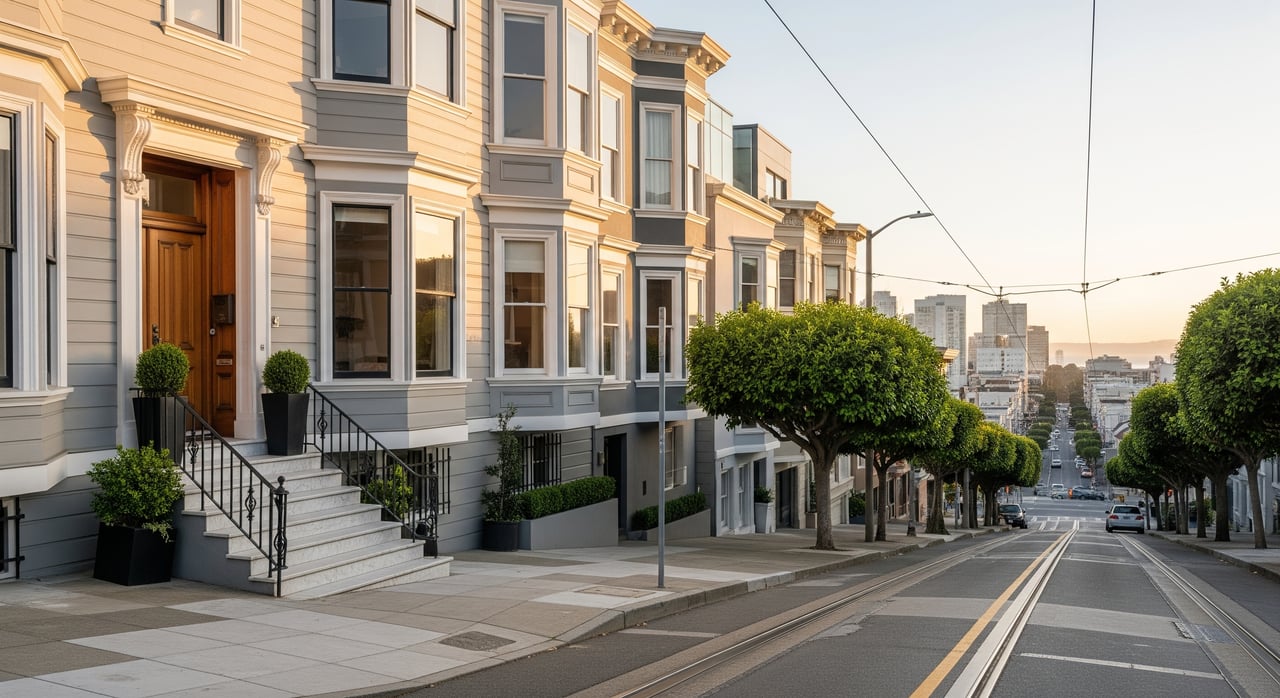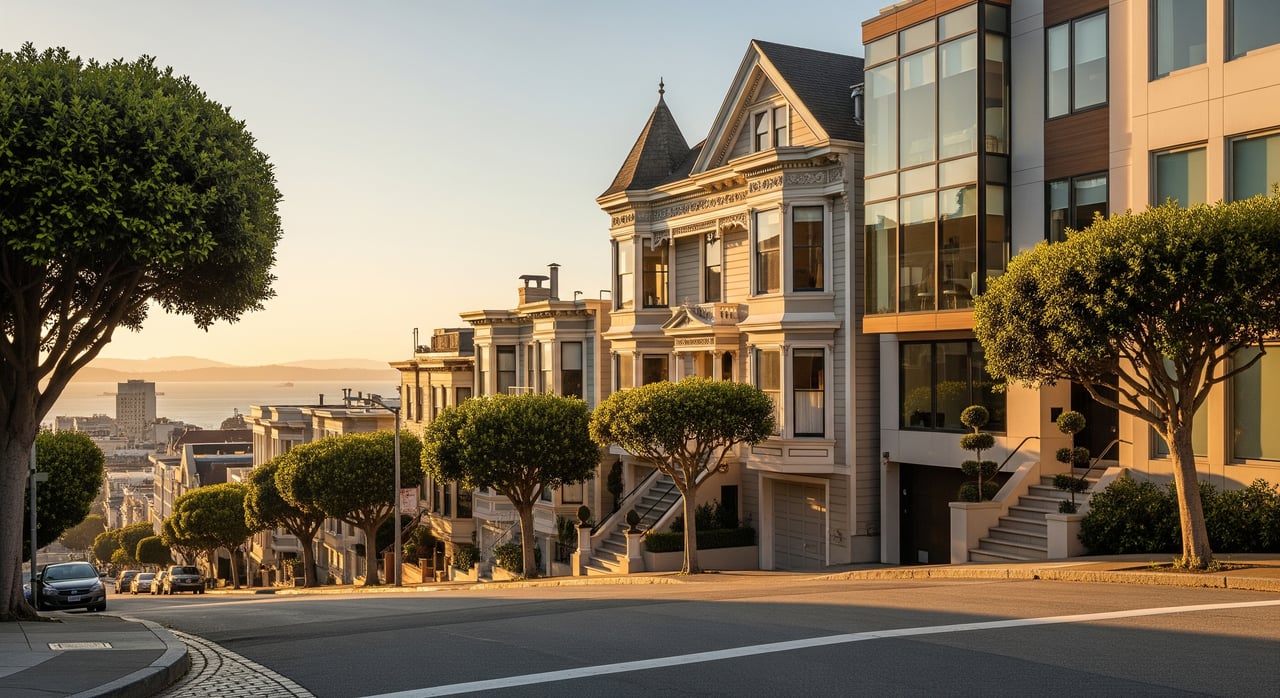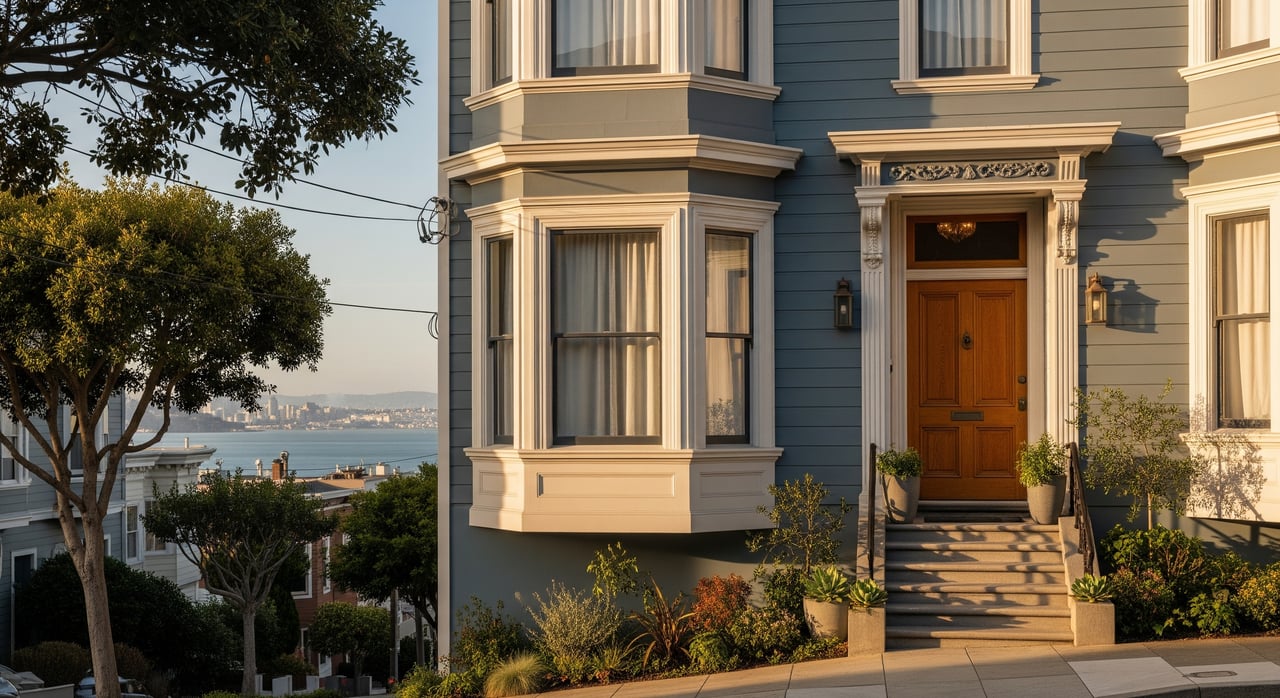
Photo by Leo Korman on Unsplash
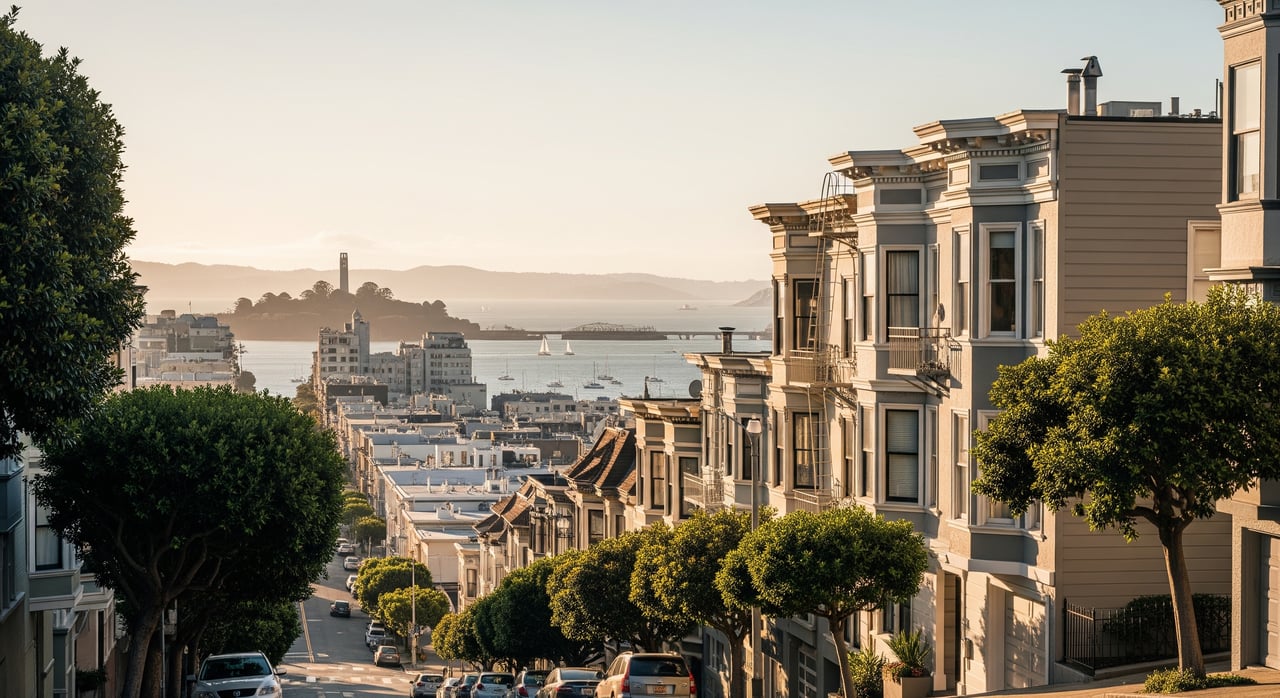
Every once in a while, I'll mention to someone who doesn't live in San Francisco that we keep running into friends all over the city, and they look at me like I'm describing a small town. In some ways, I am.
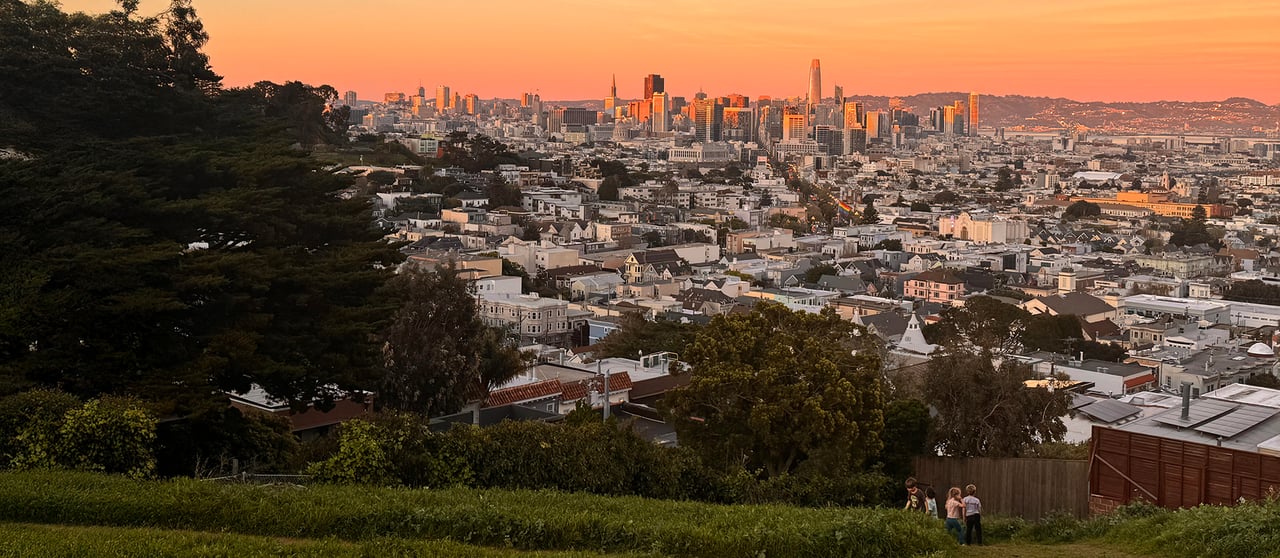
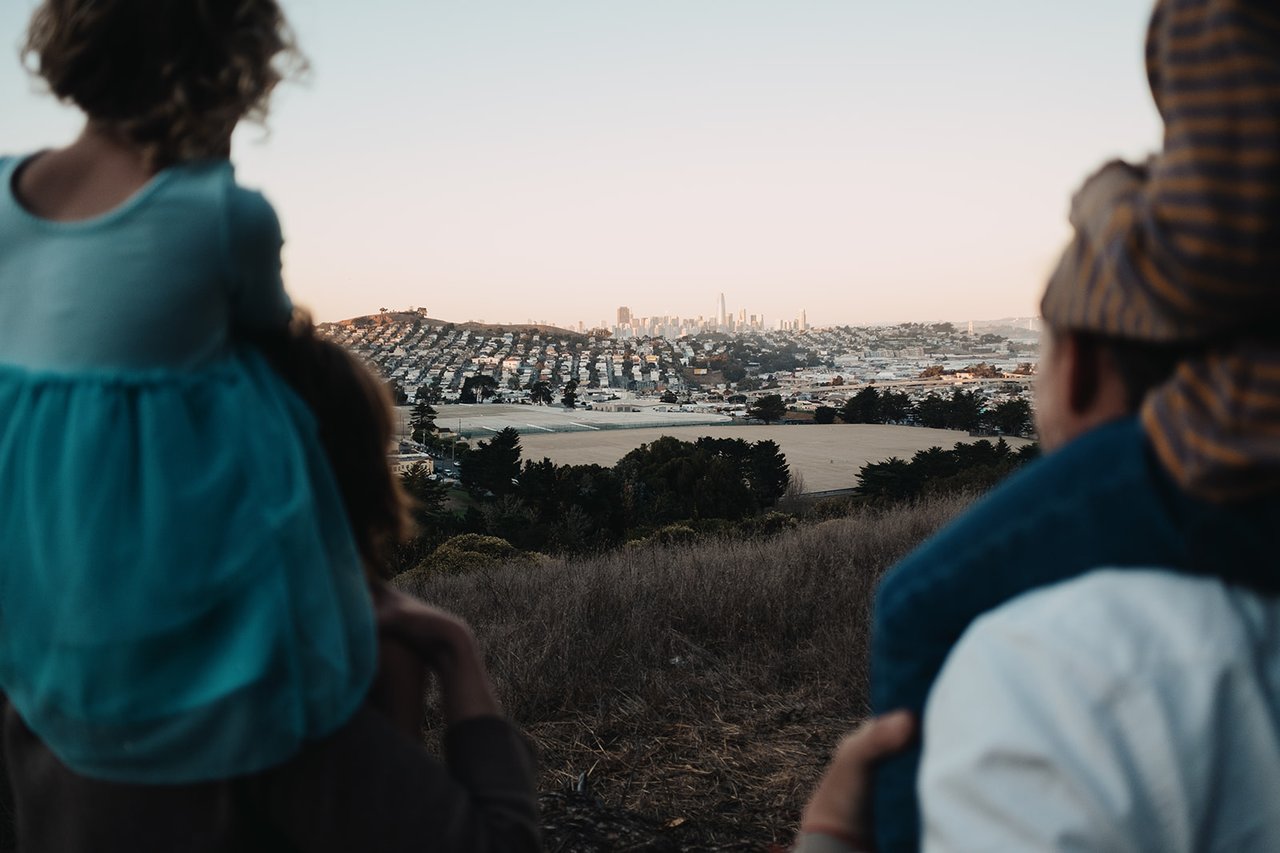
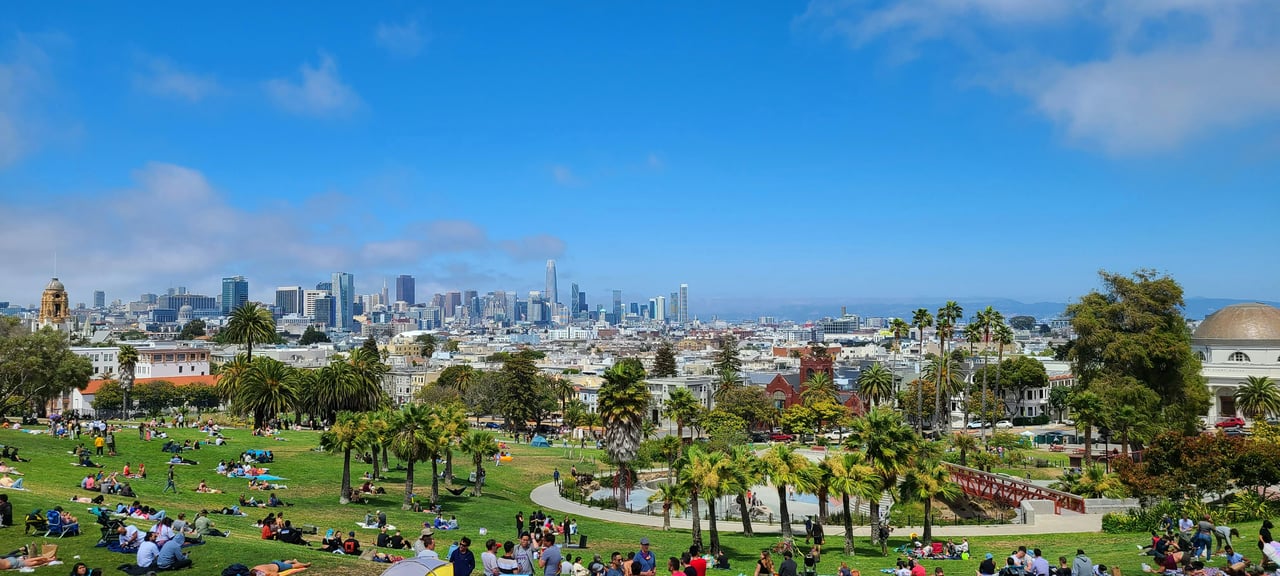
Last Saturday we had barely settled into Dolores Park with out-of-town friends before we saw friends from karate. A little later, friends from our congregation wandered by. The kids disappeared together, the adults caught up, and before long, three completely different parts of our lives had converged on the same patch of grass. It wasn't planned, and it wasn't remarkable. In fact, it probably would have been more surprising if we hadn't seen anyone we knew.
None of us thought much of it because this happens all the time. We'll head to Crissy Field, the Ferry Building, a Valkyries game or dinner on Cortland Avenue and, somewhere along the way, run into someone we know. Sometimes it's a school family, sometimes a client, sometimes a neighbor or someone we haven't seen in years. Matt and I laugh about it because we've almost stopped being surprised.
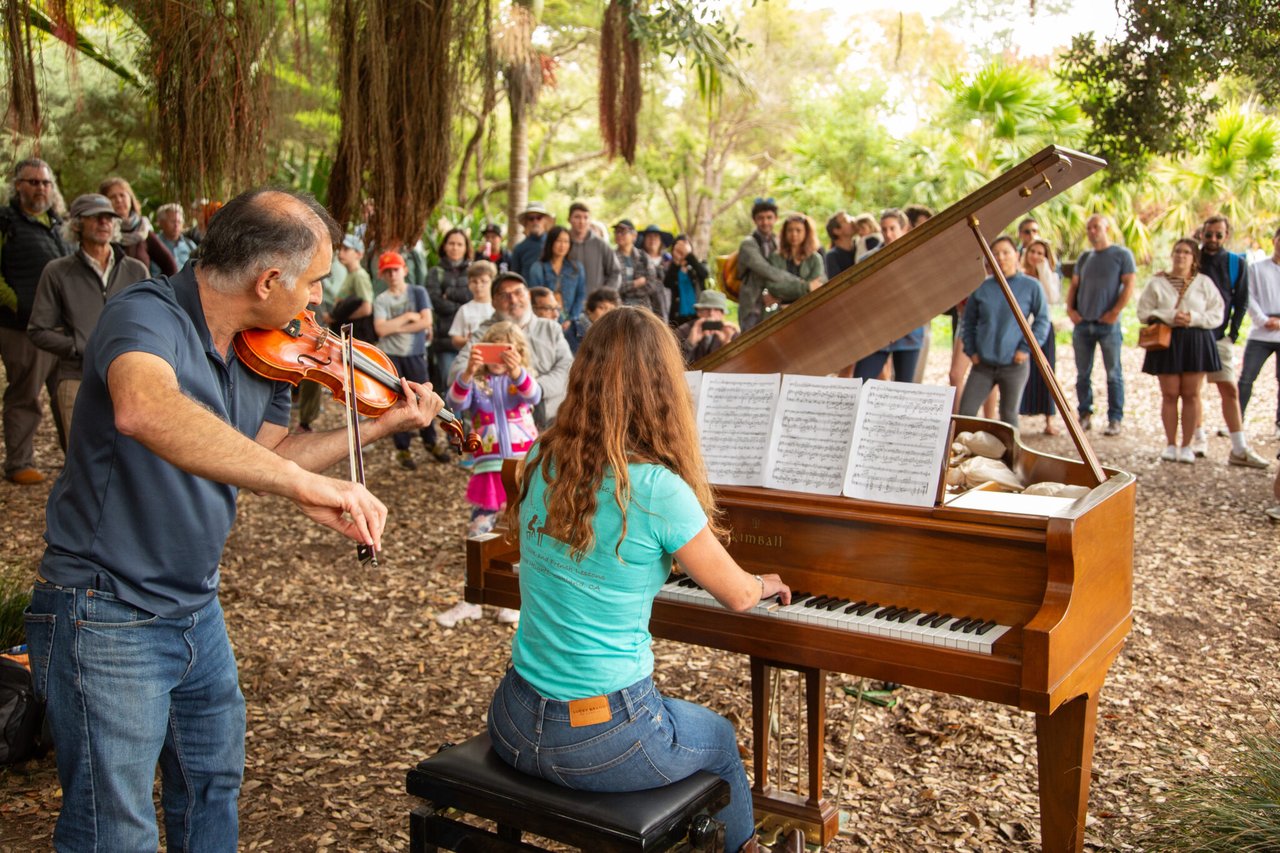
For a long time, I assumed it was because we happened to know a lot of people. Maybe that's part of it. But over the years, I've come to think it's also because San Francisco has an unusually strong culture of shared public life. There are private clubs here, of course, and plenty of people disappear into them, but much of the city's social life still happens in public. The same parks, neighborhood streets, coffee shops, farmers markets and restaurants keep putting people in one another's path until those chance encounters stop feeling like chance.
That is one of the things people outside San Francisco often misunderstand about this city. Depending on who is telling the story, San Francisco is either a city that has become too expensive to sustain real culture or one where technology and wealth have replaced it. It's portrayed as a place where people come to build companies, work impossibly hard and eventually leave.
This is one of the wealthiest cities in the world, but it's also one of the least performative. Wealth exists here, but it rarely seems interested in announcing itself, as if the city had quietly decided that display was beside the point. Someone standing in line for coffee may have sold a company for hundreds of millions of dollars, and no one around them would know. The children playing together at the park may come from entirely different financial realities. A founder, an architect, a teacher and a young engineer are just as likely to end up sharing the same patch of grass in Dolores Park on a Saturday afternoon.
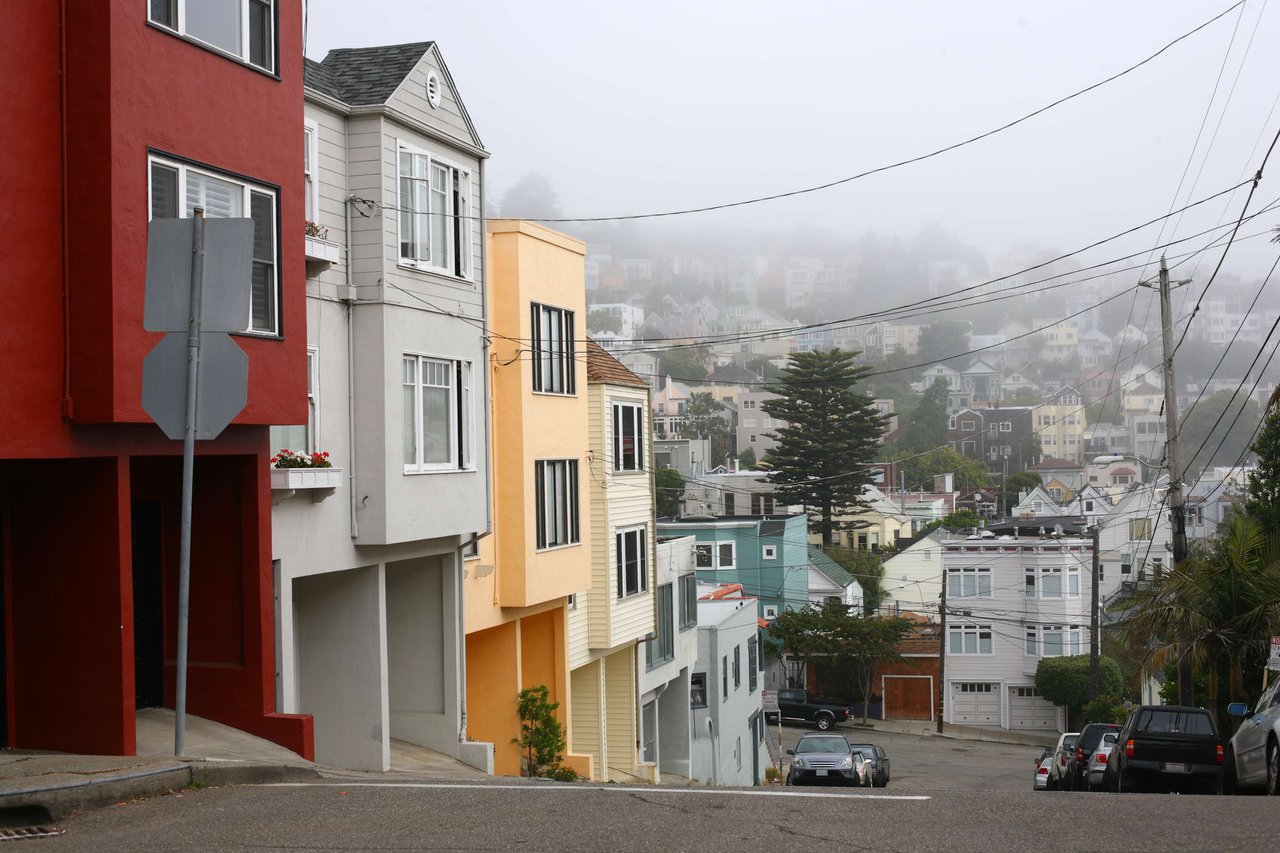
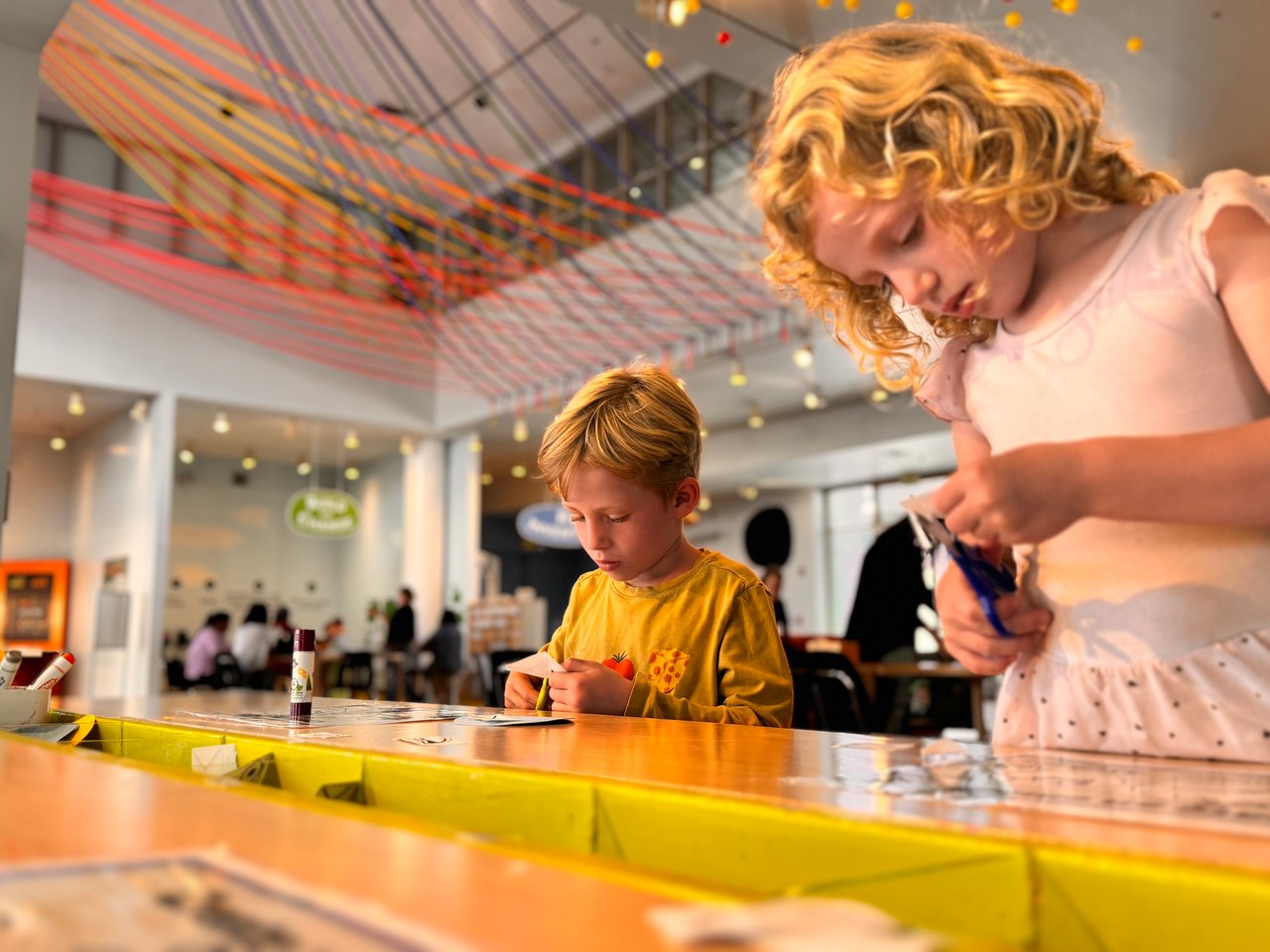
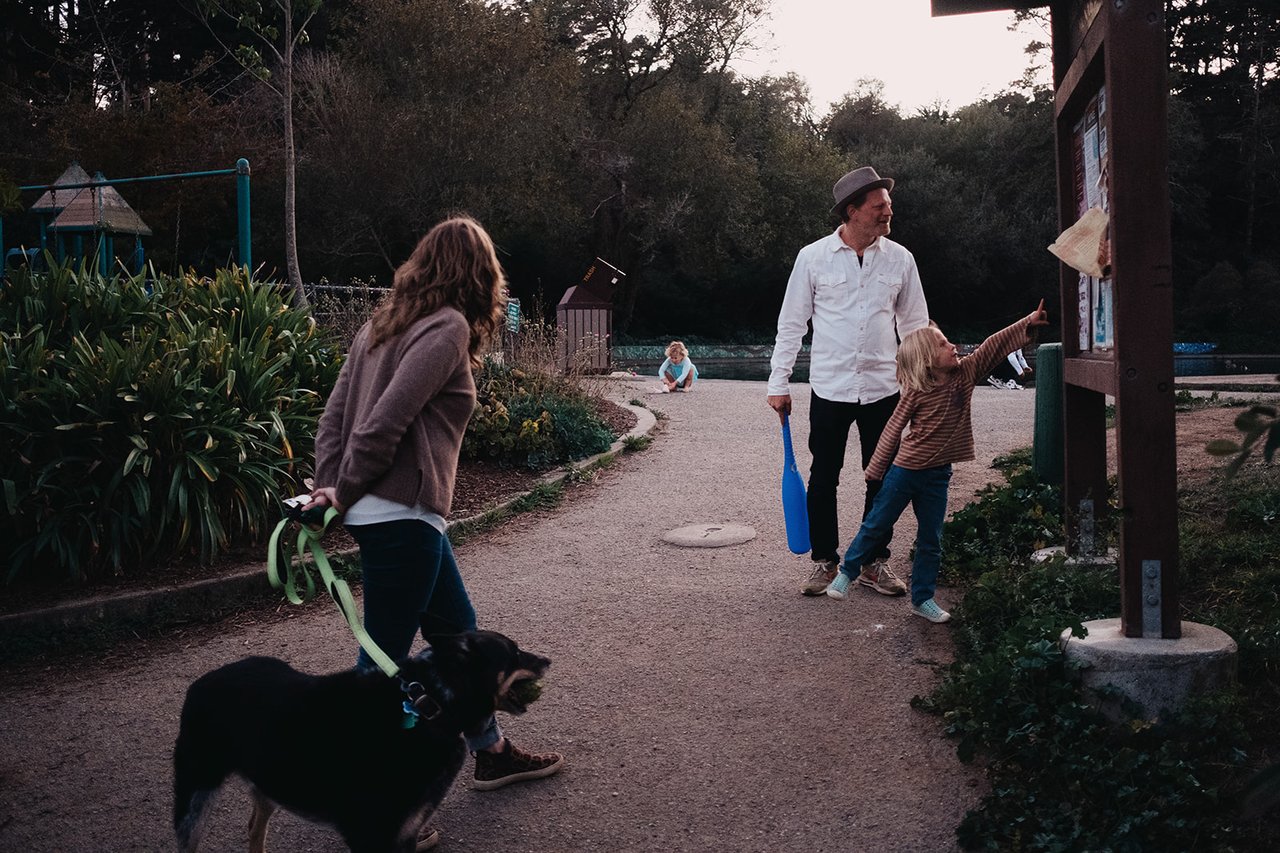
The city keeps bringing people who might never otherwise meet into the same places. The parks, neighborhood commercial corridors, cafés and restaurants aren't simply amenities; they're where life happens. School families become park families, clients become friends, someone from the kids' dance class reappears at the Exploratorium, and someone from our neighborhood in Portola introduces me to someone I later work with in Pacific Heights.
Looking back, a surprising number of the relationships that have shaped our life here didn't begin intentionally at all. We just kept running into the same people until they slowly became part of our lives.
People often describe San Francisco as a collection of neighborhoods, but I don't think that's quite right. It's a collection of communities that keep intersecting.
That's what makes the city feel so different from other affluent places. The money is here. It just isn't the first thing the city asks you to notice. Status isn't reliably legible from the car someone drives, the clothes someone wears or even the restaurant where they're having dinner. Much of San Francisco's culture still depends on people occupying the same spaces without announcing exactly who they are.
By the time we left Dolores Park, those three separate parts of our life had folded into a single afternoon. What stays with me now isn't that it happened, but that the city so easily allowed it: a founder, a teacher, a congregation friend and my kids all sharing the same grass, none of them asked to declare who they were. A city this wealthy has every reason to sort itself by status, and mostly it just doesn't. That quiet refusal, so sure of itself that it never has to say so, may be the most San Francisco part of all.