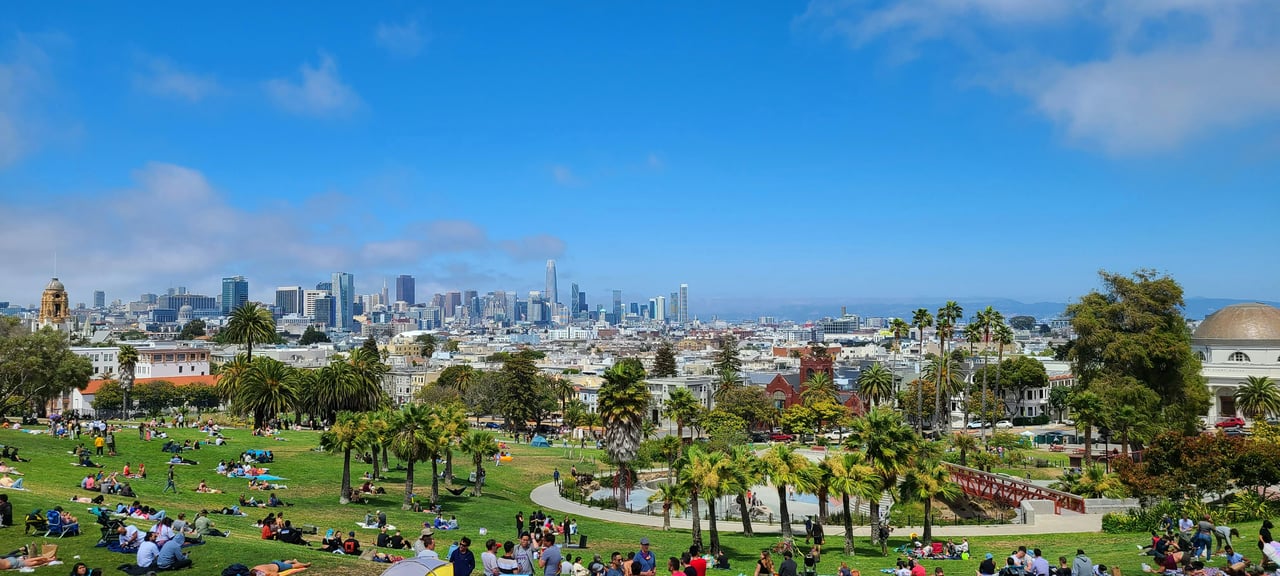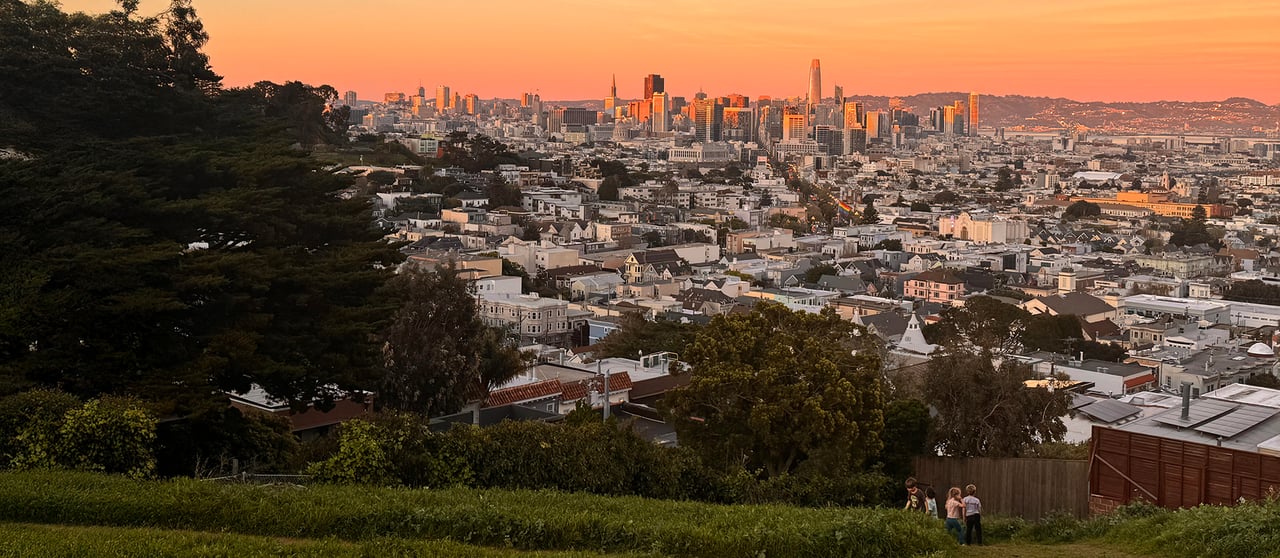
If the Mission feels like several neighborhoods in one, that is because it often reads that way on the ground. In a relatively compact part of San Francisco, you can move from busy mixed-use corridors to preserved Victorian blocks to hillside streets shaped by views and gardens. If you are trying to buy or sell here, understanding those micro-area differences can help you read value, lifestyle fit, and housing style more clearly. Let’s dive in.
Why the Mission Changes So Quickly
The Mission sits on a sheltered valley floor and is known for some of San Francisco’s sunniest weather. Much of its housing dates to the streetcar-suburb era of the 1870s and 1880s, which helps explain why the area has such a layered physical character.
Planning history also matters. Broadly speaking, the northern Mission was largely rebuilt after 1906, while the southern Mission retained more of its earlier residential fabric. That split helps explain why one stretch may feel denser and more urban, while another feels more traditionally residential or distinctly hillside in character.
For you as a buyer or seller, this means the Mission is not one simple housing story. It is better understood as a collection of micro-areas, each with its own building pattern, street feel, and relationship to outdoor space.
Valencia Corridor Housing Style
The Valencia corridor is the most urban slice of the Mission discussed here. Planning documents describe Valencia as a secondary commercial corridor with a long history tied to retail, services, and industry, and the city also treats it as an important neighborhood collector and principal bicycle arterial.
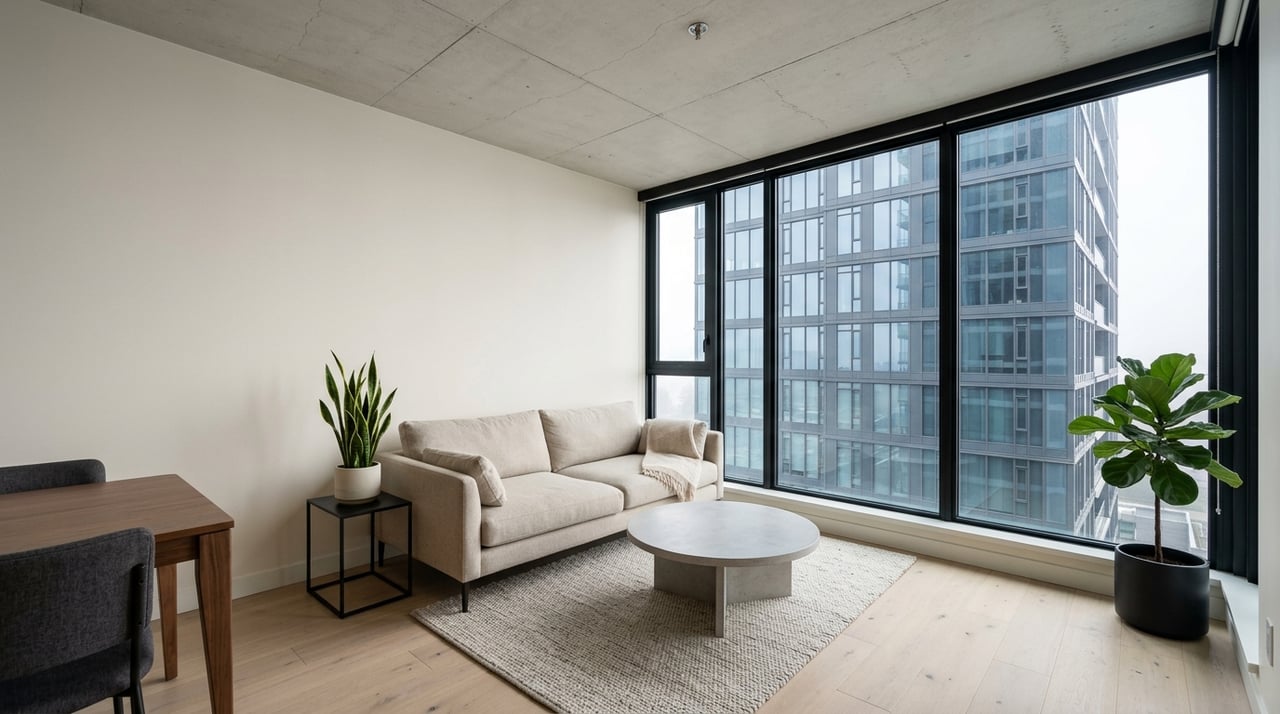
In housing terms, this usually means mixed-use buildings, flats, apartments, and residential-over-commercial layouts rather than detached homes. If you are looking here, you are more likely to encounter buildings that prioritize walkability and street access over private yard space.
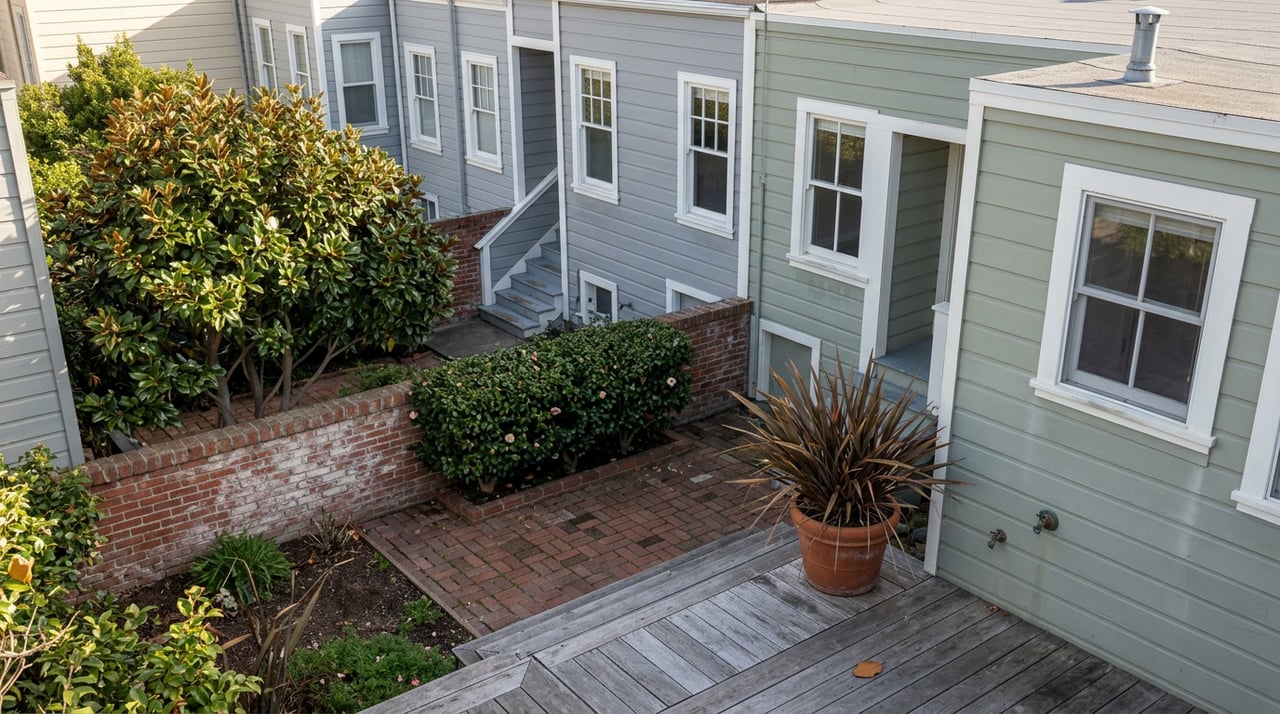
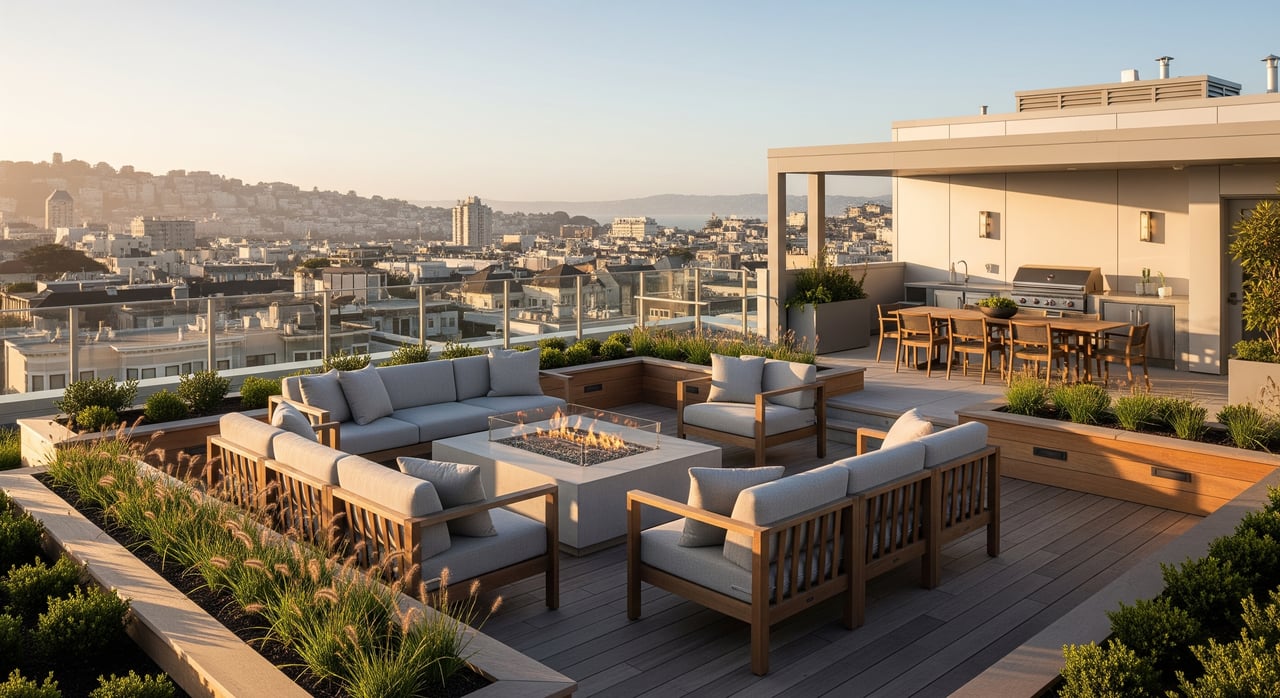
Outdoor areas in this pocket tend to be compact and efficient. Think small rear patios, shared courtyards, roof decks, or modest setbacks rather than expansive private outdoor living.
Who Valencia Often Fits Best
If you want the Mission’s most active street experience, Valencia is often the clearest match. This pocket is especially appealing if your priorities include easy access to restaurants, shops, and transit, and if you are comfortable with a more urban residential setting.
From a housing-style perspective, Valencia often attracts buyers who value location and energy over traditional house-like separation. For sellers, presentation matters here too, especially when highlighting light, layout, and any usable outdoor space in a denser built environment.
Liberty Hill Housing Style
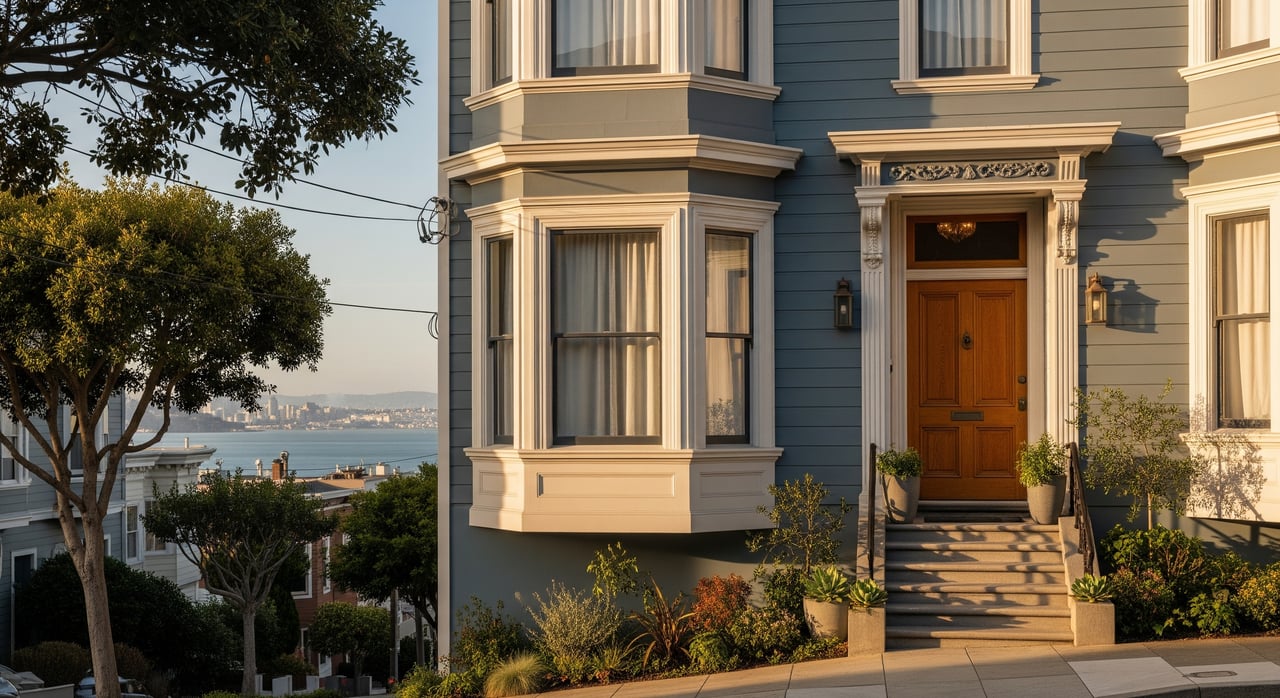
Liberty Hill is one of the Mission’s most distinct historic pockets. It is an official historic district of roughly 10 blocks and 293 buildings, bounded roughly by Mission, Dolores, Twentieth, and Twenty-second Streets.
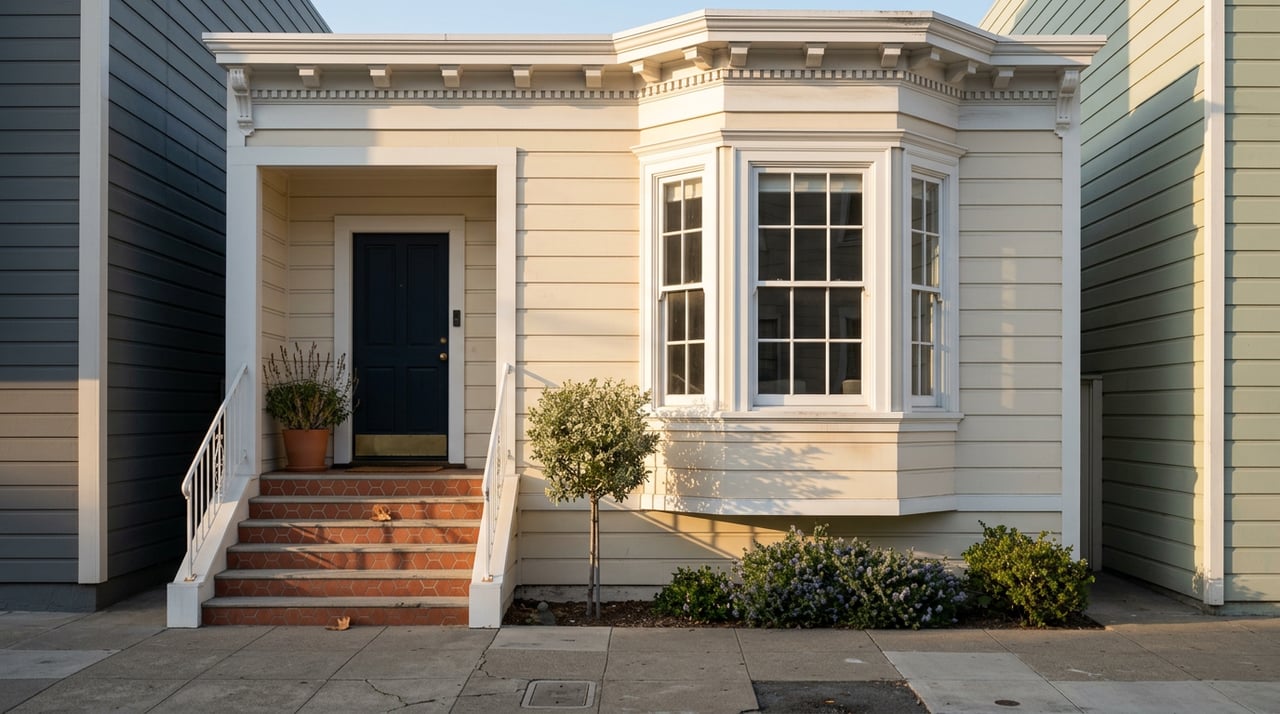
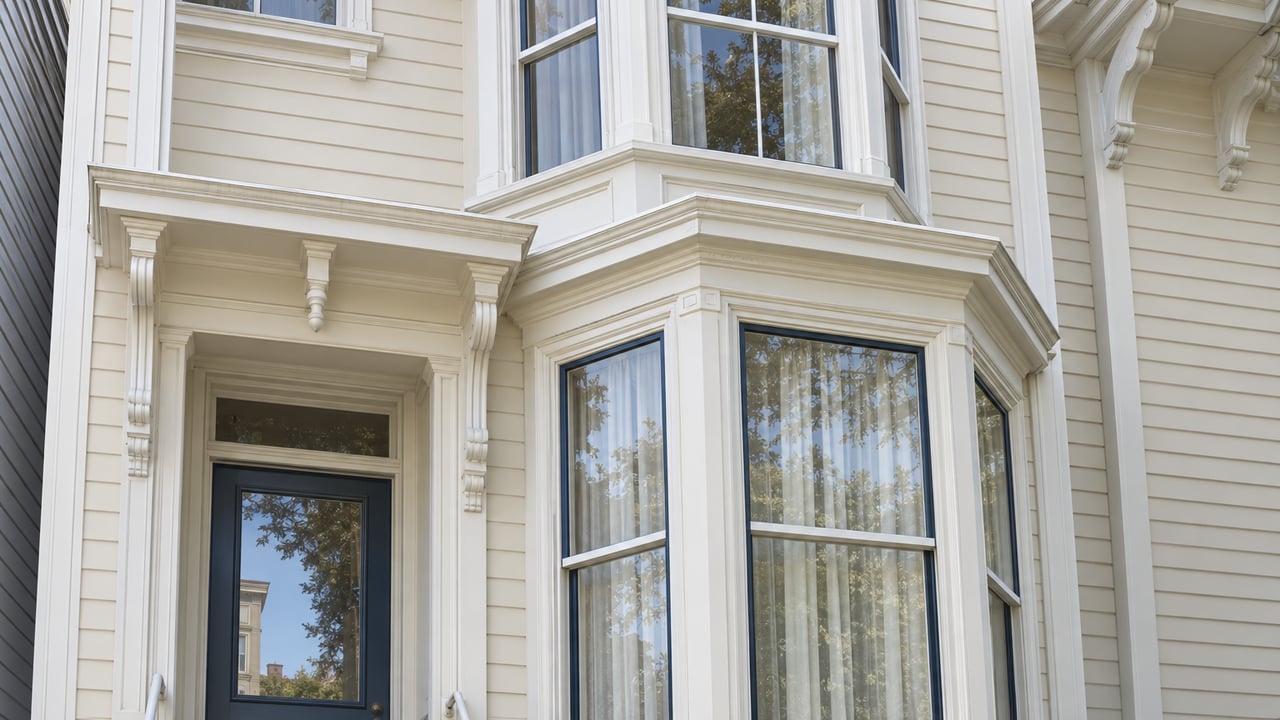
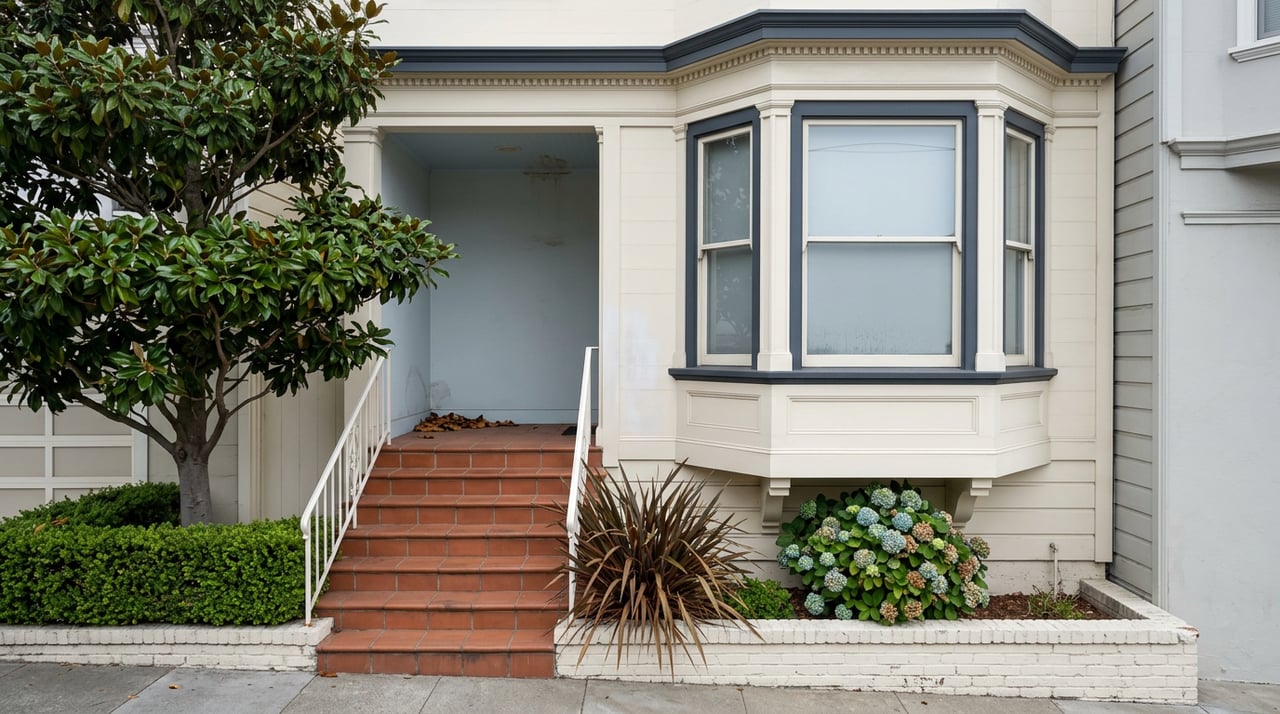
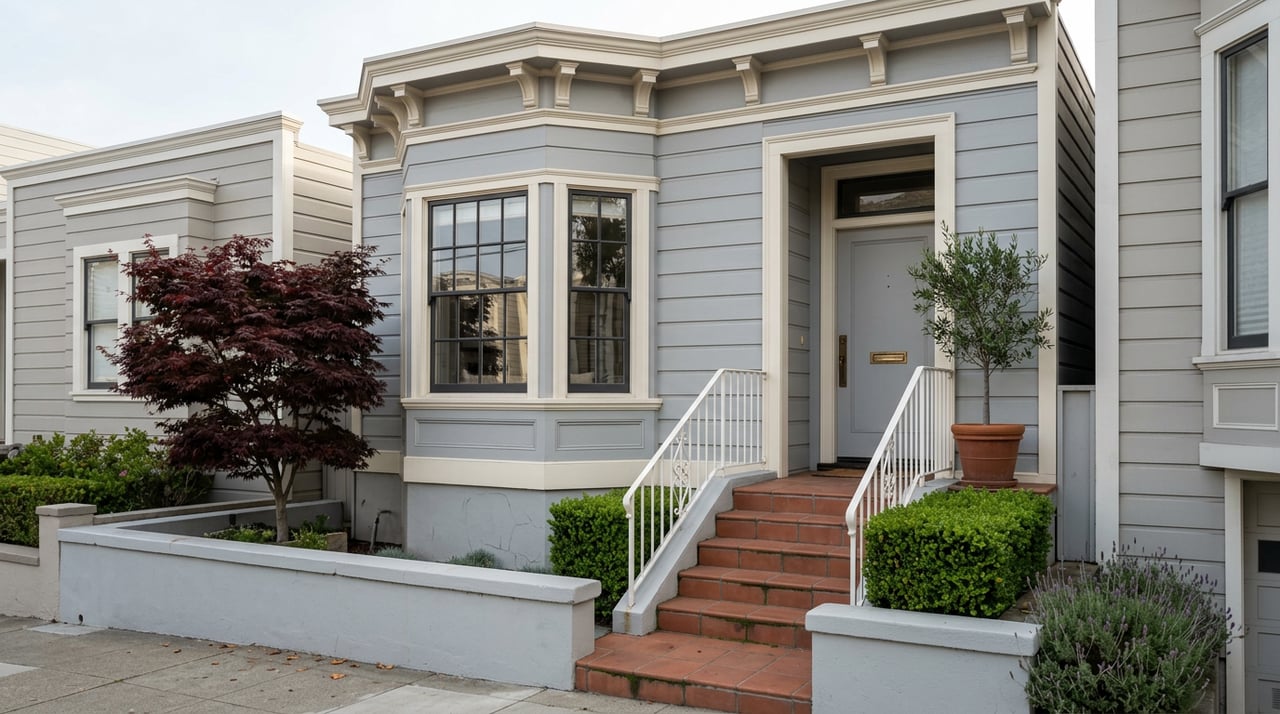
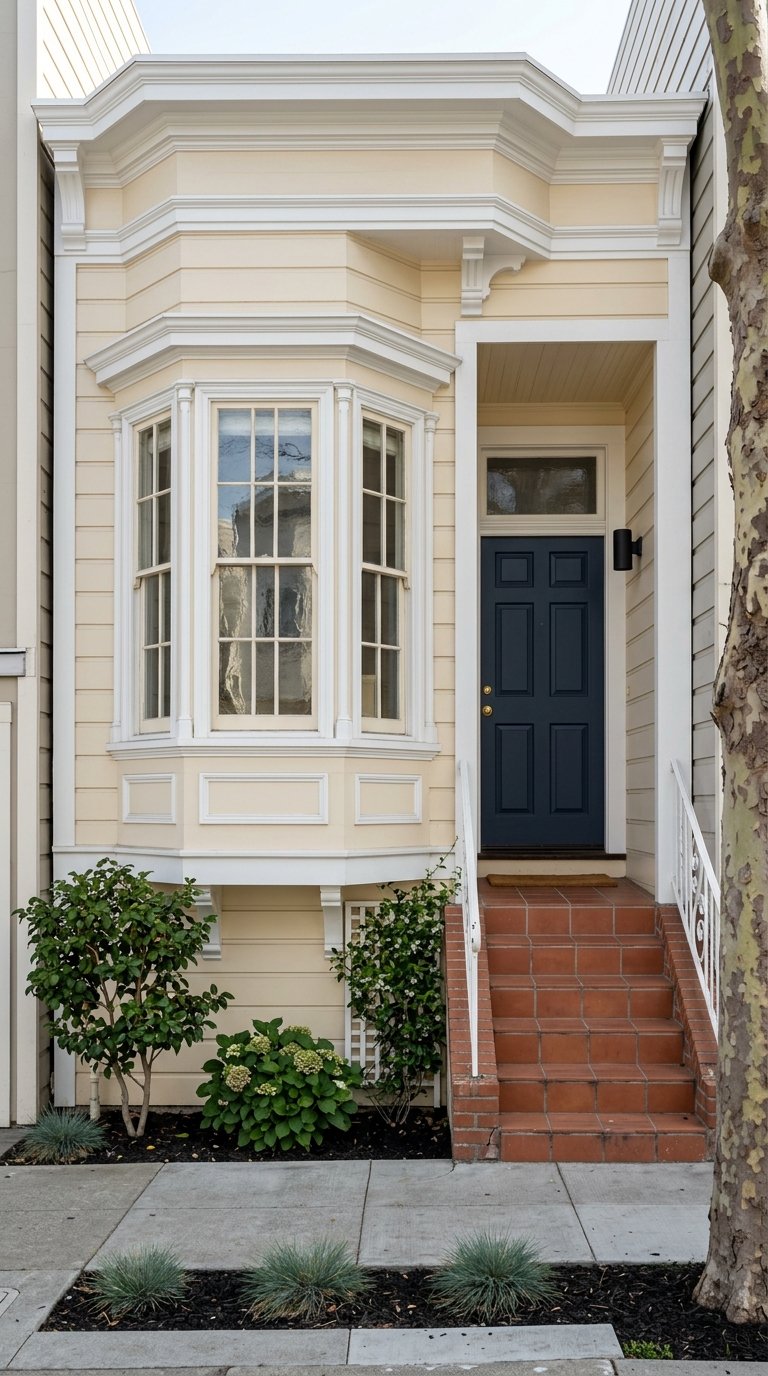
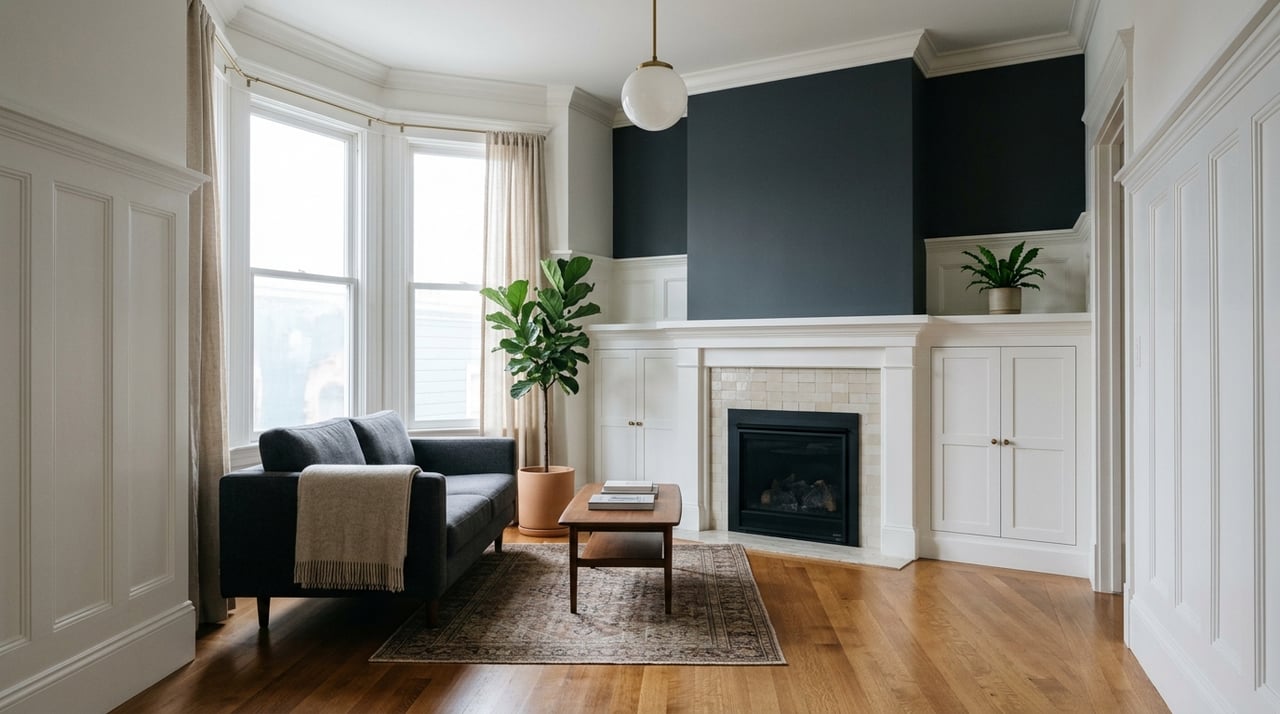
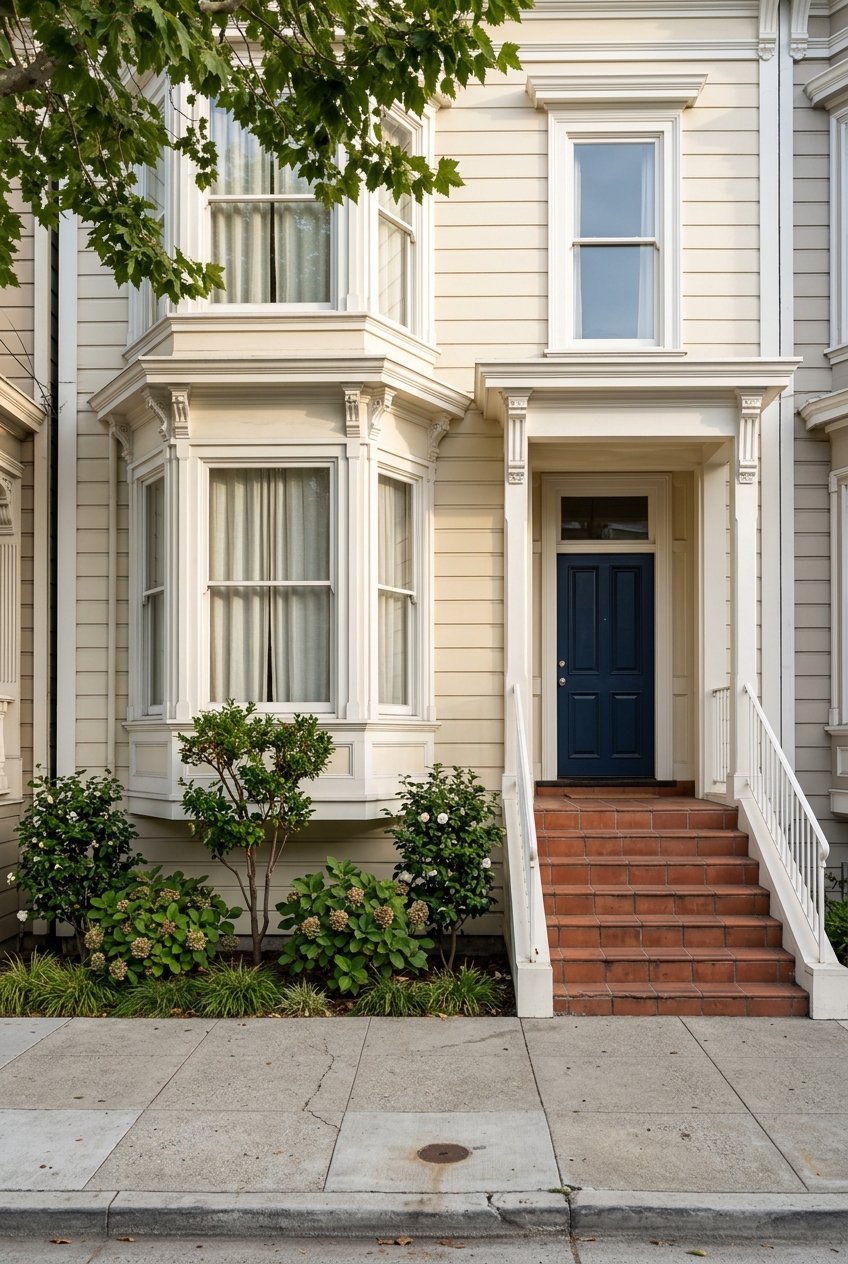
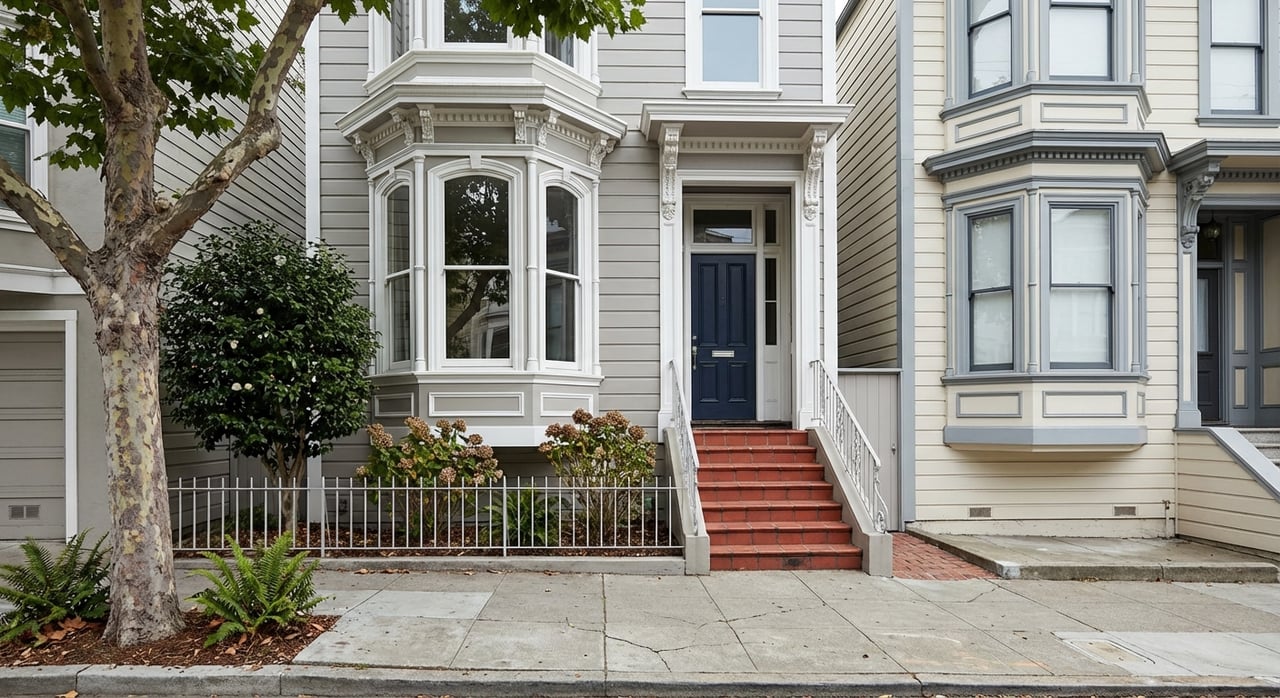
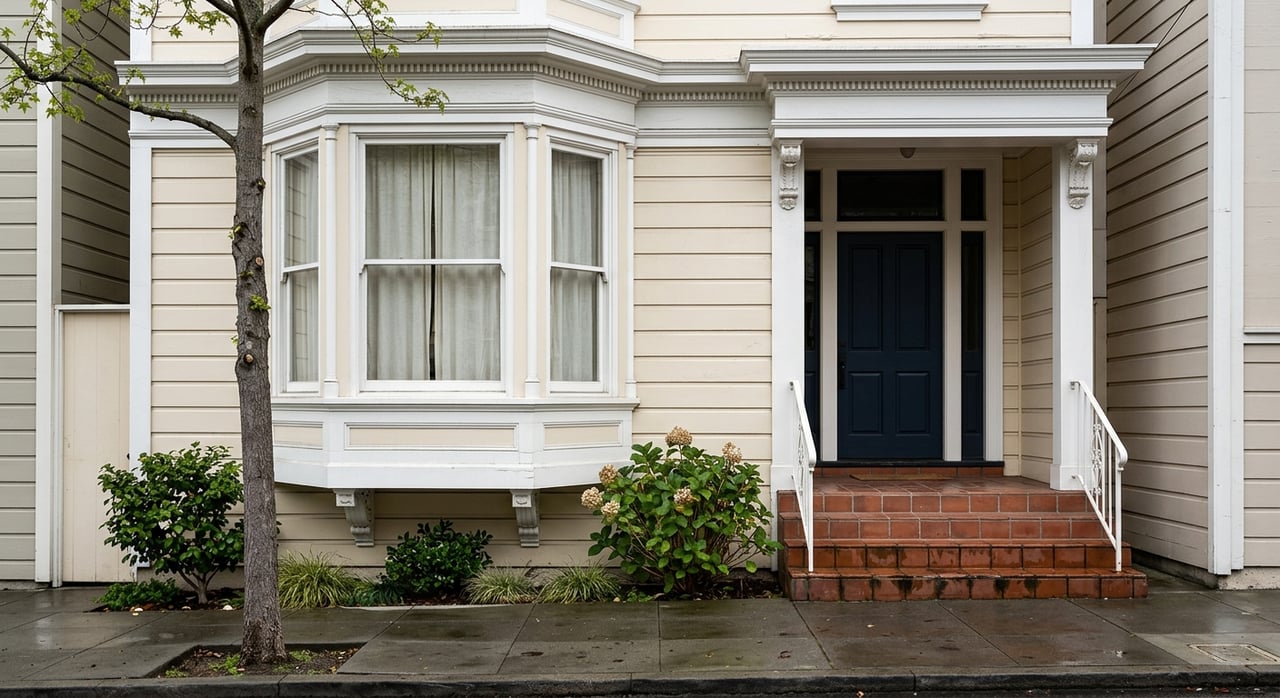
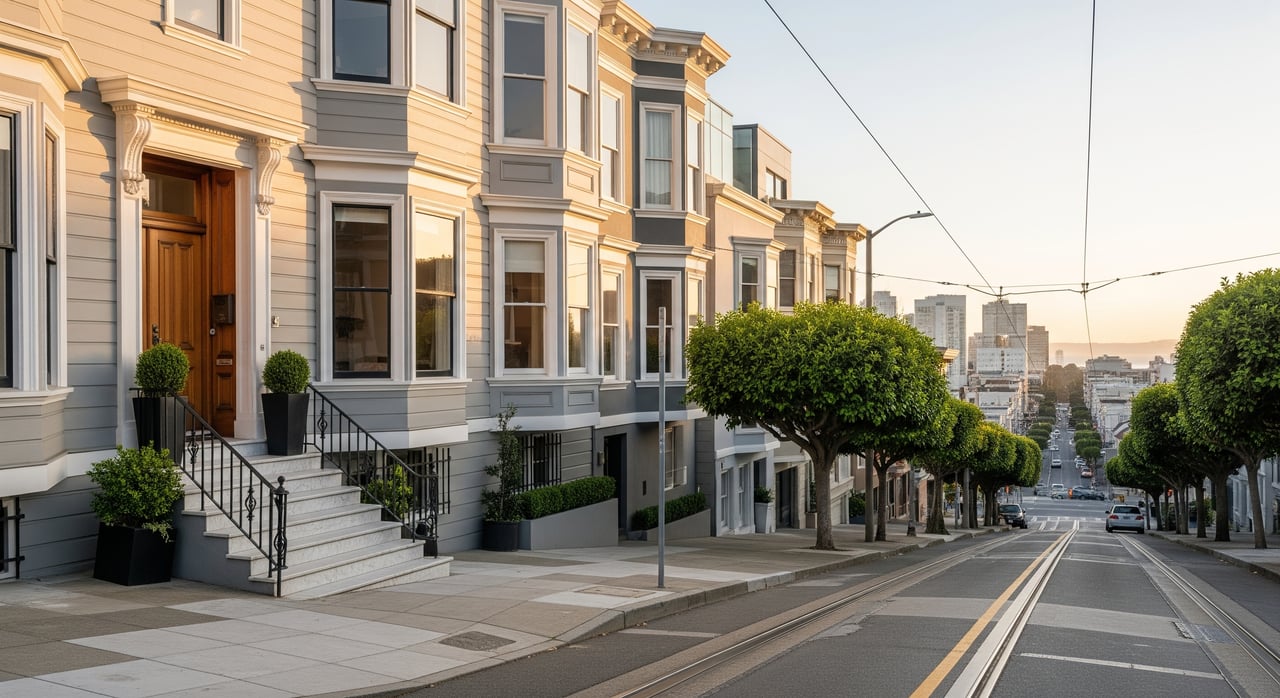
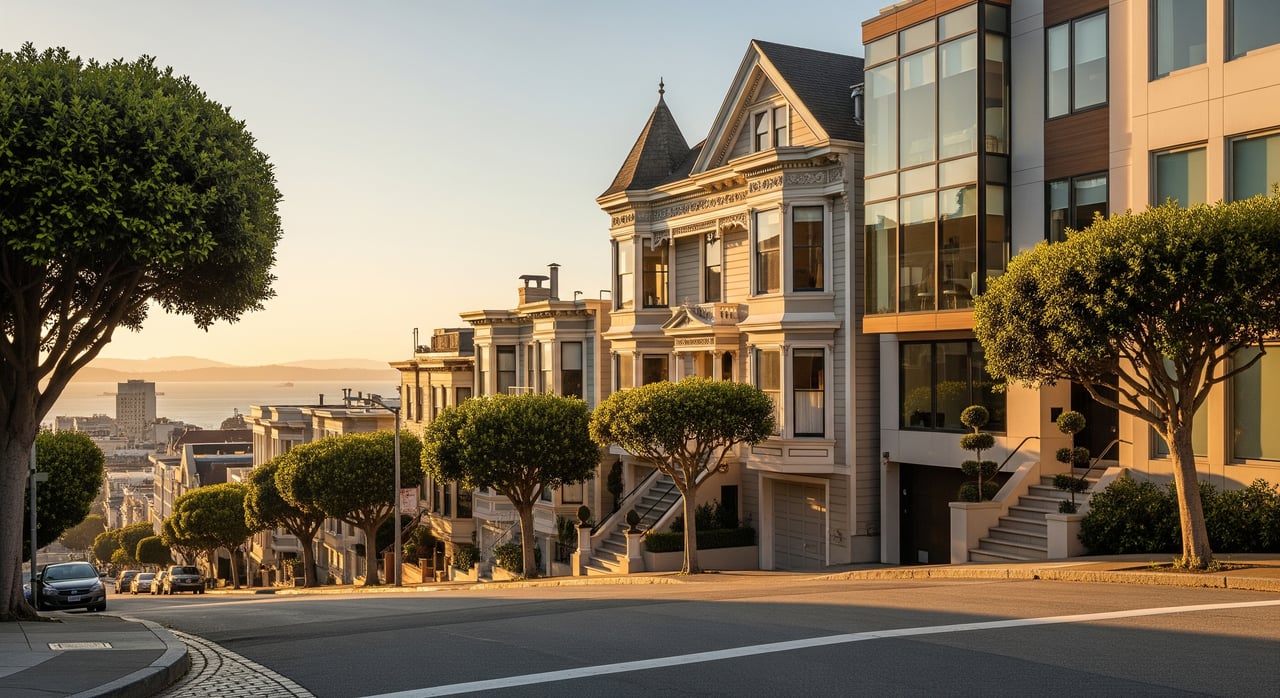
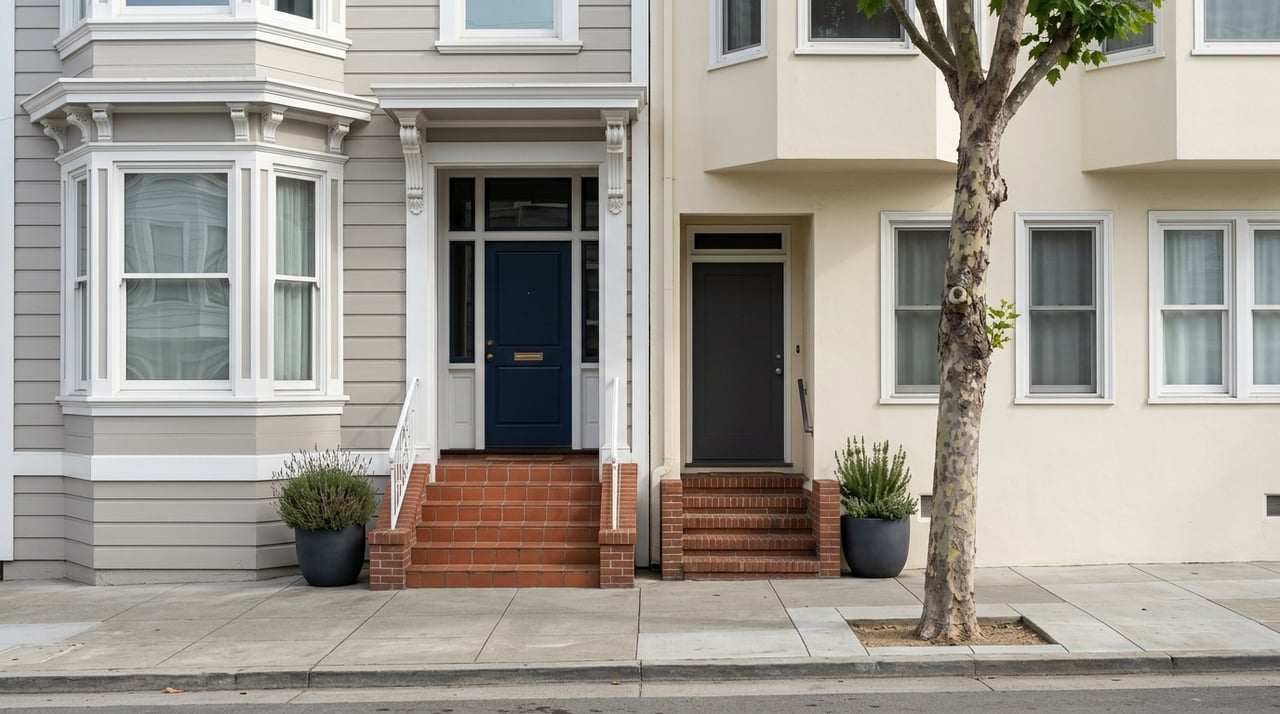
This area is strongly associated with Victorian-era architecture, including Italianate, Stick, and Queen Anne styles. You will also find a mix of smaller rowhouses and cottages alongside larger custom-designed homes, which gives the district variety without losing its historic coherence.
Some Liberty Hill blocks have more uniform facades and setbacks, while others feel more individualized. That mix is part of the appeal. The district reads as residential first, with street trees and limited commercial intrusion reinforcing a calmer block-by-block feel.
Outdoor Space in Liberty Hill
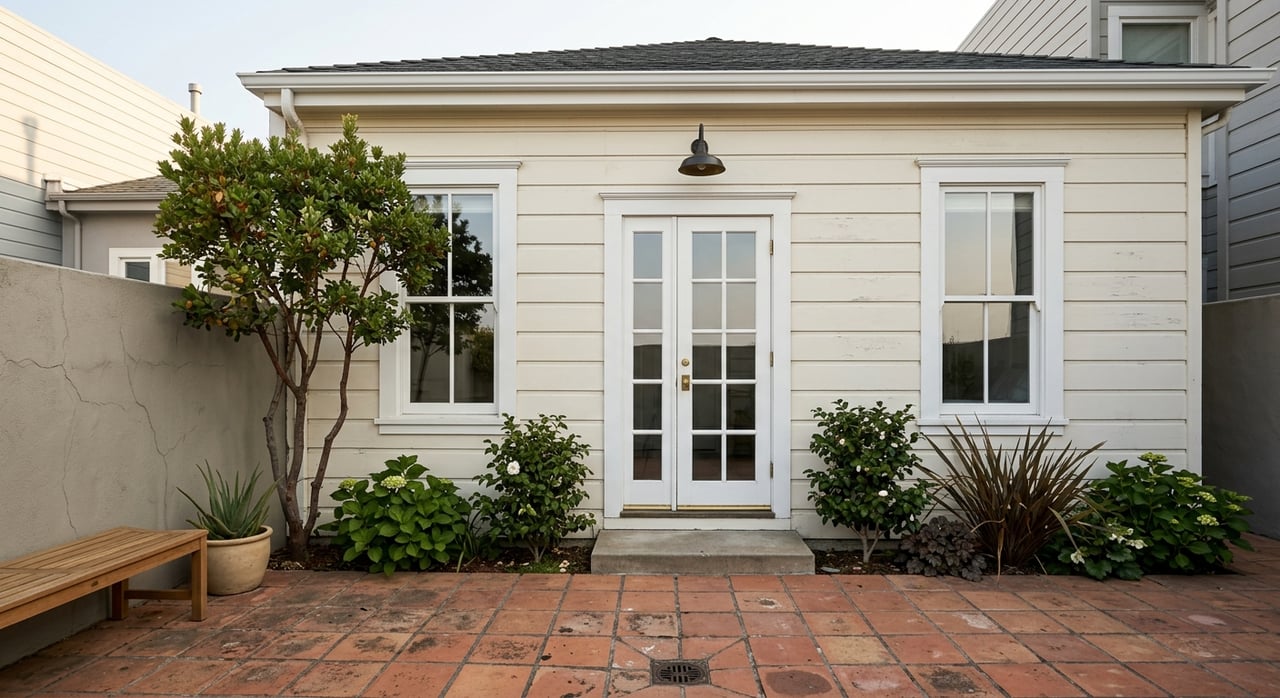
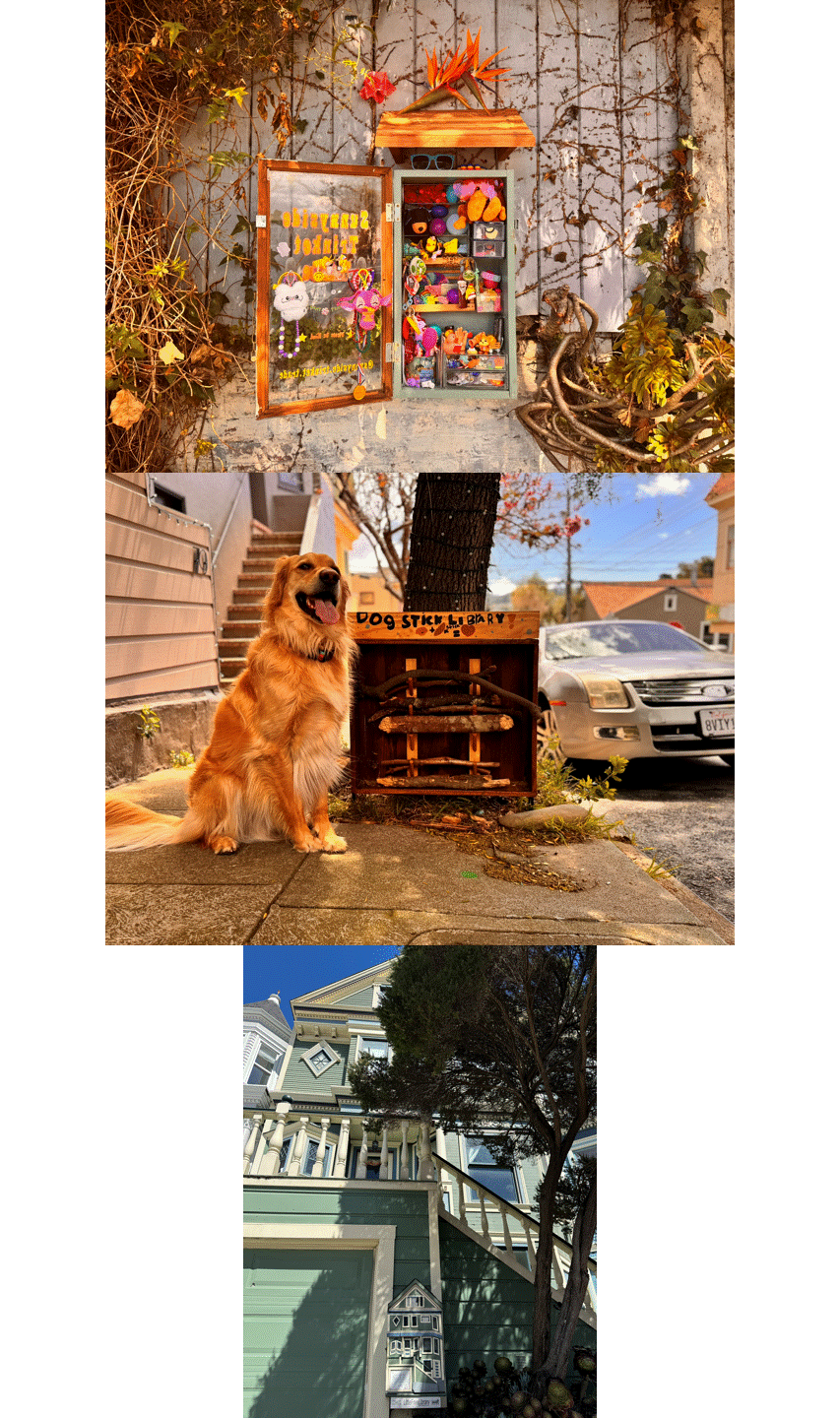
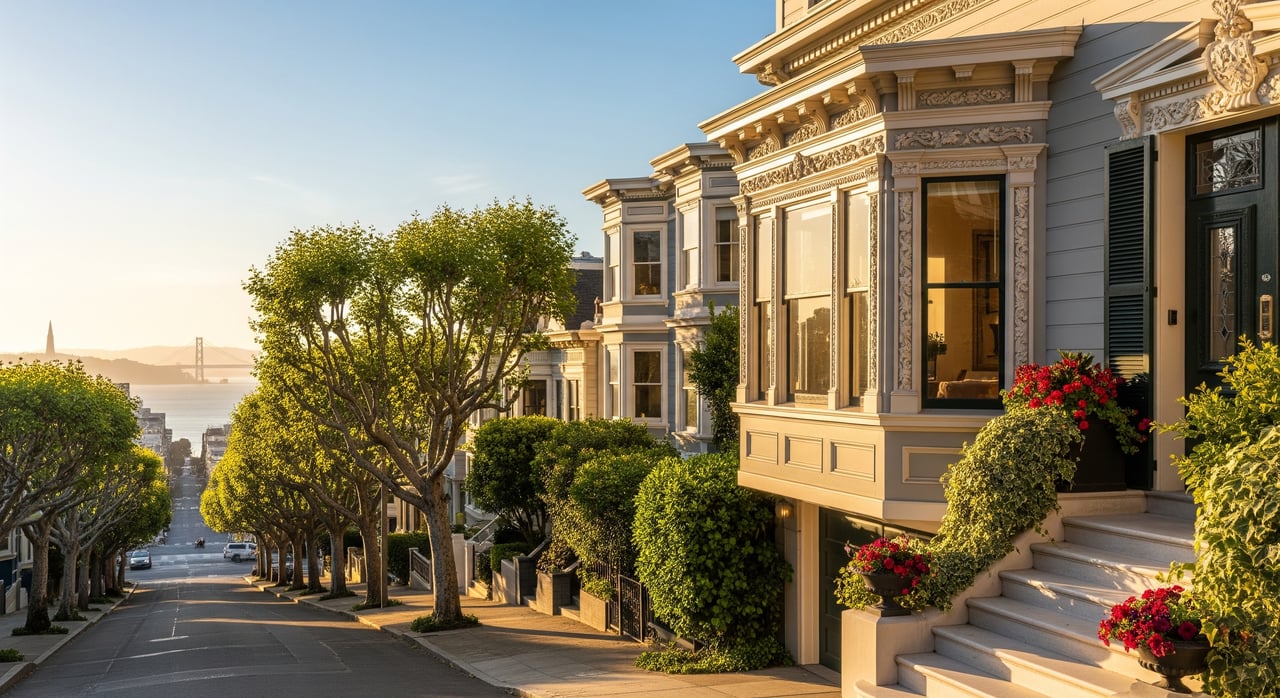
Outdoor space here usually feels more residential than in the Valencia corridor, even if lots are still city-scaled. Small front gardens, setbacks, and tree-lined sidewalks play an important role in the character of the neighborhood.
This is not typically the part of the Mission defined by large private yards. Instead, the value often comes from the relationship between the home, the street, and the preserved architectural setting.
Why Buyers Gravitate to Liberty Hill
If classic San Francisco architecture is high on your list, Liberty Hill stands out. Buyers who want a quieter residential feel, historic detail, and a stronger sense of preserved neighborhood fabric often focus their search here.
For sellers, Liberty Hill rewards thoughtful positioning. Architectural details, period integrity, and the overall historic context can shape how a home is perceived, especially by buyers who are specifically searching for a preserved Victorian pocket within the city.
Dolores Heights Housing Style
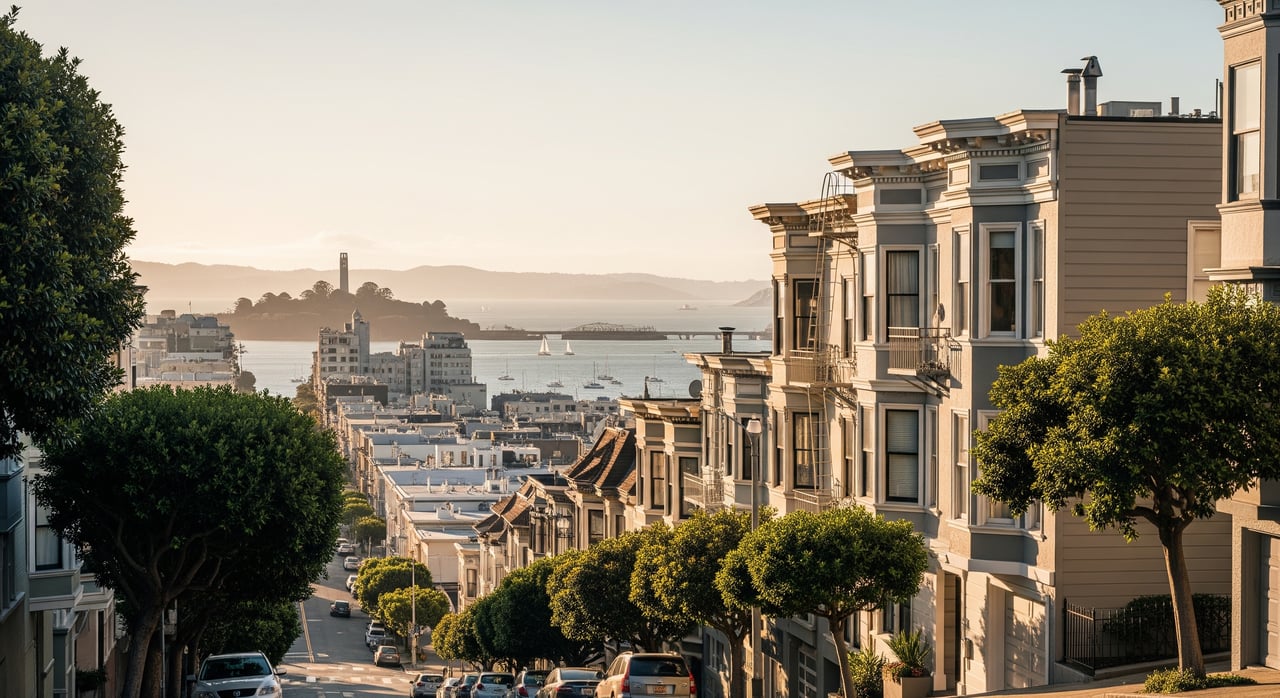
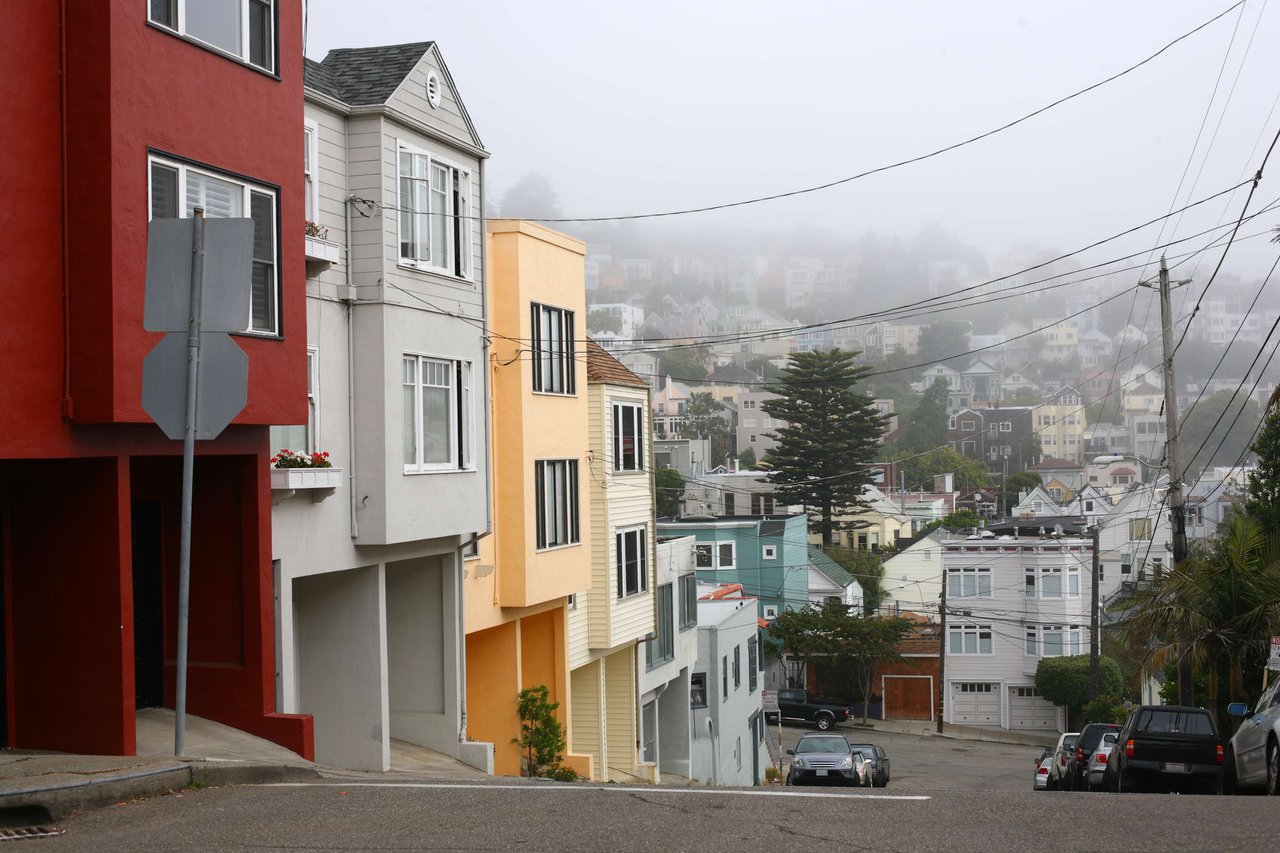
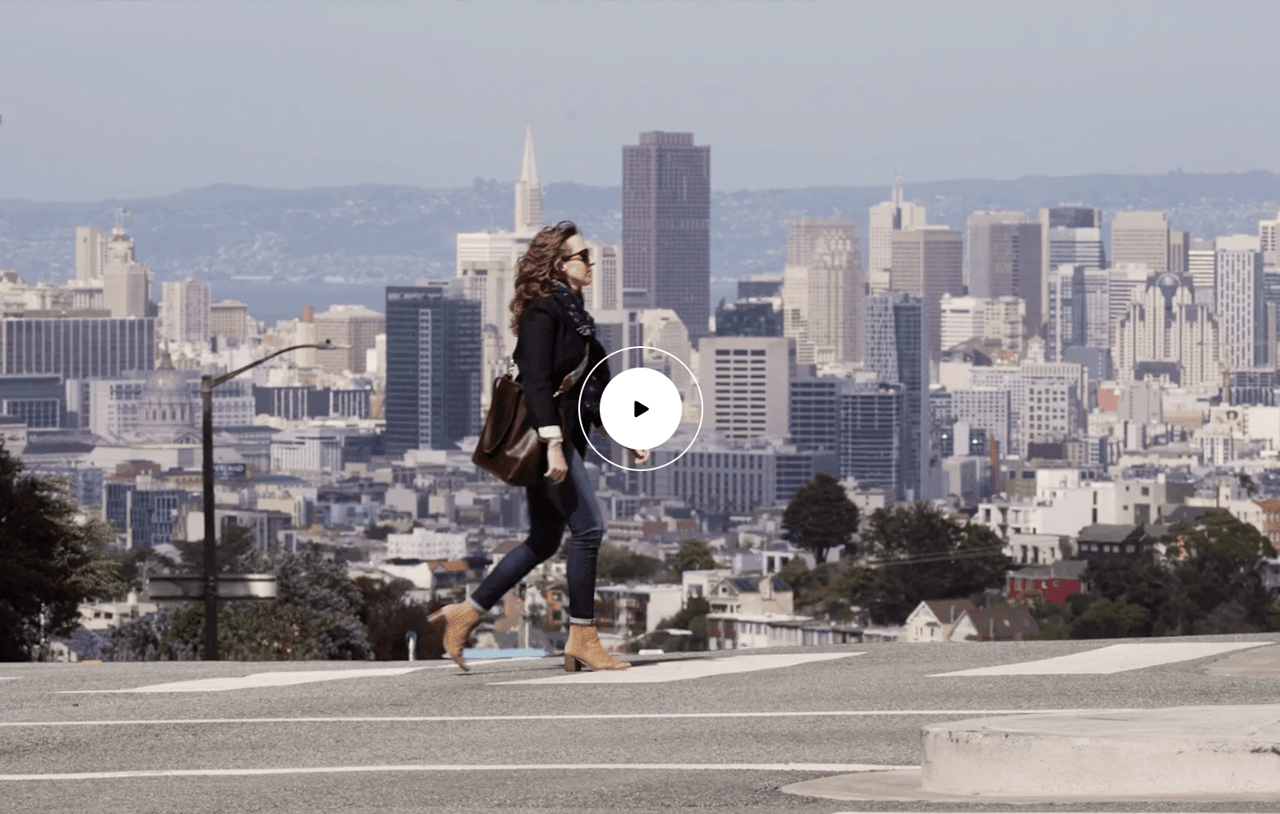
Dolores Heights is the Mission’s hill-oriented, view-driven counterpart to the valley floor. Here, the topography becomes one of the main design forces, with steep streets, scenic outlooks, and homes set into landscaped hillside settings.
The housing stock is more varied than many buyers expect. Planning materials describe a mix that includes Victorian, Craftsman, Edwardian, Tudor, Art Deco, and contemporary homes, reflecting different phases of development over time.
This area also has a more house-like feel in many locations. Design rules for the district are intended to preserve view corridors, planted spaces, light, and neighborhood scale, which helps protect the qualities many buyers come here to find.
Outdoor Space in Dolores Heights
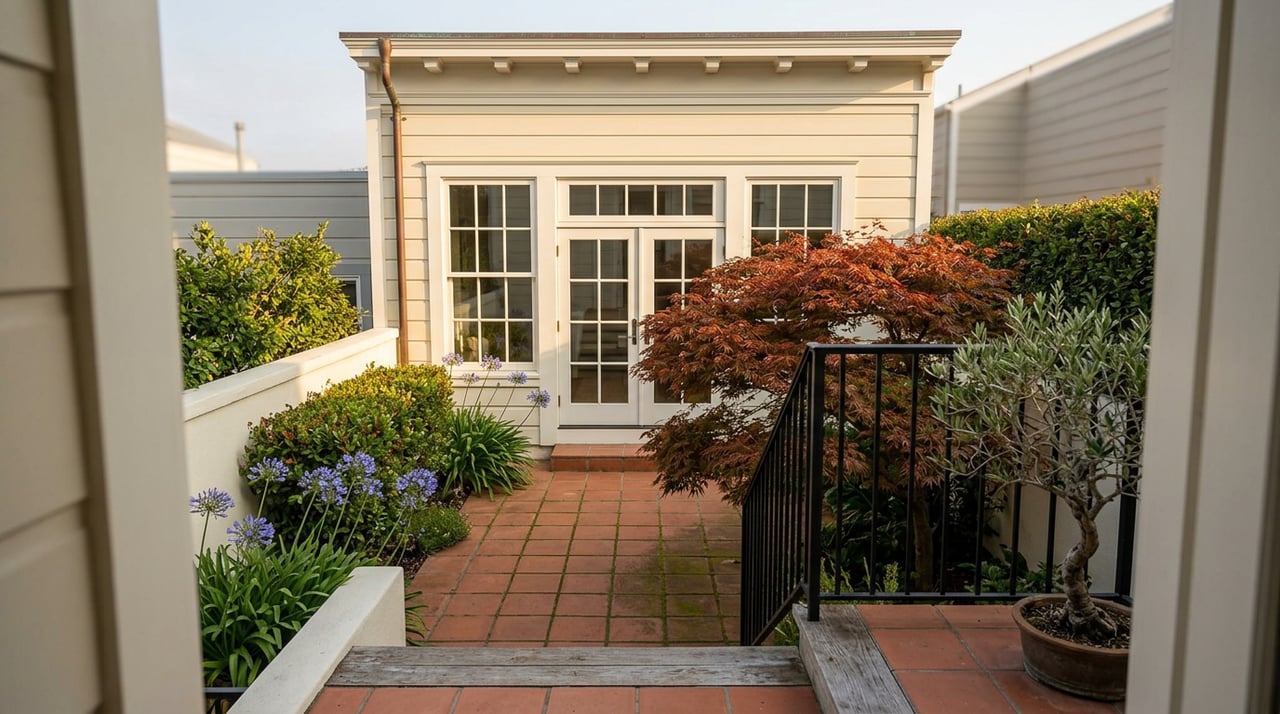
Of the three Mission micro-areas covered here, Dolores Heights is the one most associated with views, privacy, and stronger outdoor-space expectations. Larger rear yards, planted setbacks, hillside gardens, and tree-filled open space all play a meaningful role in the neighborhood’s identity.
For you as a buyer, that can translate to a very different daily experience than the valley-floor blocks nearby. For sellers, those landscape and view relationships are often central to how a home should be presented and understood.
What Makes Dolores Heights Distinct
Dolores Heights trades some commercial immediacy for landscape and outlook. If you are drawn to homes where siting, light, and garden space matter as much as the interior, this pocket often feels especially compelling.
It is also a micro-area where scarcity can shape long-term appeal. View protections, low-rise character, and the district’s landscape emphasis create a setting that is difficult to replicate elsewhere.
Comparing Mission Micro-Areas
A simple way to think about these pockets is as a spectrum of urban form and lifestyle.
| Micro-area | Typical feel | Common housing pattern | Outdoor space tendency |
|---|---|---|---|
| Valencia corridor | Active and urban | Mixed-use buildings, flats, apartments | Compact patios, roof decks, shared courtyards |
| Liberty Hill | Historic and residential | Victorian homes, rowhouses, cottages | Small gardens, setbacks, tree-lined sidewalks |
| Dolores Heights | Hillside and view-oriented | Varied house styles on steeper terrain | Gardens, larger rear yards, stronger privacy |
If you are deciding between them, your best fit often comes down to what you value most day to day. Do you want street energy and convenience, preserved architectural character, or a more view-driven residential setting with a stronger connection to landscape?
What These Differences Mean for Buyers
When you understand Mission micro-areas, you can search more strategically. Instead of looking at the neighborhood as one broad category, you can narrow your focus around the type of housing, outdoor space, and street environment that best fits how you want to live.
For example, a buyer prioritizing restaurants, retail access, and transit convenience may naturally lean toward Valencia. A buyer focused on historic architecture and quieter residential blocks may feel more at home in Liberty Hill. Someone seeking views and more private outdoor space may prefer Dolores Heights.
This kind of micro-market clarity can also help you make better tradeoff decisions. In San Francisco, block-by-block nuance matters, and in the Mission that nuance is especially visible in the built environment.
What These Differences Mean for Sellers
If you are selling in the Mission, your micro-area should shape the story of the home. A Valencia property may be best understood through walkability, mixed-use convenience, and efficient urban living. A Liberty Hill home may benefit from a presentation centered on architectural heritage and preserved detail. A Dolores Heights residence may call for a stronger emphasis on light, outlook, gardens, and privacy.
That is where local and design fluency can make a real difference. When a home is presented in a way that matches how buyers actually understand the surrounding micro-area, the marketing tends to feel more credible, specific, and compelling.
Why Micro-Area Knowledge Matters
The Mission’s long-term appeal is not just about one neighborhood name. It is also about the fact that these distinct pockets have identities shaped by history, planning, architecture, and topography.
Historic districts, protected view relationships, and low-rise residential character all contribute to a sense of scarcity. Because these qualities are difficult to reproduce, they often play an important role in how buyers evaluate long-term desirability within the neighborhood.
If you are buying, that perspective can help you choose with more confidence. If you are selling, it can help you position your home in a way that reflects what makes its exact location special.
If you are considering a move in the Mission and want guidance that goes beyond broad neighborhood labels, working with a local advisor who understands architecture, block patterns, and buyer behavior can help you make sharper decisions. Connect with Brandi Mayo for thoughtful, design-aware guidance on buying or selling in San Francisco.
FAQs
What is the Valencia corridor in the Mission like for homebuyers?
- The Valencia corridor is the Mission’s most urban pocket, with many mixed-use buildings, flats, apartments, and residential-over-commercial homes, plus strong access to shops, restaurants, and transit.
What kind of homes are common in Liberty Hill in San Francisco?
- Liberty Hill is known for Victorian-era architecture, including Italianate, Stick, and Queen Anne homes, along with rowhouses and cottages in a preserved historic district setting.
What makes Dolores Heights different from other Mission areas?
- Dolores Heights is more hill-oriented and view-driven, with varied home styles, stronger privacy, landscaped settings, and more emphasis on gardens and rear-yard space.
Which Mission micro-area has the most classic San Francisco architecture?
- Liberty Hill is the clearest choice for buyers focused on classic San Francisco architectural character and a calmer residential feel.
Which Mission micro-area is best for views and outdoor space?
- Dolores Heights is most associated with scenic views, planted spaces, and more private outdoor areas compared with flatter, denser parts of the Mission.