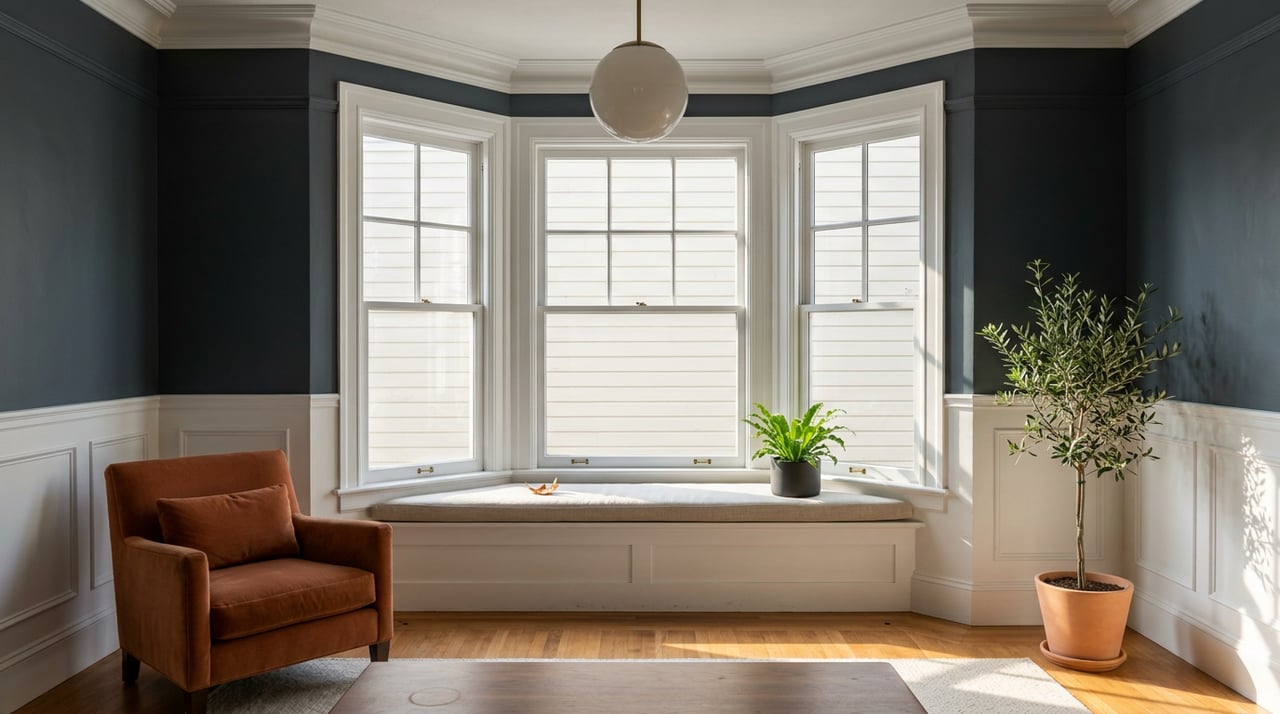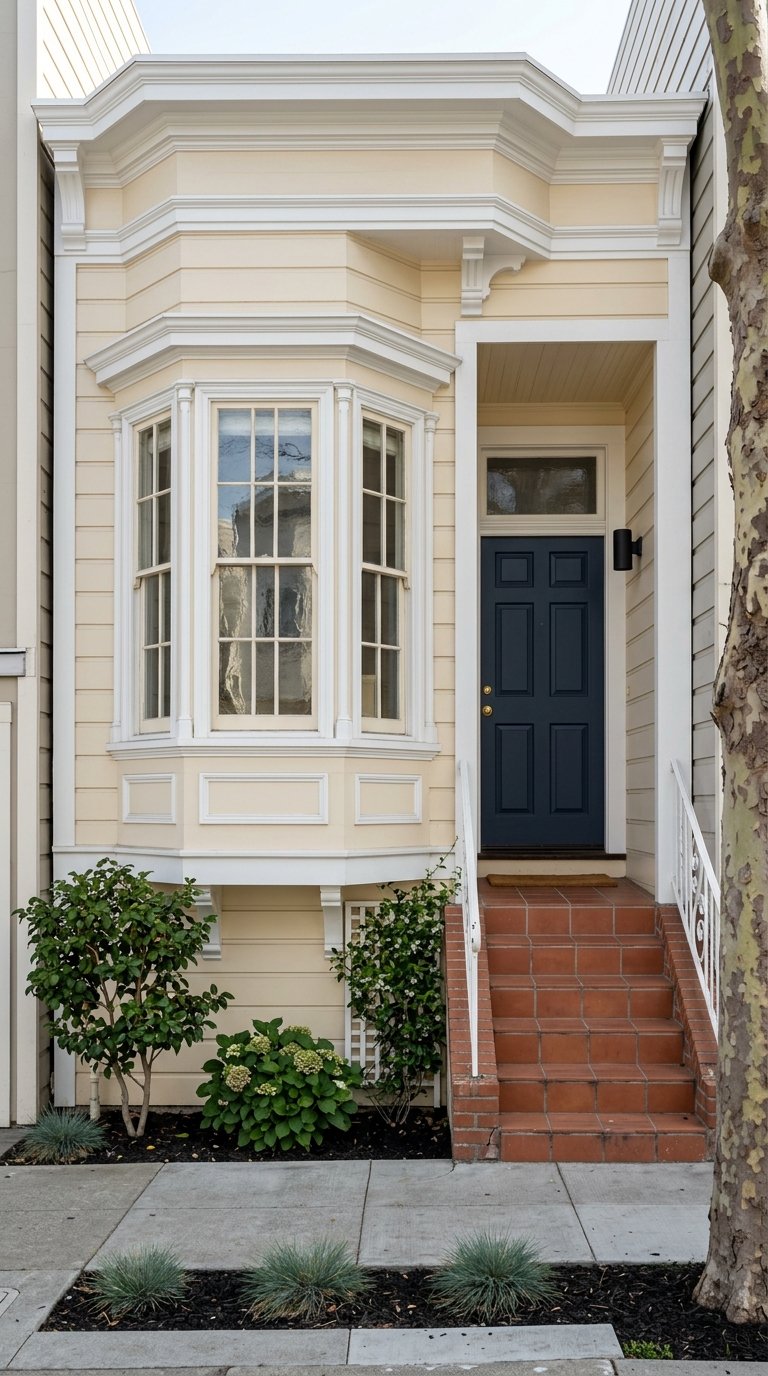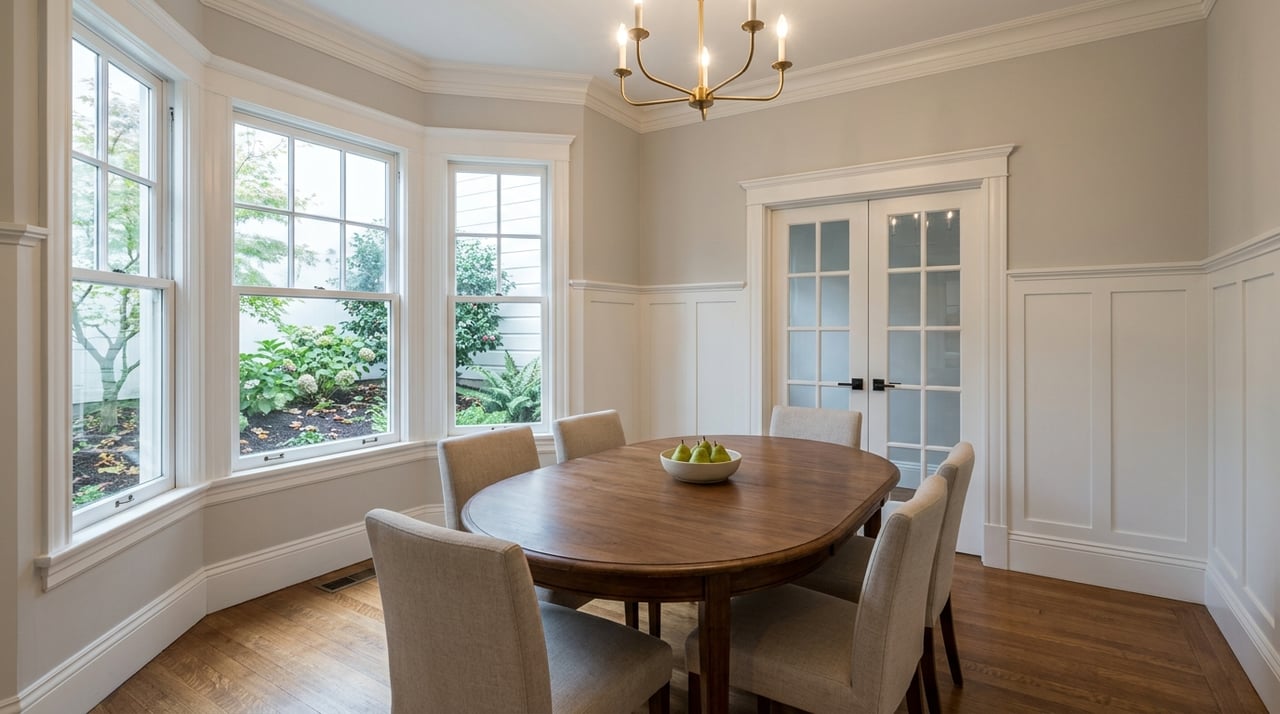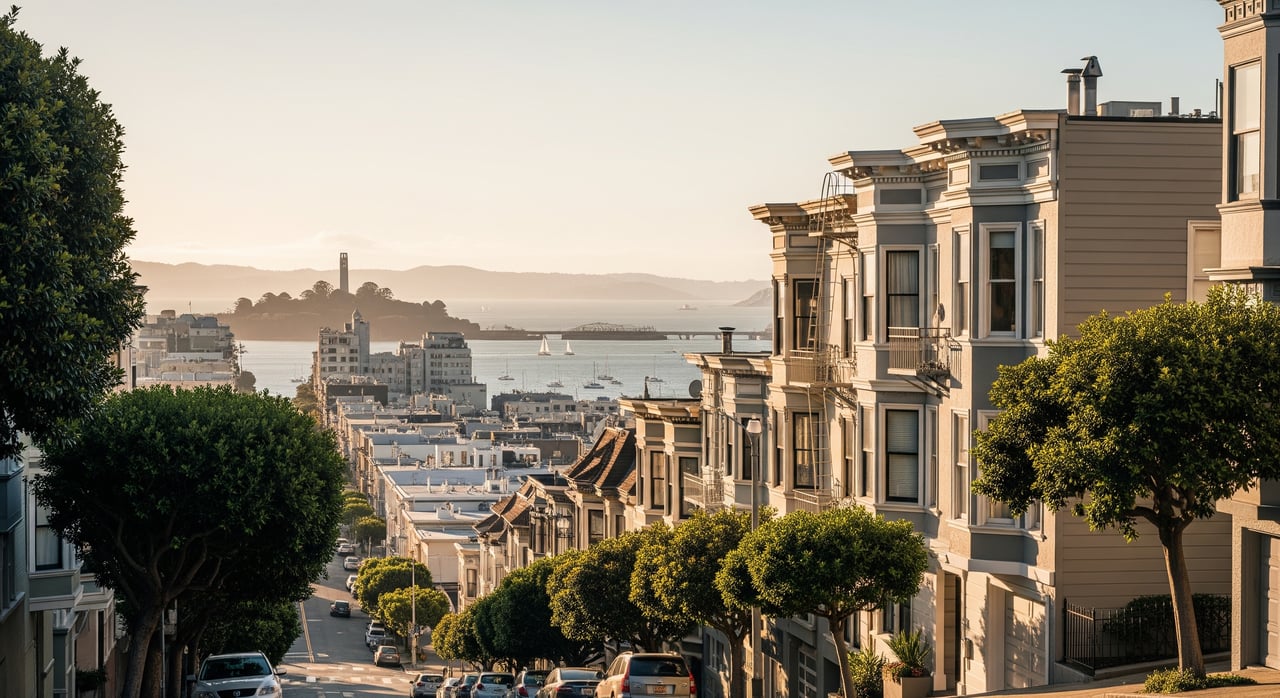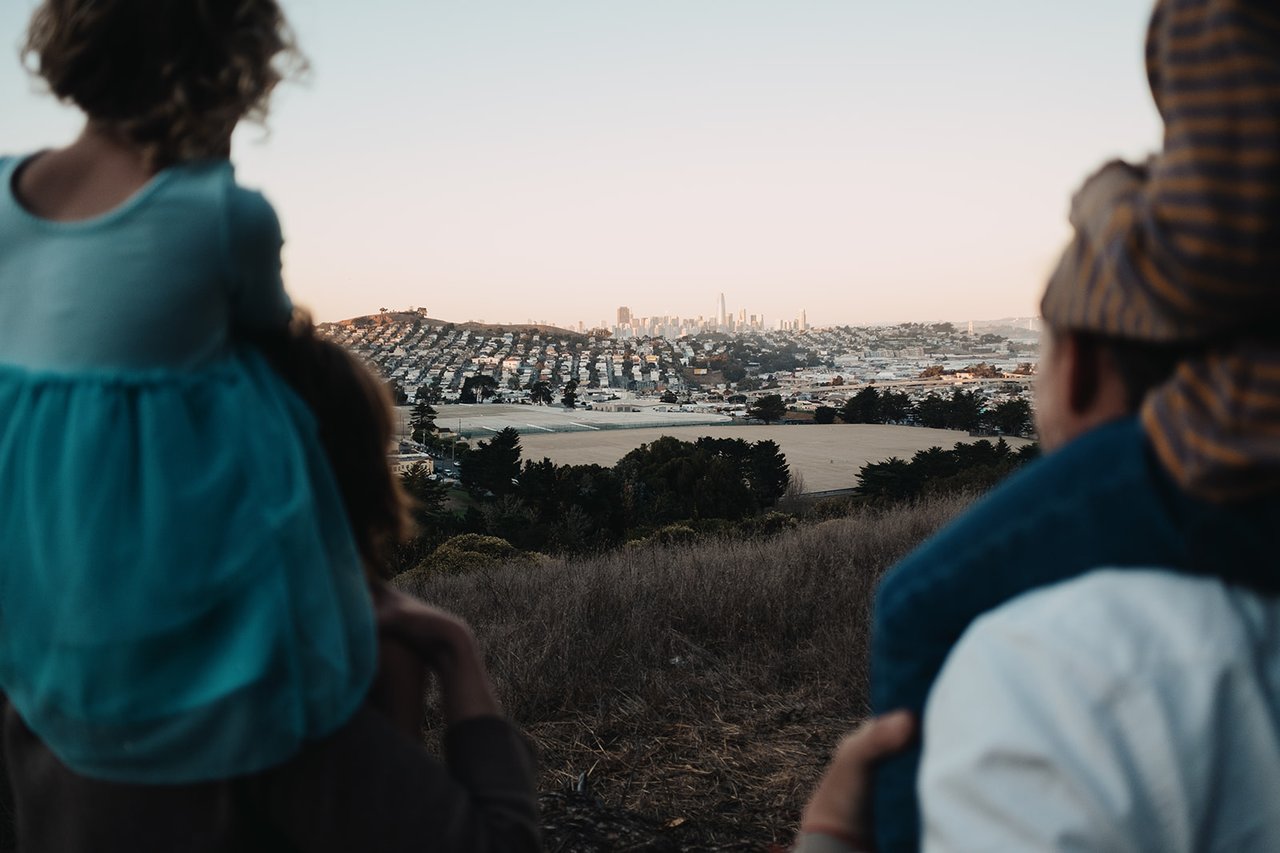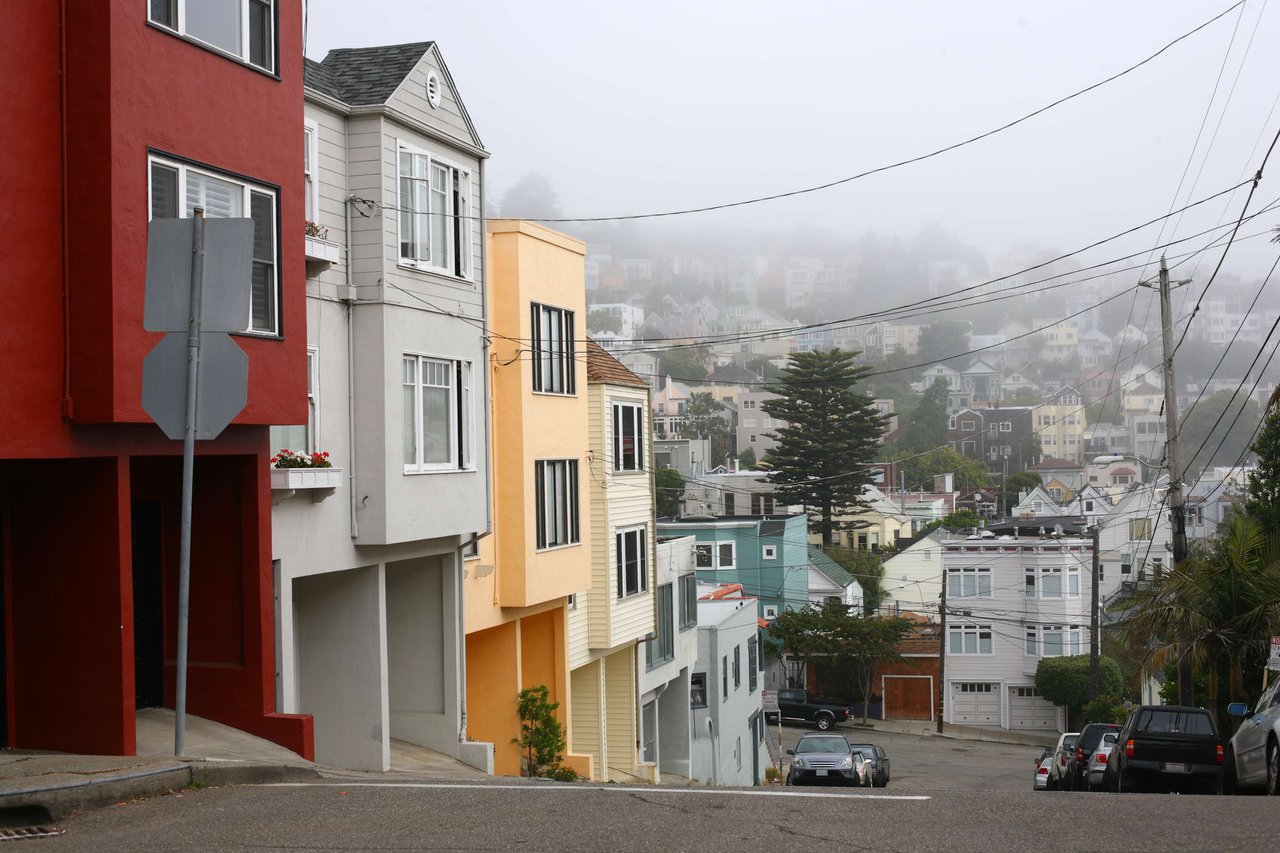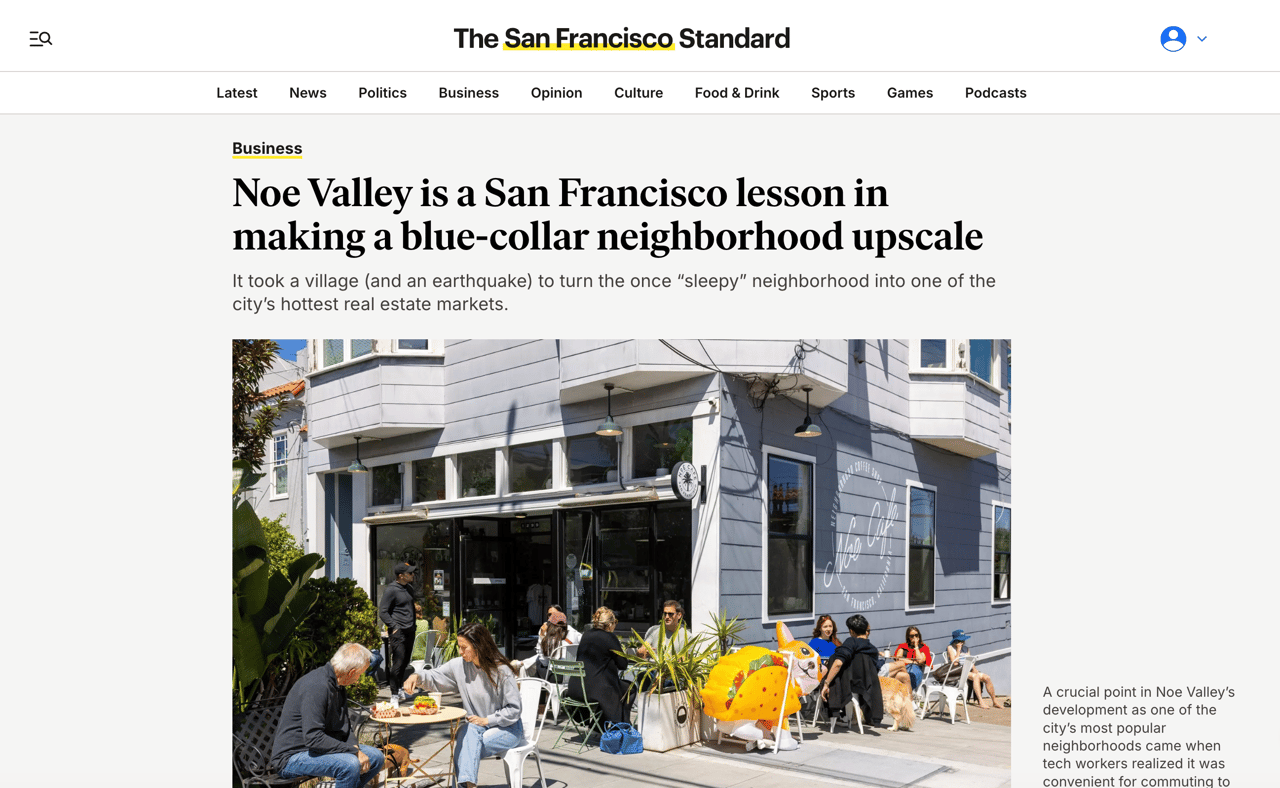
I read a piece in The San Francisco Standard recently about Noe Valley and how a once sleepier, more blue-collar neighborhood became one of the most valuable residential pockets in San Francisco, and it has stayed with me because the story is not actually as simple as “tech workers moved in and prices went up.” On the surface, it is easy to tell the story through the usual real estate lens: warmer weather, Victorian homes, tech shuttles, proximity to the Peninsula commute, young families, limited inventory, and the kind of neighborhood main street that makes daily life feel easy. All of that matters, of course, and all of it helped shape the market. But what stayed with me was something quieter, which is that the value of Noe Valley was not created by the market alone.
It was created by people who committed to living there and then kept making the neighborhood better from a living perspective. Residents and merchants fought for the neighborhood library, helped create a Community Benefit District, supported the farmers market, pushed for public spaces like Noe Valley Town Square, built the culture around 24th Street, and made Slow Sanchez into the kind of public realm that gives a neighborhood texture beyond its houses. None of those things are abstract amenities. They are the daily architecture of neighborhood life, and over time, they become part of what people are actually buying when they buy a home there.
San Francisco is a city of neighborhoods, but the main street is often what turns a collection of houses into a place people feel emotionally attached to. Cortland Avenue does this for Bernal Heights. West Portal Avenue does this for West Portal. 24th Street does it for Noe Valley. Sacramento Street does it for Presidio Heights. Chestnut Street does it for the Marina. These commercial corridors are not just where people pick up coffee, groceries, birthday gifts, prescriptions, flowers, or dinner. They are where the neighborhood sees itself, where merchants become part of the rhythm of daily life, and where the experience of living in a particular part of San Francisco starts to feel distinct from everywhere else.
And this is why I keep coming back to the main street as a real estate driver, not just a lifestyle feature. Buyers may say they are buying the house, but very often they are buying the walk to coffee, the Saturday errand loop, the familiar storefronts, the small businesses that make daily life feel easier, and the feeling that the neighborhood has a center. A strong main street changes how a home lives because the value is not contained only inside the walls of the property. It extends into the block, the corner, the errand path, the walk after dinner, and the small businesses that give daily life its rhythm.
That is also why neighborhood change is so complicated. By the time the real estate market recognizes the value, the value has usually been in the making for years. Sometimes decades. A neighborhood does not become desirable because one great restaurant opens or one pretty storefront gets restored, although those things help. It changes when enough people decide that the neighborhood is worth their attention, their time, their money, their standards, and their care. It changes when people stop treating it like a place they are passing through and start treating it like a place they are responsible for.
Not every main street is at the same point in that process, which is part of what makes San Francisco so interesting to watch. Some corridors already have a fully formed sense of place, where the neighborhood identity, daily rhythm, and real estate value are deeply intertwined. Others are still evolving, with strong local businesses, active communities, and early signs of a more visible public life beginning to take shape. That does not make one version of neighborhood life more meaningful than another, but it does change how quickly the broader market recognizes and prices the experience of living there.
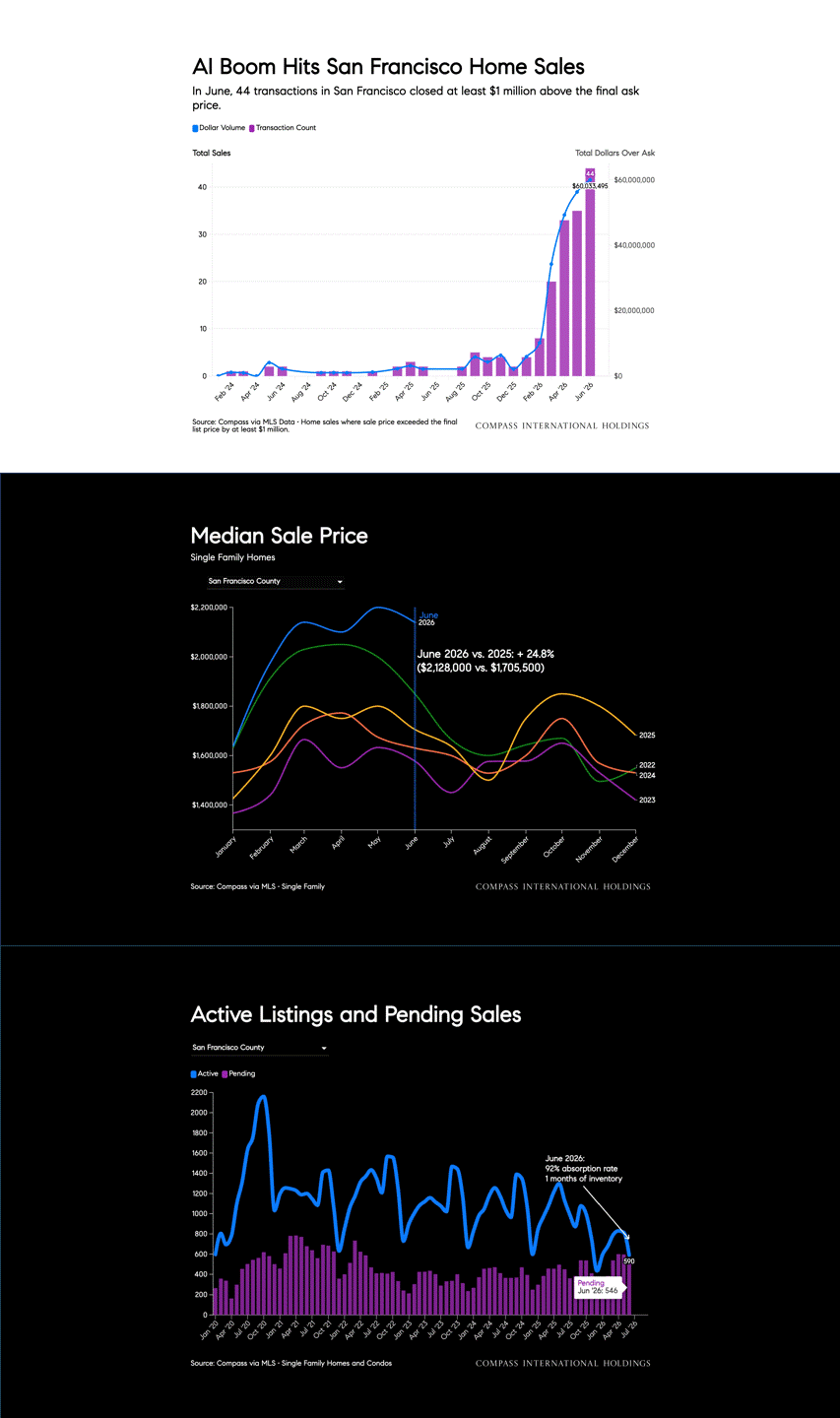
This feels especially interesting in San Francisco right now, where so much of the larger conversation is still organized around technology, artificial intelligence, office vacancy, job growth, return-to-office patterns, and whatever the next economic cycle is supposed to be. Those forces matter, and it would be naive to pretend they do not. But the neighborhood experience is still profoundly human. A strong main street is not valuable because an algorithm says it is valuable. It is valuable because people want to live near it, walk to it, run into people on it, bring their kids to it, age around it, support it, complain about it, improve it, and feel connected to something that exists outside the private walls of their home.
That may be one of the more interesting calibrations happening in San Francisco right now. In a moment when so much attention is on what technology might replace, the places gaining the most emotional and financial traction are often the places where the human experience is hardest to replace: the bakery, the bookstore, the slow street, the hardware store, the neighborhood restaurant, the old-school merchant who knows everyone, the newer business that understands the rhythm of the block, the parents who organize, the neighbors who show up, and the people who decide that the public-facing parts of their neighborhood matter.
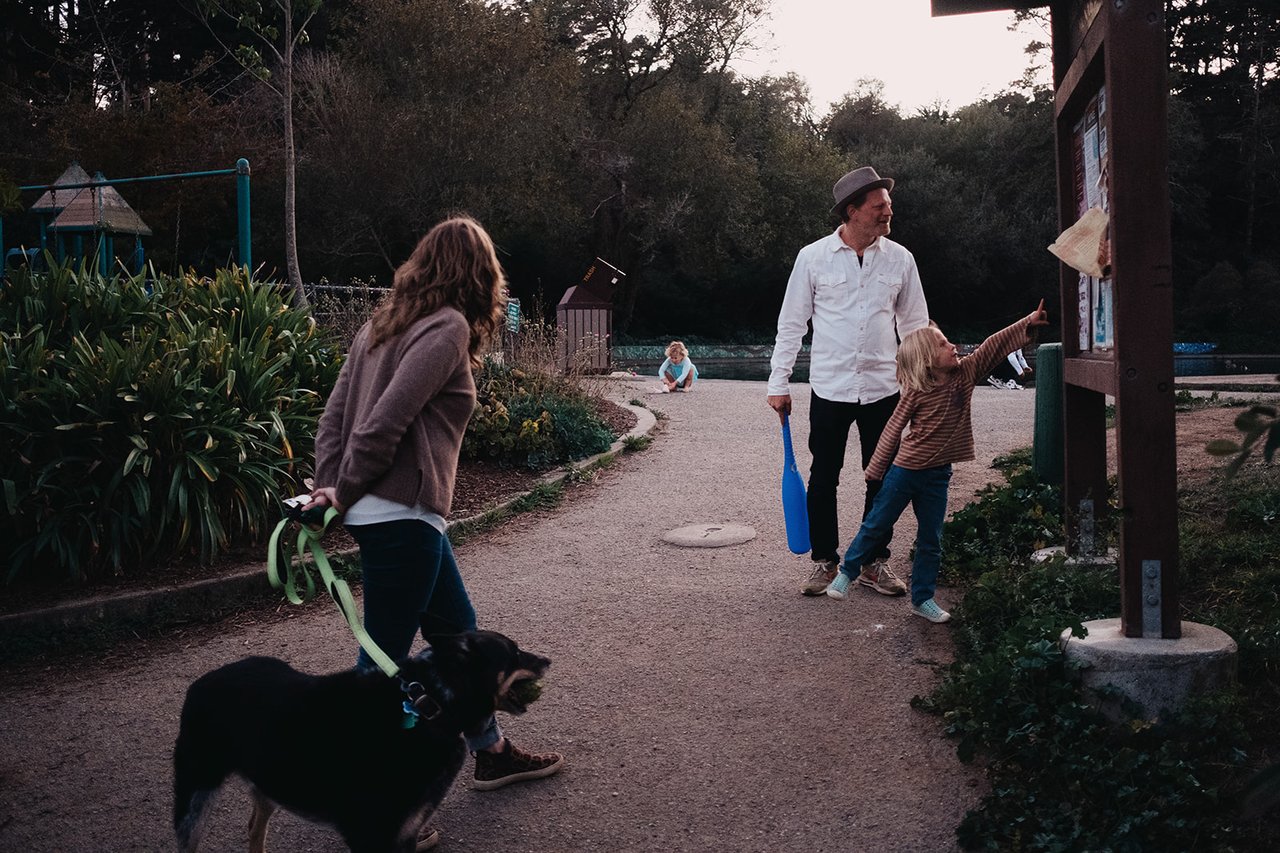
And yes, this shows up in home values. In San Francisco real estate, a strong neighborhood main street can materially shape buyer demand because it changes how a home lives. A house near a vibrant commercial corridor does not just offer bedrooms and square footage. It offers a daily pattern, a Saturday farmers market, a dinner place that becomes part of the weekly routine, a place to walk the dog, a place to take the kids, and a place to feel like the neighborhood is giving something back. That experience has value, and in a city where many buyers are choosing not just a property but a way of living, it can be a very real driver of the market.
What I find hopeful is that this kind of value is not created all at once, and it is not created only by capital. It is created by participation, by small businesses that take a risk on a corridor, by neighbors who support them, by residents who organize instead of only complain, by families who choose to stay, and by people who understand that a neighborhood is not static. It is always being made, and it is being made by the people who are willing to care about the experience of living there.
That is what I will be watching more closely across San Francisco. Not just which neighborhoods are already expensive, but which neighborhoods are actively being cared for. Which main streets are getting more interesting. Which commercial corridors are starting to feel more alive. Which places have residents and merchants who are not waiting for someone else to make the neighborhood better, but are already doing the work themselves.
Because over time, that is often where the next layer of value begins.