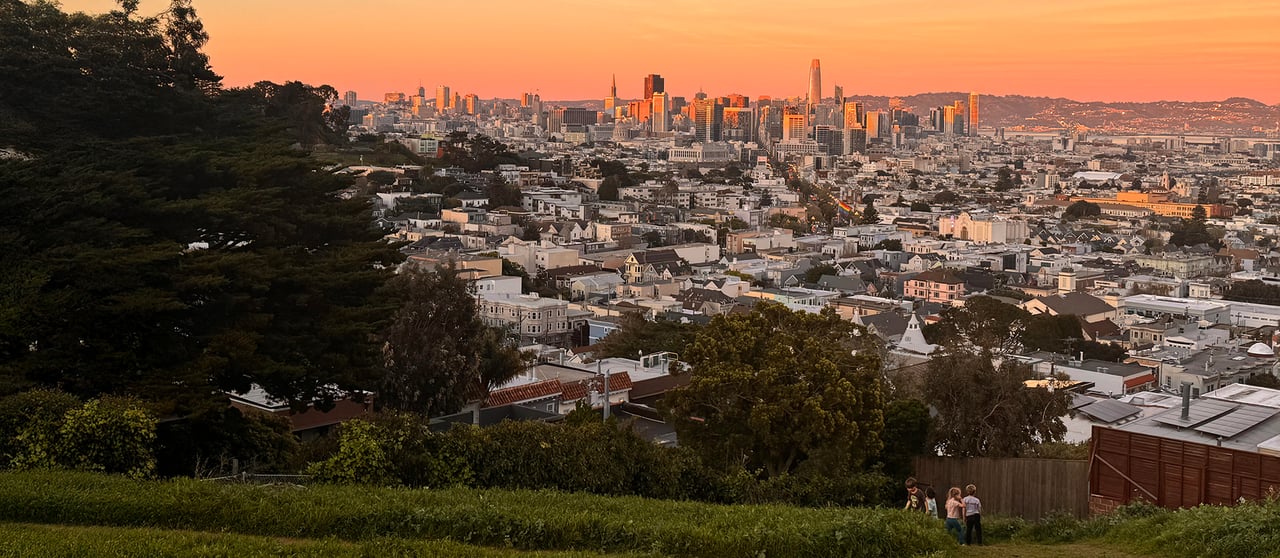
If you are drawn to San Francisco’s west side, the Avenues often rise to the top of the list. The Richmond and Sunset offer a version of city living that feels a little calmer, a little more spacious, and deeply tied to daily rituals like park walks, neighborhood coffee, and fog-softened evenings by the coast. If you are trying to decide between the two, this guide will help you understand how they differ, what daily life feels like, and why so many buyers keep coming back to these neighborhoods. Let’s dive in.
Why the Avenues stand out
The Richmond and Sunset sit on San Francisco’s west side, where the city opens up toward the Pacific. Both neighborhoods are shaped by broad residential blocks, easy access to major parks, and commercial streets that support everyday life rather than constant nightlife.
That shared west-side identity is why people often group them together as “the Avenues.” But once you spend time in each, the differences become clear. The Richmond tends to feel more corridor-centered and mixed in character, while the Sunset often feels more residential, more spread out, and especially beach-connected.
Richmond vs. Sunset feel
The Richmond feels layered and corridor-driven
The Richmond stretches from the Panhandle to the Pacific, with much of its activity centered along Clement Street, Geary Boulevard, and Balboa Street. In practical terms, that means your routines often revolve around distinct commercial corridors with shops, restaurants, and neighborhood services gathered along those main streets.
The overall feel is urban, but not rushed. You still get strong access to parks and open space, yet the neighborhood has a slightly denser, more mixed pattern than the Sunset.
The Sunset feels residential and coastal
The Sunset is often what people picture when they think of the Avenues. It is defined by its grid of row houses, Golden Gate Park along the north, and the long pull west toward Ocean Beach.
Especially in the Outer Sunset, the pace tends to feel quieter and more local. You are more likely to think in terms of coffee after a beach walk, dinner on a neighborhood commercial strip, or a weekend centered on the coast rather than a busy, high-energy social scene.
Outdoor living on the west side
Golden Gate Park shapes everyday life
Golden Gate Park is one of the biggest lifestyle anchors for both neighborhoods. For the Sunset in particular, it creates a clear northern edge and gives many residents quick access to trails, gardens, museums, and open green space.
The park also connects naturally to neighborhood routines. Near the Inner Sunset, Ninth Avenue and Irving Street offer a concentration of restaurants and cafés close to key park entrances, which makes it easy to pair errands, meals, and outdoor time in one outing.
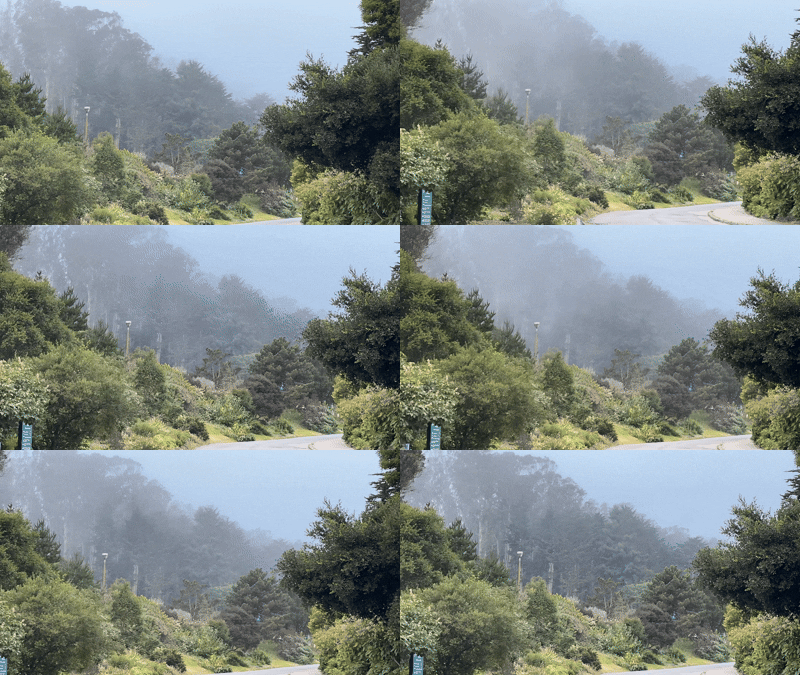
The coast is for walking and lingering
Ocean Beach forms San Francisco’s western edge for 3.5 miles, and it changes the tone of life in the Sunset in a very real way. The coast here is less about swimming and more about walking, watching the surf, catching sunset, and building small routines around the landscape.
That distinction matters if you are new to the area. The water is cold, and rip currents make swimming unsafe, so the beach experience is much more about atmosphere than traditional beach recreation.
Sunset Dunes adds a new layer
A major recent change on the west side is Sunset Dunes, a 2-mile, 50-acre coastal park that opened on April 12, 2025 along the former Great Highway. According to San Francisco Recreation and Parks, it logged more than 1.7 million visits in its first year.
That is significant because it gives the Outer Sunset an even stronger everyday public realm. What was once more of a scenic edge now functions more like an active, repeat-use neighborhood amenity for walking, gathering, and enjoying the coast.
West-side landmarks broaden your options
Beyond Golden Gate Park and Ocean Beach, the Sunset also connects to west-side destinations like Stern Grove and the San Francisco Zoo. In the Richmond, nearby open-space access contributes to a strong outdoor rhythm as well, including easy connections to larger protected landscapes and coastal viewpoints.
If your ideal San Francisco routine includes open air, long walks, and less dependence on packed nightlife districts, this part of the city offers a compelling alternative.
Food and coffee by neighborhood
Richmond dining centers on key streets
The Richmond’s food scene is tied closely to its commercial corridors. Clement Street, Geary Boulevard, and Balboa Street are the main organizing streets, and upper Clement in particular stands out as a long stretch of locally owned businesses and restaurants.
That setup gives the Richmond a strong neighborhood-serving identity. The dining mix spans a wide range, and the overall impression is less about trend-driven destination dining and more about places that fit naturally into weekly life.
The Sunset offers a broader café culture
The Sunset’s food scene is more dispersed, with recognizable clusters along Ninth Avenue, Irving, Taraval, Noriega, and Judah. That spread gives the neighborhood a relaxed, exploratory feel, where you may have several different go-to spots depending on the day.
For many buyers, this is part of the appeal. The Sunset supports a lifestyle of small routines: coffee before the park, a bakery stop on the weekend, lunch after the beach, or an easy neighborhood dinner close to home.
Everyday favorites support the lifestyle
SF Travel highlights several west-side staples across the Sunset, including Andytown Coffee Roasters, Arizmendi Bakery, Outerlands, Hook Fish Co., Java Beach Cafe, and Woods Outbound. Taken together, they help define the area’s café-forward, community-oriented personality.
If you care about how a neighborhood lives day to day, this matters. The best west-side streets are often less about spectacle and more about consistency, comfort, and local rhythm.
Housing stock and architectural character
Richmond homes are more varied
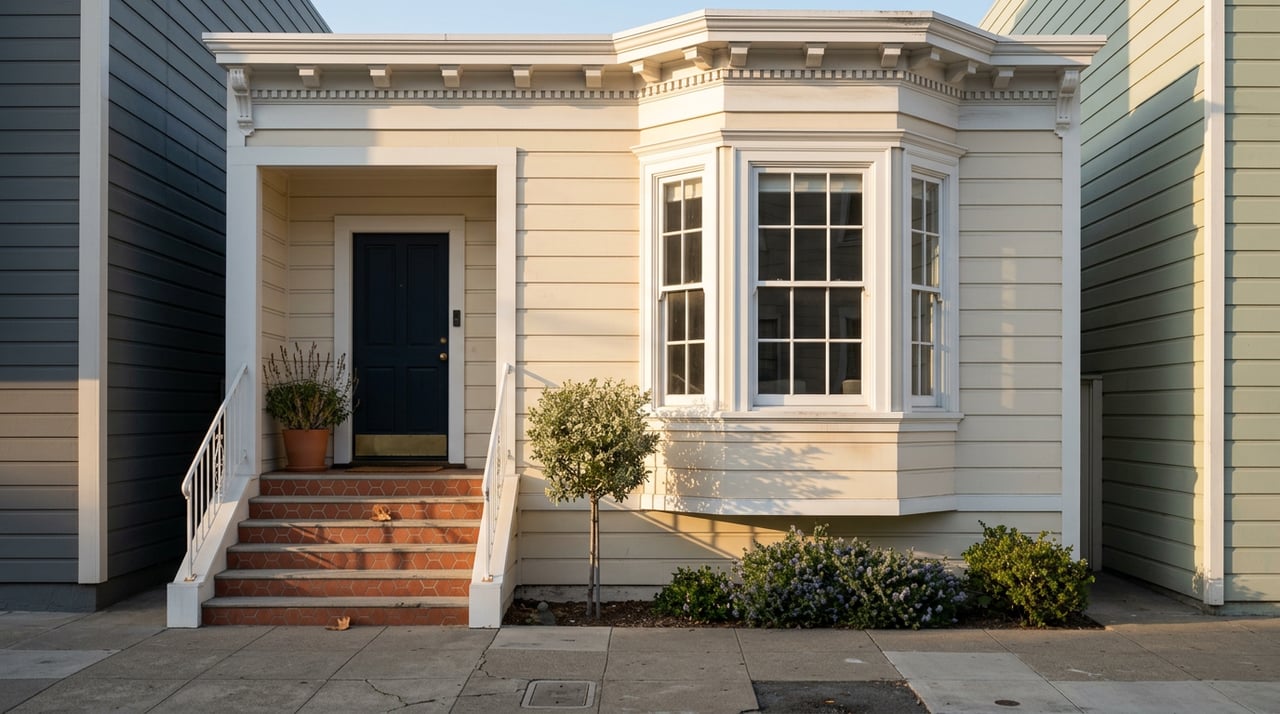
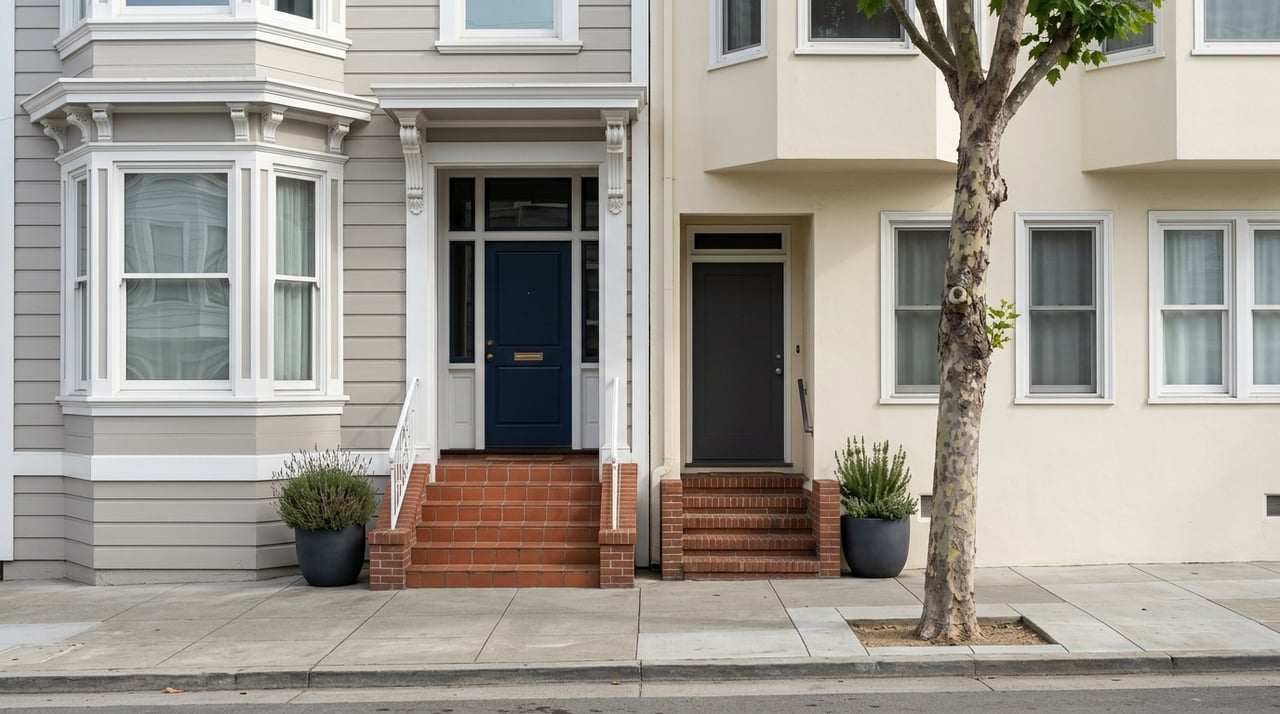
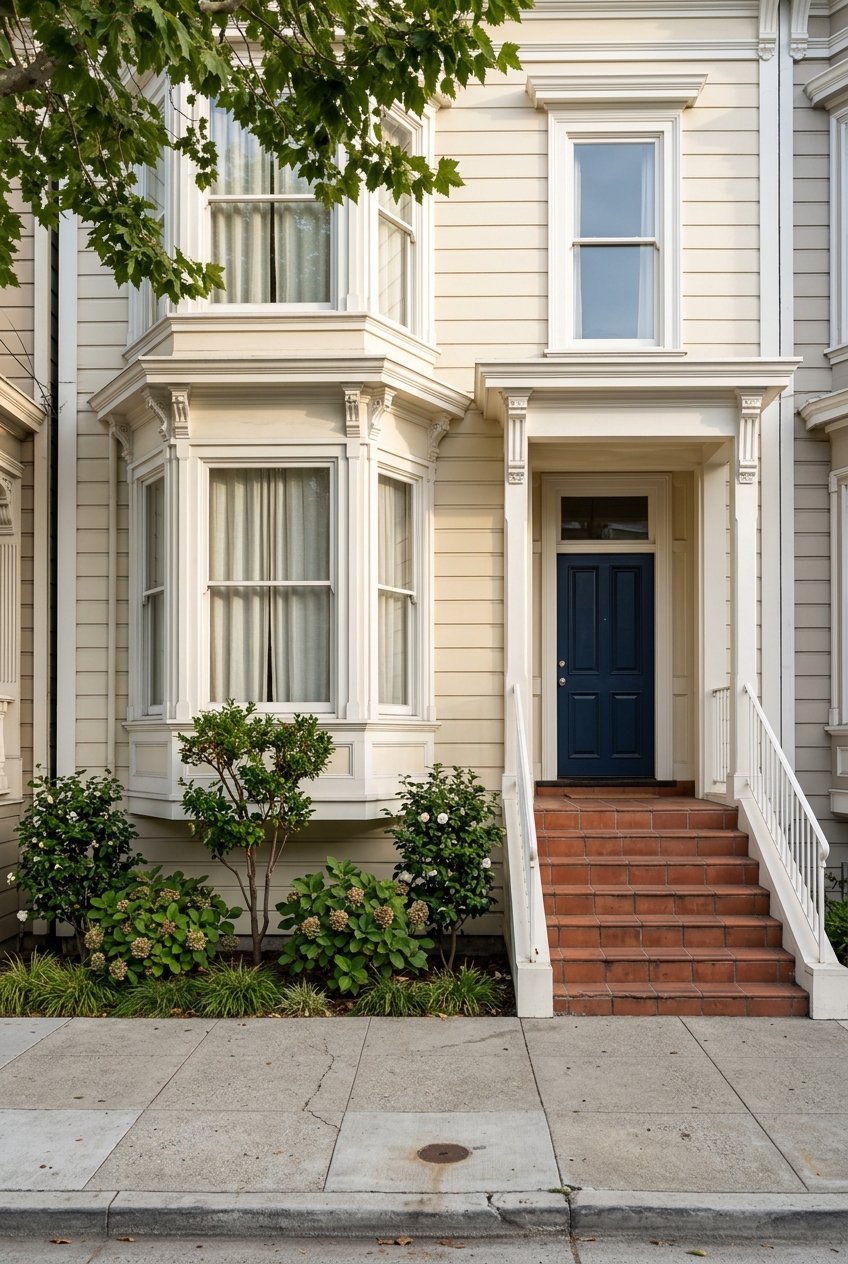
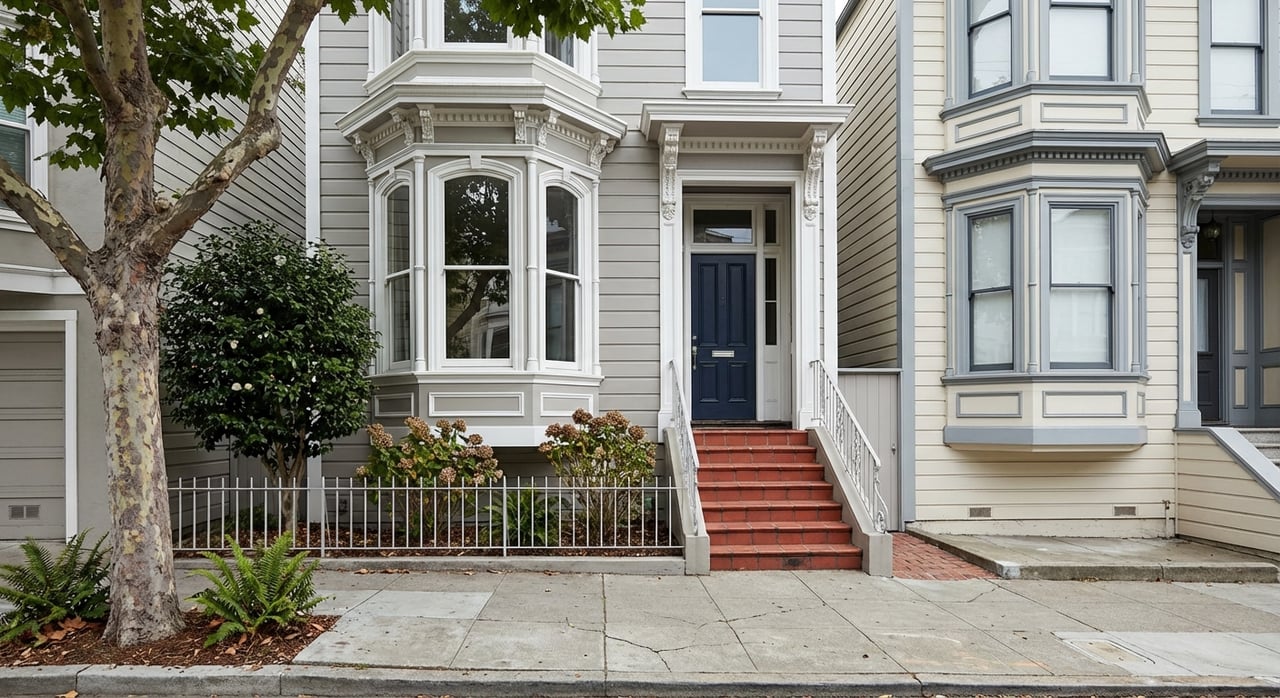
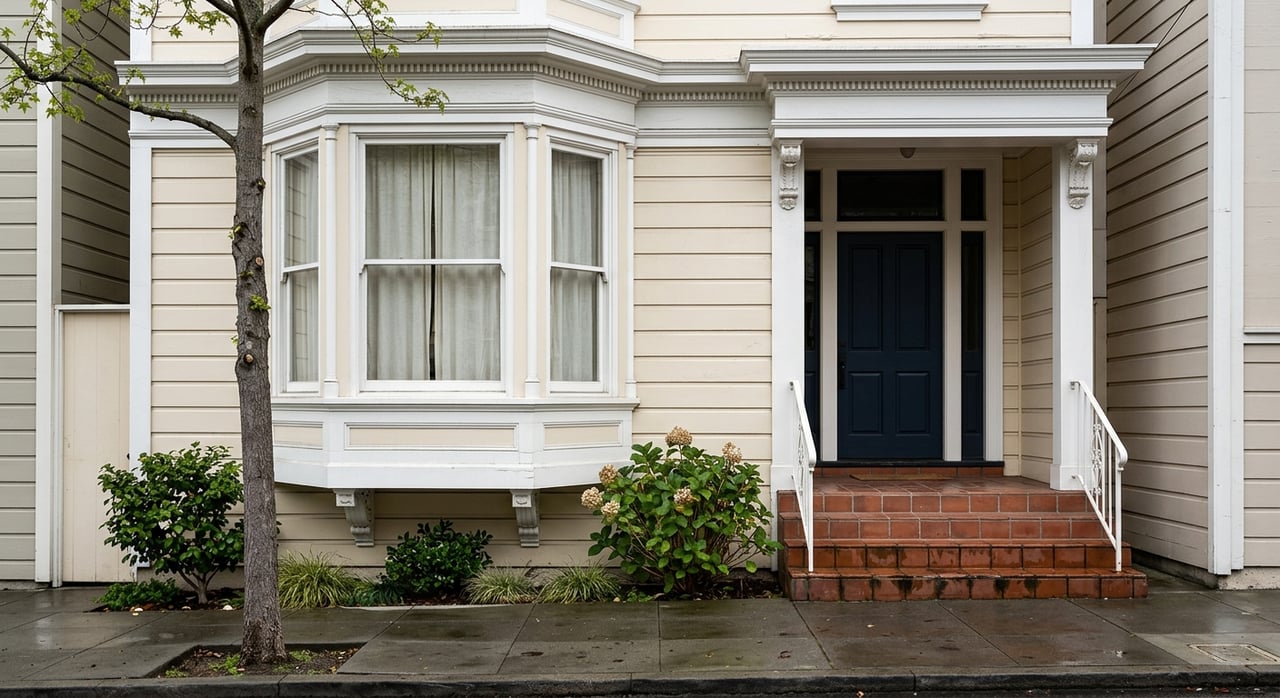
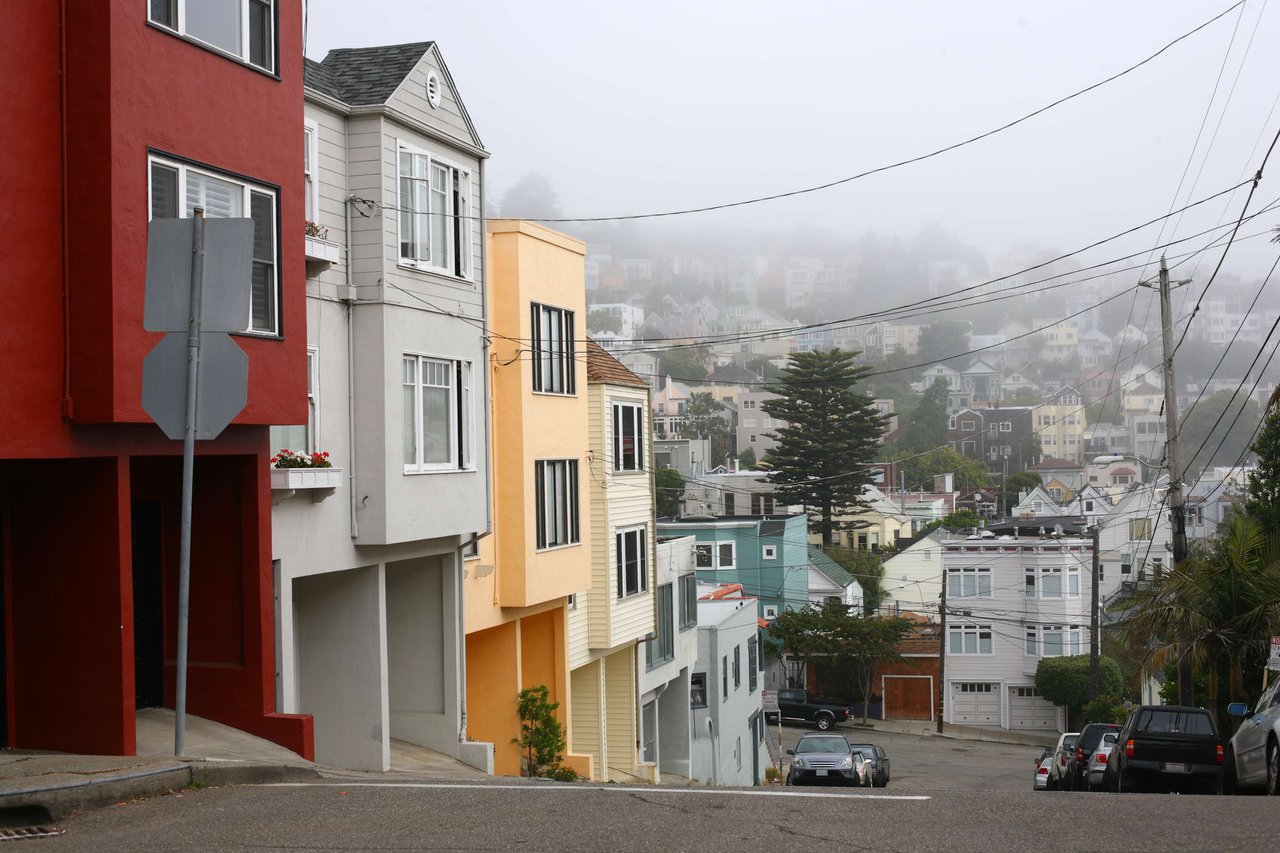
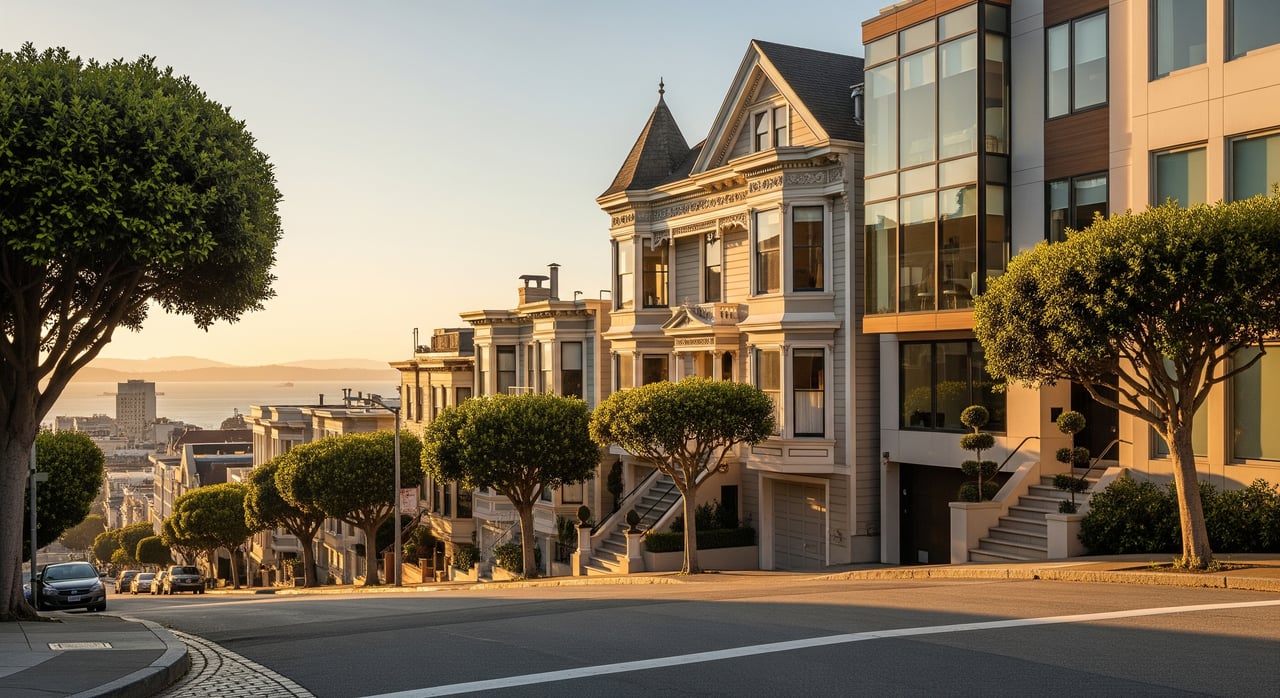
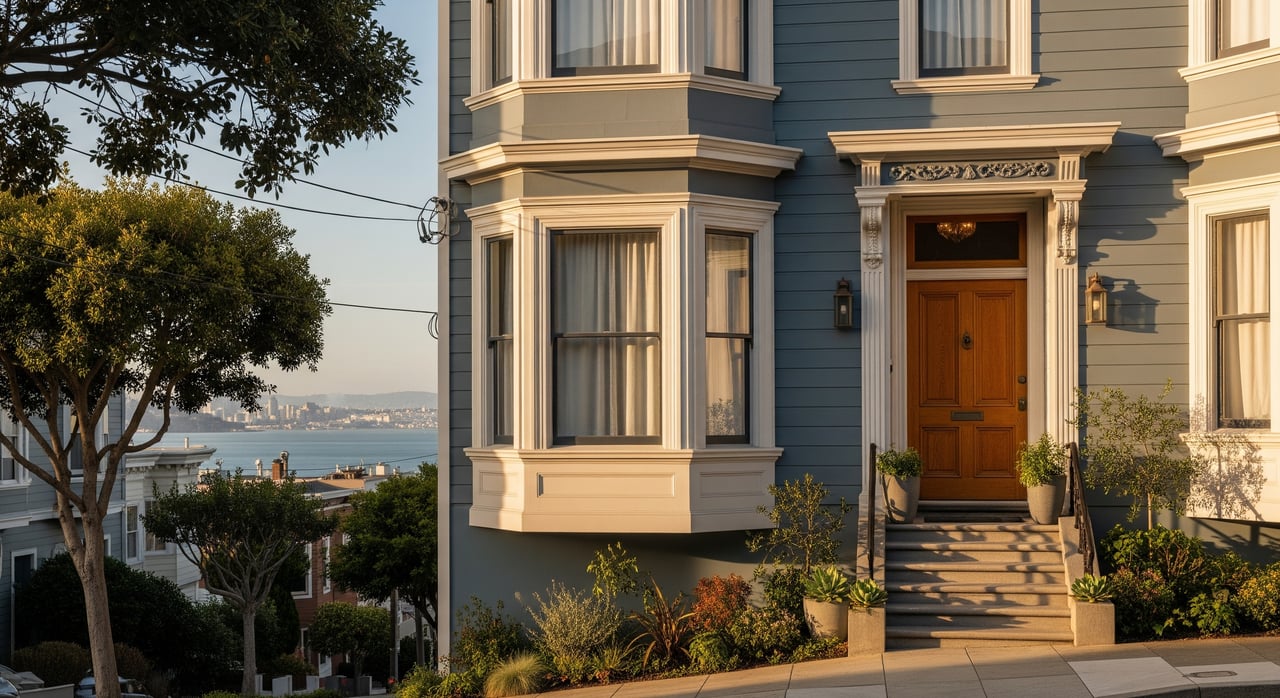
From a housing perspective, the Richmond offers more variety than the Sunset. Historic development patterns in the Inner Richmond included multi-unit buildings on corner lots and single-family homes mid-block, with later infill adding larger flats and apartment buildings.
For you as a buyer, that means the Richmond can present a broader mix of housing types on a block-by-block basis. Depending on where you look, you may find houses, flats, and neighborhood-scale apartment buildings woven together.
Sunset homes have a clearer visual identity
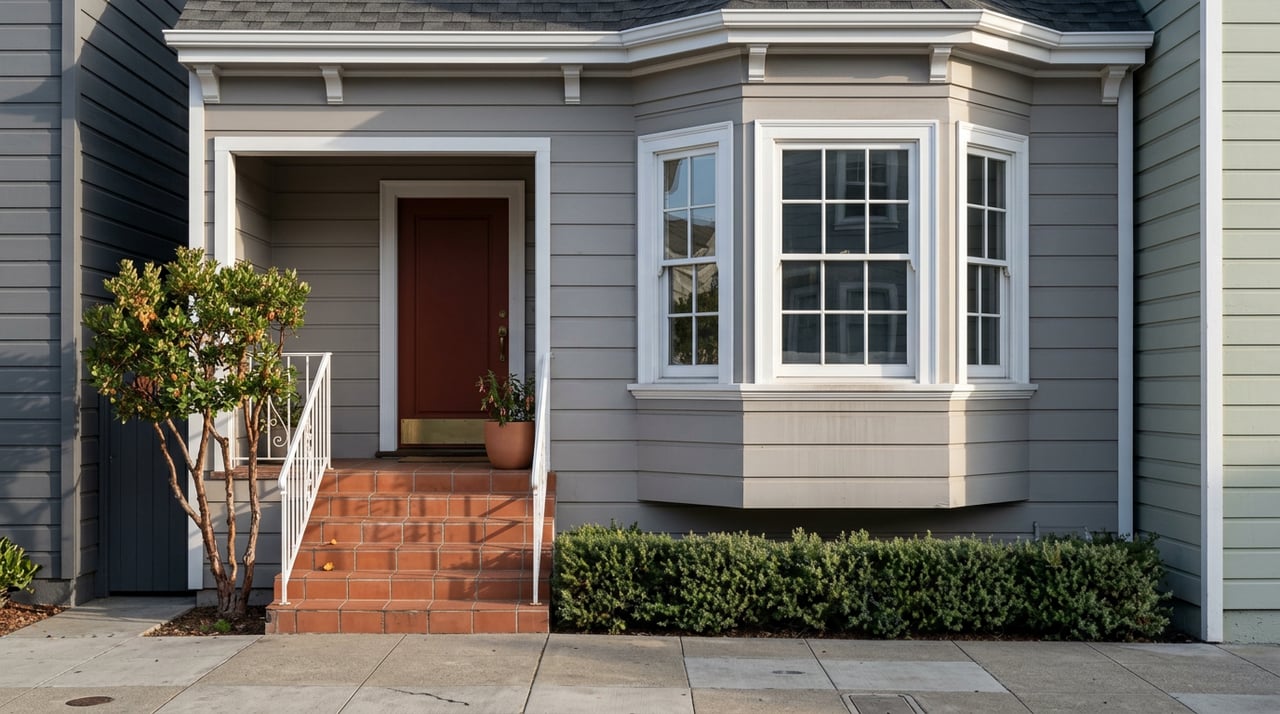
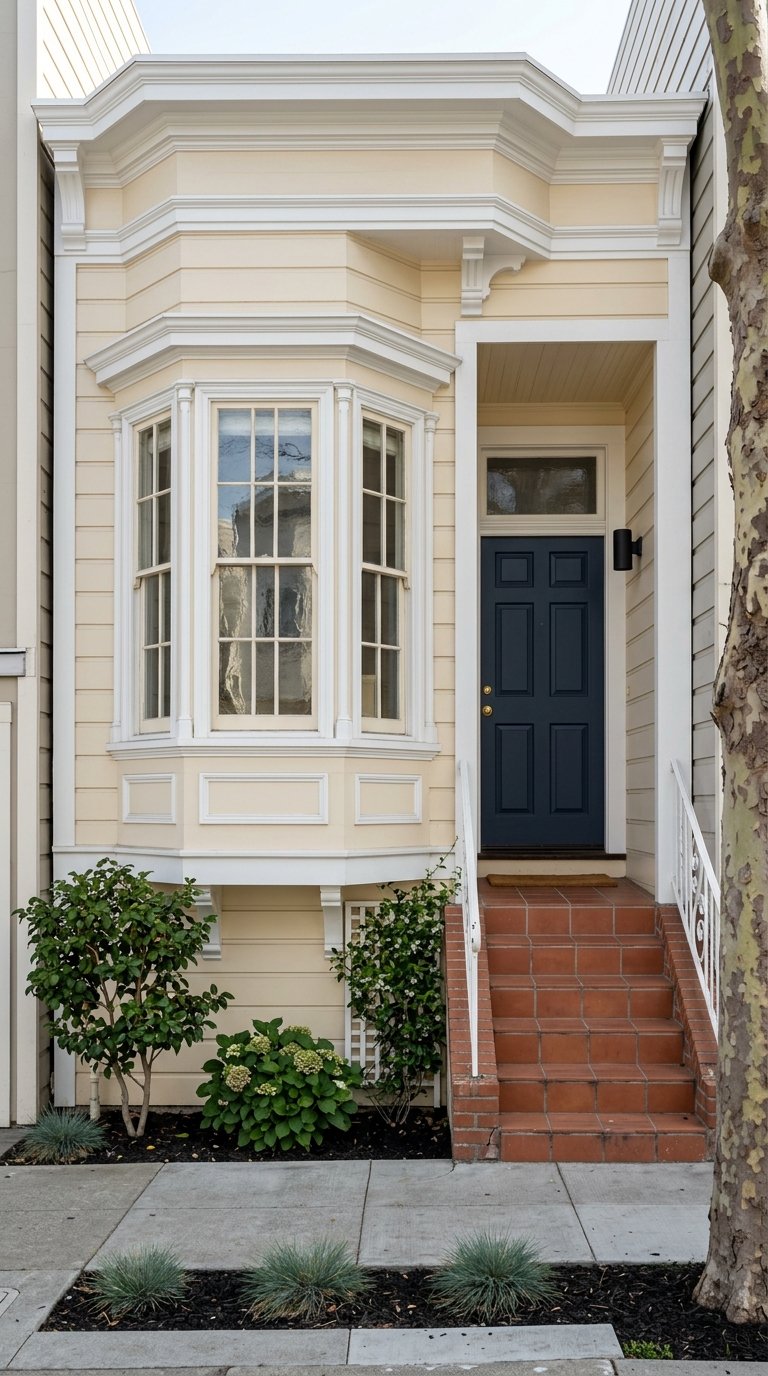
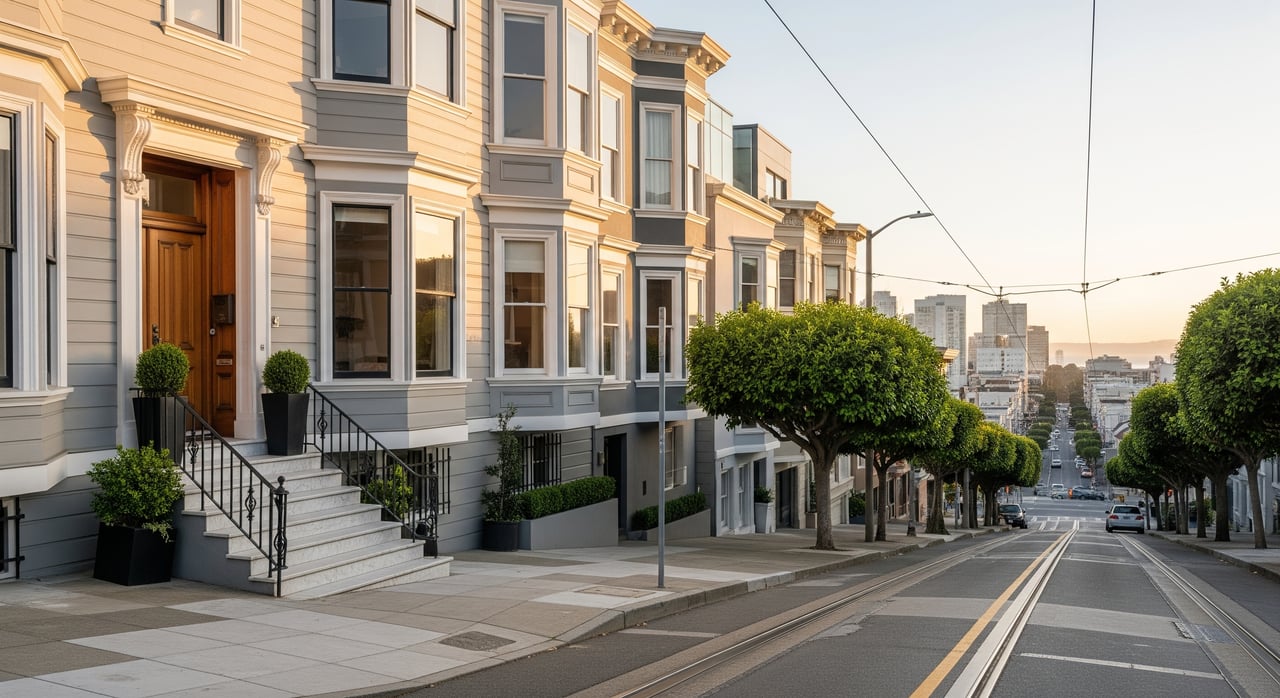
The Sunset is much more defined by rows of similarly massed single-family houses. San Francisco Planning describes recurring styles that include Barrel Front Mediterranean Revival, Spanish Colonial Revival, Tudor Revival, Storybook, Streamline Moderne, Colonial Revival, and later Minimal Traditional forms.
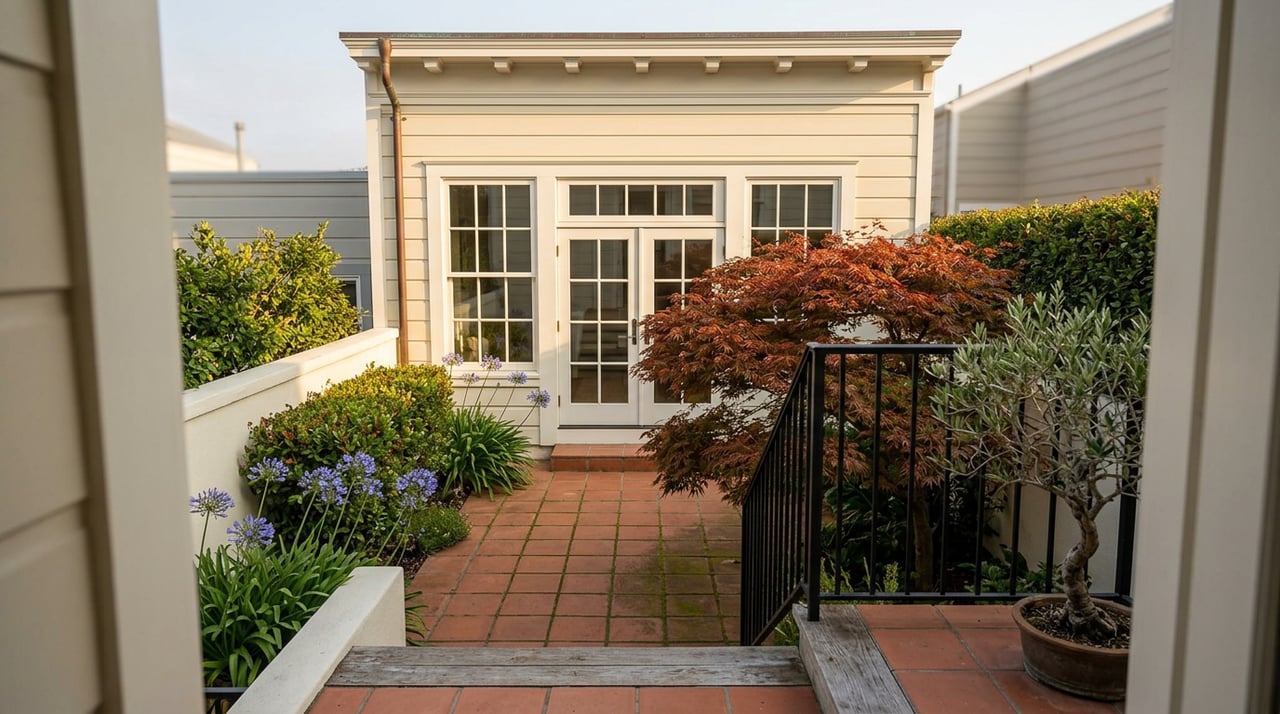
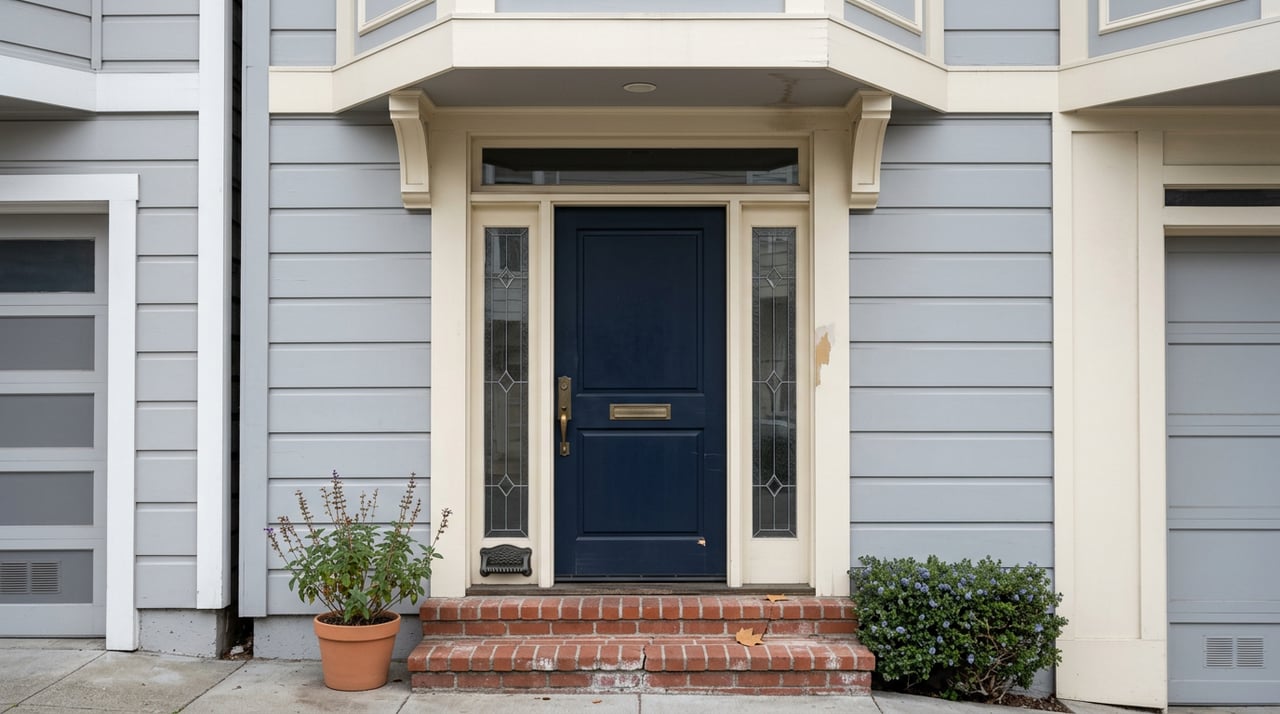
In plain terms, this is the classic west-side housing stock many buyers have in mind when they picture the Avenues. Stucco façades, modest front-yard setbacks, and integrated garages are a big part of that visual consistency.
Design-minded buyers often notice the difference
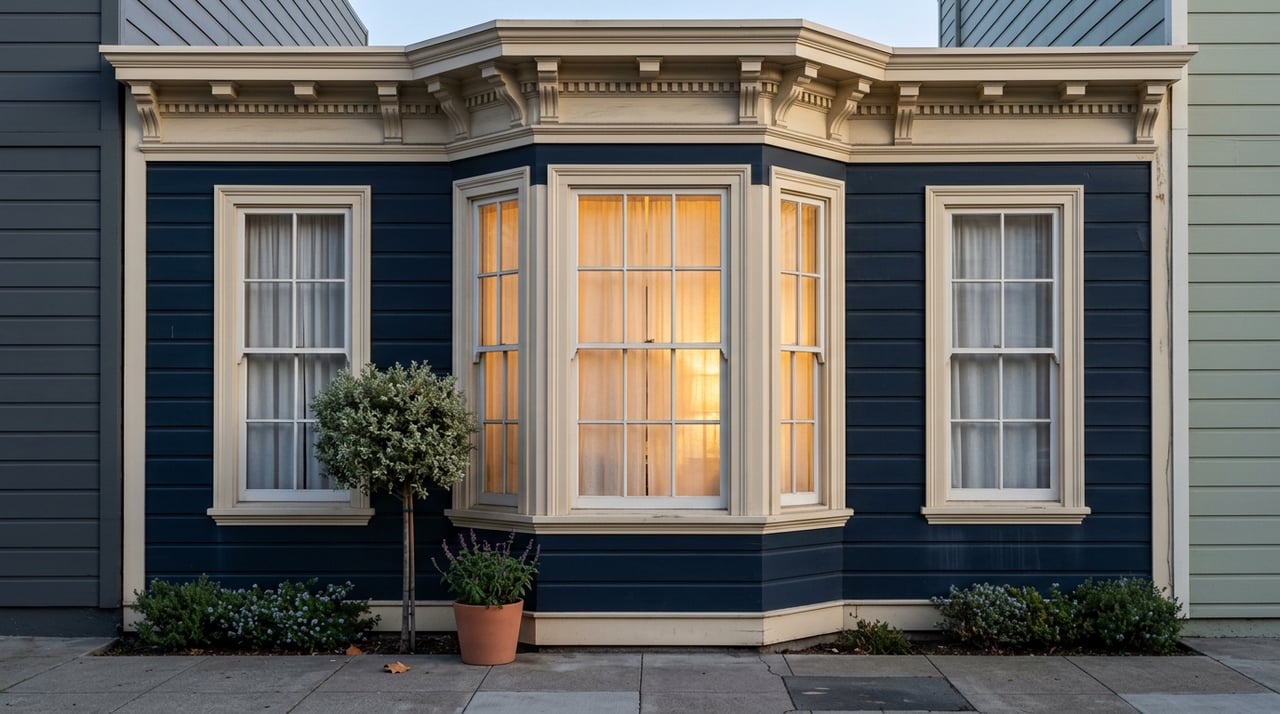
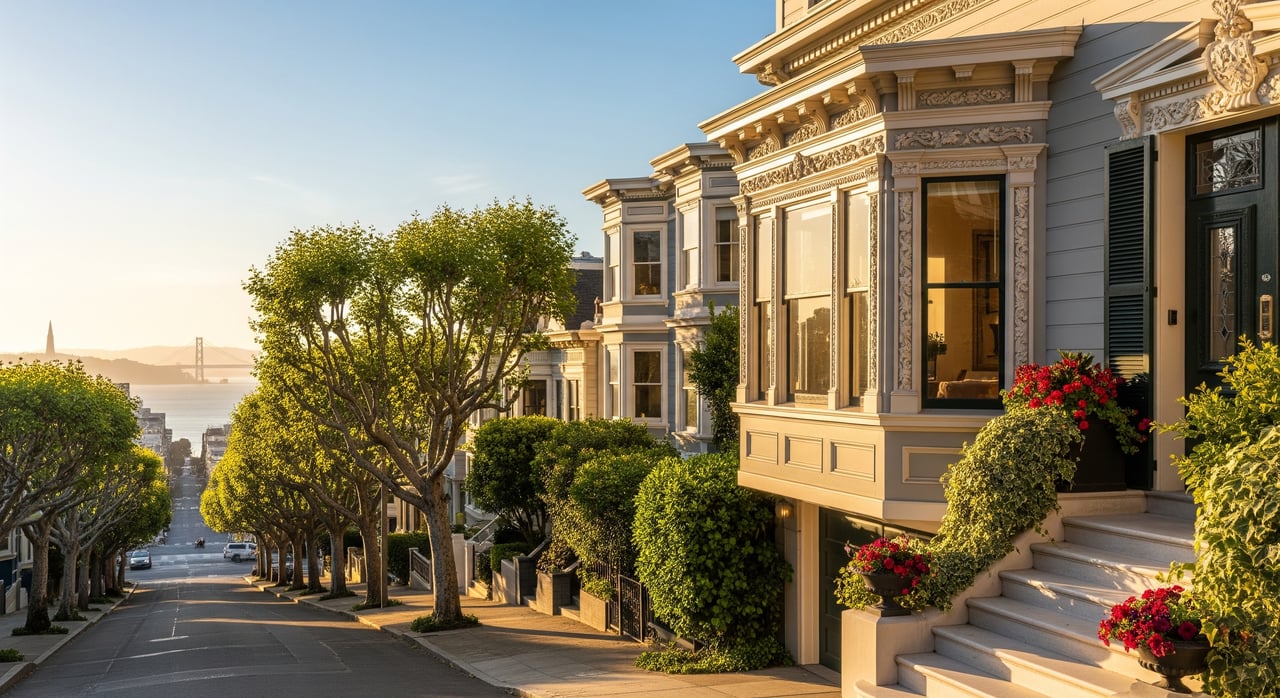
If you care about architecture, the distinction is meaningful. The Richmond often feels more layered and mixed, while the Sunset reads more as a cohesive tract-house landscape with a recognizable 1920s to postwar vocabulary.
Neither is better in a universal sense. It comes down to whether you are drawn to variety and a more mixed streetscape, or to the orderly rhythm and familiar scale of the Sunset’s single-family blocks.
Getting around the Richmond and Sunset
Transit is strong, but the experience varies
Both neighborhoods are well served by transit, though your experience can shift depending on the specific block. In the Inner Sunset, service includes the N Judah, L Taraval, 6 Hayes/Parnassus, 7 Haight/Noriega, 28 and 28R 19th Avenue, and 29 Sunset.
The Outer Sunset adds routes such as 18 46th Avenue, 48 Quintara/24th Street, and 66 Quintara. In the Outer Richmond, service includes the 1 California, 5 Fulton, 29 Sunset, 31 Balboa, and 38 Geary, along with related variants.
Daily routines matter more than a map
On paper, transit coverage is broad. In real life, what matters most is how your favorite routes line up with your actual routine, whether that means commuting across the city, heading toward Golden Gate Park, or staying mostly local during the week.
This is one of the reasons west-side home searches benefit from neighborhood-level guidance. A few blocks can change how connected or quiet a home feels.
Which neighborhood may fit you better?
Choose the Richmond for mixed city texture
The Richmond may suit you if you want a neighborhood with a bit more urban layering, a broader mix of housing types, and commercial corridors that feel central to daily life. It can be a strong fit if you like the idea of having restaurants, shops, and services concentrated along a few key streets.
You may also appreciate the Richmond if you want west-side calm without leaning too heavily into a beach-centered identity.
Choose the Sunset for a slower coastal rhythm
The Sunset may fit better if you want a more residential atmosphere, a stronger connection to Ocean Beach, and housing stock that feels visually consistent from block to block. It is especially appealing if your ideal San Francisco day includes coffee, park access, and time by the coast.
For many move-up buyers, that combination of residential streets, transit coverage, and access to Golden Gate Park and the beach is exactly the draw.
A final word on life in the Avenues
Life in the Richmond and Sunset is not about constant flash. It is about rhythm, access, and the kind of neighborhood details that shape your week over time. The right fit depends on whether you are drawn more to the Richmond’s layered corridors or the Sunset’s quieter, coastal residential feel.
If you are thinking about buying or selling on San Francisco’s west side, neighborhood nuance matters. Working with a local advisor who understands architecture, block-by-block character, and how lifestyle translates into value can make your next move much clearer. If you are ready to explore your options, connect with Brandi Mayo.
FAQs
What is the main lifestyle difference between the Richmond and Sunset in San Francisco?
- The Richmond generally feels more corridor-centered and mixed, while the Sunset feels more residential, spread out, and closely tied to the coast.
What kind of homes are common in the Richmond and Sunset?
- The Richmond includes a mix of houses, flats, and neighborhood-scale apartment buildings, while the Sunset is known mainly for single-family tract homes with revival and postwar styles.
What is Ocean Beach like for people living in the Sunset?
- Ocean Beach is a major lifestyle amenity for walking, surf watching, and sunset views, but it is not considered safe for swimming because of cold water and rip currents.
What are the main commercial streets in the Richmond and Sunset?
- In the Richmond, Clement Street, Geary Boulevard, and Balboa Street are the main corridors. In the Sunset, activity is spread across Ninth Avenue, Irving, Taraval, Noriega, and Judah.
What transit serves the Richmond and Sunset neighborhoods?
- The west side has broad transit coverage, including routes such as the N Judah, L Taraval, 1 California, 5 Fulton, 31 Balboa, 38 Geary, 28 and 28R 19th Avenue, and 29 Sunset, with additional service depending on the specific area.