Wondering which Upper Market-area neighborhood gives you the right next step without giving up the San Francisco lifestyle you already love? If you are moving up, you are likely balancing more space, better daily function, access to parks, and a neighborhood feel that fits how you actually live. This guide compares five closely connected San Francisco micro-markets so you can see where each one stands out and where the tradeoffs tend to show up. Let’s dive in.
Why Upper Market Comparisons Matter
These neighborhoods are best understood as adjacent micro-markets within the broader Market & Octavia and Upper Market corridor, not as one single, uniform district. In practice, that means your experience can change quickly from one area to the next based on block scale, housing type, retail activity, and access to open space.
For move-up buyers, that distinction matters. You may be choosing between a larger flat near transit, a multi-bedroom home near a village-style main street, or a quieter setting with easier access to major parkland. In this part of San Francisco, the lifestyle differences often come down to those details more than simple distance from downtown.
Duboce Triangle at a Glance
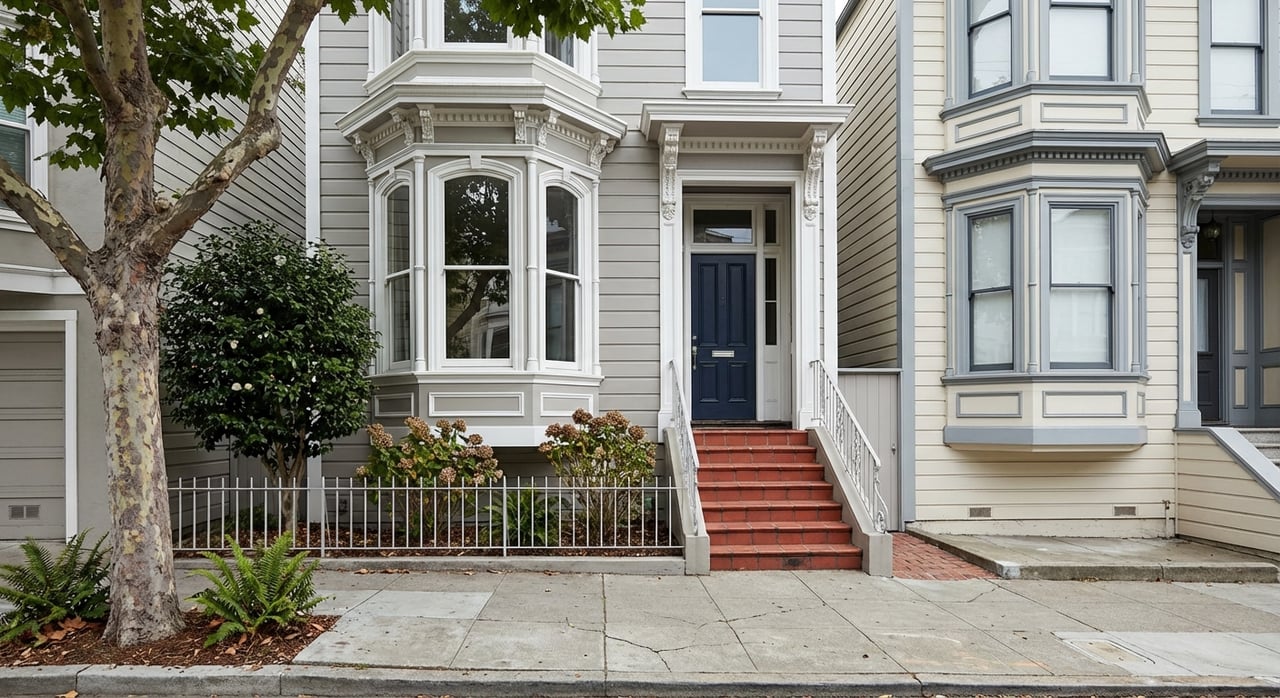
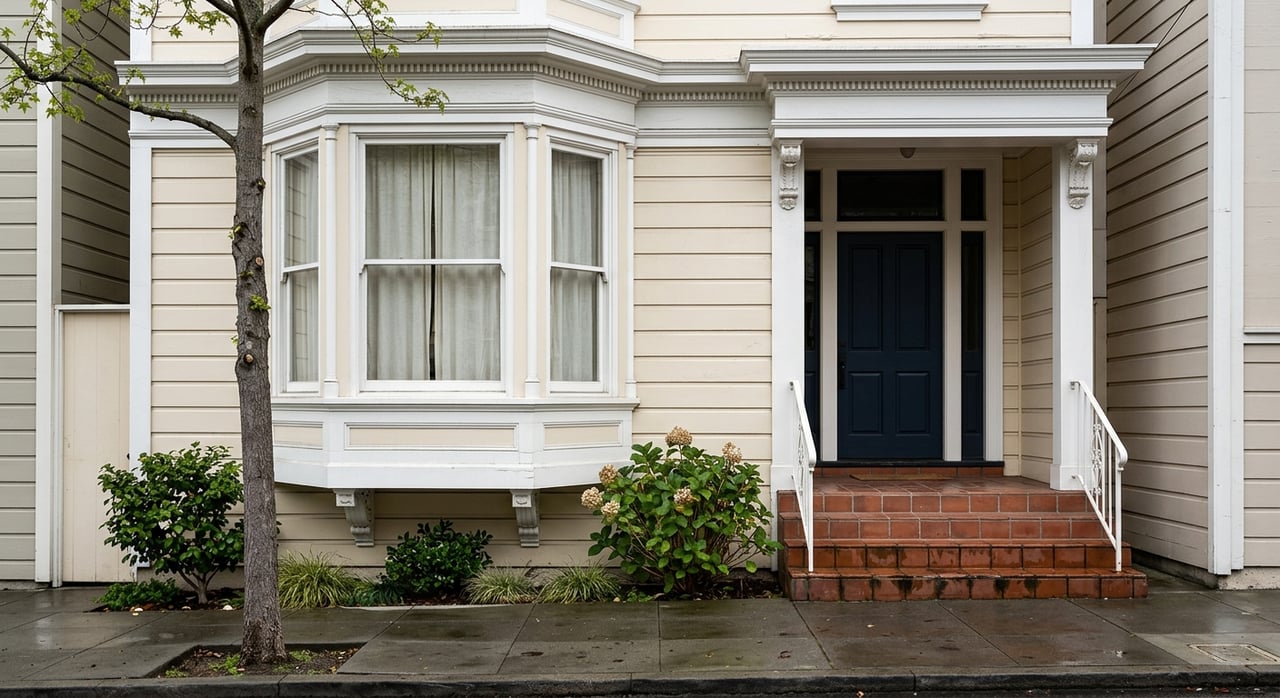
Duboce Triangle offers a central, transit-oriented feel with housing that reflects San Francisco’s late 19th- and early 20th-century growth. The area is largely residential, with single-family and multi-family frame homes, plus a strong presence of two- and three-story flats and some corner apartment buildings added after 1906.
Its active edge is tied closely to Upper Market and the Church and Duboce transit node. If your priority is easy daily movement around the city and a highly connected location, that can be a major advantage.
Park access is another strength here. Duboce Park serves as a true neighborhood park with a playground, dog play area, basketball court, and the Harvey Milk Recreational Arts Center, while Buena Vista Park adds another nearby outdoor option.
Best Fit for Duboce Triangle
Duboce Triangle tends to suit buyers who want centrality first. If you are comfortable trading some detached-home feel, parking ease, or private outdoor space for walkability, transit, and a classic San Francisco residential fabric, this area deserves a close look.
Hayes Valley at a Glance
Hayes Valley is the most urban and retail-focused option in this group. Its housing stock includes older residential flats and dwellings in Italianate, Eastlake, and Queen Anne styles, with later commercial and apartment infill along Hayes, Market, and Haight.
The commercial heart is Hayes Street, which gives the neighborhood a distinct street life and a strong daily rhythm. For buyers who want restaurants, shops, and neighborhood services woven directly into the experience of living there, Hayes Valley has a clear identity.
Its open space is more compact than what you will find in some other neighborhoods in this comparison. Patricia’s Green and Hayes Valley Playground provide pocket-park style access rather than a large traditional park.
Best Fit for Hayes Valley
Hayes Valley often works well for move-up buyers who want a design-forward, walkable neighborhood with a lively street edge. If your ideal upgrade is about style, convenience, and urban energy more than yard space or a quieter residential feel, it stands out quickly.
Cole Valley at a Glance
Cole Valley offers a compelling middle ground between a compact main street and immediate access to major open space. Planning materials describe a mix of low- and mid-rise buildings, generally one- to four-story structures, with a neighborhood pattern that supports housing above ground-story commercial space.
The retail core runs along Cole Street, creating a village-scale commercial strip that feels focused rather than sprawling. That smaller retail footprint can appeal to buyers who want neighborhood convenience without a highly intense urban environment.
What truly sets Cole Valley apart is its relationship to Golden Gate Park. With direct access to one of San Francisco’s largest and most significant parks, the neighborhood gives you a daily connection to expansive citywide open space that is hard to replicate.
Best Fit for Cole Valley
Cole Valley is a strong choice if you want balance. For move-up buyers seeking a compact neighborhood main street, a more contained residential scale, and unusually direct park access, it checks several boxes at once.
Noe Valley at a Glance
Noe Valley is often the most natural fit for buyers who want a more residential base while keeping an active local commercial corridor nearby. The housing mix includes one- and two-unit homes, multi-family flats, and residential-over-commercial buildings in Victorian, Edwardian, Period Revival, and Mid-Century styles.
Its main retail corridor runs along 24th Street and is described by Planning as a daytime-oriented, multi-purpose district with retail and services at street level and housing mostly above. That setup tends to support a neighborhood routine that feels active without reading as intensely urban.
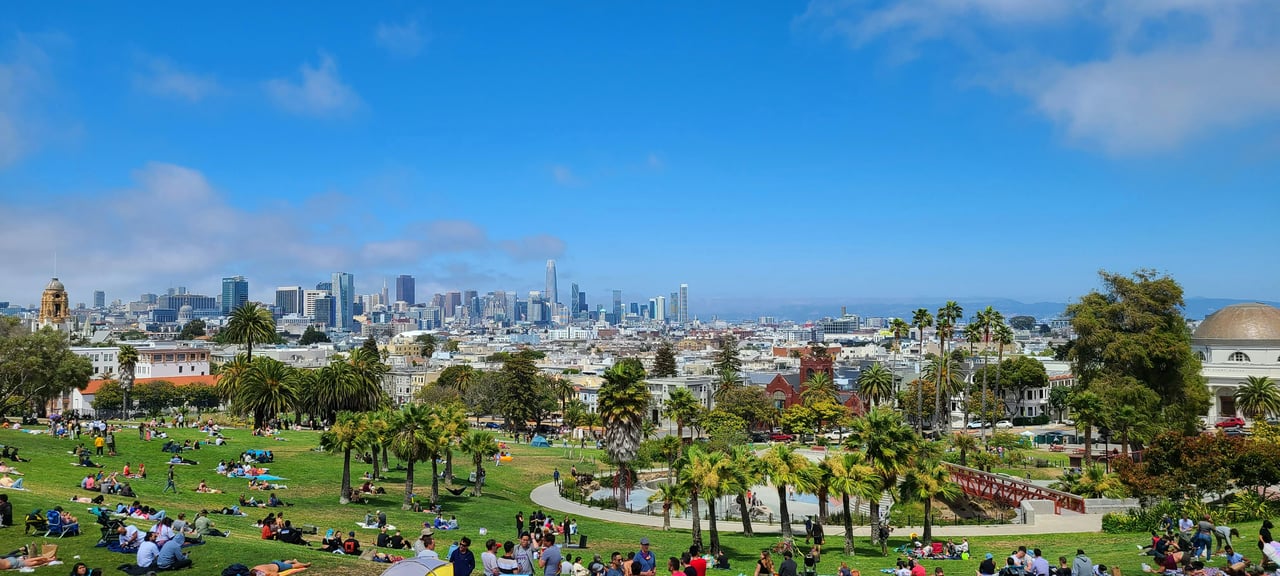
Open space is another major draw. Noe Valley Town Square, Upper Noe Recreation Center, and nearby Mission Dolores Park create a notably dense network of gathering and recreation spaces, with Mission Dolores Park offering nearly 16 acres of open space.
Best Fit for Noe Valley
Among these five neighborhoods, Noe Valley stands out as the most family-centric residential option in the comparison. If you are moving up for more bedrooms, a more established residential feel, and easy access to local parks and day-to-day amenities, this is often where your search becomes more focused.
Glen Park at a Glance
Glen Park brings a different rhythm to the conversation. Its planning framework emphasizes village scale, small buildings, and limited growth, which gives the neighborhood a more tucked-in identity than many central San Francisco locations.
The retail streets along Diamond and Chenery are closely tied to surrounding homes and transit access. That combination helps the commercial core feel integrated into daily life rather than separate from it.
Glen Canyon Park is the signature outdoor feature and gives the neighborhood a more natural setting than the others in this comparison. Forested slopes and trails create a distinctly different park experience from compact squares or formal urban parks.
Transit is also a major part of Glen Park’s appeal. With Glen Park Station at Diamond and Bosworth, the neighborhood pairs a small-town feel with strong regional transit access.
Best Fit for Glen Park
Glen Park is especially appealing if you want a village atmosphere without losing transit convenience. For move-up buyers who value a quieter setting, a recognizable neighborhood core, and direct access to natural open space, it offers a very specific and attractive mix.
Side-by-Side Neighborhood Comparison
Here is a simple way to frame the tradeoffs:
| Neighborhood | Housing Feel | Retail Character | Park Access | Best For |
|---|---|---|---|---|
| Duboce Triangle | Historic flats and multi-family homes | Transit-linked, active edge near Upper Market | Duboce Park and nearby Buena Vista Park | Buyers prioritizing centrality and transit |
| Hayes Valley | Older flats, dwellings, and apartment infill | Most urban and retail-dense | Pocket parks and compact open space | Buyers who want walkability and street life |
| Cole Valley | Low- to mid-rise mixed residential fabric | Compact village-scale main street | Direct access to Golden Gate Park | Buyers seeking balance and major park access |
| Noe Valley | One- and two-unit homes plus flats | Daytime-oriented local corridor | Dense network of neighborhood parks | Buyers wanting a more residential base |
| Glen Park | Small-scale residential setting | Village core tied to transit | Glen Canyon Park and trails | Buyers wanting small-town feel and BART access |
What Move-Up Buyers Should Watch Closely
Across all five neighborhoods, block-by-block variation is substantial. Older building stock, transit-oriented corridors, and varied lot conditions can create meaningful differences in privacy, parking, natural light, outdoor space, and day-to-day noise even within a short distance.
That is why broad neighborhood reputation only gets you so far. When you are moving up, the real question is not just which neighborhood sounds best, but which specific block and housing type best supports your next chapter.
In practical terms, many buyers in these areas are weighing walkability and neighborhood amenities against space-related tradeoffs. In some cases, gaining access to a favorite commercial corridor or park may mean compromising on private outdoor space or easier car storage.
How to Narrow Your Search
A smart way to compare these neighborhoods is to rank your priorities before you start touring seriously. For most move-up buyers, the decision becomes clearer once you define which daily-living features matter most.
Start with questions like these:
- Do you want a more urban setting or a more residential one?
- Is direct transit access a top priority?
- Do you want a compact local main street or broader city access?
- Are you hoping for a larger park nearby or a smaller neighborhood gathering space?
- Would you prefer a flat, condo, or multi-bedroom home with a more house-like feel?
Once those priorities are clear, the field narrows quickly. Hayes Valley and Duboce Triangle often rise for buyers who want urban energy and connectivity, while Noe Valley and Glen Park tend to attract buyers looking for a more residential daily rhythm. Cole Valley often lands in the middle for those who want a village feel with exceptional park access.
Choosing the Right Upper Market Fit
There is no single best neighborhood here, only the one that best matches how you want to live. Duboce Triangle offers centrality, Hayes Valley leans urban and retail-rich, Cole Valley balances village scale with major park access, Noe Valley delivers a more residential feel with strong open-space options, and Glen Park offers a quieter village identity with regional transit strength.
For move-up buyers, the right choice usually comes from matching home type, block feel, and everyday routine rather than chasing a broad label. If you want thoughtful guidance on how these San Francisco micro-markets compare in real life, Brandi Mayo can help you narrow the search with a design-aware, neighborhood-specific strategy.
FAQs
What makes Duboce Triangle appealing for move-up buyers in San Francisco?
- Duboce Triangle appeals to buyers who want a central location, strong transit access, historic flats and multi-family housing, and nearby access to Duboce Park.
How does Hayes Valley compare to other Upper Market neighborhoods?
- Hayes Valley is the most urban and retail-dense option in this comparison, with older flats, apartment infill, a lively Hayes Street corridor, and smaller pocket-park style open spaces.
Why do move-up buyers consider Cole Valley in San Francisco?
- Cole Valley offers a village-scale commercial strip along Cole Street, a generally low- to mid-rise housing pattern, and direct access to Golden Gate Park.
Is Noe Valley a good fit for buyers seeking a more residential neighborhood?
- Noe Valley often fits buyers who want one- and two-unit homes, a strong 24th Street commercial corridor, and a dense network of nearby parks and gathering spaces.
What sets Glen Park apart from other San Francisco micro-markets?
- Glen Park stands out for its village scale, small-building character, Glen Canyon Park trails and natural setting, and direct access to Glen Park Station.
What should move-up buyers compare across Upper Market neighborhoods?
- You should compare housing type, block-by-block feel, transit access, retail intensity, park access, and likely tradeoffs involving parking, private outdoor space, and walkability.