There is a conundrum that every good real estate advisor has to sit with in a fast-appreciating market.
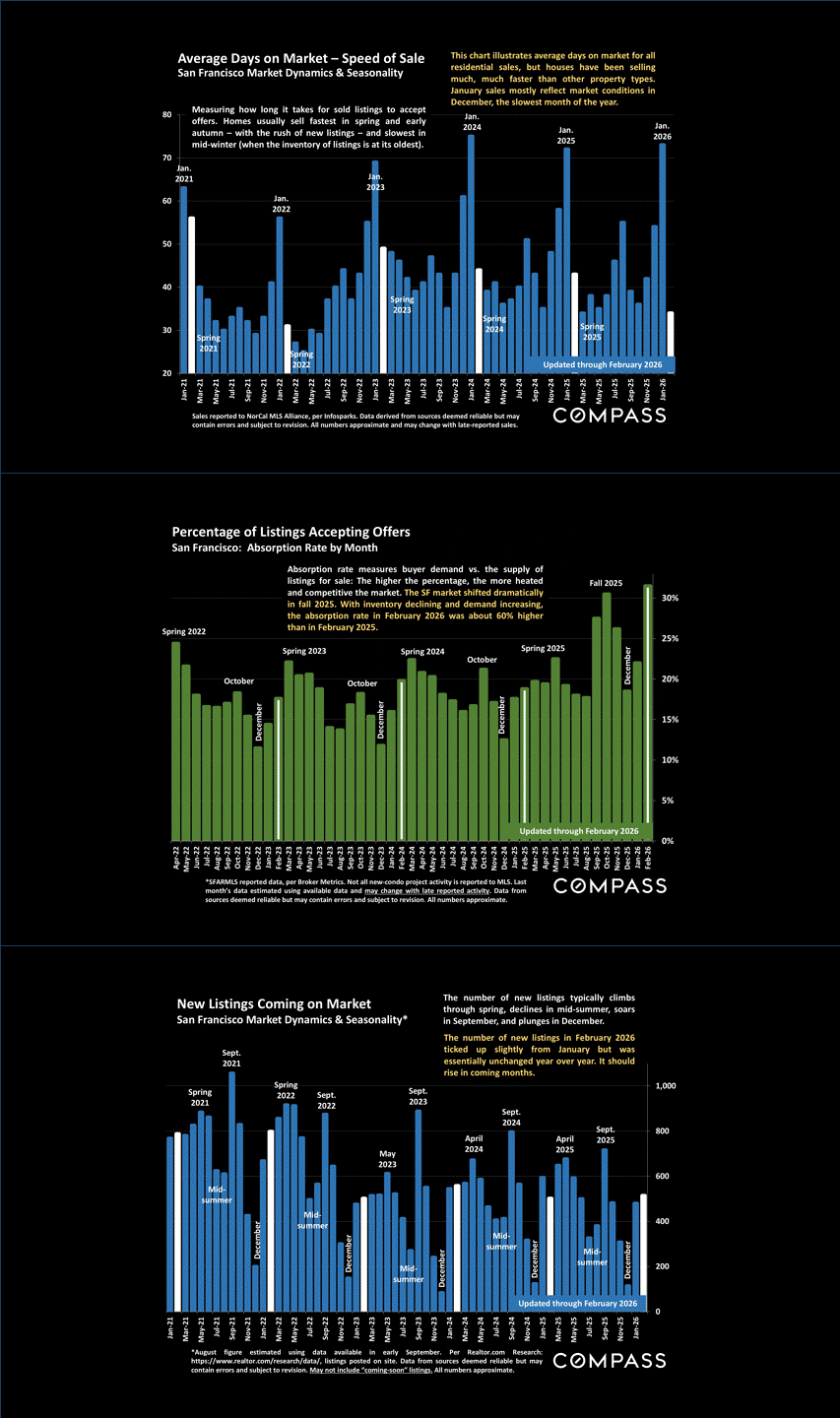
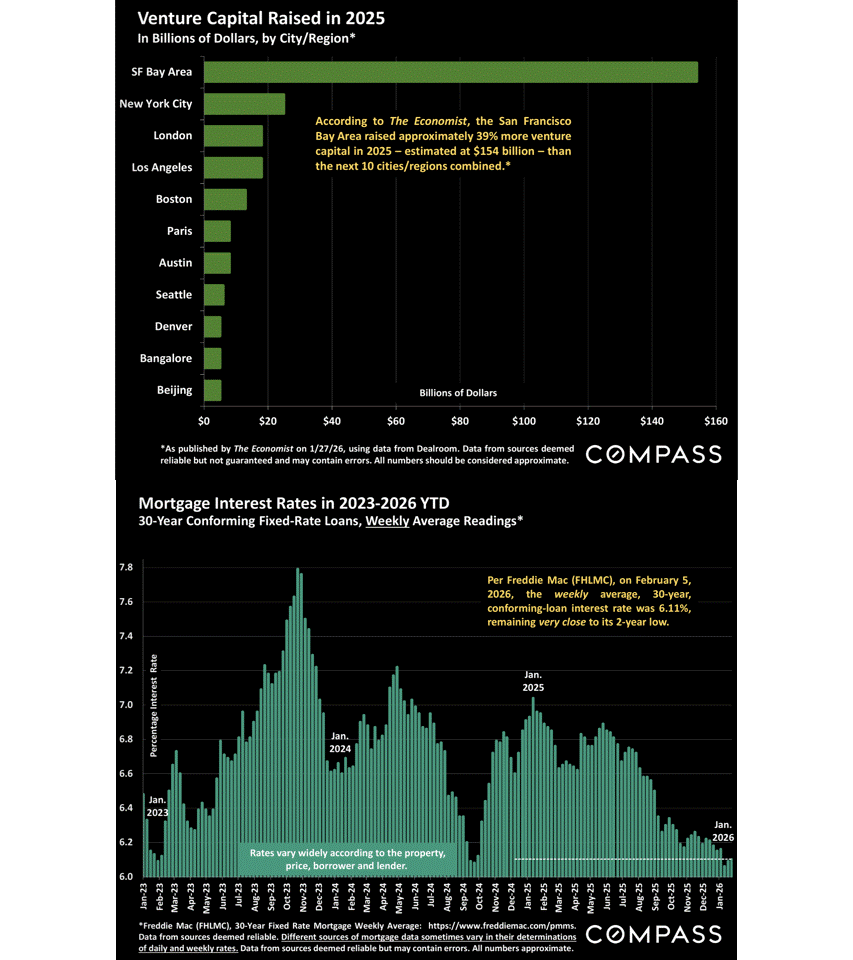
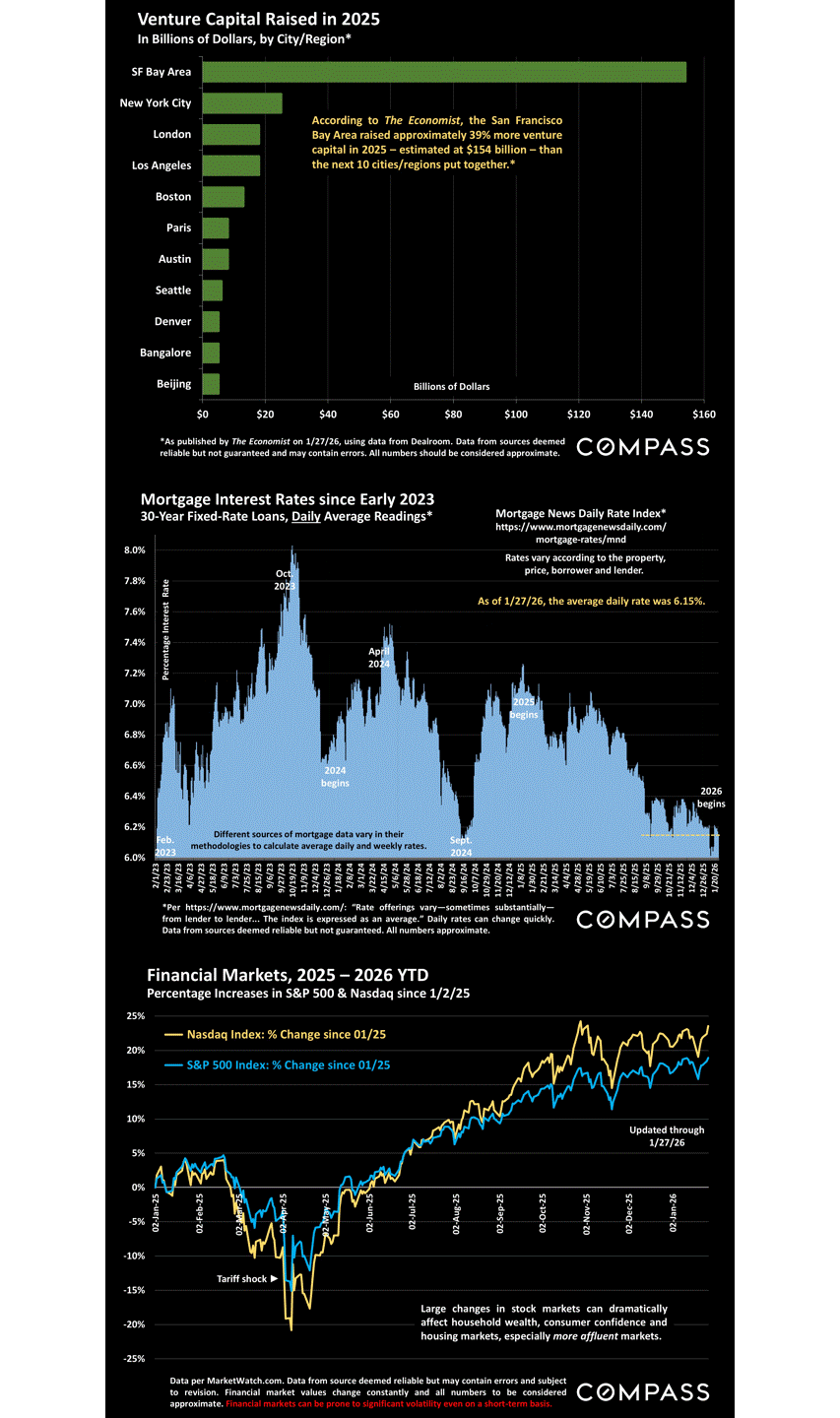
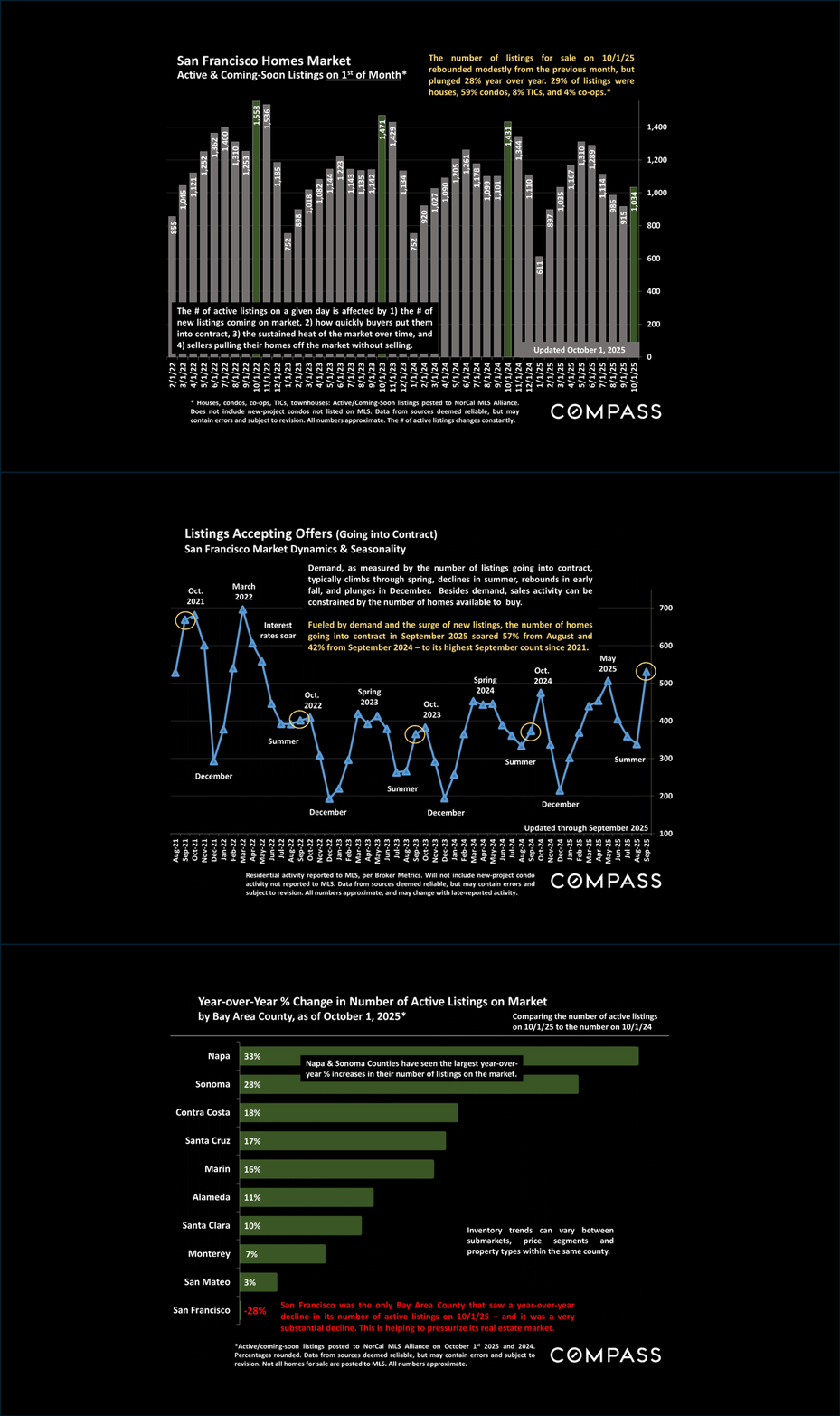
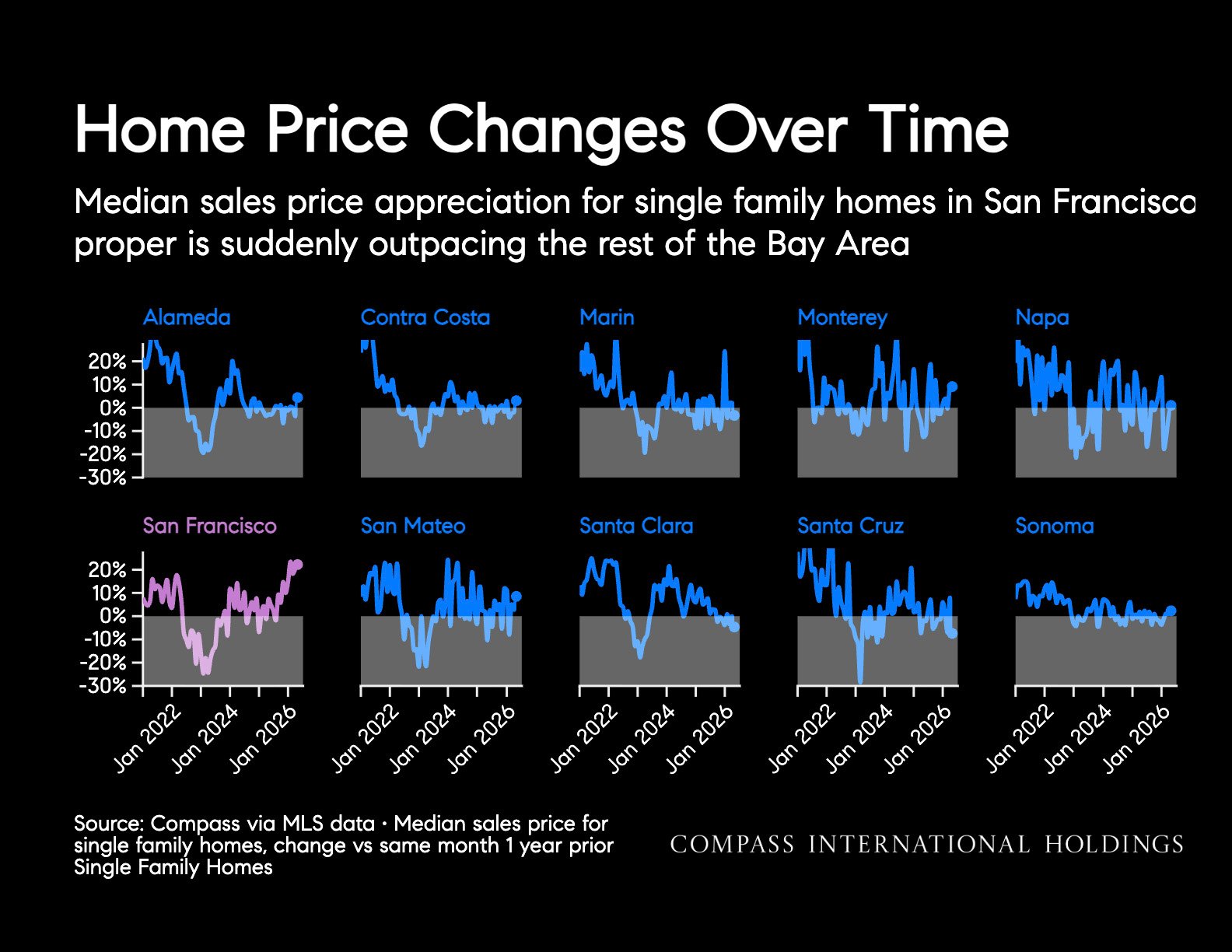
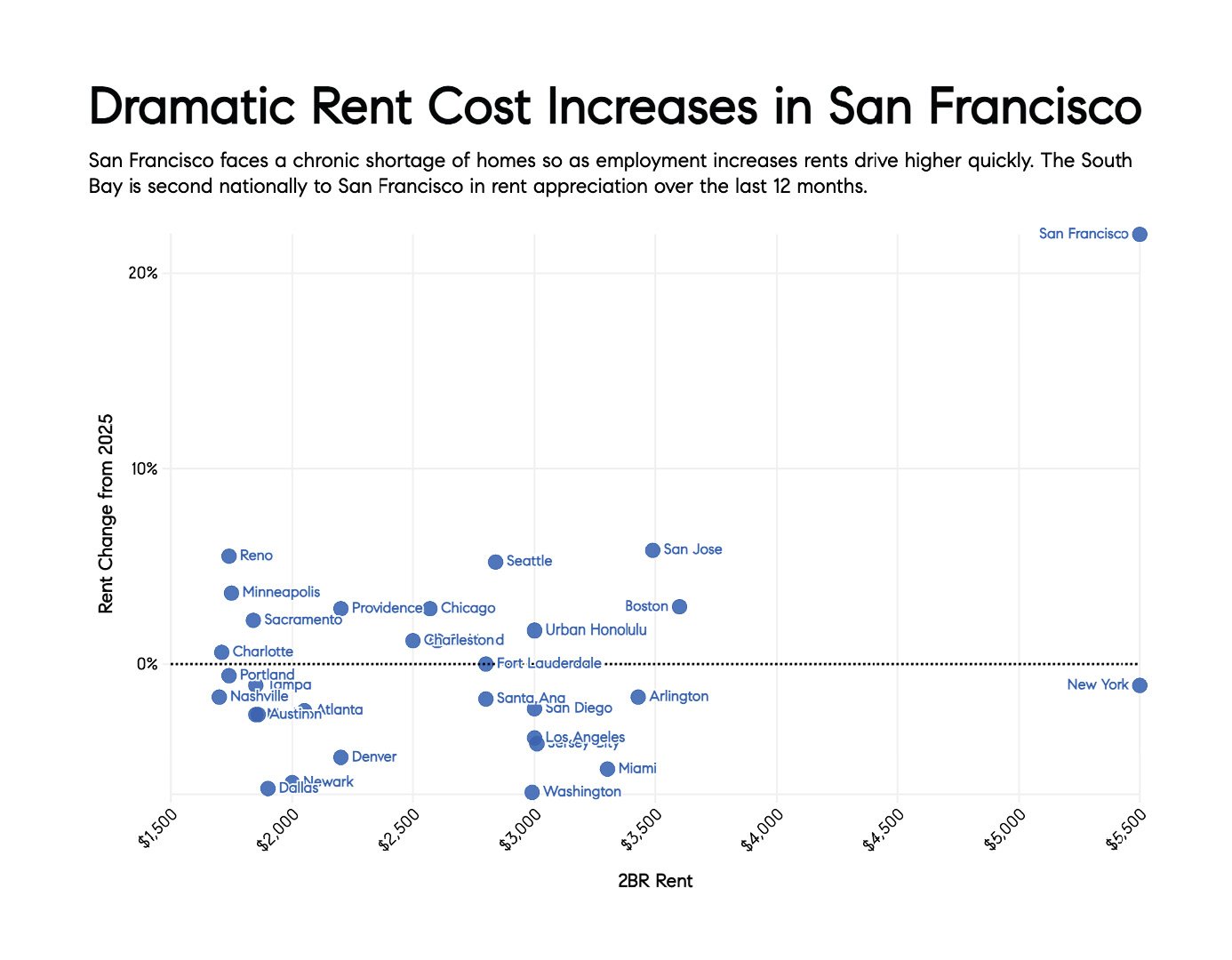
For sellers, this market is easier to explain. Inventory is tight, buyer demand has strengthened, rents are rising, AI and the stock market has created a renewed wealth effect, and San Francisco single-family property values are suddenly moving with a level of force we have not seen in several years. If you own the right property, in the right condition, in the right location, and are willing to prepare and price it correctly, the market is rewarding that discipline.
For buyers, the conversation is much more complicated.
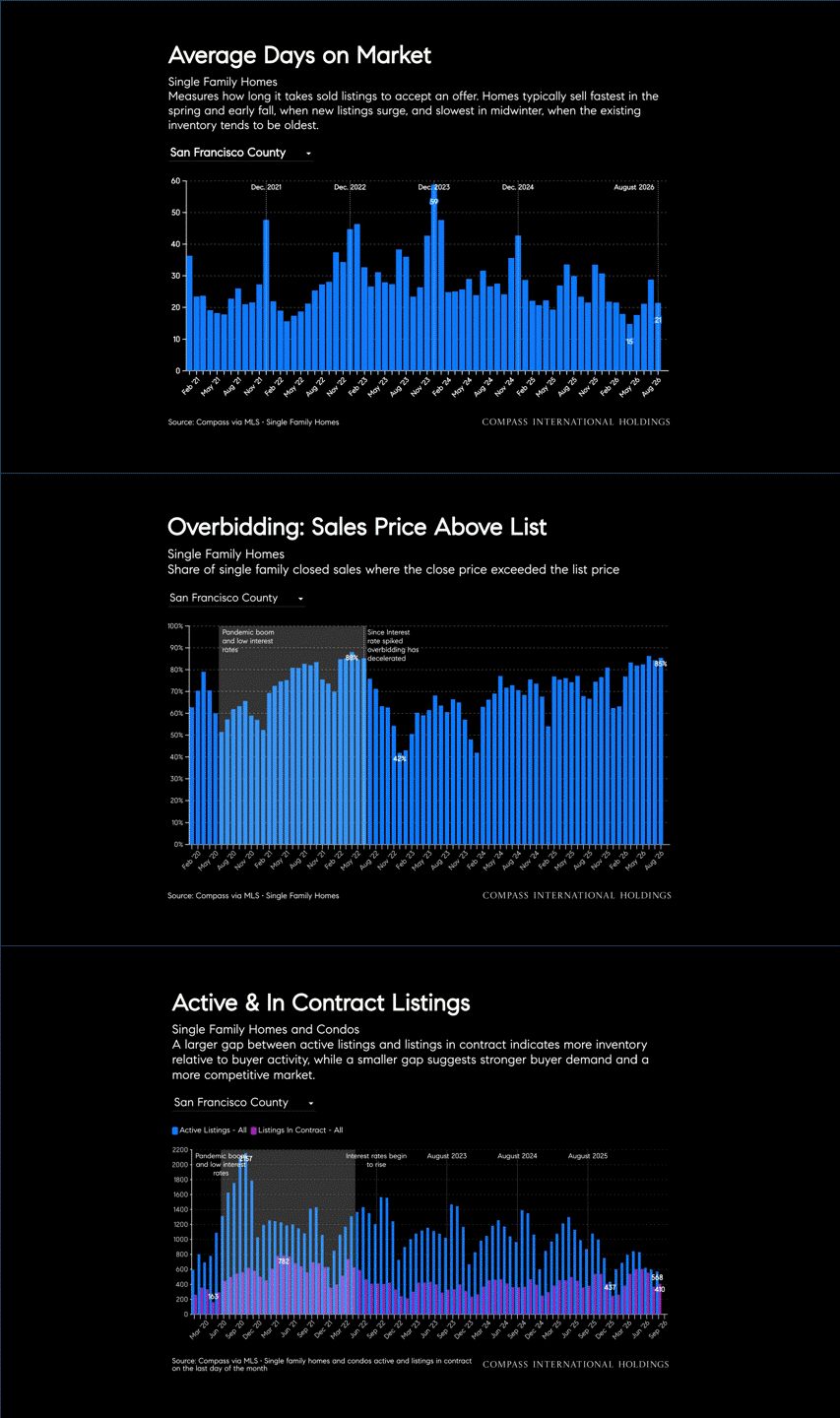
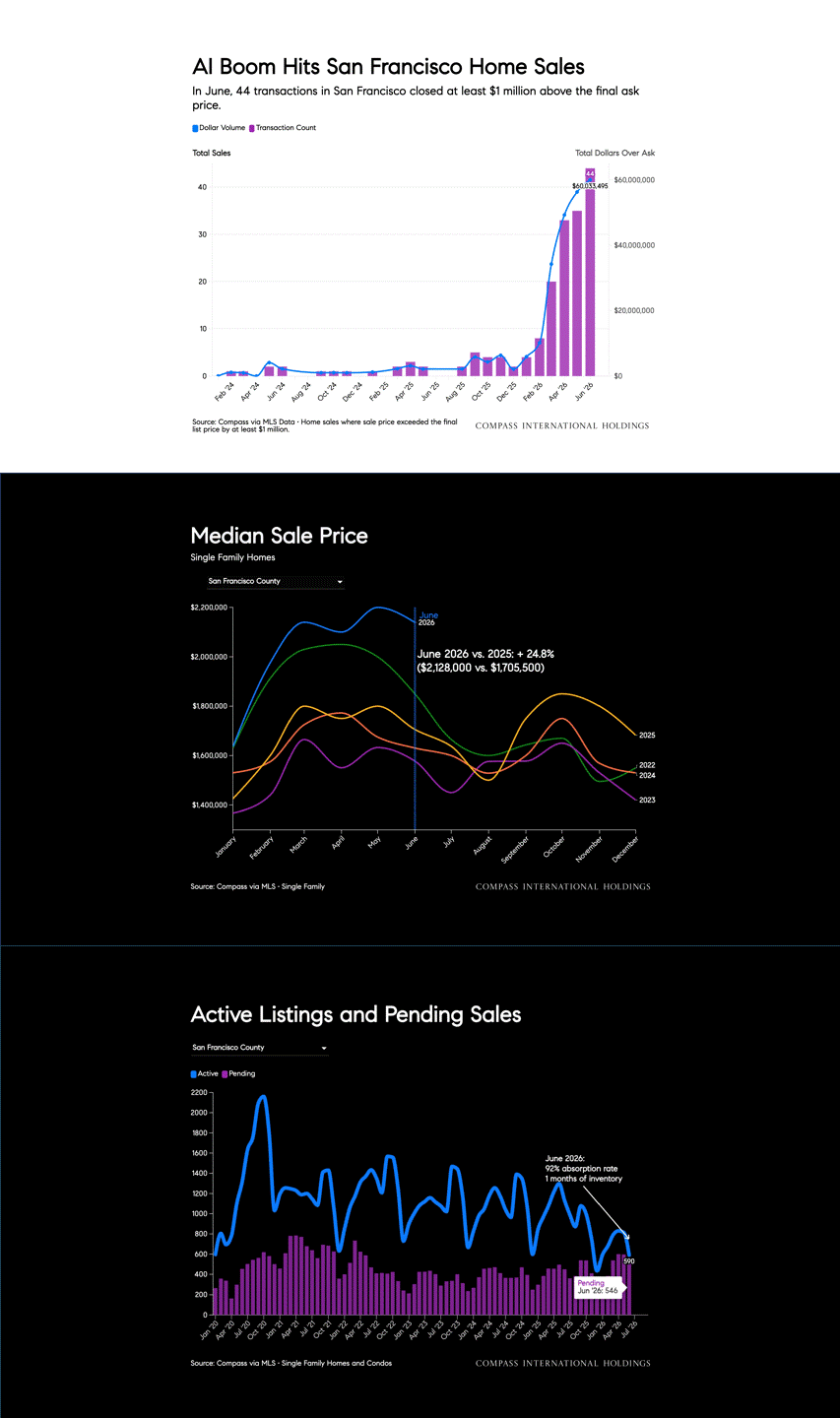
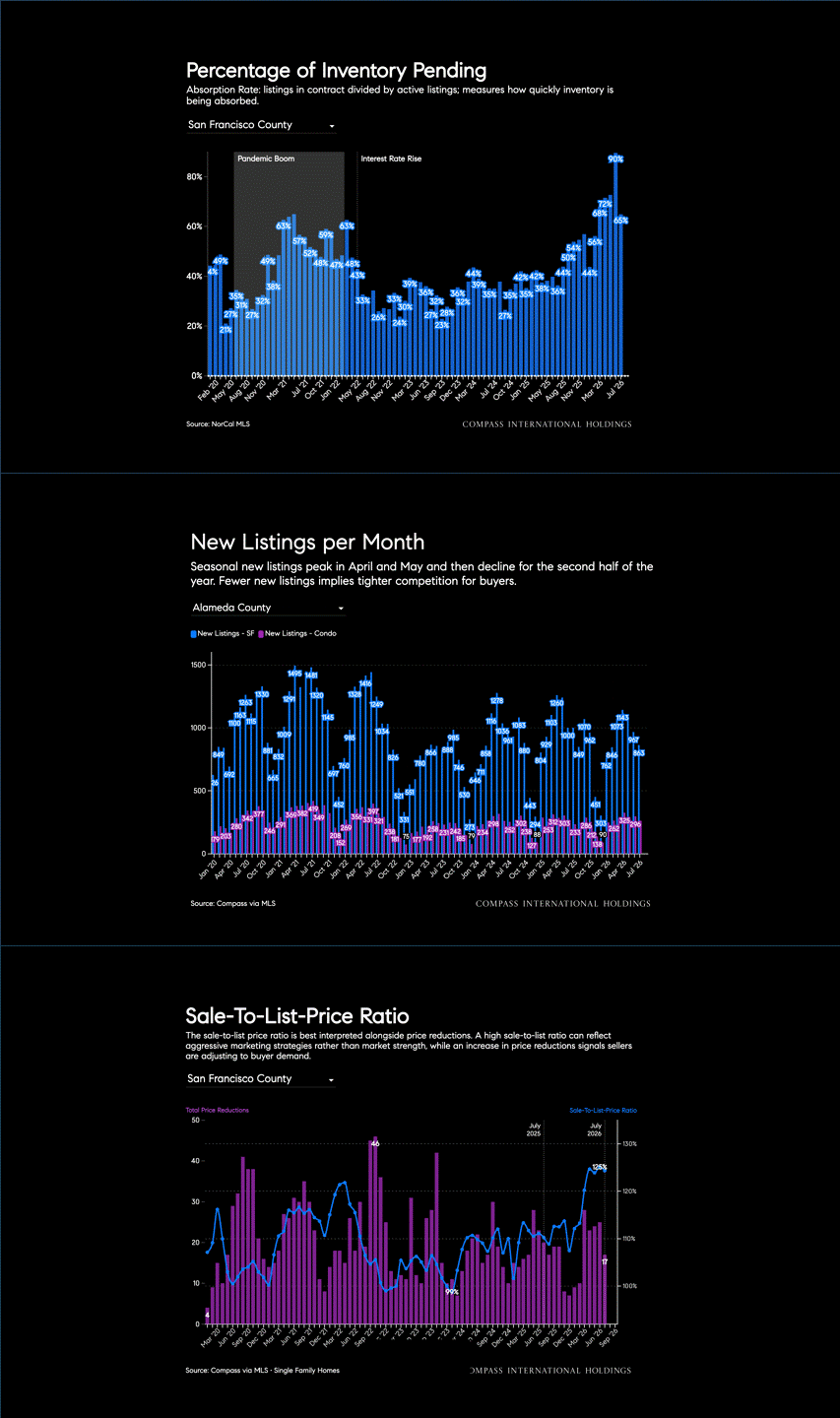
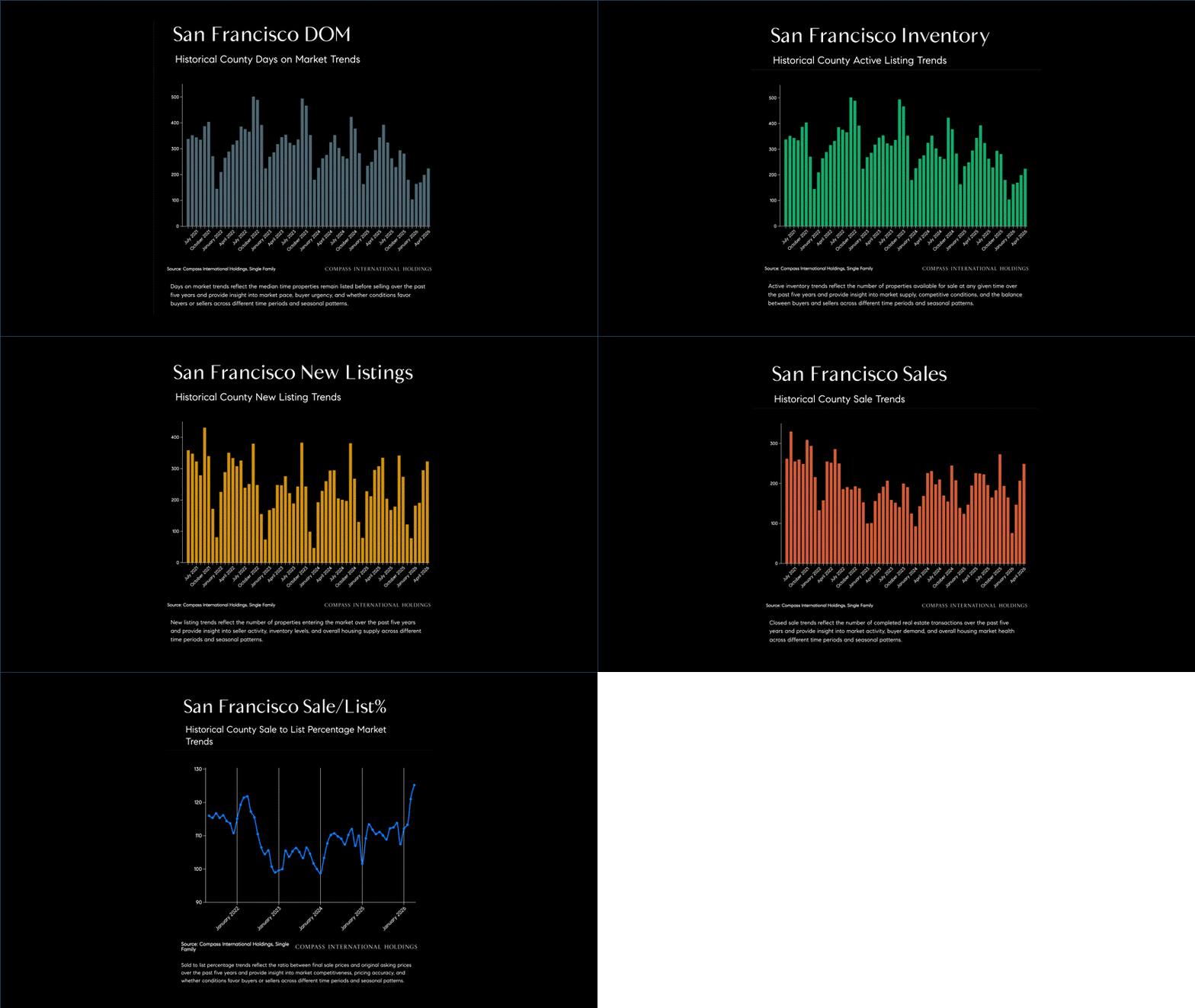
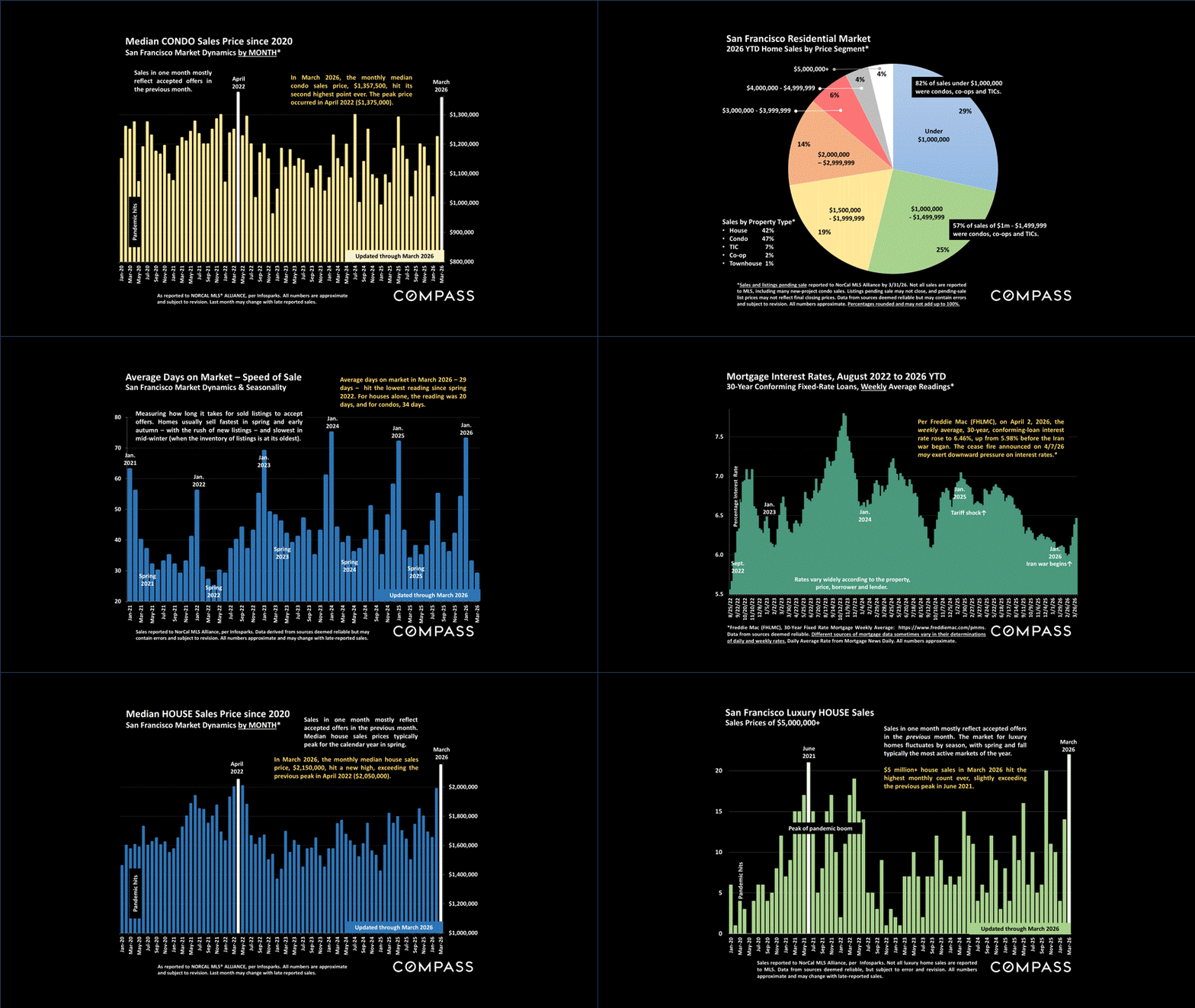
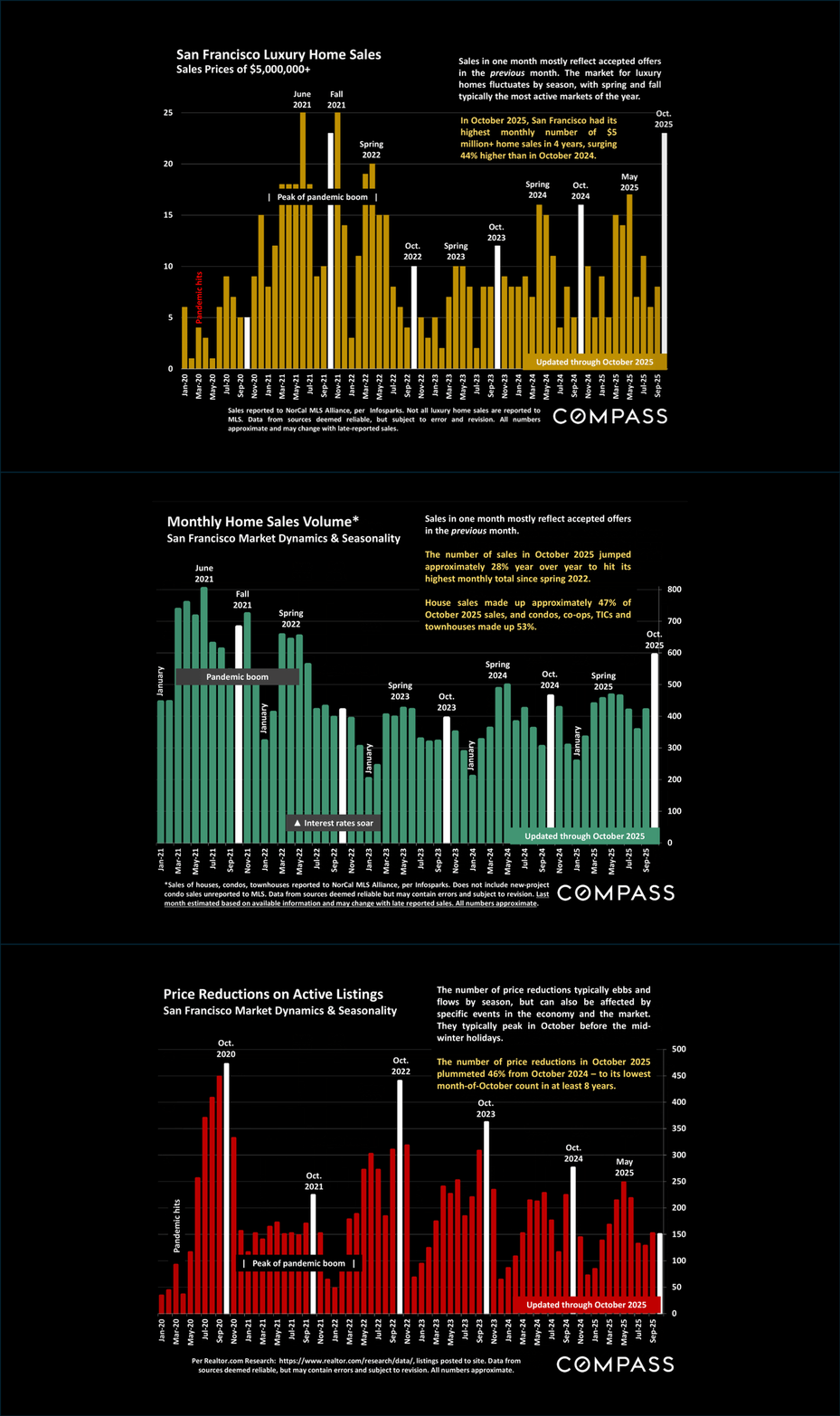
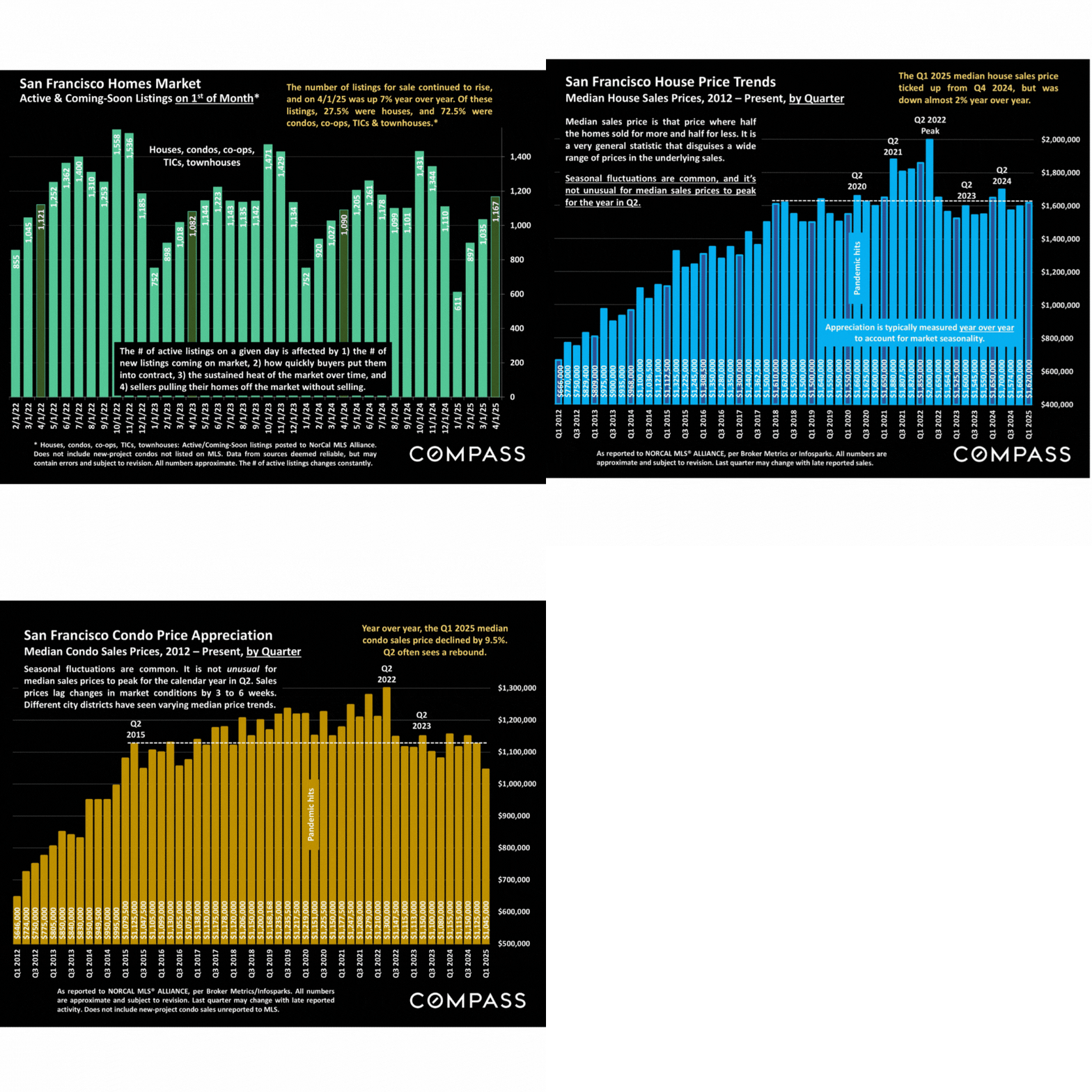
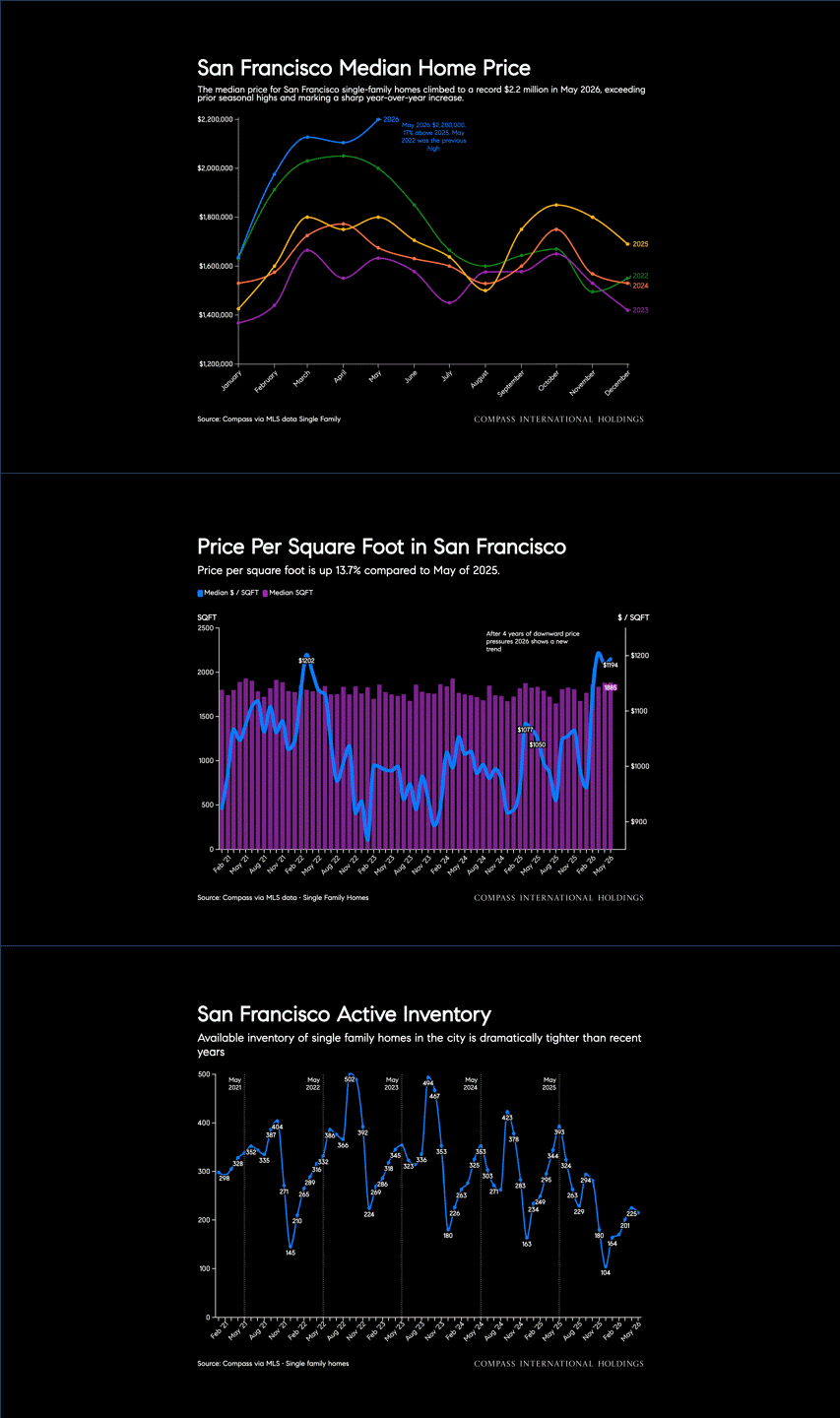
The charts tell one story. San Francisco single-family home prices have moved sharply higher, price per square foot has pushed past recent seasonal highs, active inventory remains tight, and the May median price for single-family homes reached a new high. On paper, the data makes the market feel obvious. In practice, sitting with a buyer who has already lost three bids, is now competing against five, ten, or twenty other buyers, and is trying to decide whether to write the number it may actually take to win, the conversation becomes much more personal.
This is where fiduciary duty gets complicated, because the job is not simply to help a buyer win. My job is also to make sure they understand what winning requires, what they are paying for, what the risks are, and what kind of time horizon gives the decision room to make sense.
In a market moving this quickly, the winning offer is often not the number that feels most comfortable against the last closed sale. It is the number that anticipates where the market may already be going. That does not mean every aggressive offer is justified, and it certainly does not mean buyers should abandon discipline just because there is competition. But it does mean that buyers have to understand the game they are choosing to play.
Are you buying this home because it is the right place for your life, and you can hold it long enough for the market to move through cycles? Are you comfortable knowing that the price you pay today may not look perfectly supported by yesterday’s comps? Are you prepared for the possibility that the market pauses, or corrects, or digests the recent run-up before the longer-term thesis has time to play out? Are you buying something fundamentally scarce, or are you simply getting swept into momentum?
Those are very different questions.
That does not make the decision easy. It just makes the decision more honest.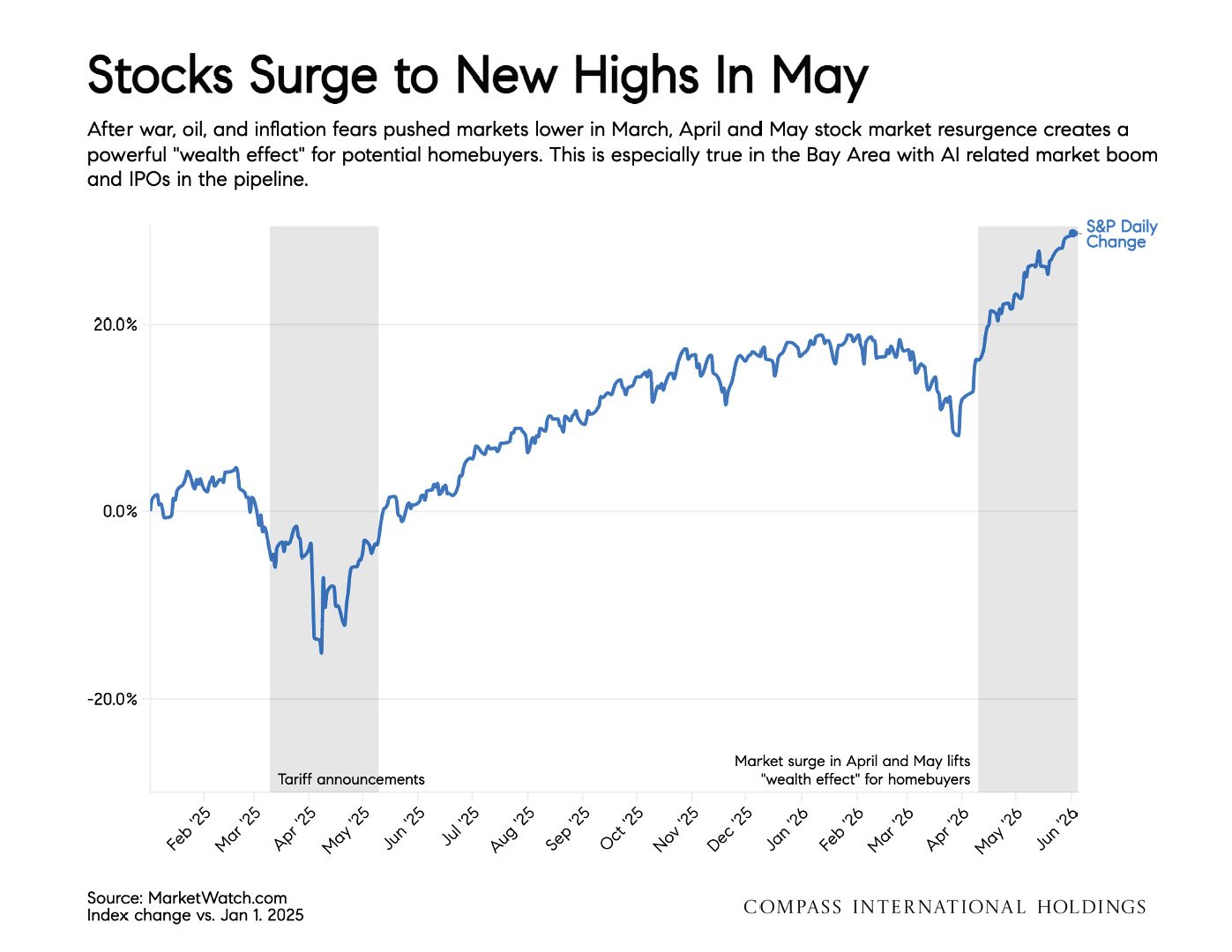
But I do not think the best buyer advice is to simply be conservative, and I do not think the best buyer advice is to simply be aggressive. The work is more nuanced than that. It is helping a buyer understand whether the stretch is strategic or emotional, whether the asset is worth paying ahead for, and whether the decision still makes sense if the market does not immediately reward them for it.
That is the fine line.
In a quickly appreciating market, winning often requires conviction, advising well requires discipline, and the best decisions usually need both.