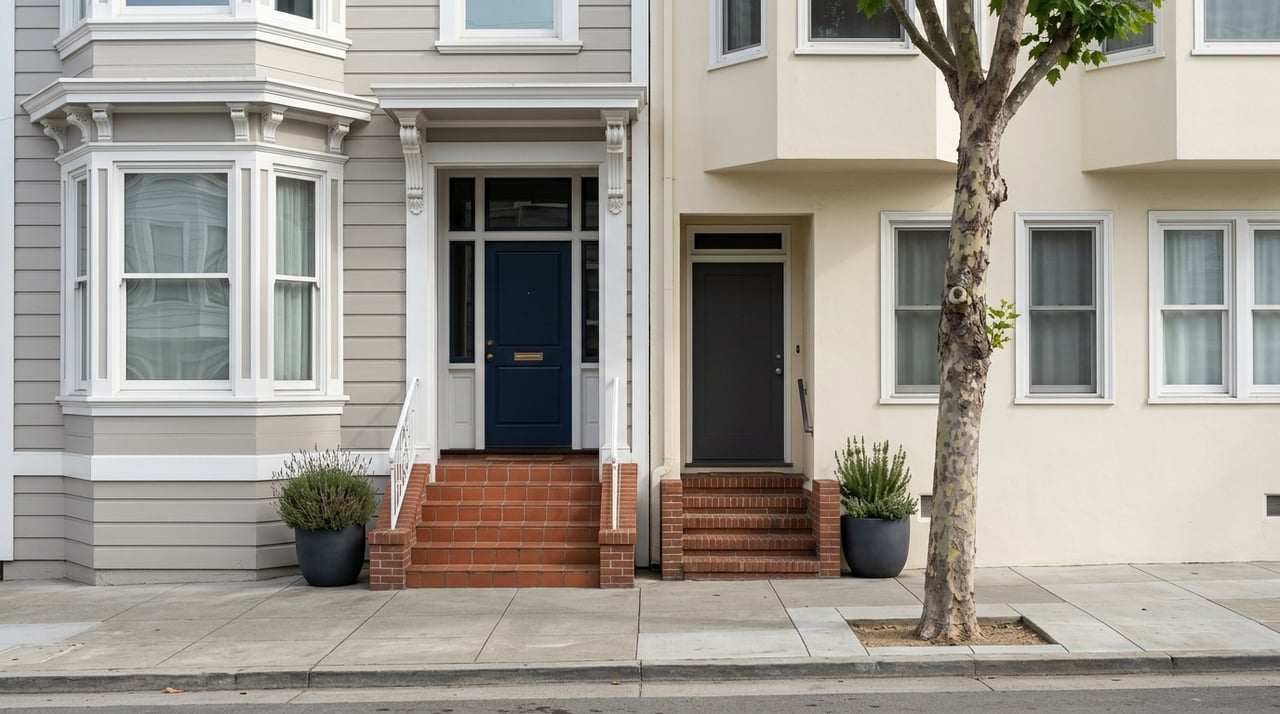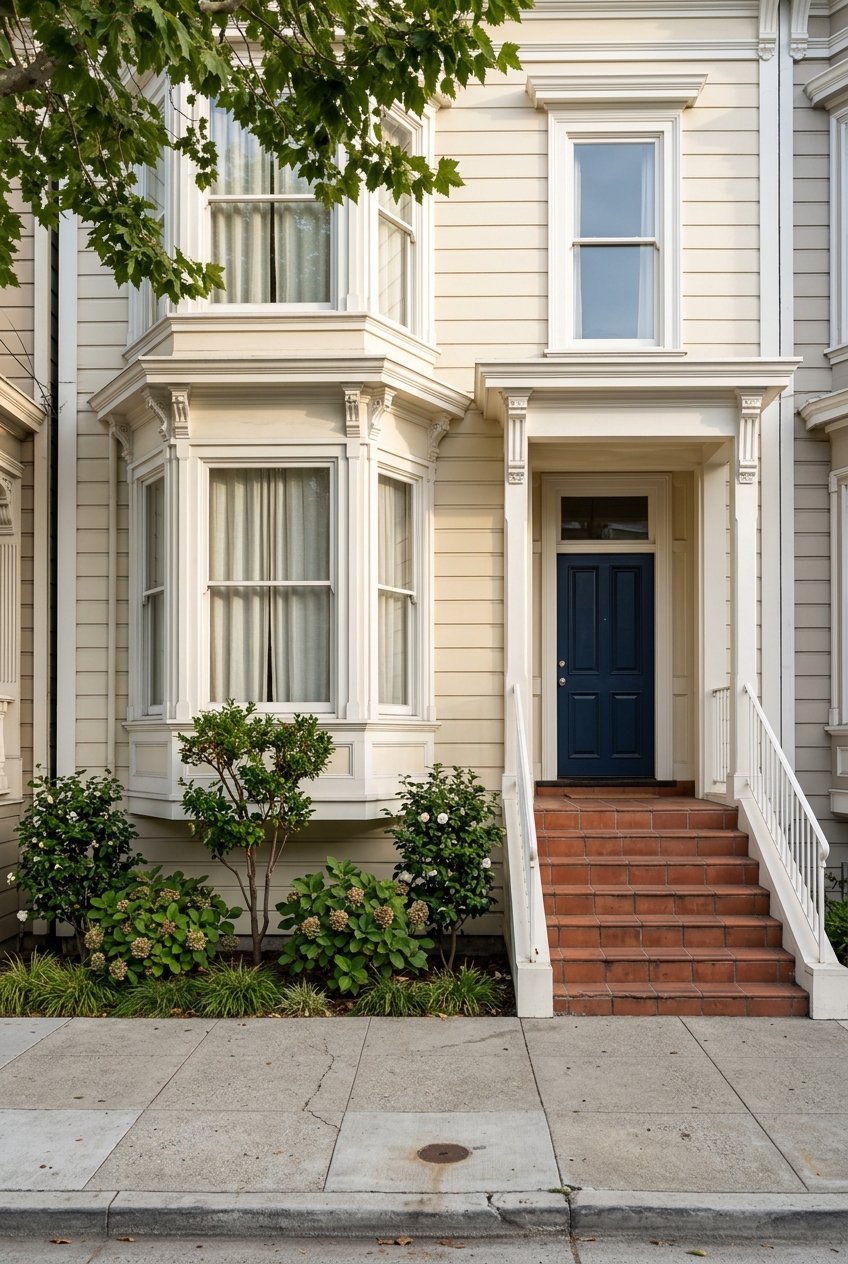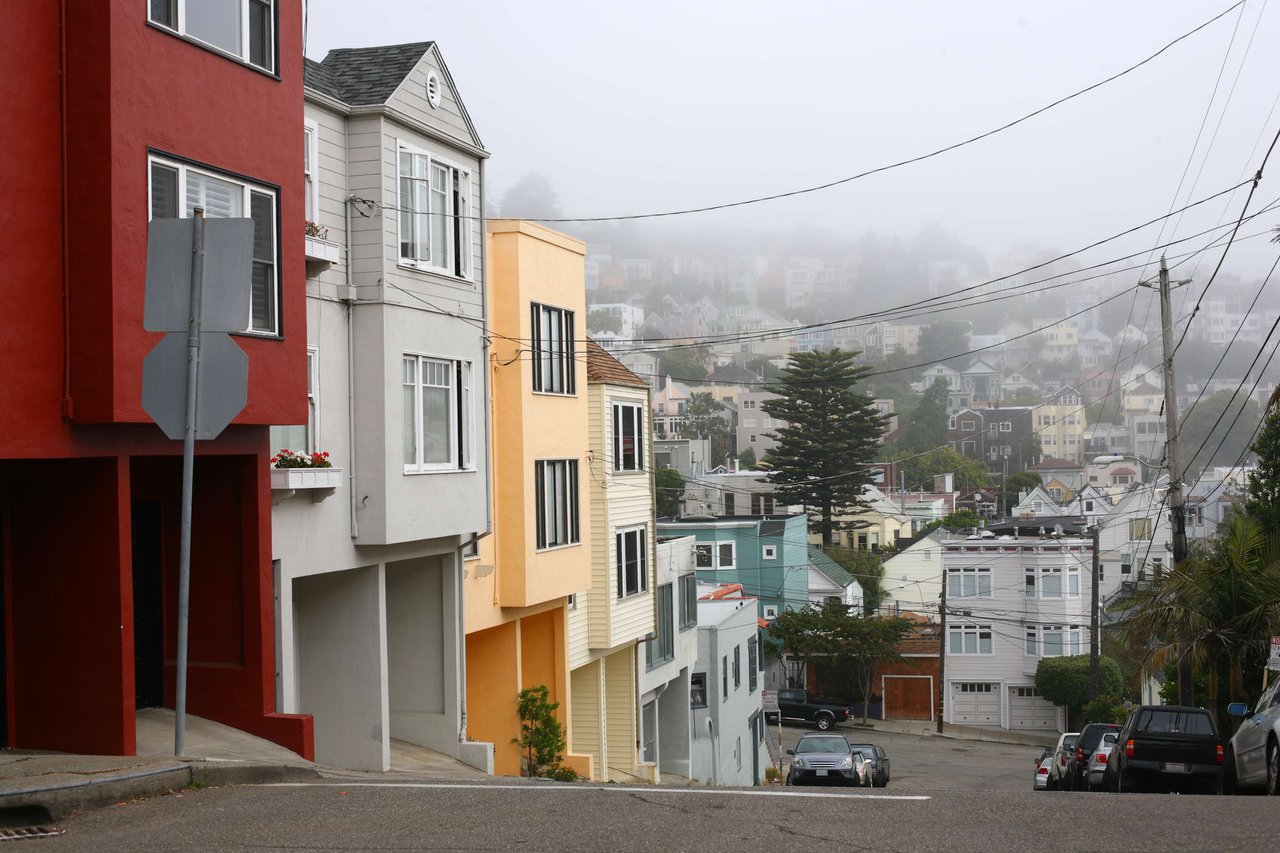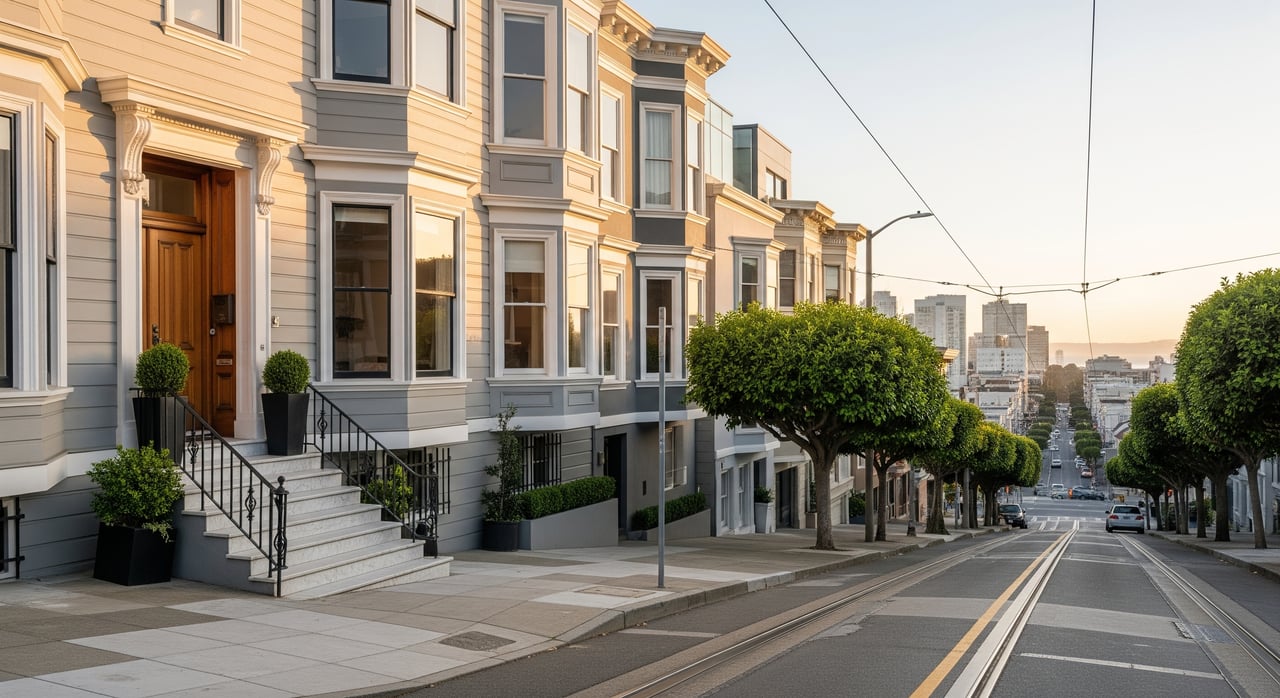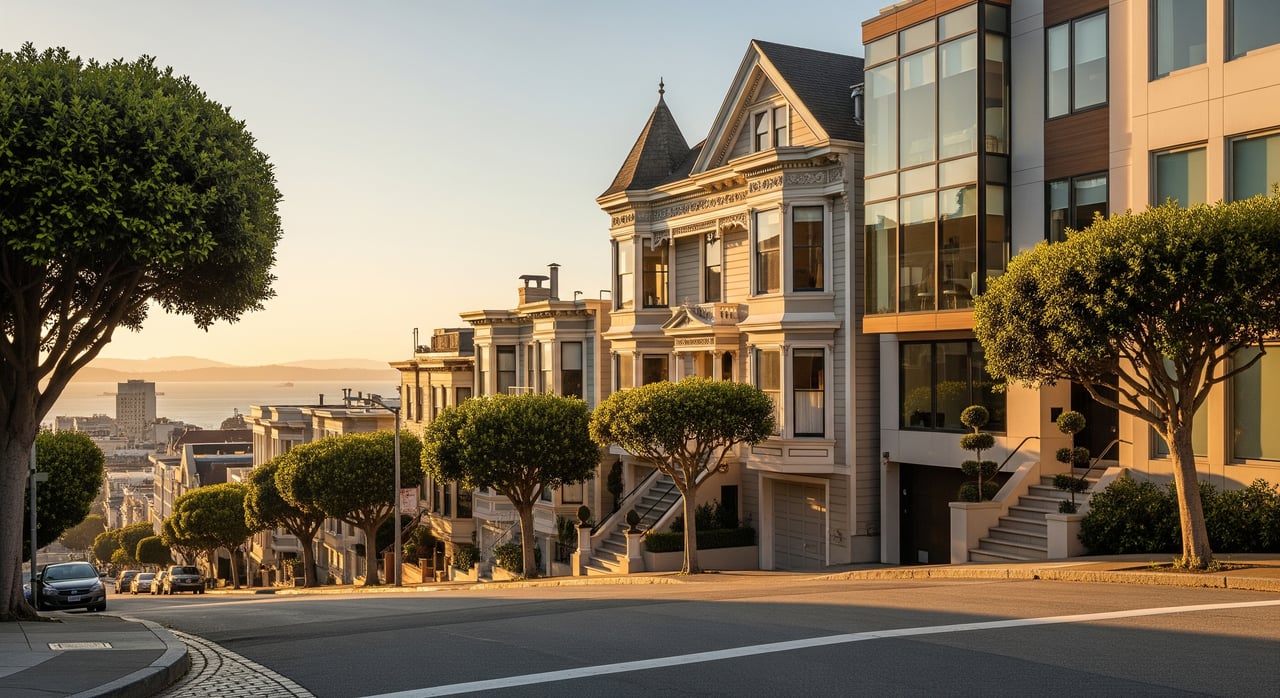
Ever toured two San Francisco homes on the same afternoon and felt like you changed seasons between them? In a city of just 49 square miles, weather can shift fast from cool, windy, and gray to bright, sheltered, and noticeably warmer. If you are trying to choose the right neighborhood, understanding microclimates can help you narrow the search with much more confidence. Let’s dive in.
Why San Francisco Feels So Different
San Francisco’s microclimates come from two main forces: topography and the ocean. According to NOAA, the city’s summertime temperature pattern generally runs from cooler northwest areas to warmer southeast areas, with higher temperatures farther from the coast and in wind-sheltered valleys.
That pattern shapes everyday life more than many buyers expect. Afternoon and evening sea breezes are often funneled through the Golden Gate and can commonly reach 20 to 30 mph, which helps explain why one neighborhood may feel crisp and blustery while another feels calm and sunny.
Summer is where this matters most for home shoppers. NOAA notes that mornings are often overcast, the bay side tends to clear more fully than the ocean side, and cooler ocean-facing neighborhoods can stay breezier longer.
Rain follows its own seasonal rhythm. NOAA reports that rainfall from May through September is relatively rare, while more than 80% of seasonal rain falls between November and March.
Even fog is not one-size-fits-all. NOAA distinguishes winter fog from the familiar summer marine layer, noting that winter fog can move into the Bay on cool easterly drainage winds and is often denser and more disruptive than summer fog.
The big takeaway is simple: in San Francisco, neighborhood choice often means balancing coastal coolness, fog, and wind against interior warmth, earlier clearing, and more sun. The exact feel can still change from block to block, but the broader pattern is consistent enough to guide your search.
Start With Weather Preference
Before you focus on square footage, finishes, or even layout, it helps to decide how you want your home to feel day to day. If you love cool air, layered clothing, and a steadier marine influence, the west side may feel right. If you want more warmth and earlier sun, the city’s sheltered interior pockets may be a better fit.
This first pass can save time. In San Francisco, climate is not just a backdrop. It is part of how you experience your street, your morning routine, and the way natural light moves through your home.
West Side: Cool, Foggy, Breezy
The west-side coastal belt includes the Sunset/Parkside area and the Outer Richmond, along with nearby inner-west neighborhoods that remain close to the Pacific and the Golden Gate corridor. Based on NOAA’s climate pattern, these areas receive stronger marine influence, tend to clear less completely, and stay cooler than more sheltered inland neighborhoods.
That weather profile often pairs with a distinct housing pattern. San Francisco Planning’s 2025 Housing Inventory shows Sunset/Parkside has 27,277 total housing units, including 19,522 single-family homes and 4,616 units in 2 to 4 unit buildings.
The Outer Richmond has 19,411 total units, including 5,129 single-family homes and 8,516 units in 2 to 4 unit buildings. The Inner Richmond and Inner Sunset also maintain a substantial low-rise character, with notable shares of single-family and small multifamily housing.
Together, that climate and housing mix creates a west-side feel that is more residential in form and more consistent in temperature. If you are drawn to a cooler baseline and lower-rise streetscapes, this part of the city deserves a close look.
Interior Pockets: Sunnier and More Sheltered
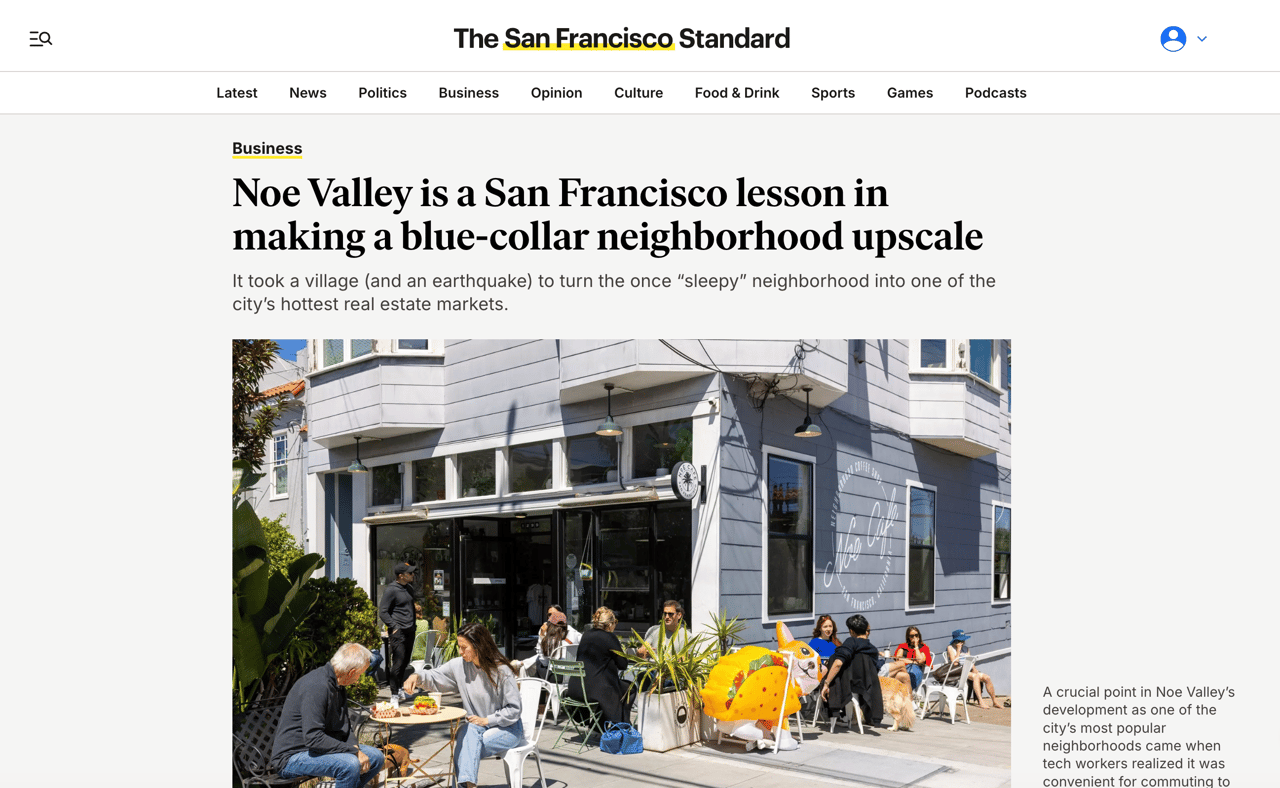
For buyers who prioritize warmth and sun, Noe Valley, Bernal Heights, and the Mission are useful places to compare. NOAA’s citywide gradient supports why these neighborhoods are often perceived as sunnier counterweights to the coast: they sit farther from the Pacific and benefit from more wind-sheltered terrain.
These neighborhoods differ from one another in important ways, but they share a general climate advantage for buyers who want more frequent clearing and a warmer day-to-day feel. If weather strongly affects your mood, routines, or how much outdoor space you will actually use, this cluster is often where your search becomes more focused.
How Housing Stock Changes the Feel
Microclimate is only one layer of neighborhood choice. In San Francisco, weather often overlaps with a neighborhood’s building pattern, which can influence privacy, density, and the rhythm of daily life.
San Francisco Planning’s data is especially useful here because it shows how much housing type varies across the city. While the department notes that ACS-based neighborhood figures should be used directionally rather than as exact truths for a specific block, the broader patterns are still informative.
Sunset and Richmond Housing Patterns
On the west side, the housing stock leans heavily low-rise. In Sunset/Parkside, single-family homes make up the majority of total units, and the Outer Richmond also combines a meaningful number of single-family homes with a large share of 2 to 4 unit buildings.
That matters because the built environment shapes how a neighborhood lives. Lower-rise blocks, consistent home forms, and a cooler coastal setting often combine into a distinct residential feel that many buyers recognize immediately.
Noe, Bernal, and Mission Contrasts
The sunnier interior neighborhoods are not interchangeable. Noe Valley has 11,710 total units, including 3,164 single-family homes and 5,133 units in 2 to 4 unit buildings. Bernal Heights has 9,269 total units, including 4,672 single-family homes and 3,226 units in 2 to 4 unit buildings.
The Mission is markedly denser. Its 2025 inventory shows 30,090 total units, including 10,809 units in buildings with 20 or more units and 8,845 units in 2 to 4 unit buildings.
In practical terms, Noe Valley and Bernal Heights offer a stronger blend of house-oriented and small-building blocks. The Mission reads as more multifamily and more urban in form, which creates a different street experience even when the climate may appeal to the same sun-seeking buyer.
Climate, Budget, and Buyer Fit
Once you know your climate preference, the next question is usually what kind of home you want within that weather zone. This is where the data becomes especially helpful.
Bernal Heights is a strong example of a middle-ground option. San Francisco Planning’s 2006 to 2010 neighborhood profile shows 56% owner-occupied housing, a median home value of $776,263, median rent of $1,306, and 0.50 vehicles per capita. Its current housing stock remains more house-oriented than the Mission, while still offering a more mixed profile than the classic west-side belt.
Noe Valley tilts more owner-occupied in the same Planning profile, with 63% homeowners, a median home value above $1,000,000, median rent of $1,583, and 0.63 vehicles per capita. Combined with its current mix of single-family and small multifamily homes, that points to a neighborhood that is residential in feel but not limited to detached-house living.
The Mission presents a different profile. The Planning data shows 61% renters, 39% homeowners, and 0.35 vehicles per capita, while the current inventory confirms a much more multifamily-heavy housing base.
Outer Sunset and Outer Richmond add useful coastal comparisons. The 2006 to 2010 Planning profile shows Outer Sunset with 57% owner-occupied housing, a median home value of $730,322, median rent of $1,367, and 62% family households. Outer Richmond shows 41% owner-occupied housing, a median home value of $881,335, and median rent of $1,500.
These figures are older and should be read directionally, but they help illustrate the broader point: microclimate and housing form often reinforce each other. Cooler coastal areas tend to align with lower-rise residential stock, while sunnier interior pockets often include a wider mix of houses, small multifamily buildings, and larger apartment buildings.
Don’t Ignore Commute Style
Weather may get your attention first, but commute patterns can make or break long-term fit. San Francisco Planning’s neighborhood profile foreword notes that citywide commuting by car had dropped, while transit use, biking, walking, and working at home were all becoming more common.
That citywide shift still plays out differently neighborhood to neighborhood. If you are choosing between two areas with a similar climate profile, your day-to-day transportation habits may become the deciding factor.
Car-Light Versus Car-Friendly
Noe Valley’s 2006 to 2010 profile shows 1,840 households with no vehicle and 0.63 vehicles per capita. The Mission, by contrast, shows 9,120 households with no vehicle and 0.35 vehicles per capita.
That suggests a notably more car-light pattern in the Mission than in Noe Valley, even though both may appeal to buyers who prefer warmer weather. Bernal Heights sits between those two examples, with 0.50 vehicles per capita and a housing stock that feels more house-oriented than the Mission.
If you work from home, rely on transit, or want easier access to daily errands without a car, this layer matters. A neighborhood can match your weather preference but still feel off if it does not support the way you move through the city.
A Simple Way to Narrow the Search
For most buyers, the clearest framework is to sort neighborhoods in three passes:
- Temperature preference: Do you want fog and cool air, or more warmth and sun?
- Housing form: Are you looking for a single-family home, a 2 to 4 unit building, or a larger multifamily setting?
- Commute style: Do you want a more car-light routine, or do you prefer an area where car ownership is more common?
This approach works because San Francisco’s climate, building stock, and transportation patterns all vary meaningfully across the city. When you line up those three filters early, neighborhoods start to make more sense and the search feels less overwhelming.
The right neighborhood is rarely just the warmest one or the foggiest one. It is the place where weather, housing type, and daily rhythm support how you actually want to live.
If you are weighing those tradeoffs across San Francisco, working with someone who understands both neighborhood nuance and the homes themselves can make the process far more efficient. Brandi Mayo brings a design-trained eye, deep local market knowledge, and a thoughtful, high-touch approach to helping buyers and sellers make confident decisions.
FAQs
How do San Francisco microclimates affect neighborhood choice?
- San Francisco microclimates can change the feel of a neighborhood from cool, foggy, and windy to sunnier, warmer, and more sheltered, so weather preference is often the first useful filter in your home search.
Which San Francisco neighborhoods are usually cooler and foggier?
- Based on NOAA’s climate pattern, the west-side coastal belt, including Sunset/Parkside and the Outer Richmond, tends to be cooler, breezier, and more influenced by marine fog.
Which San Francisco neighborhoods are usually sunnier and warmer?
- Noe Valley, Bernal Heights, and the Mission are among the most relevant neighborhoods for buyers seeking a more sheltered setting with earlier clearing and a generally warmer feel.
How does housing stock differ between cooler and warmer San Francisco neighborhoods?
- The west side tends to have more low-rise and single-family housing, while sunnier interior neighborhoods often include a broader mix of single-family homes, small multifamily buildings, and, in the Mission, larger multifamily properties.
Why should San Francisco buyers consider commute style along with weather?
- Planning data shows neighborhood differences in vehicle access and car-light living patterns, so your preferred way of getting around can be just as important as climate when choosing where to live.
Is weather the same across every block in San Francisco?
- No. NOAA’s data describes broad citywide gradients, but San Francisco weather can still shift from block to block because of local topography, wind exposure, and distance from the coast.