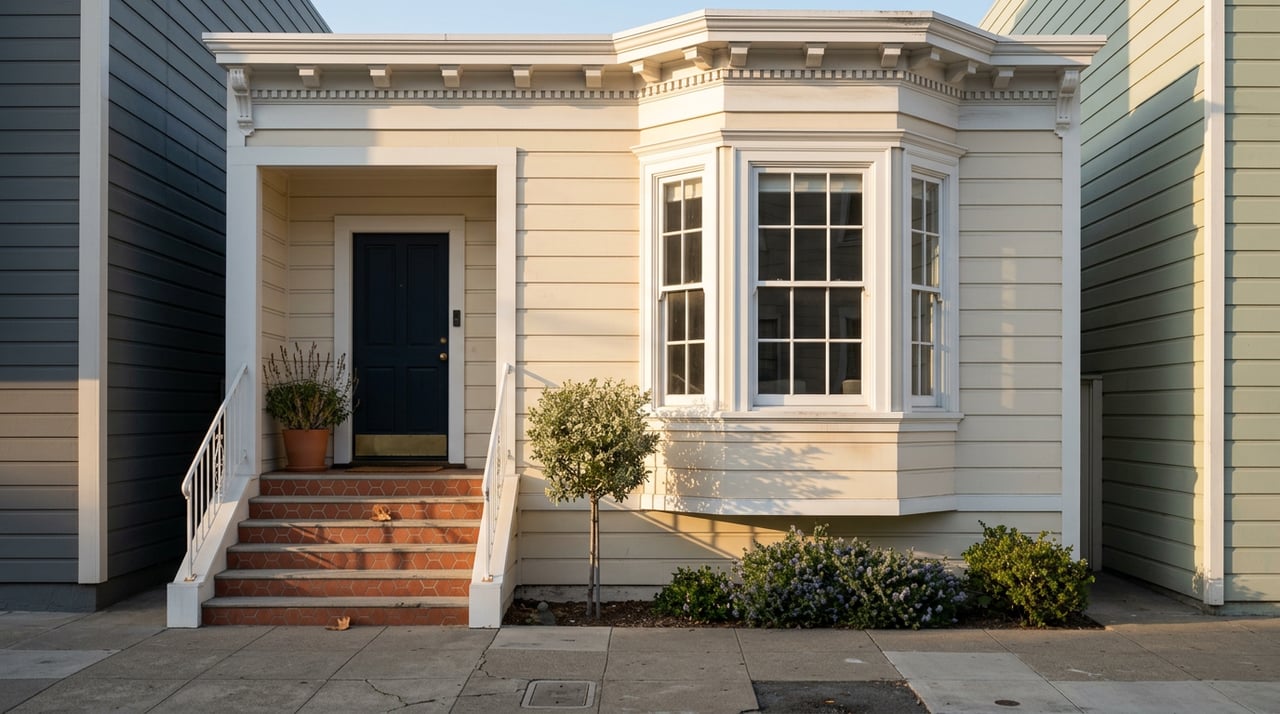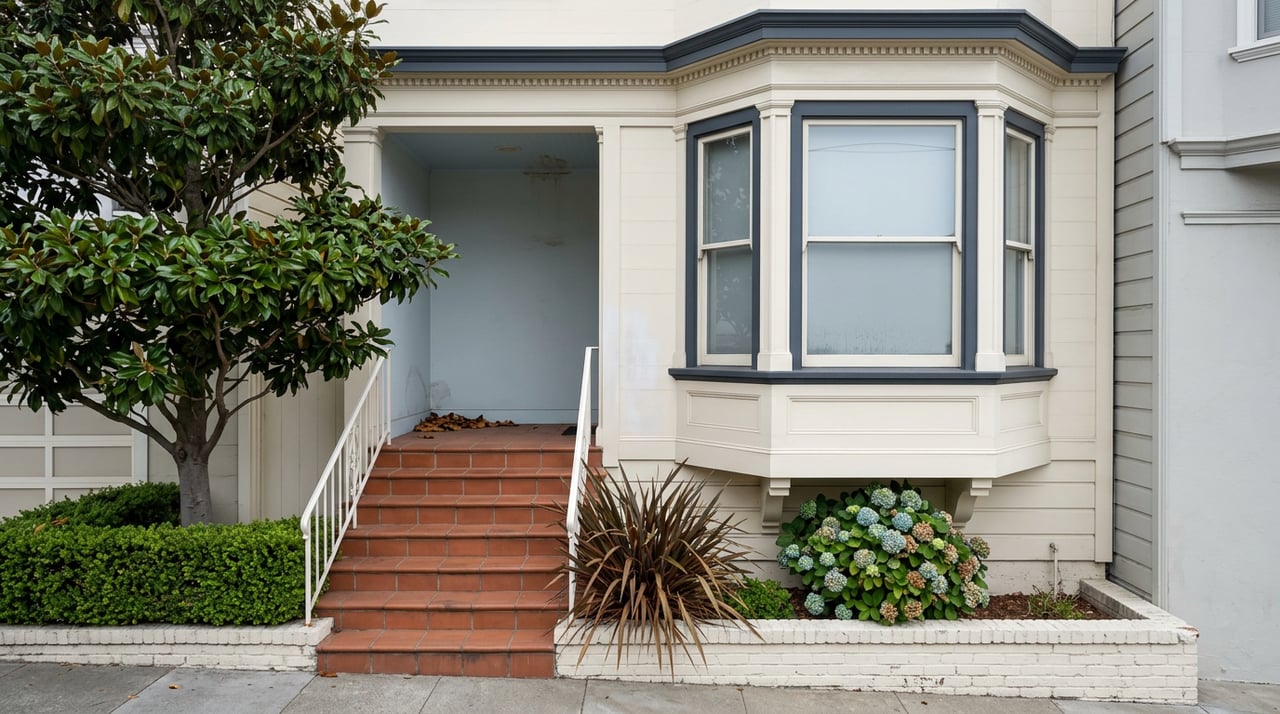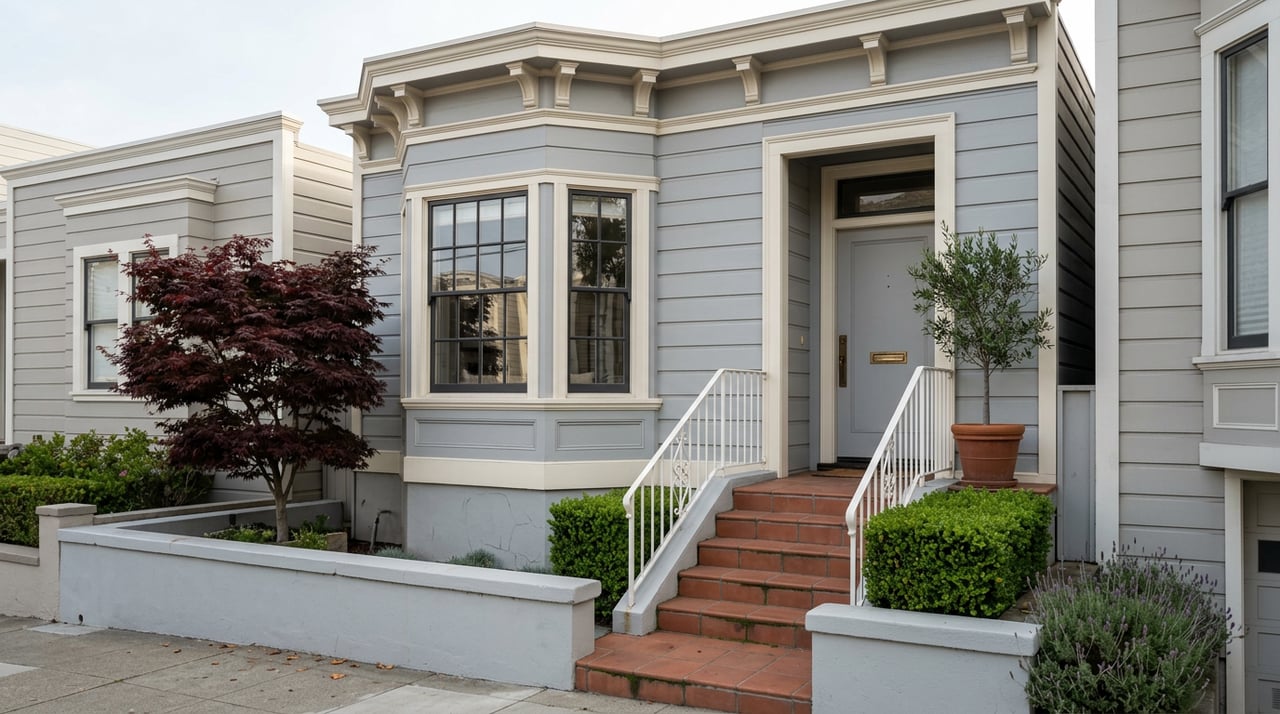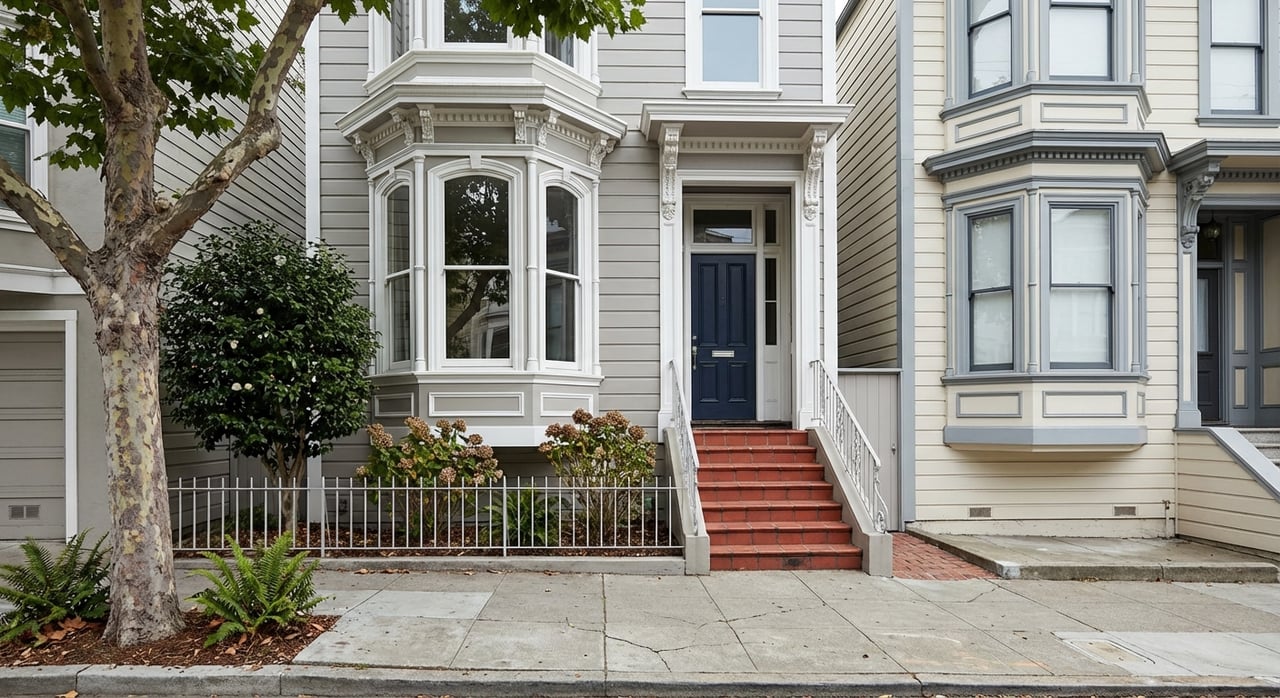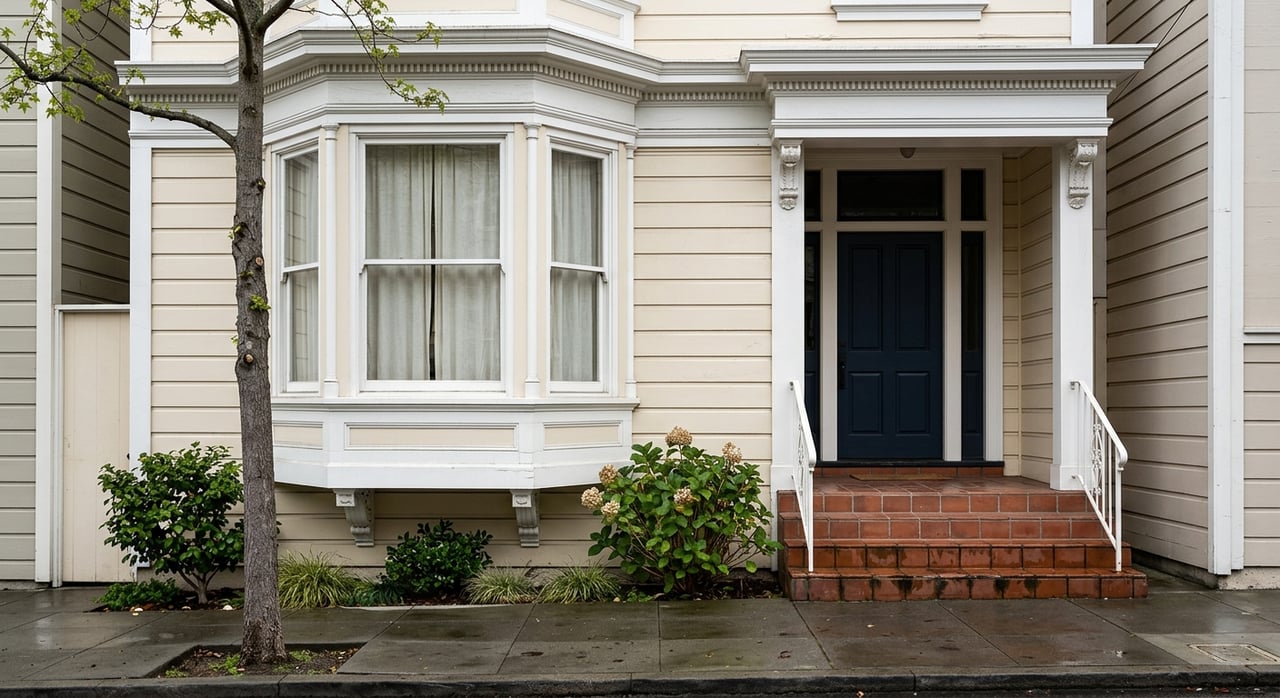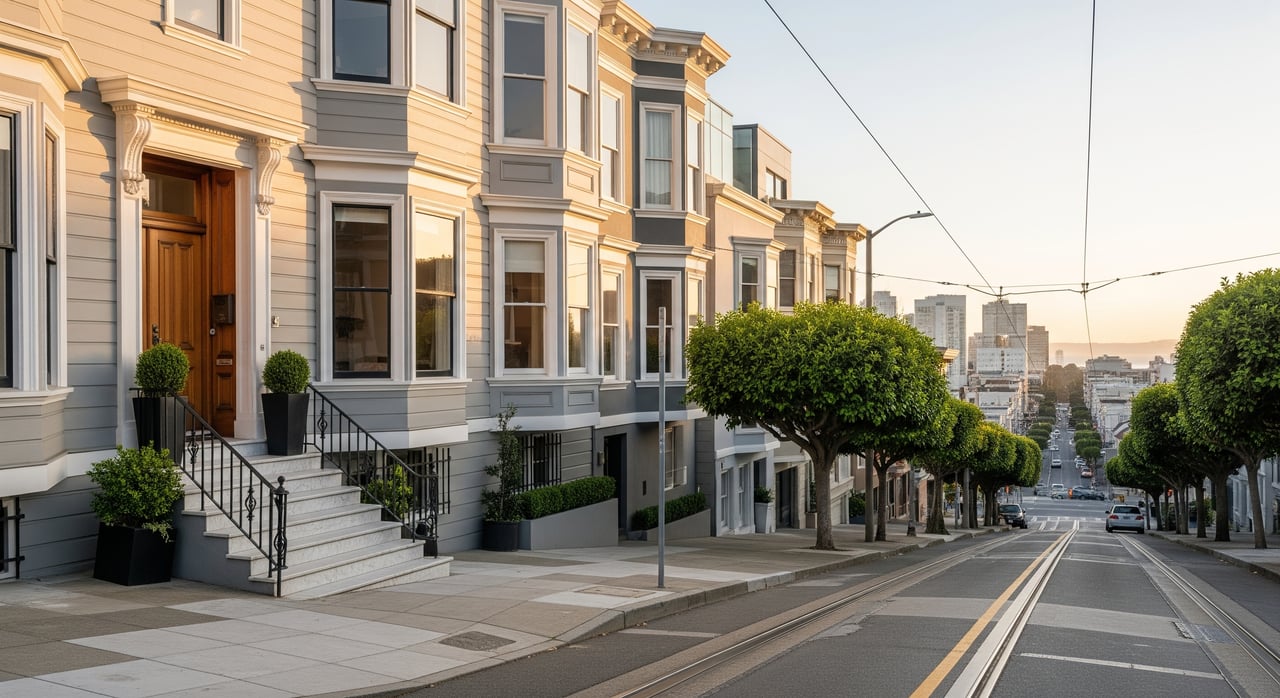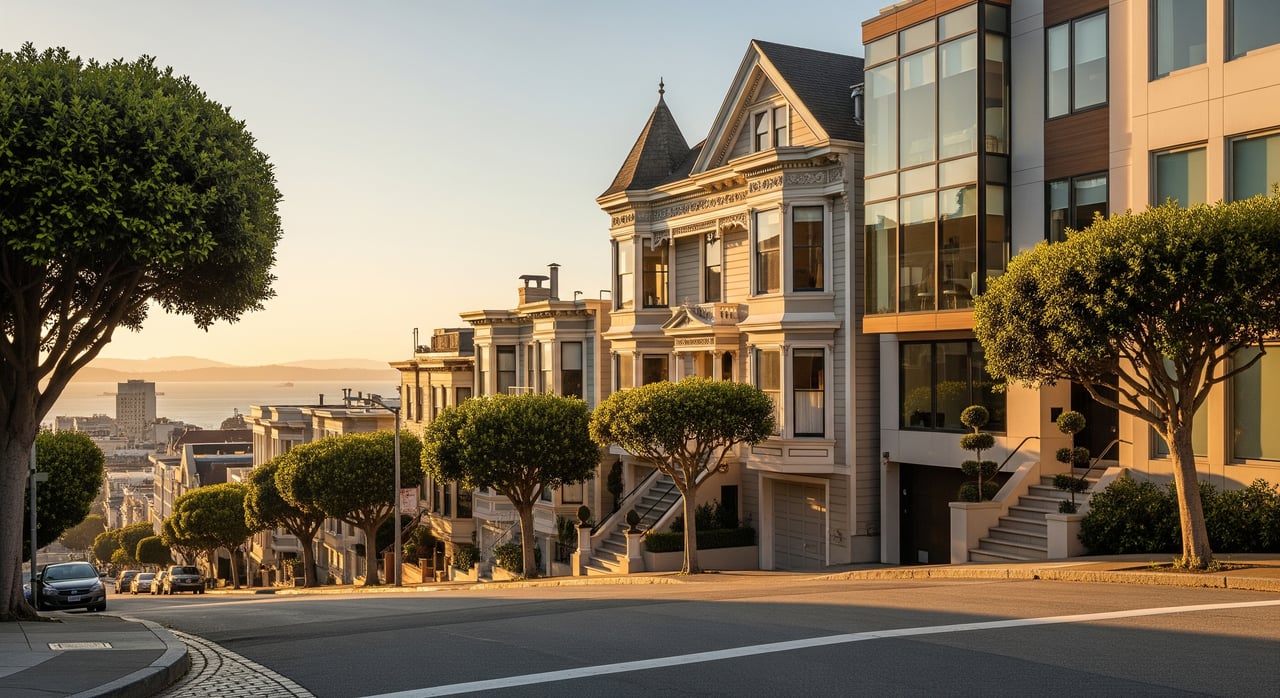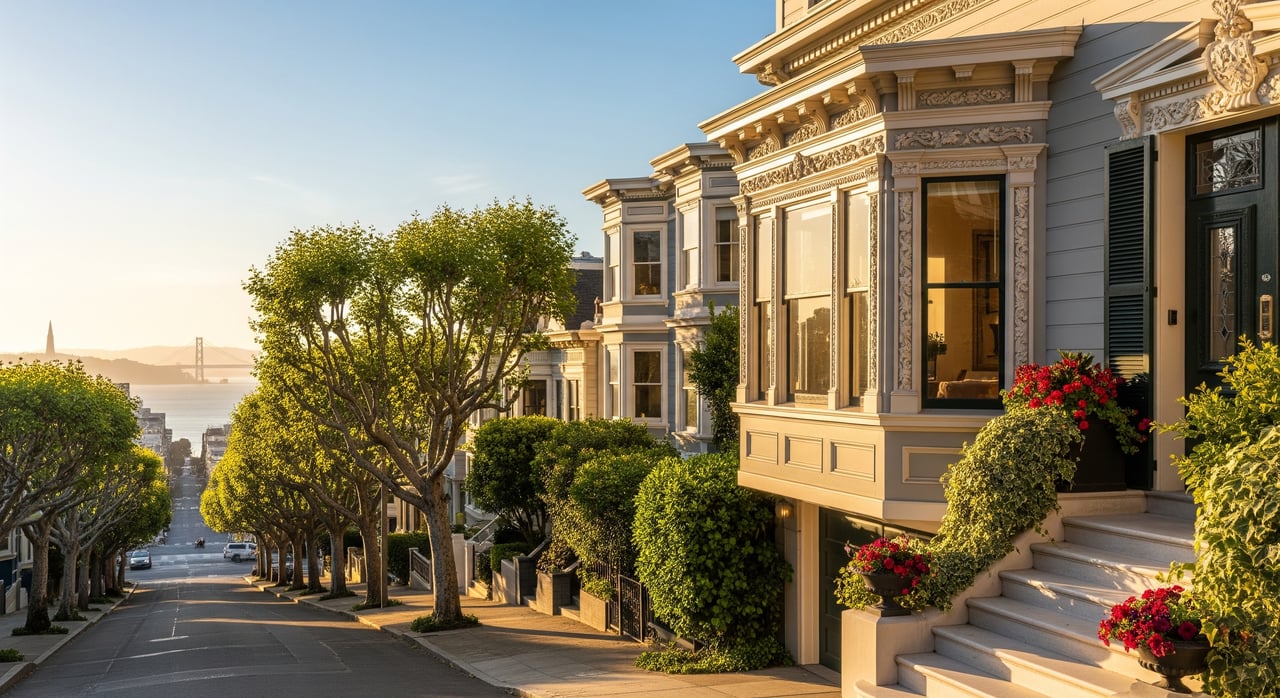
Walk Chestnut Street between Fillmore and Divisadero on a Saturday morning and the block reads as busy as it has in years. A line forms outside a taqueria that didn't exist eighteen months ago. A chocolate company is measuring a storefront that used to be a hair salon. A corner that spent a decade as the Tipsy Pig now pours margaritas under a different name entirely. It would be easy to call this growth. It isn't, exactly. Almost none of what changed on Chestnut Street this year required a new wall, a new foundation, or a single additional square foot of the block. The one project that would have added real capacity to the corridor, an entitled apartment building with ground-floor retail, got smaller instead of bigger. That contrast, not the ribbon-cuttings, is the actual story of Chestnut Street in August 2026.
The Address That Keeps Changing Hands, Not Shape
The clearest example sits at 2231 Chestnut Street. For years this was the Tipsy Pig, a gastropub that belonged to a hospitality group with deep roots in the neighborhood. In March, the same ownership circle reopened the space as Lobalita, a modern Mexican cantina. Owners Nate Valentine, Stryker Scales, and Jamal Blake-Williams, who also run Harper and Rye, Bar Darling, Peacekeeper, Bar April Jean, Padrecito, and Mamacita, welcomed their first customers on March 17 after sixteen months of planning and nine months of construction. Chef Deiber Tzab, who previously cooked at Mamacita and Padrecito, leads the kitchen. The name comes from the Latin word for she-wolf, chosen to reflect the founders' own history of growing up together, splitting off into separate ventures, and reuniting as some of the city's more prolific bar and restaurant operators.
What matters here isn't the menu. It's the fact that a single ownership group closed one concept and opened another inside the exact same four walls. Nothing about the building changed. The permit, the plumbing, the patio, all of it stayed put. Only the sign and the story changed.
A Chocolate Maker's Bet on What Chestnut Could Become
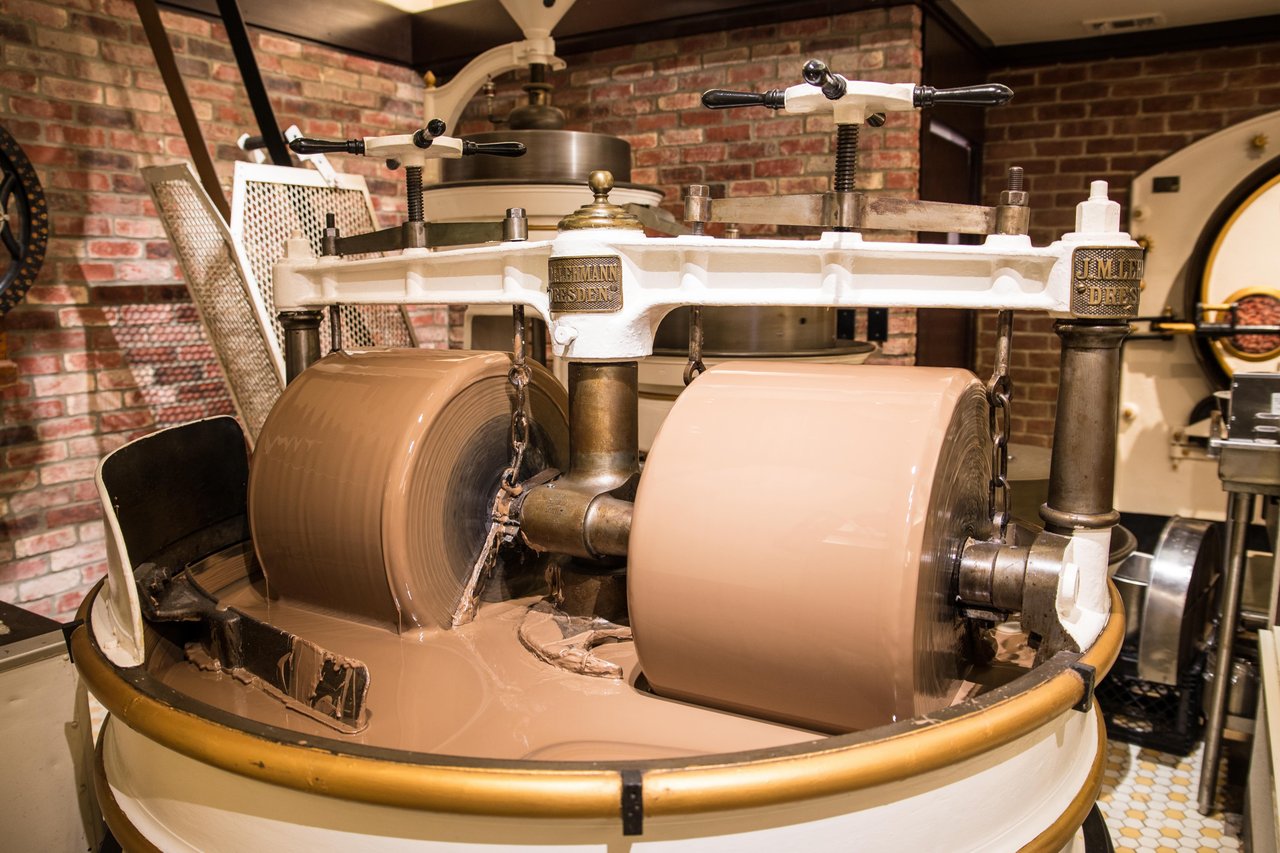
A few doors down, Dandelion Chocolate is preparing to do something similar at 2072 Chestnut Street, a space that most recently housed the Woodbridge Salon. According to reporting cited by the San Francisco Business Times, the cafe will land within a few storefronts of the brunch spot Blackwood, Delarosa Marina, and the bar Horseshoe Tavern. It will be the company's sixth San Francisco location, joining its factory and cafe on 16th Street, an outpost on Valencia Street, a shop inside the Ferry Building, a store on Fillmore Street, and a pop-up on Union Street.
CEO Todd Masonis was candid about what he thinks the street is missing.
"The street is great. I think about Hayes Valley, where there are a lot of cool spaces with interesting backyards. And I think if we could do something like that for Chestnut, make it a little more interesting, that would be very exciting."
That's a specific and slightly pointed comparison. Masonis isn't describing Chestnut Street as it is. He's describing what he thinks it's missing compared to a corridor two neighborhoods over that built its reputation on tucked-away patios and slower afternoons. Whether Dandelion's arrival nudges the block in that direction is an open question. What's confirmed is that another established operator is choosing to expand into existing retail square footage rather than wait for anything new to be built.
The One Project That Would Have Actually Grown the Block
Here is where the pattern breaks, and where the more interesting story is. In February, SF YIMBY reported that plans for 2055 Chestnut Street, the bank building between Steiner and Fillmore near Marina Middle School, had shifted away from a previously approved development. That earlier entitlement would have replaced the existing bank structure and its surface parking lot with a 49-unit apartment complex and ground-floor retail. The revised plan drops the housing component entirely.
What's proposed instead:
- An expansion of the existing structure across roughly half the lot, designed by Jensen Architects
- Four narrow retail spaces, two carved out of the current building and two built over the driveways that connect Chestnut Street to the Lombard-facing parking lot
- Retention of the existing surface parking lot facing Lombard Street
- Preservation of much of the current rooftop, including its distinctive sawtooth clerestory dormers
- An estimated construction cost of about $2.75 million, with no established timeline
The Prado Group filed the plans on behalf of the property owner, the Burlingame-based Bruni Company. The lot sits close enough to Marina Green's athletic fields to reach on foot in about ten minutes, which is part of why the original 49-unit plan drew attention when it was first entitled. Now that housing is off the table, at least for the time being.
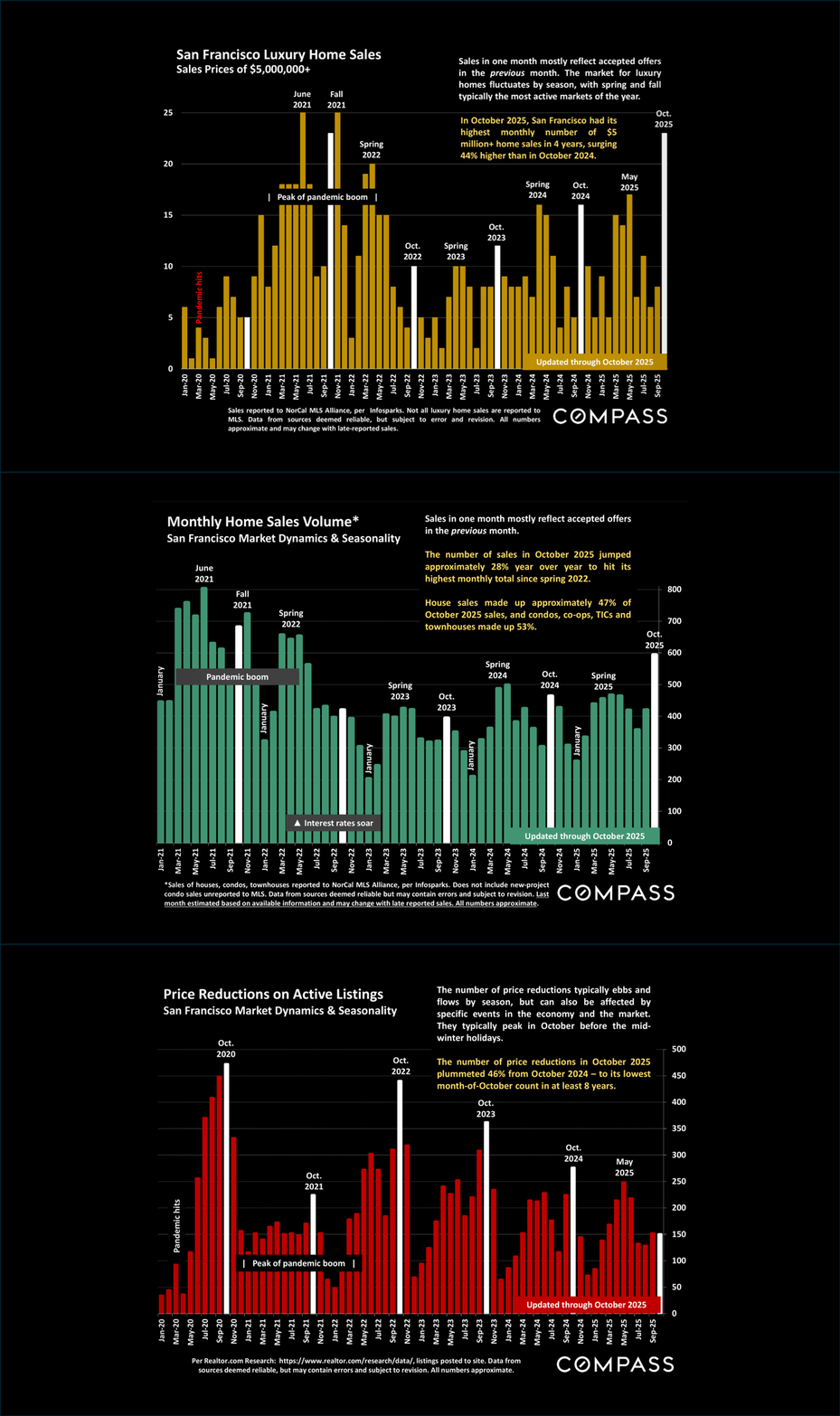
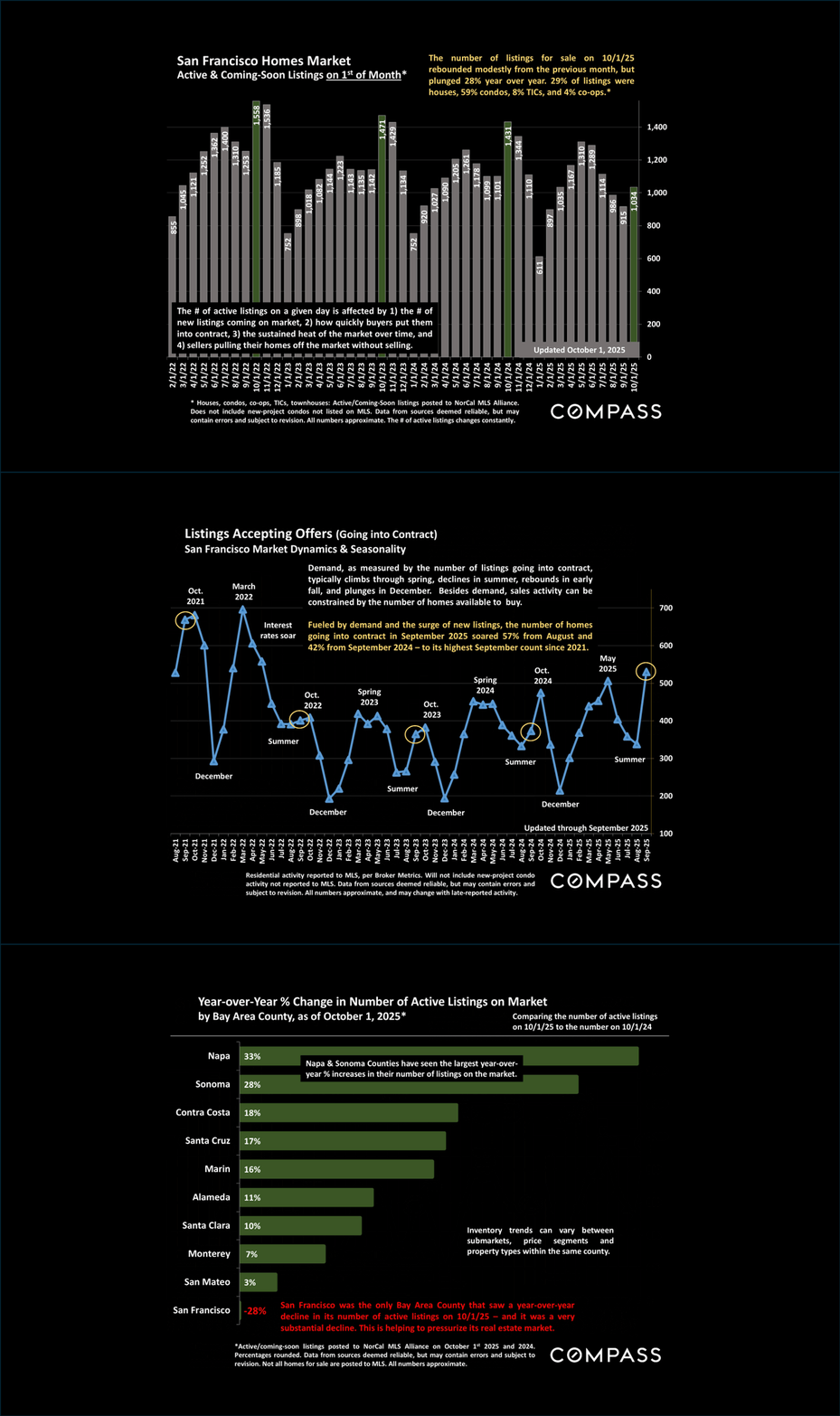
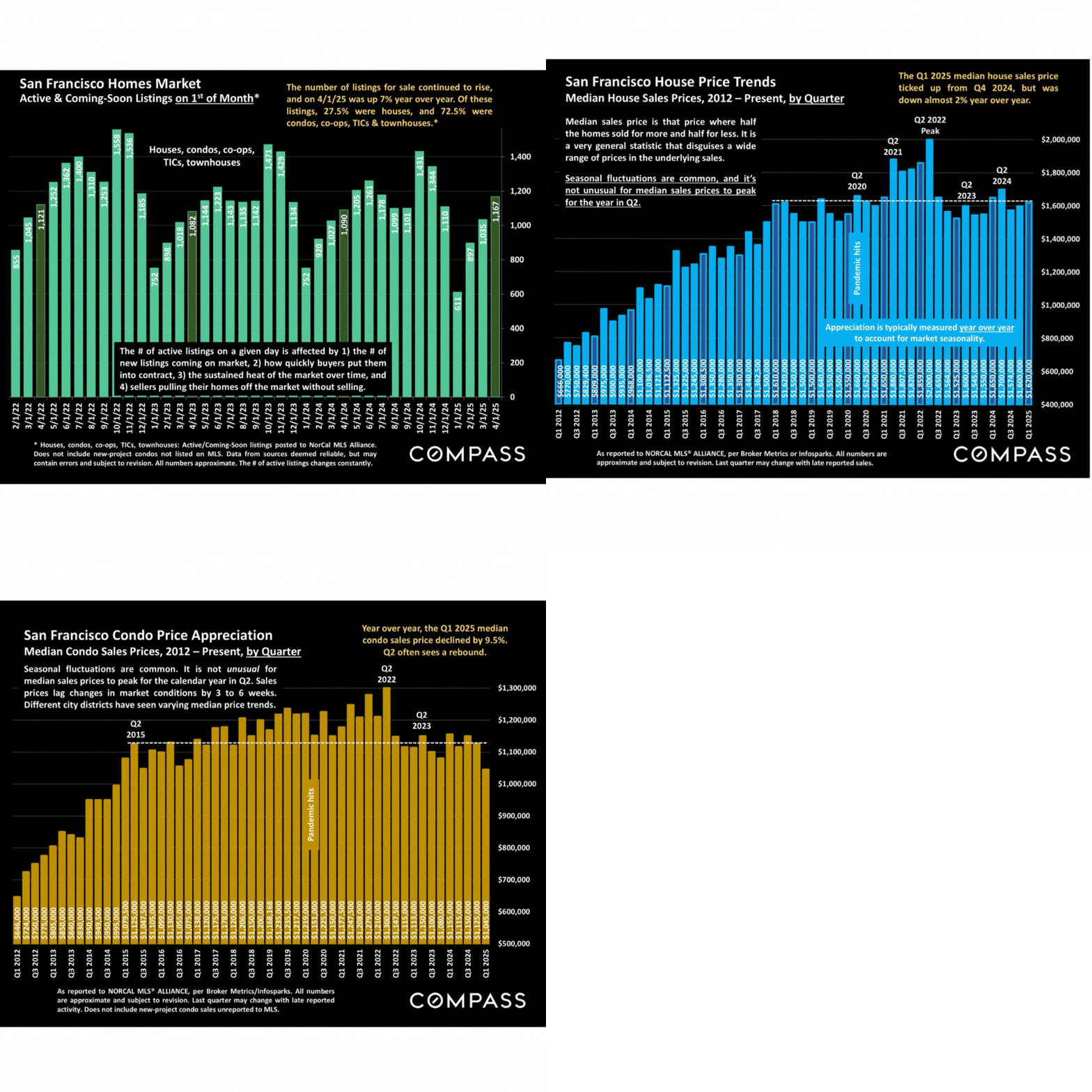
This is the detail that reframes everything else on the block. Chestnut Street commands some of the higher retail rents in the city, reportedly running from $100 to $150 per square foot, with a vacancy rate under 5 percent. San Francisco's Formula Retail restrictions also cap how many large chains can move in, which is part of why the street still mixes national names like Marine Layer, Faherty, Madewell, and Sweetgreen with independent operators. Demand for storefronts here is real and it is not soft. Yet the one proposal that would have added new housing above new retail got smaller instead of bigger. Strong retail demand fills existing space quickly. It does not, on its own, get new buildings built. Those are two different markets with two different sets of pressures, and 2055 Chestnut is a clean illustration of the gap between them.
The Same Pattern Plays Out at Fort Mason
Walk five minutes north and the same rhythm shows up in a completely different setting. Fort Mason Center for Arts & Culture doesn't add square footage either. Its 13-acre campus is fixed. What changes, constantly, is the programming inside it.
Andy Goldsworthy's site-responsive installation "Red Flags" occupied the Gateway Pavilion through the end of July, timed to the 250th anniversary of the signing of the Declaration of Independence and presented by FOR-SITE and Fort Mason Art. It has since closed. In its place, the campus moved straight into its August calendar. Renegade Craft's Summer Fair filled the Festival Pavilion on August 1 and 2 with more than 250 artists. The San Francisco Aerial Arts Festival, co-produced by Fort Mason Art and Zaccho Dance Theatre, took over the Gateway Pavilion and Pier 2 the following weekend, August 7 through 9. Festival Director Joanna Haigood described this year's lineup as reflecting the breadth of what aerial arts can be, calling it deeply personal and rooted in community. A second event, still finalizing ticketing at the time of this writing, is scheduled to follow immediately after, running August 14 through 16.
Meanwhile, in The Store House, an exhibition called "Please. Stay. Touch." has been running since June 20, honoring choreographer Jess Curtis, who died in 2024 after four decades of centering disabled, blind and low vision, queer, and marginalized artists in his work. It's a joint presentation between Fort Mason Center and GRAVITY, the company Curtis founded in 2000. The monthly Fort Mason Night Market, which returned for 2026 with food trucks, craft vendors, and live music, continues its run through December.
None of these events changed the physical footprint of Fort Mason. They rotated through it, one exhibition and one weekend at a time, the same way Chestnut Street's storefronts rotate through new tenants without any new construction.
What Hasn't Moved
Against all that turnover, a few fixtures on Chestnut Street haven't changed at all. Marina Supermarket, at 2323 Chestnut, and Marina Meats, at 2395 Chestnut, are still exactly where they've always been, still doing the unglamorous work of stocking a neighborhood's kitchens. Greens Restaurant, inside Fort Mason since 1979, is still serving the same vegetarian menu it built its name on nearly half a century ago. These are the businesses that don't generate headlines but anchor the block for the people who actually live here, and they matter precisely because they haven't needed to reinvent themselves to stay relevant.
That's the fuller picture of Chestnut Street this summer. A hospitality group swapped one concept for another inside the same walls. A chocolate maker is betting a former salon can become something closer to a Hayes Valley backyard. A bank building that was supposed to become 49 apartments is instead becoming four storefronts. And five minutes away, a 13-acre arts campus keeps proving that a neighborhood can feel entirely different from one month to the next without adding a single new building. If you live on this stretch of the Marina, that's the detail to remember the next time someone tells you the block is either booming or standing still. It's doing both, in the same square footage.
If you're curious how this kind of block-level detail plays into what a home is actually worth in the Marina or elsewhere in San Francisco, that's the kind of read Brandi Mayo brings to every listing. Explore more neighborhood context on the neighborhoods page, or reach out directly when you're ready to talk specifics.