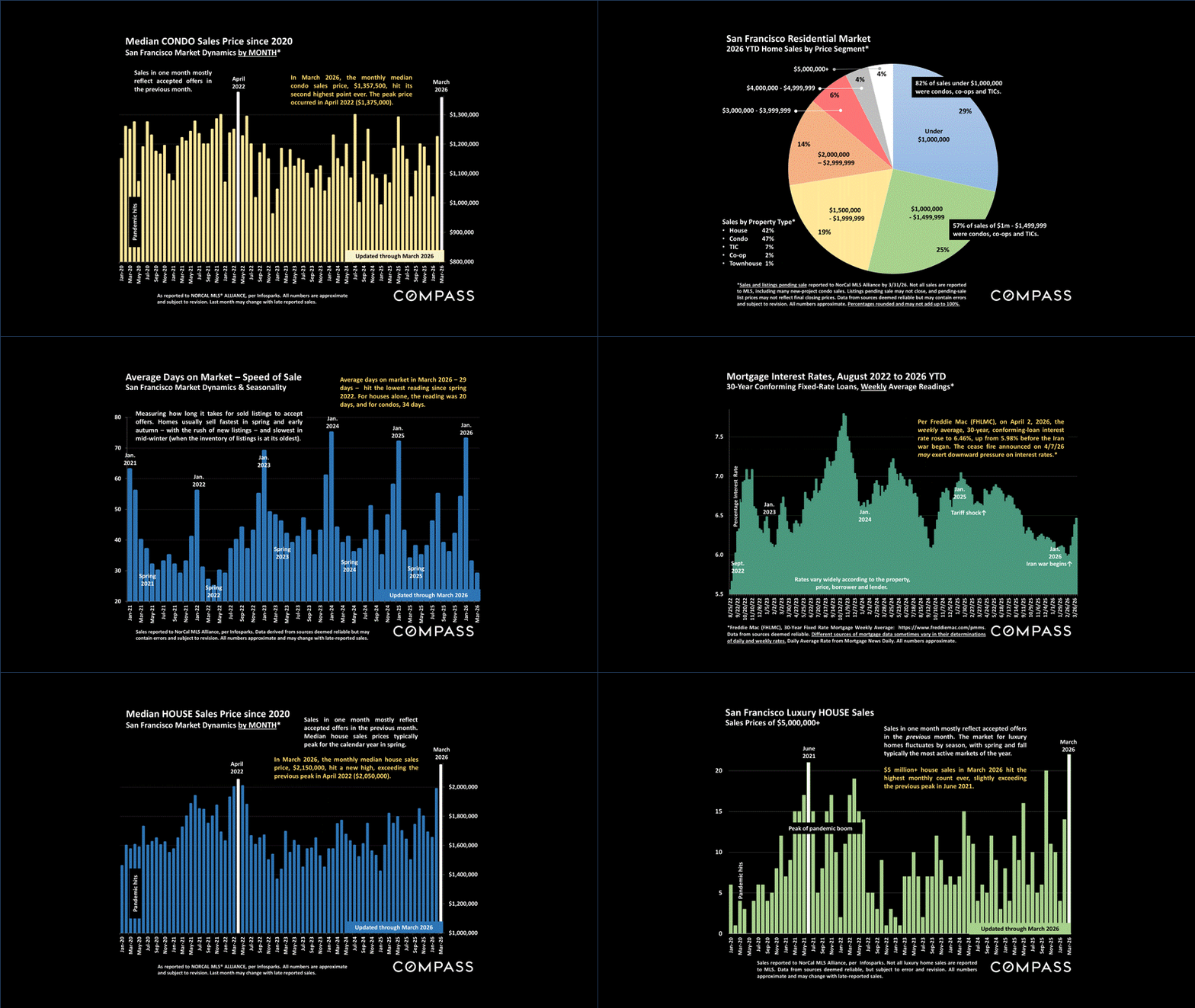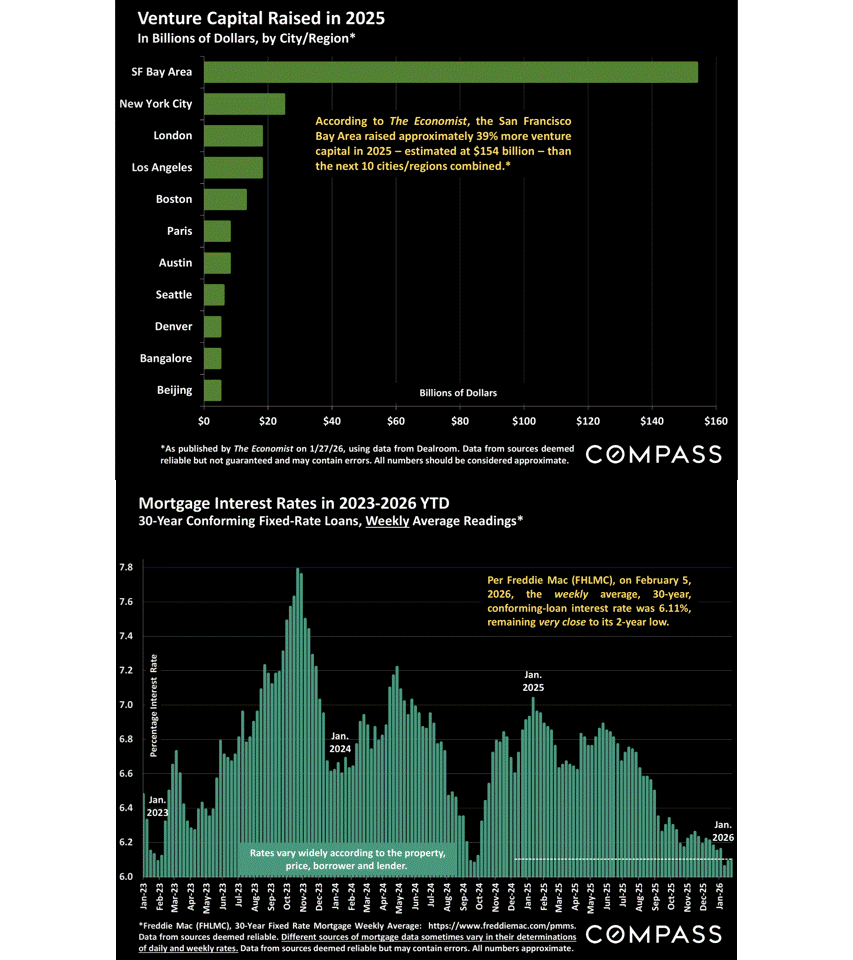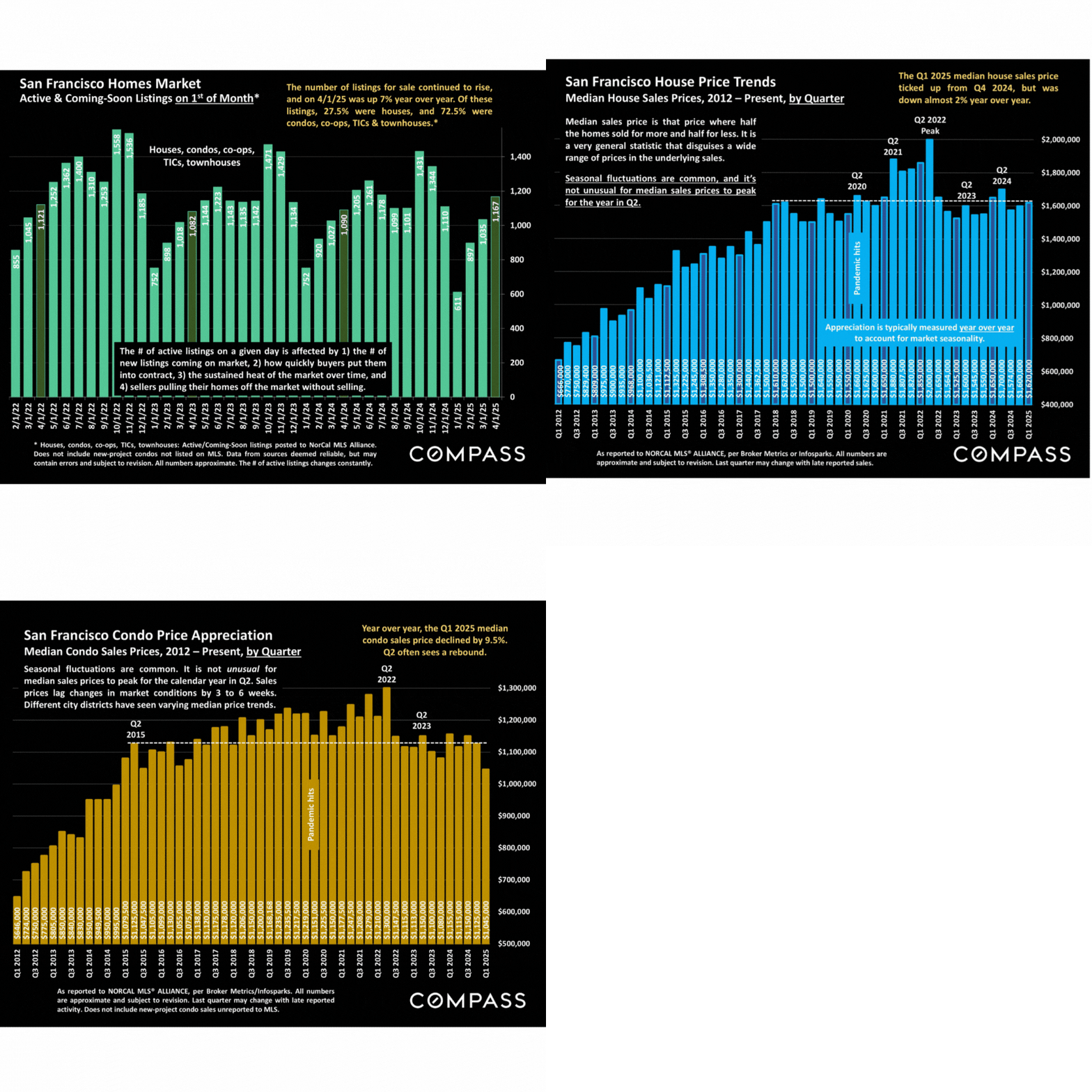
Some recent buyers and I have been joking that they rode the blip, having purchased a home for less than a similar, less updated property sold for in the spring. What interested me was that every offer on their home involved financing. With rates having moved higher, my sense was that the monthly payment helped establish a limit on what that particular group was prepared to spend.
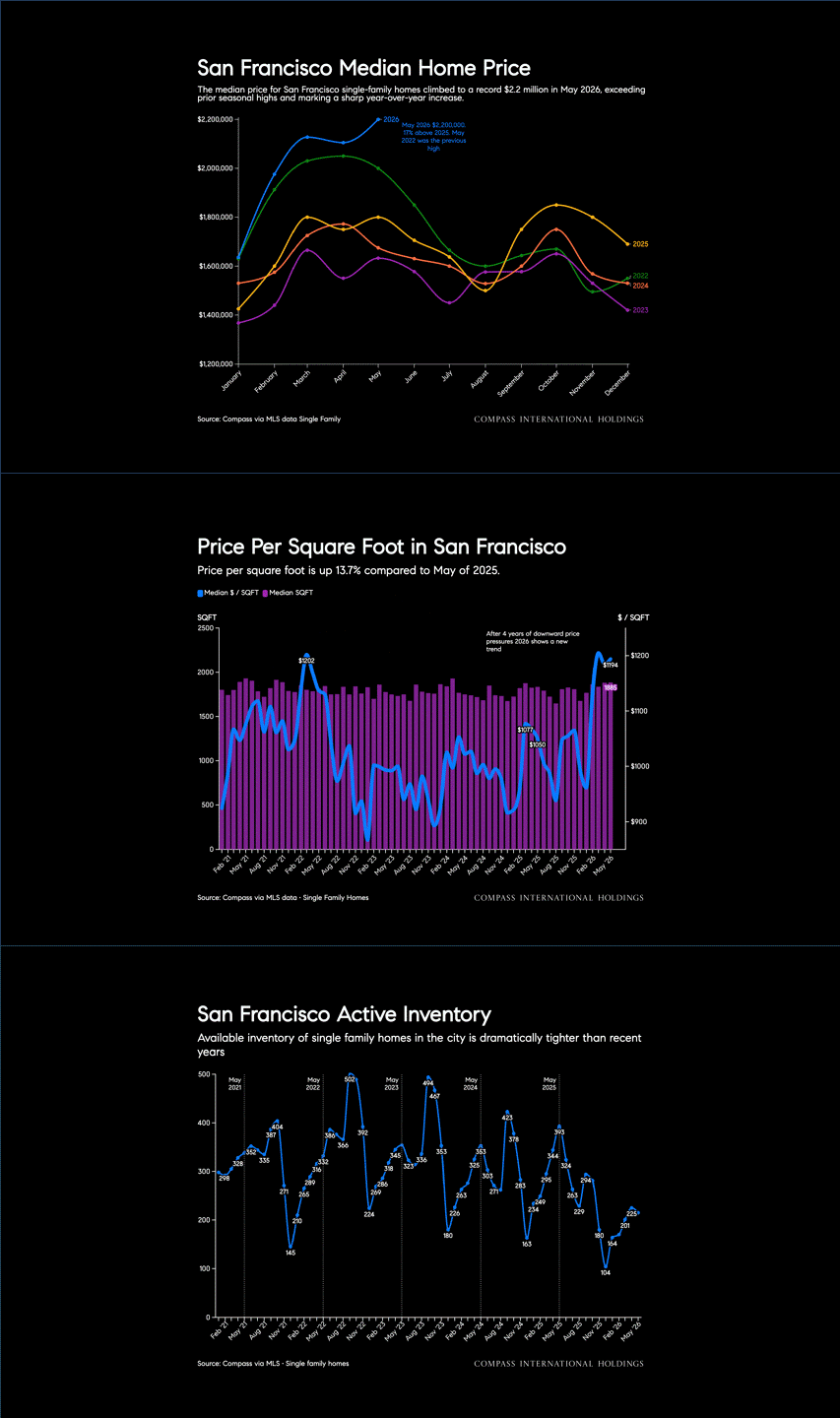
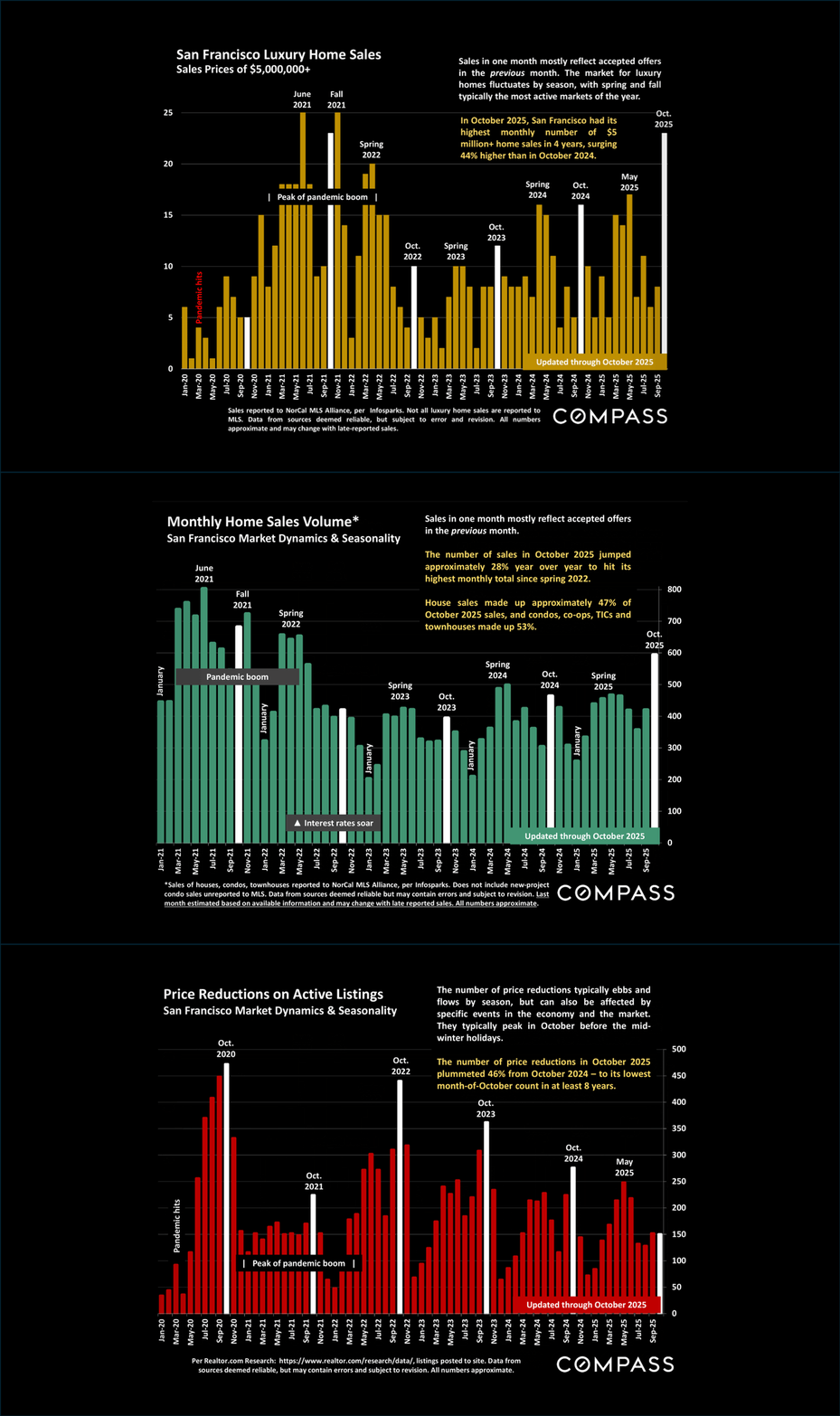
Meanwhile, other properties are selling well beyond what recent comparable sales would have suggested, particularly where scarce inventory is drawing buyers with substantial liquidity. Both experiences belong to the same San Francisco market, although the people competing and the way those purchases are funded can make them feel very far apart.
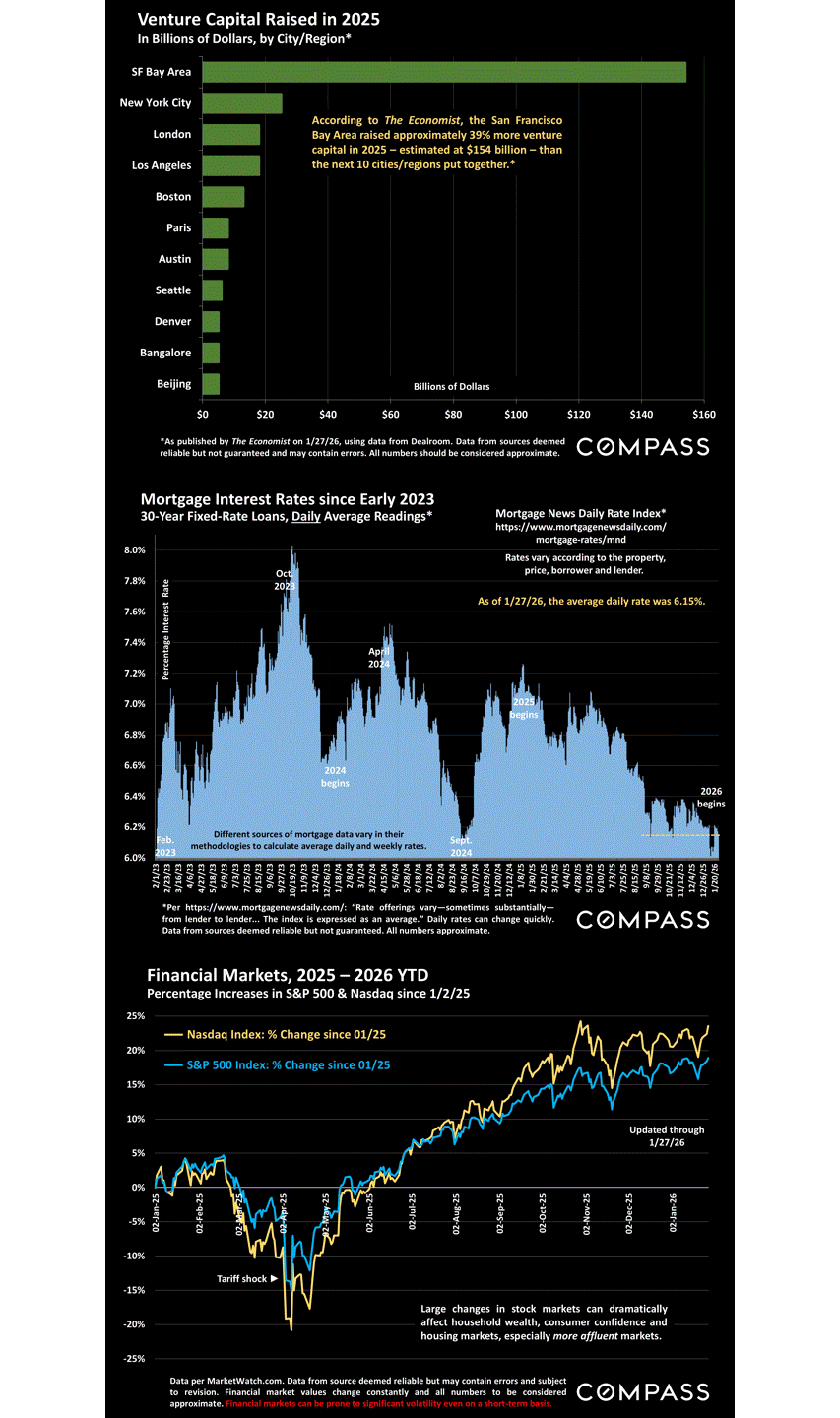
The K-shaped economy feels real here, particularly around $2 million and below, where I’m seeing higher rates affect purchasing power even when income, savings, and the desire to buy remain the same. A substantial down payment doesn’t necessarily make the monthly payment comfortable, and some of the resistance on price appears to reflect that. When the competition is also financing, those shared constraints can influence the outcome. A lower purchase price can still come with a higher financing cost than it would have in the spring, but there may be less willingness across the group to keep bidding.
In the $2 million to $4 million range, the conversations I’m having still include rates, but there is often more flexibility in how a purchase comes together. Above $4 million, some of the strongest competitors can buy without depending on a mortgage against the property, and the decision becomes more about how much wealth to commit to a home that has been difficult to find. Whether that liquidity comes from investment proceeds, proceeds from company equity, or borrowing against eligible assets, it can keep a buyer competing after mortgage costs have constrained someone else’s budget.
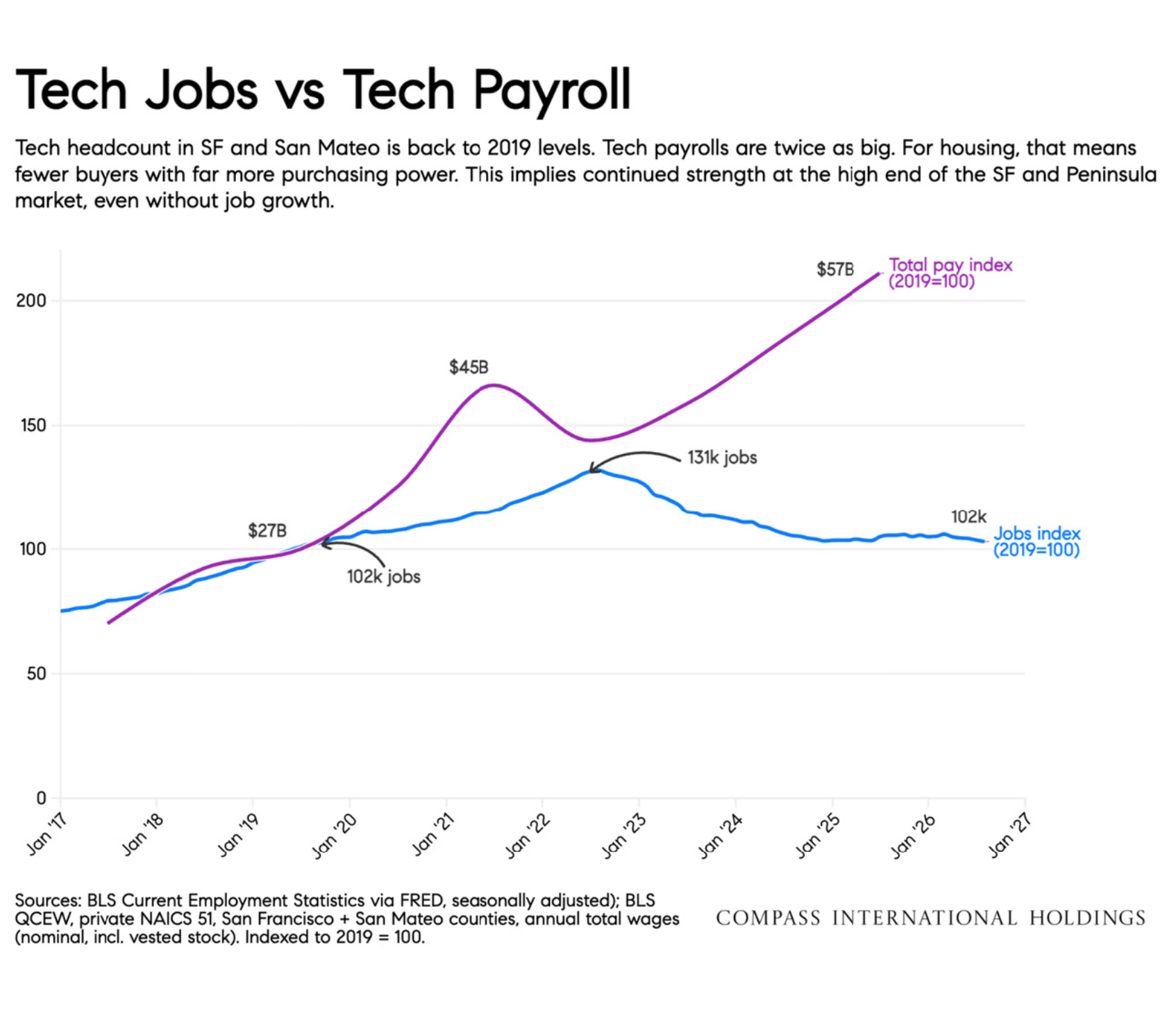
For a financed buyer competing against that flexibility, higher rates don’t necessarily bring any relief on the purchase price. The monthly payment is already putting pressure on the budget, and the offer may need to be substantially higher than a cash bid to make the seller comfortable accepting any remaining financing uncertainty.
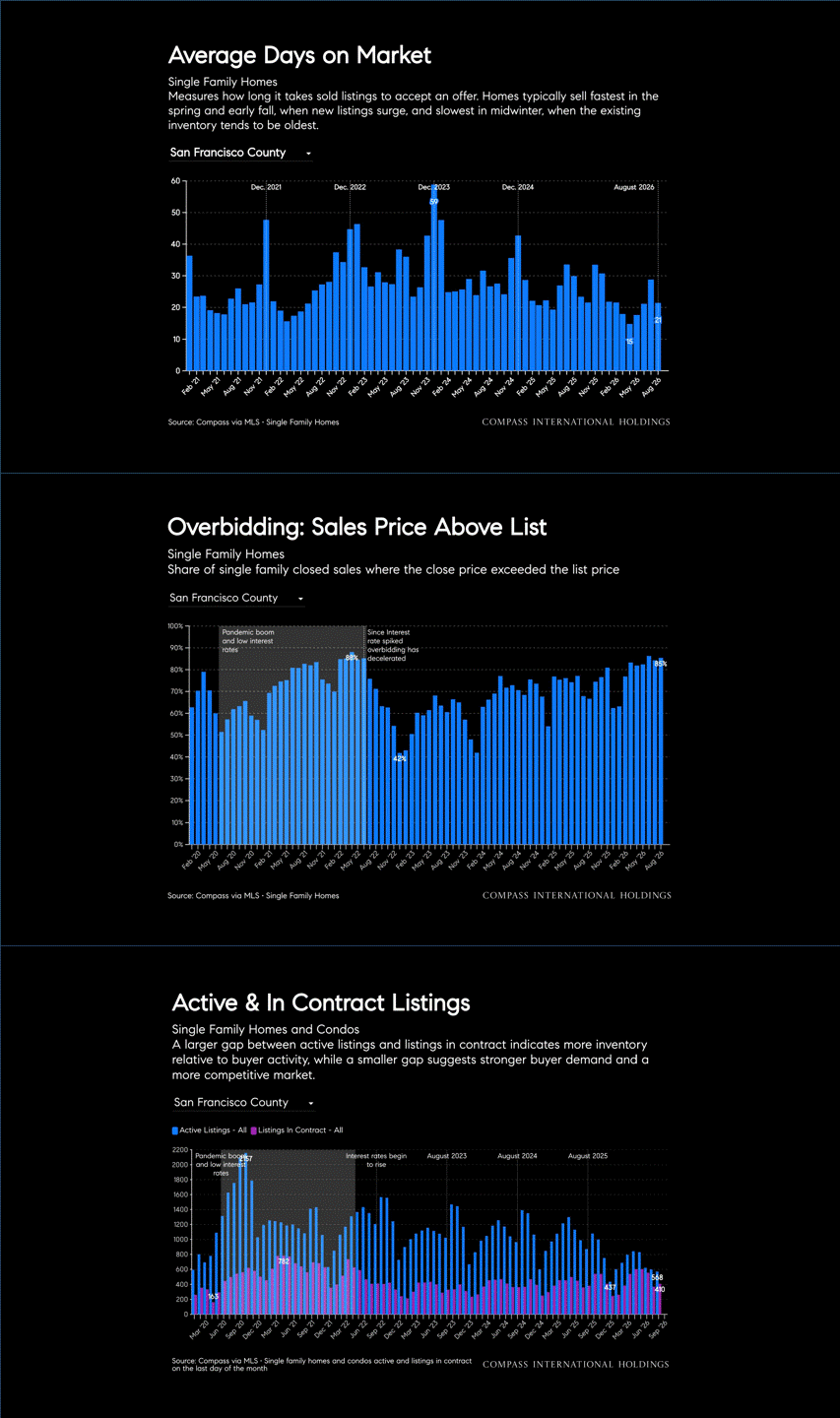
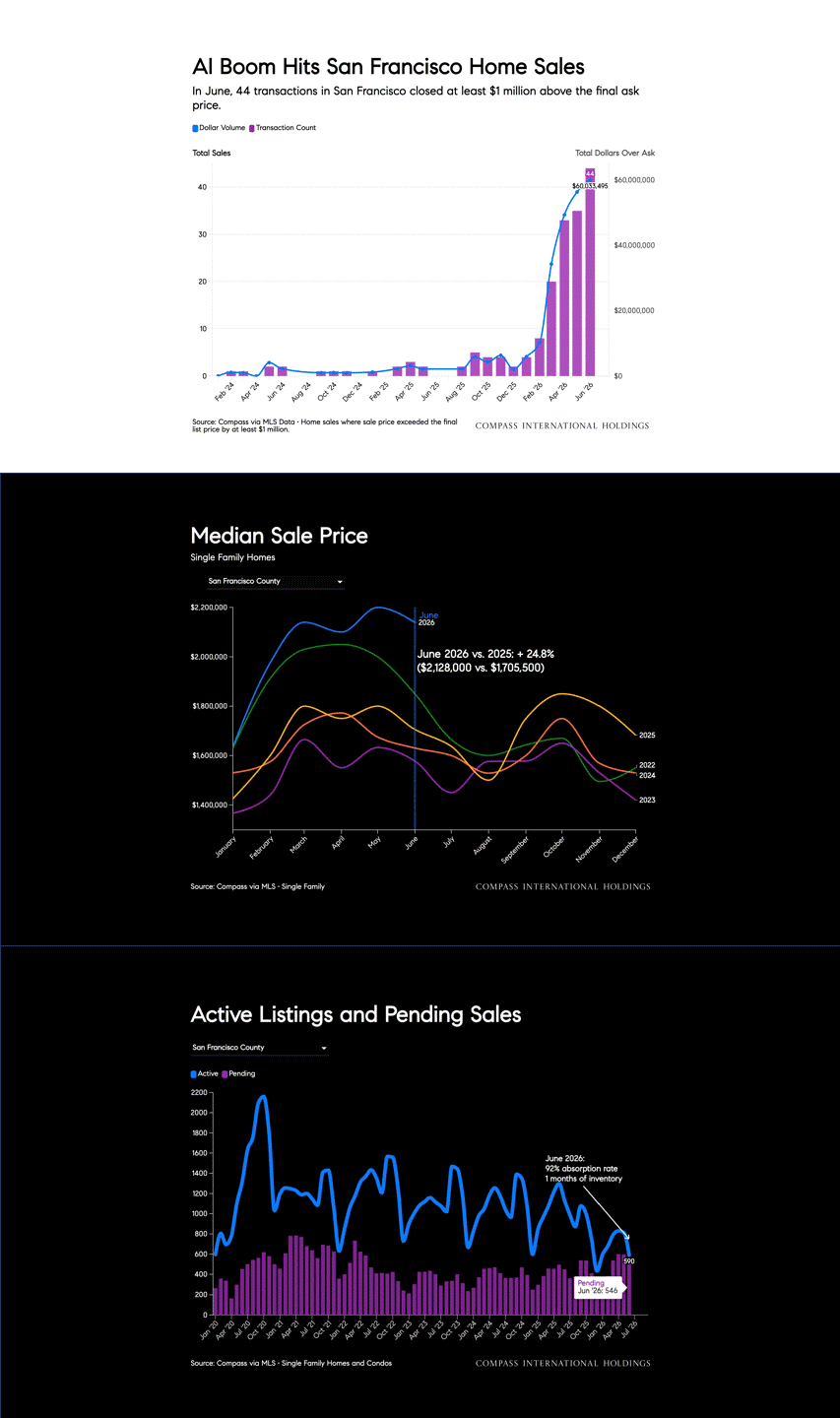
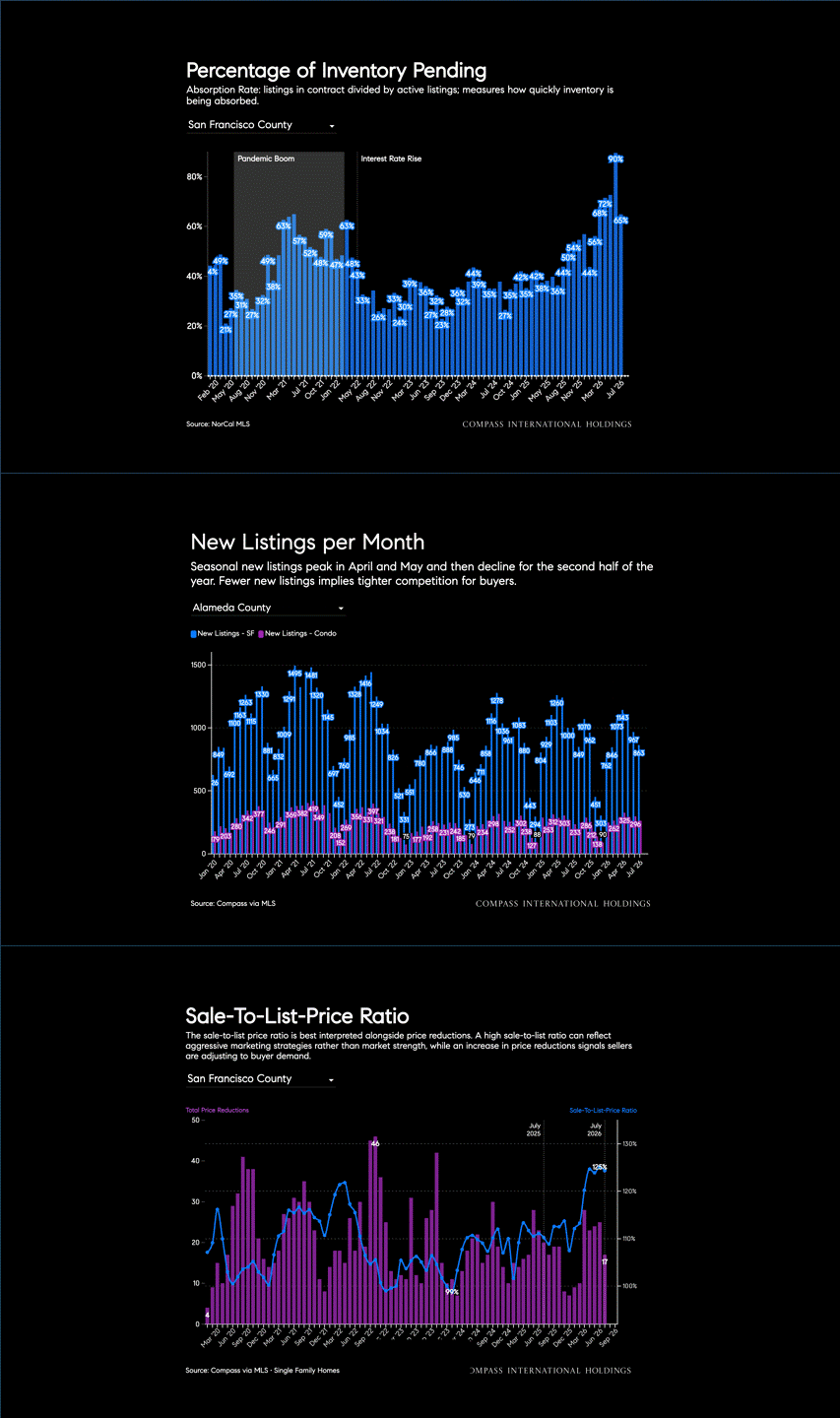
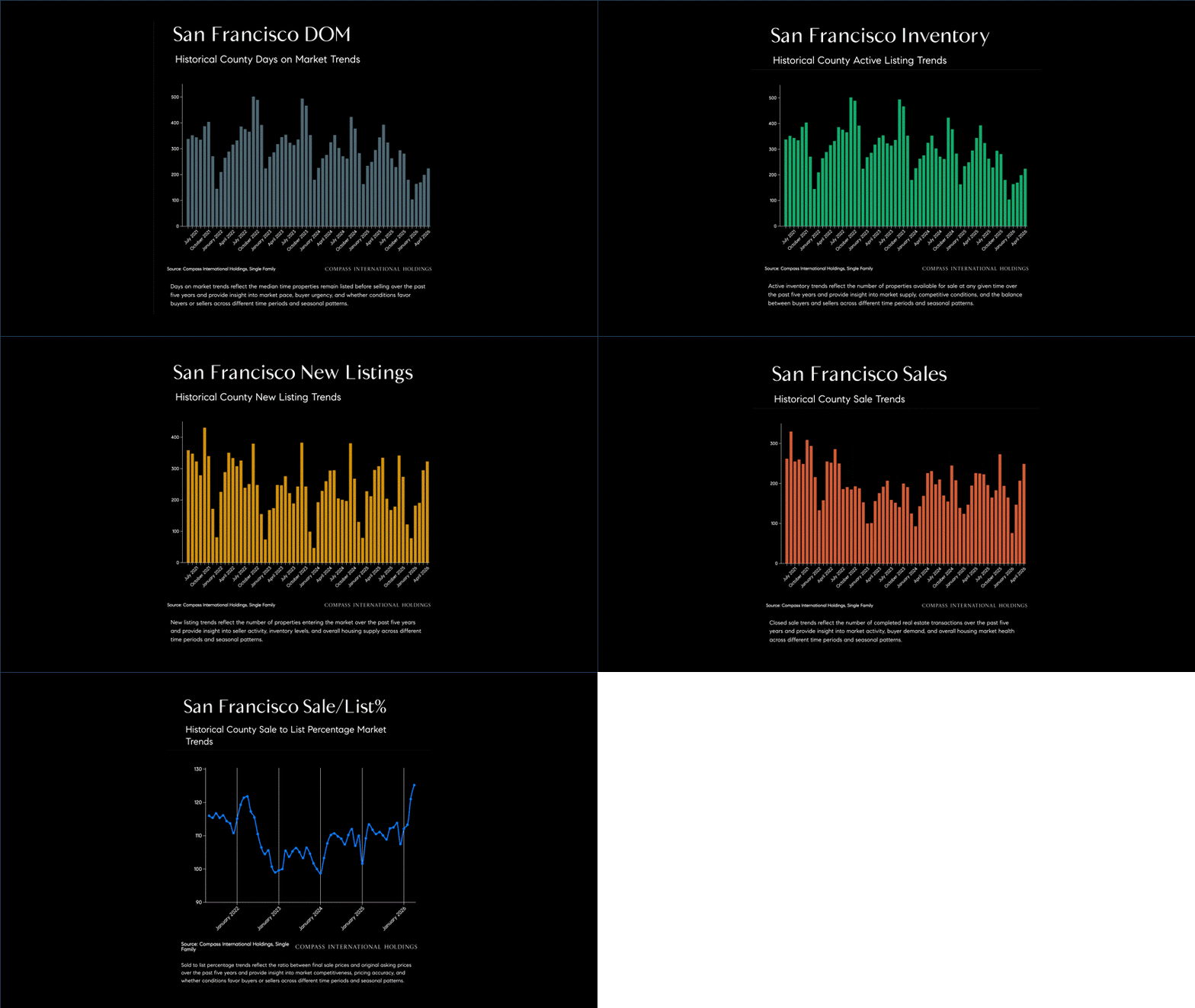
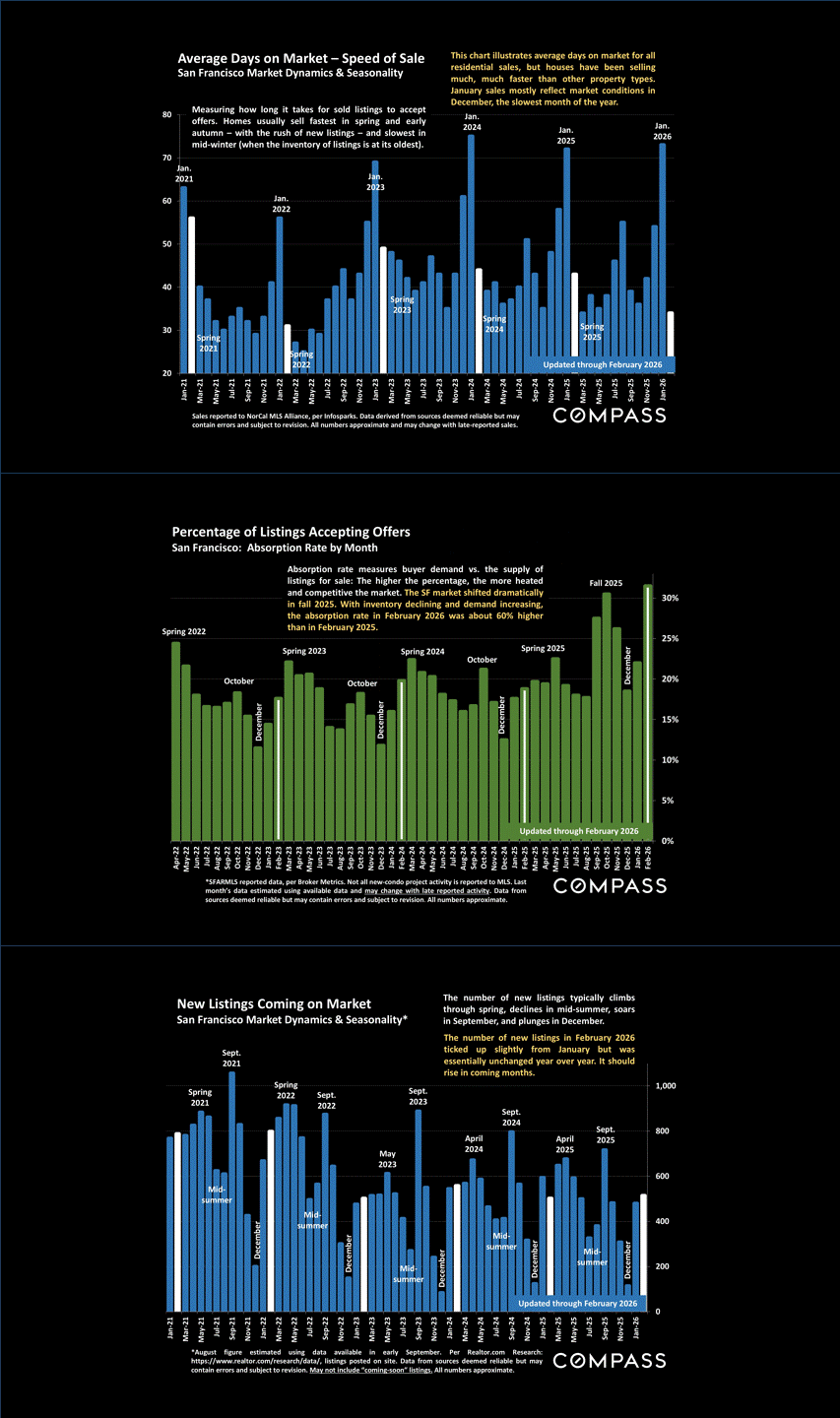
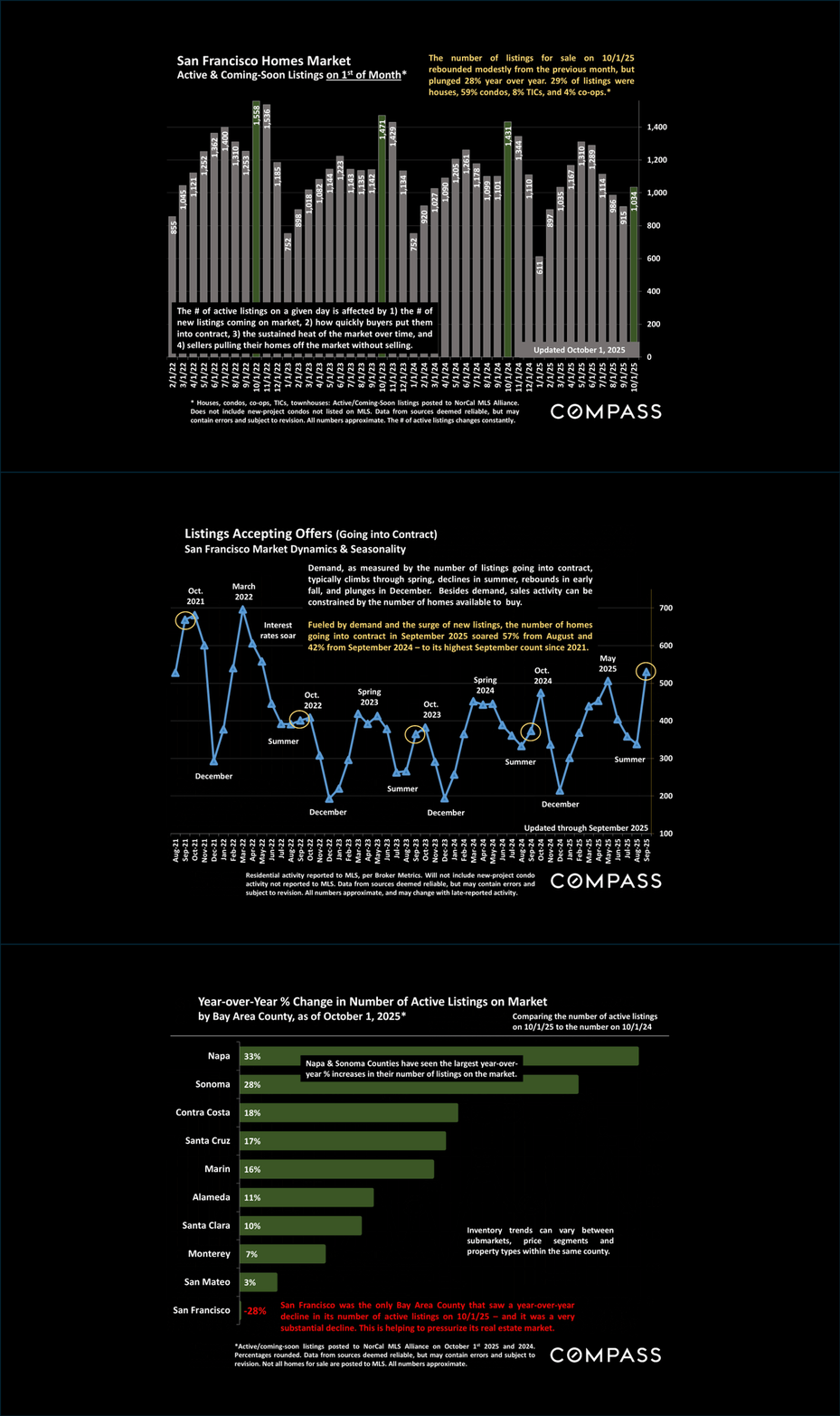
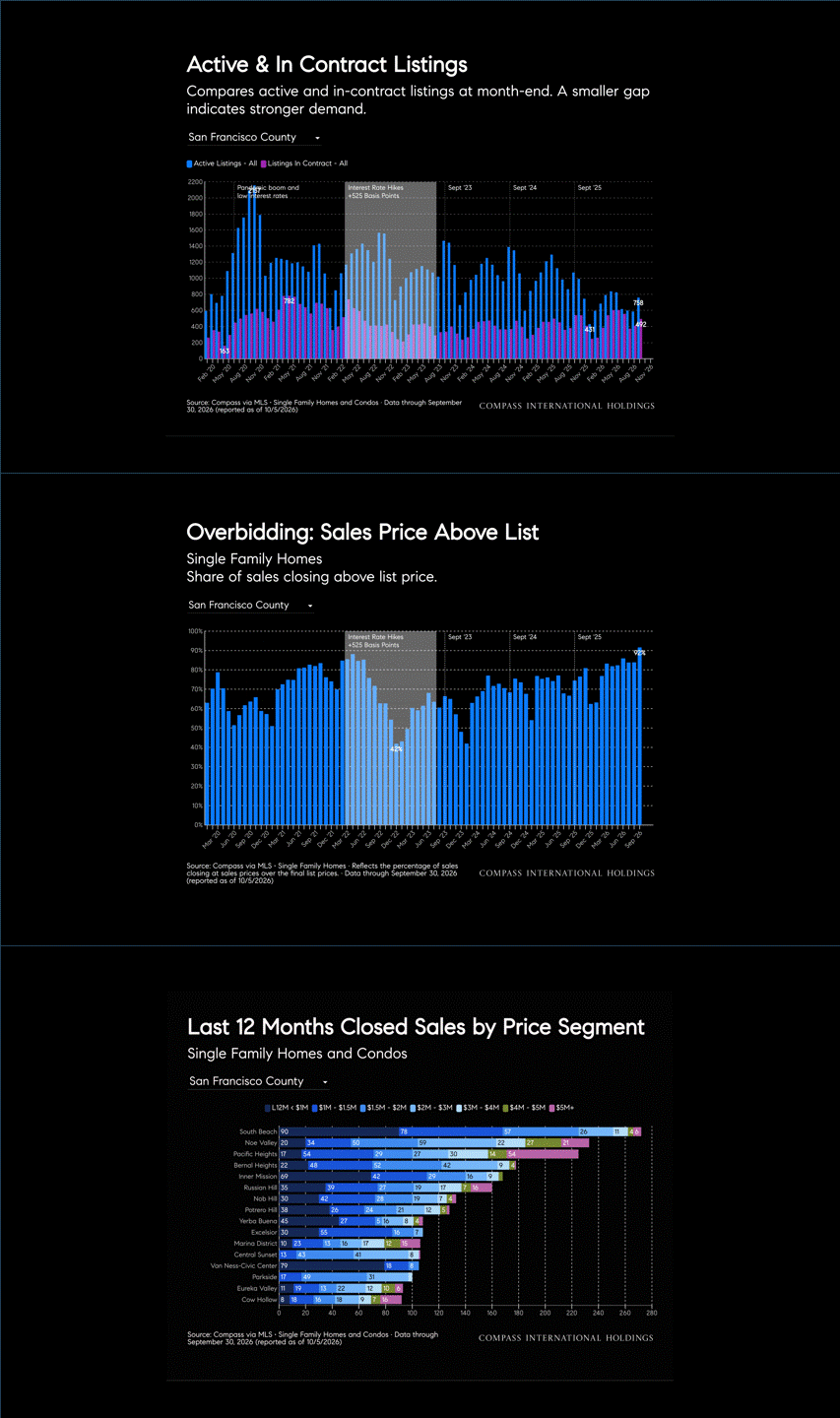
With active single-family listings down 18% and condo listings down 33% from September last year, buyers have fewer alternatives, and that can change where their purchasing power lands. A buyer who has spent months looking in Pacific Heights or Presidio Heights may find a compelling home in the Lake District and bring along a budget shaped by those earlier searches. The home may look expensive against nearby sales and still compare favorably with what that buyer has been considering. When several people arrive at the same conclusion, the result can move pricing faster than the available sales have prepared anyone to expect.
And once that sale closes, it becomes part of the discussion around the next listing. Sellers see a new possibility, buyers reconsider their expectations, and the question becomes how much of the result belongs to the particular home and how much reflects a change in the neighborhood. In a market this short on alternatives, a property can be exceptional in a few important ways and achieve a price that gives its compromises surprisingly little weight. Whether that carries over to another home takes more thought than simply adding the latest sale to the comparable set.
My read is that the divide in this market is becoming as much about access to money as the amount someone is prepared to spend. Buyers relying on financing can feel the pressure twice, from higher borrowing costs and the additional price that may be needed to compete with cash, while greater liquidity allows others to pursue scarce homes across a wider range of neighborhoods. What matters now is how much influence financing has on the particular competition. Higher rates may hold prices back where buyers share those constraints, but they offer little protection when cash buyers are setting the pace. That is how affordability can deteriorate even in a market where some homes are selling for less.