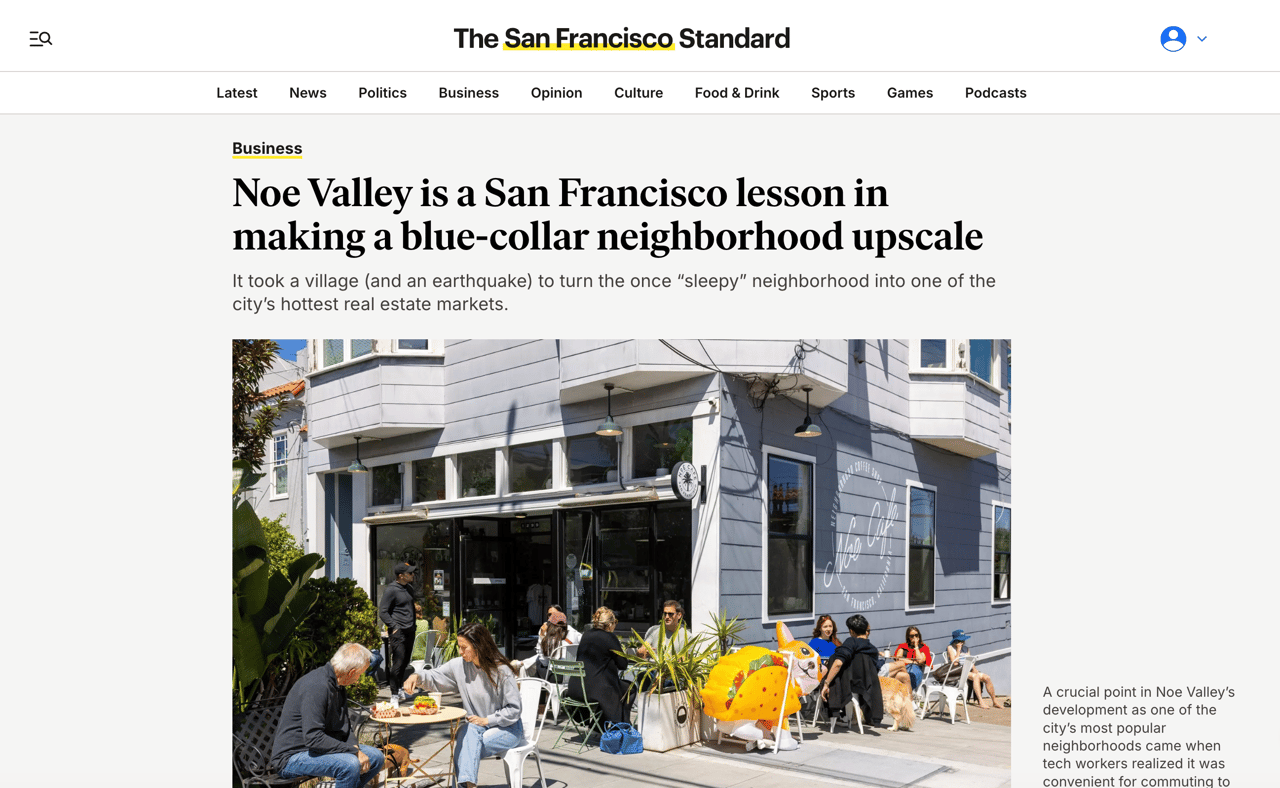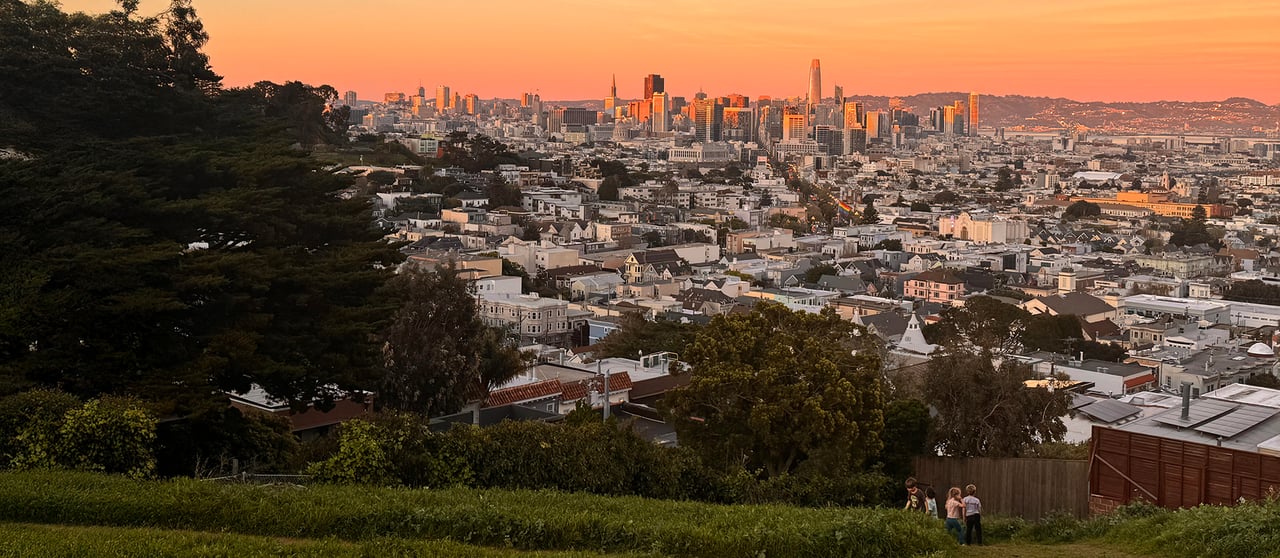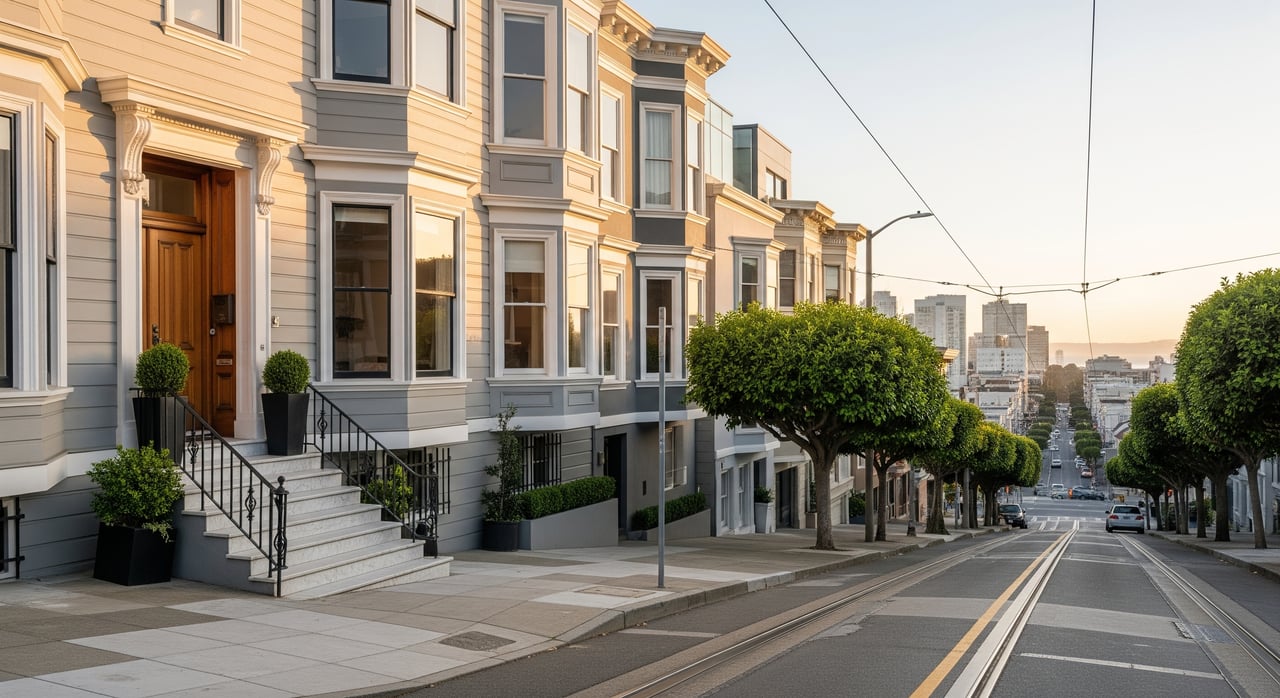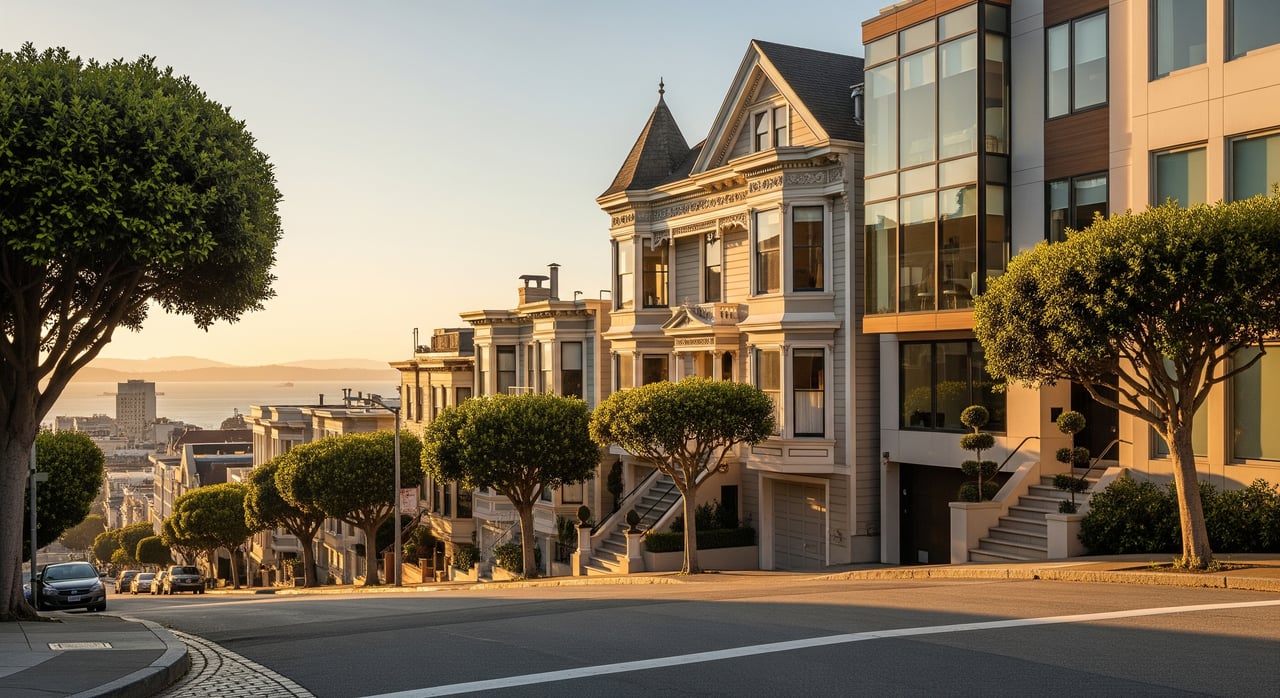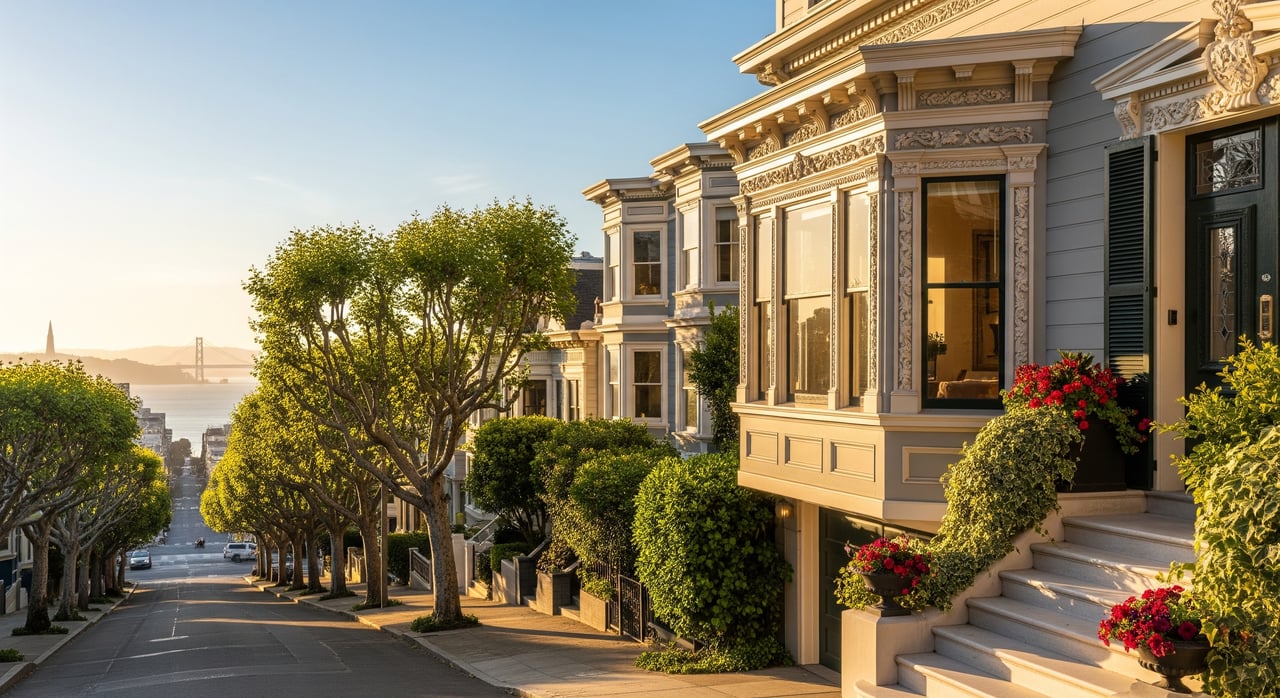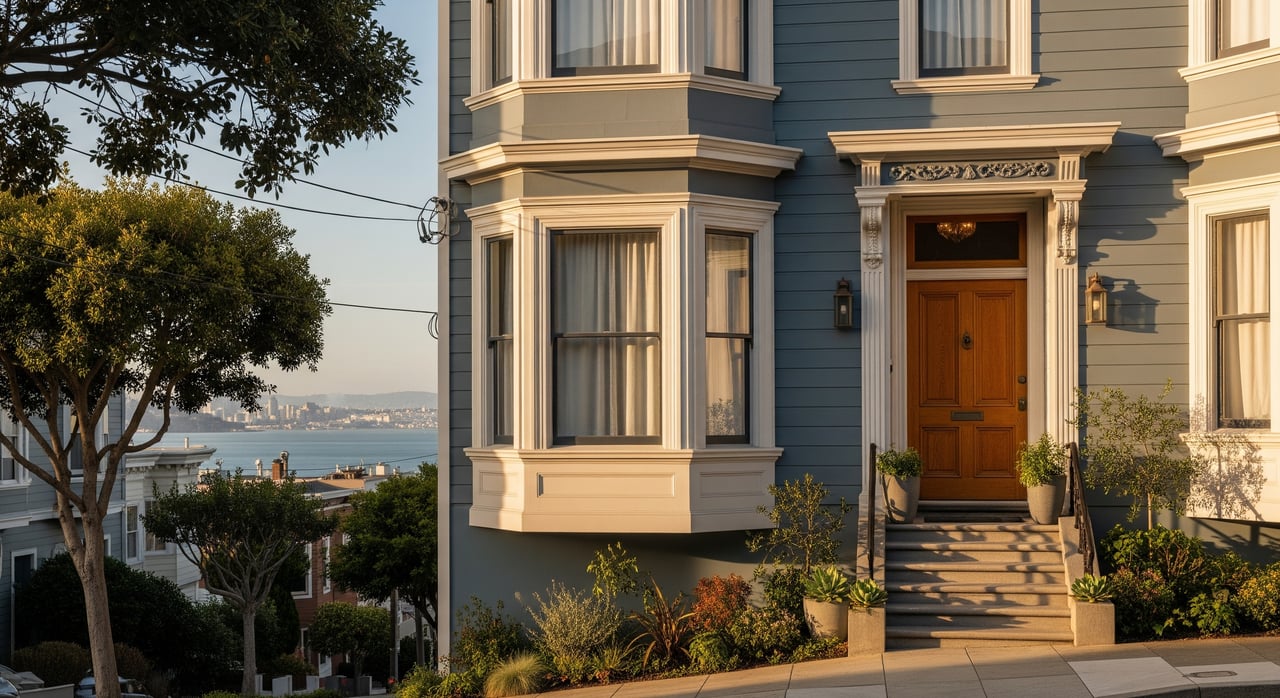
On most Tuesday mornings, Noe Valley Town Square is just a wide paved rectangle between Vicksburg and Sanchez where a few people sit with coffee and a dog sniffs the raised planters. By five o'clock on the last Tuesday of the month, that same rectangle has a stage, a sound system, a rotating lineup of food vendors, and enough strollers to make the sidewalk feel narrow. Same square. Same block of 24th Street. Two entirely different neighborhoods, depending on which Tuesday you happen to walk through.
That gap is the real story here, and it is not really about restaurants or retail turnover, even though both keep showing up in the usual roundups of what's new on 24th Street. It is about the fact that one civic space is running three separate calendars at once, each on its own clock, each funded and organized differently, and each teaching you something different about how this neighborhood actually gathers. If you live here, knowing which clock is ticking on a given day is the difference between wondering why the block is suddenly loud and already having your coat on.
Three Clocks, One Square
The square itself sits on what used to be an asphalt parking lot before it became the neighborhood's shared civic room. It is not privately programmed. Events there run with support from the San Francisco Office of Economic and Workforce Development, with the Noe Valley Association acting as fiscal sponsor, and with the Noe Valley Merchants and Professionals Association organizing much of the retail-facing programming. That funding structure matters because it is why the square hosts a weekly market, a monthly market, and a handful of seasonal events, rather than one continuous stream of programming or none at all. Public money and volunteer labor tend to produce a calendar with gaps in it. Those gaps are the point.
The Weekly Clock: Saturday, Since 2003
The steadiest of the three clocks is the Noe Valley Farmers Market, which has run every Saturday, rain or shine, since December 2003. It is a California-certified market operated mostly by community volunteers, and it draws more than 20 local vendors and roughly 1,500 shoppers on an average week. That is a meaningful number against the size of the corridor. Twenty-four blocks of shops and restaurants along 24th Street, and on a Saturday morning, 1,500 people are choosing to route their errands through one stretch of pavement to buy produce from people they'll see again next week.
This is the clock residents build their routines around without thinking about it. It never takes a season off. It doesn't require a ticket. It is also the reason Saturday mornings on 24th feel different from Saturday afternoons: the market closes at 1 p.m., and the corridor's energy visibly shifts once the tables come down.
The Monthly Clock: A Tuesday Evening, Once a Month
The second clock runs slower and louder. The Noe Valley Night Market takes over the square on the last Tuesday of most months, from roughly 5 to 8 p.m., with the street itself closing for the evening. It is free, it rotates its vendor lineup every time, and it functions less like a market and more like a monthly block party with a cover charge of zero.
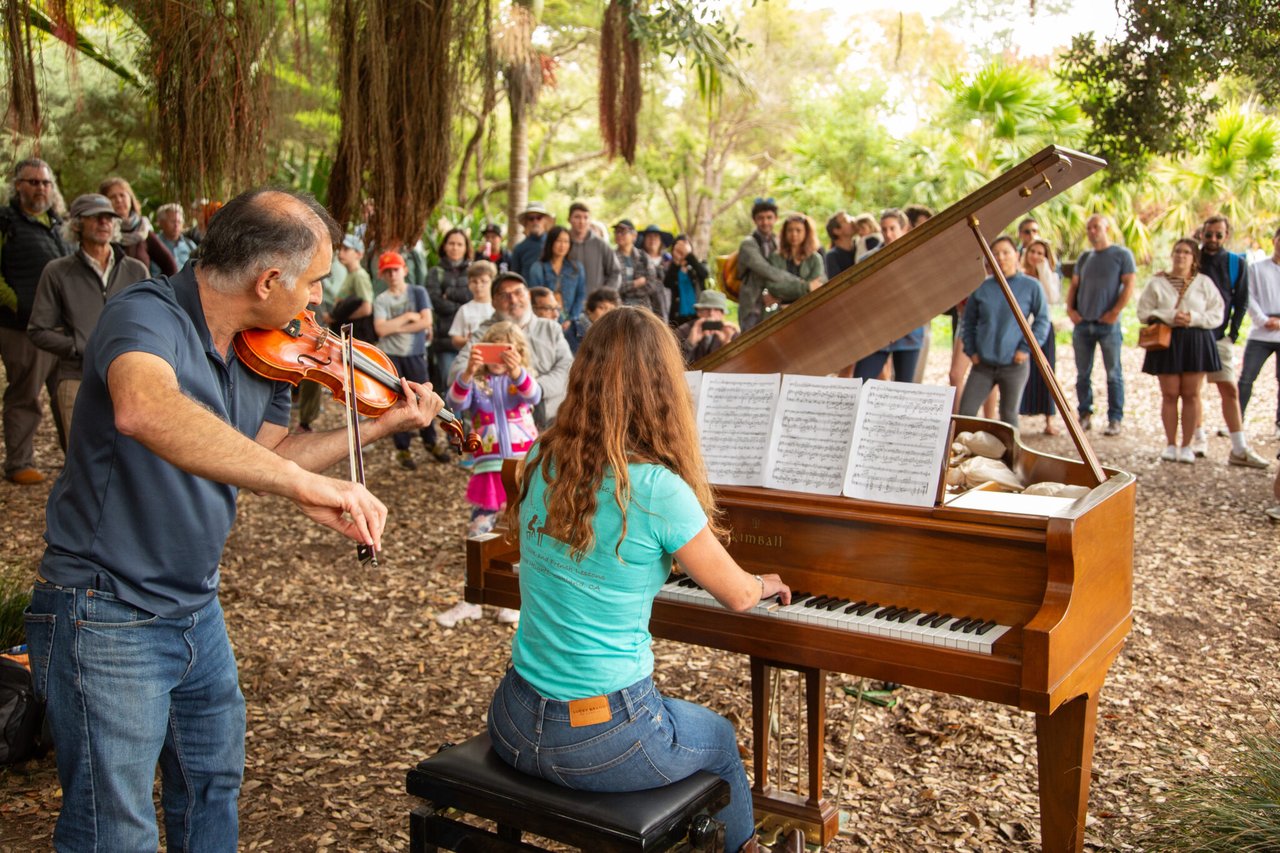
A typical lineup gives a good sense of how it actually works. Past vendor rosters inside the square have included Novy, Todo El Dia, Casa Mexicana, Trad Bone Broth, and La Copa Loca, alongside a nonprofit table for Pets Lifeline, while nearby merchants run their own tie-in promotions for the night, discounts at Moonshot Studios and spritz specials and a sneaker deal at Running Wylder among them. The August 25, 2026 edition drew coverage from Local News Matters, which described families and neighbors filling the block with music and the smell of food from vendors who had come in from around the Bay Area, kids trailed by face painters, a scene that reads less like commerce than a scheduled excuse for the whole street to be outside at once.
That is the mechanism worth understanding: the Night Market isn't just a market that happens to be in a residential neighborhood. It is a monthly appointment that the corridor's other businesses have learned to build a night of promotions around, because they know the foot traffic is coming whether or not they participate.
The Seasonal Clock: Wine Walk, Two or Three Times a Year
The third clock is the slowest and the only one that costs money to join. The Noe Valley Wine Walk runs a spring edition, a summer edition often branded around a theme like this year's "California Dreamin'," and occasionally a holiday edition, with tickets running around $39 to $40. It starts at the Town Square, sometimes with a second ticket booth blocks away near Yoga Flow on 24th, and sends attendees wandering the corridor with a glass in hand, following banners between participating shops and restaurants that stay open late for the occasion.
Compare that cadence to the Night Market's monthly rhythm and the gap is the useful part. A free, family-oriented gathering can run every month because it asks nothing of attendees beyond showing up. A ticketed, alcohol-forward event asks more, of both organizers and guests, so it gets rationed to a couple of nights a year instead of becoming another monthly fixture. The square hosts both because both serve different registers of the same neighborhood: the Tuesday evening version is for anyone with twenty minutes and a stroller, the Wine Walk is for people planning an actual evening out.
What the Corner Businesses Are Reading Off the Square
The restaurant corridor's recent moves make more sense once you see them against this backdrop. Grand Lake Kitchen, the Oakland restaurant group behind locations in Adams Point and Dimond, opened its third location this year at 24th and Church, in a storefront long associated with Mr. Digby's Bar and Restaurant. The deal reportedly started with a broker who had eaten at the Oakland locations messaging the owners, May Seto and Dave Wasem, directly about the Noe Valley listing. That is a small, specific detail, but it says something larger: outside operators are treating this corridor as worth a direct pitch, not a market they'd stumble into.
Two operating quirks are worth knowing if you're timing a visit. Falasteen, the Palestinian restaurant on 24th, is only open Thursday through Sunday, and reservations for small groups tend to go fast enough that booking a week out is the safer play. Dumpling Kitchen keeps the opposite schedule, closing only on Wednesdays and running lunch and dinner the other six days. Neither is a coincidence so much as two different bets on when this street actually wants to eat out.
And then there's Novy, the Greek restaurant near 24th and Church that just marked ten years under its current name, run by sisters Kristen and Kathryn Gianaras, whose family has operated a restaurant in that same storefront going back to 1977, first as Panos' and now as Novy. A decade is a long run for an independent restaurant anywhere in this city. It is longer than the Night Market has existed, longer than most of the newer arrivals on the block, and it is the kind of tenure that only shows up when you look past the newest opening to what stayed.
Reading Your Own Week Off the Square
None of this requires a calendar app. It just requires knowing that Saturday morning on 24th is produce and neighbors, the last Tuesday evening of most months is music and a closed street, and a Thursday evening two or three times a year is a wine glass and an excuse to finally walk into the shop you've been meaning to try. Everything else on the corridor, the new restaurant at Church and 24th, the ten-year-old Greek spot, the dumpling place that only closes one day a week, is operating in the rhythm those three clocks set.
If you're watching this neighborhood closely enough to notice which Tuesday feels different, you already understand something about Noe Valley that a listing description never will. For a longer look at how this pocket of San Francisco compares to the neighborhoods around it, or to talk through what a home here is actually worth in this market, Brandi Mayo has spent two decades reading blocks like this one for exactly that kind of nuance.