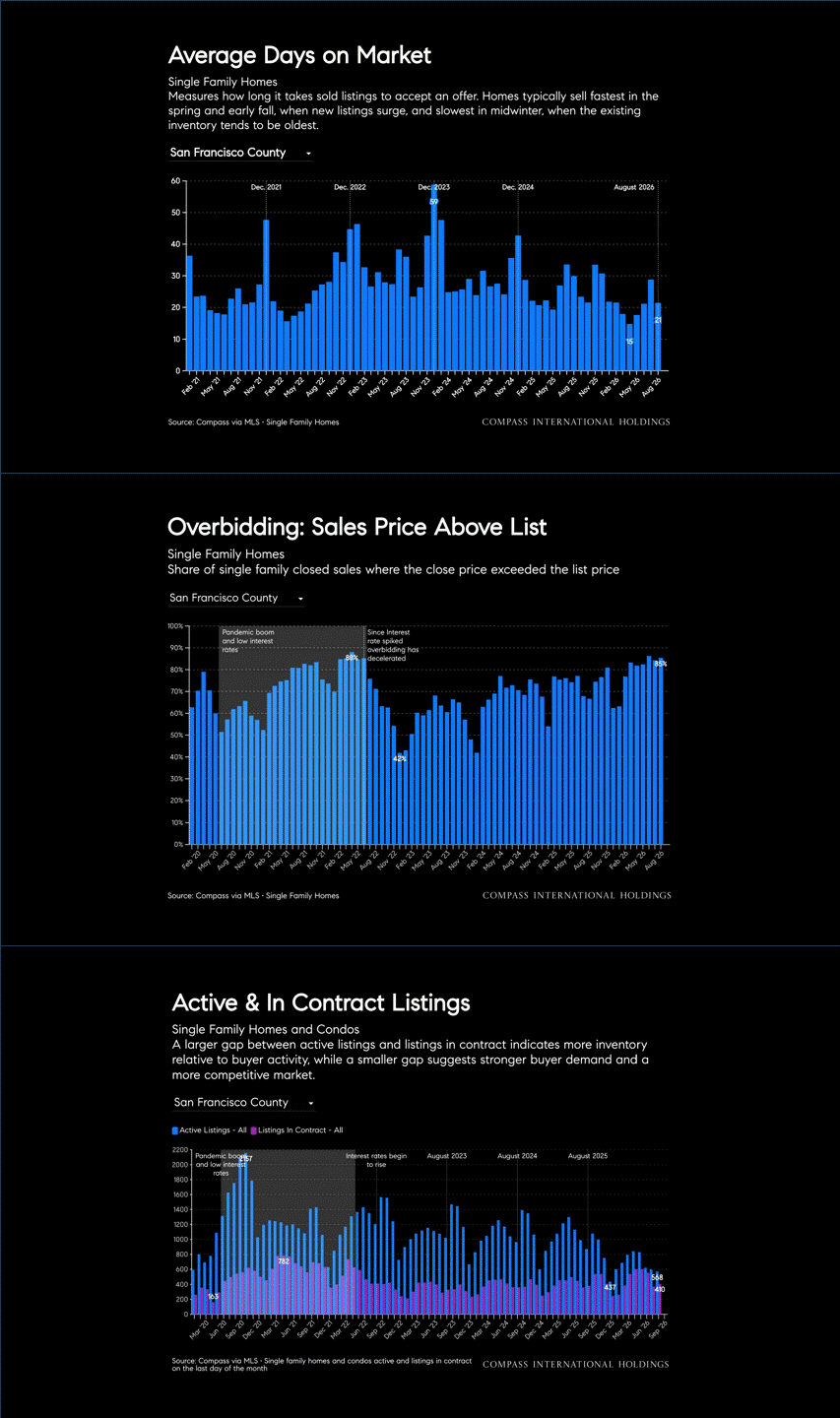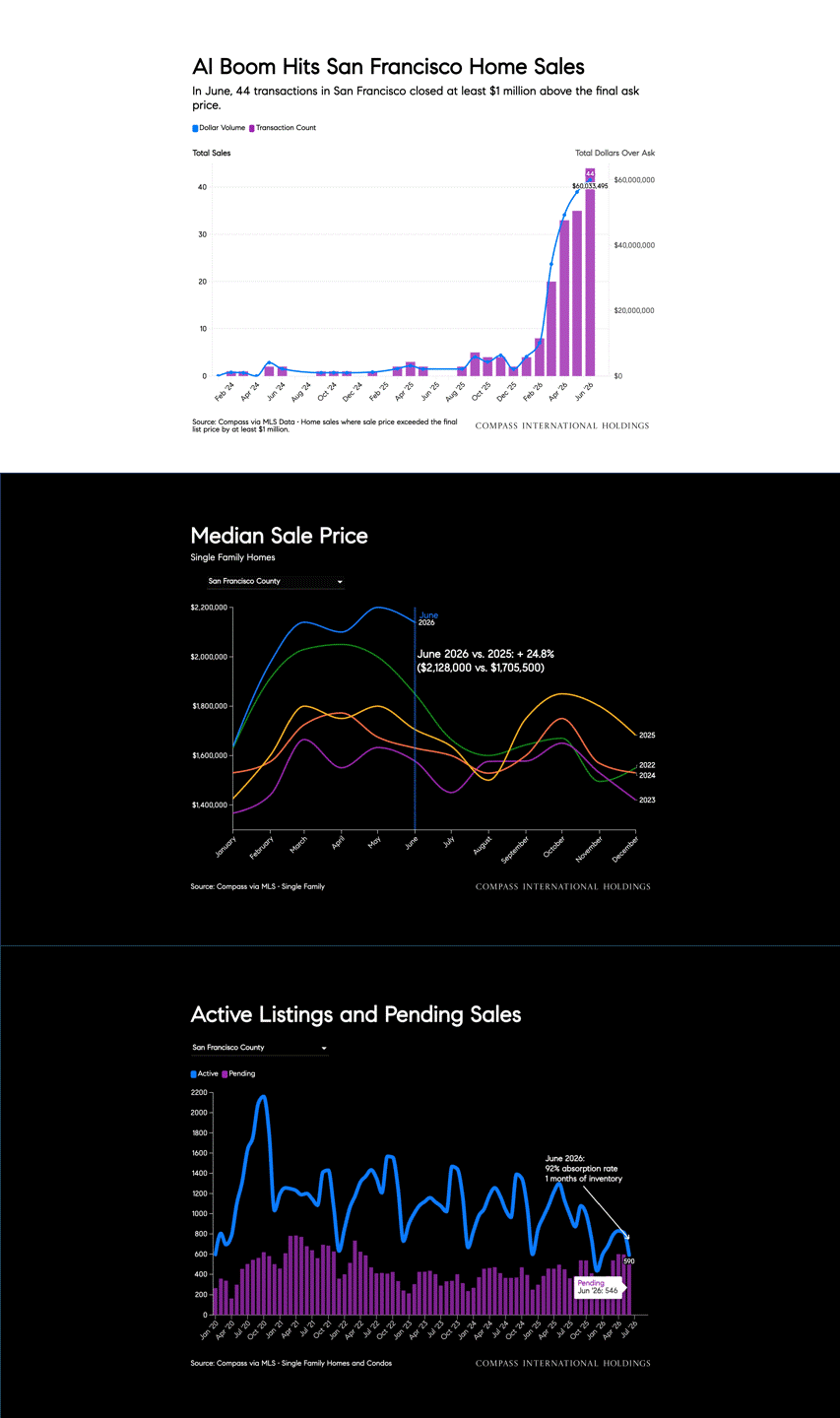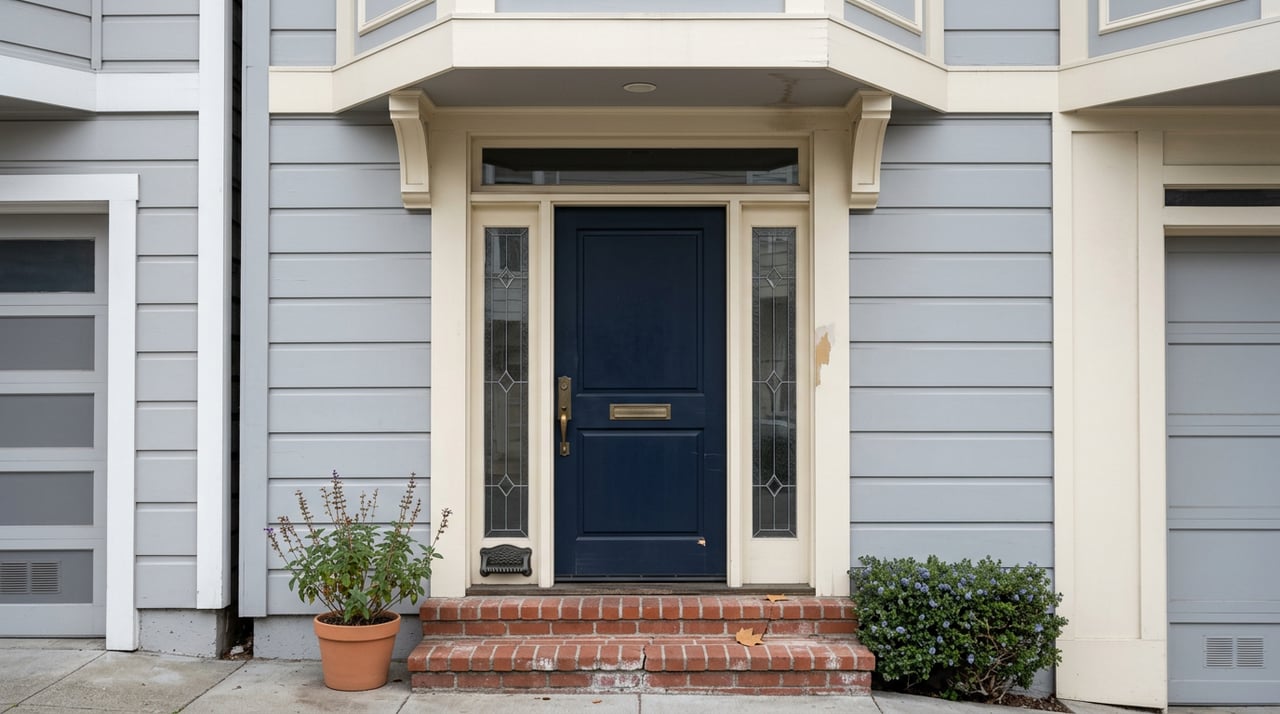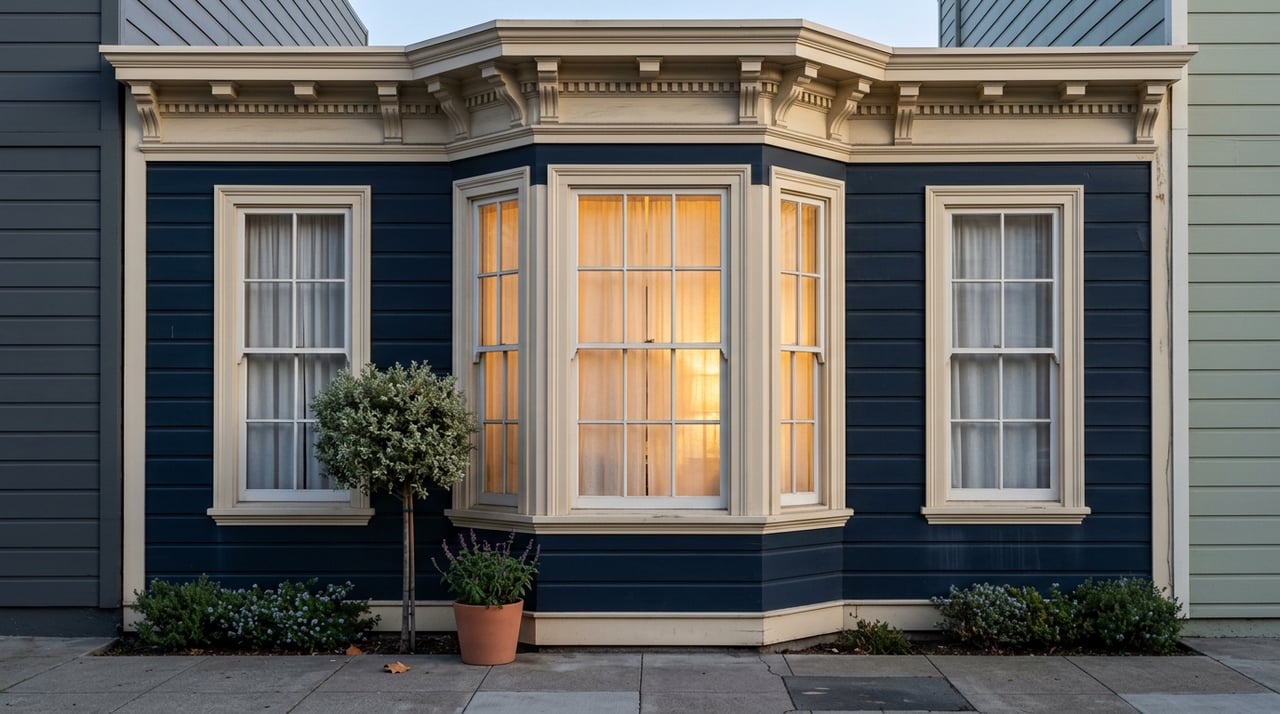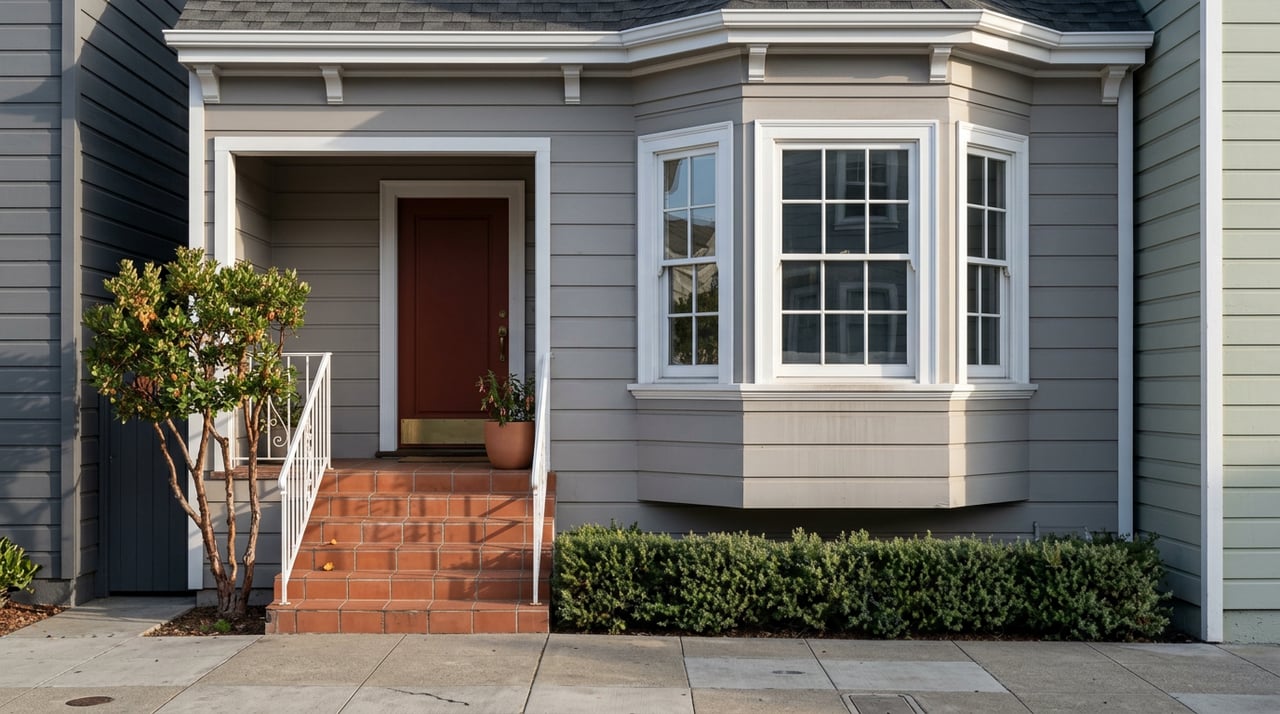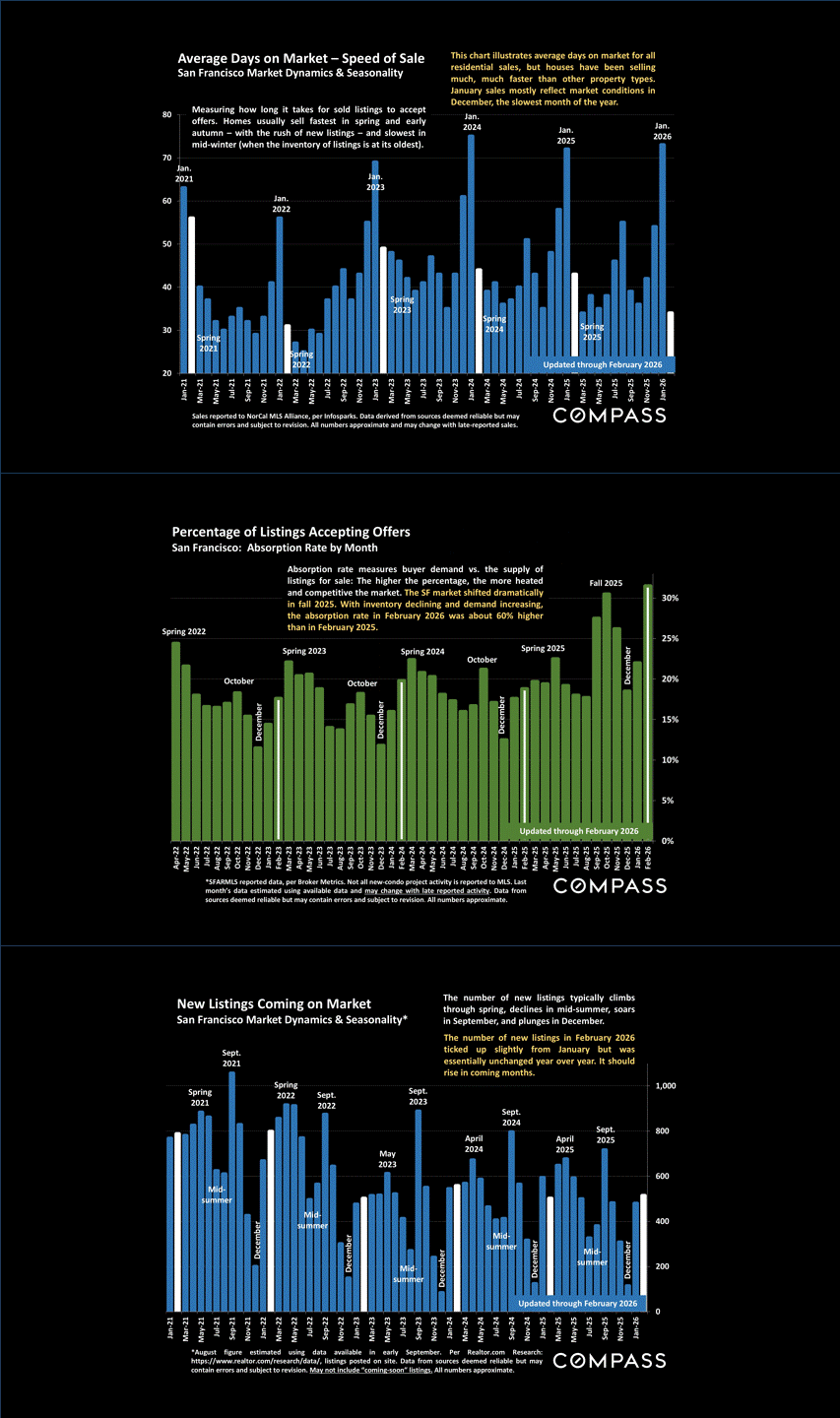
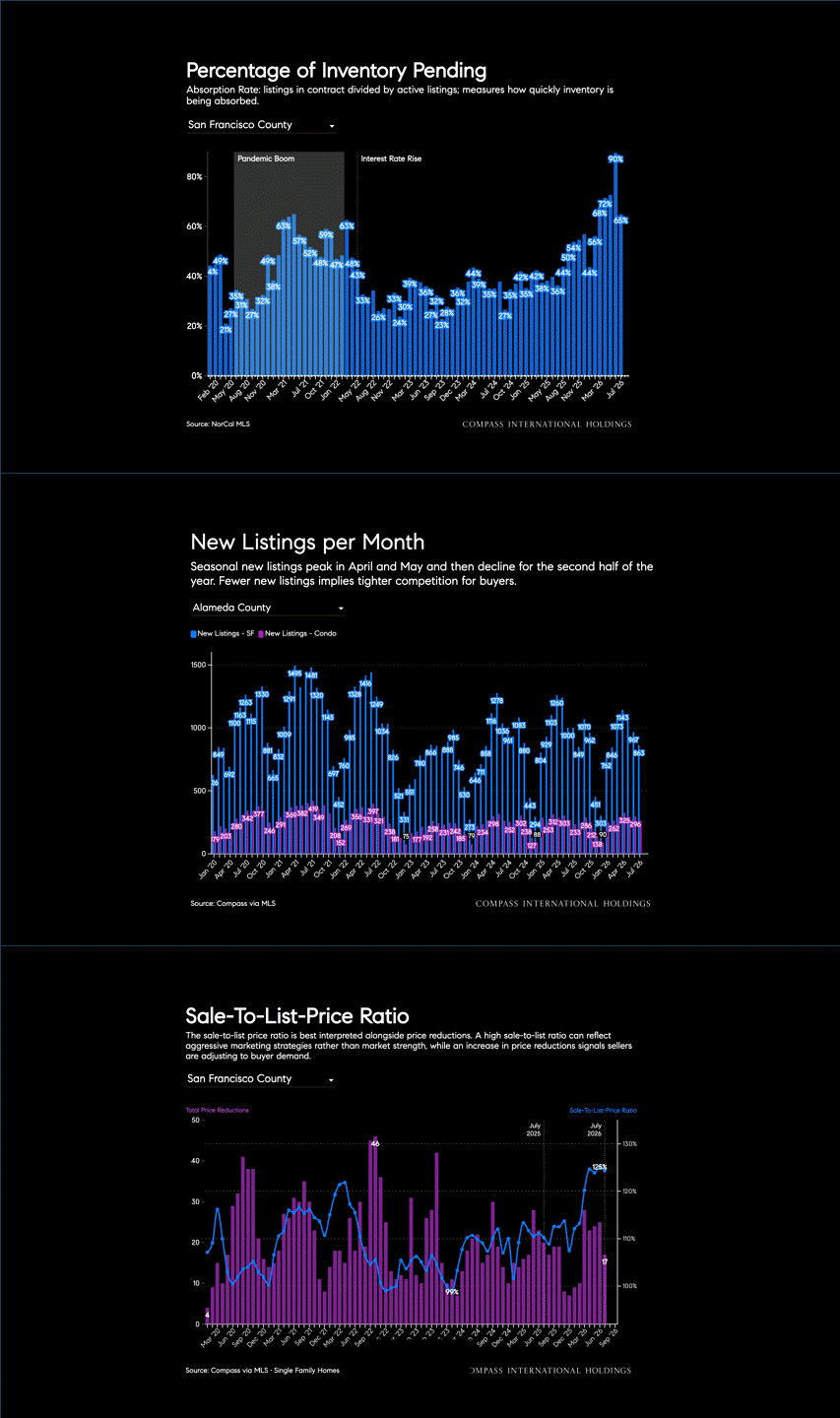
There was one number in this month's market report that I had to look at twice. In July, the percentage of San Francisco's active single-family home inventory that went into contract reached 90%.
Ninety percent is a lot.
It's also the kind of statistic that needs some context because July is July, there weren't very many houses for sale to begin with, and one month of data is not something I would ever use to make a sweeping prediction about where the market is headed. But then I started looking at the other numbers around it, and they weren't exactly making the 90% look like an anomaly.
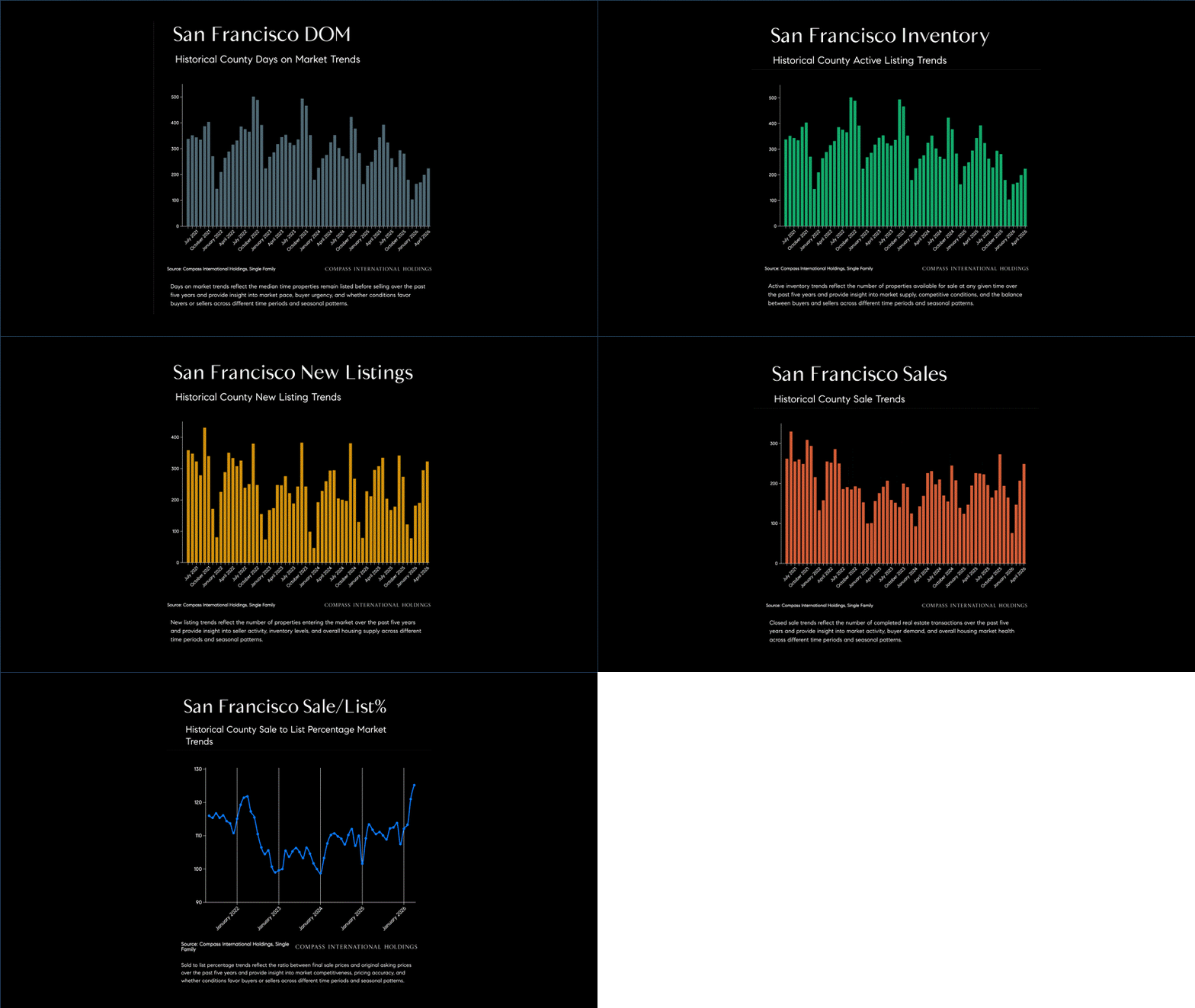
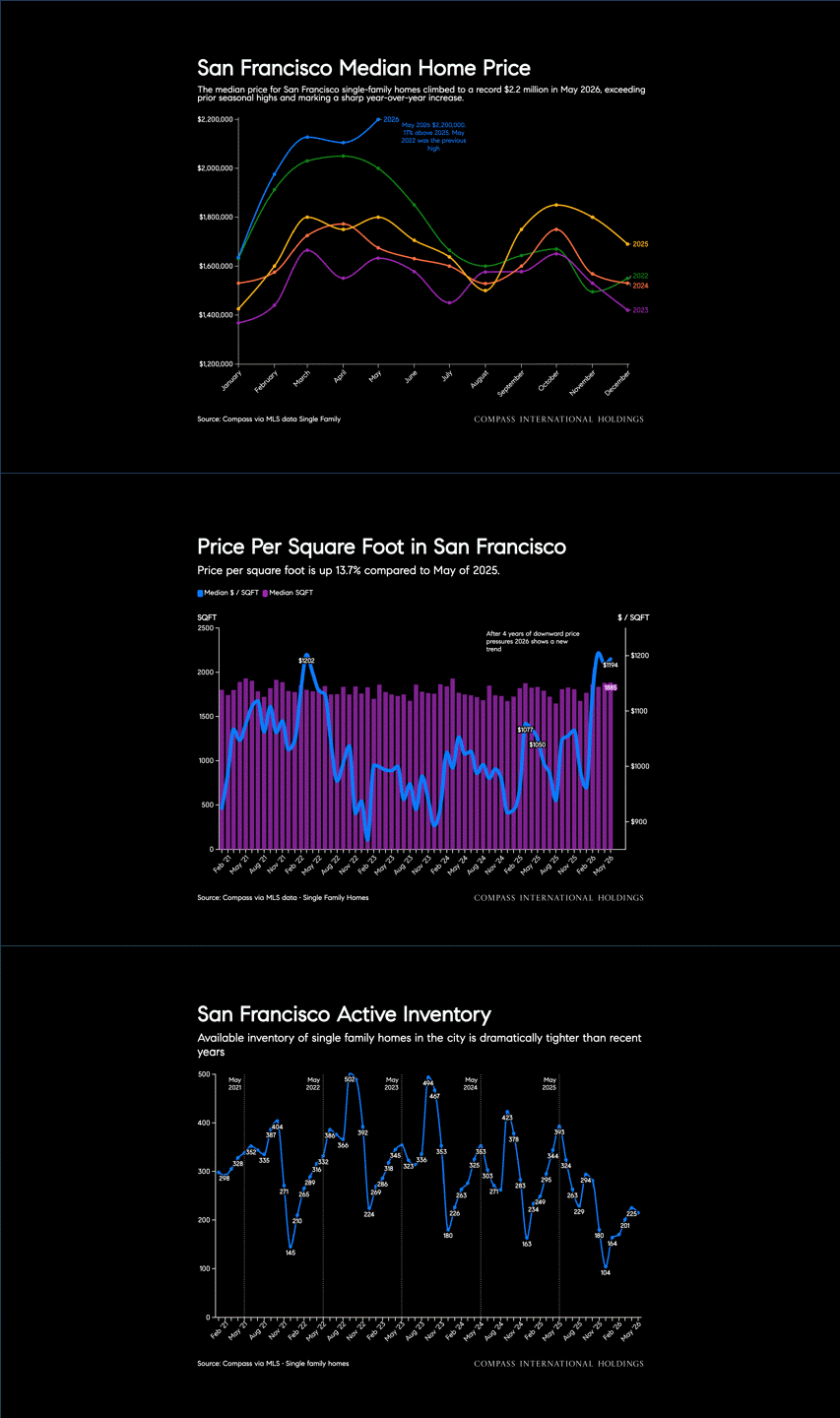
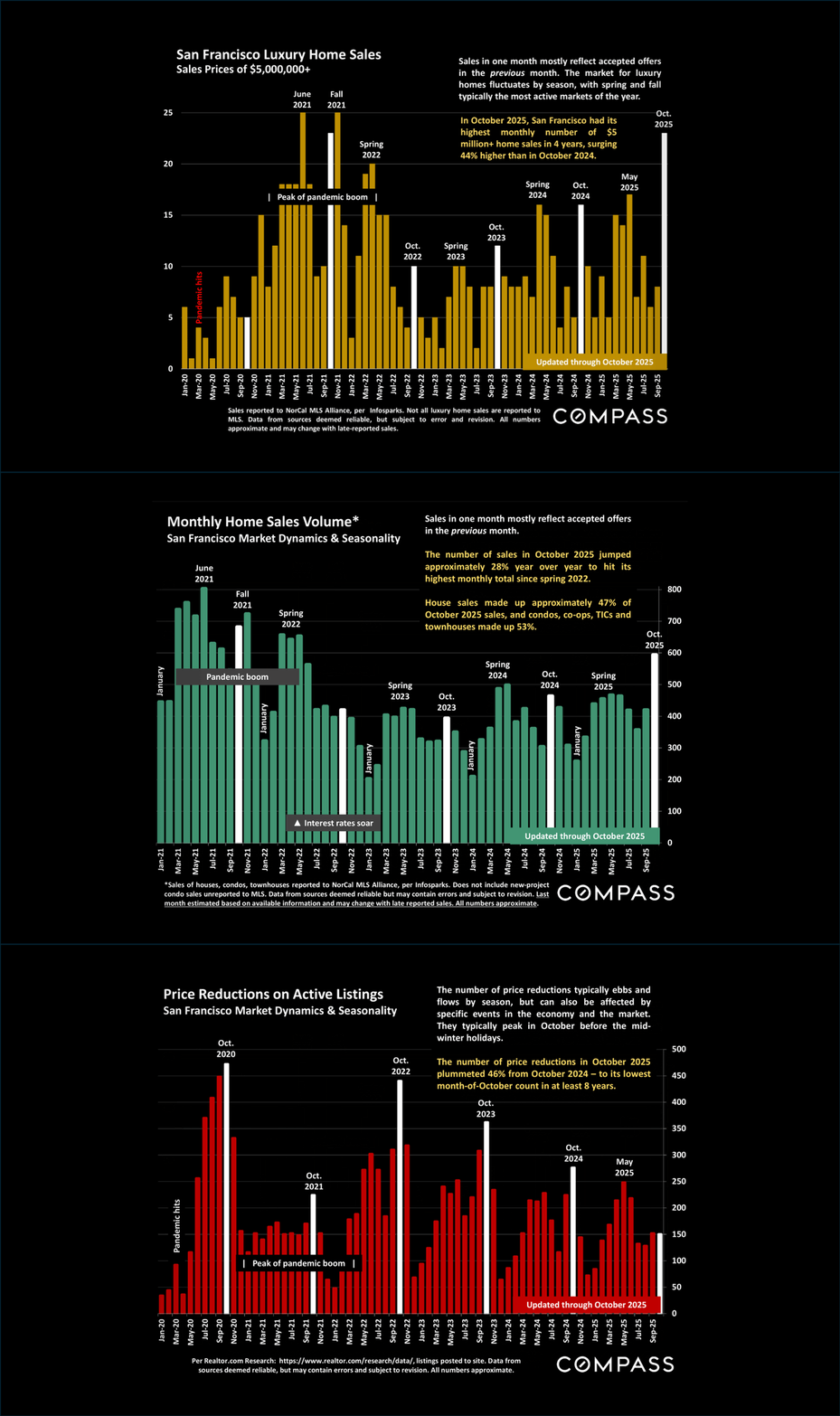
Active house inventory at the end of July was down nearly 41% from a year ago. Approximately 84% of the houses that sold closed over asking. The median sale price was $2.05 million, up 25% year over year, although I always take a citywide median with some caution because the mix of homes selling can move that number considerably. And then, strangely, single-family home sales were actually down more than 35% from June.
That last number would normally make me say, "Yes, summer has arrived." Fewer houses are selling. Except there are also dramatically fewer houses available to sell, and the ones buyers want are being absorbed remarkably quickly.
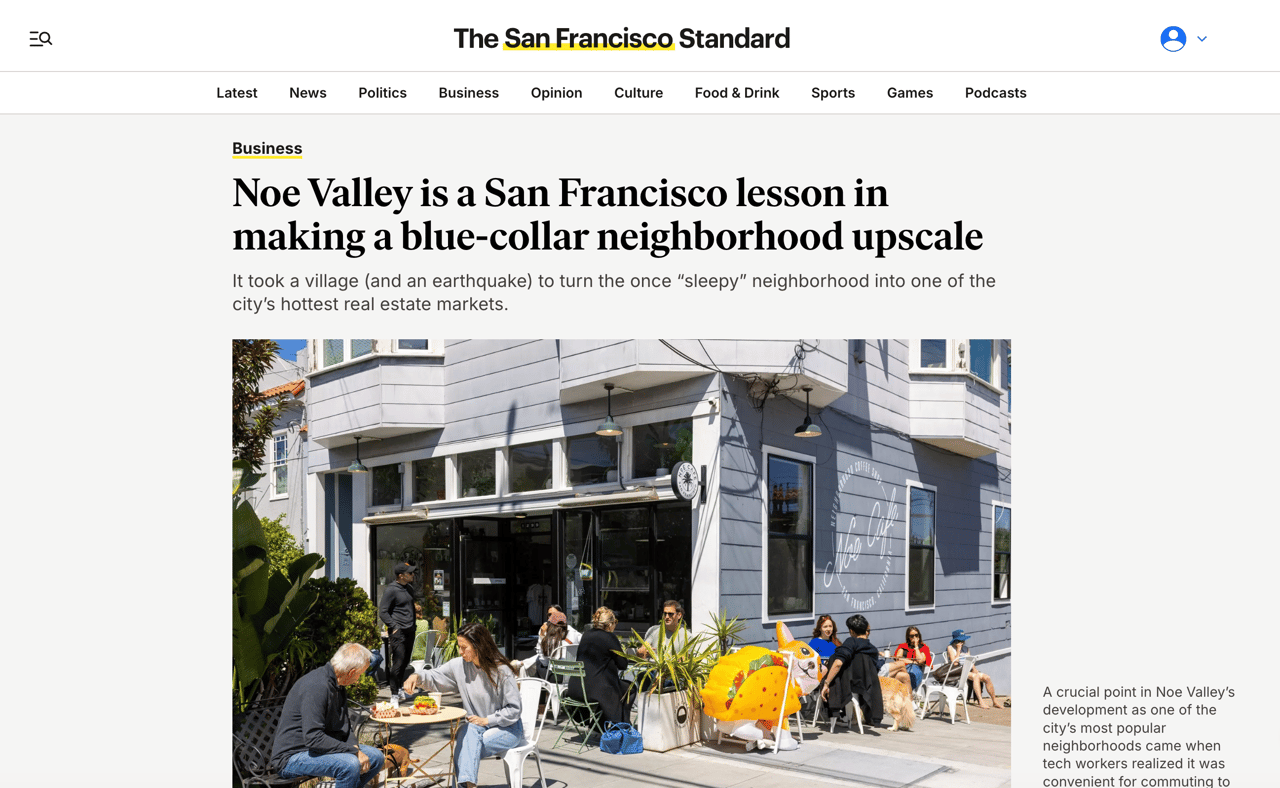
The neighborhood numbers make this even more apparent. Noe Valley had 16 house sales in July and 12 active listings remaining at the end of the month. Bernal had 16 sales and eight remaining. Glen Park had six sales and two remaining. Potrero Hill had four sales and one house left. These are small numbers once we get down to the neighborhood level, but taken together they make this market a little harder to dismiss as the usual summer lull.
I think this is also why the market can feel so strange from the buyer side right now. Someone can look for weeks and have very little to seriously consider, which doesn't exactly feel like participating in an aggressive market. Then something really good comes along and suddenly there are eight other people standing there who have apparently been waiting too.
The longer I do this, the less useful I find broad descriptions of the market when it comes to an individual property anyway. Calling San Francisco "hot" doesn't tell me very much about a house with a dark downstairs bedroom, an awkward floor plan or a price that requires buyers to overlook too much. Low inventory doesn't suddenly make those things disappear.
But it does matter enormously when the house is something buyers have had a hard time finding that has a great location, beautiful light, a floor plan that actually works, outdoor space, good condition, architectural character, parking, and or whatever the particular combination happens to be. When several buyers have been waiting for some version of that house and there isn't another obvious choice available, the last comparable sale still matters, but it isn't the only thing I'm thinking about.
I'm also thinking about what happens if this one gets away and what replaces it? Sometimes the answer is fairly easy. There are other reasonable options, another listing is coming, or the property isn't special enough to justify stretching beyond a number that already feels uncomfortable. In that case, walking away can be a very good decision.
But sometimes nothing comparable has come up in months, nothing else is currently available, and there is no reason to believe another one is coming next Tuesday. That doesn't mean the house is suddenly worth any price, but it does change the calculation.
The same is true from the seller side, although this is where low-inventory markets can create some fairly ambitious expectations. Having very little competition is obviously helpful. Having very little competition for a house buyers don't particularly want is less helpful.
Scarcity matters when the property itself is scarce. I think that distinction explains a lot of what looks contradictory about the market right now. Buyers can have very little to look at and still lose the house they want in multiple offers. A seller can be surrounded by remarkably little inventory and still discover that buyers are perfectly capable of being discerning.
September will almost certainly bring more listings because it usually does, but I'm not sure the number of listings is the most interesting question. More inventory only changes the equation if it gives buyers more credible alternatives to the homes they're already waiting for.
For now, 90% tells me there weren't many alternatives in July.
And apparently buyers noticed too.