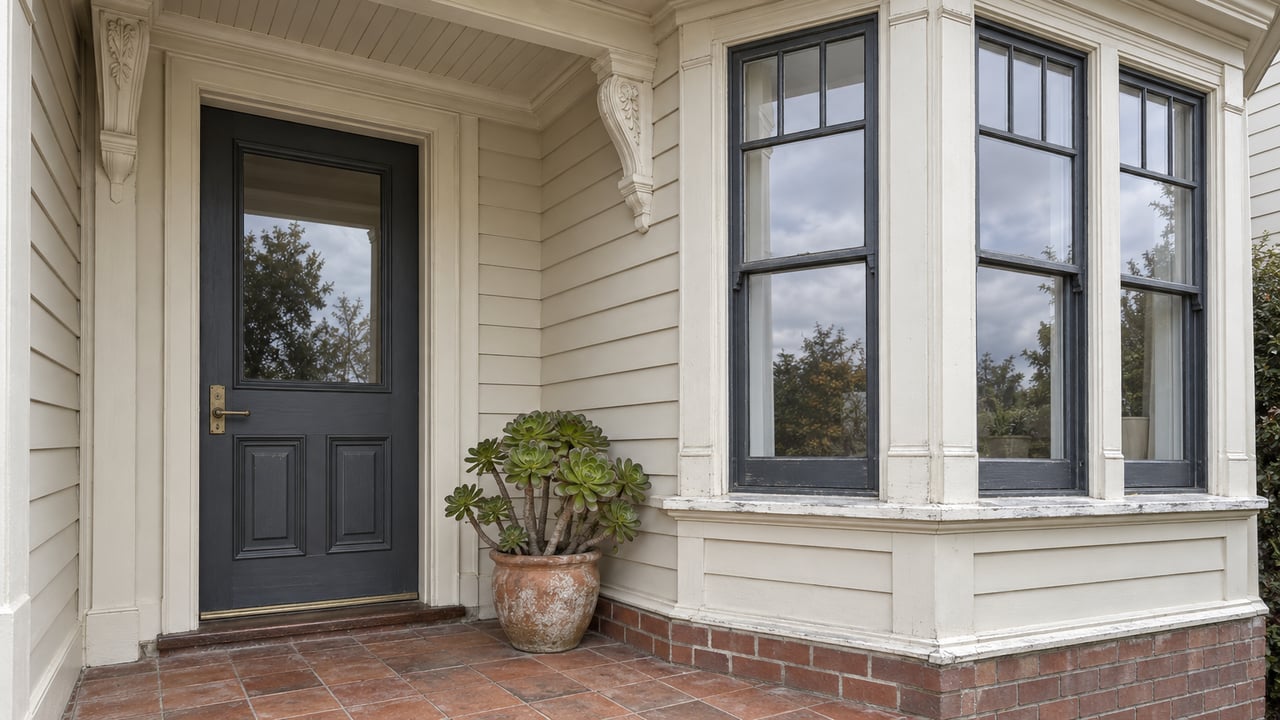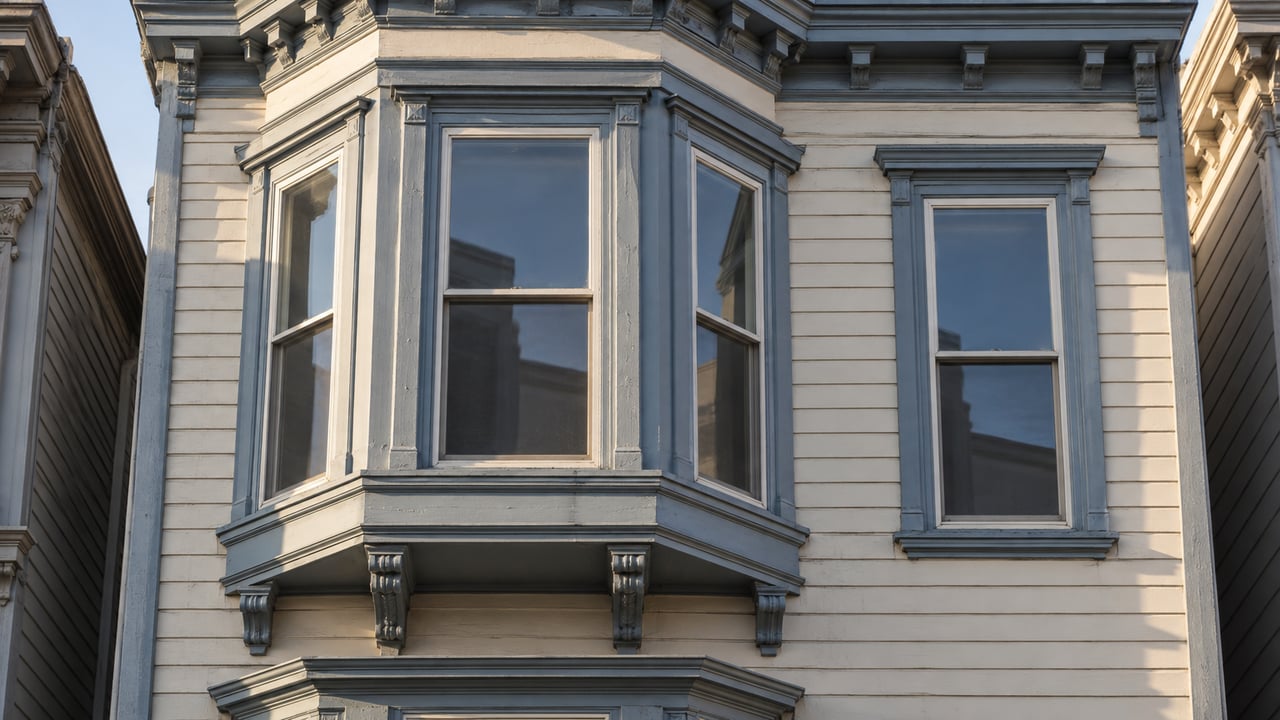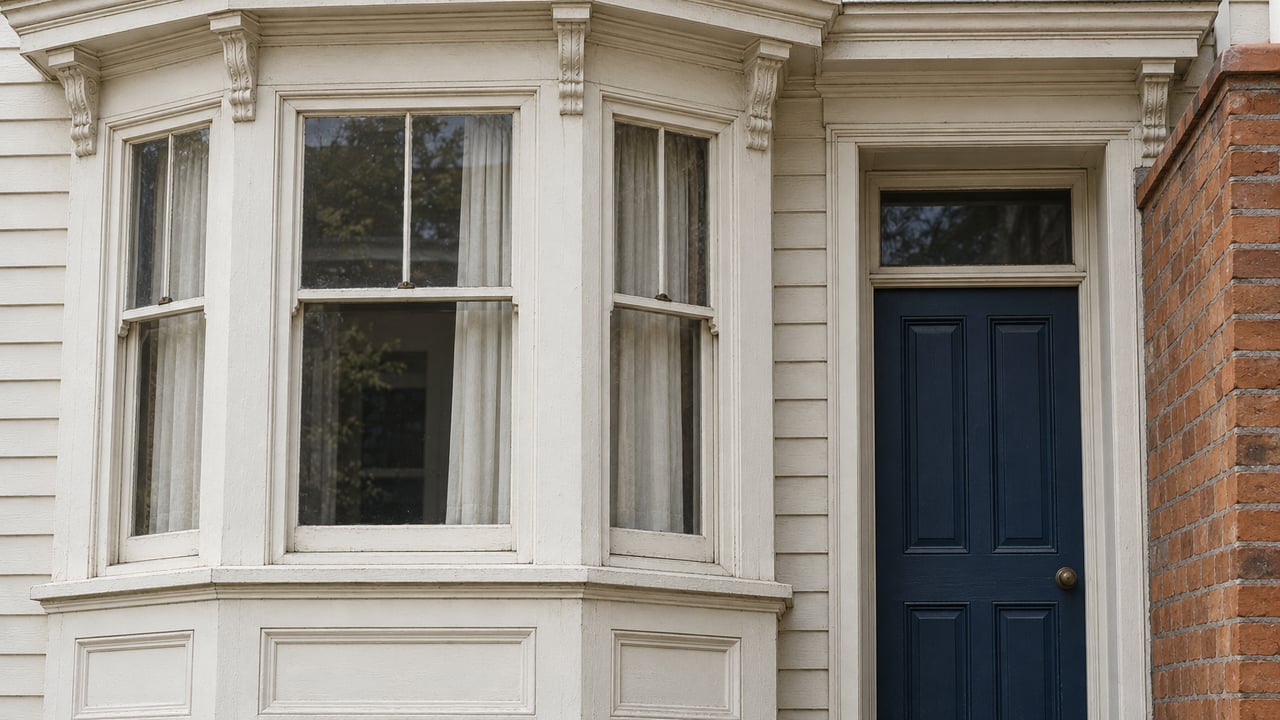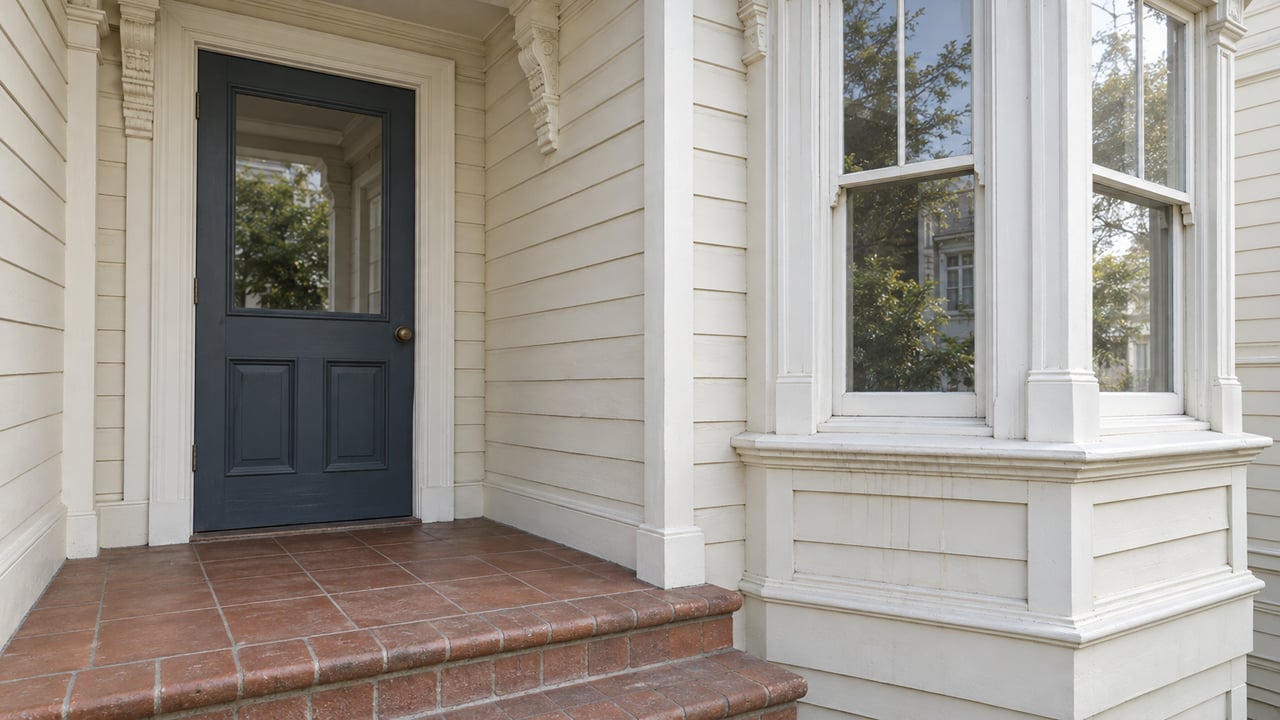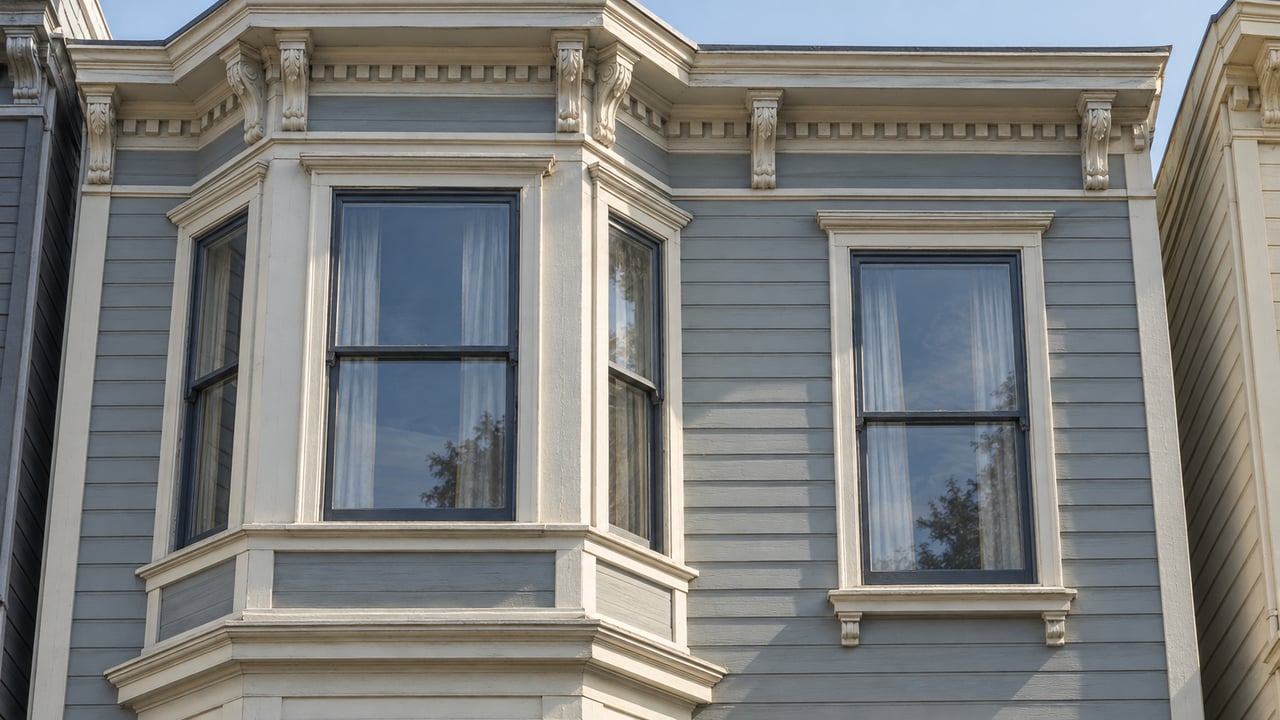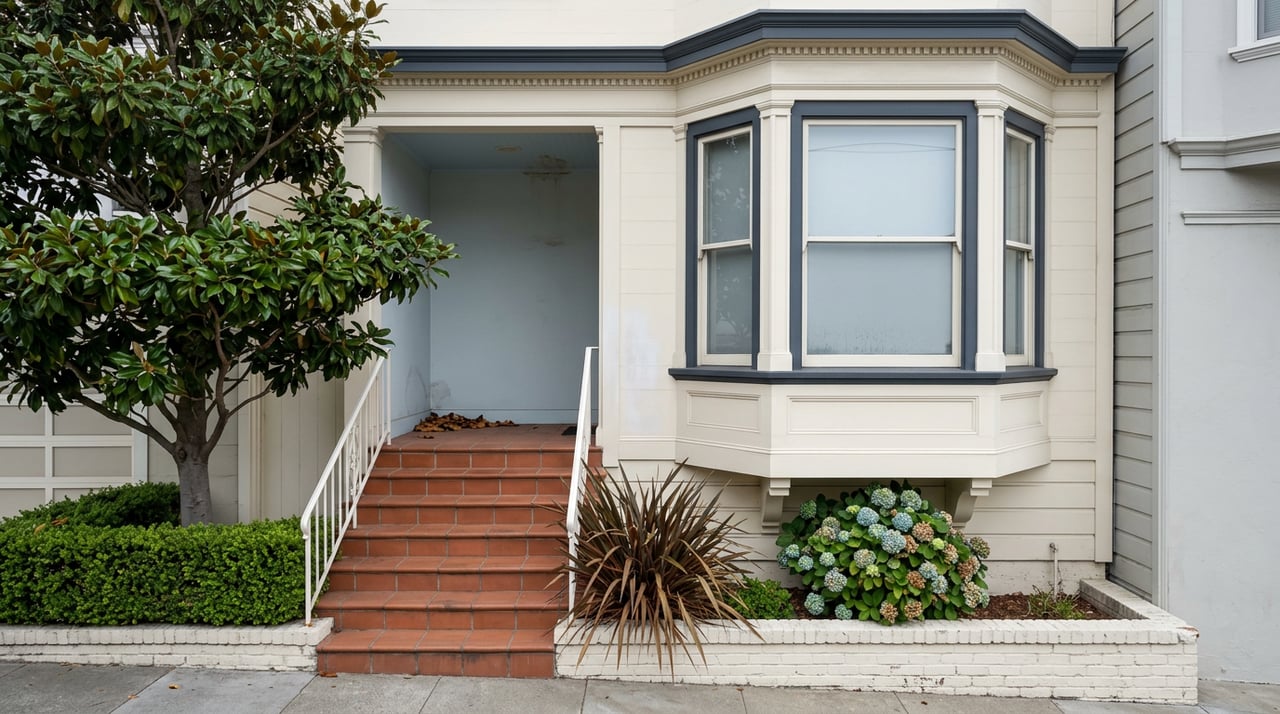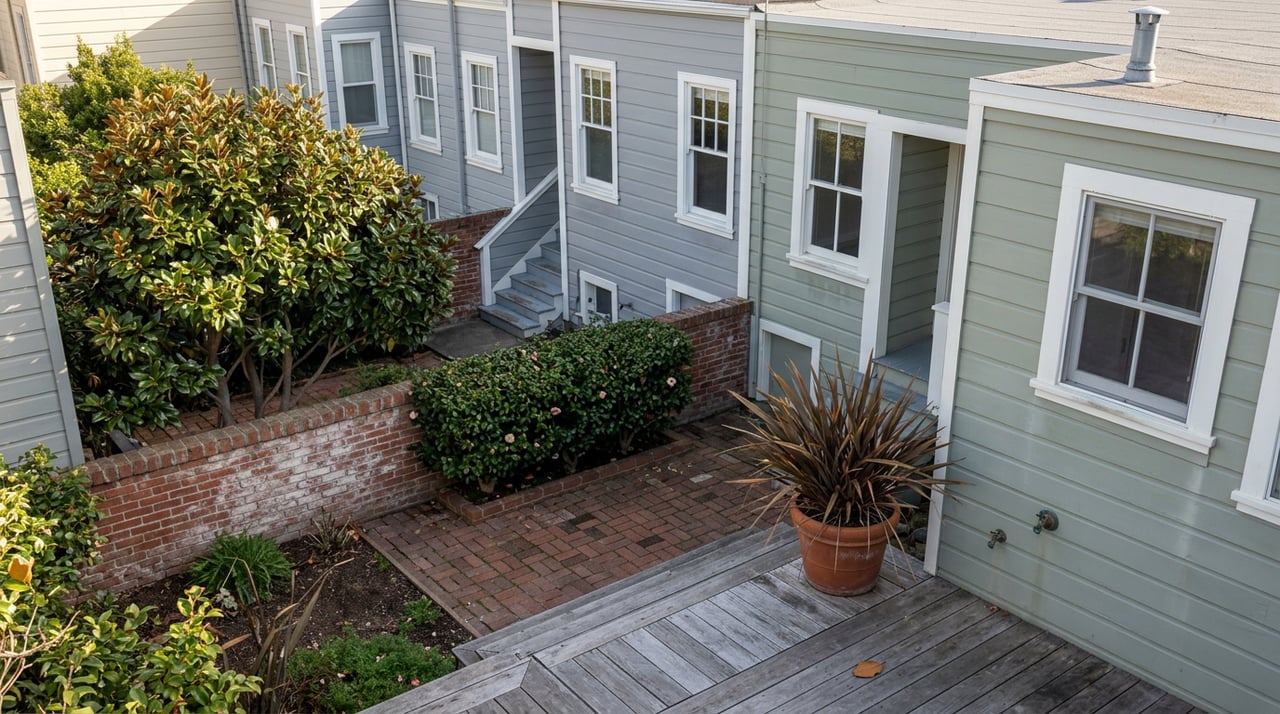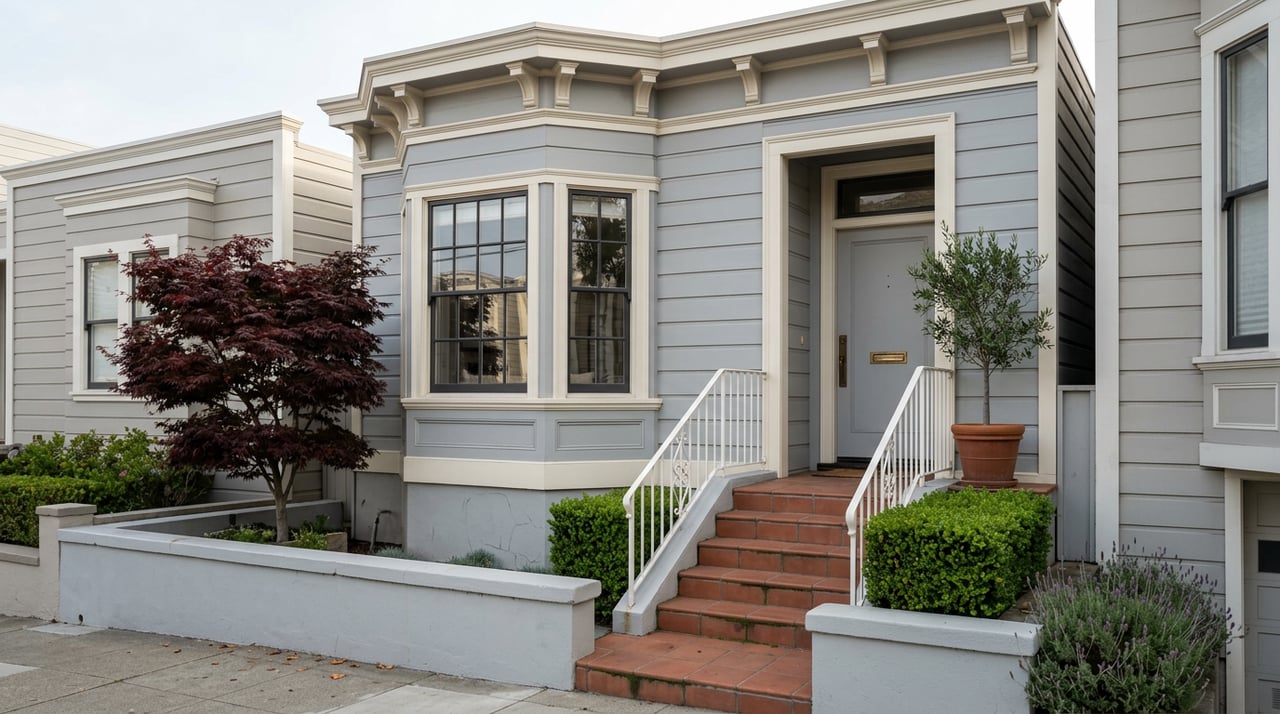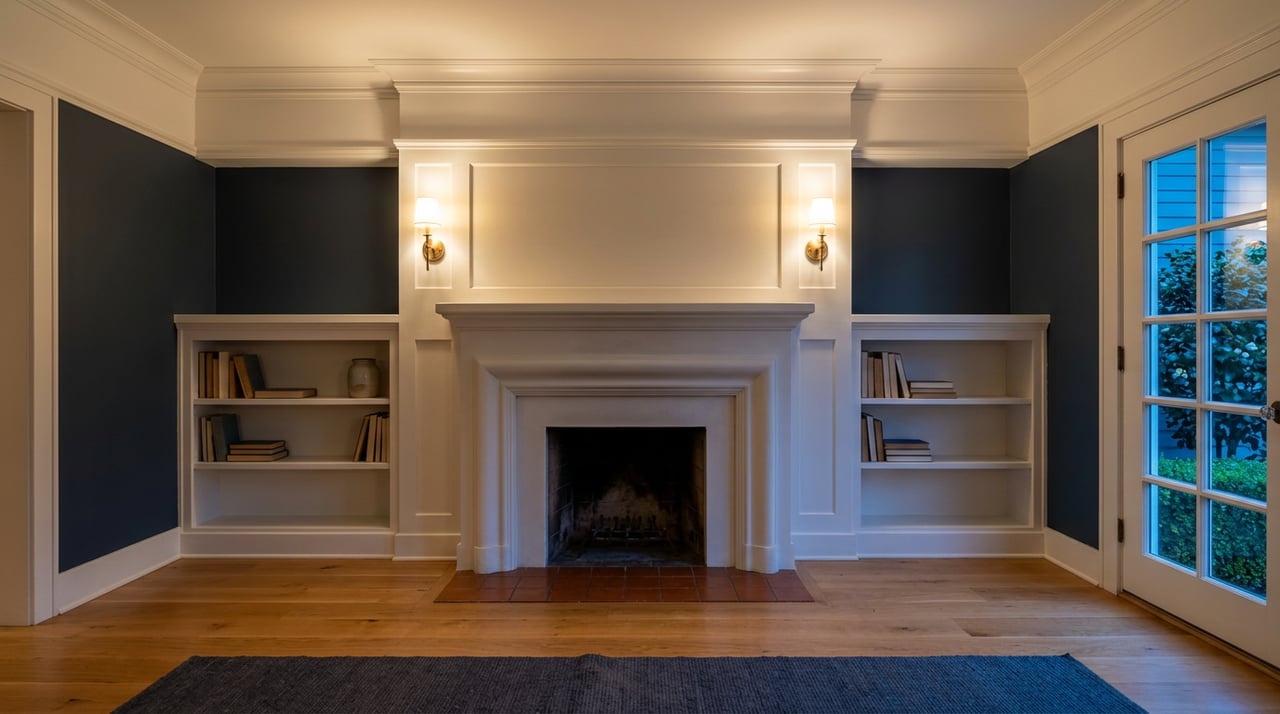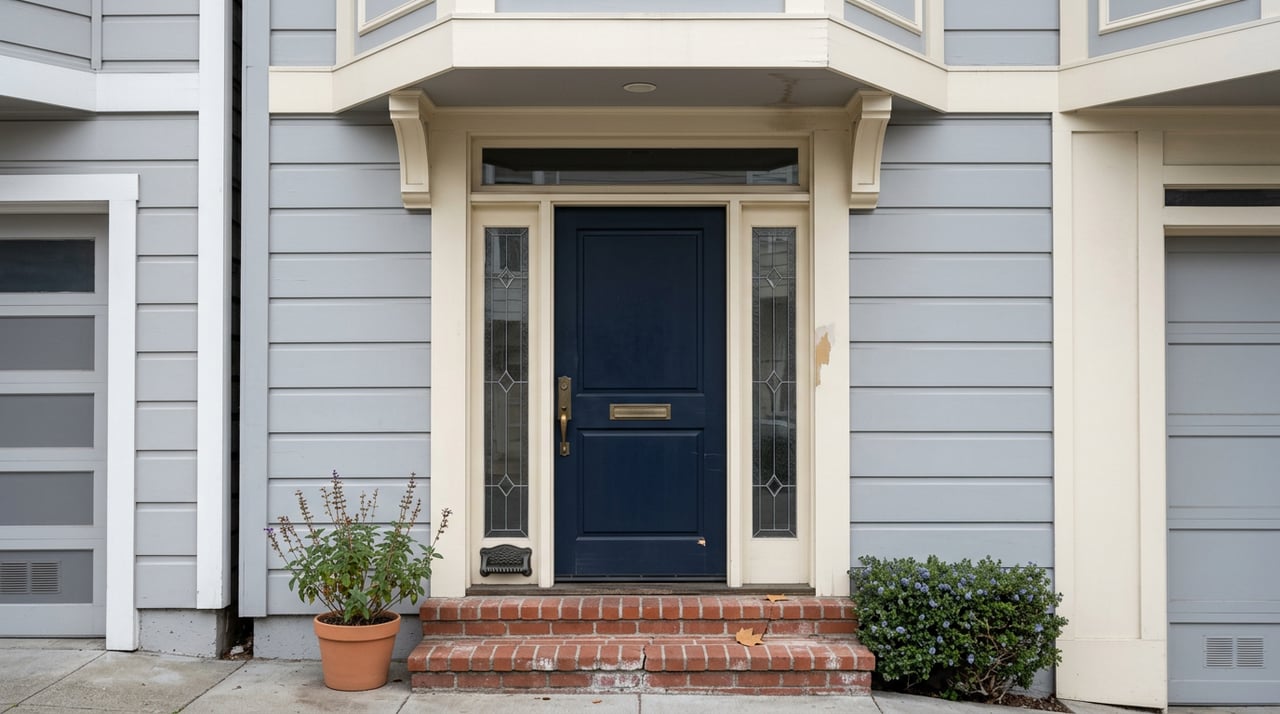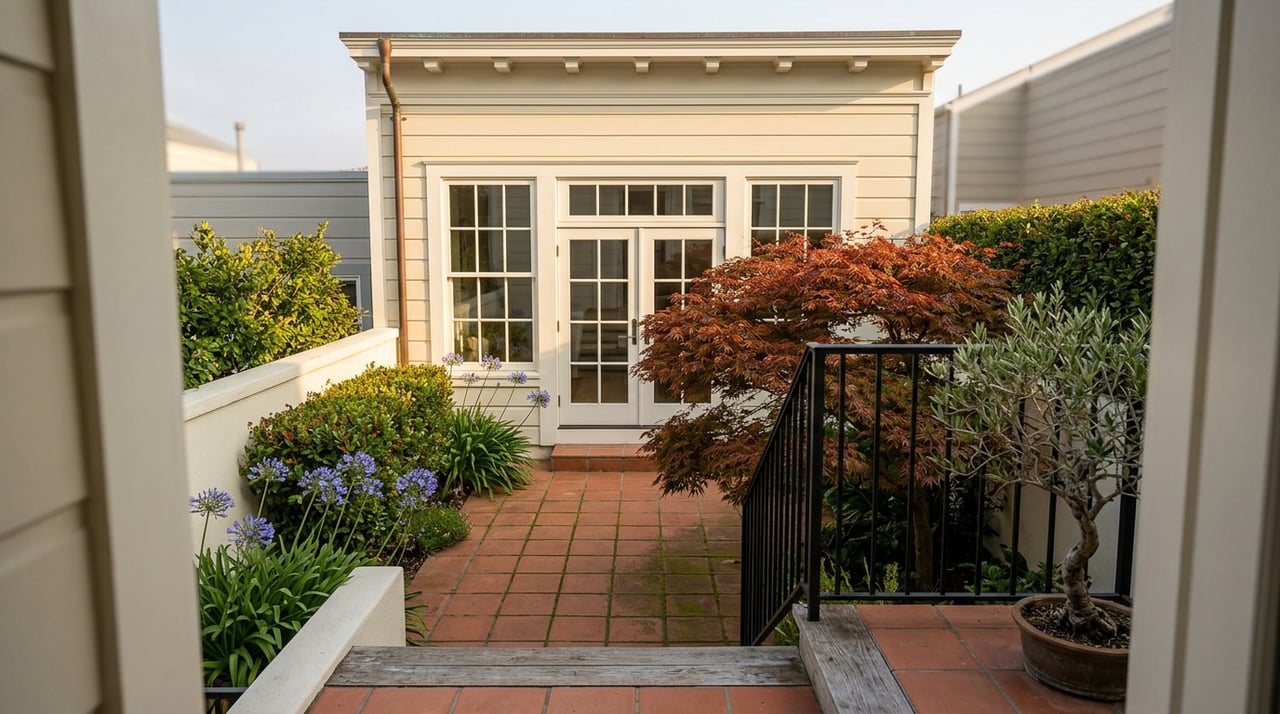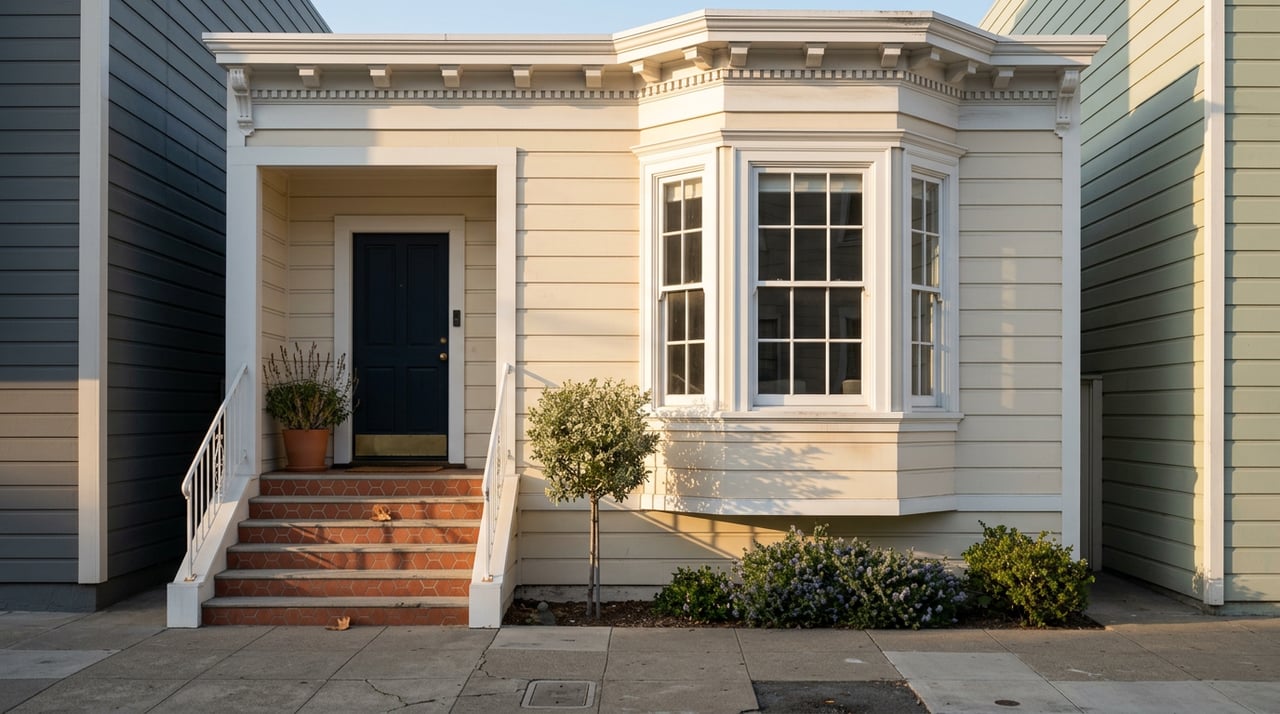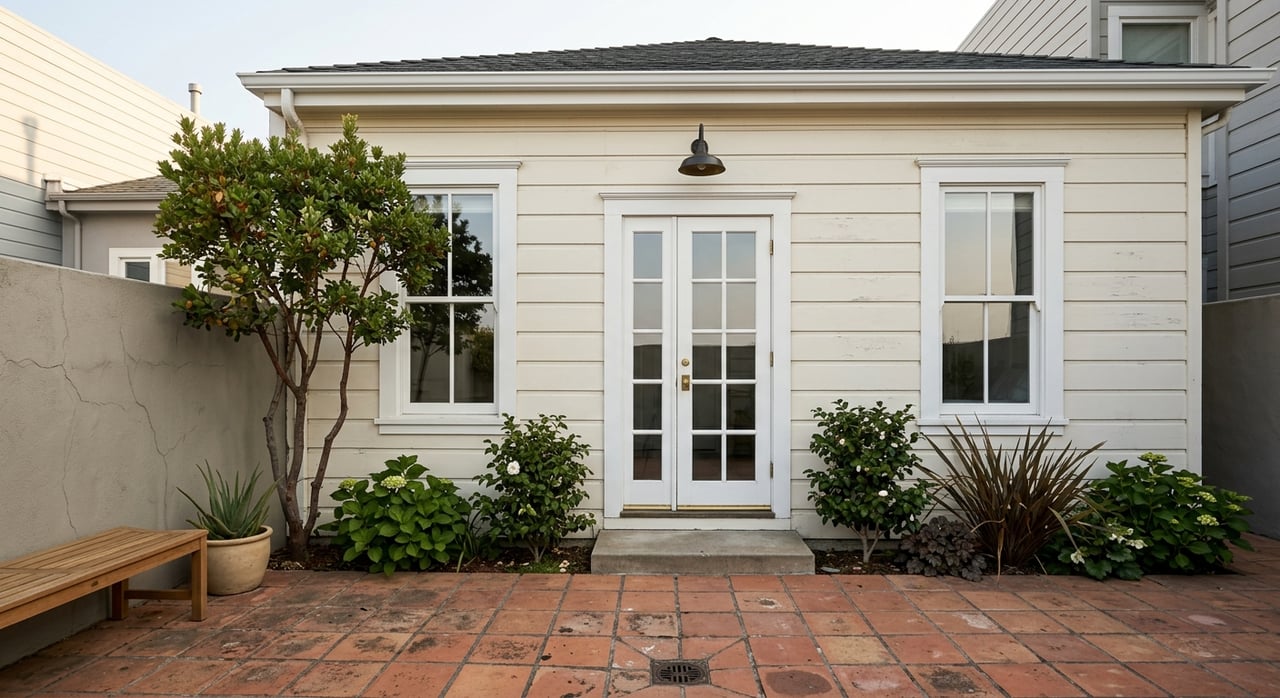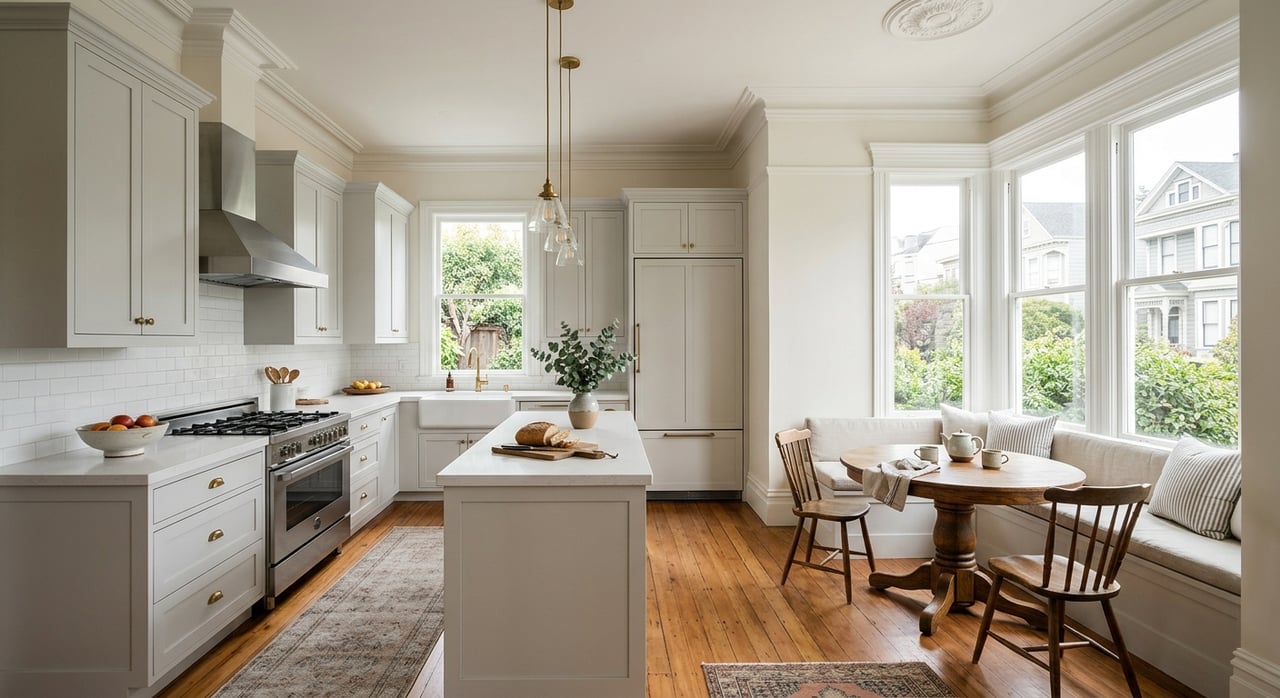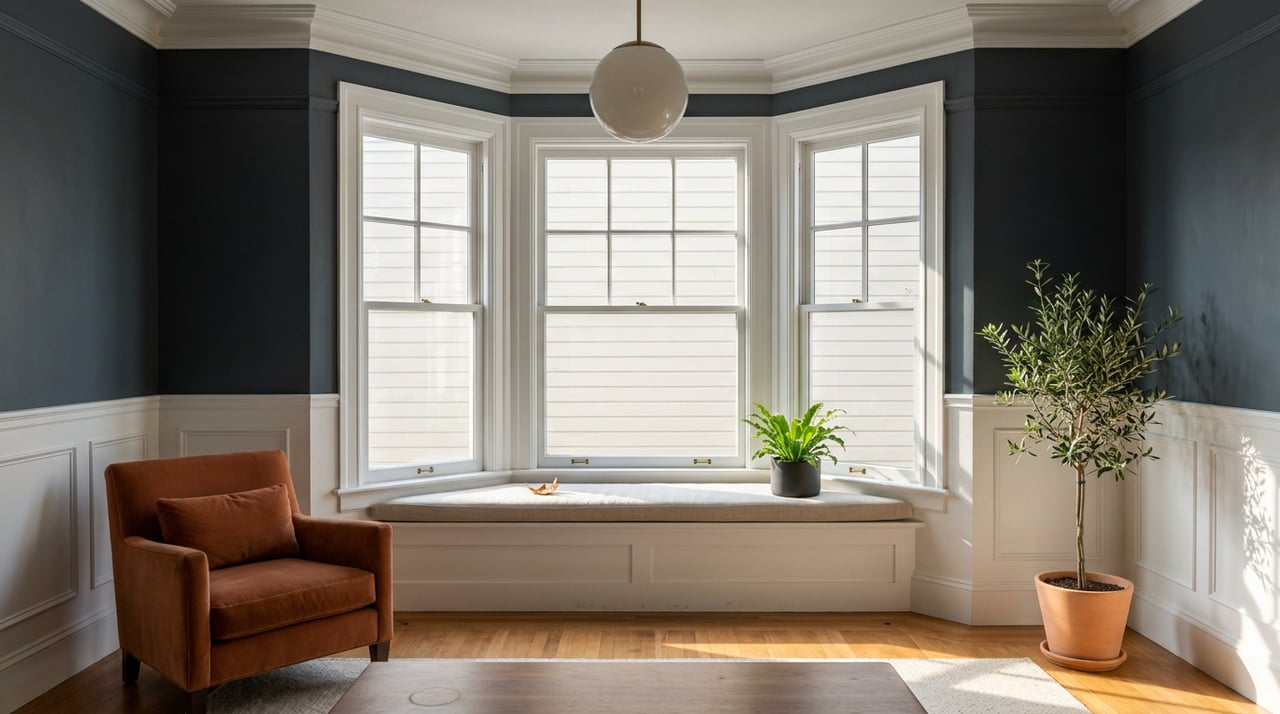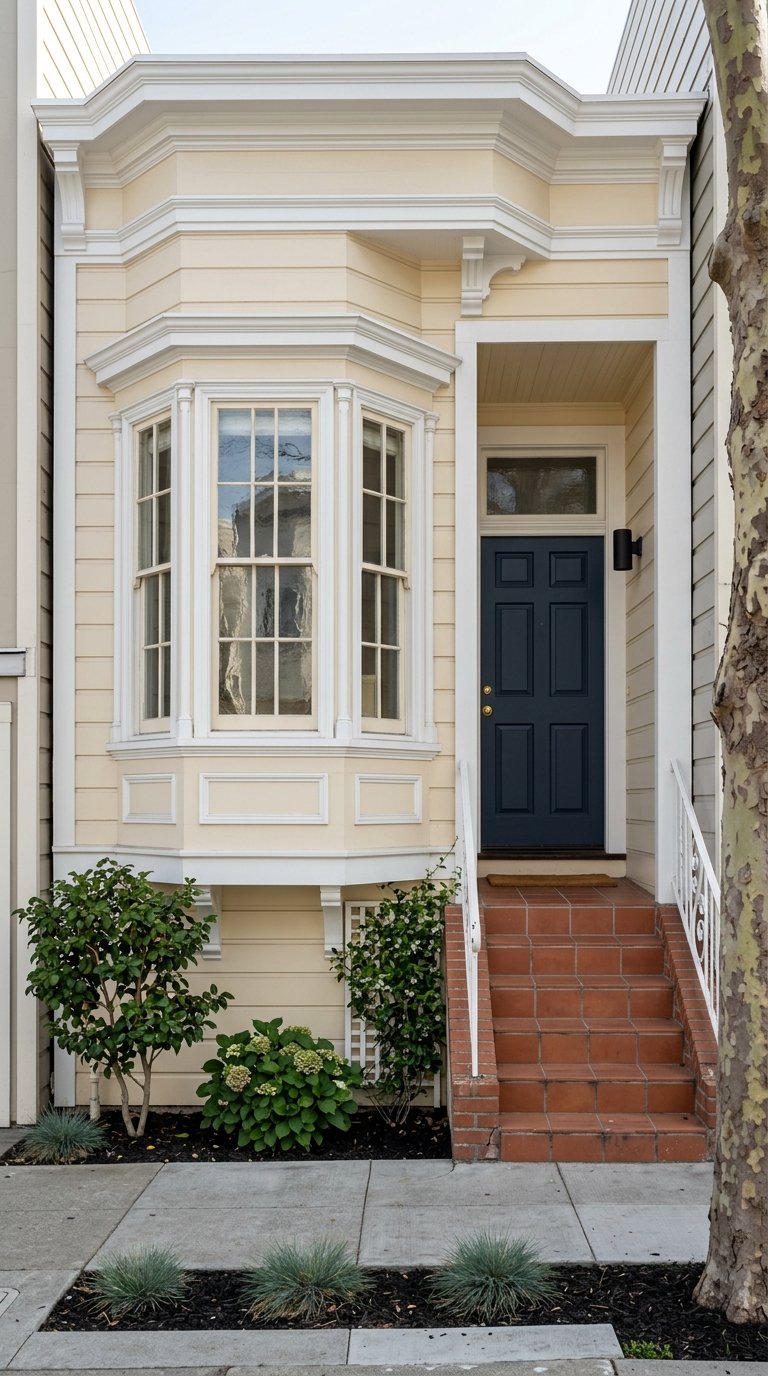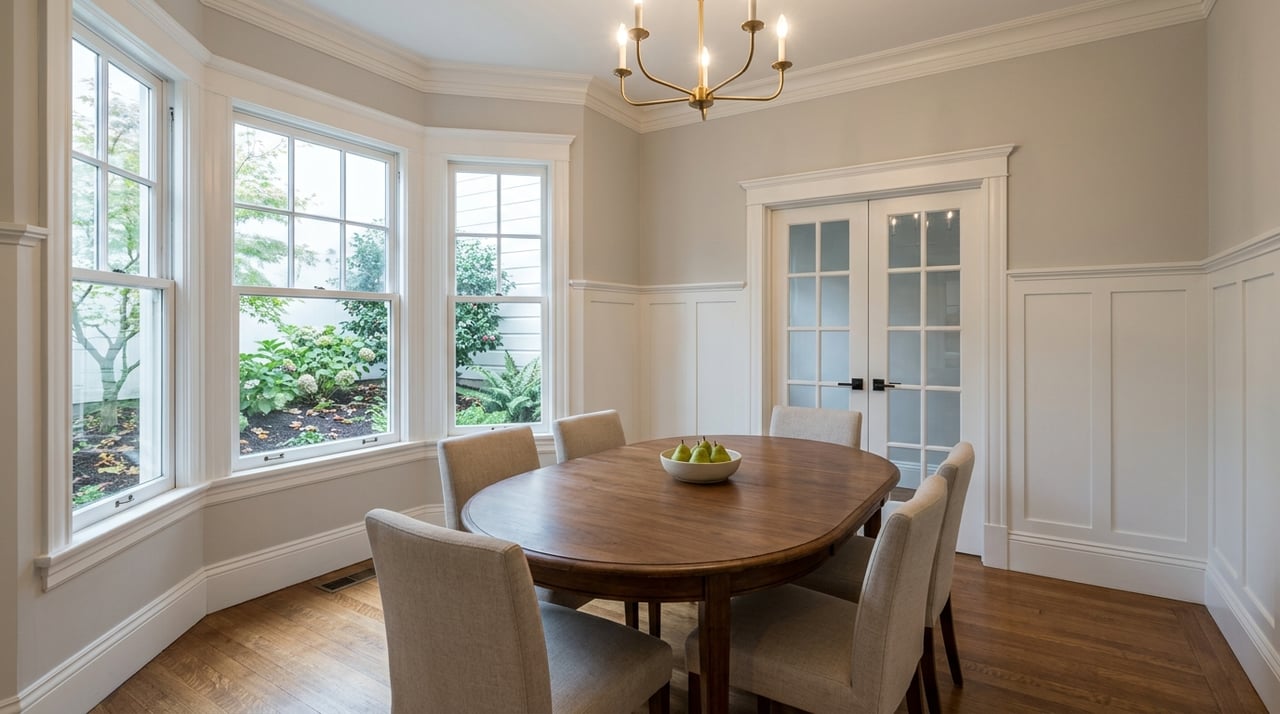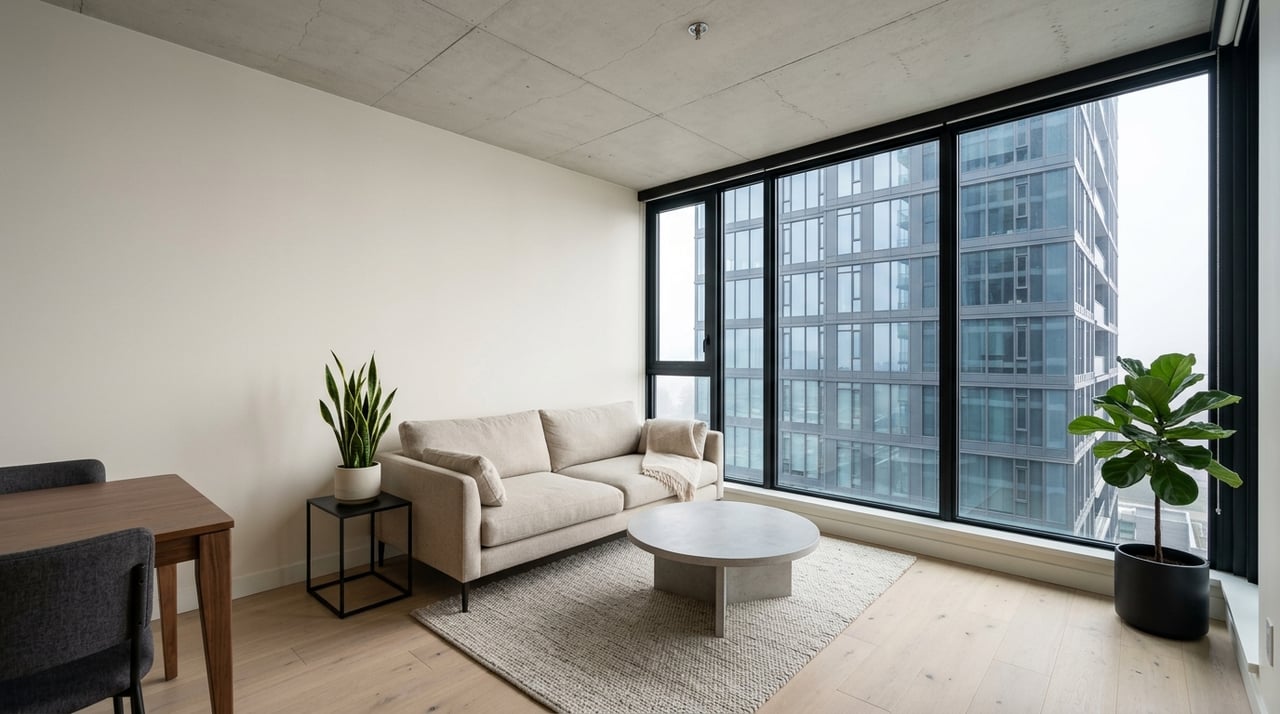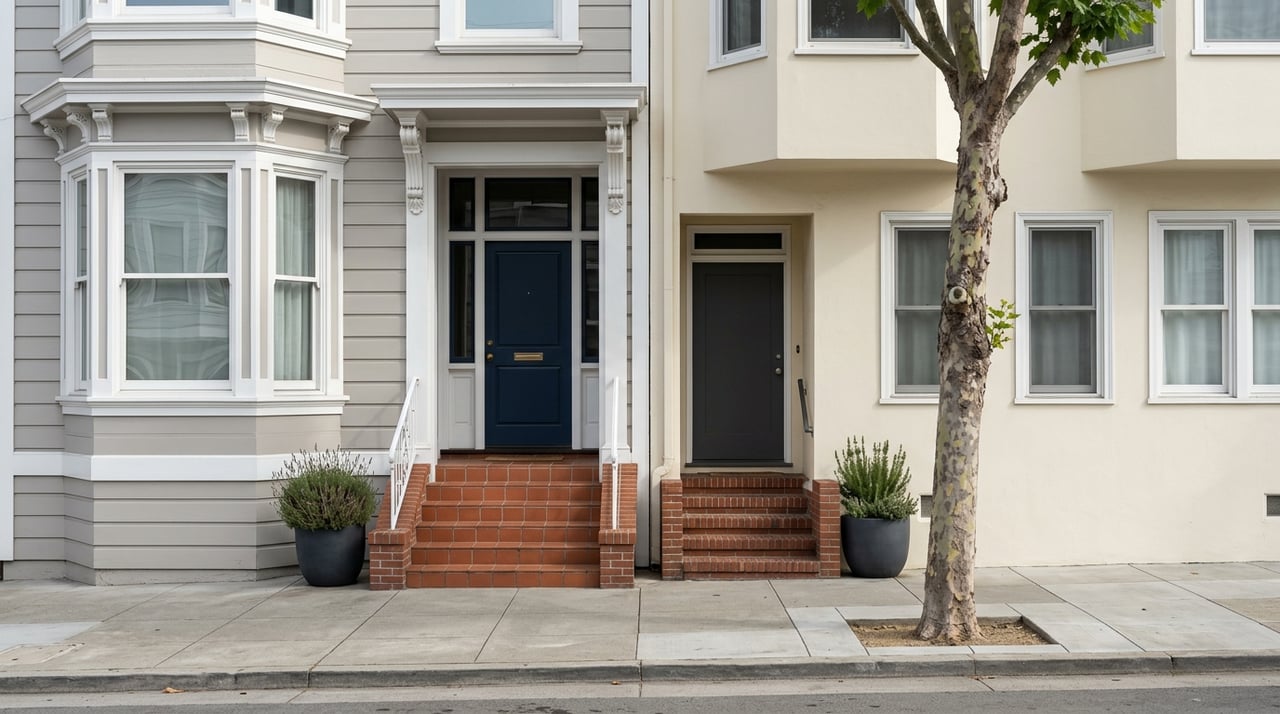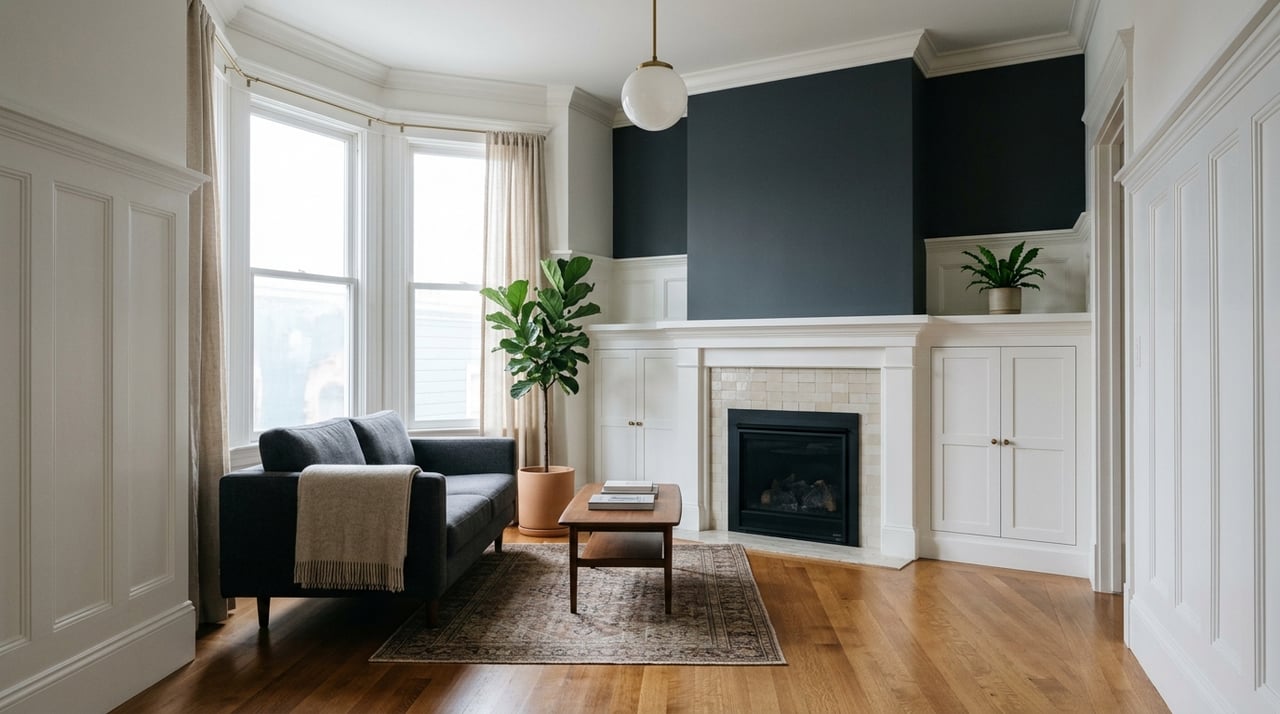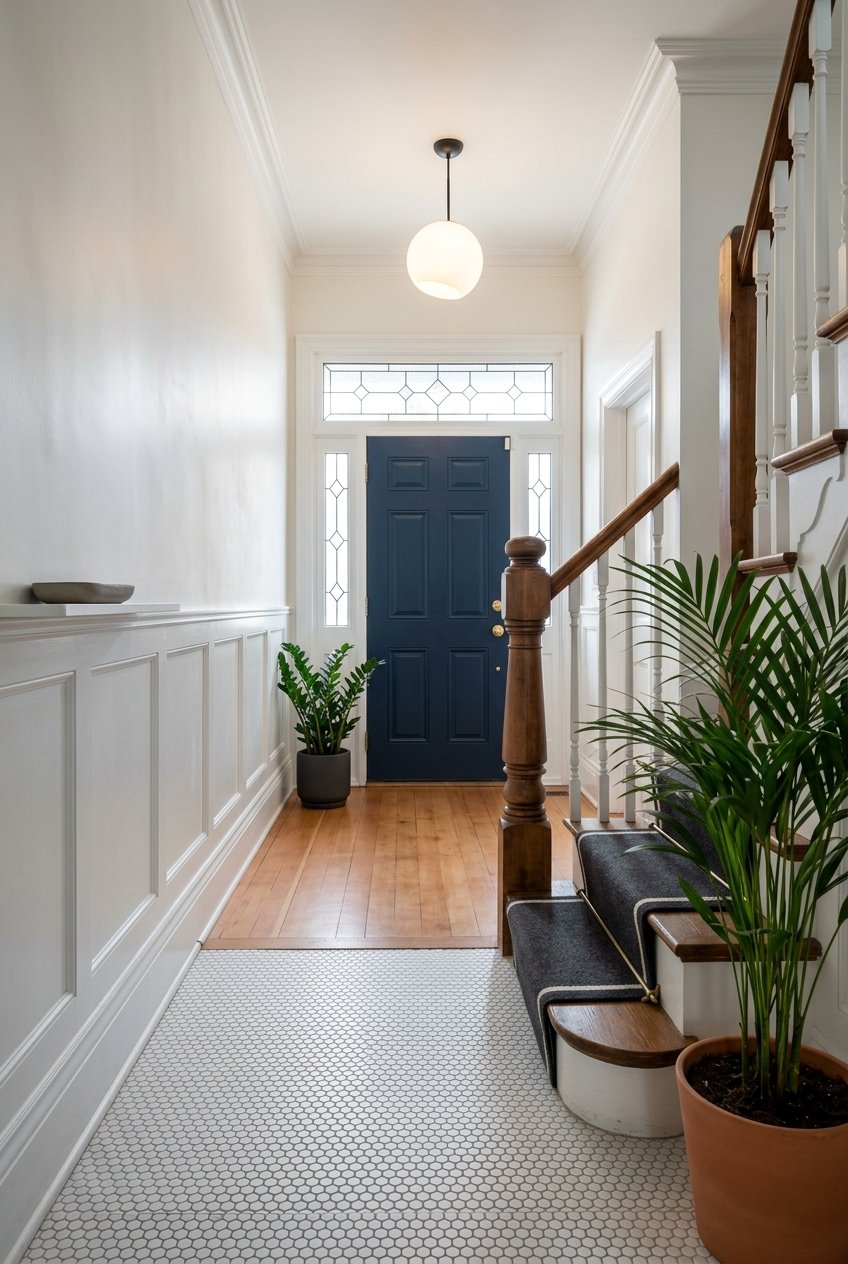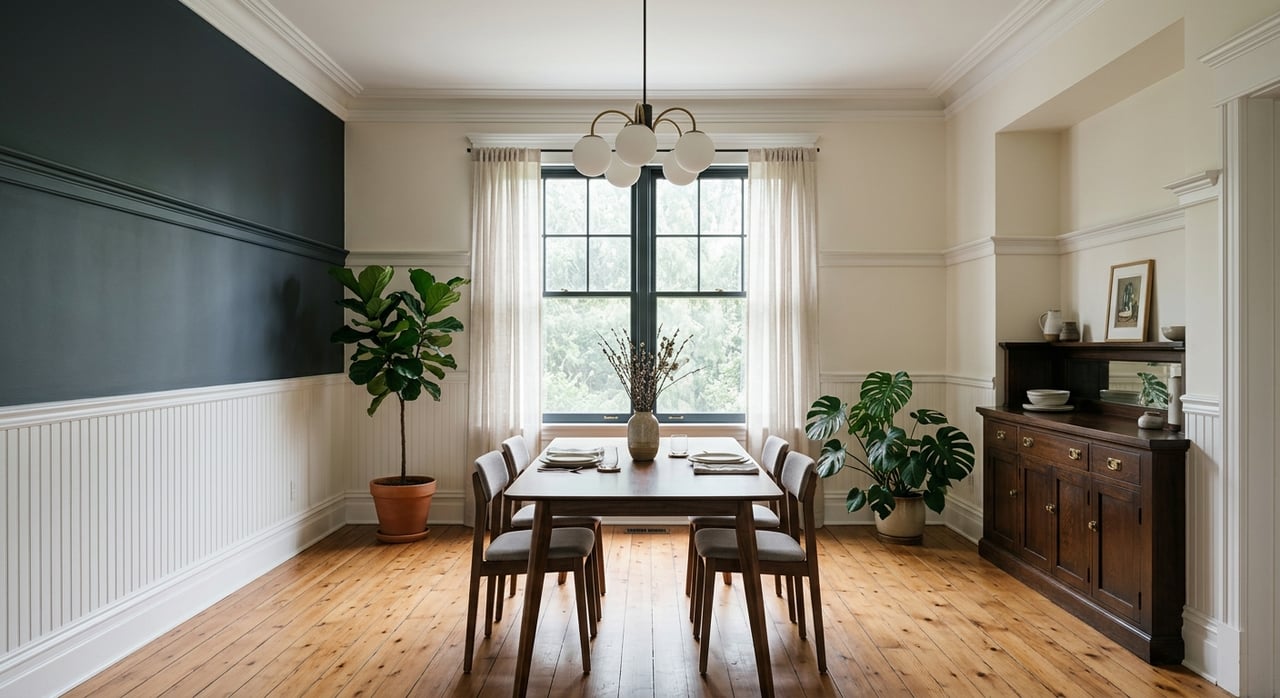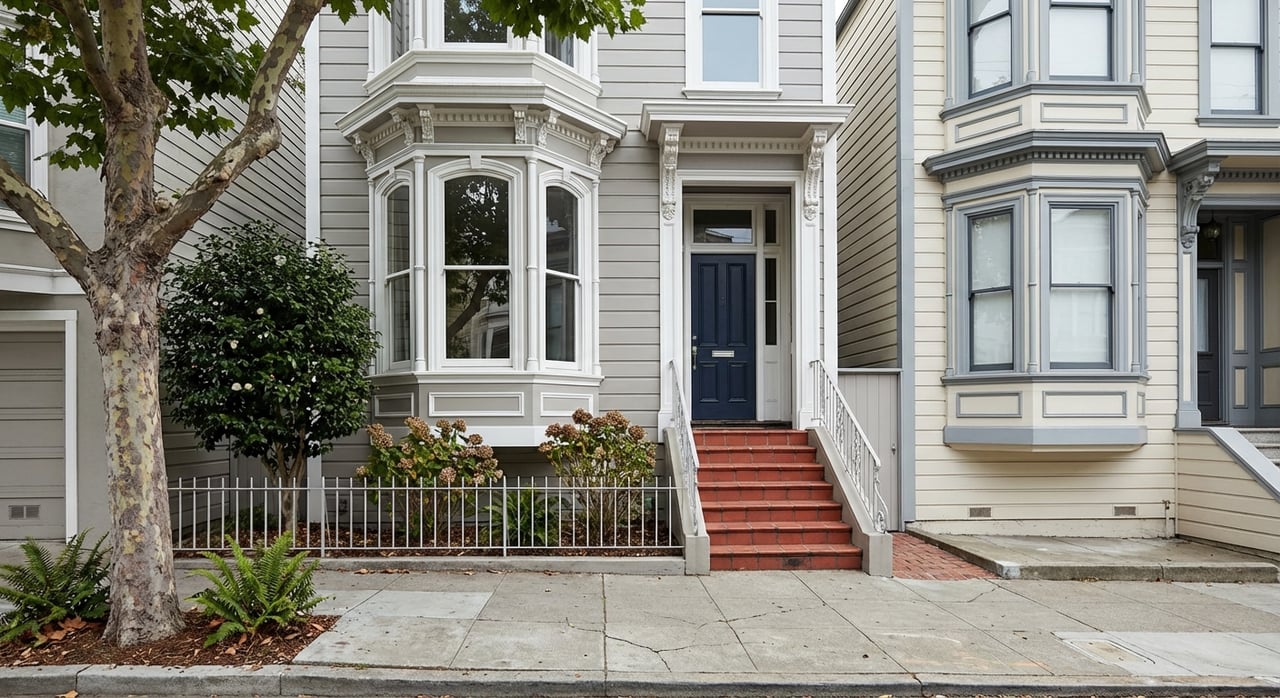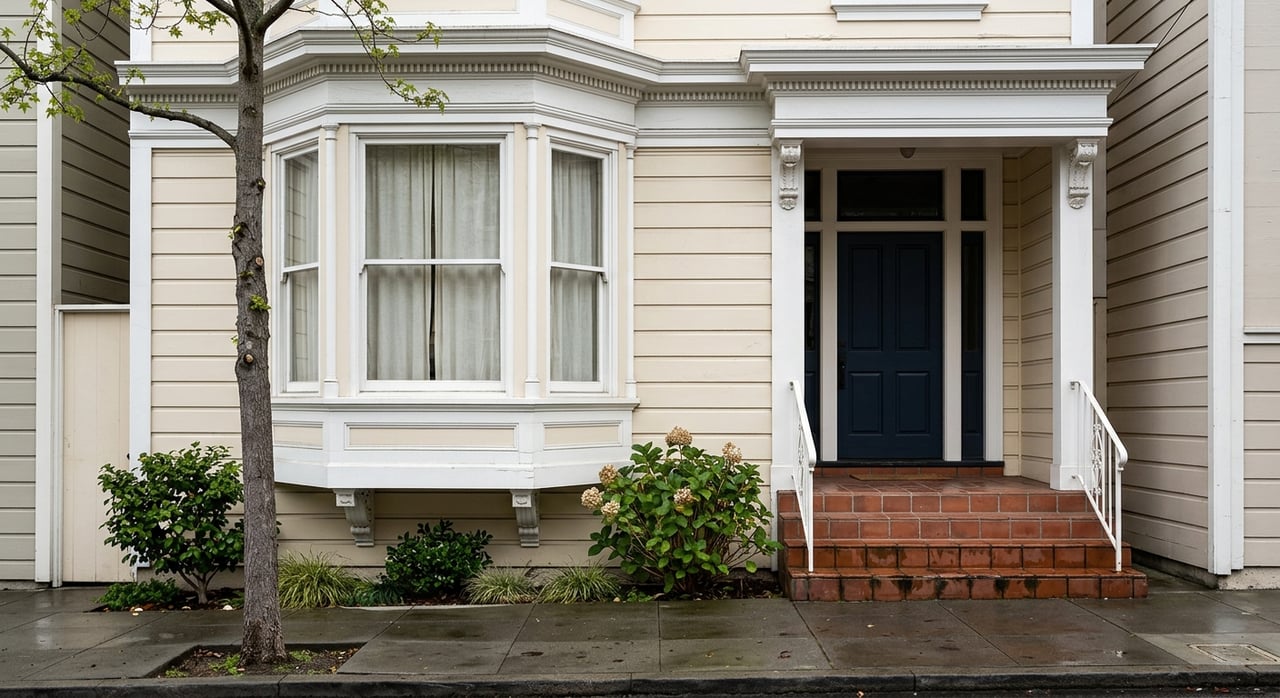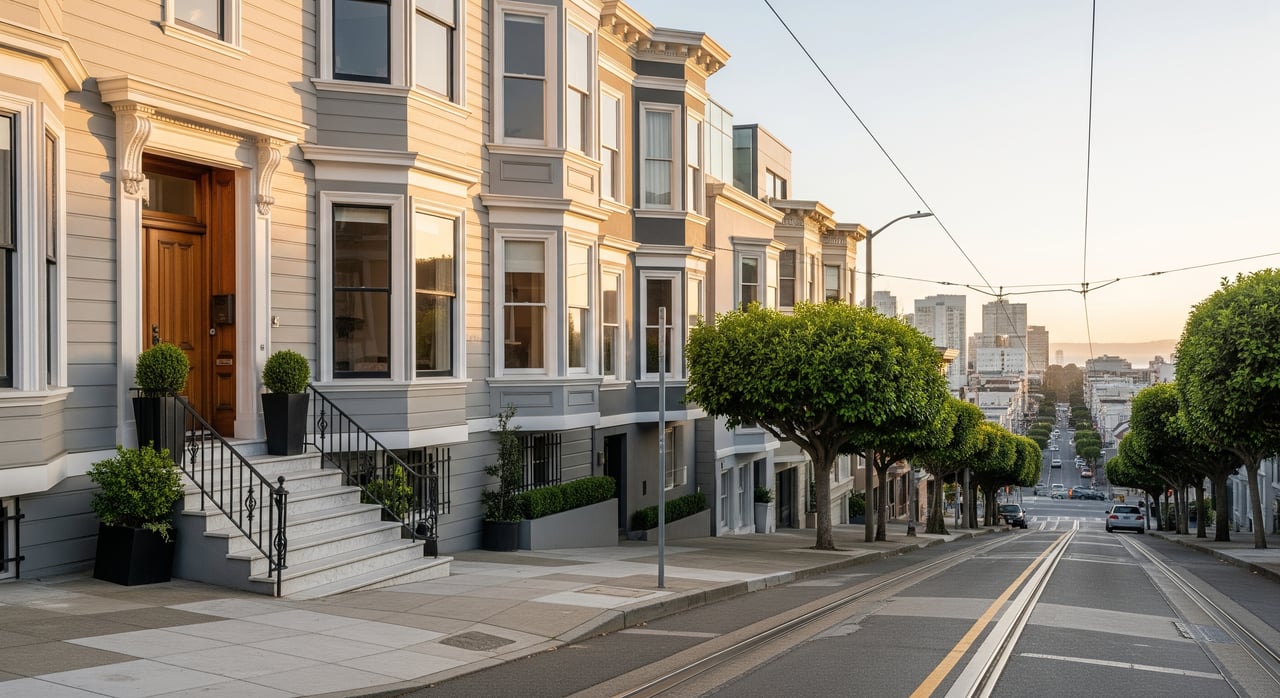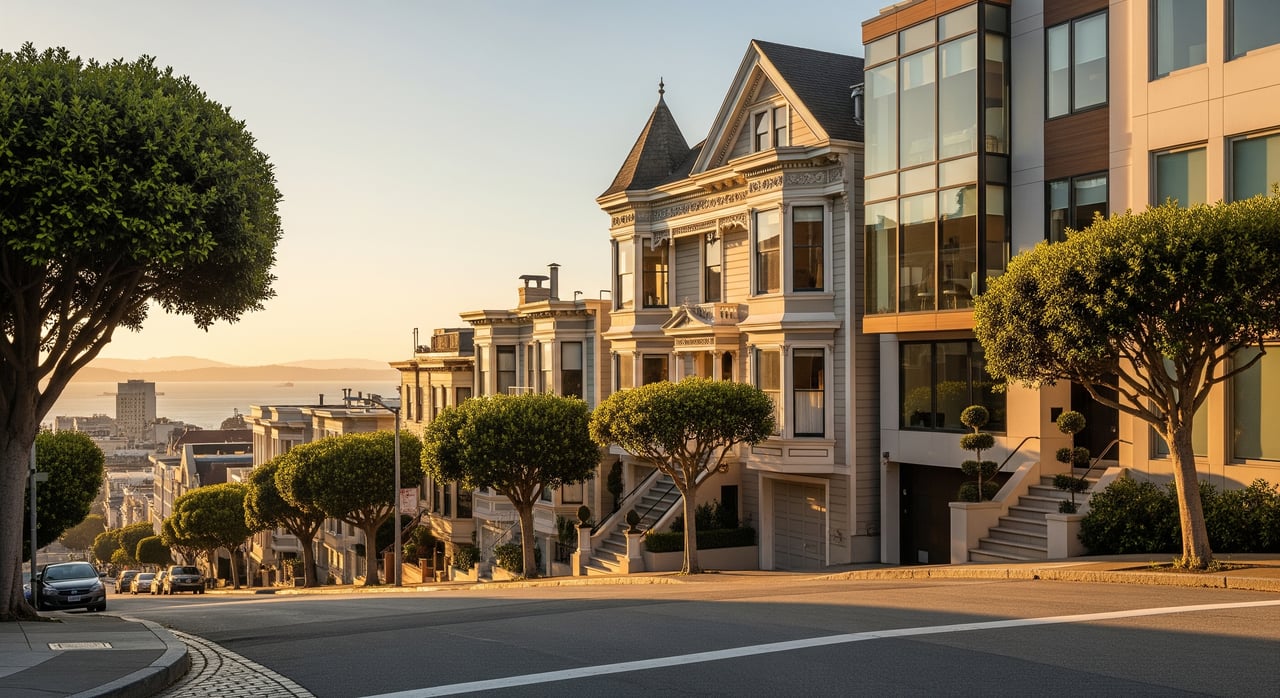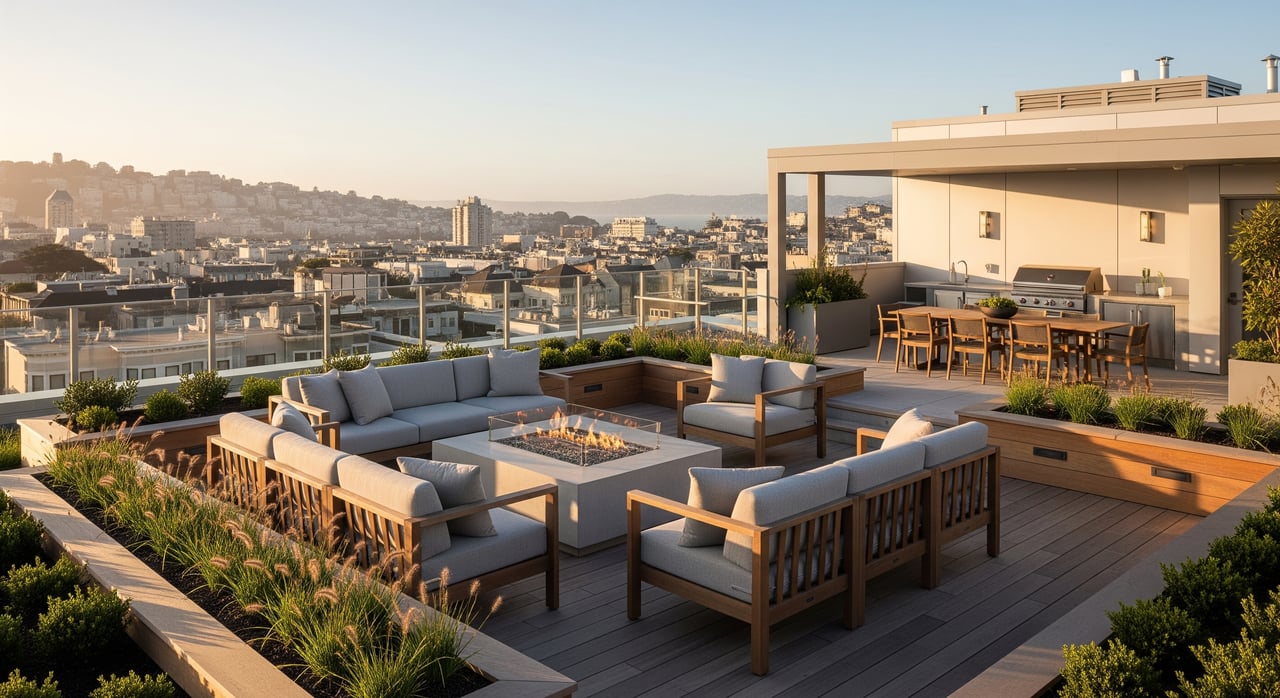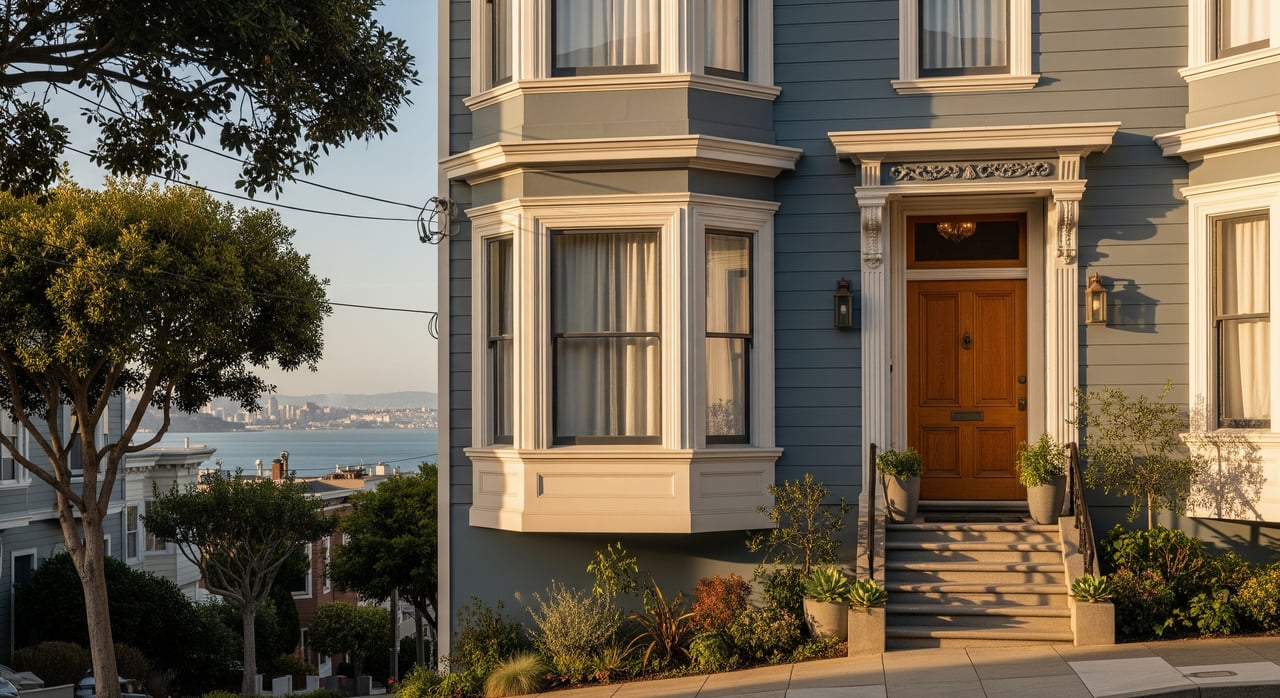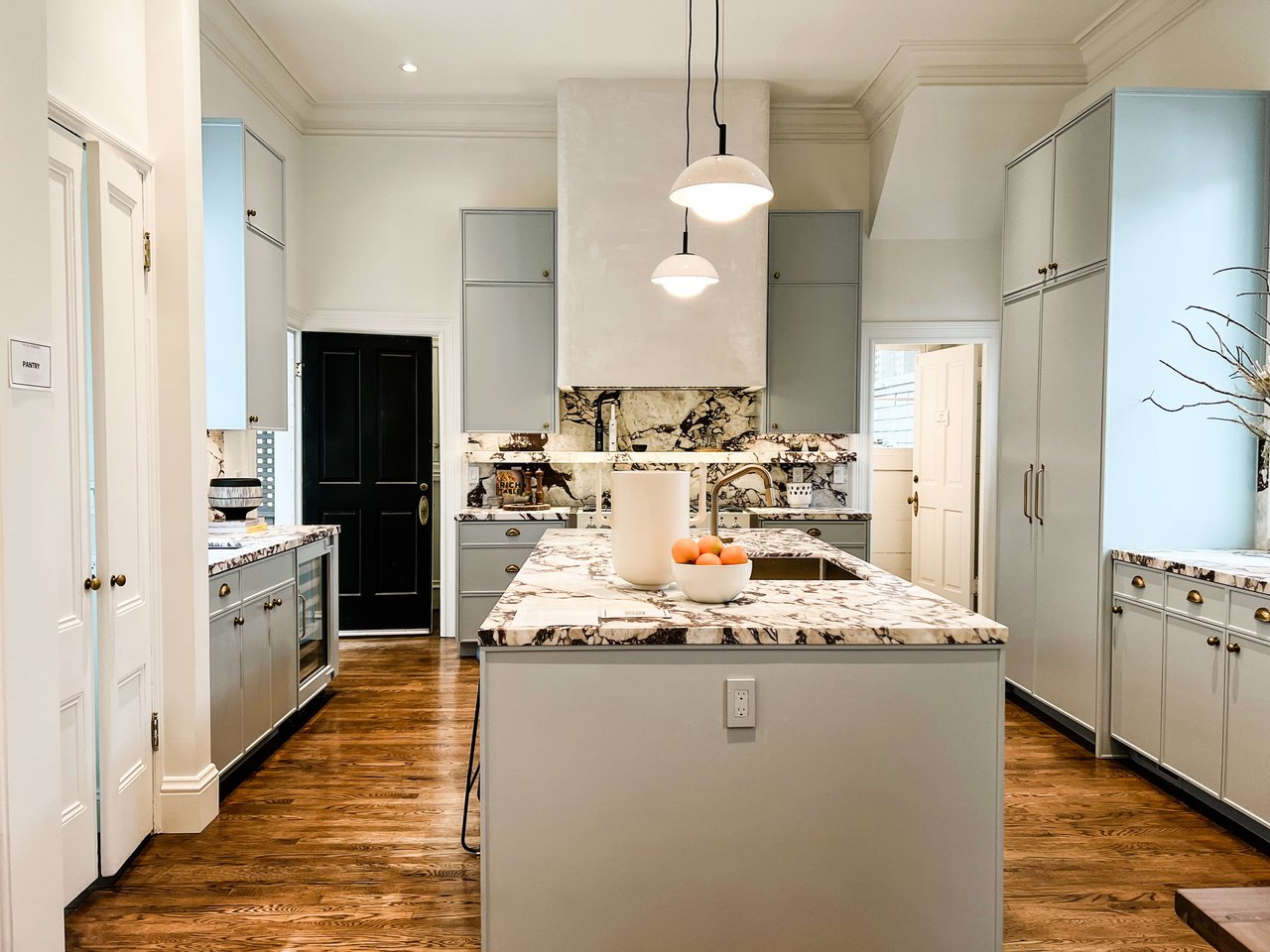
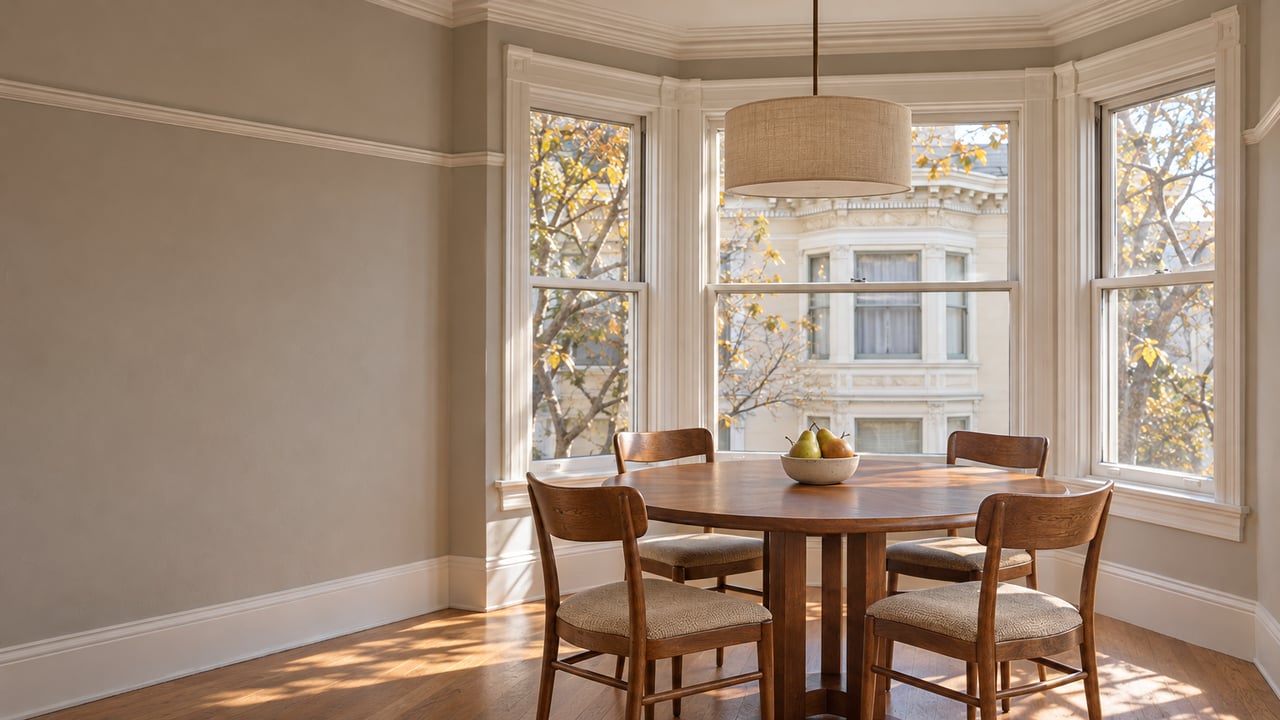
On October 16, a one-bedroom condo on the 2000 block of Fell Street came on the market at $995,000. It is in a 1925 Edwardian that faces the Panhandle, with 1,036 square feet, in-unit laundry, one parking space and a shared backyard. It sold on November 6 for $1,345,000, which is $350,000 or about 35 percent over the asking price, after 21 days on market. That works out to $1,298 per square foot. In August, Alamo Square and NoPa single-family sales recorded $1,276 per square foot, the most recent month with a neighborhood breakdown.
So a one-bedroom flat on Fell Street closed at a per-square-foot price above that of the houses around it. The comparison spans two different months and a small number of sales, so it is one data point. It still fits a pattern that runs through this fall's results. In Alamo Square and NoPa, condos are selling at overbids close to the neighborhood's houses and well above condos citywide, so the asking price on a flat here sits further below where it closes than the citywide condo numbers would suggest.
Four Fall Sales on the Same Few Blocks
The Fell Street sale was not the only one. Three nearby sales from October and early November show the same distance between asking price and sale price, and they include different building types and eras.
| Location | Home | Asking | Sold | Over asking | Closed |
|---|---|---|---|---|---|
| 1100 block of Fell St., Alamo Square | Two-bedroom condo | $799,000 | $976,500 | About 22% | October |
| 1100 block of Hayes St., Alamo Square | 1930 Mediterranean single-family, 4,785 sq. ft. | $6,995,000 | $9,000,000 | About 28.7% | October |
| 1400 block of Grove St., NoPa | Two-bedroom condo, 1977 building | $998,000 | $1,205,000 | About 20.7% | November |
| 2000 block of Fell St., NoPa | One-bedroom condo, 1925 Edwardian | $995,000 | $1,345,000 | About 35% | November |
The $9 million house on Hayes Street sold for roughly $1,880 per square foot. The three condos sold over asking by margins of about 21 to 35 percent. Of the four, the 1977 unit on Grove Street had the smallest overbid, and it still closed about $207,000 above its asking price. The pattern holds across a 1925 Edwardian, a 1930 house and a 1977 building within a few blocks of the Panhandle.
How Far Condos Here Run Ahead of the Rest of the City
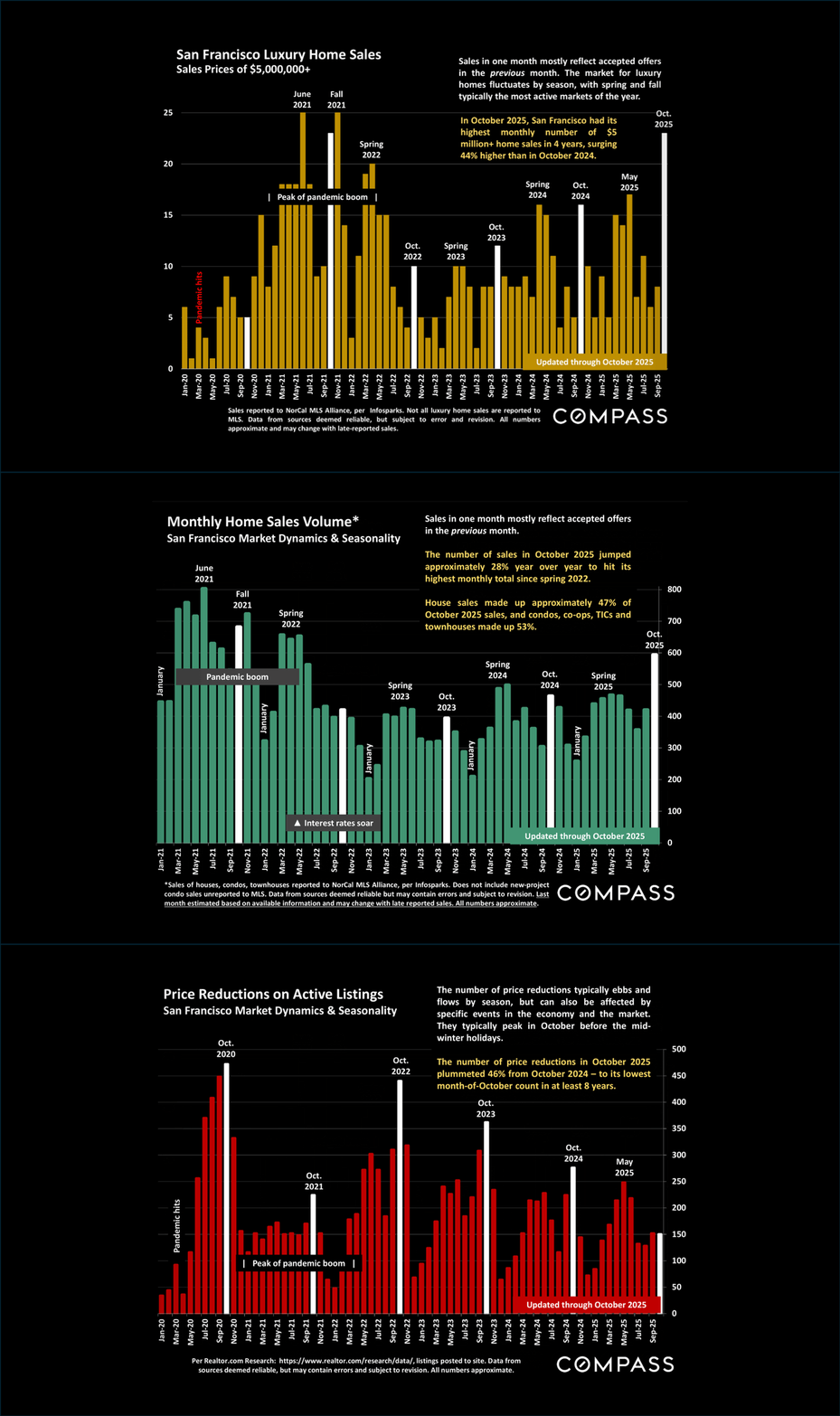
Over a full month, the gap with the rest of the city shows up clearly. In August, Alamo Square and NoPa condos and TICs sold at an average of 118.8 percent of list price, with a median of $1,718,000 and $1,130 per square foot. That placed the area among the five most competitive condo markets in the city that month. Across San Francisco in August, condos, TICs and co-ops averaged 106.3 percent of list, and 53.5 percent of them sold over asking.
Single-family homes in Alamo Square and NoPa averaged 122.7 percent of list that August, across only four sales. On that small sample, the area's condos sold within a few points of its houses. Citywide that month, single-family homes averaged 124.1 percent of list against 106.3 percent for condos, a gap of about 18 points.
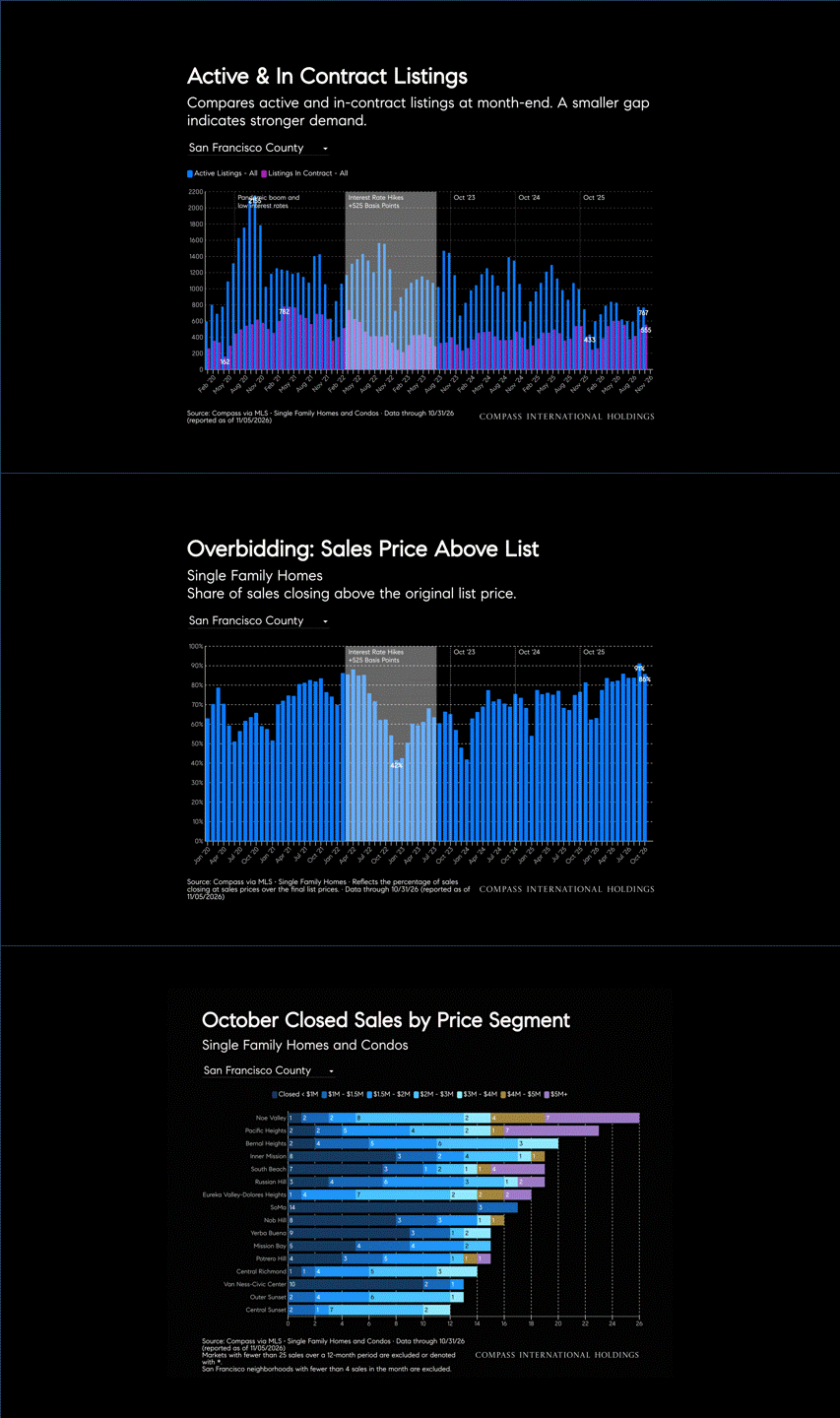
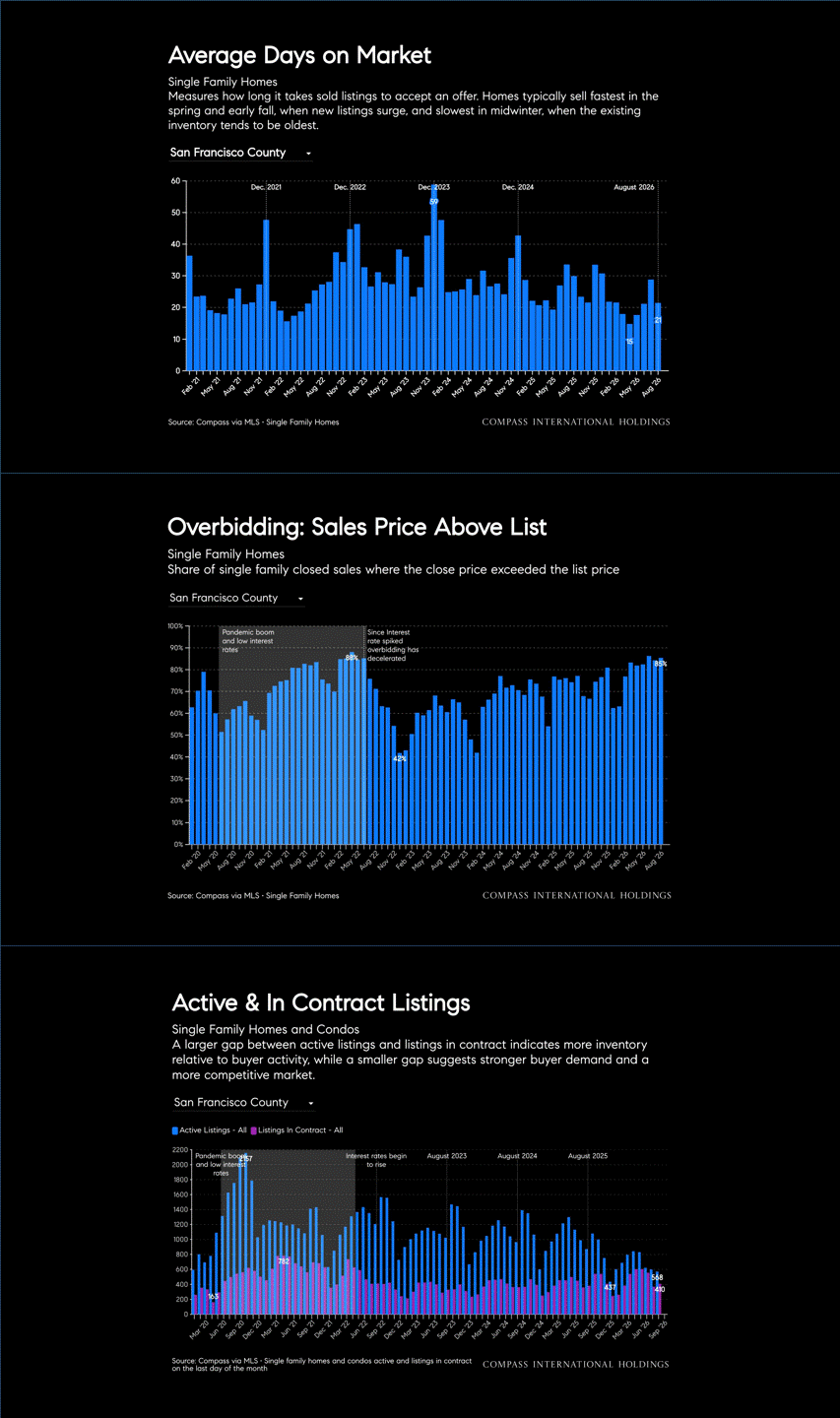
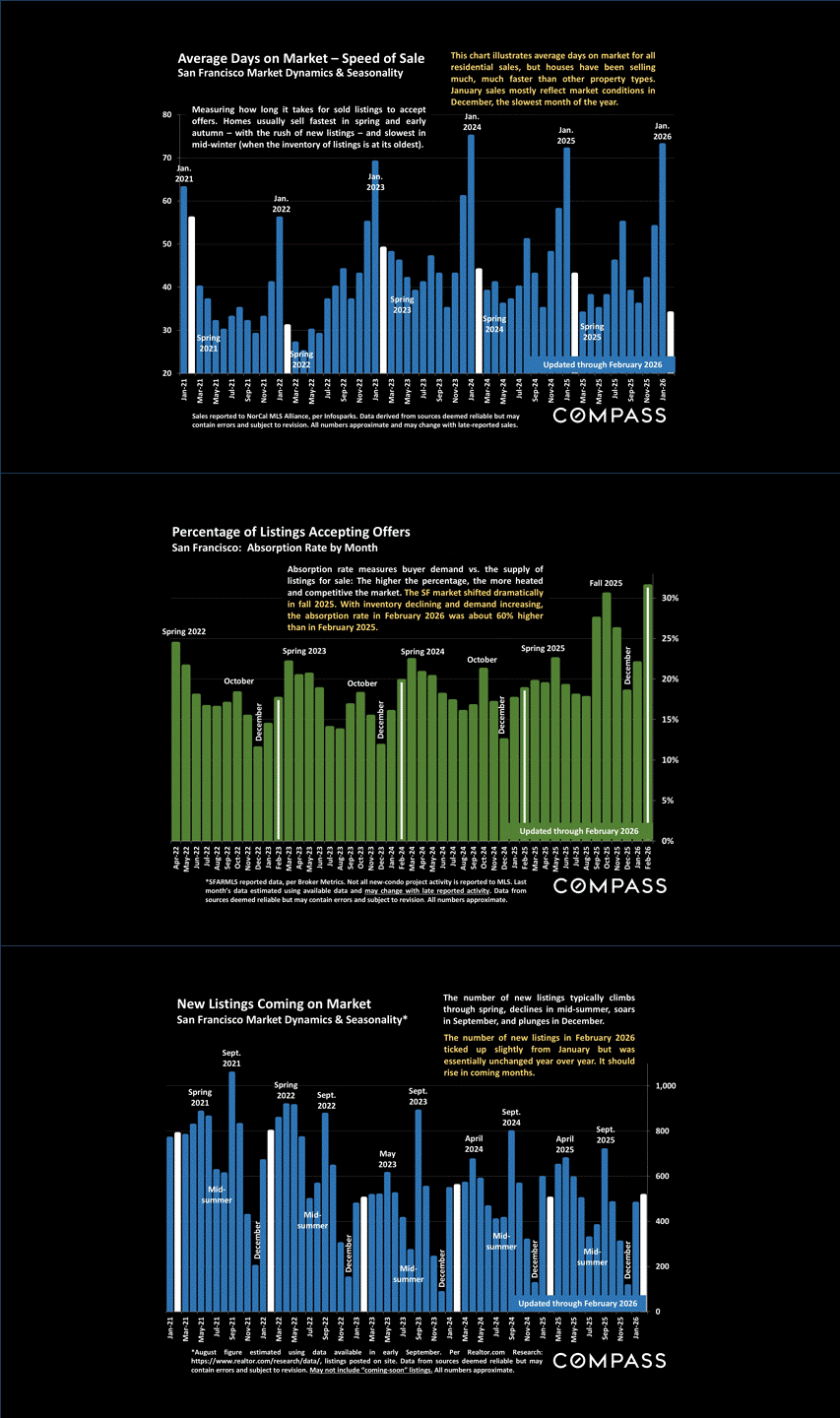
Days on market show the same split. The San Francisco Association of Realtors statistics, with data current through November 15, put October's citywide average at 15 days for single-family homes, 17 for TICs and 37 for condominiums. The Fell Street one-bedroom took 21 days, much closer to the citywide pace for houses than to the condo average.
Market commentary this fall offers one explanation for the citywide gap. Single-family buyers in San Francisco more often bring cash or substantial equity, while condo buyers rely more on financing and are more sensitive to interest rates. If that holds across the city, the Alamo Square and NoPa numbers suggest that buyers competing for flats near the Panhandle look more like house buyers than like typical condo buyers.
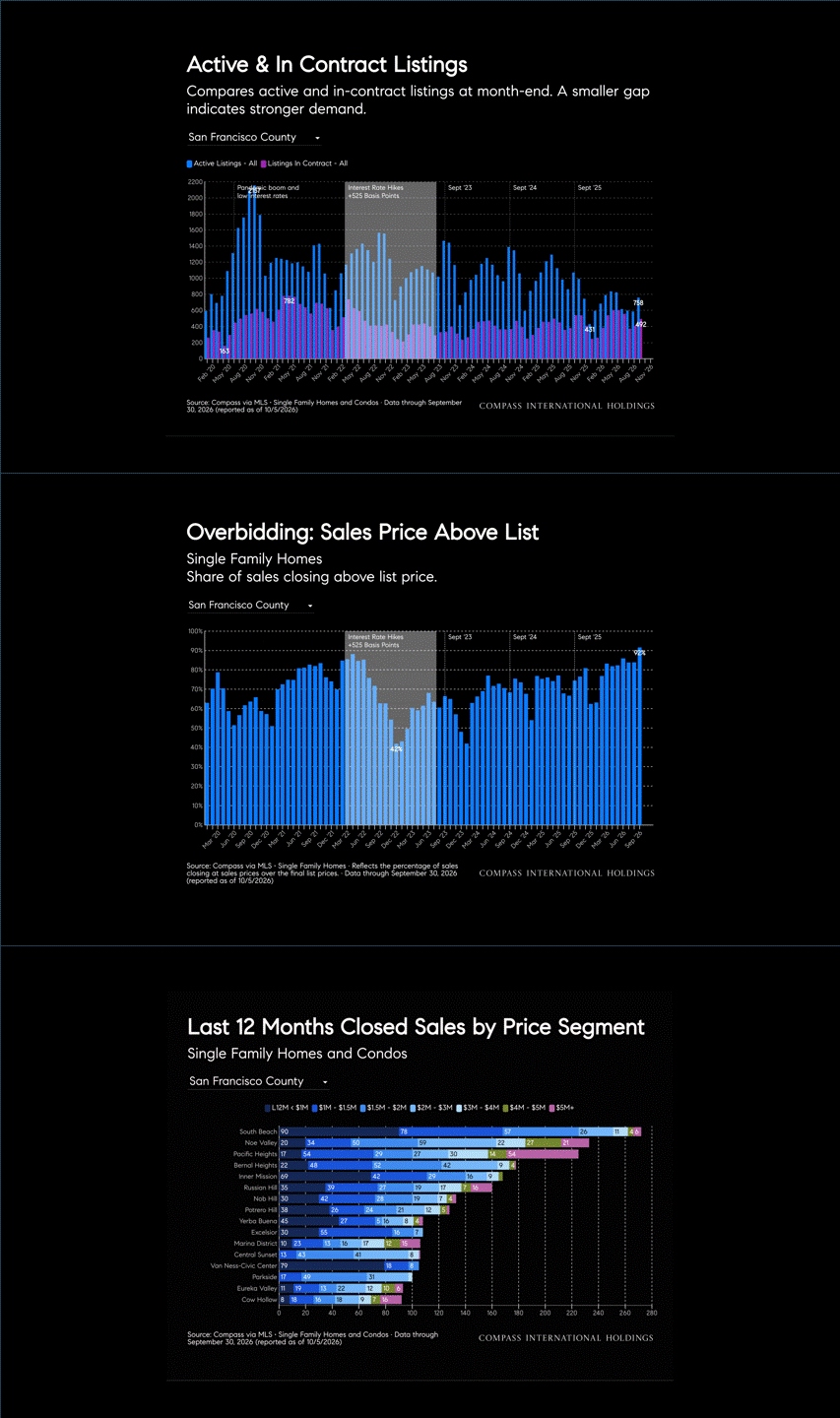
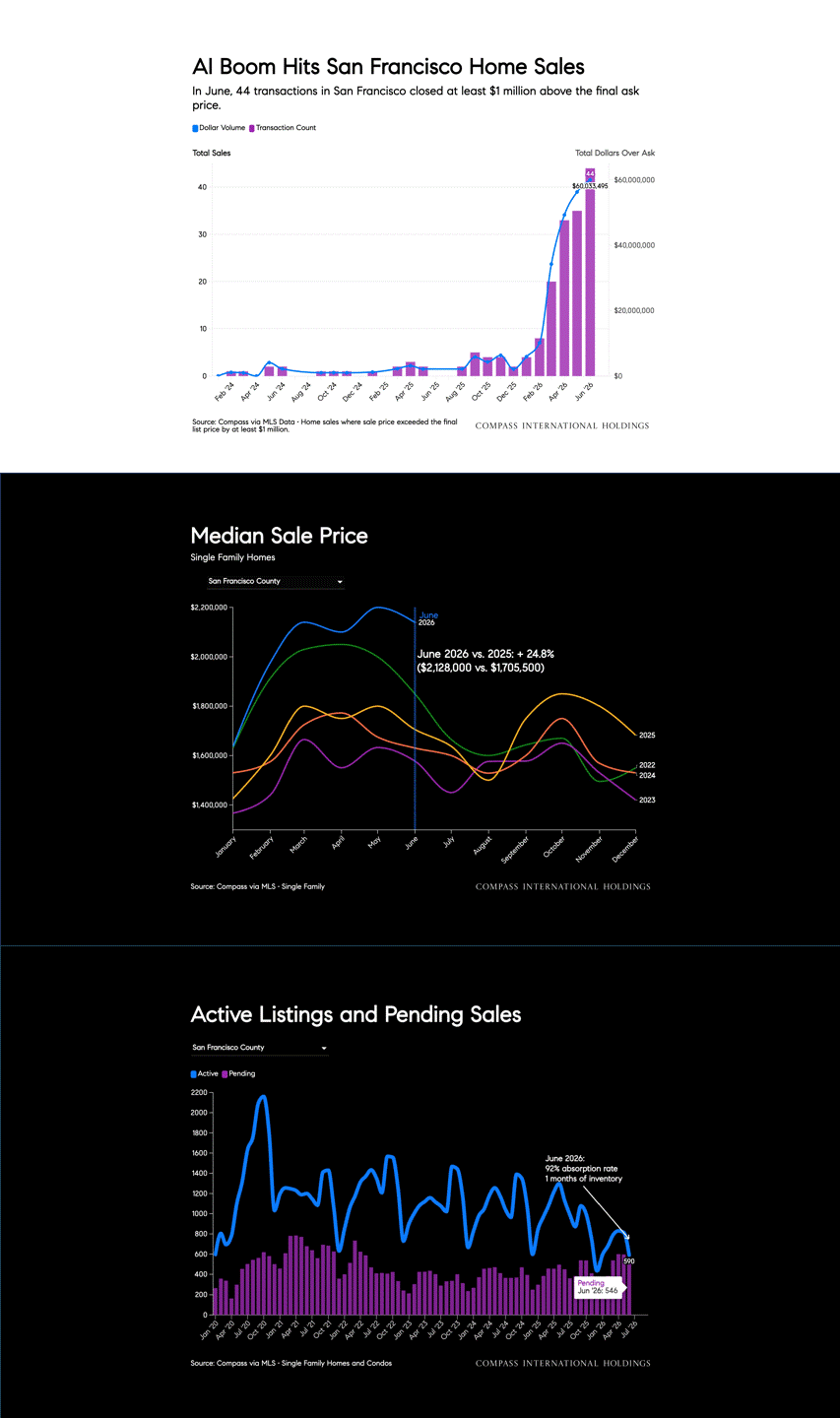
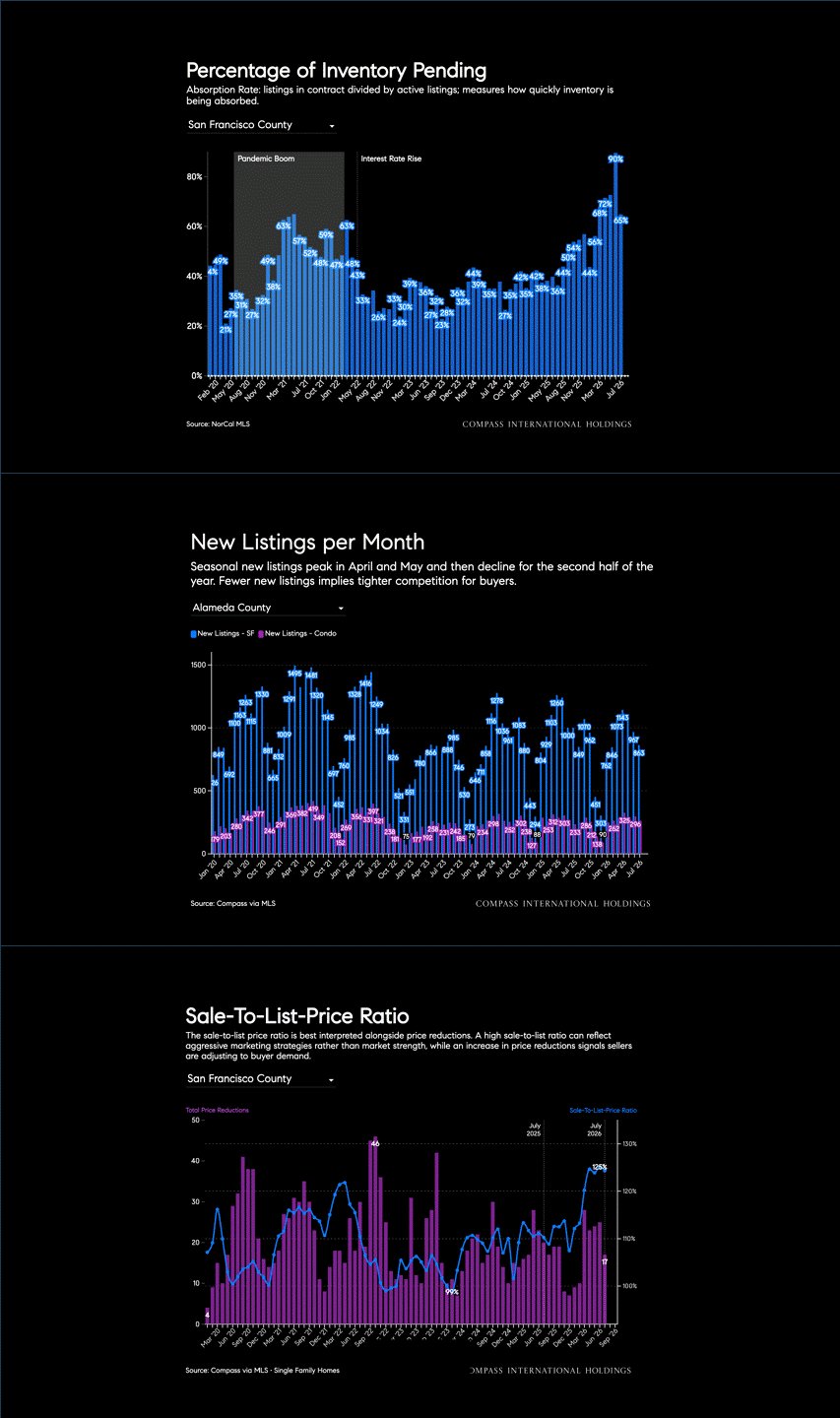
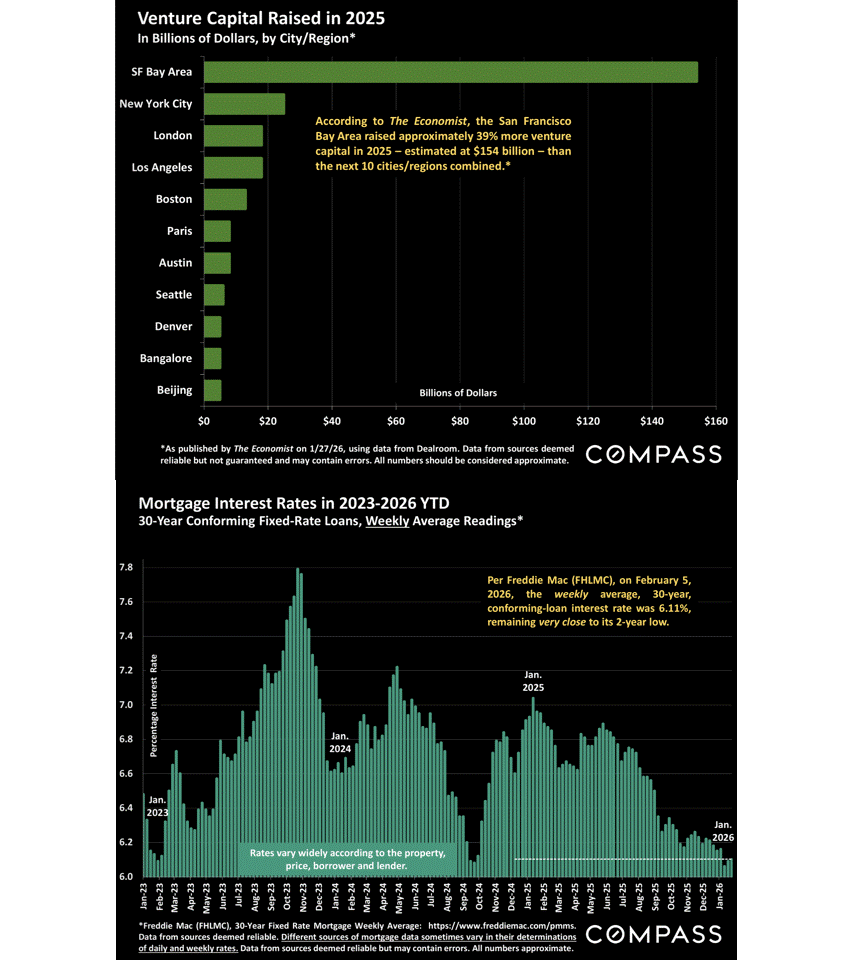
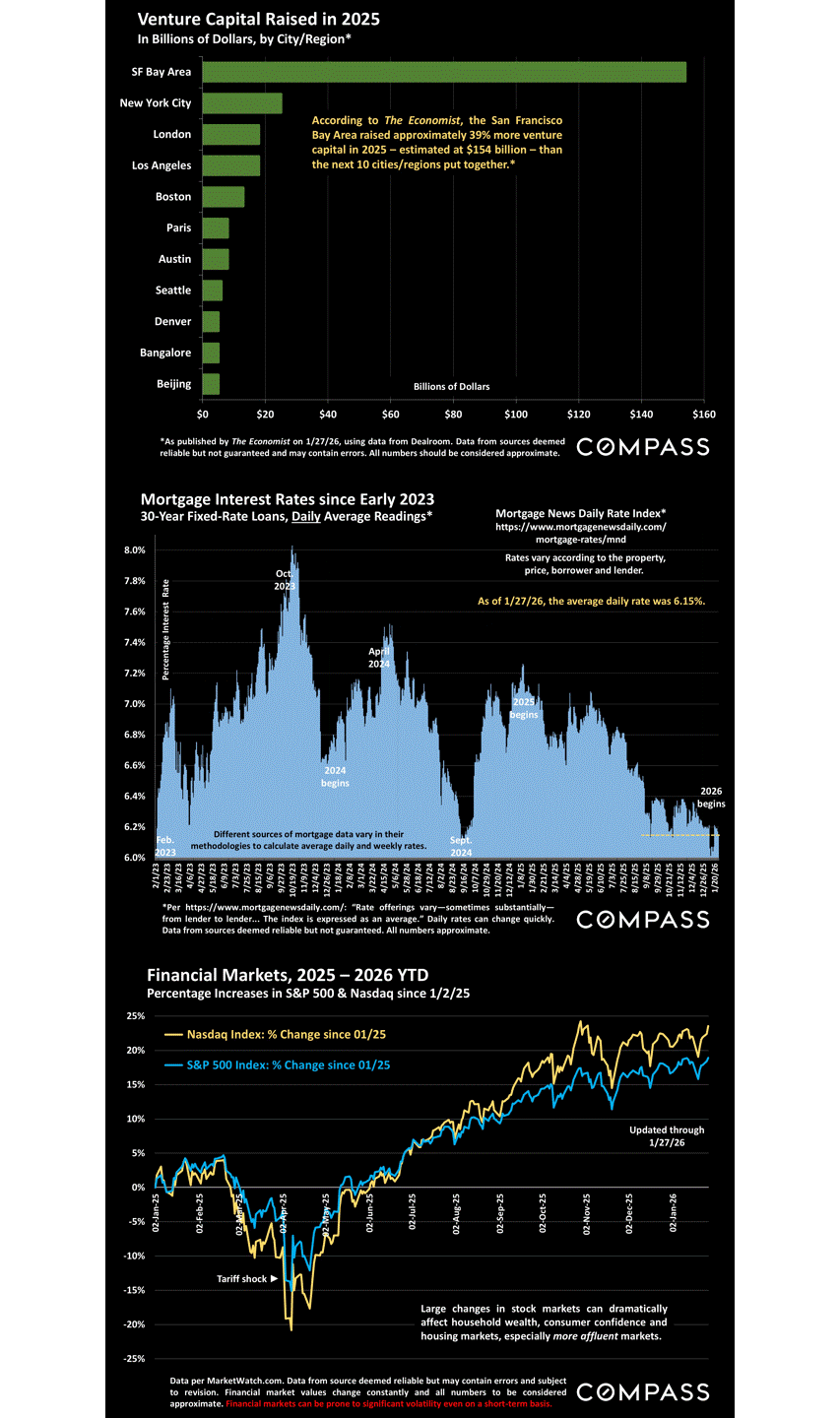
The wider market adds to the pressure. The Real Deal reported in October that 87 percent of San Francisco homes sold above asking in the third quarter and that September homes sold for an average of 131 percent of list. In that article, Compass agent Helena Zaludova described the overbids as "a rational market response to our conditions," citing liquidity from the AI industry meeting limited supply. NPR reported in September that AI expansion and workers returning to offices were adding to competition for a housing supply that has been short for a long time. The San Francisco Standard reported that September had the fewest listings of any September since 2020 and that $10 million sales are now appearing near AI job centers, including Hayes Valley, on the eastern edge of these blocks.
The Condo Stock Here Was Built a Century Ago
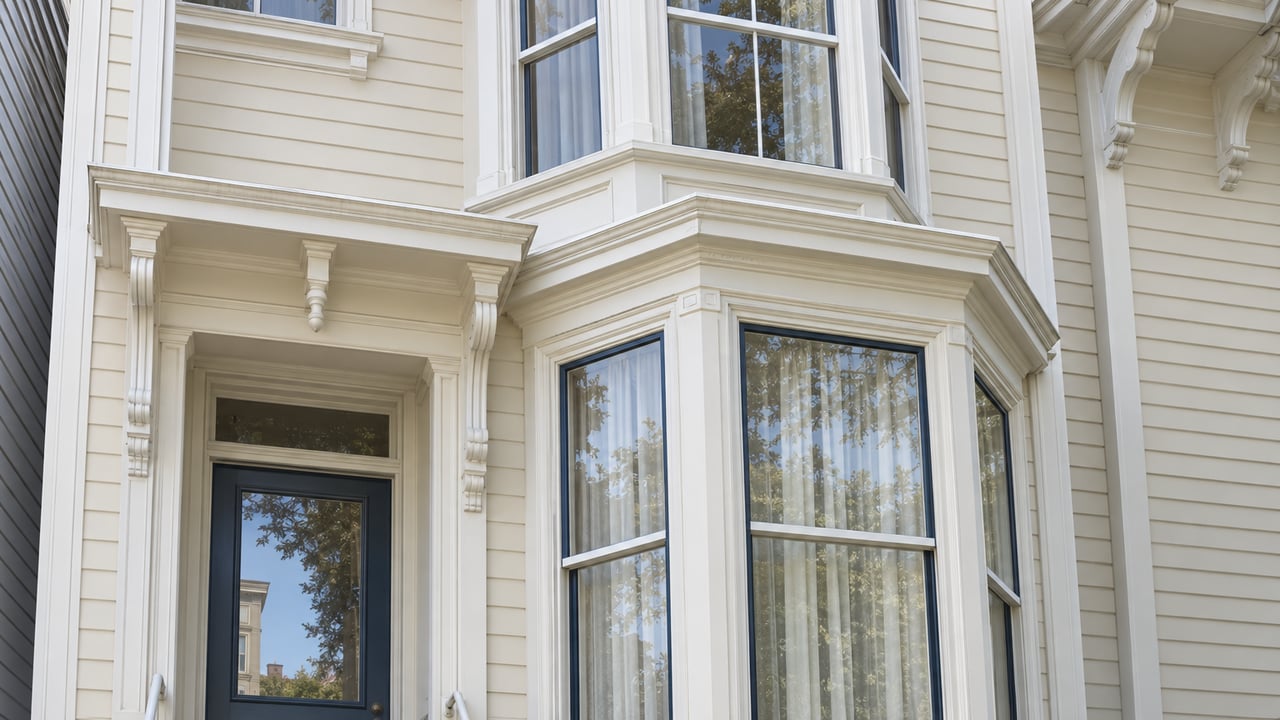
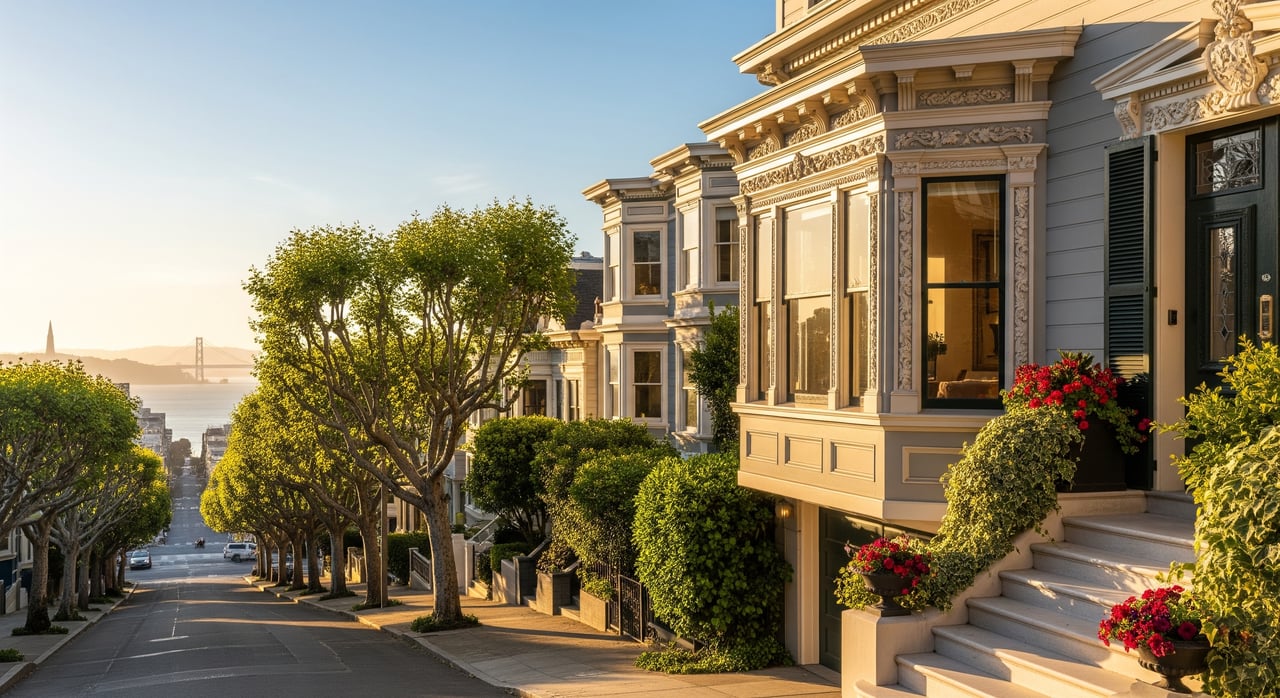
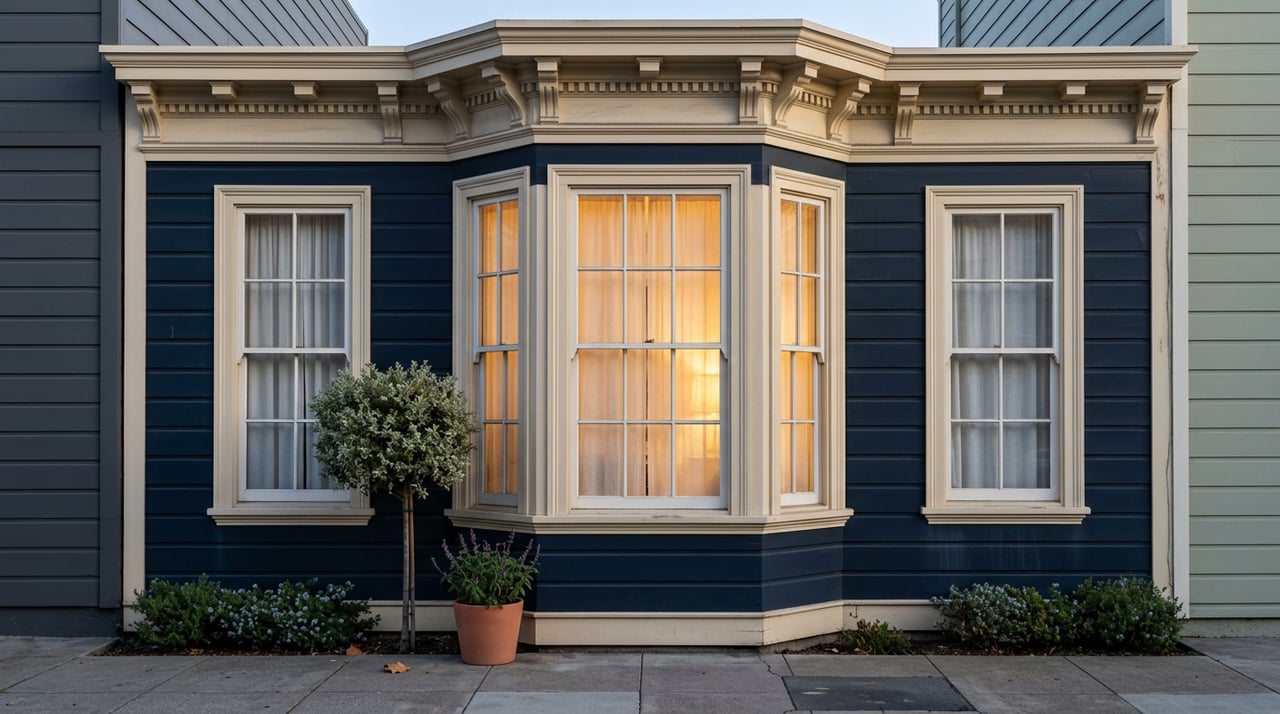
The local reason for the gap is the buildings. San Francisco Planning's report on the Alamo Square Historic District describes housing that is about half Victorian and one-third Edwardian, mostly two to three stories, and mostly built of wood, with elaborate entries and cornices. From about 1912 to 1934, new construction there consisted mainly of apartment blocks, which often replaced earlier large houses. The 1925 Edwardian on the 2000 block of Fell dates from that period. On Steiner Street, SF Heritage documents an 1888 Stick-style Victorian whose multicolored paint scheme dates to 1967.
From an architect's point of view, a flat in a small wood building of this kind sits closer to a house than to a unit in a tower. The Fell Street one-bedroom came with its own laundry, a parking space, a shared backyard and windows over a quiet interior courtyard, the features a buyer would otherwise look for in a small house.
A buyer who wants that combination near the Panhandle is mostly choosing among flats in other older buildings on the same blocks. The AI liquidity in the reporting above raises demand across the city. The building stock helps explain why condo bids here have tracked the neighborhood's house prices more closely than condo bids citywide.
The Divisadero Projects Are Planned as Apartments
The two largest housing projects planned on Divisadero near these blocks are both described as apartment buildings.
At 400 Divisadero, between Oak and Fell, the plan calls for an eight-story building with 203 apartments, including 20 affordable units, plus 1,850 square feet of retail. The unit mix is 121 one-bedrooms and 82 two-bedrooms. The San Francisco Chronicle reported in August that Greystar was set to take over the project.
At 650 Divisadero, the city's environmental review describes a ten-story, 107-unit building that is entirely affordable housing. The mix is 27 studios, 26 one-bedrooms, 27 two-bedrooms and 27 three-bedrooms. SFYIMBY reported when the project was approved in August 2025 that construction was expected to start in late 2026, with units ready in 2028.
For a buyer comparing condos today, the units for sale in Alamo Square and NoPa are in the existing buildings: the Victorians, the Edwardians and the apartment blocks of the 1910s through the 1930s, plus later buildings like the one on Grove Street.
Asking Prices in District 6
Over a longer window, the District 6 numbers show the same pattern. In the six months through October, the district, which includes Alamo Square and NoPa, recorded 101 condo sales at a $1.45 million median and an average of 26 days on market. It recorded 18 single-family sales at a $4.05 million median. That condo pace is faster than October's citywide condo average of 37 days, even though the two figures cover different periods.
Some of the gap between asking and sale prices comes from how listings are priced. The Real Deal's October reporting found agents across the city realizing they had priced listings low without meaning to. In the same article, Compass's Mike Simonsen and Janel Evans-Anderson noted that this fall luxury homes, not entry-level homes, were drawing the bidding wars, and wrote, "This fall it is the reverse." In Alamo Square and NoPa, that uncertainty applies to entry-level condos as well.
A buyer here gets more from recent closed sales than from asking prices. The useful questions are what the last flat in a comparable building sold for per square foot, and how close that figure came to the neighborhood's single-family number.
Questions Buyers Ask About These Two Neighborhoods
Are Alamo Square and NoPa the most competitive condo markets in this part of the city? No, not every month. In August, Cole Valley and the Haight averaged 121.7 percent of list for condos and TICs, slightly above the 118.8 percent in Alamo Square and NoPa. Lower Pacific Heights and Laurel Heights averaged 111.7 percent. All three markets were well above the citywide condo average of 106.3 percent for that month.
Do the AI company IPOs explain this fall's prices? Not yet. The Real Deal noted in October that Anthropic and OpenAI had not set IPO dates and that OpenAI's listing had been pushed to 2027. Any IPO-driven demand is still a forecast. Liquidity already in the market, combined with low inventory, is what the reporting connects to this fall's results.
Is the premium limited to Victorian and Edwardian buildings? No. The two-bedroom on the 1400 block of Grove Street is in a 1977 building, and it sold about 20.7 percent over asking in November. The historic buildings set the character of the neighborhood, and location near the Panhandle carries part of the premium on its own.
If you are weighing a flat in an Alamo Square Edwardian against a unit elsewhere in the city, Brandi Mayo can go through the recent per-square-foot sales for that building type with you and help set an offer strategy based on what comparable homes have closed at, not on the asking price. Start on the buyers page, or read how competitive offers differ across San Francisco areas. Work With Brandi.